Tag: Wine Blog

  • The Unifying Power of Wine

    The Unifying Power of Wine

    Finding Common Ground in a Divided World.

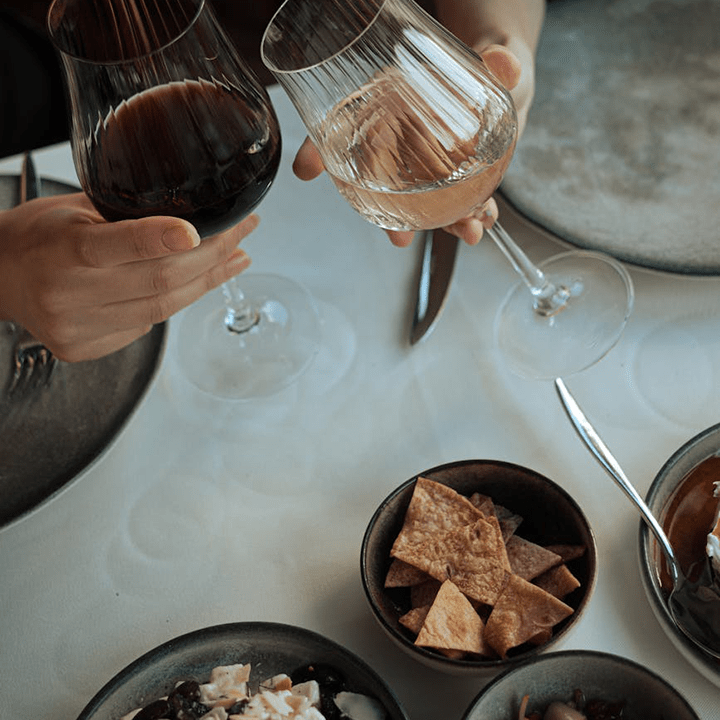
    As a wine educator and sommelier, one of my greatest joys is witnessing the magic that unfolds when people come together to share a bottle of wine. There is something inherently beautiful about the way wine has the power to bring us together, allowing us to appreciate the nuances of flavor, aroma, and history in each glass. But, as with any gathering, there are times when the conversation veers into contentious territory—often politics. 

    In these moments, I am reminded of the importance of finding common ground. During this political season, the divide between parties can feel insurmountable, and the disagreements can overshadow the shared experience of enjoying wine. Yet, it is precisely in these moments of division that we need to remember the value of open-mindedness and the joy of coming together over a shared passion.

    The Art of Listening and Appreciating

    Much like wine tasting, where we take the time to savor and appreciate the complex layers of a fine vintage, conversations require a similar approach. Listening, truly listening, to another person’s perspective is an art. It involves setting aside preconceived notions and being open to understanding why someone believes what they do, even if it differs from our own views.

    In wine, we celebrate diversity—whether it’s the terroir of a French vineyard or the innovative techniques of a new-world winemaker. This appreciation for diversity should extend to our interactions with others. Just as we wouldn’t dismiss a wine without tasting it, we shouldn’t dismiss someone’s political views without understanding their experiences and reasons behind them.

    Avoiding the Debate Trap

    One of the most important lessons I’ve learned over the years is the futility of trying to change someone’s mind in a heated debate. Much like trying to convince a steadfast Merlot drinker to appreciate the complexities of Chardonnay, political beliefs are deeply personal and often resistant to change through argument alone.

    Instead of focusing on what divides us, we can choose to steer the conversation back to what unites us. Wine offers a perfect metaphor here. Think about how wine enhances a meal, elevating the experience with each sip and bite. Similarly, finding common ground in our conversations can enrich our interactions, leaving us with a sense of connection rather than division.

    Wine has a unique way of bringing people together, transcending boundaries and fostering a sense of community. It is in this spirit of unity that we should approach our gatherings, especially during politically charged times. By focusing on our shared love of wine, we can create an environment where differences are respected and appreciated, rather than sources of conflict.

    Consider the vineyard, where each grape variety contributes to the complexity of the final blend. Every voice and perspective adds depth to our collective experience. Just as no single grape makes a wine, no single viewpoint defines our humanity. By embracing this diversity, we can foster conversations that are rich, meaningful, and ultimately unifying.

    Let us choose unity over division, respect over conflict, and understanding over debate.

    Gregory Dean, SOMM&SOMM

    Cultivating Respect and Understanding

    At the heart of every great wine and every great conversation is respect. Respect for the craft, for the land, and for each other. During this political season, let us remember to cultivate this respect in our interactions. Approach each conversation with an open mind, not expecting to sway someone’s position, but to understand and appreciate their perspective.

    Wine teaches us patience and appreciation. It reminds us that the best experiences are those we share with others, in moments of connection and joy. As we navigate this season of division, let us hold onto the lessons wine offers: to savor the present moment, to listen with an open heart, and to find common ground in the shared beauty of life.

    In the end, wine brings us together, while politics often divides us. Let us choose unity over division, respect over conflict, and understanding over debate. In doing so, we honor not only the wine in our glasses but the richness of our shared humanity. Cheers to finding common ground, one glass at a time. Cheers 🍷

  • The Genealogy of Grape Varietals

    The Genealogy of Grape Varietals

    Unveiling the Mysteries of Wine’s Most Celebrated Grapes

    In the world of wine, the grape is the star of the show, the foundation upon which all great wines are built. But have you ever wondered about the lineage of these illustrious berries? Let’s embark on a journey through the genealogy of the top 10 grape varietals, exploring their origins, the fascinating science behind them, and a sprinkle of myth and lore that makes each one even more intriguing.

    Photo by David on Pexels.com

    Understanding Hybrid, Cross, and Clone Varietals

    Before diving into the individual stories, it’s essential to understand some key terms:

    Hybrid: A hybrid grape is a cross between two different species (e.g. Vitis vinifera – Vitis lambrusca). These often arise to combine the best traits of each parent species, like disease resistance or cold hardiness.

    Cross: A cross, or crossbreed, is a grape created from two different varieties within the same species (Vitis vinifera – Vitis vinifera). This is common in Vitis vinifera, the primary species used in wine production.

    Clone: A clone is a genetically identical copy of a single grapevine. Clones arise through vegetative propagation, where cuttings from a vine are rooted to create new vines with the exact genetic makeup of the original.

    The Top 10 Grape Varietals and Their Genealogy

    Cabernet Sauvignon

    1. Cabernet Sauvignon

       – Species: Vitis vinifera

       – Genealogy: This noble grape is a natural cross between Cabernet Franc and Sauvignon Blanc, discovered in the 17th century in Bordeaux, France.

       – Myth and Lore: Legend has it that the grape first grew wild on the graves of fallen warriors, gaining strength from their spirits.

    Chardonnay

    2. Chardonnay

       – Species: Vitis vinifera

       – Genealogy: Originating from a cross between Pinot Noir and Gouais Blanc, Chardonnay has roots dating back to the Middle Ages in Burgundy, France.

       – Myth and Lore: Monks in Burgundy believed Chardonnay vines were a gift from the heavens, planted by angels to produce divine wines.

    Photo by Abynaya on Pexels.com
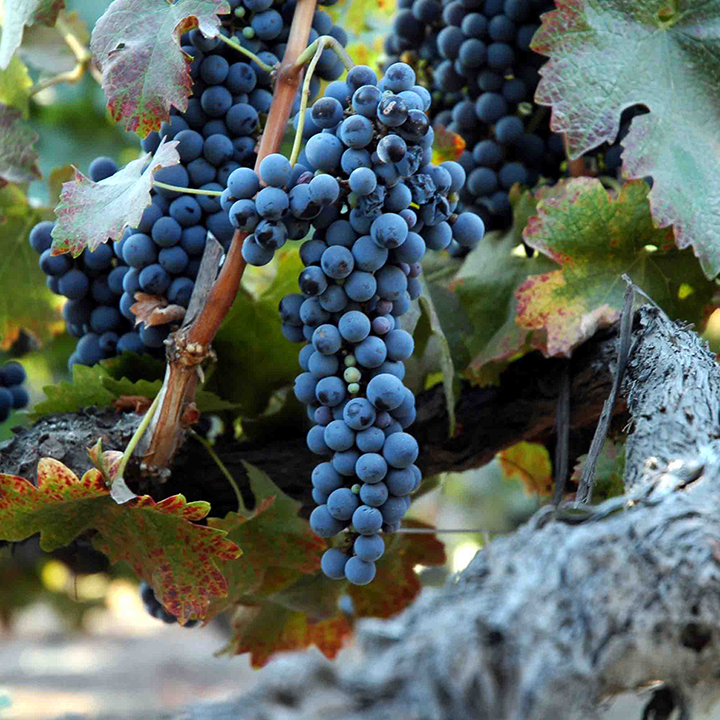
    3. Pinot Noir

       – Species: Vitis vinifera

       – Genealogy: Pinot Noir is an ancient variety, with genetic studies suggesting it dates back over 2,000 years, originating in the Burgundy region of France.

       – Myth and Lore: Some say that Pinot Noir vines were nurtured by druids, who believed the grape possessed mystical properties.

    Merlot

    4. Merlot

       – Species: Vitis vinifera

       – Genealogy: A descendant of Cabernet Franc and Magdeleine Noire des Charentes, Merlot emerged in the Bordeaux region in the 18th century.

       – Myth and Lore: Merlot was once thought to be the favorite grape of mermaids, who would sip its juice and sing songs of love and loss.

    Syrah/Shiraz

    5. Syrah/Shiraz

       – Species: Vitis vinifera

       – Genealogy: Syrah’s origins trace back to a cross between Dureza and Mondeuse Blanche, discovered in the Rhône Valley, France.

       – Myth and Lore: Ancient Persian legends tell of Syrah as a grape born from the tears of the god Syra, weeping for his lost love.

    Sauvignon Blanc

    6. Sauvignon Blanc

       – Species: Vitis vinifera

       – Genealogy: This grape is one of the parents of Cabernet Sauvignon, with its origins in the Loire Valley of France.

       – Myth and Lore: It is said that Sauvignon Blanc vines were found growing near the lair of a wise old fox who guarded them fiercely, believing the grapes held the secret to eternal youth.

    Zinfandel

    7. Zinfandel

       – Species: Vitis vinifera

       – Genealogy: Genetically identical to the Croatian grape Crljenak Kaštelanski and the Italian Primitivo, Zinfandel made its way to California in the mid-19th century.

       – Myth and Lore: Early settlers in California believed Zinfandel vines were protected by earth spirits who ensured bountiful harvests.

    Riesling

    8. Riesling

       – Species: Vitis vinifera

       – Genealogy: Riesling’s origins can be traced to the Rhine region of Germany, first documented in the 15th century.

       – Myth and Lore: German folklore suggests that Riesling vines were tended by elves, who imbued the grapes with a delicate sweetness.

    Tempranillo

    9. Tempranillo

       – Species: Vitis vinifera

       – Genealogy: Native to Spain, Tempranillo’s exact origins are unclear, but it has been cultivated on the Iberian Peninsula for over 2,000 years.

       – Myth and Lore: Spanish knights believed that drinking Tempranillo before battle would grant them courage and strength.

    Malbec

    10. Malbec

        – Species: Vitis vinifera

        – Genealogy: Originating in France, Malbec is a natural cross between Magdeleine Noire des Charentes and Prunelard. It gained fame in Argentina, where it thrived in the high altitudes.

        – Myth and Lore: In Argentine folklore, Malbec was blessed by the spirits of the Andes mountains, who ensured its rich, robust flavor.

    The Science and Magic of Varietal Creation

    Hybrid Varietals – Hybrids often arise from the need to improve specific traits. For example, Vidal Blanc is a hybrid of Ugni Blanc (Vitis vinifera) and a hybrid grape variety, created to withstand harsh Canadian winters.

    Cross Varietals – Crossbreeding within the same species can lead to remarkable discoveries, as seen with Pinotage, a cross between Pinot Noir and Cinsault, developed in South Africa in 1925 to create a robust grape suited to the local climate.

    Clones – Clones like the Dijon clones of Pinot Noir, selected for their specific traits such as small berries or disease resistance, demonstrate how subtle genetic variations can lead to significant differences in the wine’s profile.

    The genealogy of grape varietals is a blend of science and storytelling, where each grape’s journey from ancient roots to modern vineyards is as captivating as the wines they produce. Whether shaped by nature or nurtured by mythical beings, these varietals continue to enchant wine lovers around the globe, one sip at a time. So, the next time you raise a glass, remember the rich history and fascinating lineage that brought that wine to your table. Cheers 🍷

  • Pour & Explore – Southern France

    Pour & Explore – Southern France

    An Enchanting Evening at 95 and Vine

    As a professional sommelier and wine educator, I had the pleasure of hosting the ‘Pour & Explore – Southern France’ event at the charming 95 and Vine in Port Orange, FL. The evening was a resounding success, with a full house of enthusiastic wine lovers eager to explore the diverse and rich wines of Southern France. The atmosphere was electric, filled with curiosity and excitement.

    95 and Vine: The Perfect Venue

    From the moment I stepped into 95 and Vine, I knew it was the perfect venue for our event. The ambiance was both elegant and inviting, creating an ideal setting for an evening of wine exploration. The knowledgeable and professional team at 95 and Vine, led by the dedicated owner Martin Clark, ensured that every detail was meticulously attended to. From the beautifully set tables to the seamless pouring of each wine, the evening flowed effortlessly.

    Six Wines Carefully Selected to Represent the Diversity of Southern France

    The Wines

    2023 La Chapelle du Bastion – Picpoul de Pinet

    Region: Picpoul de Pinet, Languedoc

    We began our journey with the 2023 La Chapelle du Bastion Picpoul de Pinet. This crisp and refreshing white wine from the Languedoc region was a delightful introduction. I shared insights about the region’s maritime influence and limestone soils, which contribute to the wine’s bright acidity and mineral notes. Guests appreciated the zesty citrus flavors and crisp finish, especially when paired with the creative wine-inspired light fare on 95 and Vine’s menu.

    2022 Bila-Haut – Cotes du Roussillon – Blanc

    Region: Côtes du Roussillon, Roussillon

    Next, we traveled to the sun-drenched vineyards of Roussillon with the 2022 Bila-Haut Cotes du Roussillon Blanc. This white blend captivated everyone with its rich aromas of stone fruit and floral notes. I highlighted the region’s diverse terroir, shaped by the Mediterranean climate and rugged terrain. The wine’s balanced acidity and layered flavors were a perfect match for 95 and Vine’s hummus plate.

    2021 La Coste Rosé D’une Nuit

    Region: Provence

    The third wine, 2021 La Coste Rosé D’une Nuit from Provence, brought a touch of elegance and romance to our tasting. This pale pink rosé, with its delicate notes of red berries and citrus, quickly became a crowd favorite. I described Provence’s long history of rosé production and its dedication to quality winemaking. The wine’s light, refreshing character complemented the savory elements of the charcuterie board beautifully.

    Languedoc-Roussillon

    2021 Château Puech-Haut – Argali Rouge

    Region: Languedoc

    Transitioning to red wines, the 2021 Château Puech-Haut Argali Rouge from Languedoc showcased the region’s ability to produce bold, expressive wines. This blend of Syrah and Grenache offered rich aromas of dark fruit and spices, with a smooth, velvety texture. I emphasized the Languedoc’s dynamic winemaking traditions and its emphasis on innovation. The Argali Rouge’s robust flavors paired perfectly with the charcuterie board’s cured meats, providing a satisfying and memorable tasting experience.

    2022 Famille Lancon La Solitude – Côtes du Rhône

    Region: Côtes du Rhône

    The 2022 Famille Lancon La Solitude from Côtes du Rhône brought a touch of classic Rhône Valley elegance to the evening. This red blend, with its harmonious mix of Grenache, Syrah, and Mourvèdre, impressed guests with its complexity and balance. I delved into the rich history of the Côtes du Rhône region and its reputation for producing high-quality wines. The wine’s depth of flavor and smooth tannins paired excellently with the diverse selection of flatbreads.

    2020 Brotte – Les Hauts de Barville Châteauneuf-du-Pape

    Region: Châteauneuf-du-Pape, Rhône

    We concluded our tasting with the prestigious 2020 Brotte Les Hauts de Barville Châteauneuf-du-Pape. This powerful and elegant red wine, with its complex aromas of black fruit, herbs, and spices, was the highlight of the evening. I shared the storied history of Châteauneuf-du-Pape and its significance in the world of wine. The wine’s rich, full-bodied character offered a perfect ending to an unforgettable evening.

    A Memorable Experience

    Throughout the event, the guests were engaged and inquisitive, asking thoughtful questions and sharing their impressions of each wine. The charcuterie board, available upon request, was a delightful accompaniment, with carefully selected cheeses, meats, and other delicacies that perfectly complemented the wines. The positive feedback from attendees underscored the success of the evening, highlighting the enjoyable and educational experience we shared.

    Special thanks go to Martin Clark, the owner of 95 and Vine, for inviting me to lead this event and for his unwavering support in making it a memorable occasion. The success of ‘Pour & Explore – Southern France’ sets the stage for future events, with hopes of continuing to explore other wine regions and sharing the joy of wine with more enthusiasts.

    As the evening came to a close, guests left with a greater appreciation for the wines of Southern France and a sense of anticipation for the next ‘Pour & Explore’ event at 95 and Vine. I look forward to our next journey together through the world of wine. 🍷

  • The Elegance of Wine Glasses

    The Elegance of Wine Glasses

    A Deep Dive into Rolled Edge vs. Cut Edge

    When it comes to the world of wine, the vessel you choose to enjoy your vintage in can profoundly influence the experience. Whether you’re a seasoned oenophile or a curious beginner, understanding the intricacies of wine glasses can elevate your appreciation of the wine itself. Among the many features of a wine glass, the edge – specifically whether it is rolled or cut – plays a surprisingly pivotal role.

    Every detail, down to the very edge, contributes to the symphony of senses that is wine tasting.

    Gregory Dean, SOMM&SOMM

    Rolled Edge vs. Cut Edge: The Basics

    Rolled Edge Wine Glasses

    A rolled edge wine glass features a lip that has been thickened by rolling the glass at the rim. This process creates a rounded, smooth edge. Rolled edges are often found in more durable, everyday glassware. They provide a comfortable drinking experience, as the thicker rim can be easier on the lips. However, the thicker edge may somewhat impede the direct flow of wine onto the palate, potentially dulling the sensory experience.

    Cut Edge Wine Glasses

    In contrast, a cut edge wine glass boasts a thin, sharp rim achieved by cutting the glass rather than rolling it. This style is prevalent in higher-end, sommelier-approved glassware. The fine edge allows the wine to flow smoothly and directly onto the tongue, enhancing the tasting experience by delivering more precise flavors and aromas.

    Typical Rolled-edge Restaurant Wine Glasses

    When to Use Each Type

    Rolled Edge Uses

    – Casual Settings: Perfect for informal gatherings and outdoor events where durability and ease of use are prioritized over the nuanced tasting experience.

    – Everyday Use: Ideal for those who enjoy a glass of wine with dinner and prefer a sturdy, easy-to-clean option.

    Cut Edge Uses

    – Formal Occasions: Essential for wine tastings, dinners, and events where showcasing the wine’s full profile is the goal.

    – Wine Enthusiasts: Perfect for those who are passionate about wine and want to experience every subtle note and aroma.

    Riedel Vinum Series Crystal Wine Glasses

    Glass Making Approaches and Formulas

    The material and craftsmanship behind wine glasses significantly influence their performance and the overall tasting experience. Let’s explore the primary materials used in fine glassware:

    Quartz Glass

    Quartz glass, or fused silica, is known for its exceptional clarity and resistance to thermal shock. It is less common in wine glasses due to its high cost and difficulty in molding. However, its superior clarity makes it a favorite in scientific applications and ultra-premium glassware.

    Soda-Lime Glass

    This is the most common type of glass, made from a combination of soda (sodium carbonate), lime (calcium oxide), and silica (silicon dioxide). Soda-lime glass is economical and durable, making it suitable for everyday use. However, it is generally less clear and brilliant than other types of glass.

    Lead Crystal

    Lead crystal, traditionally containing up to 30% lead oxide, is renowned for its brilliance and clarity. The lead content increases the refractive index, giving the glass a beautiful sparkle. Lead crystal is also more malleable when molten, allowing for intricate designs and thin rims. However, concerns about lead leaching have led to a decline in its use for drinkware.

    Lead-Free Crystal

    Modern advancements have produced lead-free crystal, which substitutes lead oxide with other metal oxides like barium or zinc. This material retains the desirable properties of traditional lead crystal – clarity, brilliance, and durability – without the health concerns. Lead-free crystal is now the standard for high-quality wine glasses.

    SOMM&SOMM Recommends: Riedel Vinum Crystal Glasses

    The Effect on the Wine-Tasting Experience

    The choice of glass material and design profoundly affects the wine-tasting experience:

    Clarity: Higher clarity materials, like lead or lead-free crystal, allow for better visual appreciation of the wine’s color and consistency. The ability to see the wine clearly can enhance the overall sensory experience.

    Thickness: Thinner rims, typical of cut edge glasses made from crystal, allow for a more delicate delivery of wine to the palate, enhancing the perception of flavors and aromas. Thicker, rolled rims, more common in soda-lime glass, can dull this precision but provide durability and comfort.

    Weight: Crystal glasses are typically lighter and more balanced than their soda-lime counterparts, which can enhance the tactile experience of swirling and sipping the wine.

    SOMM&SOMM Recommends: Zalto Denk’Art Universal Hand-Blown Crystal Glasses

    Science and Subjectivity

    Science tells us that the thinner, more precise rim of a cut edge glass improves the direct flow of wine, enhancing the sensory experience by delivering flavors and aromas more effectively. However, the subjective pleasure derived from using a particular glass often depends on personal preference and context.

    For some, the ritual of selecting a delicate, beautifully crafted cut edge crystal glass adds to the romance of wine drinking. For others, the comfort and reliability of a sturdy rolled edge glass hold equal charm.

    Photo by Diana u2728 on Pexels.com

    Whether you lean towards the durable practicality of rolled edge glasses or the refined elegance of cut edge crystal, the choice of wine glass can profoundly influence your wine-tasting journey. Understanding the nuances between these types of glassware, as well as the materials and craftsmanship involved, allows you to tailor your wine experience to your preferences and occasions.

    So next time you uncork a bottle, consider not just the wine but the glass in which you’ll savor it. After all, every detail, down to the very edge, contributes to the symphony of senses that is wine tasting. Cheers 🍷

  • Exploring the Languedoc and Roussillon Wine Regions

    Exploring the Languedoc and Roussillon Wine Regions

    Nestled in the sun-drenched corner of Southern France, the Languedoc and Roussillon wine regions are a paradise for wine enthusiasts. These regions boast a rich history, diverse varietals, and unique terroir, making them essential stops on any oenophile’s journey. Let’s embark on a flavorful adventure through these captivating regions, exploring their history, the characteristics of their wines, and what makes them truly special.

    The Languedoc and Roussillon regions have a long and storied history of winemaking, dating back to the 5th century BC when the Greeks introduced viticulture to the area. However, it was the Romans who significantly developed the vineyards, recognizing the region’s potential for producing exceptional wines. Over the centuries, winemaking in these regions faced numerous challenges, from phylloxera outbreaks to economic downturns. Yet, the resilient spirit of the winemakers prevailed, leading to a renaissance in the 20th and 21st centuries that has seen the regions flourish as hubs of innovation and tradition.

    The Terroir and Climate

    The unique terroir and climate of Languedoc and Roussillon play pivotal roles in shaping the characteristics of their wines. The regions benefit from a Mediterranean climate, characterized by hot, dry summers and mild, wet winters. This climate is ideal for grape growing, allowing for full ripening and concentration of flavors.

    Languedoc: Stretching from the Rhône River in the east to the Spanish border in the west, Languedoc is one of the largest wine-producing regions in the world. Its diverse terroir includes coastal plains, rolling hills, and rugged mountains. Soils vary widely, from limestone and clay to schist and gravel, providing a rich tapestry of microclimates that support a wide range of grape varietals.

    Roussillon: Located just south of Languedoc, Roussillon is often referred to as “French Catalonia.” It is nestled between the Pyrenees Mountains and the Mediterranean Sea, creating a dramatic landscape of terraced vineyards and steep slopes. The region’s soils are predominantly schist, granite, and limestone, contributing to the distinct minerality found in its wines.

    Marc Benedetti/Pixabay

    Languedoc and Roussillon produce an impressive array of wines, from robust reds and crisp whites to delightful rosés and sweet fortified wines. Here are some key varietals and styles that define these regions:

    – Reds: The red wines of Languedoc and Roussillon are known for their bold flavors and complexity. Key varietals include Grenache, Syrah, Mourvèdre, and Carignan. These wines often exhibit dark fruit flavors, such as blackberry and plum, complemented by herbal notes, spice, and earthy undertones.

    – Whites: White wines from these regions range from fresh and zesty to rich and full-bodied. Varietals like Grenache Blanc, Marsanne, Roussanne, and Vermentino (locally known as Rolle) are common. Expect flavors of citrus, stone fruits, and floral notes, with a distinct minerality that reflects the terroir.

    – Rosés: Rosé wines from Languedoc and Roussillon are vibrant and refreshing, typically made from Grenache, Syrah, and Cinsault. These wines are characterized by their bright red fruit flavors, crisp acidity, and hints of floral and herbal notes.

    – Fortified Wines: Roussillon, in particular, is renowned for its sweet fortified wines, known as Vin Doux Naturel. These wines, made primarily from Muscat and Grenache, are rich and luscious, with flavors of dried fruits, honey, and nuts.

    Notable Appellations

    Several appellations within Languedoc and Roussillon stand out for their exceptional wines:

    Fraissé des Corbières

    – Corbières: Known for its robust reds, Corbières offers wines with intense fruit flavors, spice, and a rustic charm.

    – Faugères: This appellation produces both red and white wines with a distinct minerality, thanks to its schist soils.

    – Minervois: Minervois is celebrated for its elegant and structured red wines, often with a floral bouquet and a touch of earthiness.

    – Picpoul de Pinet: Famous for its crisp, zesty white wines made from the Picpoul grape, perfect for pairing with seafood.

    – Côtes du Roussillon: This appellation offers a range of red, white, and rosé wines, all showcasing the region’s characteristic freshness and balance.

    – Maury: Renowned for its Vin Doux Naturel, Maury produces sweet wines with remarkable depth and complexity.

    The uniqueness of Languedoc and Roussillon wines lies in their diversity, history, and the passionate winemakers who strive to honor tradition while embracing innovation. The regions’ varied terroirs and climates allow for an incredible range of wine styles, from robust reds to delicate whites and everything in between. The influence of the Mediterranean Sea and the rugged terrain adds layers of complexity and character to the wines, making them truly distinctive.

    In conclusion, the Languedoc and Roussillon wine regions offer a rich tapestry of flavors and experiences for wine lovers. Whether you’re savoring a bold red, a crisp white, or a sweet fortified wine, you’re sure to find something that delights your palate and tells the story of this remarkable corner of Southern France. So, pour yourself a glass, sit back, and let the wines of Languedoc and Roussillon transport you to their sun-drenched vineyards and storied past. Cheers 🍷

  • Sipping Sunshine

    Sipping Sunshine

    A Guide to Pairing Summer-Friendly Wines with Summer Fruits

    Summer is a time for sun-kissed days, breezy nights, and the vibrant flavors of fresh fruits and crisp wines. Whether you’re lounging by the pool, hosting a backyard barbecue, or enjoying a lazy afternoon on the patio, the right wine can elevate the season’s delicious bounty to new heights. Join me on a delightful journey as we explore the best wine and fruit pairings that celebrate the essence of summer. Plus, for the adventurous among us, I’ll share a refreshing sangria recipe that will be the star of your summer soirées.

    SOMM&SOMM Recommends Berries and Bubbles

    Photo by Jill Burrow on Pexels.com
    Strawberries and Rosé

    There’s something undeniably romantic about strawberries and rosé. The juicy sweetness of ripe strawberries complements the delicate floral notes and crisp acidity of a dry rosé. Look for a Provence-style rosé with hints of strawberry, peach, and citrus for a match made in heaven.

    Raspberries and Sparkling Wine

    Raspberries, with their tart and tangy profile, are perfect companions to the effervescence of sparkling wine. A brut Champagne or a refreshing Prosecco will enhance the bright acidity of the raspberries, creating a harmonious balance. For an extra touch of elegance, drop a few raspberries into your glass and let them dance in the bubbles.

    SOMM&SOMM Recommends Stone Fruits and White Wines

    Peaches!

    Peaches and Riesling

    The luscious, juicy sweetness of a perfectly ripe peach is beautifully mirrored by the vibrant fruitiness of a Riesling. A well-balanced Riesling, with its notes of apricot, honey, and citrus, can highlight the natural sweetness of peaches while offering a refreshing finish.

    Apricots and Viognier

    Apricots, with their slightly tart and aromatic nature, pair wonderfully with the rich and fragrant qualities of Viognier. This full-bodied white wine, often with flavors of peach, apricot, and floral undertones, enhances the fruit’s natural character, creating a symphony of summer flavors.

    SOMM&SOMM Recommends Melons and Crisp Whites

    Beautifully ripe watermelon

    Watermelon and Sauvignon Blanc

    Watermelon is the quintessential summer fruit—juicy, refreshing, and slightly sweet. Its subtle flavor is beautifully uplifted by the zesty, citrusy notes of Sauvignon Blanc. Opt for a New Zealand Sauvignon Blanc with its signature grassy and tropical fruit profile for a delightful pairing.

    Cantaloupe and Pinot Grigio

    Cantaloupe’s mellow sweetness and slightly musky aroma are complemented by the light, crisp, and refreshing nature of Pinot Grigio. The wine’s hints of green apple, pear, and citrus create a delicate balance that enhances the fruit’s flavor without overpowering it.

    SOMM&SOMM Recommends Adventurous Pairings for the Bold

    Pineapple and mango

    Pineapple and Gewürztraminer

    For those who love bold and exotic flavors, pairing pineapple with Gewürztraminer is a must-try. This aromatic white wine, with its lychee, rose, and spice notes, beautifully balances the sweet-tart profile of pineapple, creating an explosion of tropical flavors.

    Mango and Albariño

    Mangoes are rich, sweet, and bursting with tropical goodness. Pairing them with Albariño, a Spanish white wine known for its high acidity and bright citrus flavors, creates a vibrant and refreshing combination that highlights the best of both.

    Sun-kissed Summer Sangria

    Sun-Kissed Summer Sangria

    Ingredients:

    – 1 bottle of dry white wine (such as Sauvignon Blanc or Pinot Grigio)

    – 1/4 cup brandy

    – 1/4 cup orange liqueur (such as Cointreau or Triple Sec)

    – 1/4 cup simple syrup (adjust to taste)

    – 1 orange, thinly sliced

    – 1 lemon, thinly sliced

    – 1 lime, thinly sliced

    – 1 cup fresh strawberries, hulled and sliced

    – 1 cup fresh pineapple chunks

    – 1 cup fresh blueberries

    – 1 peach, pitted and sliced

    – 1 to 2 cups sparkling water or club soda

    – Fresh mint leaves for garnish

    Instructions:

    1. In a large pitcher, combine the white wine, brandy, orange liqueur, and simple syrup. Stir well to mix.

    2. Add the orange, lemon, and lime slices to the pitcher, followed by the strawberries, pineapple, blueberries, and peach slices.

    3. Stir gently to combine the fruit with the liquid. Cover the pitcher and refrigerate for at least 2 hours, allowing the flavors to meld.

    4. Just before serving, add the sparkling water or club soda to the pitcher for a refreshing fizz. Stir gently to combine.

    5. Pour the sangria into glasses filled with ice, making sure to include some of the fruit in each glass.

    6. Garnish with fresh mint leaves and enjoy the refreshing taste of summer!

    Pairing summer wines with summer fruits is an art that brings out the best in both. The vibrant flavors of fresh fruits combined with the nuanced profiles of carefully selected wines can create unforgettable taste experiences. Whether you’re indulging in a classic combination or exploring adventurous pairings, the joy of summer is captured in every sip and bite. So, gather your friends, pick your favorite fruits and wines, and celebrate the season with these delightful pairings. Cheers to a summer filled with sunshine and sips of perfection! 🥂

  • Winemaking in Summer: How to Manage the Vines and the Grapes

    Winemaking in Summer: How to Manage the Vines and the Grapes

    Second article in the series–The Seasons of Winemaking.

    Summer is a crucial season for winemaking, as it is the time when the vines grow rapidly and the grapes start to ripen. In this article, we will explore what happens in the vineyard in summer, and how viticulturists and winemakers can ensure the best quality of the grapes and the wine.

    Flowering Stage – Jordan Vineyard and Winery

    The Vine Growth Cycle in Summer

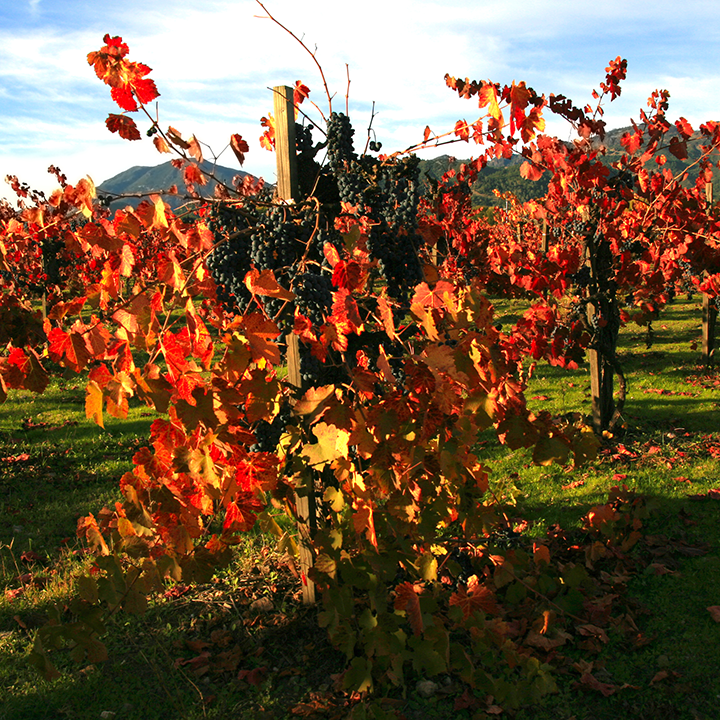
    The vine growth cycle in summer can be divided into three main stages: flowering, fruit set, and veraison.

    – Flowering: This is when the tiny buds on the vine burst into clusters of flowers, usually in late spring or early summer. The flowers are self-pollinating, meaning they do not need insects or wind to fertilize them. However, the weather can have a significant impact on the flowering process. If it is too cold, rainy, or windy, the flowers may not pollinate properly, resulting in fewer or smaller berries. This is called coulure or shatter. On the other hand, if it is too hot or dry, the flowers may dry out and fall off, resulting in no berries at all. This is called millerandage or shot berries. Ideally, the weather should be warm, sunny, and calm during the flowering period, which lasts for about 10 days.

    – Fruit set: This is when the fertilized flowers develop into tiny green berries, usually in early or mid-summer. The berries are hard, sour, and high in acidity and tannins. They are also vulnerable to diseases and pests, such as powdery mildew, botrytis, birds, and insects. Viticulturists need to monitor the health of the vines and the grapes, and apply treatments or protections as needed. They may also thin out some of the clusters or leaves to improve the air circulation and sunlight exposure of the grapes, and to balance the yield and the quality of the wine. This is called green harvesting or crop thinning.

    Veraison Stage – Silver Oak Winery

    – Veraison: This is when the grapes change color and start to ripen, usually in late summer or early fall. The color change depends on the grape variety, from green to yellow for white grapes, and from green to red or purple for black grapes. The ripening process involves a series of chemical changes in the grapes, such as the accumulation of sugars, the reduction of acidity, the development of aromas and flavors, and the softening of the skins and seeds. The ripening rate and duration vary depending on the grape variety, the climate, and the terroir. Viticulturists need to measure the sugar level, the acidity level, and the phenolic maturity of the grapes, and decide when to harvest them. This is called picking decision or harvest date.

    Previous article: Winemaking in Spring: From Bud Break to Flowering

    The Winemaking Practices in Summer

    The winemaking practices in summer are mainly focused on managing the vineyard and preparing for the harvest. Here are some of the common practices that viticulturists and winemakers may perform in summer:

    – Canopy management: This is the manipulation of the vine leaves, shoots, and branches to optimize the microclimate of the grapes. Canopy management can affect the photosynthesis, the respiration, the transpiration, and the shading of the grapes, which in turn can affect their ripening, their quality, and their susceptibility to diseases and pests. Some of the canopy management techniques include pruning, trellising, hedging, leaf removal, shoot positioning, and cluster thinning.

    – Irrigation: This is the application of water to the vines to supplement the natural rainfall and soil moisture. Irrigation can influence the vine growth, the grape yield, and the grape quality. Irrigation can be done by different methods, such as drip irrigation, sprinkler irrigation, or flood irrigation. Irrigation can be scheduled by different criteria, such as soil moisture, vine water status, or climate data. Irrigation can be beneficial or detrimental to the vines and the grapes, depending on the timing, the frequency, and the amount of water applied.

    – Fertilization: This is the addition of nutrients to the soil or the vines to enhance their growth and productivity. Fertilization can affect the vine vigor, the grape yield, and the grape quality. Fertilization can be done by different sources, such as organic fertilizers, synthetic fertilizers, or compost. Fertilization can be applied by different methods, such as soil application, foliar application, or fertigation. Fertilization can be beneficial or detrimental to the vines and the grapes, depending on the type, the rate, and the timing of the nutrients applied.

    – Pest and disease control: This is the prevention and treatment of the biotic and abiotic factors that can harm the vines and the grapes. Pest and disease control can affect the vine health, the grape yield, and the grape quality. Pest and disease control can be done by different strategies, such as cultural practices, biological control, chemical control, or integrated pest management. Pest and disease control can be beneficial or detrimental to the vines and the grapes, depending on the target, the efficacy, and the side effects of the control measures.

    – Harvest preparation: This is the planning and organization of the activities and resources needed for the harvest. Harvest preparation can affect the efficiency, the cost, and the quality of the harvest. Harvest preparation can involve different aspects, such as picking decision, harvesting method, harvesting equipment, harvesting team, harvesting logistics, and harvesting hygiene.

    Summer is a busy and important season for winemaking, as it is the time when the vines and the grapes undergo significant changes and challenges. Viticulturists and winemakers need to monitor and manage the vineyard carefully and skillfully, and to prepare for the harvest efficiently and effectively, to ensure the best results for the wine. In the next article, we will explore what happens in the winery in fall, and how viticulturists and winemakers can transform the grapes into wine. Cheers 🍷

  • Varietal Spotlight: Zinfandel

    Varietal Spotlight: Zinfandel

    Unveiling the Rich Tapestry of Zinfandel

    Amidst the vast and diverse landscape of wine varietals, few evoke as much intrigue and delight as Zinfandel. With its roots deeply intertwined with American viticultural history, Zinfandel has captivated palates around the globe with its versatility, bold flavors, and intriguing heritage. Join me on a journey as we delve into the intricacies of this enigmatic grape, exploring its origins, diverse expressions, and ideal pairings, just in time to elevate your summer barbecues.

    The origins of Zinfandel have long been a subject of debate among wine enthusiasts and historians. While it is widely acknowledged as a quintessentially American grape variety, its exact ancestry remained shrouded in mystery until recent advancements in genetic research.

    Photo by Luciann Photography on Pexels.com

    Recent DNA analysis has revealed that Zinfandel is genetically identical to the Croatian grape variety known as Crljenak Kaštelanski (pronunciation: Tserl-yee-ehnak Kash-tell-ann-skee), as well as the Italian Primitivo (pronunciation: pri-meh-TEE-Voh). This revelation has shed light on the grape’s journey across continents, tracing its lineage from the Dalmatian Coast of Croatia to the sun-drenched vineyards of California.

    Required Knowledge for WSET Level 3

    Additional Info: Carole Meredith Solves the Mystery of Zinfandel (The V&E Trellis Wire, Spring 2002)

    Zinfandel first gained prominence in California during the Gold Rush era of the 19th century when it became the most widely planted grape variety in the state. Its robust vines thrived in the Mediterranean-like climate of California, giving rise to some of the most iconic wines in American history.

    Varieties and Characteristics

    Zinfandel is celebrated for its remarkable diversity, with a spectrum of expressions ranging from light and fruity to bold and full-bodied. This versatility stems from various factors including terroir, winemaking techniques, and aging practices.
    Red Zinfandel: The most iconic expression of Zinfandel, red Zinfandel wines are characterized by their deep ruby hues, vibrant fruit flavors, and spicy undertones. Notes of blackberry, raspberry, and plum are often interwoven with hints of black pepper, cinnamon, and licorice, creating a complex and multifaceted palate. Red Zinfandels can vary in intensity, with some displaying bold tannins and high alcohol content, while others exude elegance and finesse.

    White Zinfandel: White Zinfandel emerged as a serendipitous offshoot of its red counterpart. In the 1970s, winemakers accidentally left Zinfandel juice in contact with the grape skins for an extended period, resulting in a blush-colored wine with residual sweetness. This happy accident gave birth to White Zinfandel, a refreshing and approachable wine known for its light body, crisp acidity, and fruity aromatics. Unlike its robust red counterpart, White Zinfandel is best enjoyed in its youth, showcasing flavors of strawberry, watermelon, and citrus.

    In every sip of Zinfandel lies the essence of paradox; bold yet delicate, rustic yet refined, echoing the journey of life itself in its nuanced flavors.

    Gregory Dean, SOMM&SOMM

    While Zinfandel is cultivated in various wine regions across the globe, certain appellations have emerged as bastions of excellence for this noble grape.

    A vertical of Chateau Montelena Zinfandel was on the menu a summer barbecue hosted by sommelier, Scott White

    California (Napa Valley and Sonoma County): California remains the epicenter of Zinfandel production, with Napa Valley and Sonoma County standing out as premier regions for cultivating this varietal. The warm days and cool nights of these coastal regions provide an ideal microclimate for Zinfandel, allowing the grapes to achieve optimal ripeness while retaining acidity and balance. Wines from Napa Valley tend to be rich and opulent, with concentrated fruit flavors and velvety textures, while those from Sonoma County showcase vibrant acidity and distinctive terroir-driven nuances.

    SOMM&SOMM Recommends: 2021 Chateau Montelena Zinfandel

    SOMM&SOMM Recommends: 2015 Seghesio Zinfandel Home Ranch

    SOMM&SOMM Recommends: 2021 St. Francis Old Vines Zinfandel ‘Tres Viejos’

    Old Vine Zinfandel

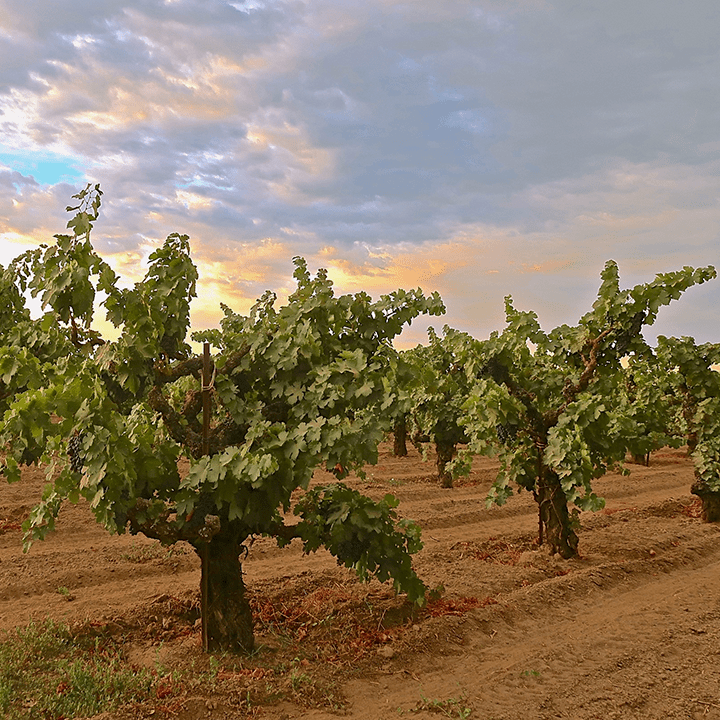
    Mendocino County (The Home of Old Vines): Within California, Mendocino County holds a special place in the hearts of Zinfandel aficionados, thanks to its abundance of ancient vines. These gnarled and weather-beaten vines, some over a century old, yield grapes of unparalleled depth and complexity, resulting in wines of extraordinary character and age-worthiness. Mendocino County Zinfandels are revered for their intensity, structure, and ability to express the unique terroir of their vineyard sites.

    Elevating Summer Barbecues

    Zinfandel’s bold flavors and vibrant acidity make it an ideal companion for a wide array of summer barbeque fare. Whether you’re grilling juicy steaks, smoky ribs, or tangy barbecue chicken, Zinfandel’s robust character and spicy nuances are sure to complement and enhance the flavors of your meal. Here’s a few images from past Summer barbecues.

    For a classic pairing, try serving a bold, full-bodied Zinfandel alongside a sizzling rack of barbeque ribs. The wine’s ripe fruit flavors and zesty acidity will cut through the richness of the meat, while its peppery notes will harmonize with the smoky barbecue sauce.

    For a lighter option, consider pairing White Zinfandel with grilled shrimp skewers or a crisp summer salad. The wine’s refreshing acidity and fruit-forward profile will provide a delightful contrast to the charred flavors of the seafood, while its subtle sweetness will complement the fresh, vibrant ingredients of the salad.

    No exploration of Zinfandel would be complete without a nod to its colorful history and enduring legacy. From the heady days of the Gold Rush to the modern renaissance of American winemaking, Zinfandel has remained a steadfast symbol of resilience and innovation.

    Legend has it that during Prohibition, enterprising bootleggers would smuggle Zinfandel grapes across state lines disguised as “table grapes,” allowing intrepid winemakers to continue producing their beloved elixir in secret. This defiance of authority only served to fuel Zinfandel’s mystique, cementing its status as the quintessential American wine.

    Zinfandel is the quintessential American wine

    Zinfandel stands as a testament to the enduring allure of wine, bridging continents and centuries with its rich tapestry of flavors and stories. Whether enjoyed as a bold red or a refreshing blush, Zinfandel invites us to savor the moment and celebrate the joy of discovery with every sip. So, raise a glass to Zinfandel, and let its timeless charm transport you on a journey of endless possibilities. Cheers 🍷

  • Sip Into Summer

    Sip Into Summer

    A Guide to Refreshing Wines for Late Spring and Early Summer

    As the days grow longer and the sun shines brighter, it’s time to embrace the vibrant flavors of late spring and early summer. With the season bringing forth an abundance of fresh produce and lighter fare, it’s the perfect time to explore a variety of wines that complement the delightful dishes served at events during this time of year. From picnics in the park to backyard barbecues, let’s dive into the world of wines that are perfectly suited for the warmer months ahead.

    Crisp Whites for Sunny Days

    One cannot think of summer without envisioning a chilled glass of refreshing white wine. From crisp Sauvignon Blancs to zesty Pinot Grigios, the options are endless. These wines are characterized by their bright acidity, citrus notes, and refreshing minerality, making them an ideal choice to pair with lighter fare such as salads, seafood, and grilled vegetables. Consider serving a Sauvignon Blanc alongside a fresh Caprese salad or a seafood ceviche for a delightful summer pairing.

    SOMM&SOMM Recommends: 2022 Henri Bourgeois Pouilly Fume La Porte De L’Abbaye

    SOMM&SOMM Recommends: 2021 Armani Pinot Grigio Colle Ara

    Rosé All Day

    Rosé has become synonymous with summer sipping, and for good reason. This versatile wine strikes the perfect balance between the crispness of a white wine and the fruitiness of a red, making it a crowd-pleaser at any summer gathering. Whether it’s a Provence-style Rosé with notes of strawberry and melon or a Spanish Rosado with hints of citrus and stone fruit, there’s a Rosé to suit every palate. Pair it with charcuterie boards, grilled chicken, or even fruity desserts for a refreshing and elegant accompaniment.

    Light Reds for Chilled Evenings

    While red wine might not be the first choice for warm weather, there are plenty of lighter-bodied reds that are well-suited for summer sipping. Look for wines such as Pinot Noir, Gamay, or Grenache, which offer bright fruit flavors, soft tannins, and a refreshing acidity. These wines pair beautifully with grilled salmon, roasted vegetables, or even a classic barbecue spread. Serve them slightly chilled to enhance their refreshing qualities and enjoy the taste of summer in every sip.

    SOMM&SOMM Recommends: 2021 Crossbarn Sonoma Coast Pinot Noir

    SOMM&SOMM Recommends: 2018 Mas De Mancuso Garnacha Single Vineyard

    Summer Sangria

    No summer gathering is complete without a pitcher of refreshing sangria. Whether you prefer the classic red sangria or the lighter white sangria, the options for customization are endless. Start with a base of fruity wine such as Tempranillo for red sangria or Sauvignon Blanc for white sangria. Add your favorite seasonal fruits such as oranges, strawberries, and peaches, along with a splash of citrus juice and a touch of sweetness from sugar or honey. Let it chill for a few hours to allow the flavors to meld together, and serve over ice for a refreshing and festive summer drink.

    SOMM&SOMM Recommends: 2020 Asua Rioja Crianza

    Red Sangria Recipe

    – 1 bottle of Tempranillo or your favorite red wine

    – 1 orange, sliced

    – 1 lemon, sliced

    – 1 lime, sliced

    – 1/4 cup orange juice

    – 2 tablespoons sugar

    – 1/4 cup brandy

    – Club soda, for topping

    – Fresh mint leaves, for garnish

    SOMM&SOMM Recommends: 2022 Angeline Sauvignon Blanc Reserve

    White Sangria Recipe

    – 1 bottle of Sauvignon Blanc or your favorite white wine

    – 1 peach, sliced

    – 1 cup strawberries, sliced

    – 1/4 cup lemon juice

    – 2 tablespoons honey

    – 1/4 cup peach schnapps

    – Club soda, for topping

    – Fresh basil leaves, for garnish

    Grilled Shrimp with Lemon Aioli (The Spruce Eats)

    Pairing the perfect wine with the right snacks can elevate your summer gatherings to a whole new level. Consider serving light and refreshing appetizers such as bruschetta with tomatoes and basil, grilled shrimp skewers with lemon aioli, or a platter of assorted cheeses and fresh fruit. These snacks complement the flavors of summer wines and provide the perfect accompaniment for leisurely outdoor gatherings.

    As the temperatures rise and the days grow longer, it’s time to embrace the flavors of late spring and early summer with a selection of refreshing wines. From crisp whites to fruity rosés and light reds, there’s a wine to suit every palate and occasion. Whether you’re enjoying a picnic in the park or hosting a backyard barbecue, let these wines be the perfect pairing for your summer festivities. Cheers to a season filled with sunshine, good company, and delicious wines 🍷

  • Multifaceted Journey of Becoming a Wine Professional

    Multifaceted Journey of Becoming a Wine Professional

    In the realm of oenology, the path to becoming a wine professional is as complex and diverse as the flavors and aromas found within a fine Bordeaux. It’s a journey that requires not only a refined palate but also a deep understanding of numerous academic disciplines. From history to geography, geology to viticulture, and beyond, the pursuit of wine expertise is a multifaceted odyssey that demands dedication, curiosity, and a voracious appetite for knowledge.

    Embark on your own journey to becoming more knowledgable about wine… You’ll be glad you did!

    At the heart of any wine professional’s education lies an appreciation for history. Understanding the rich tapestry of wine’s past is essential for contextualizing its present and forecasting its future. From the ancient vineyards of Mesopotamia to the illustrious estates of Bordeaux, the story of wine is woven into the fabric of human civilization. By delving into historical texts, archival records, and archaeological findings, aspiring sommeliers gain insights into the evolution of winemaking techniques, the rise and fall of wine empires, and the cultural significance of wine throughout the ages.

    Geography serves as another cornerstone of wine education. A deep understanding of the world’s wine regions, their climates, soils, and topographies, is crucial for comprehending the diverse array of wines produced across the globe. Whether it’s the chalky hillsides of Champagne, the sun-drenched vineyards of Napa Valley, or the rugged terrain of the Douro Valley, each winegrowing region imparts its unique terroir onto the grapes, influencing the character and quality of the wines produced.

    Geology also plays a pivotal role in the study of wine. By examining the geological composition of vineyard soils, wine professionals can discern how different mineral deposits affect grapevine growth and wine flavor profiles. From limestone to granite, schist to volcanic ash, the geological diversity of wine regions contributes to the complexity and nuance of the wines they produce.

    Viticulture and viniculture, the sciences of grape growing and winemaking, respectively, provide the technical foundation upon which wine professionals build their expertise. From vineyard management practices to cellar techniques, mastering these disciplines requires hands-on experience, as well as a thorough understanding of plant biology, microbiology, chemistry, and fermentation processes.

    In addition to these core disciplines, the study of wine often extends to encompass spirits, beer, and sake. Organizations like The Court of Master Sommeliers recognize the interconnectedness of these libations and require candidates to demonstrate proficiency across a spectrum of alcoholic beverages. Whether it’s discerning the nuances of single malt Scotch whisky, exploring the complexities of Belgian Trappist ales, or understanding the craftsmanship behind Japanese sake, a well-rounded wine professional must possess a broad knowledge base that extends beyond the grapevine.

    In the infinite depths of the vineyard, the pursuit of wine knowledge is a journey without end, where every sip uncovers a new chapter in the timeless story of taste and appreciation.

    Gregory Dean, SOMM&SOMM

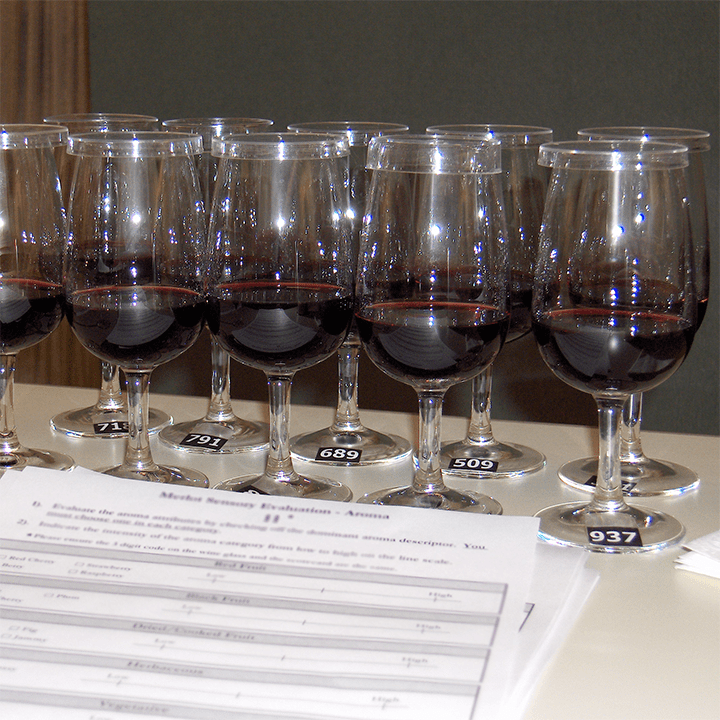
    During intense wine-study sessions and exams, aspiring sommeliers are challenged to draw upon the breadth and depth of their academic pursuits. They must identify wines blind, articulate tasting notes with precision, and navigate the intricacies of food and wine pairing with finesse. From memorizing wine lists to mastering the art of service, the demands placed upon wine professionals are as rigorous as they are rewarding.

    The Court of Master Sommeliers, Wine & Spirit Trust (WSET), and the Society of Wine Educators all provide training and certifications in wine knowledge, service, and education. While each program offers their own learning paths and methodology towards tasting and evaluation, make no mistake–it takes a commitment to learning to succeed. Each level becomes more difficult, but it is worth the effort 😉

    The journey to becoming a wine professional is a holistic endeavor that encompasses a diverse array of academic disciplines. From history and geography to geology, viticulture, and viniculture, each facet of wine education contributes to a deeper understanding of this timeless elixir. By embracing the complexity of wine and committing to a lifelong pursuit of knowledge, aspiring sommeliers can embark on a transformative journey that will enrich both their palates and their lives. Cheers to the passionate pursuit of wine excellence! 🍷