
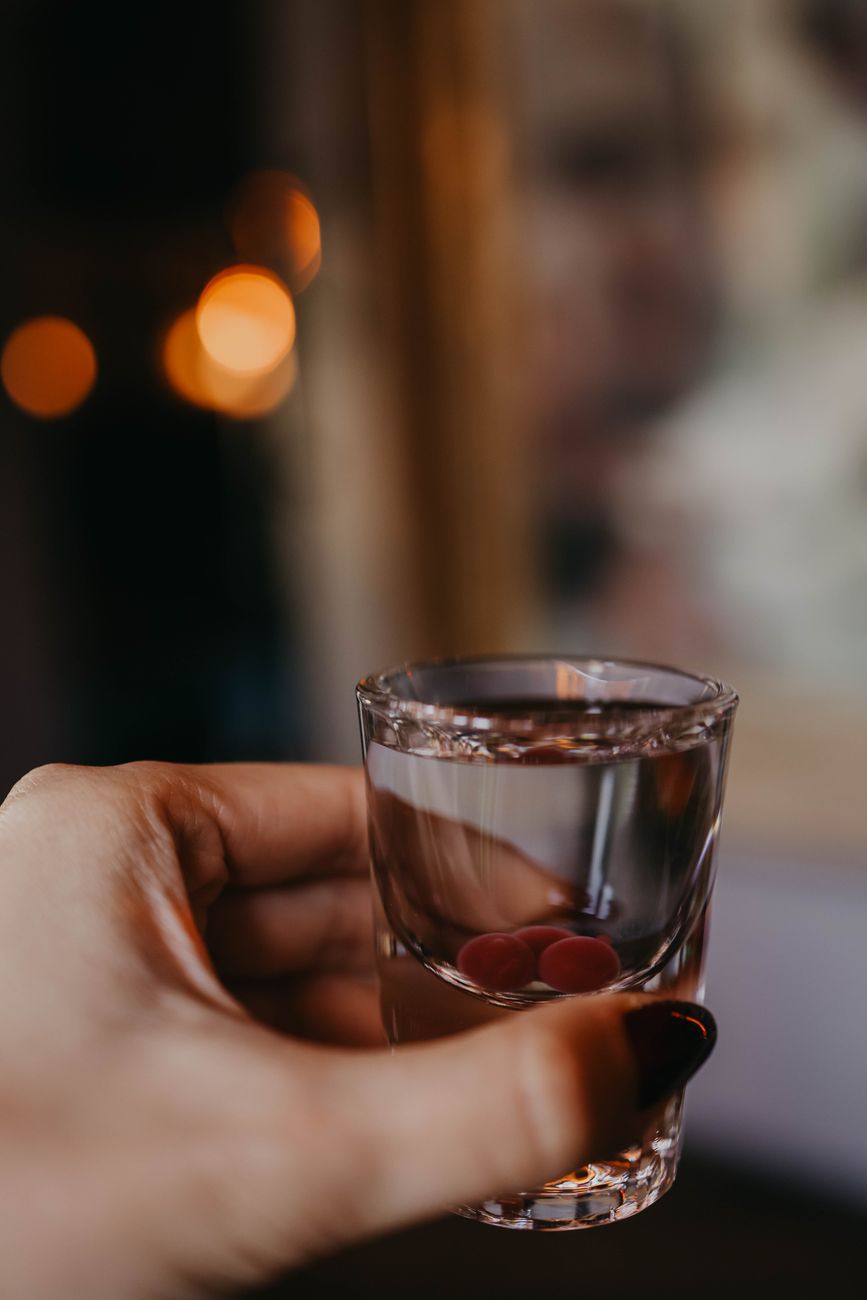
From Frozen Traditions and Rustic Rye Fields to Iconic Cocktails, Cultural Rituals, and the Spirit That Quietly Conquered the World.
Vodka has an image problem.
For some drinkers, vodka is little more than “neutral alcohol” — a spirit chosen specifically because it doesn’t taste like much. It is the default mixer at crowded parties, the backbone of countless cocktails, and the spirit people order when they “don’t really like liquor.”
Yet that reputation ignores thousands of years of history, culture, craftsmanship, and tradition.
Because vodka, at its best, is not bland at all.
It is one of the oldest and most culturally important spirits in the world. It has fueled royal courts, inspired political revolutions, anchored family traditions, comforted fishermen through brutal winters, and helped define the social fabric of entire nations. In many cultures, vodka is not simply alcohol. It is hospitality. Ceremony. Celebration. Storytelling.
And like wine, whiskey, or tequila, vodka can absolutely express place, ingredient, texture, and craftsmanship — if you know what to look for.
The irony is that vodka became so globally successful that many people stopped paying attention to it.
That is a shame.
Because beneath the icy clarity lies one of the most fascinating spirits on Earth.

A Spirit Born Everywhere
Vodka’s origins are famously disputed, particularly between Poland and Russia, both of which passionately claim to be vodka’s birthplace. Historical references to distilled grain spirits appear throughout Eastern Europe as early as the Middle Ages, though those early versions would be almost unrecognizable compared to many modern vodkas.
They were not ultra-filtered, endlessly distilled luxury spirits in glowing bottles.
They were rustic.
Peppery. Earthy. Grain-driven. Sometimes oily. Often fiery.
The word “vodka” itself derives from the Slavic word voda, meaning “water,” or more affectionately, “little water.” It sounds harmless enough until one realizes entire governments once depended heavily on vodka taxation to survive.
And honestly, humans discovering distillation was almost inevitable. Nearly every culture with access to starch or sugar eventually created some form of clear distilled spirit. Rye, wheat, potatoes, corn, grapes, rice, honey, sugar beets — if it could ferment, somebody somewhere eventually decided to distill it.
That flexibility remains one of vodka’s defining traits.
Unlike tequila, which must come from blue agave, or bourbon, which must contain mostly corn, vodka can emerge from almost anything. This adaptability helped vodka spread globally, but it also created one of the spirit’s greatest myths:
“All vodka tastes the same.”
Spend five minutes with a serious vodka producer and you will quickly discover how wrong that statement really is.

The Different Styles of Vodka
Vodka may not shout like peaty Scotch or funky rum, but it absolutely has personality. The differences are often more about texture, weight, spice, minerality, and finish than explosive flavor.
Traditional rye vodka, particularly from Poland, tends to be dry, peppery, and subtly bready. It often carries a spicy warmth that pairs beautifully with smoked fish, cured meats, and mustard-heavy dishes. Many vodka purists consider rye the classic expression of the spirit.
Potato vodka is entirely different. Richer and creamier, it often has a luxurious texture that surprises whiskey drinkers encountering it for the first time. There is weight to it — a subtle earthy density that makes it wonderfully satisfying in colder weather.
Wheat vodka became enormously popular because of its softer profile. Smooth, slightly sweet, and approachable, wheat vodkas helped shape the modern cocktail boom, especially in the United States and France.
Corn vodka, particularly common in North America, often leans clean and gentle, while grape-based vodkas can carry delicate floral and silky characteristics that feel almost elegant enough to confuse blind tasters.
Vodka speaks quietly compared to whiskey.
But it still speaks.
The Great Vodka Marketing Machine
Modern vodka branding spent decades convincing consumers that the “best” vodka was the one with the least flavor.
Five times distilled.
Ten times filtered.
Diamond filtered.
Glacier water.
Oxygen infused.
At some point, vodka labels began sounding less like spirits and more like luxury appliance advertisements.
Of course, filtration and precision matter. Poorly made vodka can be harsh, bitter, and unpleasant. But many traditional distillers believe modern vodka became too neutral. Excessive filtration strips away not only impurities, but also texture and character.
Historically, vodka was never meant to taste like absolutely nothing.
A good rye vodka should still whisper rye.
A potato vodka should still feel substantial.
Otherwise, what exactly is left besides alcohol?
This divide between “neutral purity” and “expressive craftsmanship” remains one of the most fascinating conversations in modern spirits.

When Vodka Isn’t Really Vodka
Vodka’s cousins around the world reveal just how broad the category can become.
In Japan, shochu is often distilled from rice, barley, or sweet potatoes, but unlike vodka, it is typically distilled to lower proof specifically to preserve flavor and aroma.
In South Korea, soju occupies a fascinating middle ground — softer, slightly sweeter, and lower in alcohol, making it dangerously easy to drink.
Scandinavian aquavit begins with a vodka-like base before embracing herbs and spices like dill and caraway, while Balkan rakia proudly leans into fruit character and rustic tradition.
All of these spirits share vodka’s basic DNA.
But they also reveal something important:
Neutrality was never historically the goal.
Character was.

The Proper Way to Drink Vodka
Forget neon shots and whipped cream-flavored gimmicks for a moment.
Traditional vodka service is one of the great culinary experiences in the spirits world.
In Eastern Europe, vodka is rarely consumed alone. It arrives ice cold — often straight from the freezer — alongside smoked fish, pickled vegetables, dark rye bread, sausages, mushrooms, caviar, or salty cheeses. The food, known broadly in some regions as zakuski, is essential to the experience.
A sip of icy rye vodka followed by smoked salmon and mustard is revelatory. The vodka cuts through richness while amplifying texture and spice. Pickles brighten the palate. Dark bread grounds everything with earthy depth.
The rhythm becomes almost ceremonial:
Toast. Sip. Eat. Laugh. Repeat 😉
That communal element is central to vodka culture. In many traditions, refusing a toast can even be considered rude. Vodka is meant to gather people together around the table.
And yes — vodka absolutely belongs in the freezer.
The cold thickens the texture, softens alcohol harshness, and creates a velvety mouthfeel that makes quality vodka feel almost luxurious. Good vodka from the freezer becomes silky and elegant.
Cheap vodka simply becomes cold.

Vodka’s Greatest Cocktails
Vodka conquered the cocktail world because it is endlessly adaptable. It can support, soften, brighten, or disappear entirely depending on the drink.
And sometimes that versatility creates magic.
The Vodka Martini
The Vodka Martini helped define postwar cocktail culture. Cleaner and softer than gin, it appealed to drinkers seeking sophistication without aggressive botanicals.
Classic Vodka Martini Recipe
- 2½ oz vodka
- ½ oz dry vermouth
- Lemon twist or olives
Stir with ice until brutally cold, then strain into a chilled martini glass.
Simple drinks leave nowhere to hide. Use quality vodka.
The Moscow Mule
Ironically, one of vodka’s most famous cocktails became popular largely because of brilliant marketing involving copper mugs in the 1940s.
Thankfully, the drink is genuinely excellent.
Moscow Mule Recipe
- 2 oz vodka
- ½ oz fresh lime juice
- Ginger beer
Build over ice in a copper mug or Collins glass.
Bright, spicy, refreshing, and endlessly drinkable.

The Espresso Martini
Created by legendary bartender Dick Bradsell in the 1980s, the Espresso Martini remains one of the defining modern cocktails.
Espresso Martini Recipe
- 2 oz vodka
- 1 oz fresh espresso
- ¾ oz coffee liqueur
- ¼ oz simple syrup
Shake aggressively with ice and strain into a coupe glass.
The foam on top should look almost like crema on a fine espresso.
The Forgotten Vodka Classic: The Gypsy Queen
Before vodka became associated primarily with ultra-clean martinis and sugary nightclub drinks, bartenders often used it in cocktails that allowed subtle herbal and spice notes to shine.
One of the best forgotten examples is the Gypsy Queen.
Elegant, aromatic, and surprisingly sophisticated, the cocktail combines vodka with the French herbal liqueur Bénédictine. The result is silky, lightly spiced, and layered with honeyed herbal complexity.
It feels almost like the bridge between a Martini and an old-world digestif.
Gypsy Queen Recipe
- 2 oz vodka
- 1 oz Bénédictine
- Dash of bitters
Stir with ice until thoroughly chilled and strain into a coupe glass.
Simple on paper, but deeply nuanced in the glass.
This is the kind of cocktail that reminds people vodka does not always need to disappear into a drink. Sometimes its restraint is precisely what allows other ingredients to shine gracefully without overwhelming the palate.
The Pairing Nobody Talks About
Vodka may actually be one of the world’s great food spirits.
Because it lacks heavy oak, sugar, or aggressive botanicals, vodka interacts beautifully with salty, smoky, acidic, and briny foods. It cleanses the palate without overpowering dishes.
Some classic pairings include:
- Smoked salmon with dill
- Caviar and crème fraîche
- Pickled mushrooms
- Potato pancakes
- Kielbasa and mustard
- Oysters
- Herring
- Sharp cheeses
- Dark rye bread
A freezer-cold rye vodka beside smoked fish may convert even dedicated whiskey drinkers.

Vodka Deserves Better
Vodka’s greatest strength may also be its greatest curse.
It is so familiar that many drinkers stopped paying attention to it.
But vodka is not merely “neutral spirit.” It is agriculture, chemistry, tradition, ritual, and hospitality distilled into crystal clarity. It reflects the cultures that produce it — from the rye fields of Poland to the frozen traditions of Russia, from Scandinavian precision to modern American experimentation.
At its best, vodka is subtle rather than loud.
And subtlety is often misunderstood.
The next time someone insists vodka has no flavor, pour them a proper rye vodka straight from the freezer beside smoked fish, dark bread, sharp mustard, and pickles.
Then watch their expression after the first sip.
Preferably after the second toast.
Cover Photo by Valeria Boltneva on Pexels.com


You must be logged in to post a comment.