Tag: viticulture

  • The Most Misunderstood Buzzword in the Vineyard

    The Most Misunderstood Buzzword in the Vineyard

    There are few phrases in the modern wine world more romanticized, misunderstood, weaponized, and casually thrown around than “dry-farmed wine.” Somewhere between “natural wine,” “low sulfites,” and “minerality,” dry farming has become one of those magical terms consumers latch onto in hopes of finding purity in a bottle.

    And lately, it has become the darling of wellness influencers, wine-adjacent lifestyle brands, and people convinced that a vineyard’s irrigation practices are somehow responsible for their Saturday morning headache.

    As sommeliers, wine educators, and wine lovers, we hear it all:

    “I can only drink dry-farmed wines.”

    “Dry-farmed wines don’t give me headaches.”

    “If the label doesn’t say dry-farmed, it probably isn’t.”

    “Dry farming means no sulfites, right?”

    And perhaps the most amusing of all:

    “Well, it definitely can’t be from California.”

    Ah yes… because apparently Europe invented sunshine and water scarcity.

    So let’s uncork this conversation properly.

    Because dry farming is real. It matters. It can profoundly influence wine character and vineyard expression.

    But it is also deeply misunderstood.

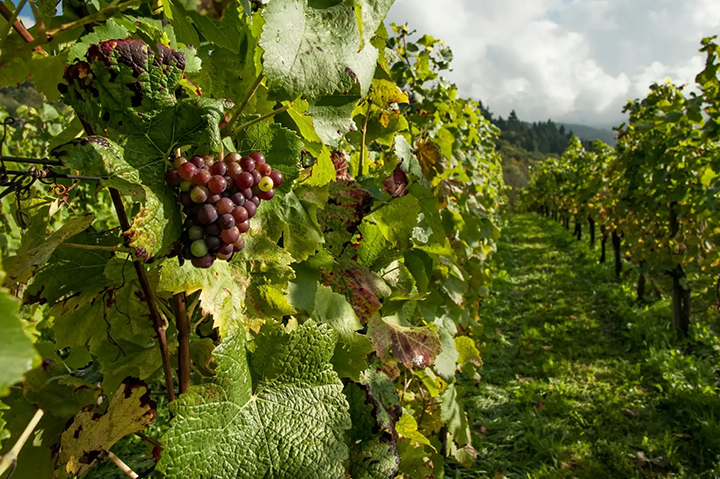
    a vast vineyard of grapes
    Photo by Markus Winkler on Pexels.com

    What Is Dry Farming?

    At its core, dry farming is exactly what it sounds like:

    A vineyard is grown without supplemental irrigation during the growing season.

    The vines survive solely on naturally occurring rainfall and the moisture retained in the soil.

    That’s it.

    No mystical rituals.
    No secret biodynamic moon chants.
    No guarantee of “clean wine.”
    No immunity from hangovers.

    Simply put, the vine receives no added water after establishment.

    The vineyard must rely on:

    • Winter rainfall
    • Deep root systems
    • Soil water retention
    • Climate conditions
    • Vineyard management practices

    Dry farming is both ancient and traditional. In fact, for most of wine history, all vineyards were dry farmed because modern irrigation systems didn’t exist.

    a glass of wine next to a bottle of wine
    Photo by Brett Jordan on Pexels.com

    Ironically… Some of the World’s Greatest Wines Are Automatically Dry-Farmed

    Here’s where many consumers get confused.

    In numerous classic European wine regions, irrigation is heavily restricted or outright illegal under appellation law.

    Meaning?

    The producers often don’t put “dry farmed” on the label because:

    1. It’s already assumed.
    2. It’s legally mandated.
    3. It would be like bragging that your restaurant uses heat to cook food.

    Many appellation systems view irrigation as something that can artificially inflate yields and dilute terroir expression.

    Classic examples include vineyards in:

    Some of the oldest, most revered vineyards on Earth are dry farmed simply because they always have been.

    No trendy sticker required.

    panorama of garden pathway
    Photo by Tim Mossholder on Pexels.com

    Wait… California Has Dry-Farmed Vineyards?

    Absolutely.

    And some of the most fascinating examples come from old-vine vineyards throughout:

    • Sonoma County
    • Mendocino County
    • Paso Robles
    • Lodi

    Many historic vineyards planted before widespread drip irrigation were naturally dry farmed for decades.

    The reality is that California’s climate makes dry farming difficult—but not impossible.

    It requires:

    • Appropriate rootstocks
    • Older vines
    • Water-retentive soils
    • Lower yields
    • Careful canopy management
    • Significant farming expertise

    Dry farming in California is often a deliberate philosophical choice rather than a legal obligation.

    And yes… some California producers love reminding you about it.

    Repeatedly.

    Usually in fonts resembling an organic granola package.

    Why Dry Farming Matters

    Now here’s the important part:

    Dry farming can produce remarkable wines.

    When vines must search deeply for water, several things often happen:

    1. Deeper Root Systems

    Vines develop extensive roots that penetrate deep into the soil and subsoil.

    This can:

    • Improve drought resilience
    • Increase mineral uptake
    • Enhance site expression
    • Create greater vintage consistency

    Deep roots also reduce dependence on surface moisture fluctuations.

    2. Naturally Lower Yields

    Water stress generally reduces berry size and overall crop load.

    Smaller berries mean:

    • Higher skin-to-juice ratio
    • More concentrated flavors
    • Greater tannin structure
    • More intense aromatics

    This is one reason dry-farmed wines often taste more focused and savory.

    3. More Transparent Terroir

    The French concept of terroir—the combination of soil, climate, exposure, geology, and farming—is often amplified in dry-farmed vineyards.

    Without irrigation:

    • The vine responds directly to seasonal conditions
    • Soil composition becomes more evident
    • Vintage variation becomes more pronounced

    The wines may feel more “alive” and site-specific.

    a man in plaid suit looking at the glass of red wine he is holding
    Photo by Pavel Danilyuk on Pexels.com

    But Dry Farming Is Not Automatically Better

    This is where nuance matters.

    Dry farming is not a universal quality guarantee.

    In the wrong environment, it can produce:

    • Excessively stressed vines
    • Unbalanced ripeness
    • Harsh tannins
    • Dehydrated fruit
    • Reduced acidity
    • Overly alcoholic wines

    A vine pushed beyond healthy stress becomes compromised.

    Great viticulture is about balance—not suffering.

    A responsible grower may irrigate strategically to preserve:

    • Vine health
    • Acidity
    • Phenolic ripeness
    • Long-term vineyard sustainability

    Especially in an era of climate change and prolonged drought.

    The Headache Myth: Let’s Talk About Sulfites

    Now we arrive at the internet’s favorite villain:

    Sulfur.

    Or more accurately:

    Sulfites.

    Consumers often assume:

    • Dry-farmed wine = low sulfites
    • Low sulfites = no headaches
    • European wines = magically headache-free

    Unfortunately, biology is more complicated than TikTok 🙂

    Sulfites Are Natural

    Sulfites occur naturally during fermentation.

    Every wine contains them.

    Even wines labeled “no added sulfites” still contain naturally occurring sulfites.

    Without sulfur, many wines would oxidize, spoil, or become microbiologically unstable.

    Sulfur is one of the most important tools in winemaking.

    Are Sulfites Causing Your Headache?

    For most people?

    Probably not.

    True sulfite sensitivity is relatively rare and is most commonly associated with severe asthma reactions—not ordinary wine headaches.

    More likely culprits include:

    • Alcohol dehydration
    • Histamines
    • Tyramine sensitivity
    • Sugar levels
    • Poor sleep
    • Overconsumption
    • Congeners
    • Drinking low-quality wine quickly
    • Mixing beverages

    Or, perhaps most devastatingly…

    You simply had four giant pours of 15.8% ABV Zinfandel while debating biodynamics until 1:30 a.m.

    Science remains undefeated.

    Related SOMM&SOMM article: Demystifying Sulfites in Wine

    “Natural Wine” and Dry Farming Are Not the Same Thing

    Another misconception:

    Dry farming does not automatically mean:

    • Organic
    • Biodynamic
    • Natural wine
    • Low intervention
    • No sulfur additions

    A conventionally farmed vineyard can be dry farmed.

    A natural wine producer may still irrigate.

    These are entirely separate practices.

    Modern wine marketing often blurs these distinctions because consumers increasingly seek authenticity, sustainability, and transparency.

    But wine terminology matters.

    What Do Dry-Farmed Wines Taste Like?

    This is the exciting part.

    While there is no universal flavor profile, dry-farmed wines often show:

    Reds

    • Darker concentration
    • Firmer structure
    • Earthy/savory notes
    • More tension
    • Smaller-fruited character
    • Herbal complexity

    Whites

    • Intense aromatics
    • Saline/mineral character
    • Higher textural density
    • Precision and energy

    The wines may feel less “plush” and more architectural.

    Less fruit-forward.
    More nuanced.
    More site-driven.

    At their best, they possess remarkable balance and authenticity.

    two glasses of white wine
    Photo by Tugay Kocatürk on Pexels.com

    Regions Famous for Dry-Farmed Viticulture

    Some of the world’s iconic dry-farmed regions include:

    Santorini

    Ancient basket-trained Assyrtiko vines surviving on sea mist and volcanic soils.

    Priorat

    Brutally steep slate vineyards producing concentrated Garnacha and Cariñena.

    Douro Valley

    Historic terraces where Port and dry reds emerge from intensely rugged conditions.

    Barossa Valley

    Home to some of the oldest dry-farmed Shiraz vines on Earth.

    Paso Robles

    A modern American leader in thoughtful dry-farmed viticulture.

    The Real Conversation We Should Be Having

    Dry farming is not about virtue signaling.

    It is not a magic health label.

    It is not proof of superior morality, cleaner wine, or guaranteed quality.

    It is a farming philosophy.

    One rooted in:

    • Water conservation
    • Vineyard resilience
    • Site transparency
    • Traditional viticulture
    • Concentration and balance

    Sometimes it produces profound wines.

    Sometimes irrigation is the wiser choice.

    The best growers understand the difference.

    And perhaps the most important lesson?

    The absence of “dry farmed” on a label tells you almost nothing.

    Many of the world’s greatest wines have quietly followed these practices for centuries without ever feeling the need to market them.

    Because in much of the wine world, dry farming isn’t a trend.

    It’s simply called farming.

    unrecognizable man with glass of white wine
    Photo by Maria Orlova on Pexels.com

    Final Pour

    Wine culture loves absolutes.

    Consumers search endlessly for shortcuts:

    • Organic = better
    • Natural = healthier
    • Old vines = superior
    • Low sulfites = headache free
    • Dry farmed = pure

    But wine, like people, resists simplistic categorization.

    The beauty of wine lies in nuance.

    A vineyard’s irrigation strategy is just one thread in an enormously complex tapestry involving:

    • Climate
    • Soil
    • Rootstock
    • Farming
    • Fermentation
    • Oak
    • Vintage
    • Human decisions
    • Time

    So the next time someone proudly announces they only drink dry-farmed wine because sulfites give them headaches…

    Pour them a classic red from Burgundy or Barolo.

    Then gently remind them:

    Those vineyards likely never needed the label in the first place.

    Cover Photo by Line Knipst on Pexels.com
  • Winemaking in Spring: From Bud Break to Flowering

    Winemaking in Spring: From Bud Break to Flowering

    First article in the series–The Seasons of Winemaking.

    Spring is a crucial season for winemaking, as it marks the beginning of the annual growth cycle of the grapevines. During this time, the vines awaken from their winter dormancy and start to produce new shoots, leaves, and flowers. The viticulturists and winemakers have to monitor and manage the vineyard carefully to ensure the health and quality of the grapes that will be harvested in the fall.

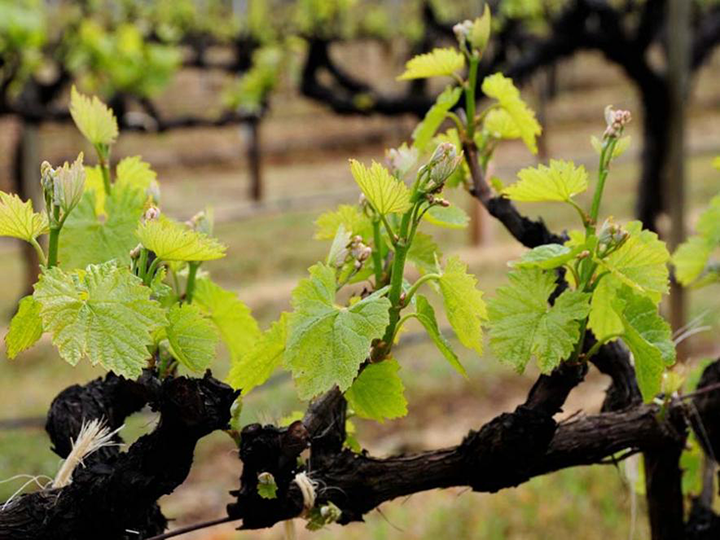
    Bud break at Jordan Winery, Alexander Valley

    Bud Break

    Bud break is the first visible sign of growth in the vineyard, usually occurring in March or April in the Northern Hemisphere, and September or October in the Southern Hemisphere. It happens when the buds on the dormant canes swell and burst, revealing tiny green shoots that will eventually become branches. Bud break is influenced by several factors, such as the grape variety, the climate, the soil, and the pruning method. Some varieties, such as Chardonnay and Pinot Noir, tend to bud earlier than others, such as Cabernet Sauvignon and Syrah. This means that they are more susceptible to frost damage, which can kill the young shoots and reduce the yield.

    To prevent frost damage, viticulturists may use various techniques, such as heaters, wind machines, sprinklers, or helicopters, to circulate warm air or water around the vines. They may also delay pruning until late winter or early spring, to avoid stimulating early bud break. Pruning is an essential task that involves cutting off excess or unwanted wood from the previous year, to shape the vine and control its vigor. Pruning also determines the number and position of the buds that will produce the grapes, and thus affects the quantity and quality of the harvest.

    Bud break is celebrated in different ways around the world, often with religious or spiritual ceremonies. For example, in Burgundy, France, the monks of the Clos de Vougeot monastery used to bless the vines and pray for a good harvest on the day of bud break. In Chile, the Fiesta de la Vendimia (Harvest Festival) begins with a mass and a blessing of the first must (grape juice) by the local priest. In Napa Valley, California, some wineries host bud break parties and tastings for their club members and guests.

    Shoot Growth

    After bud break, the shoots grow rapidly, reaching up to a meter in length by the end of spring. They develop leaves, tendrils, and lateral branches, forming the canopy of the vine. The leaves are the main source of energy for the vine, as they capture sunlight and perform photosynthesis, converting carbon dioxide and water into sugars and oxygen. The sugars are stored in the roots, trunk, and canes, and are used for growth and ripening. The tendrils are curly structures that help the vine cling to the trellis or support system, and maintain its vertical position. The lateral branches are secondary shoots that emerge from the leaf axils, and may produce additional clusters of grapes.

    The viticulturists and winemakers have to manage the canopy carefully, to balance the amount of sunlight, air, and moisture that reaches the grapes. Too much shade can reduce the sugar and flavor development, and increase the risk of fungal diseases. Too much sun can cause sunburn or dehydration, and affect the color and aroma of the grapes. To achieve the optimal canopy, they may use various techniques, such as:

    – Tying or tucking the shoots to the trellis wires, to keep them upright and organized.

    – Thinning or removing excess shoots, leaves, or lateral branches, to reduce overcrowding and improve ventilation.

    – Topping or trimming the tips of the shoots, to limit their growth and redirect the energy to the grapes.

    – Spraying or dusting the vines with organic or synthetic substances, to protect them from pests and diseases.

    Flowering stage of the grapevine

    Flowering

    Flowering is the next major stage in the vineyard, usually occurring in May or June in the Northern Hemisphere, and November or December in the Southern Hemisphere. It happens when the tiny green clusters of flowers on the shoots open and release pollen. The flowers are hermaphroditic, meaning that they have both male and female parts, and can self-pollinate. However, they may also rely on wind or insects to transfer pollen from one flower to another. The pollination process leads to fertilization, which results in the formation of seeds and berries. The berries are initially hard and green, and contain high levels of acidity and tannins.

    Flowering is celebrated in various ways around the world, often with music and dancing. For example, in Germany, the Blütenfest (Flower Festival) is held in several wine regions, featuring parades, concerts, and wine tastings. In Italy, the Festa dei Fiori (Flower Festival) is celebrated in many towns and villages, with floral decorations, folk performances, and local delicacies. In Argentina, the Fiesta Nacional de la Flor (National Flower Festival) is held in Escobar, a town known for its flower production and nurseries. The festival includes a flower parade, a queen contest, and a display of regional wines.

    Flowering is a critical and delicate phase, as it determines the potential crop size and quality. The number of flowers that successfully pollinate and set fruit is called the fruit set, and it can vary from 30% to 70% depending on the grape variety and the weather conditions. Warm, dry, and calm weather is ideal for flowering, as it facilitates pollination and prevents shattering or falling off of the flowers. Cold, wet, or windy weather can hinder flowering, and cause poor fruit set, uneven ripening, or coulure (the failure of the berries to develop after fertilization).

    Important fruit set stage in the growth cycle

    To ensure a good fruit set, viticulturists and winemakers may use various techniques, such as:

    – Choosing grape varieties that are suited to the climate and soil of the region, and that have consistent and reliable flowering behavior.

    – Adjusting the pruning and canopy management practices, to influence the timing and duration of flowering, and to expose the flowers to optimal sunlight and air circulation.

    – Applying plant hormones or biostimulants, to enhance the flowering and fruit set process, and to correct any deficiencies or imbalances in the vine.

    In summary, spring is a vital season for winemaking, as it marks the start of the grapevine’s growth cycle. From bud break to flowering, the viticulturists and winemakers have to monitor and manage the vineyard carefully, to ensure the health and quality of the grapes. They have to deal with various challenges, such as frost, pests, diseases, and weather fluctuations, and use various techniques, such as pruning, canopy management, and plant hormones, to influence the flowering and fruit set process.

    This article is the first in a series of four articles that dives into the seasons and stages of winemaking, from blossom to bottle and everything in between. In the next article, we will explore the summer season, when the grapes undergo veraison and ripening, and the viticulturists and winemakers prepare for the harvest. Stay tuned for more insights into the fascinating world of winemaking. 🍇🍷

  • Enthusiast to Sommelier: Appreciating Viticulture

    Enthusiast to Sommelier: Appreciating Viticulture

    With only twelve short weeks remaining before the two-day Court of Sommelier course and exam, we have settled into a daily routine of reading, research and relentless quizzing. I asked Tammy to name the five ‘First Growths‘ of Bordeaux–and her answer (correct by the way) was followed by a question regarding viticulture. Specifically, the question was about terroir. As with most of these discussions, the conversation quickly evolved into all things viticulture.

    Viticulture is known in sommelier circles as the “art” and “science” of vine growing. This ideas expands far beyond my average knowledge of traditional farming. Each topic covered in the introductory course and exam study materials seems simple and straight-forward, but after a few paragraphs you quickly realize how much there is to learn. Viticulture was no exception. Tammy’s question was about terroir, and that conversation lead into all of the factors of production important to viticulture.

    The factors of production go beyond soil condition, terrain, climate and elevation. It extends far beyond the processes used to cultivate, grow and harvest. In fact, viniculture’s factors of production blend a rich history of best practices with strict standards and regional guidelines. The result provides consistency while protecting the well-earned reputation and rich history of the world’s best regions.

    Matching soil and climate to a specific varietal may seem like common sense, but there are some very interesting wines produced by winemakers not bound by regional wine laws. This entire process of reading, reviewing and discussing all of the region-specific factors of production has given me a stronger curiosity and desire to taste the really obscure lesser-known wines.

    So much left to learn and understand!

    Next article in the series: Enthusiast to Sommelier: A New Appreciation

    First article in this series: Enthusiast to Sommelier: Getting Started