

The clinking of ice, the soft fizz of tonic, the amber swirl of vermouth in a vintage glass—these are not just relics of an old-world European café culture. They’re back, and Gen Z is leading the charge. From TikTok-worthy Spritz recipes to obscure amari and local vermouths popping up in home bars, the aperitif is experiencing a full-fledged renaissance.

You may also like SOMM&SOMM article: The Rum Renaissance
But is this resurgence just another fleeting trend or a lifestyle shift? And how can we—seasoned sippers and new enthusiasts alike—elevate this delicious ritual? Let’s dive into the heart of the modern aperitivo.
What Is an Aperitif Anyway?
Aperitifs are drinks traditionally served before a meal to stimulate the appetite. The term comes from the Latin aperire, meaning “to open.” These beverages are typically lower in alcohol (usually between 11-25%), often dry or bitter, and designed to awaken the senses rather than overwhelm them. They are cousins—but not twins—to digestifs, which are consumed after meals to aid digestion and are typically richer, stronger, and sweeter (think Cognac, Amaro, Port).

Common Types of Aperitifs:
- Vermouth (dry or blanc) – fortified, aromatized wine; try Dolin Blanc or Carpano Dry
- Aperitivo bitters – Campari, Aperol, Select, and obscure gems like Contratto or Cappelletti
- Lillet Blanc, Rosé, and Rouge – French wine-based aperitifs infused with citrus and quinine
- Sherry (Fino or Manzanilla) – bone-dry Spanish fortified wines, excellent with tapas
- Dry sparkling wines – Prosecco, Cava, Crémant, or brut Champagne
- Amaro (light styles) – While traditionally digestifs, some low-ABV amari like Amaro Nonino or Montenegro walk the aperitif line
Gen Z and the Aperitivo Renaissance
Why now? Why this category?
But first—who is Gen Z?
Gen Z, short for Generation Z, refers to people born roughly between 1997 and 2012. They are digital natives who grew up with smartphones, social media, and on-demand everything. Known for their creativity, inclusivity, and emphasis on mental health and authenticity, Gen Z values experiences over possessions and often challenges traditional norms—from career paths to how (and what) they drink. They’re shaping trends across fashion, tech, and even the food and beverage world—like reviving the aperitif hour with a modern, mindful twist.
Low-ABV Lifestyle
Health-conscious and moderation-minded, Gen Z tends to lean toward “sessionable” drinks that allow for social sipping without the aftershock. Aperitifs hit that sweet spot.
Aesthetic and Ritual
The modern aperitivo hour is as much about the look and feel as the liquid. Vintage glassware, tinned fish boards, playlists, and sun-drenched settings turn it into a lifestyle. It’s #SpritzOClock on every platform.
Discovery Culture
From rare vermouths to hyper-regional aperitivi like Rinomato or Mattei Cap Corse, Gen Z is less loyal to brands and more interested in storytelling. Aperitifs are steeped in history, botanicals, and place—perfect for exploration.
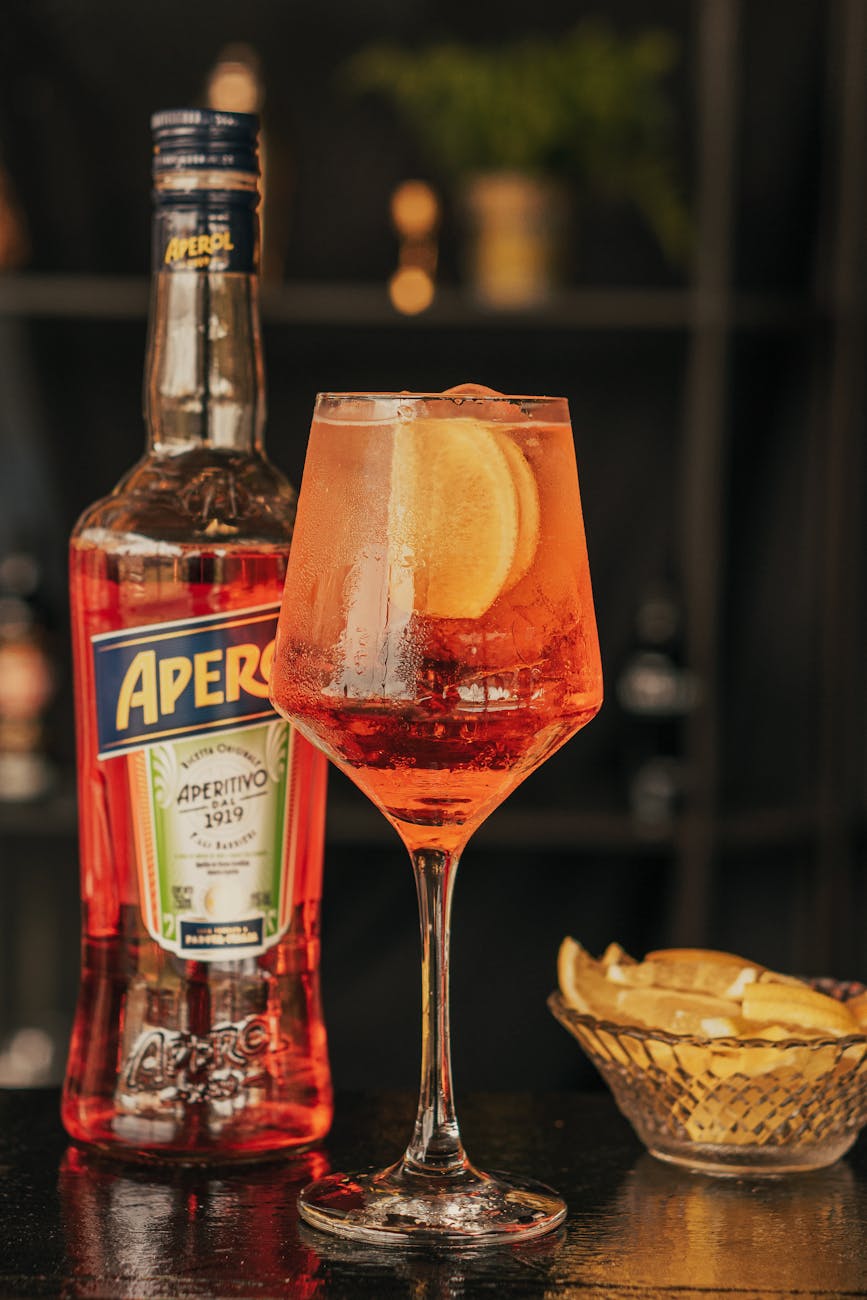
Spritz 2.0
The Aperol Spritz may have been the gateway, but the new wave of spritzes is bold, bitter, herbaceous, and often customized. Think “Spritz 2.0.”
Try These Modern Takes:
- White Negroni Spritz – Suze, dry vermouth, tonic, grapefruit peel
- Lavender Lillet Spritz – Lillet Blanc, lemon, lavender bitters, soda water
- Cappelletti & Prosecco – A deeper, more complex take than Aperol
- Sherry Spritz – Manzanilla sherry, lemon tonic, cucumber ribbon
- Amaro Spritz – Montenegro with soda and a dash of orange bitters
Want something totally different? Try a Sakura Spritz with Japanese umeshu, sparkling yuzu soda, and mint.
The Aperitif as Ritual
An aperitivo is not just a drink—it’s a moment. Here’s how to elevate the experience:
The Setting
Golden hour lighting, low music, and relaxed attire. Indoors or outdoors, the vibe matters.
Glassware
Use proper (or playfully mismatched) stemware. Coupe glasses, Nick & Noras, or vintage tumblers add gravitas.
Ice Matters
Use clear, large-format ice where possible. It melts slower, looks better, and keeps the drink crisp.
Garnishes
Citrus peels, herbs, edible flowers—small touches that engage the senses.
Aperitif Pairings & Accompaniments
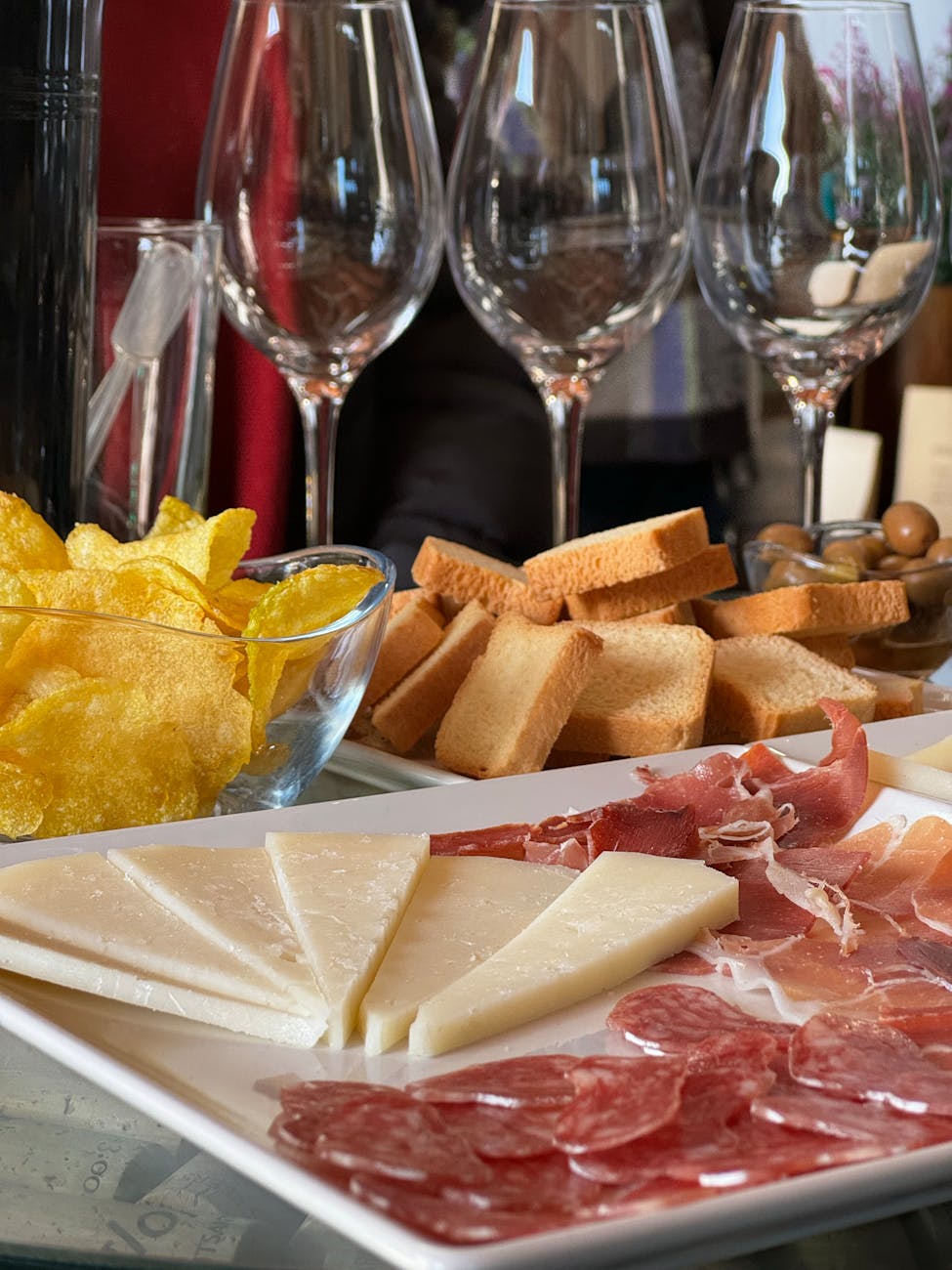
Food is key. In Italy, you’d get olives, potato chips, and maybe a few nuts with your drink. But we can do better—and still keep it simple.
Try Pairing With:
- Marcona almonds and anchovy-stuffed olives – great with dry vermouth
- Jamón Ibérico and Manchego – classic with fino sherry
- Radishes with butter and sea salt – elegant with a Lillet Blanc spritz
- White bean dip with lemon and rosemary – pairs well with a bitter amaro spritz
- Crostini with ricotta, honey, and herbs – lovely with a rosé vermouth
For something playful and Gen Z-approved? Tinned fish boards with smoked mussels, mackerel pâté, and crusty bread are all the rage. Pair with a crisp French Quinquina like Dubonnet Blanc or a coastal white vermouth from Galicia.
Obscure Aperitifs Worth Discovering
You’ve heard of Campari. But here are a few you should know:
- Suze (France) – bitter gentian root liqueur; electric yellow and deeply earthy
- Chinato (Italy) – Barolo aromatized with quinine and spices
- Rinomato (Italy) – a balanced, bitter aperitivo with citrus and alpine herbs
- Byrrh (France) – red wine-based quinquina with plum and spice notes
- Mattei Cap Corse (Corsica) – white quinquina with citrus and wormwood
- Uncouth Vermouth (USA) – seasonal Brooklyn-made vermouths with foraged ingredients
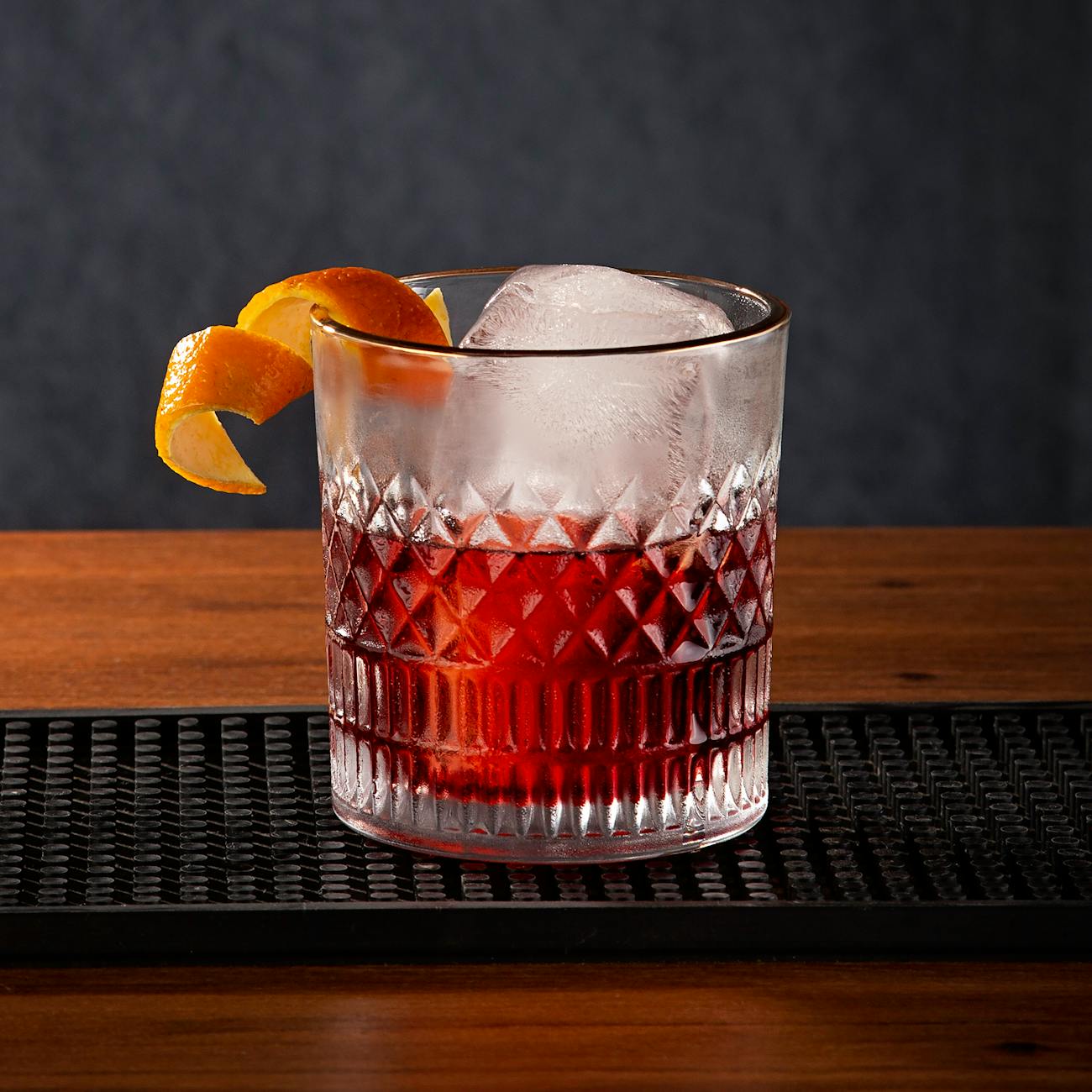
Classic Aperitif Cocktails You Need to Know
- Negroni – Gin, Campari, sweet vermouth
- Boulevardier – Bourbon, Campari, sweet vermouth
- Americano – Campari, sweet vermouth, soda
- Vesper Martini – Gin, vodka, Lillet Blanc
- Adonis – Fino sherry, sweet vermouth, orange bitters
- Bamboo – Dry sherry, dry vermouth, dash of bitters
Unique Aperitif Recipes to Try
The Garden Path
- 1 oz Lillet Blanc
- 1 oz Dolin Blanc Vermouth
- 2 dashes celery bitters
- 3 oz cucumber soda
- Garnish: cucumber ribbon + mint
Flavor: Cool, herbal, floral—a picnic in a glass.
Sunset in Amalfi
- 1 oz Cappelletti
- 0.5 oz blood orange juice
- 3 oz Prosecco
- Splash soda
- Garnish: thyme sprig and orange twist
Flavor: Bitter, bright, citrus-forward.
Basque Country Spritz
- 1 oz Basque vermouth (e.g., Txurrut)
- 1 oz manzanilla sherry
- 3 oz tonic
- Garnish: lemon wedge + cracked pepper
Flavor: Saline, herbal, slightly funky.
Fad or Here to Stay?
The modern aperitivo hour is more than a fad. It’s a cultural correction—away from overproof, overdone cocktails and toward intentional, social, and stylish sipping. With sustainability, localism, and health all shaping Gen Z’s buying decisions, the aperitif’s lower ABV, European pedigree, and wide range of flavors make it uniquely relevant.
It may have roots in the 19th century, but its soul fits perfectly into a 21st-century glass.
The new aperitivo hour isn’t just a drink. It’s a declaration: slow down, sip something beautiful, snack thoughtfully, and toast to the joy of the in-between. Cheers 🥃
Cover Photo by DC, CC BY-SA 3.0, via Wikimedia Commons
 SOMM&SOMM
You must be logged in to post a comment.