Tag: Sauternes

  • Wine Styles: Late Harvest Wines

    Wine Styles: Late Harvest Wines

    Late harvest wines represent a pinnacle of winemaking craftsmanship, showcasing the artful balance between sweetness and acidity. These wines are crafted from grapes left on the vine longer than usual, allowing them to ripen further and intensify their flavors. Late harvest wines come in various styles, each offering a unique tasting experience. Among them, the influence of noble rot (botrytis) on certain grapes adds an extra layer of complexity and richness.

    Styles of Late Harvest Wines

    Lur Saluces Chateau de Fargues – Photo Credit: Fred Swan, JJBuckley.com

    Sauternes (France)

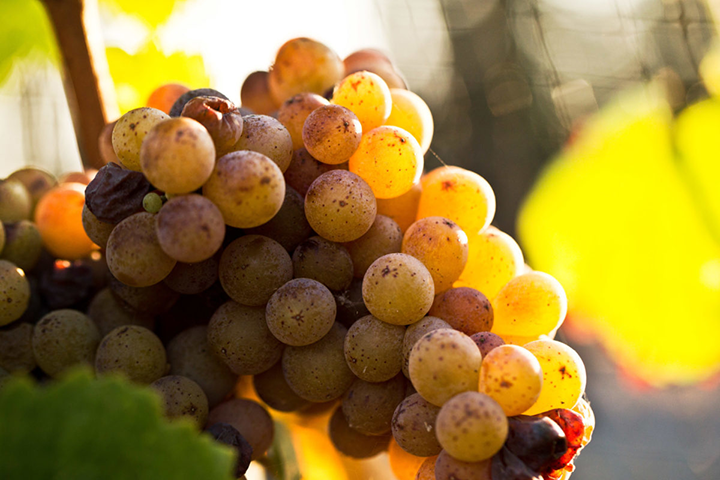
    Sauternes is an iconic late harvest wine from the Bordeaux region of France. It is primarily made from Semillon, Sauvignon Blanc, and Muscadelle grapes. The grapes are affected by botrytis cinerea, a fungus that concentrates the sugars and flavors, resulting in a luscious, honeyed wine with vibrant acidity. Château d’Yquem is the most renowned producer of Sauternes.

    SOMM&SOMM recommends: Chateau Suduiraut Sauternes

    Trockenbeerenauslese (Germany)

    In Germany, Trockenbeerenauslese (TBA) wines are produced from individually selected, overripe grapes affected by noble rot. These wines are intensely sweet, with high levels of sugar and acidity. Riesling is the predominant grape variety, and TBAs are often considered some of the finest expressions of German winemaking.

    SOMM&SOMM recommends: 2019 Alois Kracher Trockenbeerenauslese No. 4 Zweigelt

    Eiswein (Canada and Germany)

    Ice wine (Canada) is made from grapes that have naturally frozen on the vine. The grapes are harvested and pressed while still frozen, extracting only the concentrated sugars. Canadian Ice Wine, particularly from the Niagara Peninsula, is renowned for its balanced sweetness and acidity. Germany also produces Eiswein using a similar method.

    SOMM&SOMM recommends: Dr. Loosen Riesling Eiswein

    Vin Santo (Italy)

    In Italy, Vin Santo is a traditional Tuscan late harvest wine made from white grapes like Trebbiano and Malvasia. The grapes are dried on straw mats before pressing, leading to a rich and nutty wine. Vin Santo is often enjoyed as a dessert wine, accompanied by biscotti. On a related note, Vin Santo is the traditional wine used in a classic Tuscany-style Tiramisù.

    Botrytis Cinerea and Its Impact

    Botrytis cinerea, commonly known as noble rot, plays a crucial role in the production of some of the world’s finest sweet wines. This beneficial fungus pierces the grape skin, allowing water to evaporate and concentrating sugars and flavors. In addition to enhancing sweetness, noble rot imparts distinctive honey, apricot, and botrytized character to the wine.

    Dessert Pairings for Late Harvest Wines
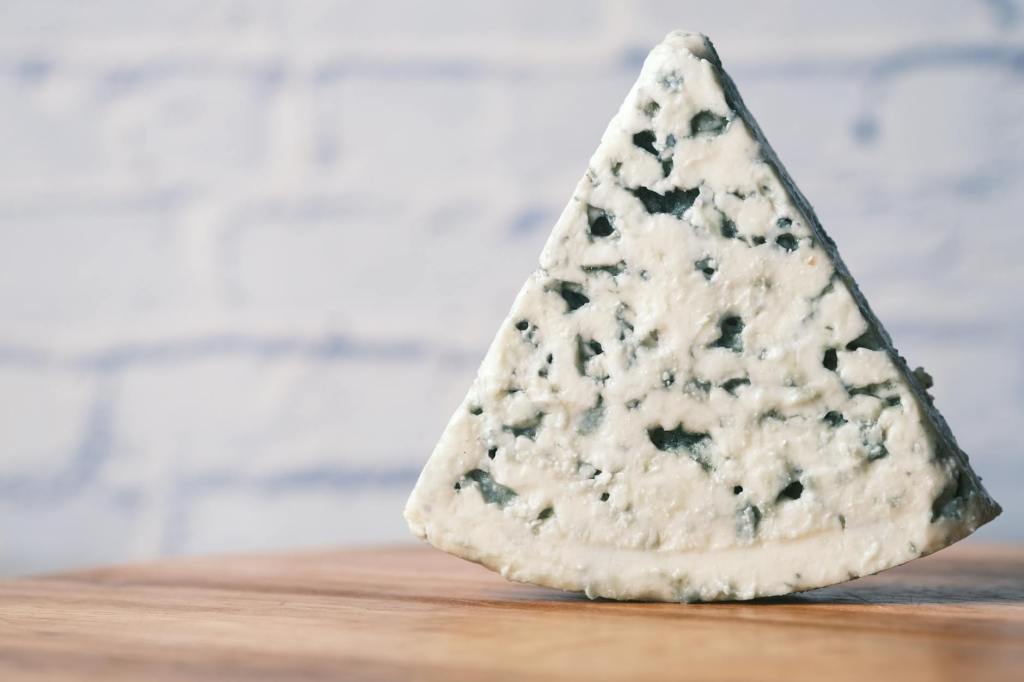
    Roquefort Cheese – Photo by Towfiqu barbhuiya on Pexels.com

    Sauternes: Foie Gras and Roquefort Cheese

    Sauternes pairs wonderfully with rich and savory flavors. Foie gras, with its buttery texture and complex taste, complements the sweetness of Sauternes. Roquefort, a blue cheese with a bold flavor profile, creates a delightful contrast that highlights the wine’s acidity.

       Recipe: Foie Gras with Sauternes Reduction

       – Sear foie gras slices in a hot pan until golden.

       – Deglaze the pan with Sauternes, reducing it to a syrupy consistency.

       – Drizzle the reduction over the foie gras and serve with toasted brioche.

    Trockenbeerenauslese: Peach Melba

    The vibrant acidity of Trockenbeerenauslese cuts through the richness of a classic Peach Melba. The combination of poached peaches, vanilla ice cream, and raspberry sauce creates a harmonious blend of flavors.

       Recipe: Trockenbeerenauslese Poached Peaches

       – Poach peaches in Trockenbeerenauslese, sugar, and vanilla.

       – Serve the peaches over vanilla ice cream and drizzle with a raspberry sauce.

    Ice Wine: Apple Tarte Tatin

    The natural sweetness of Ice Wine complements the caramelized apples in a classic Tarte Tatin. The acidity in the wine balances the dish, creating a delightful contrast.

       Recipe: Ice Wine Caramel Sauce

       – Reduce Ice Wine in a pan until syrupy.

       – Combine with melted butter and brown sugar for a decadent caramel sauce.
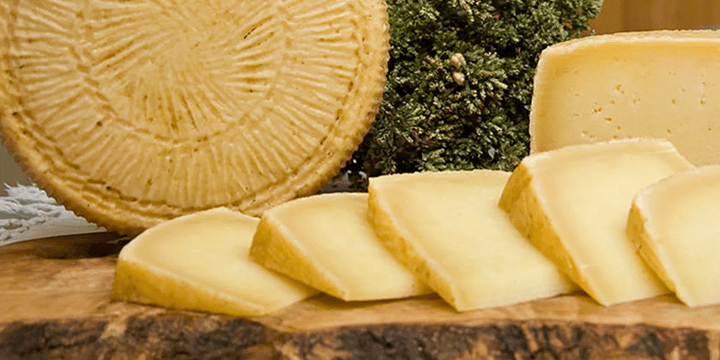
    Pecorino Cheese – Rlucia, CC BY 3.0, via Wikimedia Commons

    Vin Santo: Cantuccini and Pecorino Cheese

    Vin Santo’s nutty and caramelized notes find a perfect match in the crunchy sweetness of Cantuccini (Italian almond biscuits). Pair it with Pecorino cheese for a delightful Tuscan experience.

       Recipe: Homemade Cantuccini

       – Mix almonds, flour, sugar, and eggs to form a dough.

       – Shape into logs, bake, and slice into biscotti. Serve with Vin Santo.

    Late harvest wines, with their diverse styles and intricate flavors, offer a captivating journey for wine enthusiasts. Whether it’s the noble rot-infused complexity of Sauternes or the intense sweetness of Trockenbeerenauslese, these wines are a testament to the artistry of winemakers. Paired with classic desserts, the experience becomes a symphony of taste, revealing the cultural and culinary richness that surrounds these exceptional wines. Cheers to the indulgence of late harvest wines and the delightful moments they create! 🍷

  • Wine Experiences: A Taste of Pauillac

    Wine Experiences: A Taste of Pauillac

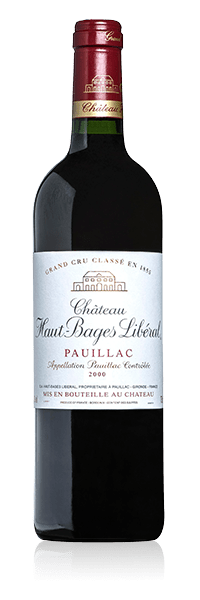
    There could not have been a better way to experience the Left Bank of Bordeaux than with a vertical tasting of Pauillac’s Château Haut-Bages Libéral. The highly revered Pauillac region is located between Saint-Estèphe and Saint-Julien on the Médoc peninsula, and boasts three (3) of the five (5) Premiers Crus (first growths) of the 1855 Classification.

    Château Haut-Brion, Pessac, AOC Pessac-Léognan

    Château Lafite-Rothschild, Pauillac, AOC Pauillac

    Château Latour, Pauillac, AOC Pauillac

    Château Margaux, Margaux, AOC Margaux

    Château Mouton Rothschild, Pauillac, AOC Pauillac (added in 1973)

    The estate of Haut-Bages Libéral spans 74 acres growing 70% of cabernet-sauvignon and 30% of merlot varietals. All of the vintages in our two-decade vertical tasting were of similar cabernet-to-merlot blends. The ratios ranged from 65% cabernet-35% merlot of the 2000 vintage, to the 75% cabernet-25% merlot of the 2006 vintage. While this doesn’t seem like much of a variation, the differences in each vintage were not subtle.

    Our very ambitious hosts–Dima and Oksana–planned to share their 2000, 2006, 2011, 2014, 2015, 2016 and 2018 vintages in this epic vertical tasting. Even though we were 6 wine enthusiasts strong (Dima, Oksana, Mike, Patti, Greg, Tammy), our lofty intentions fell short of achieving this 7 vintage tasting. This was due in part to our 2 bottle comparison of dry white Bordeaux wines from the Sauternes region (sticking with the Left Bank theme) at the beginning, but mostly because we had no intention of spitting these amazing Pauillac wines into a spittoon. We did, however, compare and contrast 6 of the 7 vintages 😉

    2000 Château Haut-Bages Libéral

    First up was the 2000 Château Haut-Bages Libéral. This wine was very special. At 21 years young, it was in perfect condition. The taste was soft and elegant. I was very impressed by the vivid color and density of this wine. It would be difficult (for me at least) to identify this as an older wine based only on the color. The aromas included leather, tobacco and pepper as expected. Certainly a wine worthy of its name and reputation.

    Comprised of a blend of 65% cabernet sauvignon and 35% merlot, this wine stood up to the grilled and barbecued meats, flavorful salads and herb infused side dished graciously provided by our hosts.

    We jumped ahead 6 vintage years and tasted a 2006 Château Haut-Bages Libéral. The blend was 75% cabernet sauvignon and 25% merlot. This vintage was more aromatic than the previous wine. It offered less of the characteristic leather, earth and tobacco, and more fruit and spice on the nose. The taste was bold and intense, but very well balanced. It deserved a second glass!

    Third in our journey was a 2011 Château Haut-Bages Libéral. This was the first vintage of the evening that revealed a slight hint of smoke on the nose (and no, the barbecue wasn’t skewing my senses). Perhaps a characteristic more predominate in vintages challenged by poor growing conditions. The 2011 season was unusually dry and hot. Regardless, the wine was amazing, well balanced, and perfect with or without food. The blend was 72% cabernet sauvignon and 28% merlot.

    We continued the process of see, swirl, sniff, sip and savor with the fourth wine in the line-up. The 2014 Château Haut-Bages Libéral is made from a blend of 71% cabernet sauvignon and 29% merlot. It was the first of 3 sequential vintages (2014, 2015, 2016). Convinced by the condition and complexity of the 2000 vintage, I can imagine that these younger wines can only get better (if that’s possible). This wine was very smooth, but exposed more tannin than the older vintages. Nevertheless, it was well rounded yet complex.

    According to the winemaker’s notes, the 2015 Château Haut-Bages Libéral vintage was challenging. The weather conditions resulted in lower yields. The blend was 65% cabernet sauvignon and 35% merlot (same as the 2000 vintage). The tasting notes, however, are uniquely 2015. While this vintage shared some of the same characteristics of the previous wines, there are several more-than-subtle differences. The tobacco aromas were present, but different. Instead of an earthy, rustic tobacco… this vintage expressed a floral-esc tobacco scent. Think: pipe tobacco versus a cigar. The 2015 vintage also seemed slightly more acidic than the others.

    Number six was the 2016 Château Haut-Bages Libéral. This wine is made from a blend of 70% cabernet sauvignon and 30% merlot–aligning perfectly with the vineyard’s planting ratio. The black and red fruit aromas were more pronounced in this vintage. This wine is very special! The flavors are bold and intense, but at the same time soft and balanced (yes, I was surprised too). This is the perfect wine to share with someone who loves California big reds, but not a fan of Bordeaux wines.

    From there we rounded out the evening with an amazing 2012 Château Voigny dessert wine from Sauternes and homemade desserts. The evening was truly epic! Our friends, Dima and Oksana, made this night entertaining, educational and legendary. Who knew learning could be so much fun? The information they provided in support of these wines was very detailed and enlightening. This was the first time we’d had an opportunity to participate in a vertical that spanned over 2 decades. Couldn’t imagine anything better. Thanks Dima and Oksana!