Tag: red-wine

  • Sip Into Summer

    Sip Into Summer

    A Guide to Refreshing Wines for Late Spring and Early Summer

    As the days grow longer and the sun shines brighter, it’s time to embrace the vibrant flavors of late spring and early summer. With the season bringing forth an abundance of fresh produce and lighter fare, it’s the perfect time to explore a variety of wines that complement the delightful dishes served at events during this time of year. From picnics in the park to backyard barbecues, let’s dive into the world of wines that are perfectly suited for the warmer months ahead.
    Crisp Whites for Sunny Days

    One cannot think of summer without envisioning a chilled glass of refreshing white wine. From crisp Sauvignon Blancs to zesty Pinot Grigios, the options are endless. These wines are characterized by their bright acidity, citrus notes, and refreshing minerality, making them an ideal choice to pair with lighter fare such as salads, seafood, and grilled vegetables. Consider serving a Sauvignon Blanc alongside a fresh Caprese salad or a seafood ceviche for a delightful summer pairing.

    SOMM&SOMM Recommends: 2022 Henri Bourgeois Pouilly Fume La Porte De L’Abbaye

    SOMM&SOMM Recommends: 2021 Armani Pinot Grigio Colle Ara
    Rosé All Day

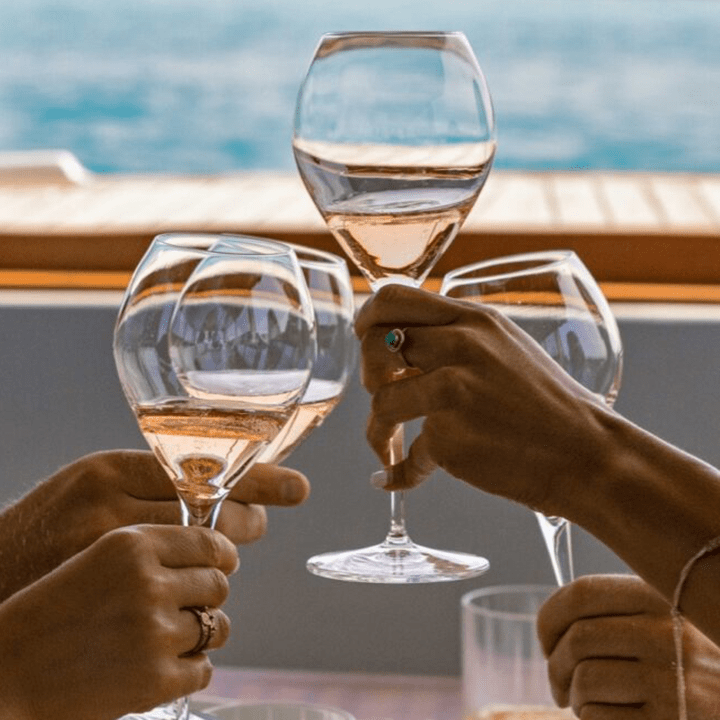
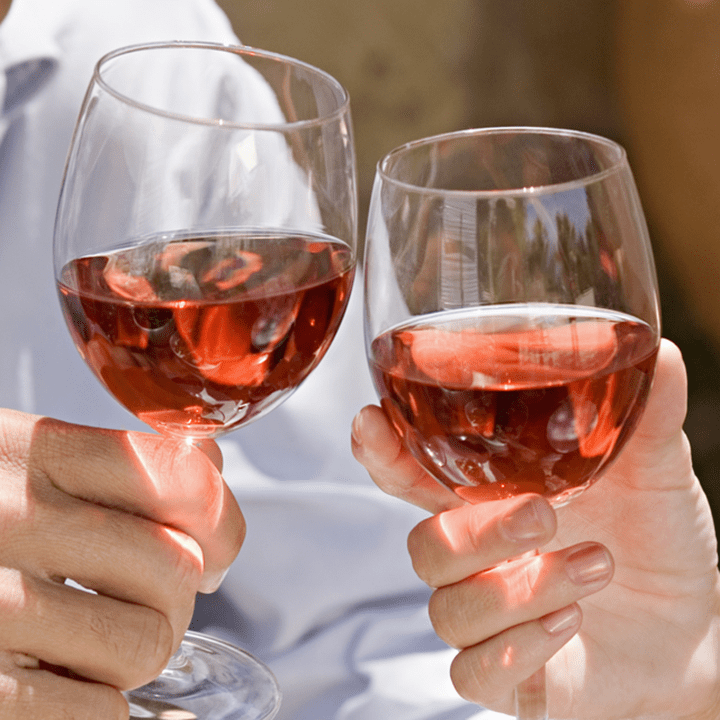
    Rosé has become synonymous with summer sipping, and for good reason. This versatile wine strikes the perfect balance between the crispness of a white wine and the fruitiness of a red, making it a crowd-pleaser at any summer gathering. Whether it’s a Provence-style Rosé with notes of strawberry and melon or a Spanish Rosado with hints of citrus and stone fruit, there’s a Rosé to suit every palate. Pair it with charcuterie boards, grilled chicken, or even fruity desserts for a refreshing and elegant accompaniment.

    Light Reds for Chilled Evenings

    While red wine might not be the first choice for warm weather, there are plenty of lighter-bodied reds that are well-suited for summer sipping. Look for wines such as Pinot Noir, Gamay, or Grenache, which offer bright fruit flavors, soft tannins, and a refreshing acidity. These wines pair beautifully with grilled salmon, roasted vegetables, or even a classic barbecue spread. Serve them slightly chilled to enhance their refreshing qualities and enjoy the taste of summer in every sip.

    SOMM&SOMM Recommends: 2021 Crossbarn Sonoma Coast Pinot Noir

    SOMM&SOMM Recommends: 2018 Mas De Mancuso Garnacha Single Vineyard
    Summer Sangria

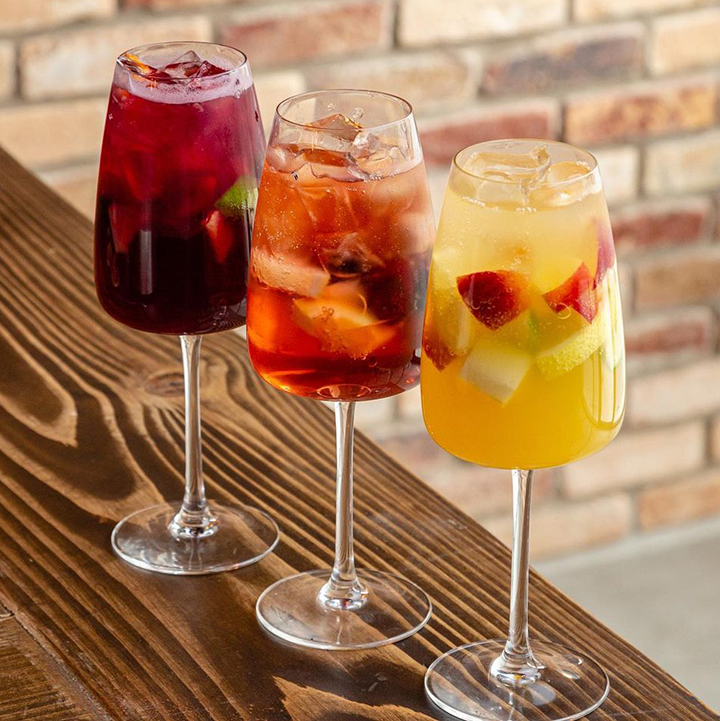
    No summer gathering is complete without a pitcher of refreshing sangria. Whether you prefer the classic red sangria or the lighter white sangria, the options for customization are endless. Start with a base of fruity wine such as Tempranillo for red sangria or Sauvignon Blanc for white sangria. Add your favorite seasonal fruits such as oranges, strawberries, and peaches, along with a splash of citrus juice and a touch of sweetness from sugar or honey. Let it chill for a few hours to allow the flavors to meld together, and serve over ice for a refreshing and festive summer drink.

    SOMM&SOMM Recommends: 2020 Asua Rioja Crianza

    Red Sangria Recipe

    – 1 bottle of Tempranillo or your favorite red wine

    – 1 orange, sliced

    – 1 lemon, sliced

    – 1 lime, sliced

    – 1/4 cup orange juice

    – 2 tablespoons sugar

    – 1/4 cup brandy

    – Club soda, for topping

    – Fresh mint leaves, for garnish

    SOMM&SOMM Recommends: 2022 Angeline Sauvignon Blanc Reserve

    White Sangria Recipe

    – 1 bottle of Sauvignon Blanc or your favorite white wine

    – 1 peach, sliced

    – 1 cup strawberries, sliced

    – 1/4 cup lemon juice

    – 2 tablespoons honey

    – 1/4 cup peach schnapps

    – Club soda, for topping

    – Fresh basil leaves, for garnish

    Grilled Shrimp with Lemon Aioli (The Spruce Eats)

    Pairing the perfect wine with the right snacks can elevate your summer gatherings to a whole new level. Consider serving light and refreshing appetizers such as bruschetta with tomatoes and basil, grilled shrimp skewers with lemon aioli, or a platter of assorted cheeses and fresh fruit. These snacks complement the flavors of summer wines and provide the perfect accompaniment for leisurely outdoor gatherings.

    As the temperatures rise and the days grow longer, it’s time to embrace the flavors of late spring and early summer with a selection of refreshing wines. From crisp whites to fruity rosés and light reds, there’s a wine to suit every palate and occasion. Whether you’re enjoying a picnic in the park or hosting a backyard barbecue, let these wines be the perfect pairing for your summer festivities. Cheers to a season filled with sunshine, good company, and delicious wines 🍷
  • The Lore of Aging Wine in Barrels

    The Lore of Aging Wine in Barrels

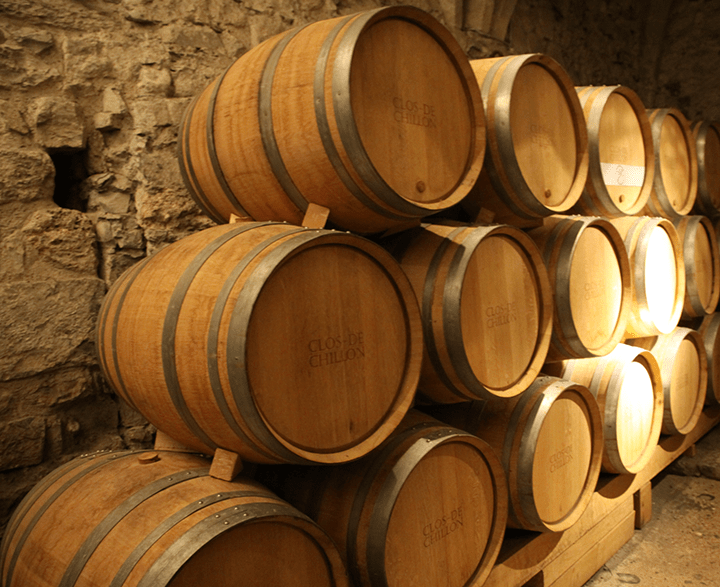
    Wine, that timeless elixir, has been intertwined with human history for millennia. From ancient amphorae to modern stainless steel tanks, winemaking techniques have evolved, but one tradition remains as steadfast as the vines themselves: aging wine in barrels. This practice is not merely functional but holds a mystical allure, enhancing the flavors, aromas, and textures of wine in ways that transcend mere storage vessels. Let’s dive into the history, craftsmanship, and magic of aging wine in barrels.

    Photo by Yesim G. Ozdemir on Pexels.com

    Historical Roots

    The art of barrel aging dates back to ancient civilizations, where wooden vessels were used to transport and store liquids. The Romans, in particular, recognized the transformative power of wood on wine, using barrels made from oak to age and transport their precious vintages across their vast empire. Over time, this practice spread throughout Europe, becoming synonymous with the finest wines produced in regions such as Bordeaux, Burgundy, and Rioja.

    Barrel aging, the silent maestro of wine evolution, weaves a tapestry of complexity, infusing wines with nuances of oak, whispers of spice, and the symphony of time, crafting bottles of elegance and depth.

    Gregory Dean, SOMM&SOMM

    Types of Wood

    While oak remains the predominant choice for wine barrels, different species and sources of wood impart distinct characteristics to the wine. French oak, known for its subtle flavors of vanilla, spice, and toast, is favored by many winemakers for its elegance and finesse. American oak, on the other hand, tends to impart more pronounced flavors of coconut, dill, and sweet spices, making it a popular choice for bold, fruit-forward wines.

    Other types of wood, such as Hungarian oak, Slovenian oak, and chestnut, offer their own unique profiles, adding layers of complexity to the wines they age. Each wood has its own distinct grain, density, and porosity, influencing how it interacts with the wine and shapes its final character.

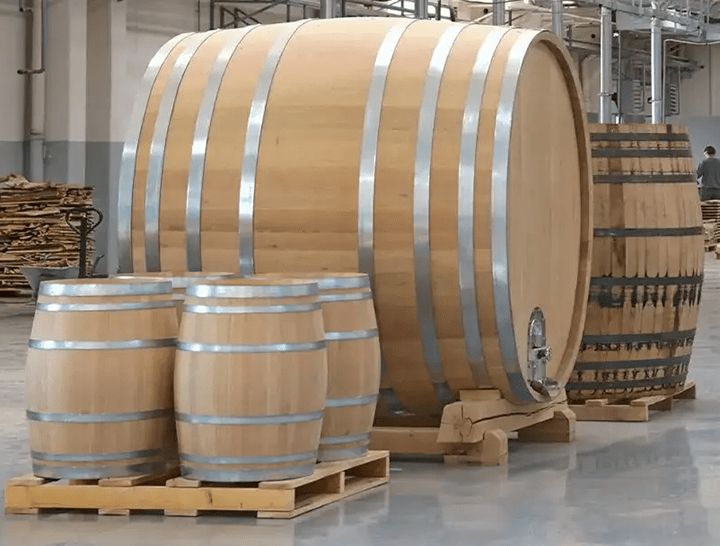
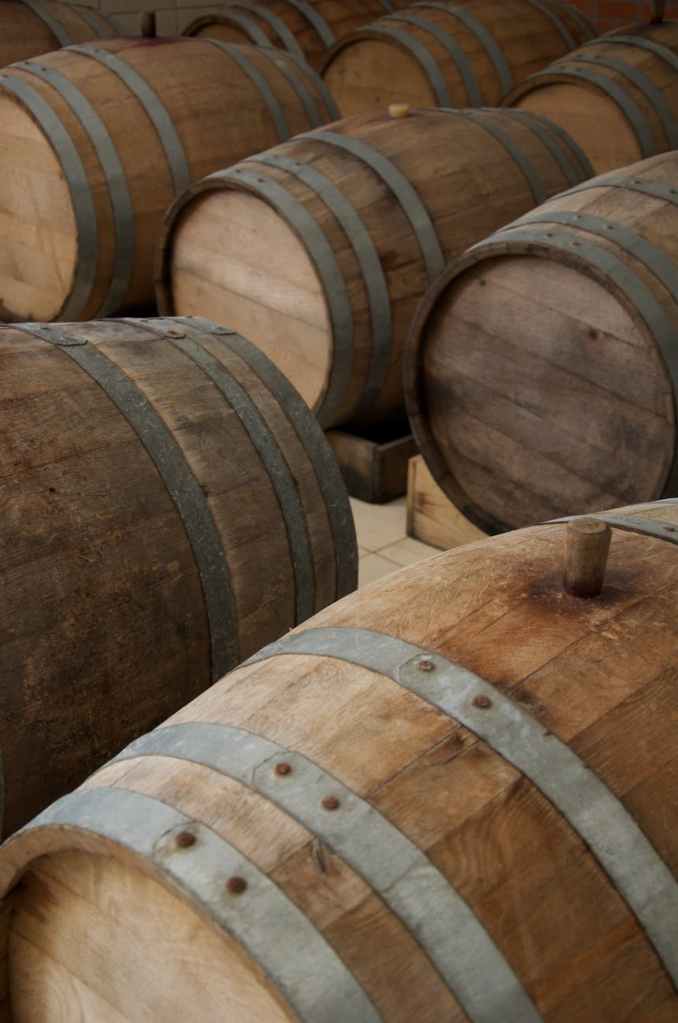
    Various barrel sizes and shapes waiting to be delivered

    Barrel Sizes and Shapes

    Barrels come in a variety of sizes, from the diminutive barrique to the towering foudre. The standard barrique holds approximately 225 liters (59 gallons) of wine and is commonly used in regions like Bordeaux and Burgundy. Larger formats, such as the puncheon and the foudre, are favored for their reduced surface-to-volume ratio, allowing for slower aging and gentler extraction of flavors.

    The shape of the barrel also plays a crucial role in aging wine. Taller, narrower barrels promote more gradual oxidation and evaporation, while shorter, wider barrels encourage faster integration of flavors and textures. Additionally, the toasting level of the barrel—ranging from light to heavy—can be customized to suit the winemaker’s desired style and intensity of oak influence.

    Craftsmanship and Cooperage

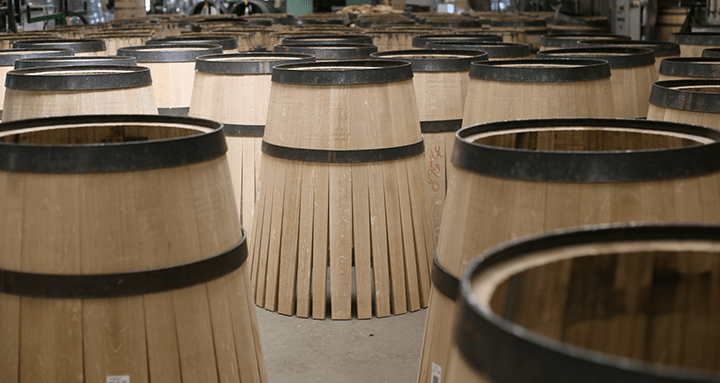
    The art of barrel making, or cooperage, is a centuries-old tradition that requires skill, precision, and patience. Cooperages source the finest oak staves, carefully shaping and toasting them to exact specifications. Master coopers employ time-honored techniques, passed down through generations, to construct barrels that are both functional and beautiful.

    Cooperages offer winemakers a range of options, from the type of wood and toast level to the size and shape of the barrel. Customization allows winemakers to tailor their barrels to the specific needs of each wine, ensuring optimal aging and expression of terroir.

    Impact on Wine and Cost

    The impact of barrel aging on wine is profound, influencing its color, aroma, flavor, and texture in myriad ways. Oak imparts flavors of vanilla, spice, toast, and caramel, while also softening tannins and enhancing mouthfeel. Oxygen slowly permeates the barrel, allowing the wine to evolve and develop complexity over time.

    The cost of barrel aging varies depending on factors such as the type of wood, size of the barrel, and quality of craftsmanship. French oak barrels, prized for their elegance and finesse, are among the most expensive, while American oak and other alternatives offer more affordable options. The cost of barrel aging can account for a significant portion of a wine’s production expenses, particularly for premium and ultra-premium wines that require extended aging in oak.

    Famous Burgundian Grand Cru (Pinot Noir)

    Regional and Varietal Characteristics

    Certain countries, regions, and varietals are renowned for the unique characteristics imparted by barrel aging. In Bordeaux, Cabernet Sauvignon and Merlot blends mature in oak barrels, gaining complexity and structure over time. Burgundian Pinot Noir and Chardonnay benefit from aging in French oak, acquiring nuances of spice, toast, and vanilla.

    Spanish Tempranillo finds its soulmate in American oak, with Rioja and Ribera del Duero wines showcasing flavors of coconut, dill, and sweet spices. Italian Sangiovese, aged in large Slavonian oak casks, develops savory notes of leather, tobacco, and earth.

    While barrel aging remains the gold standard for many winemakers, alternative methods offer creative ways to achieve similar results. Stainless steel tanks provide a neutral environment for aging wine, preserving fruit purity and freshness. Concrete eggs and amphorae impart subtle texture and minerality, enhancing the wine’s sense of place.

    Some winemakers utilize oak alternatives, such as chips, staves, or spirals, to infuse wine with oak flavors without the expense or commitment of traditional barrel aging. While these methods can produce compelling results, they often lack the complexity and integration achieved through prolonged aging in oak.

    Barrels, like fine wine, have a finite lifespan, with each one imparting its unique imprint on the wines it ages. The number of times a barrel can be used depends on factors such as the type of wood, thickness of the staves, and care taken during maintenance. French oak barrels, with their tighter grain and slower oxidation rate, can be reused for several vintages before losing their efficacy.

    After a barrel has reached the end of its useful life for aging wine, it may find new purpose as furniture, planters, or even firewood. Some adventurous souls repurpose old barrels as aging vessels for beer, spirits, or vinegar, continuing the cycle of transformation and innovation.

    Here’s to the artistry of barrel aging, where time becomes the master craftsman, transforming grapes into liquid poetry. Cheers to the magic of oak, the alchemy of time, and the enduring allure of beautifully aged wines. Salud!

    Gregory Dean, SOMM&SOMM

    Aging wine in barrels is a time-honored tradition that marries craftsmanship with alchemy, transforming humble grapes into liquid poetry. From the forests of France to the vineyards of Napa Valley, the story of barrel aging is one of passion, innovation, and reverence for the past. As we raise our glasses to toast the fruits of the vine, let us also raise a toast to the humble barrel, the silent guardian of wine’s journey through time and wood. Cheers 🍷

  • Teinturier Grapes: A Deep Dive into Rarity and Richness

    Teinturier Grapes: A Deep Dive into Rarity and Richness

    In the vast and intricate world of wine, there exists a category of grapes that is shrouded in mystery and rarity: the teinturier (pronounced teen-TOUR-ee-er) grapes. These unique varieties stand out among their counterparts due to their distinct characteristic of having red-colored flesh, which sets them apart from the majority of grape varieties whose flesh is typically clear or lightly pigmented. In this exploration, we embark on a journey to uncover the enigmatic nature of teinturier grapes, delving into their origins, unique characteristics, varieties, tasting notes, and the stories that surround them.

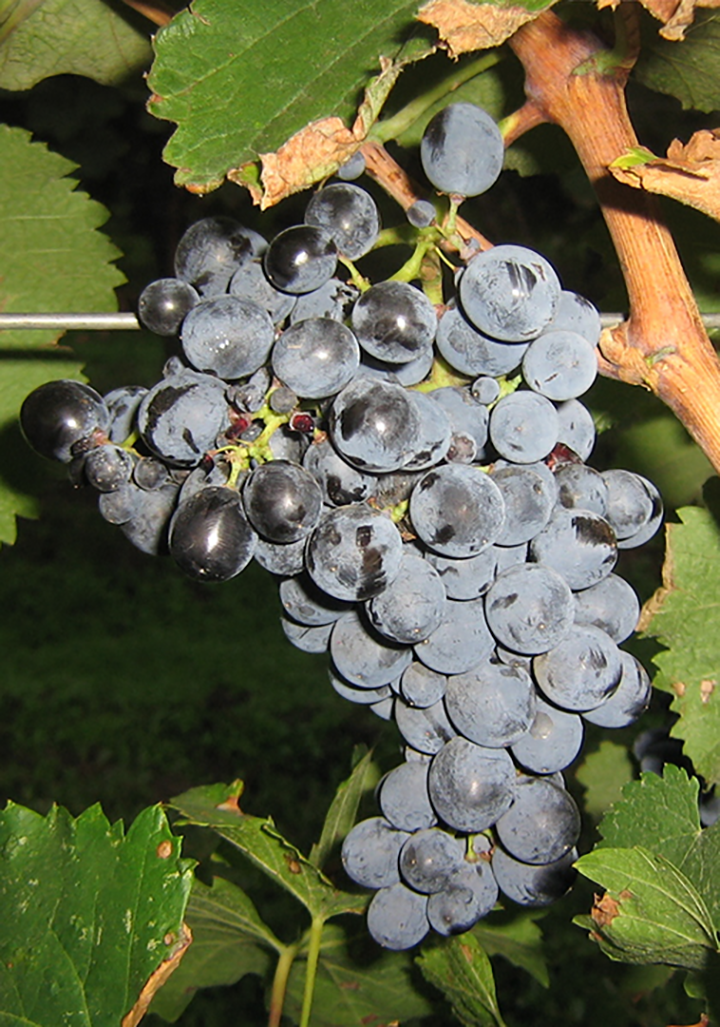
    Cover photo credits: Lebowskyclone, CC BY-SA 3.0 https://creativecommons.org/licenses/by-sa/3.0, via Wikimedia Commons

    Origins and Characteristics

    The term “teinturier” is derived from the French word for “dyer,” which aptly describes the intense coloration these grapes impart to wine. Unlike most red grape varieties, where the color comes primarily from the skins during fermentation, teinturier grapes possess deeply pigmented flesh, resulting in wines with exceptionally rich coloration and depth.

    One of the most notable characteristics of teinturier grapes is their rarity. While there are thousands of grape varieties cultivated worldwide, only a small fraction belong to the teinturier category. This rarity adds to their allure and intrigue among wine enthusiasts and connoisseurs.

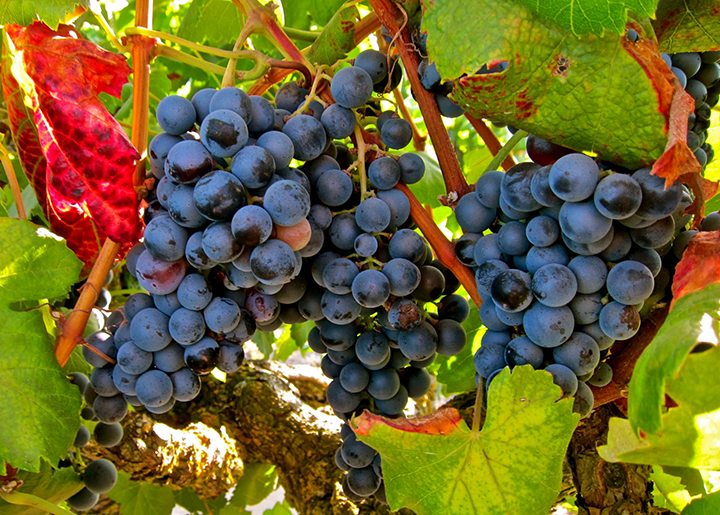
    Alicante Bouschet (photo: Good Food Revolution)

    Varieties of Teinturier Grapes

    Several grape varieties fall into the category of teinturier grapes, each offering its own unique characteristics and flavor profiles. Some of the most prominent varieties include:

    1. Alicante Bouschet: Among the most well-known teinturier grapes, Alicante Bouschet boasts deep red flesh and intense coloration. Originating in France in the late 19th century, this grape is prized for its robust flavors of dark fruits, such as blackberry and plum, coupled with firm tannins and a full-bodied structure.

    2. Saperavi: Hailing from the country of Georgia, Saperavi is a teinturier grape renowned for its inky color and bold, complex flavors. This variety often exhibits notes of black cherry, black pepper, and hints of smoke, with a velvety texture and a long, lingering finish.

    3. Rubired: Developed in California, Rubired is a teinturier grape widely used in winemaking for its deep color extraction and rich flavor profile. Wines made from Rubired grapes are characterized by their plush texture, ripe berry flavors, and a touch of spice, making them ideal for blending or as standalone varietal wines.

    4. Graciano: While not exclusively a teinturier grape, Graciano is known for its deeply pigmented juice, which contributes to the intense coloration of wines when blended with other grape varieties. Originating in Spain, Graciano imparts wines with vibrant acidity, notes of dark fruits, and a savory, herbal undertone.

    Tasting Notes and Pairings

    Teinturier wines are prized for their deep color, bold flavors, and distinctive characteristics. When tasting wines made from teinturier grapes, one can expect to encounter a spectrum of flavors and aromas, ranging from dark fruits and spices to savory notes and earthy undertones.

    Alicante Bouschet wines often exhibit flavors of ripe blackberry, plum, and dark chocolate, with firm tannins and a robust structure. Pairing these wines with grilled meats, hearty stews, or aged cheeses complements their bold flavors and enhances the overall dining experience.

    Saperavi wines boast a complex profile of black cherry, black pepper, and smoky notes, with a velvety texture and well-integrated tannins. These wines pair beautifully with dishes such as lamb tagine, roasted duck, or mushroom risotto, where their depth of flavor can shine.

    Rubired wines are characterized by their plush texture, ripe berry flavors, and hints of spice, making them versatile for pairing with a variety of cuisines. Whether enjoyed alongside barbecue ribs, spicy chili, or creamy pasta dishes, Rubired wines add a layer of richness and depth to the dining experience.

    Graciano Varietal from Rioja

    Graciano wines offer vibrant acidity, dark fruit flavors, and a savory, herbal character, making them ideal companions for dishes such as grilled steak, paella, or roasted vegetable medleys. The wine’s acidity cuts through rich flavors, while its earthy undertones complement a wide range of ingredients.

    Beyond their exceptional qualities in winemaking, teinturier grapes are also steeped in stories, myths, and quips that add an element of fascination to their narrative. Legend has it that Alicante Bouschet was created by a French viticulturist who sought to develop a grape variety with intense coloration during a time when blending wines was a common practice. Similarly, the origins of Saperavi trace back to ancient Georgia, where it is believed to have been cultivated for over 8,000 years, earning its status as one of the oldest grape varieties in existence.

    As we delve deeper into the world of teinturier grapes, we uncover not only their rare and unique characteristics but also the rich tapestry of history, culture, and tradition that surrounds them. From the sun-drenched vineyards of Spain to the lush landscapes of California, these grapes continue to captivate and inspire winemakers and enthusiasts alike, offering a glimpse into the extraordinary diversity and complexity of the wine world.

    Teinturier grapes stand as a testament to the endless possibilities and wonders of winemaking, showcasing the artistry and ingenuity of those who cultivate and craft them into the exquisite wines that grace our tables and tantalize our palates. As we raise our glasses to toast to these remarkable grapes, let us savor the richness of their flavors, the depth of their colors, and the stories that surround them, celebrating the beauty and complexity of the world of wine. Salute! 🍷

  • The Art and Science of Decanting Wine

    The Art and Science of Decanting Wine

    Decanting wine is a centuries-old practice that fuses artistry and science to elevate the drinking experience. As a sommelier and wine educator, I am often asked about the mysteries surrounding this ritual. In this comprehensive exploration, we will unravel the essence of decanting, debunk myths surrounding the process, and delve into specific examples of wines that truly blossom when given the chance to breathe.

    The Purpose of Decanting

    At its core, decanting serves two primary purposes: aeration and sediment separation. Aeration involves exposing the wine to oxygen, which allows it to open up and release its full bouquet of aromas and flavors. This is particularly beneficial for young, tannic red wines that may initially be tight and closed. Sediment separation is relevant for aged wines, as it helps remove any accumulated sediment that can form in the bottle over time.

    When to Decant

    One common myth is that only red wines benefit from decanting. While red wines generally stand to gain more from the process due to their tannin structure, certain white wines, such as older vintage Chardonnays and oxidative styles like aged Rieslings, can also benefit from aeration.

    Another misconception is that only old wines need decanting. While it’s true that older wines often contain sediment, young and robust red wines can also benefit from decanting. For example, a bold Cabernet Sauvignon or a structured Barolo can soften and reveal additional layers of complexity when exposed to air.

    How to Decant

    Decanting is a simple yet deliberate process. Start by standing the bottle upright for several hours to allow any sediment to settle at the bottom. When ready to decant, gently pour the wine into a decanter in one smooth motion, leaving the sediment in the bottle.

    For older wines, it is important to not disturb the wine. The traditional process is to pull the wine from the cellar rack and place it in a wine cradle or basket at the same orientation it was stored. Don’t rotate the bottle because the sediment will have already settled to the side facing down while in the cellar (thanks gravity). Remove the foil and open the bottle while in the basket and proceed to decant while watching for sediment to reach the shoulder. When the sediment reaches the neck, stop decanting.

    Examples of Wines that Benefit from Decanting

    1. Young Tannic Reds: Barolo (e.g., Barolo, Serralunga d’Alba, Vintage 2015)

    The high tannin content in young Barolo wines can be softened through aeration, revealing the intricate layers of flavors and aromas that may be initially subdued.

    2. Mature Reds with Sediment: Bordeaux (e.g., Château Margaux, Pauillac, Vintage 1990)

    Older Bordeaux wines often develop sediment over time. Decanting not only separates the sediment but also allows the wine to breathe, showcasing the delicate nuances that come with age.

    3. Full-Bodied Whites: Aged Chardonnay (e.g., Kistler Vineyards, Sonoma Coast, Vintage 2010)

    Aged Chardonnays can benefit from decanting to enhance their texture and reveal the secondary and tertiary aromas that have developed over time.

    4. Bold and Robust Young Whites: Condrieu (e.g., E. Guigal, La Doriane, Vintage 2018)

    While less common, certain bold and full-bodied white wines, such as Condrieu, can benefit from decanting to allow the aromas and flavors to unfold.

    Riedel Mamba Decanter

    Decanter Shapes and Styles

    Decanters come in a variety of shapes and styles, each designed to accentuate specific characteristics of different wines. Choosing the right decanter can enhance the overall decanting experience, but it’s essential to understand the advantages and potential disadvantages associated with various designs.

    1. Classic Wine Decanter

    Advantages:

       – Aeration: The wide base and long neck allow for ample surface area exposure, promoting effective aeration.

       – Sediment Separation: The wide bowl facilitates a smooth pour, aiding in the separation of sediment.

    Disadvantages:

       – Limited Oxygen Exchange: Some classic decanters may not provide as much aeration as more modern designs, potentially limiting the wine’s exposure to oxygen.

    2. U-Shaped Decanter

    Advantages:

       – Improved Aeration: The wide bowl at the bottom enhances aeration, while the narrow neck minimizes excessive oxygen exposure, suitable for delicate wines.

    Disadvantages:

       – Sediment Management: While effective for aeration, the narrow neck may make sediment separation more challenging compared to wider-necked decanters.

    3. Duck or Swan-Shaped Decanter

    Advantages:

       – Aeration and Presentation: The curved design allows for aeration, and the elegant shape serves both functional and aesthetic purposes.

    Disadvantages:

       – Sediment Concerns: Similar to U-shaped decanters, sediment separation may be a bit more challenging due to the narrow neck.

    4. Modern or Artistic Decanter

    Advantages:

       – Aesthetic Appeal: These decanters often serve as both functional vessels and pieces of art, adding a visual dimension to the wine experience.

       – Aeration: Depending on the design, some modern decanters can offer effective aeration.

    Disadvantages:

       – Practicality: Some artistic designs may prioritize aesthetics over functionality, potentially impacting the aeration process or ease of pouring.

    5. Dual-Chamber or Two-Stage Decanter

    Advantages:

       – Separate Aeration and Serving Chambers: Enables aeration in one chamber while keeping sediment in another, providing the best of both worlds.

       – Precision Pouring: The design often includes a spout, allowing for controlled pouring and minimizing the risk of dripping.

    Disadvantages:

       – Complex Cleaning: The dual-chamber design can make cleaning more intricate than with simpler decanters.

    Decanting wine is both an art and a science, requiring a delicate balance between patience and precision. By understanding the unique characteristics of different wines and debunking common myths, wine enthusiasts can unlock the full potential of their favorite bottles. Whether indulging in a young, robust red or savoring the nuances of a gracefully aged white, the act of decanting is a timeless ritual that enhances the enjoyment of this elixir of the gods. Cheers to the journey of discovering the symphony of aromas and flavors that await within every decanted bottle!