Tag: red-wine

  • Exploring the World of Fortified and Oxidative Wines

    Exploring the World of Fortified and Oxidative Wines

    A Deeper Look at Six Pillars of the Style.

    Fortified wines, often overlooked or misinterpreted, carry centuries of craftsmanship, trade, and innovation. This article examines the six mainstream fortified and oxidative wines—Sherry, Port, Madeira, Marsala, Vermouth, and Rancio—exploring their histories, production methods, and cultural significance.

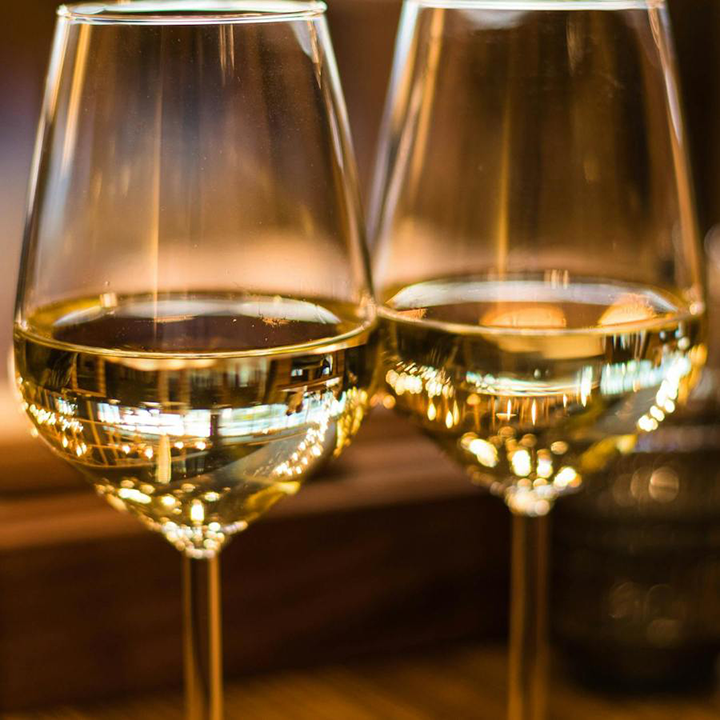
    Classic fortified wines with dessert – Photo by Benny Stu00e6hr on Pexels.com

    Sherry

    Spain’s Gift to the World

    Sherry, from Spain’s Andalusian region of Jerez, evolved from a local wine into a global phenomenon. The production process, under the watchful eye of a complex solera system, integrates new and old wines, lending Sherry its distinct, oxidative character. Sherry is traditionally classified into seven main styles: Fino, Manzanilla, Amontillado, Oloroso, Palo Cortado, Cream, and Pedro Ximénez, each unique in flavor and aging methods.

    The Phoenicians first brought vines to Jerez around 1100 BC, and the wine became famous under the Moors, who fermented the grapes and distilled the resulting wines. Sherry’s popularity peaked in the 16th century when British sailors returned from the Battle of Cádiz with barrels, introducing it to English nobility. The lore of Sherry includes the belief that some soleras contain remnants from centuries past, connecting each bottle to a vibrant history of winemaking.

    SOMM&SOMM Related Article: Demystifying Wine: Sherry

    Port

    Portugal’s Legacy of Power and Complexity
    liz west from Boxborough, MA, CC BY 2.0, via Wikimedia Commons

    Port, originating in Portugal’s Douro Valley, became popular in England during the 1700s when English merchants, avoiding French wine, fortified their imports from Portugal. The production process involves adding aguardente (grape spirit) to halt fermentation and preserve natural sugars, creating a rich, full-bodied wine. Port comes in several styles, including Ruby, Tawny, Vintage, Late Bottled Vintage (LBV), and White Port, each with unique aging techniques.

    Port’s narrative includes the discovery of a legendary “blackstrap” port by English traders, who, having mistakenly over-fortified a shipment, found it sweeter and more robust. This unplanned discovery set the stage for Port’s sweet, fortified profile, which pairs seamlessly with blue cheeses and rich desserts.

    SOMM&SOMM Related Article: The History, Tradition, and Elegance of Port Wine

    Madeira

    An Island’s Fortuitous Wine

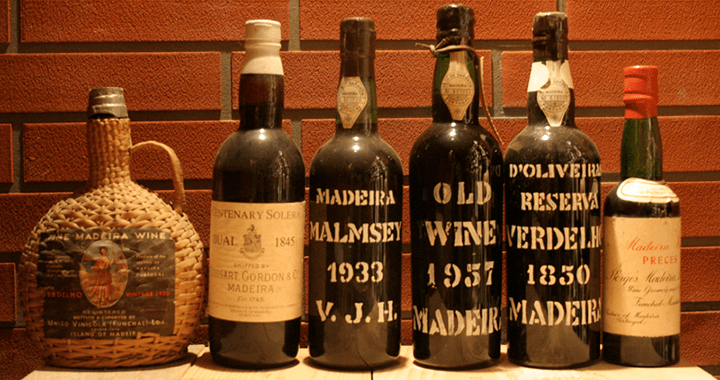
    Madeira’s story is one of survival and adaptability. Hailing from the island of Madeira, this wine was initially transported to tropical climates aboard ships, where the high temperatures “cooked” the wine. Instead of spoiling, it developed rich, complex flavors that fascinated European merchants. Modern Madeira winemaking replicates this process with the estufagem method, heating the wine to impart a caramelized complexity.

    Madeira wines – Frank Papenbroock, CC BY-SA 3.0, via Wikimedia Commons

    Madeira styles range from Sercial (dry) to Malvasia (sweet), with Bual and Verdelho falling in between. The island’s volcanic soils and distinctive grape varieties create wines with flavors of dried fruits, caramel, and smoky nuts. Madeira’s resilience is legendary; it remains one of the few wines capable of enduring centuries of aging, with bottles from the 18th century still drinkable today.

    Marsala

    Sicily’s Sweet and Dry Treasure

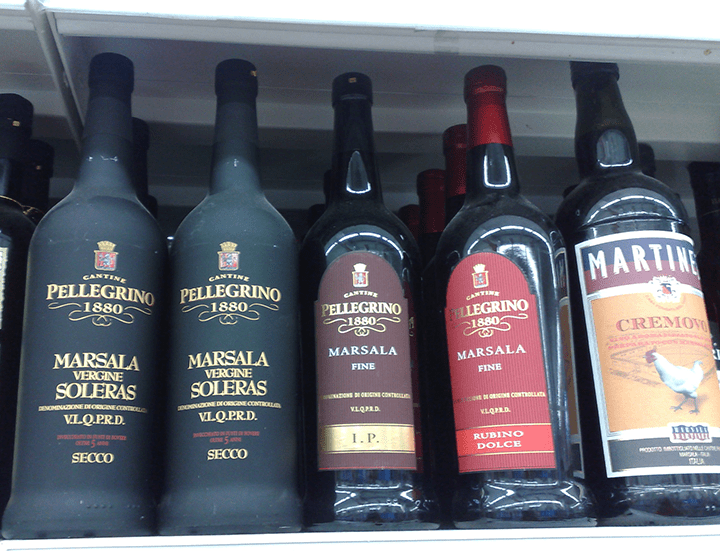
    Marsala, named after the coastal town of Marsala in Sicily, gained international fame in the late 1700s when English merchant John Woodhouse fortified the local wine, preserving it for long voyages. Marsala production typically involves adding grape spirit to a wine blend and aging it in wooden casks. Marsala is classified into dry, semi-sweet, and sweet styles and further divided by aging categories such as Fine, Superiore, Vergine, and Riserva.

    Marsala lineup – Dedda71, CC BY-SA 3.0, via Wikimedia Commons

    Marsala’s fame rose in the 19th century when it became a culinary staple, particularly in dishes like Chicken Marsala. Though overshadowed by its kitchen counterpart, fine Marsala wines offer complex notes of dried apricot, vanilla, and baking spices and can be enjoyed on their own as dessert wines.

    Vermouth

    Europe’s Aromatic Aperitif

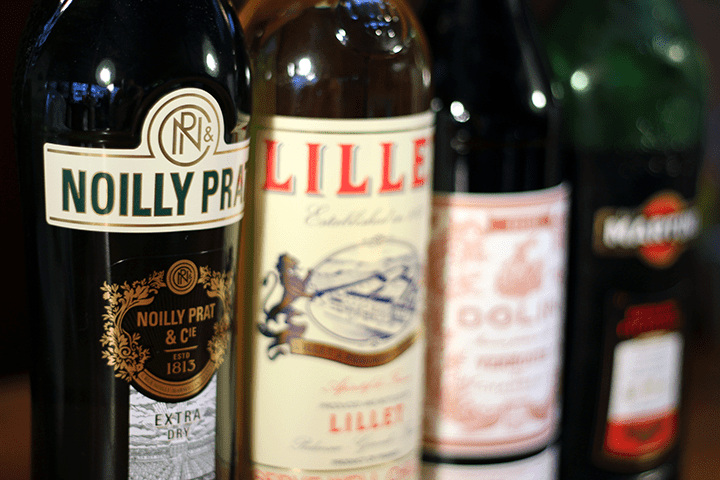
    Vermouth, first created in 1786 by Antonio Benedetto Carpano in Turin, Italy, is an aromatized, fortified wine infused with botanicals like herbs, roots, and spices. Originally medicinal, vermouth evolved into a fashionable aperitif. The wine base is fortified with grape spirit and flavored with a unique blend of botanicals, which differ by brand and region. Sweet (red) and dry (white) are the primary styles, with modern variations including extra dry, amber, and rose.

    Vermouth and Quinquina bottles – Will Shenton, CC BY-SA 3.0, via Wikimedia Commons

    Vermouth has become integral to cocktails such as the Martini and Manhattan, but it’s also enjoyed neat, served with a citrus twist. Its versatility is its charm, as it complements flavors across a range of dishes, from appetizers to rich desserts.

    SOMM&SOMM Related Article: Trendy Cocktails: The Manhattan

    Rancio Sec

    Catalonia’s Hidden Gem

    Rancio Sec, hailing from Catalonia and France’s Roussillon region, is an ancient, oxidative-style non-fortified wine aged in barrels exposed to sunlight, creating intense, nutty flavors. Rancio wines gain their distinct profile from long aging and exposure to air, often with traditional winemaking methods, including aging in open vats or glass demijohns.

    Domaine de Rombeau Rancio Sec aging outside in glass bonbonnes

    Aged between 5 and 100 years, Rancio Sec is not for the faint-hearted; it boasts concentrated flavors of roasted nuts, dark chocolate, and leather. The wine’s robust, rustic character pairs well with charcuterie and strong cheeses, and its rarity makes it a prized addition to any wine cellar.

    Here’s to the fortified and oxidative—those brave, enduring wines that weather time and hold their ground. In their layers of complexity and whispers of faraway lands, they remind us that beauty often lies in patience, character, and the willingness to age with grace. Raise a glass to the unsung alchemists of the wine world, whose depth and warmth bring history to the table with every sip!

    Gregory Dean, SOMM&SOMM

    Each of these fortified and oxidative wines carries the essence of its place, heritage, and historical journey. Rediscovering fortified wines reveals a world where winemaking and alchemy meet, offering layers of flavor that speak to their unique origins and cultural stories. Whether you’re savoring a glass of Sherry with tapas or exploring the bold, oxidative notes of Rancio Sec, fortified wines are a journey through history, tradition, and flavor awaiting deeper exploration. Cheers 🍷

    Cover photo by Christina Snyder, CC BY 2.0, via Wikimedia Commons

  • Demystifying Wine: Sherry

    Demystifying Wine: Sherry

    The Forgotten Gem: Understanding the Seven Types of Sherry Wine.

    Sherry wine, one of the world’s oldest and most storied styles, hails from the Jerez region in southern Spain. Known for its diversity and complex flavor profiles, Sherry has a bit of a reputation problem—often relegated to dusty shelves or seen as “grandma’s wine.” But for those in the know, Sherry offers a wide spectrum of styles, from bone-dry and briny to lusciously sweet, making it a remarkably versatile option for food pairings.

    Six types of Sherry (missing Cream Sherry): Fino, Manzanilla, Amontillado, Palo Cortado, Oloroso, Pedro Ximénez (PX)

    The Seven Styles of Sherry

    The beauty of Sherry lies in its remarkable range, produced under strict legal classifications that determine how the wine is aged, blended, and finished. Each type showcases distinct characteristics that can surprise even seasoned wine enthusiasts.

    Fino

    • Key Notes: Pale straw color, bone dry, light, and fresh.
    • Aging: Biological aging under flor.
    • Varietals: Palomino.
    • Characteristics: Fino is the lightest of the Sherries, with an alcohol content around 15-16%. It develops a unique layer of yeast called flor, which shields the wine from oxygen and gives it a tangy, almond-like flavor with a saline finish.
    • Food Pairing: Tapas, olives, almonds, and seafood like shrimp or oysters.

    Manzanilla

    • Key Notes: Similar to Fino but with a coastal brininess.
    • Aging: Biological aging under flor in the coastal town of Sanlúcar de Barrameda.
    • Varietals: Palomino.
    • Characteristics: While technically a subset of Fino, Manzanilla has a distinct salty tang from the maritime influence, making it a touch lighter and zestier.
    • Food Pairing: Anchovies, salted fish, fried seafood, or sushi.

    Amontillado

    • Key Notes: Nutty, oxidative, and complex.
    • Aging: Starts under flor, then moves to oxidative aging.
    • Varietals: Palomino.
    • Characteristics: Amontillado begins its life as a Fino, aged under flor for a few years, but the yeast eventually dies off, allowing oxygen to interact with the wine. This adds layers of nuttiness, caramel, and dried fruit flavors.
    • Food Pairing: Grilled meats, mushrooms, or hard cheeses like aged Manchego.

    Palo Cortado

    • Key Notes: Mysterious blend of Fino and Amontillado characteristics.
    • Aging: Starts under flor, but undergoes early oxidative aging.
    • Varietals: Palomino.
    • Characteristics: Palo Cortado is the enigma of Sherry, often starting as a Fino or Amontillado but then evolving into something unique. It combines the finesse of Fino with the depth of Amontillado, offering flavors of hazelnuts, orange peel, and toffee.
    • Food Pairing: Duck, game birds, or rich stews.

    Oloroso

    • Key Notes: Bold, rich, and intensely oxidative.
    • Aging: Oxidative from the start.
    • Varietals: Palomino.
    • Characteristics: Oloroso Sherry is aged entirely without flor, allowing for complete exposure to oxygen. It is deeper in color with flavors of roasted nuts, toffee, leather, and dried fruits. With a higher alcohol content (17-20%), it’s one of the bolder Sherry styles.
    • Food Pairing: Lamb, aged cheeses, or roasted vegetables.

    Pedro Ximénez (PX)

    • Key Notes: Lusciously sweet, syrupy, with intense dried fruit flavors.
    • Aging: Oxidative aging.
    • Varietals: Pedro Ximénez.
    • Characteristics: PX Sherry is made from sun-dried Pedro Ximénez grapes, which concentrate the sugars and produce a deeply sweet, raisin-like wine. The wine is rich, with notes of figs, dates, molasses, and chocolate.
    • Food Pairing: Blue cheese, rich desserts, or even poured over vanilla ice cream.

    Cream Sherry

    • Key Notes: Sweet, smooth, often a blend of Oloroso with sweetened PX.
    • Aging: Oxidative aging, with blending.
    • Varietals: Palomino and Pedro Ximénez.
    • Characteristics: Cream Sherry is an approachable, sweetened version of Oloroso, designed to balance sweetness and nuttiness. It’s rich and smooth, often seen as a dessert wine.
    • Food Pairing: Chocolate cake, custards, or with fruit tarts.

    SOMM&SOMM Recommends: Sherry Tasting Trio with Tasting Video

    Solera at Bodegas Tío Pepe – El Pantera, CC BY-SA 3.0, via Wikimedia Commons

    The Solera System: The Art of Aging

    What sets Sherry apart from other wines is the Solera system, a fractional blending method that ensures consistency and complexity across vintages. In the Solera system, older wines are systematically blended with younger wines, creating a continuous aging process. Each year, a portion of the oldest wine is drawn off for bottling, while younger wines replenish the barrels, allowing the character of the wine to evolve gradually.

    This process creates a remarkable depth in Sherry, where wines are often aged for decades, taking on complex, layered flavors that reflect both the region’s history and the patience of its winemakers.

    Flor Aging – El Pantera, CC BY-SA 3.0, via Wikimedia Commons

    Flor: A Yeast Like No Other

    The role of flor in Sherry production is critical, especially in lighter styles like Fino and Manzanilla. This yeast floats on the surface of the wine, protecting it from oxidation while contributing to the wine’s distinctive flavor profile. The salty, yeasty notes often associated with these styles are direct results of this biological aging. This technique is somewhat similar to the sur lie aging in Champagne, where wine is aged on the dead yeast cells, although sur lie focuses more on enhancing texture and brioche-like flavors.

    Sherry’s Image Problem

    So why is Sherry often overlooked? Part of the issue lies in its old-fashioned reputation. For years, Sherry has been pigeonholed as an “old person’s drink,” especially with the perception of sweet, cloying Cream Sherries that once dominated the market. But the dry styles, especially Fino, Manzanilla, and Amontillado, have so much more to offer. The complexity, versatility, and food-friendliness of these wines are woefully underappreciated.

    There’s also the fact that Sherry doesn’t fit neatly into most wine drinkers’ expectations. It’s not a light, easy-drinking white, nor is it a robust red. It occupies a unique space, which requires a more adventurous palate to fully appreciate.

    Sherry in Pairings: Rediscovering a Lost Art

    If you want to experiment with Sherry in your next wine pairing, consider going beyond the obvious. Here are some fresh ideas:

    • Fino or Manzanilla: These bone-dry, saline wines are fantastic with charcuterie, shellfish, and even sushi. The briny character complements the umami richness of seafood.
    • Amontillado: Try it with earthy mushroom dishes or rich pork belly. The nuttiness and depth of flavor create a fascinating interplay with these savory ingredients.
    • PX: Dessert wines often steal the show, but PX takes it to another level. Serve it with blue cheese or use it to top off a vanilla ice cream sundae for a memorable finish.

    The next time you’re hosting a pairing dinner, don’t shy away from including a Sherry. It’s a conversation starter, and with its range of flavors and styles, you can find a bottle that complements just about any dish. Maybe, just maybe, Sherry will finally earn the spotlight it deserves. Cheers 🍷

  • A Sommelier’s Guide to Date Night Wine Pairings

    A Sommelier’s Guide to Date Night Wine Pairings

    From First Dates to Friday Night Takeout.

    Date night is sacred—a chance to connect, escape the routine, and indulge a little. Whether it’s a first date or a long-standing weekly tradition, a thoughtful wine choice can elevate the experience, even if the “cuisine” comes with a drive-thru option. Here’s a guide for various types of dates, with a wine pairing to match the mood, cuisine, and charm of each occasion.

    Photo by Jep Gambardella on Pexels.com

    The First Date: Breaking the Ice with a Hint of Romance

    The Vibe: Nerves, excitement, and the hope for a little spark.

    Cuisine: Tapas or small plates are perfect; they’re easy to share and provide plenty of variety. For a more relaxed vibe, consider street food-style Mexican fare or a cozy Italian trattoria.

    Wine Pairing:

    • For Spanish Tapas: Go with an Albariño from Rías Baixas. This wine is bright, refreshing, and versatile, with citrus and mineral notes that complement classic tapas like patatas bravas, gambas al ajillo (garlic shrimp), and jamón serrano.
    • For Tacos and Street Food Mexican: Try a chilled, fruity Grenache. It pairs beautifully with the spice and bold flavors of Mexican dishes without overwhelming them.
    • For Italian: If pasta is in the mix, a glass of Chianti Classico offers enough acidity to cut through rich tomato sauces, making it a great companion for lasagna, meatballs, or bruschetta.
    Photo by Snappr on Pexels.com

    The Weekly Date: Taco Tuesday (or Pizza Friday) – It’s Tradition

    The Vibe: A laid-back ritual where you both know what’s on the menu.

    Cuisine: Takeout or homemade staples—Taco Tuesday or pizza night are classics.

    Wine Pairing:

    • For Tacos: A zesty, crisp Sauvignon Blanc is an unexpected but perfect match for most tacos, especially fish or veggie. For heartier carne asada or al pastor, try a Tempranillo—its earthy flavors balance the smoky, savory profile of the meats.
    • For Pizza: A classic pairing would be an Italian Barbera or Chianti with tomato-based pizzas. However, if you’re enjoying something adventurous like a BBQ chicken pizza, go with a fruit-forward Zinfandel, which can handle the smoky, sweet flavors.

    Pro Tip: Even if it’s takeout night, pour that wine into proper glasses to elevate the vibe!

    The Anniversary Date: A Special Occasion with a Touch of Elegance

    The Vibe: Celebrating milestones and memories together, perhaps with a hint of nostalgia.

    Cuisine: Go all out with a French-inspired bistro dinner or a multi-course menu from a favorite fine-dining spot.

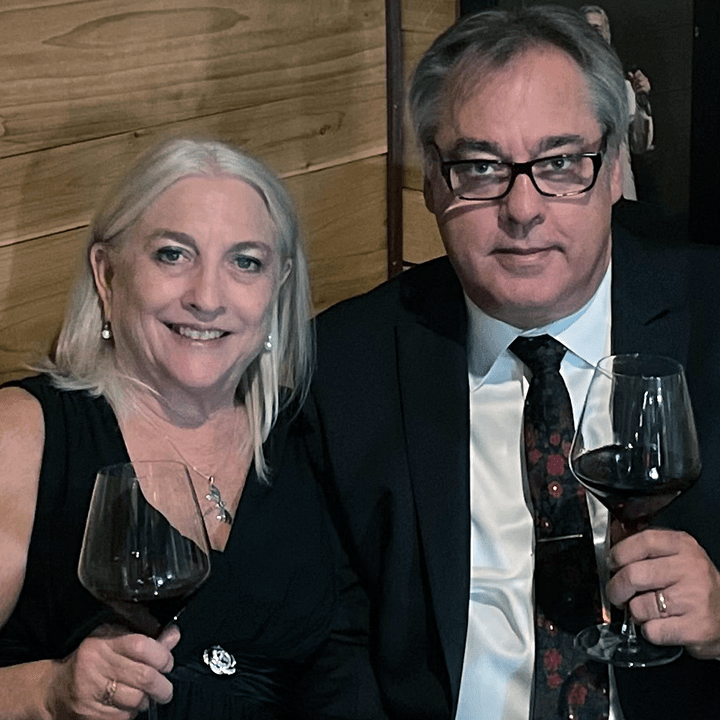
    Anniversary Date – Greg and Tammy, SOMM&SOMM

    Wine Pairing:

    • French Cuisine: For dishes like duck confit or beef bourguignon, reach for a classic Burgundy Pinot Noir or Bordeaux blend. If seafood is on the menu, a Chablis or Champagne makes an unforgettable pairing.
    • Multi-Course Pairing Adventure: For a true experience, start with a sparkling wine (Champagne or a quality American sparkling), transition to a rich white like an aged Chardonnay for the main course, and finish with a sweet, decadent wine for dessert, like a Sauternes or Late Harvest Riesling.

    Casual Takeout Date: Elevating Fast Food

    The Vibe: Unpretentious, low-key, but with an unexpected twist of sophistication.

    Cuisine: Burgers, fried chicken, or sushi takeout.

    Wine Pairing:

    • For Burgers: A juicy, full-bodied Merlot or a rich Cabernet Sauvignon pairs perfectly with a classic cheeseburger. If you’re opting for something spicier, like a pepper jack burger, a Zinfandel works wonders.
    • For Fried Chicken: A chilled, crisp Champagne or Prosecco cuts through the richness of fried chicken and adds a touch of elegance.
    • For Sushi: For classic nigiri or sashimi, a dry Riesling or sake is traditional, but a Sauvignon Blanc or even a dry rosé adds a fun twist.
    Photo by Dziana Hasanbekava on Pexels.com

    Outdoor Adventure Date: Picnic Perfect

    The Vibe: Fresh air, beautiful scenery, and a sense of exploration.

    Cuisine: Simple picnic fare like sandwiches, cheeses, fruit, and charcuterie.

    Wine Pairing:

    • For a Picnic Spread: Rosé is a picnic classic because it pairs well with a range of foods. Look for a Provence Rosé if you want something light and floral. If your picnic has heartier items like aged cheeses or cured meats, a Pinot Noir or a light-bodied Gamay would complement the flavors well.
    • For Sandwiches and Cheese: A Chardonnay pairs beautifully with most sandwiches, especially chicken or turkey. For cheese-focused picnics, try a Grenache-based wine for a balance of fruit and earthiness.

    Date night is about setting the mood, and wine can be your secret weapon. It’s not about being fancy or expensive—it’s about being thoughtful. A carefully chosen wine, even with the simplest dishes, can make any night special. So next time you grab that burger, sushi roll, or Tuesday taco, pour yourself a glass, toast to each other, and savor the little moments. Cheers 🥂

  • The Organoleptic Process

    The Organoleptic Process

    A Deep Dive into this Important Process for Wine Classification.

    Organoleptic screening, a sensory evaluation involving sight, smell, taste, and sometimes texture, is one of the most crucial and fascinating steps in the classification of top-tier wines. This process plays a vital role in determining a wine’s eligibility for prestigious labels such as Italy’s Denominazione di Origine Controllata e Garantita (DOCG) and Spain’s Denominación de Origen Calificada (DOCa). Through rigorous sensory testing, these wines are evaluated not just for adherence to technical standards but for their ability to embody the qualities expected from their appellation and vintage.

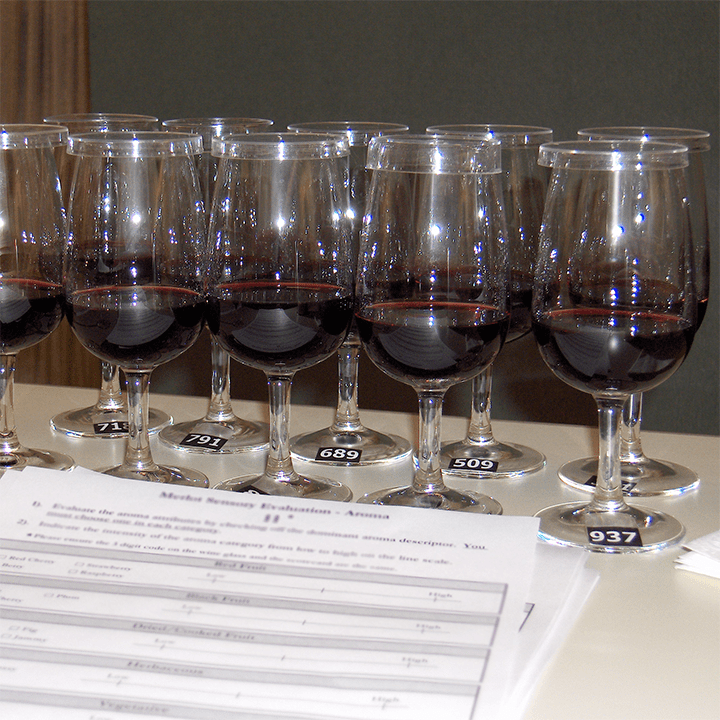
    Merlot Evaluation – Bradley Cooper, CC BY 2.0 via Wikimedia Commons

    The Origins of Organoleptic Screening

    The term “organoleptic” stems from the Greek words “organon” (organ) and “leptikos” (sensitive). In essence, it refers to the human sensory faculties used to perceive and evaluate products like wine. This process has roots in early agricultural societies, where farmers and winemakers relied on their senses to judge the quality of their products.

    However, it wasn’t until the 20th century that formal regulatory frameworks began incorporating organoleptic screening into legal systems governing wine classifications. Today, this subjective sensory evaluation complements objective chemical analysis, offering a holistic assessment of wine quality.

    Countries and Regions Using Organoleptic Testing

    Several prominent wine-producing countries use organoleptic screening as part of their classification systems. These include:

    Italy – DOCG

    Italy’s Denominazione di Origine Controllata e Garantita (DOCG) is the highest classification for Italian wines. Before receiving the DOCG label, wines must pass rigorous organoleptic testing to ensure they meet the sensory standards expected of their region and vintage. Key regions include Barolo and Brunello di Montalcino, where producers must submit samples for sensory evaluation by a panel of experts before release.

    Spain – DOCa (Rioja and Priorat)

    In Spain, the Denominación de Origen Calificada (DOCa) is a step above the regular DO classification. Currently, only Rioja and Priorat hold the DOCa designation. Wines from these regions are subject to organoleptic screening to confirm they meet the stringent quality standards for flavor profile, aroma, balance, and typicity.

    France – AOC (Appellation d’Origine Contrôlée)

    Though not officially named “organoleptic” testing, France’s Appellation d’Origine Contrôlée (AOC) system employs similar sensory evaluation protocols. Regions like Burgundy and Bordeaux have regulatory bodies that conduct tastings to ensure the wines reflect the terroir and meet the stylistic expectations associated with their appellation.

    Portugal – Tawny Port

    One of the most interesting applications of organoleptic screening occurs with tawny ports in Portugal. Here, the process is used to determine the perceived age of the port (e.g., 10 years, 20 years, 30 years, 40 years). This assessment is highly subjective, relying on the expert palates of a tasting panel to judge the port’s maturity, complexity, and aging characteristics. While chemical analysis can help, it is the organoleptic judgment that ultimately determines if a tawny port can be labeled as a specific age.

    Evaluating Wine – Christina Snyder, CC BY 2.0 via Wikimedia Commons

    The Organoleptic Process: How It Works

    The organoleptic screening typically consists of several key steps:

    Sensory Evaluation:

    Wine samples are subjected to a sensory analysis that evaluates four key characteristics:

    • Sight: Appearance and clarity of the wine, including color, viscosity, and any potential faults.
    • Smell: Aromatic profile, including intensity and complexity of fruit, floral, earthy, and other scents.
    • Taste: Balance of flavors, acidity, sweetness, tannins, alcohol, and the overall harmony of the wine.
    • Mouthfeel/Texture: How the wine feels in the mouth, including body, weight, and structure.

    Panel Composition:

    Organoleptic evaluations are typically conducted by panels of trained wine tasters. These committees often consist of winemakers, sommeliers, wine educators, and occasionally oenologists. They bring a blend of expertise and practical experience to the process. The panel size can vary but often includes 5 to 10 individuals, ensuring a range of perspectives while maintaining consistency.

    Standardized Protocols:

    To minimize subjectivity, these panels follow standardized tasting protocols. Wines are usually tasted blind, with no information on the producer or vintage, ensuring an unbiased evaluation. The panel uses score sheets to rate the wine on various sensory dimensions, with threshold scores required for the wine to pass.

    The Importance of Organoleptic Screening

    Organoleptic testing serves several critical functions in the wine classification process:

    Upholding Regional Identity

    The primary purpose of organoleptic screening is to ensure that a wine accurately reflects the qualities expected from its appellation. This is particularly important for prestigious regions like Barolo or Rioja, where consumers expect a certain flavor profile and stylistic consistency across vintages.

    Ensuring Quality Control

    Organoleptic testing adds a human element to quality control that complements chemical analysis. While laboratory testing can confirm technical aspects like alcohol content or sulfite levels, it cannot assess the overall sensory experience of the wine. Human tasters can identify subtle faults or imbalances that a machine might miss.

    Protecting the Consumer

    Consumers rely on labels like DOCG or DOCa as markers of quality. Organoleptic screening ensures that wines carrying these labels meet the high standards associated with them, protecting consumers from subpar products that may damage the reputation of an entire region.

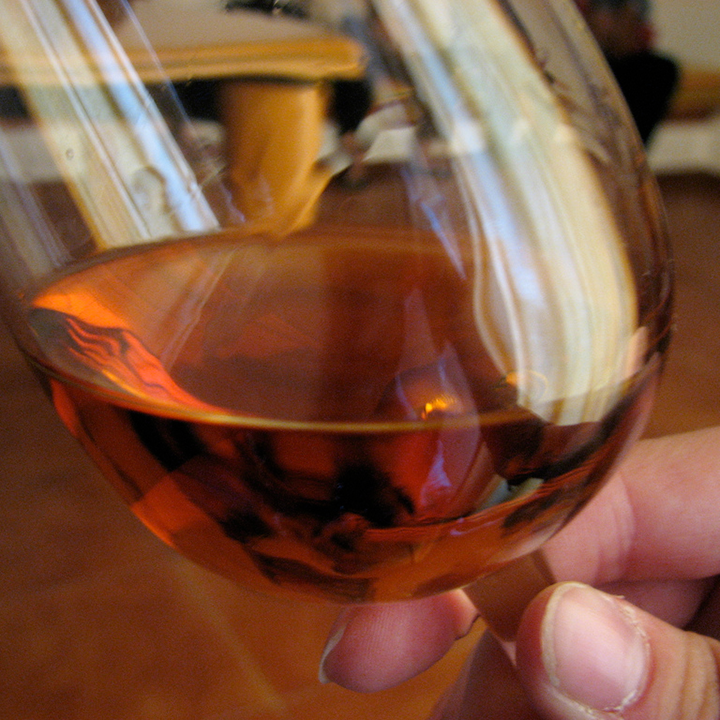
    Tawny Port – Jon Sullivan, Public domain, via Wikimedia Commons

    Tawny Port: Organoleptic Evaluation for Perceived Age

    Tawny port, a style of aged fortified wine from Portugal, provides a fascinating case study in the use of organoleptic testing. Unlike vintage ports, which are made from a single year’s harvest and aged in the bottle, tawny ports are aged in wooden barrels. As they age, tawny ports develop complex flavors and aromas, including notes of caramel, dried fruit, nuts, and spice.

    One of the defining features of tawny port is its labeled age designation—commonly 10 years, 20 years, 30 years, or 40 years. These age designations do not refer to the exact age of the wine, but rather the perceived average age based on the sensory experience of the taster.

    During organoleptic screening, tasters evaluate the tawny port for its:

    • Color: Aged tawny ports tend to shift from ruby hues to amber or brown.
    • Aroma: As tawny ports age, they lose primary fruit aromas and develop more oxidative, nutty, and caramelized notes.
    • Flavor Profile: The complexity of the wine increases with age, with older tawny ports displaying greater depth, balance, and a lingering finish.

    The panel’s subjective assessment of the wine’s age is based on how these sensory factors evolve over time. For example, a tawny port labeled as “30 Years” must present the characteristics expected of a port with three decades of aging.

    SOMM&SOMM Related Article: The History, Tradition, and Elegance of Port WIne

    Qualifications of Regulatory Committees

    The qualifications of the individuals on these panels are critical to the success of the organoleptic process. Members typically possess deep experience in the wine industry, often holding roles as winemakers, oenologists, sommeliers, or wine educators. Many have undergone formal sensory training to hone their tasting skills. In some cases, panelists must pass certification exams or undergo additional training specific to the appellation or classification system they are evaluating.

    Panelists are expected to be:

    • Objective: Able to set aside personal preferences and judge the wine according to its typicity and quality.
    • Experienced: Years of tasting experience are essential to develop the ability to detect subtle nuances in the wine.
    • Calibrated: Panel members often taste wines together before formal evaluations to calibrate their senses and ensure consistent judgments.

    The organoleptic process is a cornerstone of the world’s top wine classification systems. It ensures that wines carrying labels such as DOCG, DOCa, and AOC reflect the qualities expected from their appellation and meet rigorous quality standards. In the case of tawny port, organoleptic screening is used to determine the perceived age of the wine, adding a layer of complexity to the evaluation process. Ultimately, this subjective testing plays a critical role in preserving the integrity of prestigious wine regions and providing consumers with confidence in the wines they choose. Cheers 🍷

    Cover Photo Credit: William Lawrence, CC BY-SA 2.0 via Wikimedia Commons

  • Why Cabernet Sauvignon Pairs Perfectly with Steak

    Why Cabernet Sauvignon Pairs Perfectly with Steak

    The Science and Art of a Classic Pairing.

    Cabernet Sauvignon is known for its robust structure, high tannins, and full-bodied nature, which makes it a perfect pairing for steak. The science behind this lies in how the components of both the wine and the meat interact:

    • Tannins and Fat: Tannins, naturally occurring polyphenols in wine, bind to proteins. In a bold Cabernet Sauvignon, the high tannin content interacts with the rich fat of a steak, essentially softening the perception of tannins. Fat coats the mouth and mitigates the drying or astringent sensation of tannins, making the wine taste smoother.
    • Acidity and Protein: The acidity of Cabernet Sauvignon also plays a key role. A well-balanced Cabernet often has enough acidity to cut through the richness of the meat, particularly with fattier cuts like ribeye. This creates a harmonious balance where the wine refreshes the palate between bites, amplifying the savory flavors of the meat.
    • Intensity of Flavors: Cabernet Sauvignon, especially those from warmer climates, exhibits strong black fruit flavors (blackberry, cassis) along with earthy, herbaceous, and sometimes even smoky notes. Steak, especially when grilled or charred, mirrors this intensity with caramelized and umami-rich flavors, resulting in an elevation of both the food and wine.
    Photo by Jep Gambardella on Pexels.com

    Leveraging the Experience of Others

    Keeping an open mind when exploring wine pairings is essential, as it fosters a deeper appreciation for the diversity of flavors and combinations available. Discussions and debates about pairings often arise because everyone’s palate and experiences are unique. What works for one person might not resonate with another, and that’s the beauty of food and wine.

    Including perspectives like Scott White’s in this article highlights the value of differing viewpoints. His expertise with California Cabernets, for example, brings a unique lens to the table, reminding us that experimentation can uncover unexpected and delightful pairings. Scott and Alison White’s wine pairing dinners are epic. The Five Decade Chateau Montelena Wine Pairing Dinner was over the top.

    This diversity of thought enriches the overall understanding of the science and art of pairing.

    Gregory Dean, SOMM&SOMM

    Specific Cuts of Steak and Cabernet Pairings

    Photo by Nano Erdozain on Pexels.com
    Ribeye
    • Characteristics: A ribeye is richly marbled with fat, making it one of the most flavorful and tender cuts. The high fat content is perfectly suited to the strong tannins of Cabernet Sauvignon, particularly a bold Napa Cab.
    • Why It Works: The fat cuts the astringency of the wine, while the wine’s acidity and bold flavors counterbalance the richness of the steak. The char from grilling also complements the smoky, spicy, and earthy undertones of the wine.
    • Recommendation: Choose a Cabernet with some age on it to soften the tannins further and allow the wine’s tertiary characteristics (like leather and cedar) to pair with the steak’s charred exterior.

    SOMM&SOMM Recommends: 2019 Nickel & Nickel Quicksilver Vineyard Cabernet Sauvignon, Rutherford

    Scott White Recommends: 2021 Central Park West Cabernet Sauvignon

    Scott's Notes: "For me wine pairing is often all about the sauce. 

    But in the case of big flavored beef like ribeye or even NY strip the sauce is secondary. The beef usually is still the dominant flavor profile.

    For me its more about the fat content.

    So ribeye or NY strip needs a big, high tannin + acid cab... Like Trinchero Central Park West or St Francis Lagomarsino"
    New York Strip
    • Characteristics: A New York Strip has less fat than a ribeye but is still marbled enough to provide a good balance between tenderness and flavor.
    • Why It Works: With its slightly leaner profile, this cut benefits from a Cabernet Sauvignon with firm tannins and a more pronounced fruit-forward profile. A younger, fruit-driven Cab can bring out the savory qualities of the meat while still taming the wine’s tannins.
    • Recommendation: A fruit-forward Cab from a region like Paso Robles with more pronounced black cherry and plum notes will enhance the meat’s natural sweetness while balancing the firmness of the cut.

    SOMM&SOMM Recommends: 2021 DAOU Soul of a Lion Cabernet Sauvignon

    Scott White Recommends: 2018 St Francis Lagomarsino Russian River Valley

    Filet Mignon
    • Characteristics: Known for its tenderness rather than its flavor, filet mignon has very little fat and a more subtle beefy profile.
    • Why It Works (or Doesn’t): The lean nature of filet mignon requires a different approach. A high-tannin wine can overpower the delicacy of this cut. Instead, a softer Cabernet Sauvignon, perhaps one with some Merlot blended in or one that has been aged to mellow out the tannins, can provide enough structure without overwhelming the meat.
    • Recommendation: Consider a Bordeaux-style Cabernet blend where the softer fruit and mellow tannins complement the lean nature of the filet without overpowering it.

    SOMM&SOMM Recommends: 2021 Chateau Lecuyer Pomerol

    Scott White Recommends: 2019 Mondavi PNX Pinot Noir Carneros

    Scott's Notes: "Filet and to lesser extent sirloin has to be more subtle. Maybe some herbaceous notes like your old friend Silver Oak Alexander Valley. Especially with a chimichurri type sauce.  

    I would lean more to pinot for filet. I know thats a safer bet. I'm ok with traditional pairings."
    Sommelier and host, Scott White, serving sparkling wine from a Methuselah (6-liter bottle)

    When to Consider Other Wines

    While Cabernet Sauvignon works beautifully with most steaks, certain situations call for different wines:

    • Lean Cuts: For leaner cuts like a flank steak or sirloin, consider a wine with lower tannins and more acidity, such as a Zinfandel or Syrah. These wines bring more fruit and spice to the pairing, complementing leaner, tougher cuts that benefit from a little more juiciness in the glass.
    • Delicate Preparations: If your steak is served with a light sauce or prepared sous vide, the boldness of Cabernet may overpower the dish. Opt for a more restrained wine like a Pinot Noir or even a Tempranillo, which offers depth but with a lighter touch on the palate.

    Hypothetical Pairings for the Adventurous Foodie

    Seared Duck Breast – Navin75, CC BY-SA 2.0 via Wikimedia Commons

    Seared Duck Breast with Cabernet Sauvignon

    • Why It Works: Duck breast is rich and flavorful, similar to steak but with a gamier profile. A high-tannin Cabernet will cut through the duck’s fattiness, and the wine’s dark fruit (blackberry, plum) will highlight the duck’s inherent sweetness. The charred crust from searing complements the wine’s earthy, smoky undertones.
    • Twist: Add a cherry reduction sauce to echo the wine’s fruit character, creating an enhanced balance between the dish and the glass.

    Braised Short Ribs with Cabernet Franc

    • Why It Works: Short ribs are deeply flavorful and benefit from slow braising. Cabernet Franc, while less tannic than Cabernet Sauvignon, still provides enough structure to stand up to the richness of the meat. Its herbal and green pepper notes will contrast beautifully with the umami richness of the short ribs.
    • Twist: Consider serving the short ribs with a dark chocolate mole sauce to play off the wine’s earthy and cocoa-like finish.

    Lamb Shoulder with Cabernet Sauvignon

    • Why It Works: Lamb, especially a well-marbled shoulder, is rich, earthy, and slightly gamey, which pairs excellently with the tannins of a Cabernet Sauvignon. The wine’s herbal notes (like sage or thyme) echo the common herb seasonings of lamb.
    • Twist: Serve the lamb with a mint pesto or herbaceous chimichurri to highlight the green, herbal elements in the wine, creating a refreshing balance with the richness of the meat.

    SOMM&SOMM Recommends: 2020 Silver Oak Alexander Valley

    Scott White Recommends: 2019 Chateau Montelena Estate Cabernet Sauvignon

    Spicy Korean BBQ Beef Short Ribs with Syrah

    • Why It Works: The bold, spicy, and umami-rich flavors of Korean BBQ (gochujang, soy sauce, sesame oil) can overpower a typical Cabernet. Instead, Syrah’s spiciness, smoky undertones, and black fruit character make it a perfect match for the dish’s intense flavors.
    • Twist: The slight pepperiness of Syrah complements the heat of the BBQ, while its softer tannins keep the pairing from becoming overwhelming.
    Five Decade Chateau Montelena Wine Pairing Dinner

    Special thanks to fellow wine enthusiast, Scott White, for his unique perspective and insight into the art of the perfect pairing. These adventurous pairings demonstrate the interplay between fat, tannins, acidity, and flavor intensity. Understanding the science behind food and wine interactions allows sommeliers to push boundaries and craft unique, delicious experiences for the curious palate. Cheers🍷

    Cover photo credit: Photo by Farhad Ibrahimzade on Pexels.com

  • Wine and Food Pairing Adventures

    Wine and Food Pairing Adventures

    Unconventional Pairings and Expert Tips.

    When it comes to pairing wine with food, many people stick to traditional rules: red wine with red meat, white wine with fish, and so on. But the world of wine and food pairing is vast and exciting, with endless possibilities for adventurous pairings that can elevate both the wine and the food. In this article, we’ll explore unconventional pairings, delve into the art of contrasting vs. complementing flavors, and provide practical recommendations for different budgets and scenarios where individuals at a single table are enjoying different dishes (always a challenge).

    Photo by fauxels on Pexels.com

    Understanding the Basics

    When pairing wine with food, there are two primary approaches:

    1. Complementing Pairings: This method involves matching the flavors and textures of the wine and the dish to create harmony. For instance, a buttery Chardonnay complements a creamy lobster bisque because the wine’s texture mirrors the richness of the soup.
    2. Contrasting Pairings: This approach brings together opposing flavors to create a delightful balance. A classic example is pairing a crisp, acidic Sauvignon Blanc with a rich goat cheese salad. The acidity of the wine cuts through the creaminess of the cheese, creating a refreshing contrast.

    Both methods have their merits, and the choice between them often depends on the desired dining experience. Complementing pairings offer a sense of unity, while contrasting pairings provide dynamic tension and complexity.

    Unconventional Pairings with Ethnic Cuisines and Comfort Foods

    Let’s explore some unexpected pairings that bring out the best in both the wine and the dish.

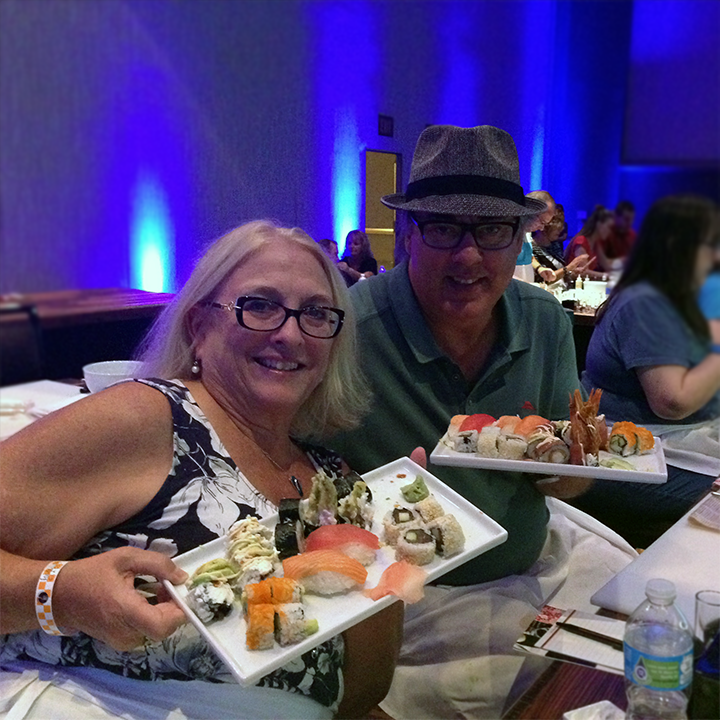
    Sushi Class at the 2016 Swan and Dolphin Food & Wine Classic

    Sushi and Sake’s Surprising Substitute: Riesling

    While sake is often the go-to beverage for sushi, a semi-dry Riesling can offer a delightful twist. The wine’s acidity and hint of sweetness balance the umami flavors of fresh fish, soy sauce, and wasabi. A German Riesling with bright citrus notes and a touch of minerality can enhance the delicate flavors of sashimi, while the slight sweetness can tame the heat of wasabi and ginger.

    Budget Tip: Look for a Kabinett or Feinherb Riesling from the Mosel region, which offers excellent quality at a reasonable price.

    SOMM&SOMM Recommends (under $20): Selbach Riesling Tradition Kabinett Feinherb 2019

    Thai Food and Off-Dry Gewürztraminer

    Thai cuisine is known for its complex balance of sweet, sour, salty, and spicy flavors. An off-dry Gewürztraminer with its aromatic profile of lychee, rose petal, and spice can complement the sweetness of coconut milk and counterbalance the spiciness of Thai curries. The slight sweetness in the wine also pairs well with dishes featuring fresh herbs like cilantro and mint.

    Budget Tip: Gewürztraminer from Alsace or even from regions like California or New Zealand can offer good value while maintaining the wine’s signature aromatic profile.

    SOMM&SOMM Recommends (under $20): Willm Reserve Gewürztraminer 2021

    Indian Curries and Sparkling Rosé

    Sparkling wine, particularly a Rosé, is an unexpected yet fantastic match for Indian curries. The bubbles help cleanse the palate, while the wine’s acidity cuts through the richness of the curry sauce. A dry or semi-dry sparkling Rosé can complement both mild dishes, like butter chicken, and spicier ones, like vindaloo. The red fruit notes in the Rosé add a layer of flavor that enhances the spices without overpowering them.

    Budget Tip: Cava from Spain or a Prosecco Rosé from Italy offers a cost-effective alternative to Champagne, bringing bubbles and acidity that work wonders with curry dishes.

    SOMM&SOMM Recommends (under $20): La Marca Prosecco Rose 2023

    Photo by Pablo Macedo on Pexels.com

    Pizza and Lambrusco: A Match Made in Italy

    Pairing wine with pizza is an adventure in itself, given the endless variety of toppings. A slightly sparkling red wine like Lambrusco is a fantastic partner, especially for pizzas with tomato-based sauces. This brings back great memories of date nights from our younger (ok, much younger) days 🙂 The bubbles and acidity cut through the richness of the cheese while complementing the tomato’s acidity. Lambrusco’s slight sweetness and tannins balance salty cured meats like pepperoni or prosciutto, while its fruitiness complements vegetable toppings like mushrooms and olives.

    Budget Tip: Lambrusco from the Emilia-Romagna region is often very affordable and versatile enough for a range of pizzas.

    SOMM&SOMM Recommends (under $20): Venturini Baldini Marchese Manodori Lambrusco

    Burgers and Zinfandel: Elevating Comfort Food

    For those who love a good burger, consider pairing it with a bold Zinfandel. The wine’s juicy, ripe fruit flavors, peppery spice, and medium tannins pair wonderfully with a burger’s charred exterior and savory toppings. The slight sweetness of Zinfandel can complement barbecue sauce, caramelized onions, or even a slice of cheddar cheese.

    Budget Tip: Look for Zinfandel from California’s Lodi region, known for offering great wines at reasonable prices.

    SOMM&SOMM Recommends (under $20): Zinfandelic Lodi Zinfandel 2021

    Pairing Strategies for Diverse Dishes at the Same Table

    When diners at a single table are ordering different dishes, finding a wine that complements all of them can be a challenge. Here are a few strategies:

    Opt for Versatile Wines

    Choose a wine known for its versatility, such as a sparkling wine, rosé, or a medium-bodied white like Chenin Blanc. Sparkling wines’ acidity and bubbles cleanse the palate, making them a good choice for a range of flavors. Rosés, especially those from Provence, offer freshness and a balance of fruit and acidity, which pairs well with various dishes, from seafood to grilled meats. Chenin Blanc, particularly from the Loire Valley, can have a combination of bright acidity, fruit, and minerality that pairs with both lighter fare and richer dishes.

    Focus on Flavor Intensity

    When selecting a wine to suit different dishes, consider the intensity of flavors. If most dishes are light, like salads or seafood, a light-bodied white wine such as Pinot Grigio or Albariño could work. For heartier dishes, a medium-bodied red like Pinot Noir or Grenache could provide enough structure to pair well without overpowering lighter dishes.

    Pinot Grigio (Pinot Gris, Grauburgunder) – Mark Smith, CC BY 2.0, via Wikimedia Commons

    Choose a High-Acidity Wine

    High-acidity wines are food-friendly because they cleanse the palate and refresh the senses between bites. A Sauvignon Blanc from New Zealand, with its herbaceous notes, pairs well with salads, seafood, and even dishes with tomato sauce. For red wine lovers, a Barbera from Italy, with its bright acidity and moderate tannins, pairs well with a range of dishes from pizza to poultry.

    Navigating Varying Budgets

    Not everyone wants or is able to spend a lot on a bottle of wine. Here are a few tips for finding great pairings on a budget:

    • Explore Lesser-Known Regions: Wines from lesser-known regions, such as Portuguese Vinho Verde or Chilean Carménère, offer excellent quality at a fraction of the price of more famous regions.
    • Look for Young Wines: Younger wines are often more affordable than aged wines and offer bright, fresh flavors that can be great for pairing with various dishes.
    • Go for Wine Styles Rather than Specific Labels: Focus on the style of wine rather than the specific label. For example, an unoaked Chardonnay from any region will likely have the crisp acidity needed to pair with lighter dishes.
    Cheers! – Jakob Montrasio from Saarbrücken, Germany, CC BY 2.0 via Wikimedia Commons

    Finding Common Ground in Wine Pairing

    Pairing wine with food should be fun and exploratory, not rigid or intimidating. Whether you choose to complement or contrast flavors, the key is to understand the underlying principles of balance, intensity, and flavor harmony. For mixed tables, versatile and high-acidity wines are your best bet. Always consider the personal preferences of your diners and be willing to experiment. With a little knowledge and creativity, you can turn every meal into a memorable wine and food pairing adventure. Cheers 🍷

    Cover photo credit: Photo by Ziu015fan u00d6zdemir on Pexels.com

  • The Genealogy of Grape Varietals

    The Genealogy of Grape Varietals

    Unveiling the Mysteries of Wine’s Most Celebrated Grapes

    In the world of wine, the grape is the star of the show, the foundation upon which all great wines are built. But have you ever wondered about the lineage of these illustrious berries? Let’s embark on a journey through the genealogy of the top 10 grape varietals, exploring their origins, the fascinating science behind them, and a sprinkle of myth and lore that makes each one even more intriguing.

    Photo by David on Pexels.com

    Understanding Hybrid, Cross, and Clone Varietals

    Before diving into the individual stories, it’s essential to understand some key terms:

    Hybrid: A hybrid grape is a cross between two different species (e.g. Vitis vinifera – Vitis lambrusca). These often arise to combine the best traits of each parent species, like disease resistance or cold hardiness.

    Cross: A cross, or crossbreed, is a grape created from two different varieties within the same species (Vitis vinifera – Vitis vinifera). This is common in Vitis vinifera, the primary species used in wine production.

    Clone: A clone is a genetically identical copy of a single grapevine. Clones arise through vegetative propagation, where cuttings from a vine are rooted to create new vines with the exact genetic makeup of the original.

    The Top 10 Grape Varietals and Their Genealogy

    Cabernet Sauvignon

    1. Cabernet Sauvignon

       – Species: Vitis vinifera

       – Genealogy: This noble grape is a natural cross between Cabernet Franc and Sauvignon Blanc, discovered in the 17th century in Bordeaux, France.

       – Myth and Lore: Legend has it that the grape first grew wild on the graves of fallen warriors, gaining strength from their spirits.

    Chardonnay

    2. Chardonnay

       – Species: Vitis vinifera

       – Genealogy: Originating from a cross between Pinot Noir and Gouais Blanc, Chardonnay has roots dating back to the Middle Ages in Burgundy, France.

       – Myth and Lore: Monks in Burgundy believed Chardonnay vines were a gift from the heavens, planted by angels to produce divine wines.

    Photo by Abynaya on Pexels.com

    3. Pinot Noir

       – Species: Vitis vinifera

       – Genealogy: Pinot Noir is an ancient variety, with genetic studies suggesting it dates back over 2,000 years, originating in the Burgundy region of France.

       – Myth and Lore: Some say that Pinot Noir vines were nurtured by druids, who believed the grape possessed mystical properties.

    Merlot

    4. Merlot

       – Species: Vitis vinifera

       – Genealogy: A descendant of Cabernet Franc and Magdeleine Noire des Charentes, Merlot emerged in the Bordeaux region in the 18th century.

       – Myth and Lore: Merlot was once thought to be the favorite grape of mermaids, who would sip its juice and sing songs of love and loss.

    Syrah/Shiraz

    5. Syrah/Shiraz

       – Species: Vitis vinifera

       – Genealogy: Syrah’s origins trace back to a cross between Dureza and Mondeuse Blanche, discovered in the Rhône Valley, France.

       – Myth and Lore: Ancient Persian legends tell of Syrah as a grape born from the tears of the god Syra, weeping for his lost love.

    Sauvignon Blanc

    6. Sauvignon Blanc

       – Species: Vitis vinifera

       – Genealogy: This grape is one of the parents of Cabernet Sauvignon, with its origins in the Loire Valley of France.

       – Myth and Lore: It is said that Sauvignon Blanc vines were found growing near the lair of a wise old fox who guarded them fiercely, believing the grapes held the secret to eternal youth.

    Zinfandel

    7. Zinfandel

       – Species: Vitis vinifera

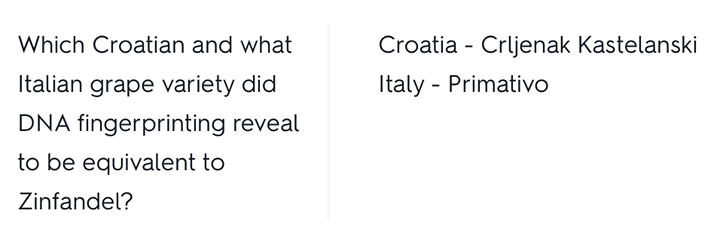
       – Genealogy: Genetically identical to the Croatian grape Crljenak Kaštelanski and the Italian Primitivo, Zinfandel made its way to California in the mid-19th century.

       – Myth and Lore: Early settlers in California believed Zinfandel vines were protected by earth spirits who ensured bountiful harvests.

    Riesling

    8. Riesling

       – Species: Vitis vinifera

       – Genealogy: Riesling’s origins can be traced to the Rhine region of Germany, first documented in the 15th century.

       – Myth and Lore: German folklore suggests that Riesling vines were tended by elves, who imbued the grapes with a delicate sweetness.

    Tempranillo

    9. Tempranillo

       – Species: Vitis vinifera

       – Genealogy: Native to Spain, Tempranillo’s exact origins are unclear, but it has been cultivated on the Iberian Peninsula for over 2,000 years.

       – Myth and Lore: Spanish knights believed that drinking Tempranillo before battle would grant them courage and strength.

    Malbec

    10. Malbec

        – Species: Vitis vinifera

        – Genealogy: Originating in France, Malbec is a natural cross between Magdeleine Noire des Charentes and Prunelard. It gained fame in Argentina, where it thrived in the high altitudes.

        – Myth and Lore: In Argentine folklore, Malbec was blessed by the spirits of the Andes mountains, who ensured its rich, robust flavor.

    The Science and Magic of Varietal Creation

    Hybrid Varietals – Hybrids often arise from the need to improve specific traits. For example, Vidal Blanc is a hybrid of Ugni Blanc (Vitis vinifera) and a hybrid grape variety, created to withstand harsh Canadian winters.

    Cross Varietals – Crossbreeding within the same species can lead to remarkable discoveries, as seen with Pinotage, a cross between Pinot Noir and Cinsault, developed in South Africa in 1925 to create a robust grape suited to the local climate.

    Clones – Clones like the Dijon clones of Pinot Noir, selected for their specific traits such as small berries or disease resistance, demonstrate how subtle genetic variations can lead to significant differences in the wine’s profile.

    The genealogy of grape varietals is a blend of science and storytelling, where each grape’s journey from ancient roots to modern vineyards is as captivating as the wines they produce. Whether shaped by nature or nurtured by mythical beings, these varietals continue to enchant wine lovers around the globe, one sip at a time. So, the next time you raise a glass, remember the rich history and fascinating lineage that brought that wine to your table. Cheers 🍷

  • The Elegance of Wine Glasses

    The Elegance of Wine Glasses

    A Deep Dive into Rolled Edge vs. Cut Edge

    When it comes to the world of wine, the vessel you choose to enjoy your vintage in can profoundly influence the experience. Whether you’re a seasoned oenophile or a curious beginner, understanding the intricacies of wine glasses can elevate your appreciation of the wine itself. Among the many features of a wine glass, the edge – specifically whether it is rolled or cut – plays a surprisingly pivotal role.

    Every detail, down to the very edge, contributes to the symphony of senses that is wine tasting.

    Gregory Dean, SOMM&SOMM

    Rolled Edge vs. Cut Edge: The Basics

    Rolled Edge Wine Glasses

    A rolled edge wine glass features a lip that has been thickened by rolling the glass at the rim. This process creates a rounded, smooth edge. Rolled edges are often found in more durable, everyday glassware. They provide a comfortable drinking experience, as the thicker rim can be easier on the lips. However, the thicker edge may somewhat impede the direct flow of wine onto the palate, potentially dulling the sensory experience.

    Cut Edge Wine Glasses

    In contrast, a cut edge wine glass boasts a thin, sharp rim achieved by cutting the glass rather than rolling it. This style is prevalent in higher-end, sommelier-approved glassware. The fine edge allows the wine to flow smoothly and directly onto the tongue, enhancing the tasting experience by delivering more precise flavors and aromas.

    Typical Rolled-edge Restaurant Wine Glasses

    When to Use Each Type

    Rolled Edge Uses

    – Casual Settings: Perfect for informal gatherings and outdoor events where durability and ease of use are prioritized over the nuanced tasting experience.

    – Everyday Use: Ideal for those who enjoy a glass of wine with dinner and prefer a sturdy, easy-to-clean option.

    Cut Edge Uses

    – Formal Occasions: Essential for wine tastings, dinners, and events where showcasing the wine’s full profile is the goal.

    – Wine Enthusiasts: Perfect for those who are passionate about wine and want to experience every subtle note and aroma.

    Riedel Vinum Series Crystal Wine Glasses

    Glass Making Approaches and Formulas

    The material and craftsmanship behind wine glasses significantly influence their performance and the overall tasting experience. Let’s explore the primary materials used in fine glassware:

    Quartz Glass

    Quartz glass, or fused silica, is known for its exceptional clarity and resistance to thermal shock. It is less common in wine glasses due to its high cost and difficulty in molding. However, its superior clarity makes it a favorite in scientific applications and ultra-premium glassware.

    Soda-Lime Glass

    This is the most common type of glass, made from a combination of soda (sodium carbonate), lime (calcium oxide), and silica (silicon dioxide). Soda-lime glass is economical and durable, making it suitable for everyday use. However, it is generally less clear and brilliant than other types of glass.

    Lead Crystal

    Lead crystal, traditionally containing up to 30% lead oxide, is renowned for its brilliance and clarity. The lead content increases the refractive index, giving the glass a beautiful sparkle. Lead crystal is also more malleable when molten, allowing for intricate designs and thin rims. However, concerns about lead leaching have led to a decline in its use for drinkware.

    Lead-Free Crystal

    Modern advancements have produced lead-free crystal, which substitutes lead oxide with other metal oxides like barium or zinc. This material retains the desirable properties of traditional lead crystal – clarity, brilliance, and durability – without the health concerns. Lead-free crystal is now the standard for high-quality wine glasses.

    SOMM&SOMM Recommends: Riedel Vinum Crystal Glasses

    The Effect on the Wine-Tasting Experience

    The choice of glass material and design profoundly affects the wine-tasting experience:

    Clarity: Higher clarity materials, like lead or lead-free crystal, allow for better visual appreciation of the wine’s color and consistency. The ability to see the wine clearly can enhance the overall sensory experience.

    Thickness: Thinner rims, typical of cut edge glasses made from crystal, allow for a more delicate delivery of wine to the palate, enhancing the perception of flavors and aromas. Thicker, rolled rims, more common in soda-lime glass, can dull this precision but provide durability and comfort.

    Weight: Crystal glasses are typically lighter and more balanced than their soda-lime counterparts, which can enhance the tactile experience of swirling and sipping the wine.

    SOMM&SOMM Recommends: Zalto Denk’Art Universal Hand-Blown Crystal Glasses

    Science and Subjectivity

    Science tells us that the thinner, more precise rim of a cut edge glass improves the direct flow of wine, enhancing the sensory experience by delivering flavors and aromas more effectively. However, the subjective pleasure derived from using a particular glass often depends on personal preference and context.

    For some, the ritual of selecting a delicate, beautifully crafted cut edge crystal glass adds to the romance of wine drinking. For others, the comfort and reliability of a sturdy rolled edge glass hold equal charm.

    Photo by Diana u2728 on Pexels.com

    Whether you lean towards the durable practicality of rolled edge glasses or the refined elegance of cut edge crystal, the choice of wine glass can profoundly influence your wine-tasting journey. Understanding the nuances between these types of glassware, as well as the materials and craftsmanship involved, allows you to tailor your wine experience to your preferences and occasions.

    So next time you uncork a bottle, consider not just the wine but the glass in which you’ll savor it. After all, every detail, down to the very edge, contributes to the symphony of senses that is wine tasting. Cheers 🍷

  • Varietal Spotlight: Zinfandel

    Varietal Spotlight: Zinfandel

    Unveiling the Rich Tapestry of Zinfandel

    Amidst the vast and diverse landscape of wine varietals, few evoke as much intrigue and delight as Zinfandel. With its roots deeply intertwined with American viticultural history, Zinfandel has captivated palates around the globe with its versatility, bold flavors, and intriguing heritage. Join me on a journey as we delve into the intricacies of this enigmatic grape, exploring its origins, diverse expressions, and ideal pairings, just in time to elevate your summer barbecues.

    The origins of Zinfandel have long been a subject of debate among wine enthusiasts and historians. While it is widely acknowledged as a quintessentially American grape variety, its exact ancestry remained shrouded in mystery until recent advancements in genetic research.

    Photo by Luciann Photography on Pexels.com

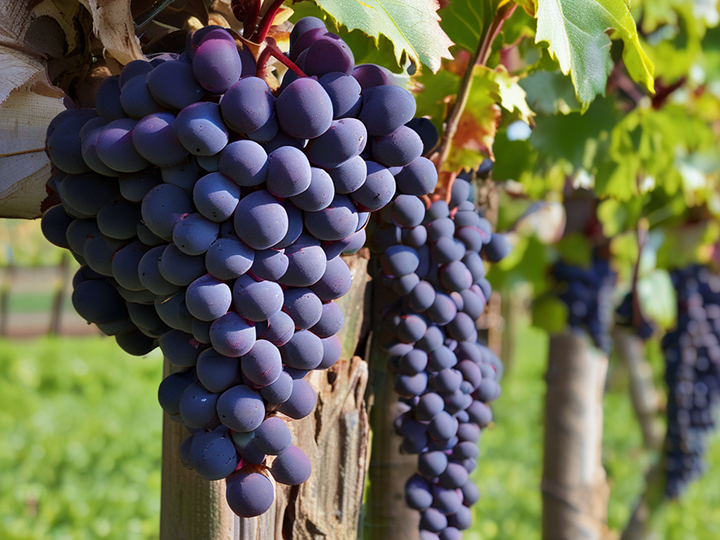
    Recent DNA analysis has revealed that Zinfandel is genetically identical to the Croatian grape variety known as Crljenak Kaštelanski (pronunciation: Tserl-yee-ehnak Kash-tell-ann-skee), as well as the Italian Primitivo (pronunciation: pri-meh-TEE-Voh). This revelation has shed light on the grape’s journey across continents, tracing its lineage from the Dalmatian Coast of Croatia to the sun-drenched vineyards of California.

    Required Knowledge for WSET Level 3

    Additional Info: Carole Meredith Solves the Mystery of Zinfandel (The V&E Trellis Wire, Spring 2002)

    Zinfandel first gained prominence in California during the Gold Rush era of the 19th century when it became the most widely planted grape variety in the state. Its robust vines thrived in the Mediterranean-like climate of California, giving rise to some of the most iconic wines in American history.

    Varieties and Characteristics

    Zinfandel is celebrated for its remarkable diversity, with a spectrum of expressions ranging from light and fruity to bold and full-bodied. This versatility stems from various factors including terroir, winemaking techniques, and aging practices.

    Red Zinfandel: The most iconic expression of Zinfandel, red Zinfandel wines are characterized by their deep ruby hues, vibrant fruit flavors, and spicy undertones. Notes of blackberry, raspberry, and plum are often interwoven with hints of black pepper, cinnamon, and licorice, creating a complex and multifaceted palate. Red Zinfandels can vary in intensity, with some displaying bold tannins and high alcohol content, while others exude elegance and finesse.

    White Zinfandel: White Zinfandel emerged as a serendipitous offshoot of its red counterpart. In the 1970s, winemakers accidentally left Zinfandel juice in contact with the grape skins for an extended period, resulting in a blush-colored wine with residual sweetness. This happy accident gave birth to White Zinfandel, a refreshing and approachable wine known for its light body, crisp acidity, and fruity aromatics. Unlike its robust red counterpart, White Zinfandel is best enjoyed in its youth, showcasing flavors of strawberry, watermelon, and citrus.

    In every sip of Zinfandel lies the essence of paradox; bold yet delicate, rustic yet refined, echoing the journey of life itself in its nuanced flavors.

    Gregory Dean, SOMM&SOMM

    While Zinfandel is cultivated in various wine regions across the globe, certain appellations have emerged as bastions of excellence for this noble grape.

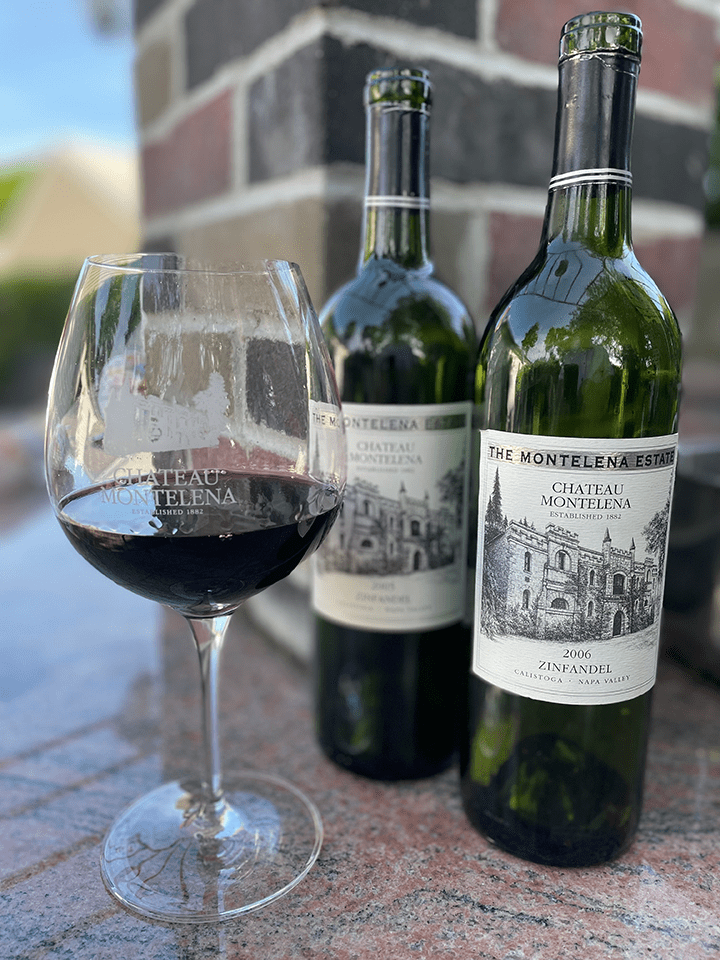
    A vertical of Chateau Montelena Zinfandel was on the menu a summer barbecue hosted by sommelier, Scott White

    California (Napa Valley and Sonoma County): California remains the epicenter of Zinfandel production, with Napa Valley and Sonoma County standing out as premier regions for cultivating this varietal. The warm days and cool nights of these coastal regions provide an ideal microclimate for Zinfandel, allowing the grapes to achieve optimal ripeness while retaining acidity and balance. Wines from Napa Valley tend to be rich and opulent, with concentrated fruit flavors and velvety textures, while those from Sonoma County showcase vibrant acidity and distinctive terroir-driven nuances.

    SOMM&SOMM Recommends: 2021 Chateau Montelena Zinfandel

    SOMM&SOMM Recommends: 2015 Seghesio Zinfandel Home Ranch

    SOMM&SOMM Recommends: 2021 St. Francis Old Vines Zinfandel ‘Tres Viejos’

    Old Vine Zinfandel

    Mendocino County (The Home of Old Vines): Within California, Mendocino County holds a special place in the hearts of Zinfandel aficionados, thanks to its abundance of ancient vines. These gnarled and weather-beaten vines, some over a century old, yield grapes of unparalleled depth and complexity, resulting in wines of extraordinary character and age-worthiness. Mendocino County Zinfandels are revered for their intensity, structure, and ability to express the unique terroir of their vineyard sites.

    Elevating Summer Barbecues

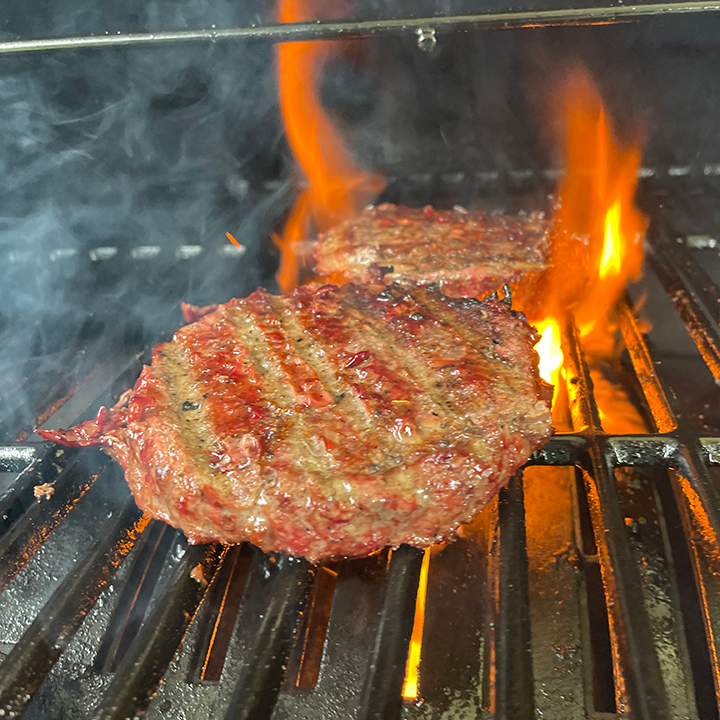
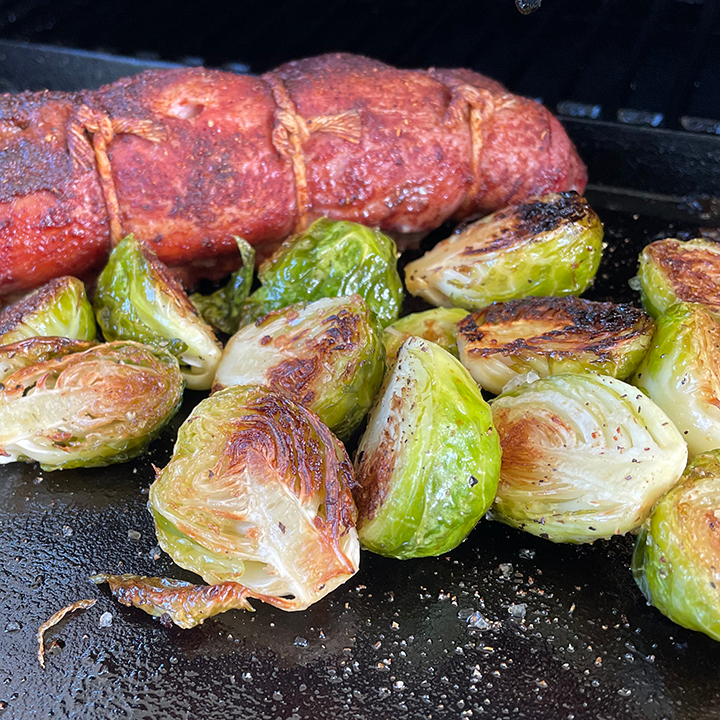
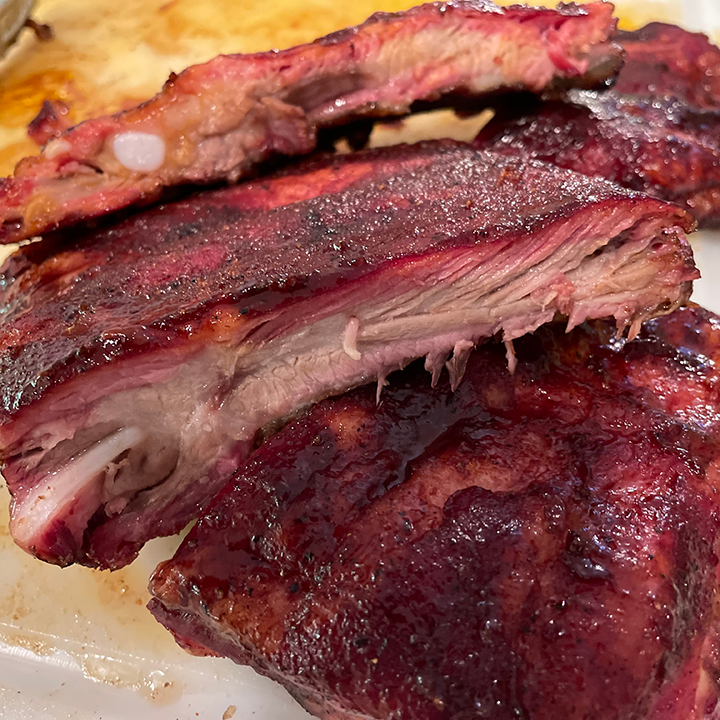
    Zinfandel’s bold flavors and vibrant acidity make it an ideal companion for a wide array of summer barbeque fare. Whether you’re grilling juicy steaks, smoky ribs, or tangy barbecue chicken, Zinfandel’s robust character and spicy nuances are sure to complement and enhance the flavors of your meal. Here’s a few images from past Summer barbecues.

    For a classic pairing, try serving a bold, full-bodied Zinfandel alongside a sizzling rack of barbeque ribs. The wine’s ripe fruit flavors and zesty acidity will cut through the richness of the meat, while its peppery notes will harmonize with the smoky barbecue sauce.

    For a lighter option, consider pairing White Zinfandel with grilled shrimp skewers or a crisp summer salad. The wine’s refreshing acidity and fruit-forward profile will provide a delightful contrast to the charred flavors of the seafood, while its subtle sweetness will complement the fresh, vibrant ingredients of the salad.

    No exploration of Zinfandel would be complete without a nod to its colorful history and enduring legacy. From the heady days of the Gold Rush to the modern renaissance of American winemaking, Zinfandel has remained a steadfast symbol of resilience and innovation.

    Legend has it that during Prohibition, enterprising bootleggers would smuggle Zinfandel grapes across state lines disguised as “table grapes,” allowing intrepid winemakers to continue producing their beloved elixir in secret. This defiance of authority only served to fuel Zinfandel’s mystique, cementing its status as the quintessential American wine.

    Zinfandel is the quintessential American wine

    Zinfandel stands as a testament to the enduring allure of wine, bridging continents and centuries with its rich tapestry of flavors and stories. Whether enjoyed as a bold red or a refreshing blush, Zinfandel invites us to savor the moment and celebrate the joy of discovery with every sip. So, raise a glass to Zinfandel, and let its timeless charm transport you on a journey of endless possibilities. Cheers 🍷

  • Sip Into Summer

    Sip Into Summer

    A Guide to Refreshing Wines for Late Spring and Early Summer

    As the days grow longer and the sun shines brighter, it’s time to embrace the vibrant flavors of late spring and early summer. With the season bringing forth an abundance of fresh produce and lighter fare, it’s the perfect time to explore a variety of wines that complement the delightful dishes served at events during this time of year. From picnics in the park to backyard barbecues, let’s dive into the world of wines that are perfectly suited for the warmer months ahead.

    Crisp Whites for Sunny Days

    One cannot think of summer without envisioning a chilled glass of refreshing white wine. From crisp Sauvignon Blancs to zesty Pinot Grigios, the options are endless. These wines are characterized by their bright acidity, citrus notes, and refreshing minerality, making them an ideal choice to pair with lighter fare such as salads, seafood, and grilled vegetables. Consider serving a Sauvignon Blanc alongside a fresh Caprese salad or a seafood ceviche for a delightful summer pairing.

    SOMM&SOMM Recommends: 2022 Henri Bourgeois Pouilly Fume La Porte De L’Abbaye

    SOMM&SOMM Recommends: 2021 Armani Pinot Grigio Colle Ara

    Rosé All Day

    Rosé has become synonymous with summer sipping, and for good reason. This versatile wine strikes the perfect balance between the crispness of a white wine and the fruitiness of a red, making it a crowd-pleaser at any summer gathering. Whether it’s a Provence-style Rosé with notes of strawberry and melon or a Spanish Rosado with hints of citrus and stone fruit, there’s a Rosé to suit every palate. Pair it with charcuterie boards, grilled chicken, or even fruity desserts for a refreshing and elegant accompaniment.

    Light Reds for Chilled Evenings

    While red wine might not be the first choice for warm weather, there are plenty of lighter-bodied reds that are well-suited for summer sipping. Look for wines such as Pinot Noir, Gamay, or Grenache, which offer bright fruit flavors, soft tannins, and a refreshing acidity. These wines pair beautifully with grilled salmon, roasted vegetables, or even a classic barbecue spread. Serve them slightly chilled to enhance their refreshing qualities and enjoy the taste of summer in every sip.

    SOMM&SOMM Recommends: 2021 Crossbarn Sonoma Coast Pinot Noir

    SOMM&SOMM Recommends: 2018 Mas De Mancuso Garnacha Single Vineyard

    Summer Sangria

    No summer gathering is complete without a pitcher of refreshing sangria. Whether you prefer the classic red sangria or the lighter white sangria, the options for customization are endless. Start with a base of fruity wine such as Tempranillo for red sangria or Sauvignon Blanc for white sangria. Add your favorite seasonal fruits such as oranges, strawberries, and peaches, along with a splash of citrus juice and a touch of sweetness from sugar or honey. Let it chill for a few hours to allow the flavors to meld together, and serve over ice for a refreshing and festive summer drink.

    SOMM&SOMM Recommends: 2020 Asua Rioja Crianza

    Red Sangria Recipe

    – 1 bottle of Tempranillo or your favorite red wine

    – 1 orange, sliced

    – 1 lemon, sliced

    – 1 lime, sliced

    – 1/4 cup orange juice

    – 2 tablespoons sugar

    – 1/4 cup brandy

    – Club soda, for topping

    – Fresh mint leaves, for garnish

    SOMM&SOMM Recommends: 2022 Angeline Sauvignon Blanc Reserve

    White Sangria Recipe

    – 1 bottle of Sauvignon Blanc or your favorite white wine

    – 1 peach, sliced

    – 1 cup strawberries, sliced

    – 1/4 cup lemon juice

    – 2 tablespoons honey

    – 1/4 cup peach schnapps

    – Club soda, for topping

    – Fresh basil leaves, for garnish

    Grilled Shrimp with Lemon Aioli (The Spruce Eats)

    Pairing the perfect wine with the right snacks can elevate your summer gatherings to a whole new level. Consider serving light and refreshing appetizers such as bruschetta with tomatoes and basil, grilled shrimp skewers with lemon aioli, or a platter of assorted cheeses and fresh fruit. These snacks complement the flavors of summer wines and provide the perfect accompaniment for leisurely outdoor gatherings.

    As the temperatures rise and the days grow longer, it’s time to embrace the flavors of late spring and early summer with a selection of refreshing wines. From crisp whites to fruity rosés and light reds, there’s a wine to suit every palate and occasion. Whether you’re enjoying a picnic in the park or hosting a backyard barbecue, let these wines be the perfect pairing for your summer festivities. Cheers to a season filled with sunshine, good company, and delicious wines 🍷