Tag: Pinot Noir

  • Understanding French Wine Laws

    Understanding French Wine Laws

    A Journey Through Terroir, Tradition, and Quality.

    When wine lovers think of France, they often conjure images of majestic châteaux in Bordeaux, fog-shrouded slopes in Burgundy, and sun-soaked fields in Provence. But beneath the romance lies a rigorous—and sometimes perplexing—system of wine laws and classifications that govern everything from grape varieties to bottle shape. These rules are not just bureaucratic red tape; they’re the framework that has helped France maintain a global reputation for excellence.

    Photo by Liv Kao on Pexels.com

    Whether you’re swirling a silky red from the Rhône or sipping a crisp Muscadet from the Loire, there’s a system behind that wine—one that tells you where it came fromhow it was made, and what to expect. Let’s uncork the bottle and pour through the fascinating world of French wine laws, region by region.

    From Chaos to Codification

    To understand French wine law, we must rewind to the early 20th century. Rampant fraud during and after World War I saw low-quality wines being passed off as prestigious regional bottlings. To combat this, France developed a system to protect both producers and consumers.

    In 1935, the government formed the Institut National des Appellations d’Origine (INAO)—now called the INAO (Institut National de l’Origine et de la Qualité). Their job? Define, regulate, and enforce wine quality and authenticity through a new legal structure.

    This led to the creation of the Appellation d’Origine Contrôlée (AOC) system—the granddaddy of all French wine classifications.

    French Wine Quality Pyramid

    Modern French wines are now classified into three primary quality tiers:

    1. AOC (Appellation d’Origine Contrôlée) – The highest and most tightly regulated tier. Think of this as “terroir-bound” wine.
    2. IGP (Indication Géographique Protégée) – Looser restrictions, allowing more experimentation while still tied to a broader region.
    3. Vin de France – Table wine with minimal regulation. The Wild West of French wine.

    Each tier has a purpose, and great wine can be found in all three—but AOC wines carry the most prestige, especially from classic regions like Bordeaux, Burgundy, and Champagne.
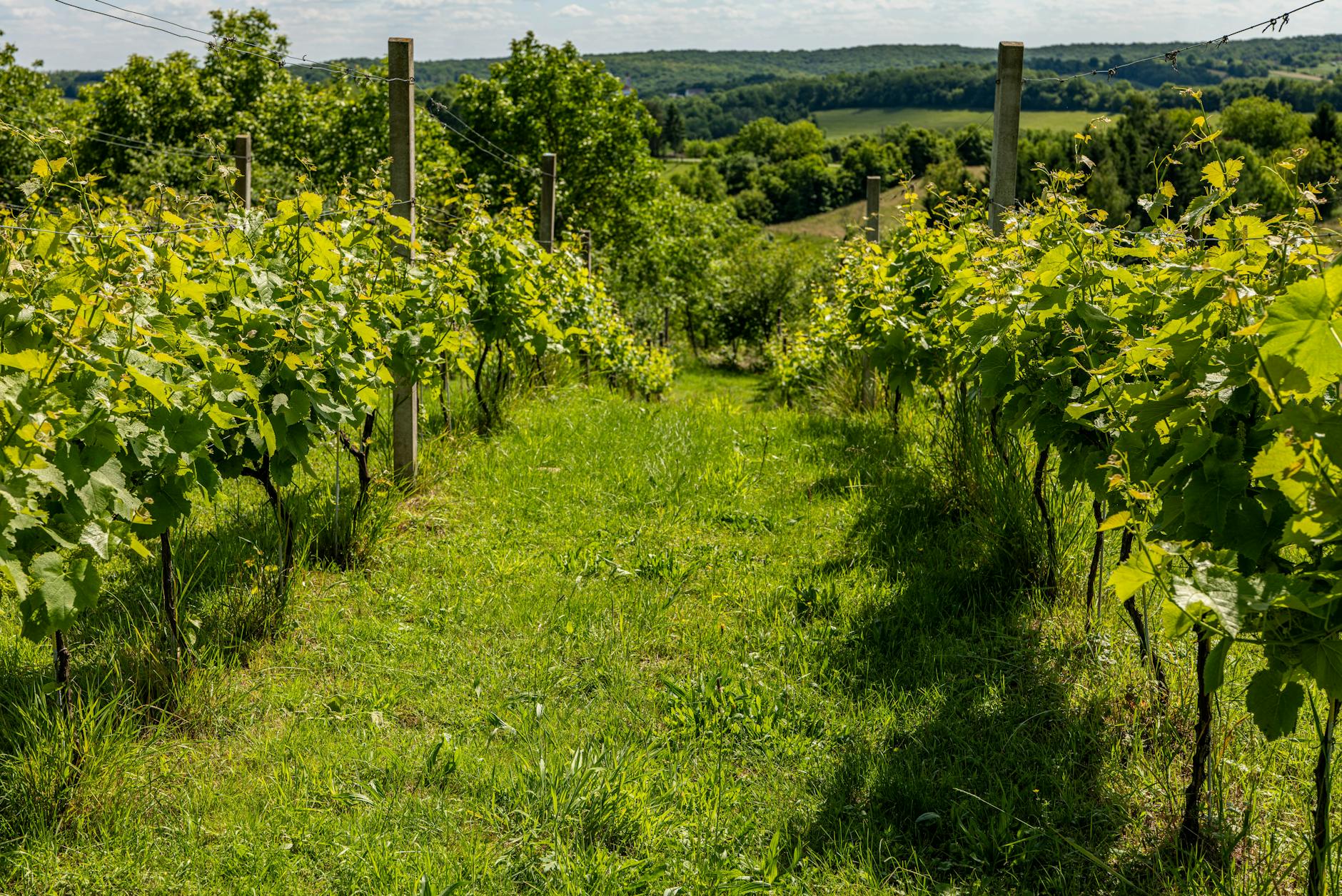
    Photo by Vladimir Srajber on Pexels.com

    Bordeaux: Classification by Château, Not Terroir

    Bordeaux, France’s largest and most commercially dominant wine region, takes a top-down approach to classification. Unlike Burgundy (more on that shortly), Bordeaux wines are historically classified by estate, not by vineyard.

    The 1855 Classification (Left Bank)

    Created for the Paris Exposition under Napoleon III, this famous classification ranks 61 châteaux in Médoc and one from Graves (Haut-Brion), plus sweet wines from Sauternes and Barsac. These wines were grouped into five “growths” or crus, based on reputation and price at the time.

    • Premier Cru (First Growth): Château Lafite Rothschild, Château Latour, Château Margaux, Château Haut-Brion, and later Château Mouton Rothschild (elevated in 1973).
    • Second to Fifth Growths: A descending list of estates still highly regarded.

    This classification remains mostly unchanged and ignores terroir variation, focusing instead on estate prestige.

    Graves and Pomerol

    • Graves introduced its own classification in 1959.
    • Saint-Émilion has a dynamic classification system, updated roughly every 10 years, most recently in 2022.
    • Pomerol, home to the legendary Pétrus, has no official classification—its wines speak for themselves.

    Summary:

    • Focus: Prestige of the estate (Château).
    • Result: Classification may remain unchanged even if the wine quality fluctuates.

    A Quick Note on Graves Classification

    While Bordeaux’s 1855 Classification famously skipped over much of Graves, this historic region got its own moment in the spotlight in 1959. The Graves Classification includes both red and white wines—a rarity in Bordeaux—and focuses solely on producers in the northern Graves, now largely within the Pessac-Léognan AOC (created in 1987).

    Notably, all classified estates in Graves are unranked—there are no first, second, or fifth growths here. The list includes powerhouses like Château Haut-Brion (the only estate in both the 1855 and Graves classifications), Château Pape Clément, and Domaine de Chevalier.

    This classification may fly under the radar, but it represents some of Bordeaux’s most age-worthy whites and nuanced reds—making Graves a treasure for savvy wine lovers.
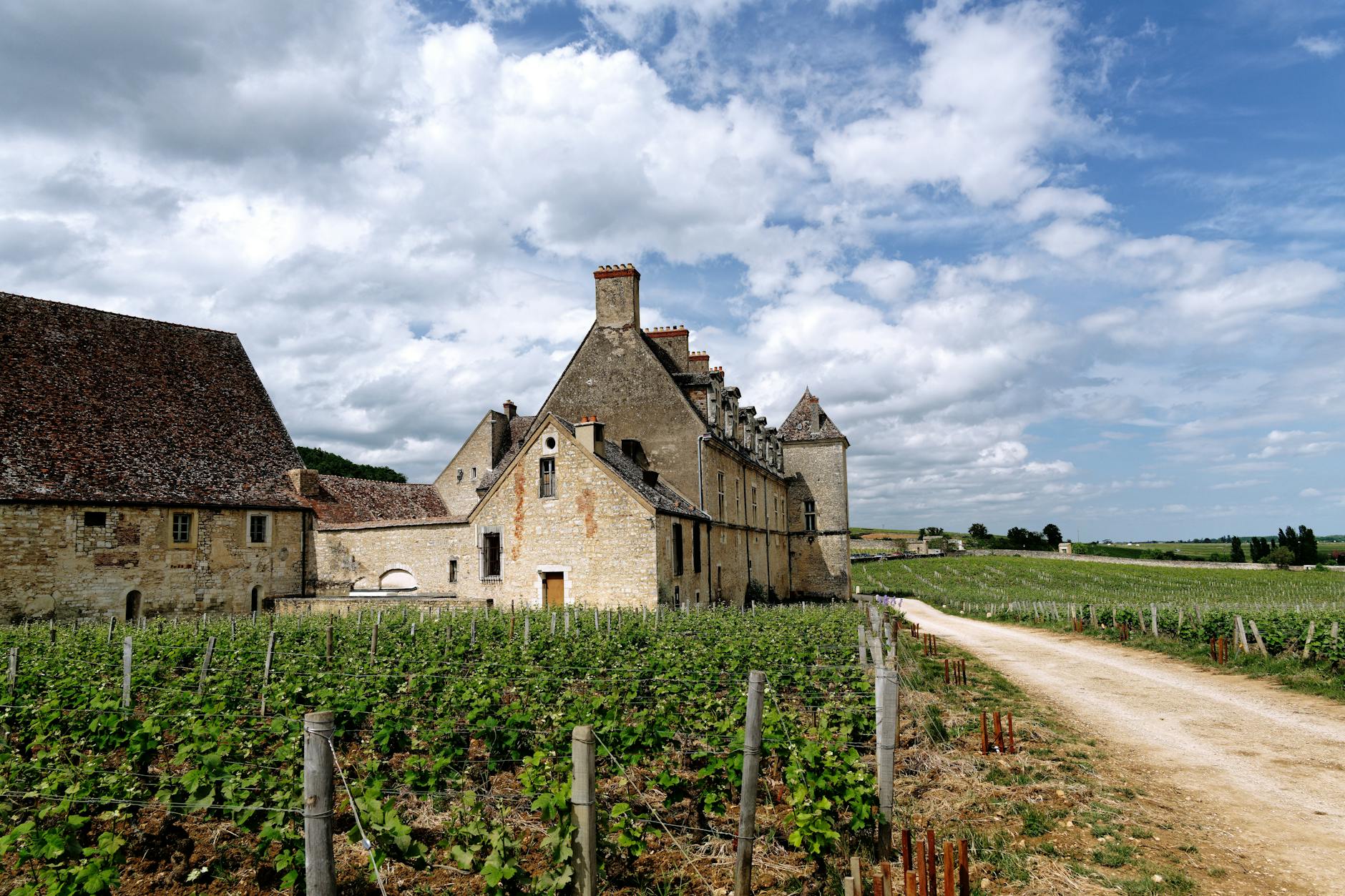
    Photo by Gu Bra on Pexels.com

    Burgundy: The Gospel of Terroir

    In contrast, Burgundy classifies by vineyard. It’s a bottom-up system, celebrating the land rather than the producer. You’ll often hear that “Burgundy is for lovers of nuance.”

    The Four Tiers of Burgundy:

    1. Grand Cru (1% of production) – The top-tier vineyards, like Romanée-Conti, Montrachet, and Clos de Vougeot.
    2. Premier Cru (10%) – Excellent vineyards within a village, such as Volnay 1er Cru “Champans”.
    3. Village Wines (36%) – Wines from a single village, such as Pommard or Meursault.
    4. Regional Wines (53%) – Broadest classification, e.g., Bourgogne Pinot Noir.

    Why This Matters:

    A vineyard like Clos Saint-Jacques in Gevrey-Chambertin may produce Premier Cru wines from multiple producers, each with a different style. It’s the plot of land that earns prestige, not the winemaker.

    Summary:

    • Focus: Terroir and microclimate.
    • Result: The vineyard’s position on a slope or soil type can dramatically affect quality and price.
    Photo by cottonbro studio on Pexels.com

    Other Regional Examples: Law and Lore

    Champagne: Blends and Brands

    Champagne has strict AOC rules: only certain grapes (mainly Chardonnay, Pinot Noir, and Pinot Meunier), méthode traditionnelle fermentation, and long aging on lees. Interestingly, most Champagne is blended across villages and vintages—a stylistic choice that makes it distinct.

    • Grand Cru Villages include Aÿ, Ambonnay, and Avize.
    • Non-Vintage (NV) Champagne must age a minimum of 15 months; vintage Champagne requires 3 years.

    Rhône Valley: A Tale of Two Halves

    • Northern Rhône (e.g., Hermitage, Côte-Rôtie): single varietal wines (mostly Syrah), steep slopes, small production.
    • Southern Rhône (e.g., Châteauneuf-du-Pape): blends (up to 13 grapes!), more liberal.

    Châteauneuf-du-Pape was the first French AOC (1936). The lore? The papacy moved to Avignon in the 14th century, and the popes developed a taste for local wines—hence the name “New Castle of the Pope.”

    Loire Valley: Label Labyrinth

    Known for its diversity, the Loire boasts appellations like:

    • Sancerre (Sauvignon Blanc)
    • Vouvray (Chenin Blanc, often sparkling or off-dry)
    • Muscadet Sèvre-et-Maine (Melon de Bourgogne) – famous for sur lie aging

    Related article: Perfect Pairings: Melon de Bourgogne w/Fettuccini With Clams and Dill

    Loire rules often reflect specific winemaking methods (e.g., sur lie) more than rigid hierarchies.

    Alsace: AOC Meets Germanic Order

    Despite its location in France, Alsace follows a style reminiscent of neighboring Germany:

    • Mostly varietal-labeled wines (Riesling, Gewürztraminer, Pinot Gris)
    • Only 51 Grand Cru vineyards, defined by soil and slope.
    • Vendanges Tardives and Sélection de Grains Nobles refer to late-harvest and botrytized wines.

    Alsace is also the only major French region where labels prominently display the grape variety.

    AOC vs. IGP: A Matter of Freedom

    IGP (formerly Vin de Pays)

    These wines fall between strict AOC control and generic Vin de France. Regions like Pays d’Oc allow experimentation:

    • Unusual grape combinations (Cabernet + Syrah? Sure.)
    • Non-traditional styles

    You’ll find creative winemakers here, often producing excellent wines outside traditional rules.

    Vin de France: The Rebel Artist

    These wines can come from anywhere in France and allow complete freedom in blending and labeling. They can’t show an appellation but may show grape variety and vintage, making them more accessible for casual drinkers. Some top producers use this category intentionally, to avoid AOC constraints.

    A Balancing Act of Tradition and Innovation

    French wine laws are not a maze meant to confuse, but rather a mosaic of history, geography, and philosophy. While Bordeaux emphasizes brand and estate, Burgundy honors soil and slope. Champagne values consistency, while Rhône and Loire embrace diversity.

    In France, a wine’s origin is its identity!

    Gregory Dean, SOMM&SOMM

    Understanding these laws allows wine lovers to decode the label and appreciate the craft behind every bottle. In France, a wine’s origin is its identity, and these legal systems—however complex—ensure that identity is preserved.

    So next time you’re in your local wine shop or exploring a wine list, let the appellation guide you. Behind that AOC or IGP acronym lies a rich story—one that began centuries ago and continues to evolve with every vintage. Santé!

    Cover photo: michael clarke stuff, CC BY-SA 2.0, via Wikimedia Commons
  • Perfect Pairings: Thanksgiving Traditions and Wine

    Perfect Pairings: Thanksgiving Traditions and Wine

    As the holiday season approaches, it’s time to gather around the table for the quintessential Thanksgiving feast. From roast turkey to sweet potato casserole, each dish brings its own unique flavors to the celebration. Elevate your Thanksgiving experience this year by exploring both traditional and unconventional wine pairings that will delight your palate and impress your guests. Read on as we journey through classic Thanksgiving dishes, guided by our passion as sommeliers (SOMM&SOMM), as we explore the perfect symphony of tastes.

    Classic Turkey and Stuffing

    The star of the Thanksgiving show is undoubtedly the roast turkey. Its savory, succulent meat pairs beautifully with a variety of wines. For a traditional choice, consider a medium to full-bodied white wine like a classic Chardonnay or a Viognier. These wines complement the turkey’s texture and enhance the subtle flavors of the bird.

    For a twist, try a Pinot Noir or a Grenache. These red wines bring out the earthy notes in the stuffing and create a harmonious balance with the turkey’s richness. SOMM&SOMM recommends choosing a Pinot Noir with a hint of spice to add complexity to the pairing.

    Recommended wines:

    Chateau Montelena Napa Valley Chardonnay (Classic)

    Machard Gramont Pommard 1er Cru ‘Clos Blanc’ (SOMM&SOMM)

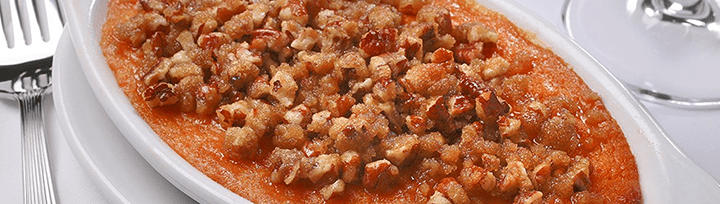
    Ruths Chris Sweet Potato Casserole

    Sweet Potato Casserole

    Sweet potato casserole, adorned with a layer of gooey marshmallows or crunchy pecans (Ruth’s Chris Sweet Potato Casserole Recipe), dances on the palate with a combination of sweet and savory notes. To complement this dish, opt for a white wine with a touch of sweetness, such as a Riesling or a Gewürztraminer. These wines balance the sweetness of the dish without overpowering it.

    For a more unconventional choice, consider a rosé or a light-bodied red wine like Gamay. SOMM&SOMM suggests selecting a wine with bright acidity to cut through the sweetness of the casserole, creating a delightful contrast that will leave your taste buds wanting more.

    Recommended wines:

    Pierre Sparr Mambourg Grand Cru Gewurztraminer (Classic)

    Debeaune Morgon Belles Grives (SOMM&SOMM)

    Mashed Potatoes and Gravy

    Creamy mashed potatoes and rich gravy are the comforting soul of any Thanksgiving meal. A classic Chardonnay with buttery notes is a safe and satisfying choice. Its smooth texture complements the creamy potatoes and enhances the richness of the gravy.

    For a bolder pairing, go for a sparkling wine or a Champagne. The effervescence cuts through the heaviness of the potatoes and cleanses the palate, preparing it for the next delicious bite. SOMM&SOMM recommends selecting a brut or extra brut style for a clean and refreshing experience.

    Recommended wines:

    Rombauer Carneros Chardonnay (Classic)

    De Saint-Gall Blanc De Blancs Grand Cru Vintage Champagne (SOMM&SOMM)

    Pumpkin Pie

    No Thanksgiving feast is complete without a slice of pumpkin pie. The warm spices and creamy pumpkin filling call for a wine that can stand up to its bold flavors. A late-harvest Riesling or a Moscato d’Asti perfectly complements the sweetness of the pie.

    For an unexpected pairing, try a tawny port or a sweet sherry. These fortified wines add depth and complexity, creating a memorable finale to your Thanksgiving meal. SOMM&SOMM suggests opting for a tawny port with notes of caramel and nuts to enhance the nutty crust of the pie.

    Recommended wines:

    Michele Chiarlo Nivole Moscato d’Asti (Classic)

    Graham’s 20 Yr Tawny (SOMM&SOMM)

    This Thanksgiving, let your taste buds embark on a culinary adventure by exploring diverse wine pairings that elevate the classic flavors of the holiday. Whether you stick to tradition or venture into the realm of unconventional pairings, the expert guidance of a sommelier ensures a symphony of tastes that will make your Thanksgiving feast truly extraordinary.

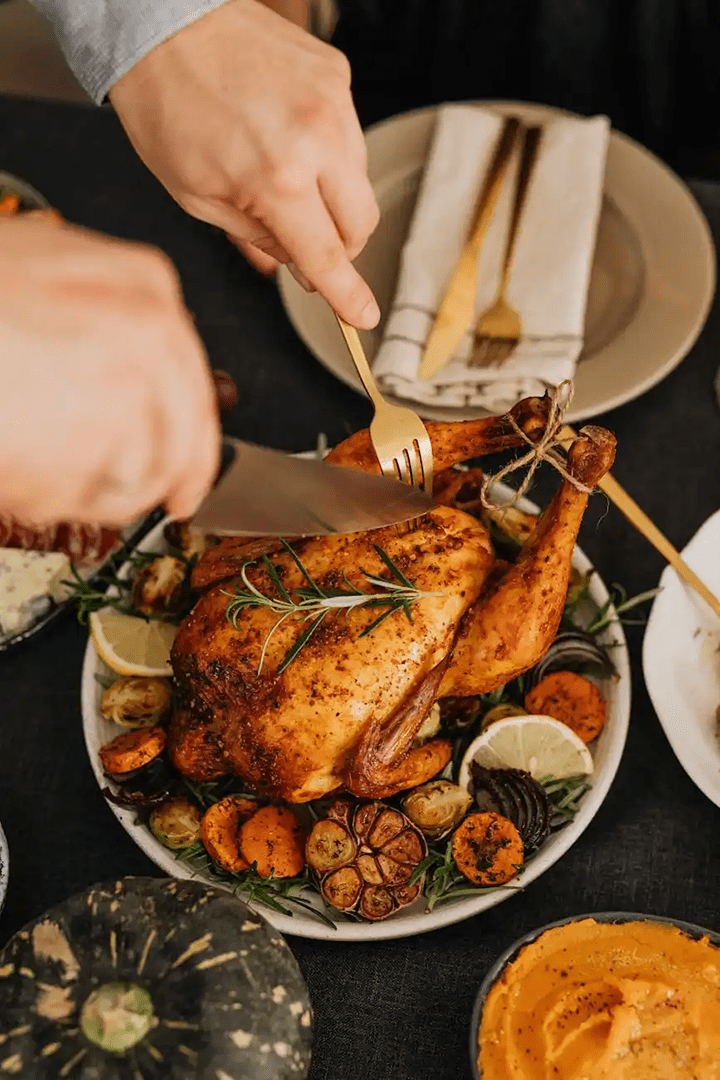
    Photo by fauxels on Pexels.com

    Cheers to a holiday filled with good food, great company, and the perfect glass of wine! 🍷

  • Old World Regions: Burgundy

    Old World Regions: Burgundy

    Revised 4/20/2025.

    In eastern France, where rolling hills meet ancient limestone escarpments, Burgundy unfolds like a living manuscript of wine history—written in vine rows and aged in cellars carved by monks. Here, winemaking is not merely a craft; it’s a centuries-old dialogue between land, grape, and soul. Burgundy’s greatness is etched into its terroir, refined by monastic hands, and immortalized through Pinot Noir and Chardonnay.

    Burgundy’s Historical Tapestry

    Though the Romans first planted vines here, it was the devotion of medieval monks—particularly the Cistercians and Benedictines—that truly shaped Burgundy’s wine culture. These devoted stewards mapped the land like viticultural cartographers, identifying climats (individual vineyard sites) and meticulously observing how every slope and soil nuance altered the wine. Their legacy gave birth to Burgundy’s intricate classification system, still revered today.

    By the 15th century, Burgundy had become liquid royalty. The wines of the Dukes of Burgundy graced the courts of Europe, their reputation carried by whispers of elegance and depth.

    Photo by ROMAN ODINTSOV on Pexels.com

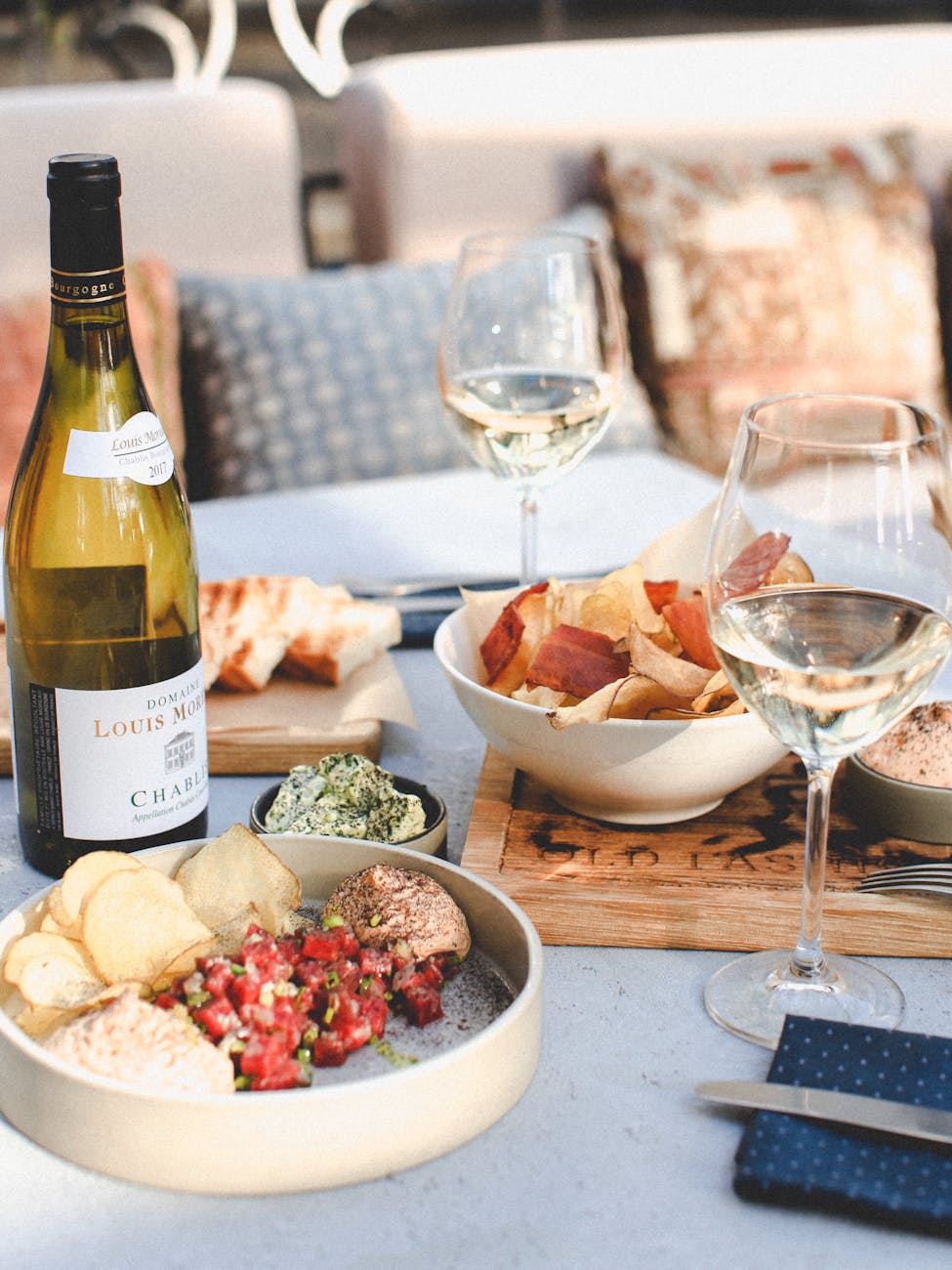
    Chablis

    In Burgundy’s northern reaches lies Chablis, a land where Chardonnay sheds its oaky costume and reveals its truest self—tense, mineral, and vibrantly alive. The town’s quiet charm belies its global renown for producing wines of razor-sharp clarity and poise.

    What gives Chablis its unmistakable signature?

    • Kimmeridgian Soil: Layers of ancient limestone laced with fossilized oyster shells create a mineral core that defines the wine. You can almost taste the prehistoric sea.
    • Cool Continental Climate: Slow ripening preserves acidity and finesse, crafting wines that are bright, steely, and bracing.
    • The Serein River: This quiet ribbon of water softens spring frosts and helps moderate the region’s microclimate.

    Appellations of Chablis:

    • Chablis AOC: Crisp and direct, with citrus, green apple, and that flinty edge that defines the region.
    • Premier Cru: More complex, with structure and elegance. Forty designated climats bring subtlety and layered depth.
    • Grand Cru: Just seven vineyard sites, perched on the sunniest slopes above the town. These wines are dense, refined, and age-worthy, showing a Chardonnay of regal stature.

    Chablis producers typically avoid overt oak influence. Stainless steel or neutral oak lets terroir take center stage. Grapes are often hand-harvested, a nod to the region’s reverence for precision.

    Côte d’Or

    Divided into Côte de Nuits and Côte de Beaune, the Côte d’Or is Burgundy’s vinous heartland—a golden slope of vines that has birthed some of the most sought-after wines on Earth. Here, the word “climat” holds power, denoting micro-plots of land so revered that UNESCO granted them World Heritage status.

    Côte de Nuits

    Running south from Dijon, this slender ribbon of vineyards is hallowed ground for Pinot Noir. It’s where the grape achieves its most ethereal expressions—silken yet structured, earthy yet floral.

    • Gevrey-Chambertin: Bold and muscular, with dark fruit and spice. A favorite of Napoleon.
    • Vosne-Romanée: Perfumed, haunting, and impossibly elegant. Home to Romanée-Conti, the holy grail of Pinot.
    • Chambolle-Musigny: Ethereal and silky, like satin laced with violets.

    The land is a mosaic of limestone, marl, and clay, with east-facing slopes catching the gentle morning sun. Each vineyard has its own personality—its own voice in the Pinot Noir choir.

    Côte de Beaune

    Head further south, and the reds soften while the whites begin to shine with crystalline brilliance. Côte de Beaune is the birthplace of iconic Chardonnay—wines that dance between richness and elegance, lifted by acidity and grounded by mineral depth.

    • Meursault: Creamy and nutty, with golden orchard fruit and a whisper of oak.
    • Puligny-Montrachet: Precision and grace. Citrus, chalk, and white flowers.
    • Chassagne-Montrachet: Fuller-bodied, sometimes smoky, always refined.

    For reds, Volnay offers delicate and floral Pinot Noir with a silk-threaded structure, while Pommard brings a more muscular edge.

    Côte Chalonnaise

    South of the Côte d’Or, the Côte Chalonnaise is often overlooked—and unfairly so. This region offers authenticity, value, and wines with character that punches well above their appellation status.

    The landscape opens up, the climate warms slightly, and the diversity of soils (limestone, marl, and clay) creates ideal conditions for both Chardonnay and Pinot Noir.

    • Rully & Montagny: Vibrant whites with citrus zest, white peach, and a touch of saline minerality.
    • Mercurey & Givry: Energetic reds with red fruit, spice, and subtle earthy undertones.

    These are wines that reflect place, not prestige—and that’s exactly their magic. For sommeliers and seekers, it’s a playground of discovery.

    Mâconnais

    Traveling further south, the Mâconnais greets you with warmth—in both climate and character. This is where Chardonnay loosens its collar a bit, showing a rounder, riper side that’s no less expressive.

    Sun-drenched slopes and varied soils—from granite to limestone—produce wines that are generous and fruit-driven yet still rooted in mineral elegance.

    • Mâcon-Villages: An approachable, floral, and fruit-forward introduction to the region.
    • Saint-Véran & Viré-Clessé: Elegant, fresh, and subtly creamy Chardonnays with a whisper of stone fruit.
    • Pouilly-Fuissé: The star of the south. Rich but focused, often aged in oak, delivering finesse and depth without losing its Burgundian soul.

    Burgundy as a State of Mind

    To study Burgundy is to embrace complexity, patience, and nuance. It is not a region that gives up its secrets easily. But for those willing to walk its vineyard paths, taste its terroir, and listen to its whispering vines, Burgundy offers more than just wine—it offers a deeper understanding of harmony between man, grape, and earth.

    Cheers 🍷

  • Wine Experiences: A Taste of Adelsheim

    Wine Experiences: A Taste of Adelsheim

    Every two months or so we join four other couples in a themed event centered around wine, food and fun. The pandemic has impacted the frequency of these events, making the anticipation between gatherings nearly unbearable. It is usually (by design) an informal soirée filled with amazing wines and cuisine. This particular event–hosted by Dima and Oksana–exposed us to the amazing and under appreciated world of Pinot Noir wines of Oregon.

    From past personal experiences, I was convinced that all pinots from Oregon were mediocre at best. Every now and again we would run across a wine that would make us sit up and take notice. This evening, however, we were introduced to a suite of wines deserving of our full undivided attention. Our impression of Pinot Noir wines from Oregon changed from ordinary to extraordinary in a few short hours. Here is how it happened.

    The rules are simple for this group of ten–aptly named Club 10. Typically each couple brings two bottles of wine to discuss, debate, and most importantly–share. For this event, Dima and Oksana decided to limit each couple to one bottle, while providing lots of wine themselves as part of their themed event. Our hosts, Dima and Oksana, had the opportunity to visit several wineries in and around the Willamette Valley during a recent trip. One particular (and very memorable) experience centers around a very special winery in the Chehalem Mountains. Adelsheim is Chehalem Mountains’ first winery, and the center of this evening’s theme.

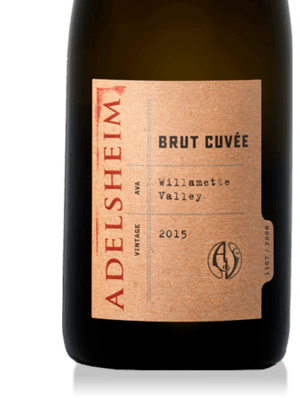
    We arrived at the home of Dima and Oksana at 4:30pm, and were immediately introduced to one of the wines of the evening. An Adelsheim 2015 Sparkling Brut Cuvee was served and we all began sharing stories (and opinions) of wines from Oregon. I remember how our collective skepticism receded with each sip of this wine. We had not yet officially started the tasting, and everyone was intrigued and very excited about what was to come–a personalized guided tasting.

    Virtual Tasting with Elizabeth Clark, CSW – Director of Education and Experience at Adelsheim Vineyard (Photographer: Erin Toung)

    Dima and Oksana arranged for our Club 10 to experience a virtual online tasting with Adelsheim’s own Elizabeth Clark, Director of Education and Experience. At promptly 5:00pm, with a few clicks of the mouse, we were connected via Zoom and ready to learn more about the first winery of the Chehalem Mountains. By this time, the hosts had filled the table with an unbelievable assortment of specialty meats, cheeses, roasted vegetables, grilled calamari, fresh-baked bread and more. The stage is set… let’s go 😉

    The Adelsheim 2015 Sparkling Brut Cuvee served earlier was reintroduced as the first pour for this six-wine journey through the wines of Adelsheim. This sparkler was a pleasant surprise. Being huge fans of Champagne, it was refreshing (no pun intended) to experience a sparkling wine produced with the same meticulous painstaking traditional method as Champagne.

    The 2015 vintage is a blend of 55% Pinot Noir and 45% Chardonnay. It had a crisp, clean nose with bright citrus notes. As expected, the bread and yeast notes–a characteristic of sur lie aging–added the right amount of complexity to this sparkling wine. Amazing!

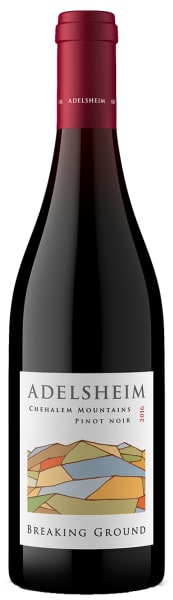
    Our second pour was the first of four wines chosen to showcase the diversity of terroir in the Willamette Valley. The 2016 Breaking Ground Pinot Noir represents the best of the Chehalem Mountains AVA. The loam soil brings a rich quality to this wine.

    Black cherry, black raspberry and a plethora of exotic spices dance playfully on the pallet. This wine reminds me of the pinots from Côte Chalonnaise. Both have distinct fruit alongside a very rustic earthy edginess. This wine was noticeably lighter in color than the reds of Côte Chalonnaise.

    Next up was the very juicy 2017 Ribbon Springs Pinot Noir. At this point in our virtual tasting, we had completely disregarded the 2500 miles between our location and Adelsheim Vineyard. Elizabeth’s detailed explanation of the soils, climates and unique characteristics of each vineyard transformed us to the Willamette Valley.

    This wine had a very distinct cherry nose. It was less earthy than the previous wine, but still had spice notes and noticeable tannins. As it turns out, this wine was aged for 10 months in French oak barrels (32% new).

    The fourth wine brought us to an entirely new level. I remember looking at my personal carafe of 2017 Quarter Mile Pinot Noir and comparing the color to a Côte de Nuits pinot. It was noticeably lighter in color, but had a similar hue. The nose, unlike the previous wines, had distinct floral notes. The color and nose led me to believe this would be a sweeter wine–something along the line of a Beaujolais Nouveau (yes, I know the difference between Gamay and Pinot Noir 😉

    I am convinced that hand-planting, hand-picking, sorting and processing of grapes create a noticeable difference in the final wine. This wine supported my theory, and really showcased the winemaking prowess of Adelsheim’s Gina Hennen. She describes this wine as a “study in grace and structure.” I could not agree more. From the first taste, I was hooked. The 2017 Quarter Mile Pinot Noir from Adelsheim is a masterpiece. The color is deceiving. There was nothing light, weak and pale about this wine. In fact, it was bold and at the same time elegant.

    On to the 2017 Grand Oak Pinot Noir. Similar to our second wine, the 2016 Breaking Ground Pinot Noir, this wine was produced from vines planted in loam soil. This would be, however, the only common characteristic between these two wines. It’s the remaining contributors of the terroir–such as microclimate and orientation of the vineyard–that give this wine its unique characteristics.

    This wine starts timid and shy, but soon after the wine hits your palette it begins to reveal a much deeper complexity and structure. From the delicate floral and faint fruit nose, to the evolving flavors of exotic berries and spices, this wine had a lot to offer. Loved it!

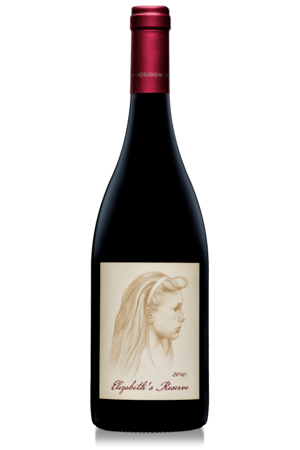
    We rounded out our virtual tour and tasting of Adelsheim with the 2010 Elizabeth’s Reserve Pinot Noir. One of the best parts of discovering new wine is learning the history and/or inspiration behind the label.

    As the story goes… Elizabeth’s Reserve Pinot Noir is named after the daughter of founders David and Ginny Adelsheim–Lizzie. Lizzie represents a new generation, and in turn Elizabeth’s Reserve exemplifies the spirit and vision of Adelsheim Vineyard. Read the entire story here.

    The moment this wine hit my glass I knew it was special. It was older than the previous wines, and had a very noticeable aging ruby color. We expect red wines to become lighter in color and less dense (more transparent) as they age. Sometimes we can gauge the vintage by the color of a wine. After swirling and admiring this wine… it was time to involve the other senses–smell and taste.

    The moment this wine hit my glass, I knew it was special…

    -Gregory Dean

    For me, this wine is more closely aligned with the wines of Côte de Beaune. It reminds me of more recent Pommard vintages. The nose is very aromatic and concentrated, with florals, fruit and earthy notes. Leather and chocolate seemed to be more pronounced after each swirl of the glass, but would dissipate quickly. I took my first sip thinking how fun it would be to participate in a one-decade vertical of Elizabeth’s Reserve 😉

    At first, it was full-bodied with fresh, bright cherries (I’m looking at you Pommard). Then the true personality of this wine emerges on my palette. It only took a few seconds for my tastebuds to experience intense red and dark fruit, rustic tannins, and velvety smoothness. My tongue was on a Tilt-a-Whirl 😉 Amazing!

    The evening was a lot of fun. It had the perfect amount of discovery and education. We enjoyed every moment alongside great friends, incredible wines, boundless dishes, and the perfect hosts. Thanks Dima and Oksana!