
A Journey Through Grape Varietals and Their Many Names.
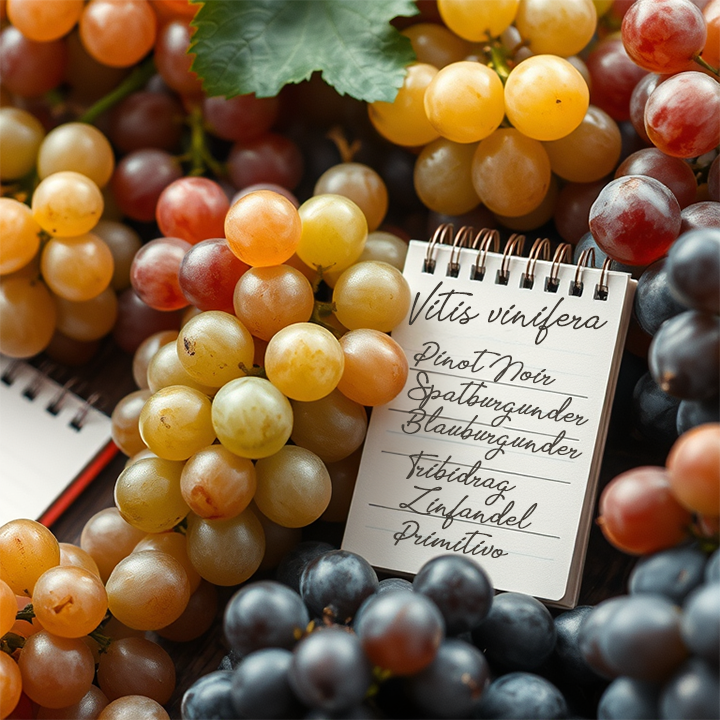
One of the most confounding yet fascinating aspects of wine study is the dizzying number of synonyms for grape varietals. Understanding how a single grape can go by multiple names depending on where it’s grown is a challenge even for seasoned sommeliers. The intricacies of geography, tradition, and history create a web of alternate names, turning what seems simple into a complex puzzle. In this article, we’ll explore some of the world’s most popular grape varietals, their synonyms, the countries that recognize these varietals, and the historical context behind these alternate names.
Why Do Varietals Have Synonyms?
There are several reasons why grape varietals have different names:
- Historical Reasons: Wine has been produced for millennia, and over time, different regions developed their own local names for the same grape. These names stuck, even as the world became more connected.
- Geographical Influence: Certain names are tied to the local culture or language. Grapes grown in a particular region often take on names that resonate with the area’s history or language, even though they might be genetically identical to a grape in another part of the world.
- Trade and Law: In some cases, regulations require specific names to be used for varietals, often to protect local wine industries. The European Union, for instance, enforces strict rules regarding Protected Designations of Origin (PDO), which can dictate what a grape can be called depending on where it is grown.
Popular Varietals and Their Synonyms
Let’s dive into some of the most well-known varietals and their confusing array of aliases.
Syrah / Shiraz
- Synonyms: Shiraz (Australia, South Africa), Hermitage (older term in France)
- Main Regions: France (Rhône Valley), Australia, South Africa, United States (California)
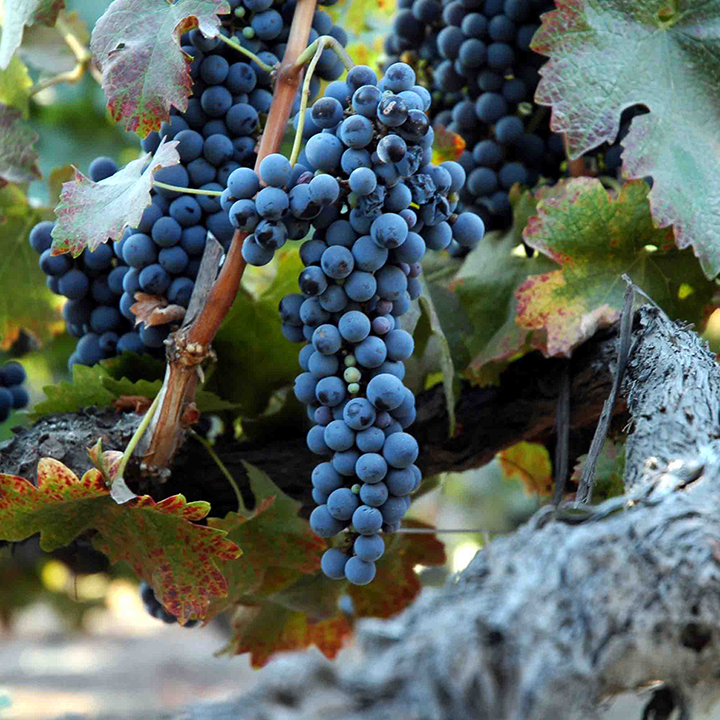
The Syrah grape is one of the most storied varietals in the world, producing wines with deep color, bold flavors, and age-worthy structure. The alternate name “Shiraz” is most commonly associated with Australia, where the grape thrives in warm climates like Barossa Valley and McLaren Vale. But why two names? The French name, Syrah, reflects the grape’s origin in the Rhône Valley, whereas Shiraz is a name that was adapted by Australian winemakers in the 19th century. There’s a popular myth that Shiraz comes from the ancient city of Shiraz in Persia, but no evidence supports that the grape originated there. However, the name stuck in the New World.
SOMM&SOMM Recommends: Guigal Crozes Hermitage 2020

Grenache / Garnacha
- Synonyms: Garnacha (Spain), Cannonau (Italy – Sardinia), Alicante (Spain and France)
- Main Regions: Spain, France (Rhône, Provence), Italy (Sardinia), Australia
The name Grenache is widely recognized in France, where the grape forms the backbone of many Rhône blends, like Châteauneuf-du-Pape. In Spain, it goes by its native name, Garnacha, and is a key grape in the production of Rioja and Priorat wines. In Sardinia, it’s known as Cannonau, a name that speaks to the island’s Italian and Spanish influence throughout history. The grape’s versatility and ability to produce high-alcohol wines make it a favorite in many regions, but the variety of names reflects its extensive travel across Europe over the centuries.
SOMM&SOMM Recommends: Sella & Mosca Cannonau di Sardegna Riserva 2020
Tempranillo / Tinta Roriz / Aragonez
- Synonyms: Tinta Roriz (Portugal), Aragonez (Portugal), Cencibel (Spain)
- Main Regions: Spain (Rioja, Ribera del Duero), Portugal (Douro Valley), United States
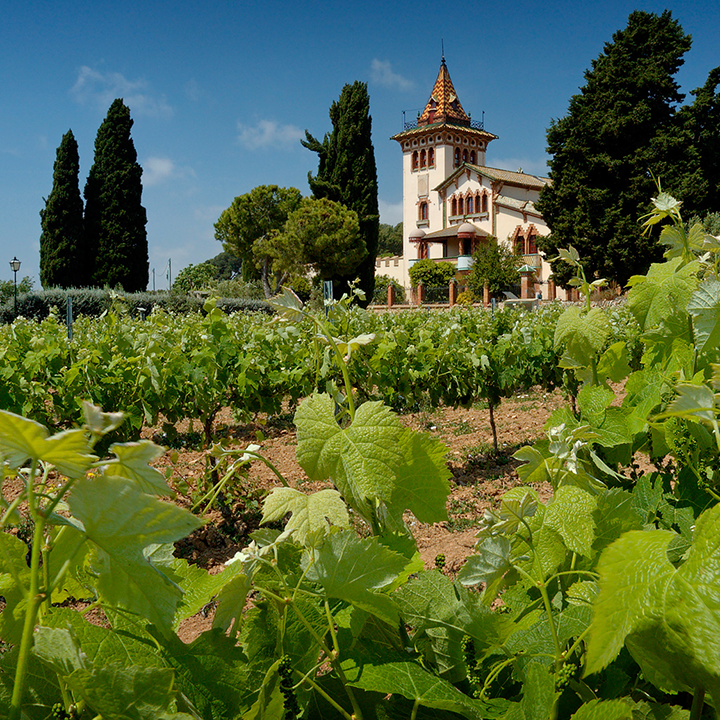
Tempranillo is Spain’s signature red grape, responsible for the world-famous wines of Rioja and Ribera del Duero. But in Portugal, it goes by the name Tinta Roriz in the Douro Valley, where it is a key component in Port wine. In southern Portugal, the same grape is called Aragonez, likely a reference to its origins near the Spanish region of Aragón. Tempranillo, derived from the Spanish word “temprano” (meaning early), refers to the grape’s tendency to ripen earlier than other red varietals. The multiple names illustrate the Iberian Peninsula’s diverse winemaking history and regional pride.
SOMM&SOMM Recommends: Cune Gran Reserva 2017

Pinot Noir / Spätburgunder
- Synonyms: Spätburgunder (Germany), Blauburgunder (Austria, Italy), Pinot Nero (Italy)
- Main Regions: France (Burgundy), Germany, Austria, United States (Oregon, California)
The beloved Pinot Noir is known for producing elegant, complex wines in cool-climate regions like Burgundy, France, and Oregon, USA. In Germany, however, the grape is known as Spätburgunder, which translates to “late Burgundy,” a nod to the grape’s origin. In Austria and Northern Italy, it’s often referred to as Blauburgunder. The variations in name across Europe reflect the grape’s long migration from its French homeland, with each region adopting its own terminology based on language and local tradition.
SOMM&SOMM Recommends: Weingut Ziereisen Schulen Spatburgunder 2019

Zinfandel / Primitivo
- Synonyms: Primitivo (Italy), Tribidrag (Croatia)
- Main Regions: United States (California), Italy (Puglia), Croatia
Zinfandel has become synonymous with California wine, known for its jammy, fruit-forward style. However, genetic testing revealed that Zinfandel and Italy’s Primitivo are one and the same. The grape likely originated in Croatia, where it is known as Tribidrag, one of its oldest recorded names. How did it end up with so many aliases? The grape was brought to the United States in the 19th century, where it was mistakenly identified as a distinct varietal and named Zinfandel. Meanwhile, Italian growers had already embraced the grape as Primitivo, a name reflecting its early ripening qualities.
SOMM&SOMM Recommends: Varvaglione Primitivo di Manduria Papale Linea Oro 2019

Sauvignon Blanc / Fumé Blanc
- Synonyms: Fumé Blanc (United States – Loire Valley influence)
- Main Regions: France (Loire Valley, Bordeaux), New Zealand, United States (California)
Sauvignon Blanc is one of the most widely planted white grape varietals, prized for its high acidity and distinctive green, herbaceous flavors. In the U.S., particularly in California, Sauvignon Blanc is sometimes labeled as Fumé Blanc, a term coined by winemaker Robert Mondavi in the 1960s. He wanted to create a marketing distinction for his oak-aged version of the grape, taking inspiration from the French Pouilly-Fumé, a famous Sauvignon Blanc-based wine from the Loire Valley. Though both names refer to the same grape, the term Fumé Blanc evokes a sense of Old World elegance and smoky complexity.
SOMM&SOMM Recommends: Pascal Jolivet Blanc Fume Sauvignon Blanc 2022
The Complexity of Learning Wine’s Many Names
As a sommelier, mastering the countless synonyms for grape varietals can feel like learning a new language—actually, several languages! For example, understanding that Monastrell in Spain is the same grape as Mourvèdre in France and Mataro in Australia requires not only memorization but an appreciation for the history and geography that shaped these names. These alternate names are often steeped in local culture, which adds to their charm but also to the complexity of wine education.
Tips for Remembering Synonyms:
- Contextual Learning: Studying the geography and history of a region can help make the names stick. Knowing that Primitivo came from Croatia as Tribidrag makes it easier to remember.
- Tasting with Focus: When tasting wines from different regions, focus on varietals with synonyms. Taste a French Syrah alongside an Australian Shiraz and note the differences and similarities.
- Storytelling: Linking a varietal to its story helps with retention. Knowing the tale of Robert Mondavi’s invention of Fumé Blanc gives the name more meaning.
Here’s to the thrilling challenges of learning wine, and to the rich cultures that make every bottle a story worth savoring. Cheers!
Gregory Dean, SOMM&SOMM
The world of wine is full of fascinating nuances, and grape varietal synonyms are just one of the many complexities that make it endlessly interesting. Whether it’s a French Syrah transforming into an Australian Shiraz or a Spanish Garnacha becoming an Italian Cannonau, these alternate names tell the stories of migration, tradition, and regional pride. Embracing this challenge is part of the joy of studying wine, and while it may take time to memorize them all, each name offers a window into the culture and history of the regions that make wine such a rich and diverse world to explore. Cheers 🍷
 SOMM&SOMM
You must be logged in to post a comment.