

As autumn settles in and leaves begin to paint the landscape with warm hues, wine enthusiasts around the world eagerly await the arrival of a special seasonal favorite—Beaujolais Nouveau. This vibrant and fruity red wine, released just weeks after the grape harvest, has become a symbol of celebration and conviviality. As a wine educator, I am excited to delve into the nuances of Beaujolais Nouveau, exploring its origins, characteristics, and the cultural significance that surrounds its annual release.

A Brief History
Beaujolais Nouveau finds its roots in the Beaujolais region of France, nestled between Burgundy and the Rhône Valley. The story begins with a tradition known as “Beaujolais Day,” a celebration that dates back to the early 20th century. The local winemakers, eager to share their newly harvested wines, would race to bring the first bottles of Beaujolais to the market. Over time, this lively tradition evolved into a global phenomenon.
The practice of producing Beaujolais Nouveau officially started in the 1950s, thanks to the marketing genius of Georges Duboeuf, a visionary winemaker. Recognizing the potential of the young, fruity wine, Duboeuf seized the opportunity to promote it as a festive and convivial beverage. The release date was set to the third Thursday of November, creating an annual wine event that captures the imagination of wine enthusiasts worldwide.
The Beauty of Carbonic Maceration
What sets Beaujolais Nouveau apart from other red wines is its unique winemaking process, known as carbonic maceration. This technique involves fermenting whole grapes in a carbon dioxide-rich environment before crushing them. This process emphasizes the fruity and aromatic qualities of the Gamay grape, the star of Beaujolais wines.
The result is a wine that is light, fresh, and brimming with red fruit flavors such as cherry, raspberry, and strawberry. The absence of harsh tannins makes Beaujolais Nouveau exceptionally approachable, even for those who may not typically gravitate towards red wines.
A Symphony of Fruitiness
When exploring Beaujolais Nouveau, one is immediately struck by its vivacious and youthful character. The wine typically exhibits a brilliant, ruby-red hue that hints at the explosion of fruit flavors within. On the nose, one can detect a medley of red berries, accompanied by floral notes that add a layer of complexity.
On the palate, Beaujolais Nouveau dances with bright acidity, making it a refreshing and versatile wine. The fruity profile is complemented by a subtle spiciness, creating a harmonious balance that lingers in the finish. It’s a wine meant to be enjoyed in its exuberant youthfulness, best consumed within the first few months of release.
Pairing Beaujolais Nouveau
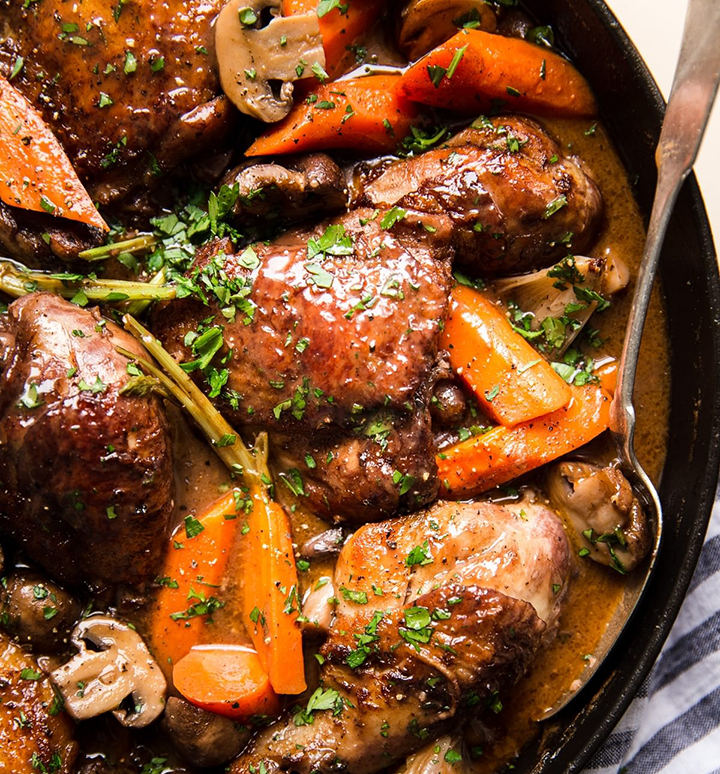
One of the joys of Beaujolais Nouveau is its versatility when it comes to food pairings. Its light body and vibrant acidity make it an excellent companion for a variety of dishes. Consider pairing it with classic French fare such as coq au vin or a plate of charcuterie. The wine’s fruity profile also makes it an ideal match for Thanksgiving dinner, complementing the array of flavors on the holiday table.
For those with a sweet tooth, Beaujolais Nouveau can be a surprising ally. Its fruit-forward nature makes it a delightful pairing with fruity desserts, such as a berry tart or poached pears.
Cultural Significance
The release of Beaujolais Nouveau has transcended its French origins and become a global celebration of wine and camaraderie. Wine lovers around the world eagerly anticipate the third Thursday of November, marking the official release date. Festivals, parties, and special events unfold as enthusiasts raise their glasses to toast the arrival of this unique and ephemeral wine.
Beaujolais Nouveau has become more than just a beverage; it’s a symbol of conviviality, tradition, and the joy of sharing. Winemakers, distributors, and consumers alike partake in the annual ritual, creating a sense of connection that transcends borders and cultures.
Embracing the Beaujolais Nouveau Tradition
I encourage enthusiasts to embrace the magic of Beaujolais Nouveau. Its lively and approachable nature, coupled with the rich history and cultural significance, makes it a wine worth savoring. Whether enjoyed at a festive gathering, a cozy dinner, or simply as a delightful accompaniment to the changing seasons, Beaujolais Nouveau captures the essence of celebration in a bottle. So, as the third Thursday of November passes by, let us raise our glasses to this special season favorite and the traditions that make the world of wine so enchanting.
Santé 🍷

 SOMM&SOMM
You must be logged in to post a comment.