Tag: france

  • Understanding French Wine Laws

    Understanding French Wine Laws

    A Journey Through Terroir, Tradition, and Quality.

    When wine lovers think of France, they often conjure images of majestic châteaux in Bordeaux, fog-shrouded slopes in Burgundy, and sun-soaked fields in Provence. But beneath the romance lies a rigorous—and sometimes perplexing—system of wine laws and classifications that govern everything from grape varieties to bottle shape. These rules are not just bureaucratic red tape; they’re the framework that has helped France maintain a global reputation for excellence.

    Photo by Liv Kao on Pexels.com

    Whether you’re swirling a silky red from the Rhône or sipping a crisp Muscadet from the Loire, there’s a system behind that wine—one that tells you where it came fromhow it was made, and what to expect. Let’s uncork the bottle and pour through the fascinating world of French wine laws, region by region.

    From Chaos to Codification

    To understand French wine law, we must rewind to the early 20th century. Rampant fraud during and after World War I saw low-quality wines being passed off as prestigious regional bottlings. To combat this, France developed a system to protect both producers and consumers.

    In 1935, the government formed the Institut National des Appellations d’Origine (INAO)—now called the INAO (Institut National de l’Origine et de la Qualité). Their job? Define, regulate, and enforce wine quality and authenticity through a new legal structure.

    This led to the creation of the Appellation d’Origine Contrôlée (AOC) system—the granddaddy of all French wine classifications.

    French Wine Quality Pyramid

    Modern French wines are now classified into three primary quality tiers:

    1. AOC (Appellation d’Origine Contrôlée) – The highest and most tightly regulated tier. Think of this as “terroir-bound” wine.
    2. IGP (Indication Géographique Protégée) – Looser restrictions, allowing more experimentation while still tied to a broader region.
    3. Vin de France – Table wine with minimal regulation. The Wild West of French wine.

    Each tier has a purpose, and great wine can be found in all three—but AOC wines carry the most prestige, especially from classic regions like Bordeaux, Burgundy, and Champagne.
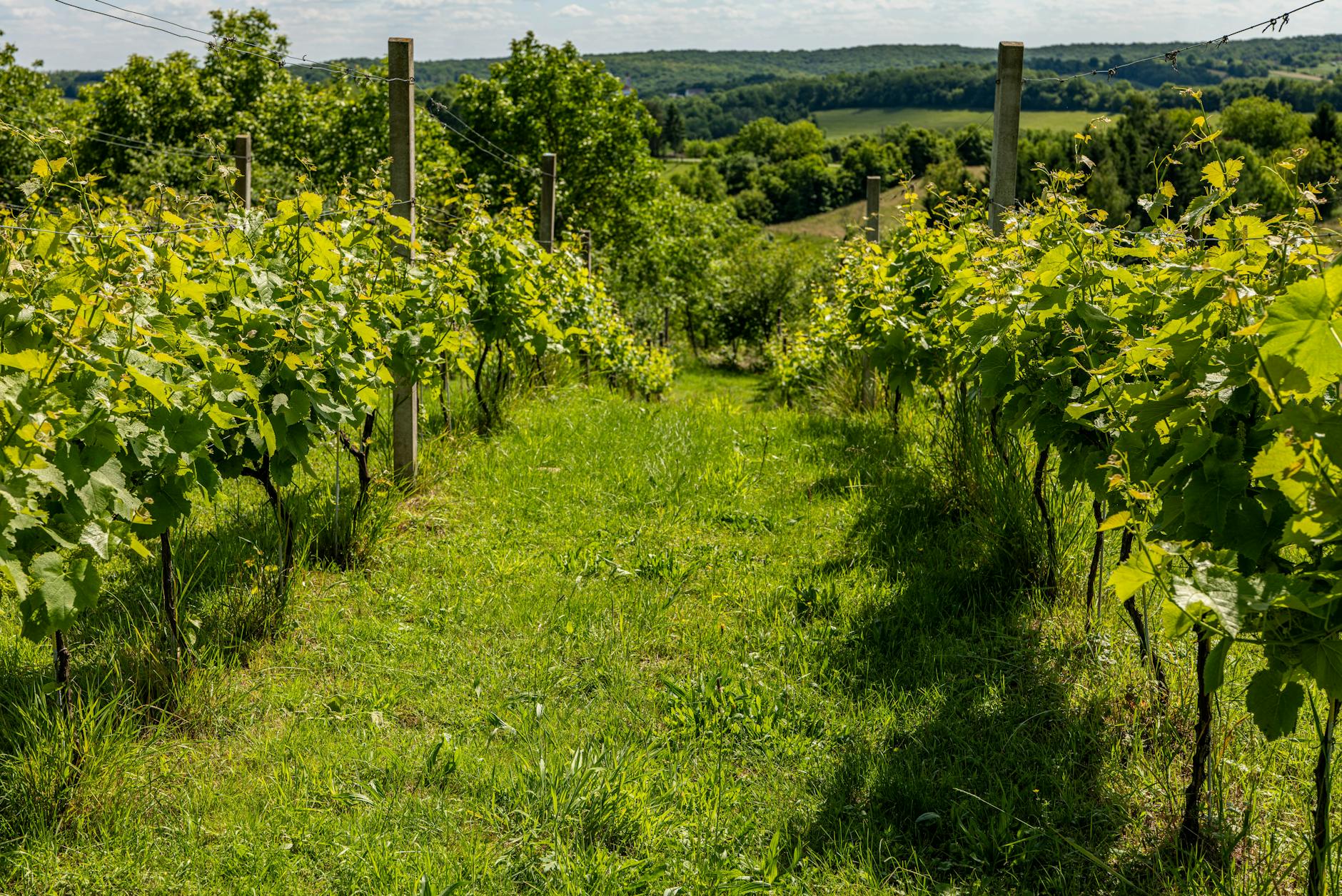
    Photo by Vladimir Srajber on Pexels.com

    Bordeaux: Classification by Château, Not Terroir

    Bordeaux, France’s largest and most commercially dominant wine region, takes a top-down approach to classification. Unlike Burgundy (more on that shortly), Bordeaux wines are historically classified by estate, not by vineyard.

    The 1855 Classification (Left Bank)

    Created for the Paris Exposition under Napoleon III, this famous classification ranks 61 châteaux in Médoc and one from Graves (Haut-Brion), plus sweet wines from Sauternes and Barsac. These wines were grouped into five “growths” or crus, based on reputation and price at the time.

    • Premier Cru (First Growth): Château Lafite Rothschild, Château Latour, Château Margaux, Château Haut-Brion, and later Château Mouton Rothschild (elevated in 1973).
    • Second to Fifth Growths: A descending list of estates still highly regarded.

    This classification remains mostly unchanged and ignores terroir variation, focusing instead on estate prestige.

    Graves and Pomerol

    • Graves introduced its own classification in 1959.
    • Saint-Émilion has a dynamic classification system, updated roughly every 10 years, most recently in 2022.
    • Pomerol, home to the legendary Pétrus, has no official classification—its wines speak for themselves.

    Summary:

    • Focus: Prestige of the estate (Château).
    • Result: Classification may remain unchanged even if the wine quality fluctuates.

    A Quick Note on Graves Classification

    While Bordeaux’s 1855 Classification famously skipped over much of Graves, this historic region got its own moment in the spotlight in 1959. The Graves Classification includes both red and white wines—a rarity in Bordeaux—and focuses solely on producers in the northern Graves, now largely within the Pessac-Léognan AOC (created in 1987).

    Notably, all classified estates in Graves are unranked—there are no first, second, or fifth growths here. The list includes powerhouses like Château Haut-Brion (the only estate in both the 1855 and Graves classifications), Château Pape Clément, and Domaine de Chevalier.

    This classification may fly under the radar, but it represents some of Bordeaux’s most age-worthy whites and nuanced reds—making Graves a treasure for savvy wine lovers.
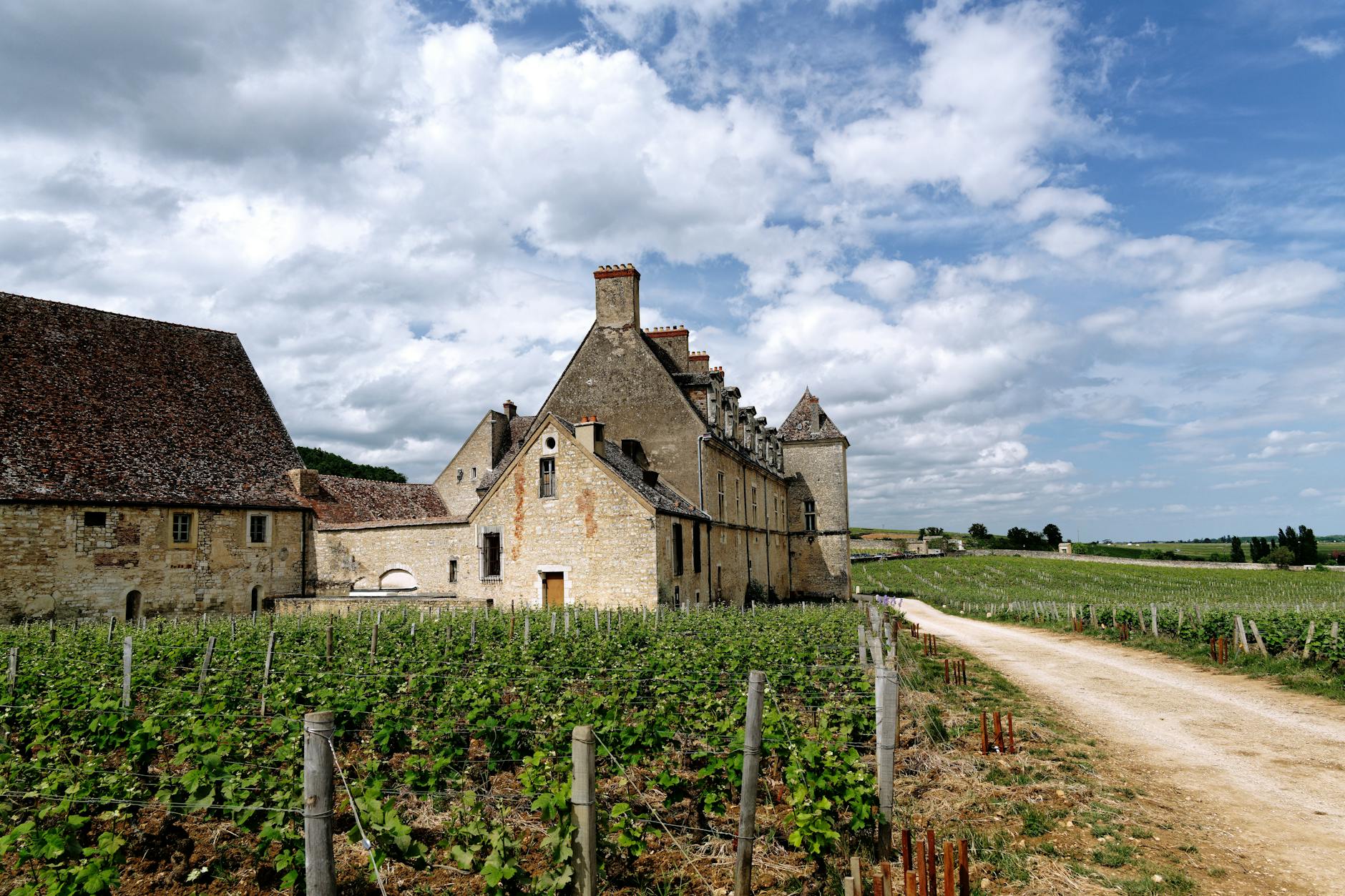
    Photo by Gu Bra on Pexels.com

    Burgundy: The Gospel of Terroir

    In contrast, Burgundy classifies by vineyard. It’s a bottom-up system, celebrating the land rather than the producer. You’ll often hear that “Burgundy is for lovers of nuance.”

    The Four Tiers of Burgundy:

    1. Grand Cru (1% of production) – The top-tier vineyards, like Romanée-Conti, Montrachet, and Clos de Vougeot.
    2. Premier Cru (10%) – Excellent vineyards within a village, such as Volnay 1er Cru “Champans”.
    3. Village Wines (36%) – Wines from a single village, such as Pommard or Meursault.
    4. Regional Wines (53%) – Broadest classification, e.g., Bourgogne Pinot Noir.

    Why This Matters:

    A vineyard like Clos Saint-Jacques in Gevrey-Chambertin may produce Premier Cru wines from multiple producers, each with a different style. It’s the plot of land that earns prestige, not the winemaker.

    Summary:

    • Focus: Terroir and microclimate.
    • Result: The vineyard’s position on a slope or soil type can dramatically affect quality and price.
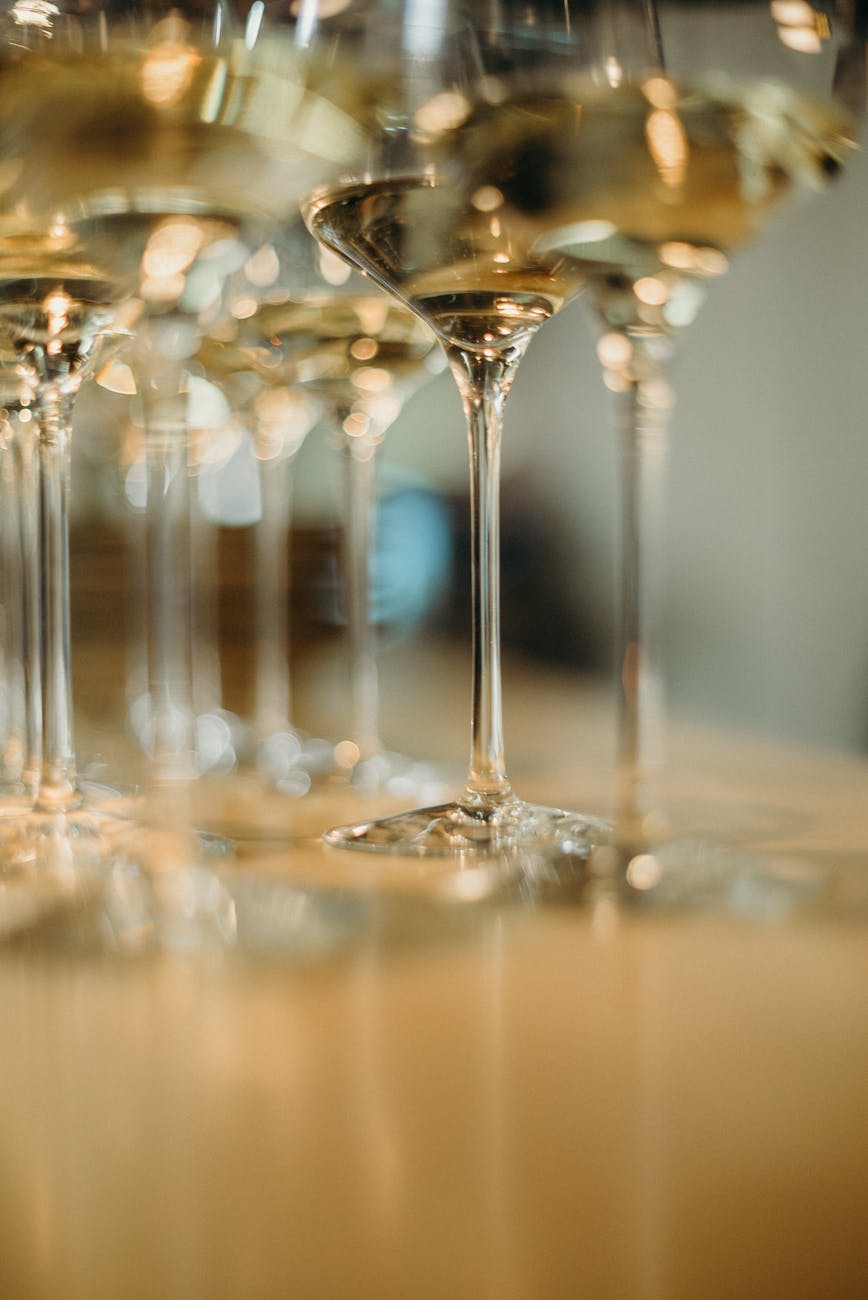
    Photo by cottonbro studio on Pexels.com

    Other Regional Examples: Law and Lore

    Champagne: Blends and Brands

    Champagne has strict AOC rules: only certain grapes (mainly Chardonnay, Pinot Noir, and Pinot Meunier), méthode traditionnelle fermentation, and long aging on lees. Interestingly, most Champagne is blended across villages and vintages—a stylistic choice that makes it distinct.

    • Grand Cru Villages include Aÿ, Ambonnay, and Avize.
    • Non-Vintage (NV) Champagne must age a minimum of 15 months; vintage Champagne requires 3 years.

    Rhône Valley: A Tale of Two Halves

    • Northern Rhône (e.g., Hermitage, Côte-Rôtie): single varietal wines (mostly Syrah), steep slopes, small production.
    • Southern Rhône (e.g., Châteauneuf-du-Pape): blends (up to 13 grapes!), more liberal.

    Châteauneuf-du-Pape was the first French AOC (1936). The lore? The papacy moved to Avignon in the 14th century, and the popes developed a taste for local wines—hence the name “New Castle of the Pope.”

    Loire Valley: Label Labyrinth

    Known for its diversity, the Loire boasts appellations like:

    • Sancerre (Sauvignon Blanc)
    • Vouvray (Chenin Blanc, often sparkling or off-dry)
    • Muscadet Sèvre-et-Maine (Melon de Bourgogne) – famous for sur lie aging

    Related article: Perfect Pairings: Melon de Bourgogne w/Fettuccini With Clams and Dill

    Loire rules often reflect specific winemaking methods (e.g., sur lie) more than rigid hierarchies.

    Alsace: AOC Meets Germanic Order

    Despite its location in France, Alsace follows a style reminiscent of neighboring Germany:

    • Mostly varietal-labeled wines (Riesling, Gewürztraminer, Pinot Gris)
    • Only 51 Grand Cru vineyards, defined by soil and slope.
    • Vendanges Tardives and Sélection de Grains Nobles refer to late-harvest and botrytized wines.

    Alsace is also the only major French region where labels prominently display the grape variety.

    AOC vs. IGP: A Matter of Freedom

    IGP (formerly Vin de Pays)

    These wines fall between strict AOC control and generic Vin de France. Regions like Pays d’Oc allow experimentation:

    • Unusual grape combinations (Cabernet + Syrah? Sure.)
    • Non-traditional styles

    You’ll find creative winemakers here, often producing excellent wines outside traditional rules.

    Vin de France: The Rebel Artist

    These wines can come from anywhere in France and allow complete freedom in blending and labeling. They can’t show an appellation but may show grape variety and vintage, making them more accessible for casual drinkers. Some top producers use this category intentionally, to avoid AOC constraints.

    A Balancing Act of Tradition and Innovation

    French wine laws are not a maze meant to confuse, but rather a mosaic of history, geography, and philosophy. While Bordeaux emphasizes brand and estate, Burgundy honors soil and slope. Champagne values consistency, while Rhône and Loire embrace diversity.

    In France, a wine’s origin is its identity!

    Gregory Dean, SOMM&SOMM

    Understanding these laws allows wine lovers to decode the label and appreciate the craft behind every bottle. In France, a wine’s origin is its identity, and these legal systems—however complex—ensure that identity is preserved.

    So next time you’re in your local wine shop or exploring a wine list, let the appellation guide you. Behind that AOC or IGP acronym lies a rich story—one that began centuries ago and continues to evolve with every vintage. Santé!

    Cover photo: michael clarke stuff, CC BY-SA 2.0, via Wikimedia Commons

  • Pour & Explore – Southern France

    Pour & Explore – Southern France

    An Enchanting Evening at 95 and Vine

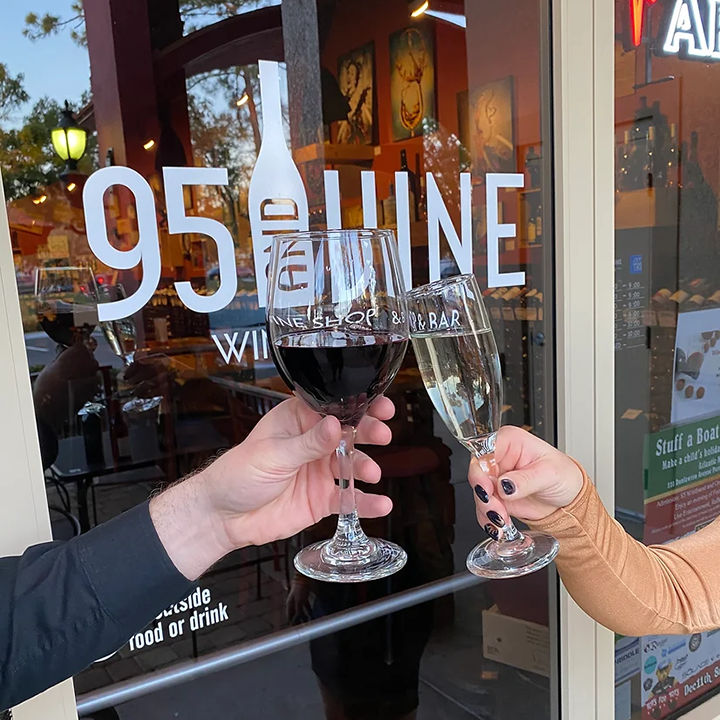
    As a professional sommelier and wine educator, I had the pleasure of hosting the ‘Pour & Explore – Southern France’ event at the charming 95 and Vine in Port Orange, FL. The evening was a resounding success, with a full house of enthusiastic wine lovers eager to explore the diverse and rich wines of Southern France. The atmosphere was electric, filled with curiosity and excitement.

    95 and Vine: The Perfect Venue

    From the moment I stepped into 95 and Vine, I knew it was the perfect venue for our event. The ambiance was both elegant and inviting, creating an ideal setting for an evening of wine exploration. The knowledgeable and professional team at 95 and Vine, led by the dedicated owner Martin Clark, ensured that every detail was meticulously attended to. From the beautifully set tables to the seamless pouring of each wine, the evening flowed effortlessly.

    Six Wines Carefully Selected to Represent the Diversity of Southern France

    The Wines

    2023 La Chapelle du Bastion – Picpoul de Pinet

    Region: Picpoul de Pinet, Languedoc

    We began our journey with the 2023 La Chapelle du Bastion Picpoul de Pinet. This crisp and refreshing white wine from the Languedoc region was a delightful introduction. I shared insights about the region’s maritime influence and limestone soils, which contribute to the wine’s bright acidity and mineral notes. Guests appreciated the zesty citrus flavors and crisp finish, especially when paired with the creative wine-inspired light fare on 95 and Vine’s menu.

    2022 Bila-Haut – Cotes du Roussillon – Blanc

    Region: Côtes du Roussillon, Roussillon

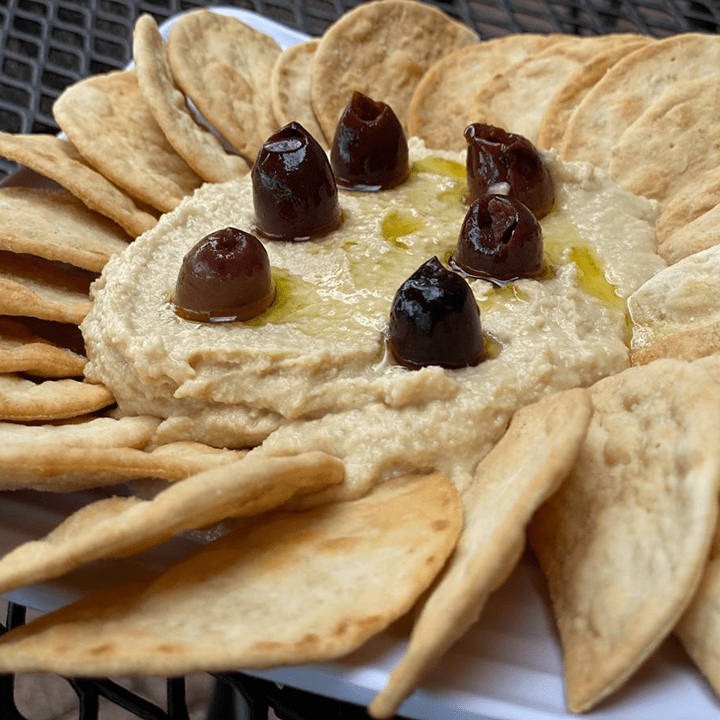
    Next, we traveled to the sun-drenched vineyards of Roussillon with the 2022 Bila-Haut Cotes du Roussillon Blanc. This white blend captivated everyone with its rich aromas of stone fruit and floral notes. I highlighted the region’s diverse terroir, shaped by the Mediterranean climate and rugged terrain. The wine’s balanced acidity and layered flavors were a perfect match for 95 and Vine’s hummus plate.

    2021 La Coste Rosé D’une Nuit

    Region: Provence

    The third wine, 2021 La Coste Rosé D’une Nuit from Provence, brought a touch of elegance and romance to our tasting. This pale pink rosé, with its delicate notes of red berries and citrus, quickly became a crowd favorite. I described Provence’s long history of rosé production and its dedication to quality winemaking. The wine’s light, refreshing character complemented the savory elements of the charcuterie board beautifully.

    Languedoc-Roussillon

    2021 Château Puech-Haut – Argali Rouge

    Region: Languedoc

    Transitioning to red wines, the 2021 Château Puech-Haut Argali Rouge from Languedoc showcased the region’s ability to produce bold, expressive wines. This blend of Syrah and Grenache offered rich aromas of dark fruit and spices, with a smooth, velvety texture. I emphasized the Languedoc’s dynamic winemaking traditions and its emphasis on innovation. The Argali Rouge’s robust flavors paired perfectly with the charcuterie board’s cured meats, providing a satisfying and memorable tasting experience.

    2022 Famille Lancon La Solitude – Côtes du Rhône

    Region: Côtes du Rhône

    The 2022 Famille Lancon La Solitude from Côtes du Rhône brought a touch of classic Rhône Valley elegance to the evening. This red blend, with its harmonious mix of Grenache, Syrah, and Mourvèdre, impressed guests with its complexity and balance. I delved into the rich history of the Côtes du Rhône region and its reputation for producing high-quality wines. The wine’s depth of flavor and smooth tannins paired excellently with the diverse selection of flatbreads.

    2020 Brotte – Les Hauts de Barville Châteauneuf-du-Pape

    Region: Châteauneuf-du-Pape, Rhône

    We concluded our tasting with the prestigious 2020 Brotte Les Hauts de Barville Châteauneuf-du-Pape. This powerful and elegant red wine, with its complex aromas of black fruit, herbs, and spices, was the highlight of the evening. I shared the storied history of Châteauneuf-du-Pape and its significance in the world of wine. The wine’s rich, full-bodied character offered a perfect ending to an unforgettable evening.

    A Memorable Experience

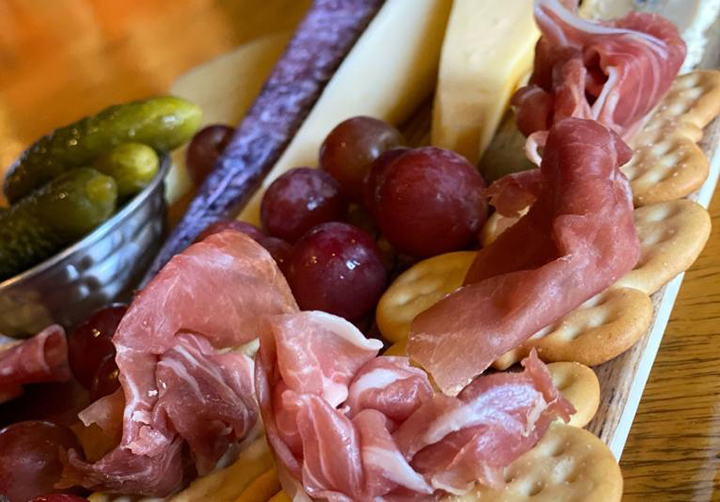
    Throughout the event, the guests were engaged and inquisitive, asking thoughtful questions and sharing their impressions of each wine. The charcuterie board, available upon request, was a delightful accompaniment, with carefully selected cheeses, meats, and other delicacies that perfectly complemented the wines. The positive feedback from attendees underscored the success of the evening, highlighting the enjoyable and educational experience we shared.

    Special thanks go to Martin Clark, the owner of 95 and Vine, for inviting me to lead this event and for his unwavering support in making it a memorable occasion. The success of ‘Pour & Explore – Southern France’ sets the stage for future events, with hopes of continuing to explore other wine regions and sharing the joy of wine with more enthusiasts.

    As the evening came to a close, guests left with a greater appreciation for the wines of Southern France and a sense of anticipation for the next ‘Pour & Explore’ event at 95 and Vine. I look forward to our next journey together through the world of wine. 🍷

  • From Piccolos to Melchizedeks: A Journey Through Wine Bottle Sizes

    From Piccolos to Melchizedeks: A Journey Through Wine Bottle Sizes

    Wine, that elixir of joy and conviviality, comes in an array of bottle sizes, each with its own charm, lore, and, of course, capacity for merry-making. From the dainty Piccolo to the colossal Melchizedek, these vessels not only hold liquid pleasure but also carry with them stories of tradition, history, and the whimsy of human creativity.

    Photo by Grape Things on Pexels.com

    Piccolo (187.5 ml): Tiny But Mighty – Ah, the Piccolo, a darling among the bottles, containing just enough to tantalize the taste buds with a whisper of wine. Perfect for solo soirées or a spontaneous toast to oneself.

    Demi (375 ml): Half the Fun – The Demi is like a halfway house for wine enthusiasts, offering a modest pour that’s just enough for a cozy tête-à-tête or an intimate dinner for two. It’s the Goldilocks of bottles—not too much, not too little, just right.

    Jennie (500 ml): A Unique Gem – Named after the esteemed Jennie Churchill, mother of Winston, this bottle size is a rarity, often seen in German wine regions. It’s a splendid choice for those who desire a touch more than a Demi but not quite as much as a Standard.

    Standard (750 ml): The Classic Choice – The Standard, a familiar sight on wine shelves worldwide, is the quintessential bottle size for sharing and savoring with friends. It’s the standard-bearer of wine bottle dimensions, offering just enough liquid happiness to go around.

    Liter (1 liter): One for the Road – When a Standard bottle simply won’t suffice, enter the Liter. Popular in certain regions for everyday wines, it’s a practical choice for those who enjoy their wine by the liter rather than by the glass.

    Magnum (1.5 liters): Double the Pleasure – Behold, the Magnum! This bottle exudes an air of celebration, containing the equivalent of two Standards. It’s said that wine in Magnum format ages more gracefully, perhaps due to its larger volume minimizing the ratio of oxygen to wine.

    Jeroboam (3 liters): Royally Grand – Named after the biblical figure, King Jeroboam, this bottle commands attention with its regal presence. While its size can vary between regions, it generally holds the equivalent of four Standards, making it ideal for larger gatherings or extended revelry.

    Rehoboam (4.5 liters): A Bordeaux Beauty – In Bordeaux, where wine flows like the Garonne River, the Rehoboam reigns supreme. Named after Jeroboam’s son, it holds the equivalent of six Standards and is often seen gracing grand feasts and celebrations in the region.

    Sommelier and host, Scott White, serving sparkling wine from a Methuselah (6-liter bottle)

    Methuselah (6 liters): Age Before Beauty – As the name suggests, the Methuselah is ancient in size, holding the equivalent of eight Standards. Its larger volume allows for slower aging and development, making it a prized possession for collectors and connoisseurs alike.

    Salmanazar (9 liters): Fit for a Sultan – Named after the Assyrian king, Salmanazar, this colossal vessel contains the equivalent of twelve Standards. It’s a sight to behold and a challenge to pour, reserved for the most extravagant of celebrations or the grandest of cellars.

    Balthazar (12 liters): A Feast for the Senses – In biblical lore, Balthazar was one of the Three Wise Men, and this bottle size certainly lives up to its name. With the capacity of sixteen Standards, it’s a testament to abundance and generosity, fit for kings and queens of oenology.

    Nebuchadnezzar (15 liters): A Monumental Marvel – The Nebuchadnezzar, named after the legendary Babylonian king, is a behemoth among bottles. Holding the equivalent of twenty Standards, it’s a symbol of opulence and extravagance, reserved for the most lavish of affairs.

    Melchior (18 liters): Majestic Magnificence – In Bordeaux, where grandeur is a way of life, the Melchior reigns supreme. Named after one of the Three Wise Men, it holds the equivalent of twenty-four Standards, embodying the epitome of luxury and excess.

    Solomon (20 liters): Wisdom in Wine – With the wisdom of King Solomon himself, this grand bottle contains the equivalent of twenty-six Standards. It’s a testament to the ancient adage that good things come in large packages, perfect for bestowing blessings upon a bountiful banquet.

    Sovereign (25 liters): Rule with Revelry – Fit for a sovereign indeed, this colossal vessel holds the equivalent of thirty-three Standards. It’s a statement piece, a showstopper, and a symbol of power and prestige, reserved for the most illustrious of occasions.

    Primat (27 liters): Primed for Celebration – Named for its primacy in size, the Primat holds the equivalent of thirty-six Standards. It’s a titan among bottles, commanding attention and admiration wherever it appears, a true champion of indulgence and festivity.

    Melchizedek (30 liters): The Ultimate Libation – And finally, we arrive at the pièce de résistance, the Melchizedek. Named after the biblical figure who was both a king and a priest, this colossal container holds the equivalent of forty Standards. It’s a wine lover’s wildest dream, a spectacle of grandeur and excess, and a testament to the boundless possibilities of human ingenuity.

    So there you have it, a whimsical journey through the world of wine bottle sizes, where every cork has a story and every pour is an adventure. Cheers to the wonderful, wacky world of wine! 🍷

  • Wine Styles: Late Harvest Wines

    Wine Styles: Late Harvest Wines

    Late harvest wines represent a pinnacle of winemaking craftsmanship, showcasing the artful balance between sweetness and acidity. These wines are crafted from grapes left on the vine longer than usual, allowing them to ripen further and intensify their flavors. Late harvest wines come in various styles, each offering a unique tasting experience. Among them, the influence of noble rot (botrytis) on certain grapes adds an extra layer of complexity and richness.

    Styles of Late Harvest Wines

    Lur Saluces Chateau de Fargues – Photo Credit: Fred Swan, JJBuckley.com

    Sauternes (France)

    Sauternes is an iconic late harvest wine from the Bordeaux region of France. It is primarily made from Semillon, Sauvignon Blanc, and Muscadelle grapes. The grapes are affected by botrytis cinerea, a fungus that concentrates the sugars and flavors, resulting in a luscious, honeyed wine with vibrant acidity. Château d’Yquem is the most renowned producer of Sauternes.

    SOMM&SOMM recommends: Chateau Suduiraut Sauternes

    Trockenbeerenauslese (Germany)

    In Germany, Trockenbeerenauslese (TBA) wines are produced from individually selected, overripe grapes affected by noble rot. These wines are intensely sweet, with high levels of sugar and acidity. Riesling is the predominant grape variety, and TBAs are often considered some of the finest expressions of German winemaking.

    SOMM&SOMM recommends: 2019 Alois Kracher Trockenbeerenauslese No. 4 Zweigelt

    Eiswein (Canada and Germany)

    Ice wine (Canada) is made from grapes that have naturally frozen on the vine. The grapes are harvested and pressed while still frozen, extracting only the concentrated sugars. Canadian Ice Wine, particularly from the Niagara Peninsula, is renowned for its balanced sweetness and acidity. Germany also produces Eiswein using a similar method.

    SOMM&SOMM recommends: Dr. Loosen Riesling Eiswein

    Vin Santo (Italy)

    In Italy, Vin Santo is a traditional Tuscan late harvest wine made from white grapes like Trebbiano and Malvasia. The grapes are dried on straw mats before pressing, leading to a rich and nutty wine. Vin Santo is often enjoyed as a dessert wine, accompanied by biscotti. On a related note, Vin Santo is the traditional wine used in a classic Tuscany-style Tiramisù.

    Botrytis Cinerea and Its Impact

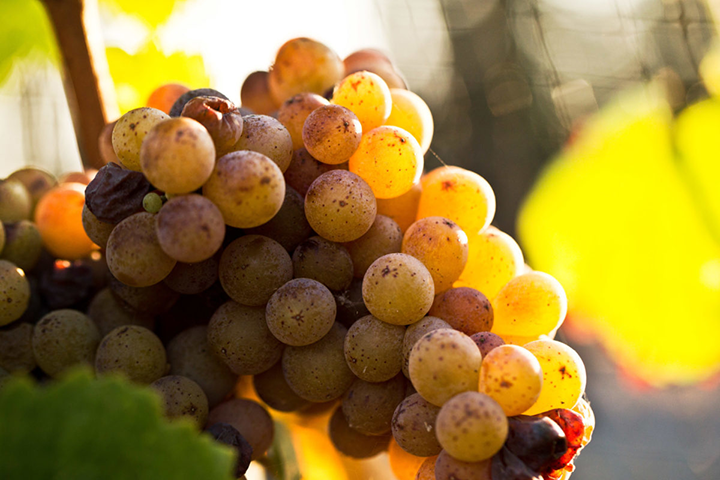
    Botrytis cinerea, commonly known as noble rot, plays a crucial role in the production of some of the world’s finest sweet wines. This beneficial fungus pierces the grape skin, allowing water to evaporate and concentrating sugars and flavors. In addition to enhancing sweetness, noble rot imparts distinctive honey, apricot, and botrytized character to the wine.

    Dessert Pairings for Late Harvest Wines

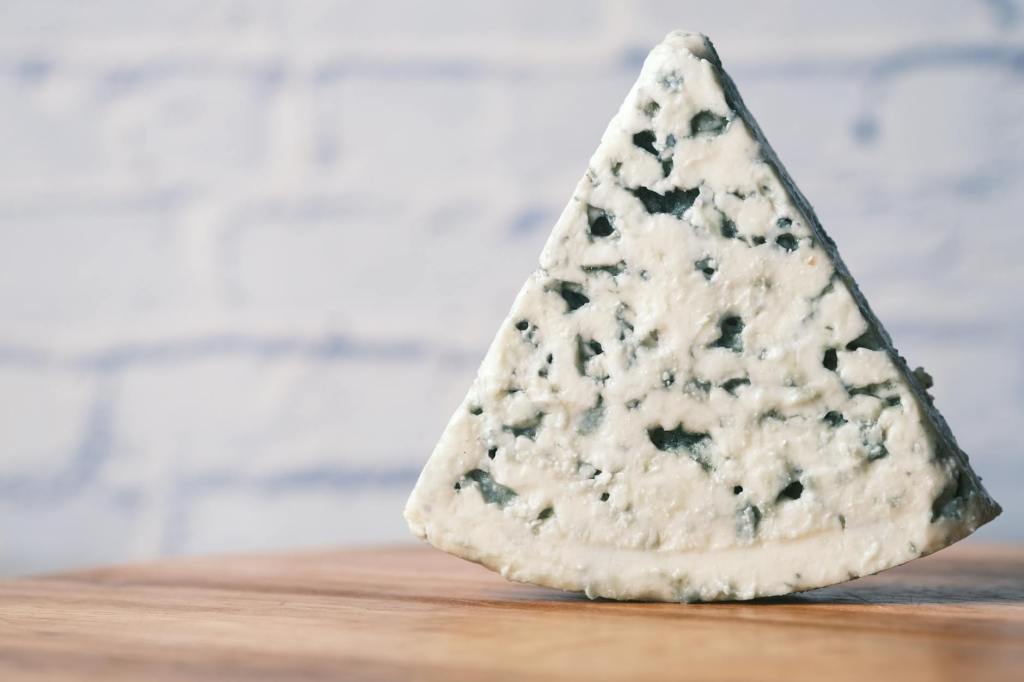
    Roquefort Cheese – Photo by Towfiqu barbhuiya on Pexels.com

    Sauternes: Foie Gras and Roquefort Cheese

    Sauternes pairs wonderfully with rich and savory flavors. Foie gras, with its buttery texture and complex taste, complements the sweetness of Sauternes. Roquefort, a blue cheese with a bold flavor profile, creates a delightful contrast that highlights the wine’s acidity.

       Recipe: Foie Gras with Sauternes Reduction

       – Sear foie gras slices in a hot pan until golden.

       – Deglaze the pan with Sauternes, reducing it to a syrupy consistency.

       – Drizzle the reduction over the foie gras and serve with toasted brioche.

    Trockenbeerenauslese: Peach Melba

    The vibrant acidity of Trockenbeerenauslese cuts through the richness of a classic Peach Melba. The combination of poached peaches, vanilla ice cream, and raspberry sauce creates a harmonious blend of flavors.

       Recipe: Trockenbeerenauslese Poached Peaches

       – Poach peaches in Trockenbeerenauslese, sugar, and vanilla.

       – Serve the peaches over vanilla ice cream and drizzle with a raspberry sauce.

    Ice Wine: Apple Tarte Tatin

    The natural sweetness of Ice Wine complements the caramelized apples in a classic Tarte Tatin. The acidity in the wine balances the dish, creating a delightful contrast.

       Recipe: Ice Wine Caramel Sauce

       – Reduce Ice Wine in a pan until syrupy.

       – Combine with melted butter and brown sugar for a decadent caramel sauce.

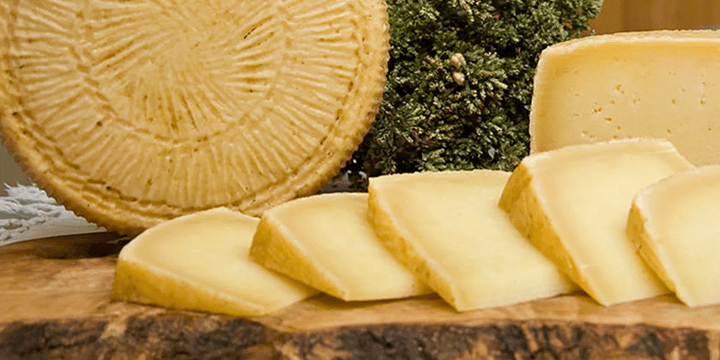
    Pecorino Cheese – Rlucia, CC BY 3.0, via Wikimedia Commons
    Vin Santo: Cantuccini and Pecorino Cheese

    Vin Santo’s nutty and caramelized notes find a perfect match in the crunchy sweetness of Cantuccini (Italian almond biscuits). Pair it with Pecorino cheese for a delightful Tuscan experience.

       Recipe: Homemade Cantuccini

       – Mix almonds, flour, sugar, and eggs to form a dough.

       – Shape into logs, bake, and slice into biscotti. Serve with Vin Santo.

    Late harvest wines, with their diverse styles and intricate flavors, offer a captivating journey for wine enthusiasts. Whether it’s the noble rot-infused complexity of Sauternes or the intense sweetness of Trockenbeerenauslese, these wines are a testament to the artistry of winemakers. Paired with classic desserts, the experience becomes a symphony of taste, revealing the cultural and culinary richness that surrounds these exceptional wines. Cheers to the indulgence of late harvest wines and the delightful moments they create! 🍷