Tag: food-and-wine

  • Exploring the Languedoc and Roussillon Wine Regions

    Exploring the Languedoc and Roussillon Wine Regions

    Nestled in the sun-drenched corner of Southern France, the Languedoc and Roussillon wine regions are a paradise for wine enthusiasts. These regions boast a rich history, diverse varietals, and unique terroir, making them essential stops on any oenophile’s journey. Let’s embark on a flavorful adventure through these captivating regions, exploring their history, the characteristics of their wines, and what makes them truly special.
    The Languedoc and Roussillon regions have a long and storied history of winemaking, dating back to the 5th century BC when the Greeks introduced viticulture to the area. However, it was the Romans who significantly developed the vineyards, recognizing the region’s potential for producing exceptional wines. Over the centuries, winemaking in these regions faced numerous challenges, from phylloxera outbreaks to economic downturns. Yet, the resilient spirit of the winemakers prevailed, leading to a renaissance in the 20th and 21st centuries that has seen the regions flourish as hubs of innovation and tradition.

    The Terroir and Climate

    The unique terroir and climate of Languedoc and Roussillon play pivotal roles in shaping the characteristics of their wines. The regions benefit from a Mediterranean climate, characterized by hot, dry summers and mild, wet winters. This climate is ideal for grape growing, allowing for full ripening and concentration of flavors.

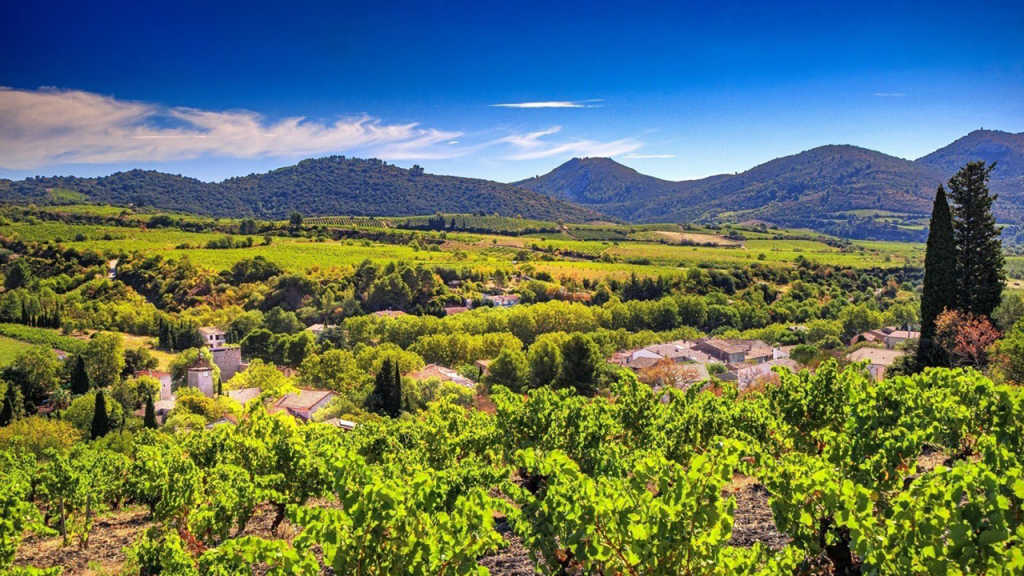
    Languedoc: Stretching from the Rhône River in the east to the Spanish border in the west, Languedoc is one of the largest wine-producing regions in the world. Its diverse terroir includes coastal plains, rolling hills, and rugged mountains. Soils vary widely, from limestone and clay to schist and gravel, providing a rich tapestry of microclimates that support a wide range of grape varietals.

    Roussillon: Located just south of Languedoc, Roussillon is often referred to as “French Catalonia.” It is nestled between the Pyrenees Mountains and the Mediterranean Sea, creating a dramatic landscape of terraced vineyards and steep slopes. The region’s soils are predominantly schist, granite, and limestone, contributing to the distinct minerality found in its wines.
    Marc Benedetti/Pixabay

    Languedoc and Roussillon produce an impressive array of wines, from robust reds and crisp whites to delightful rosés and sweet fortified wines. Here are some key varietals and styles that define these regions:

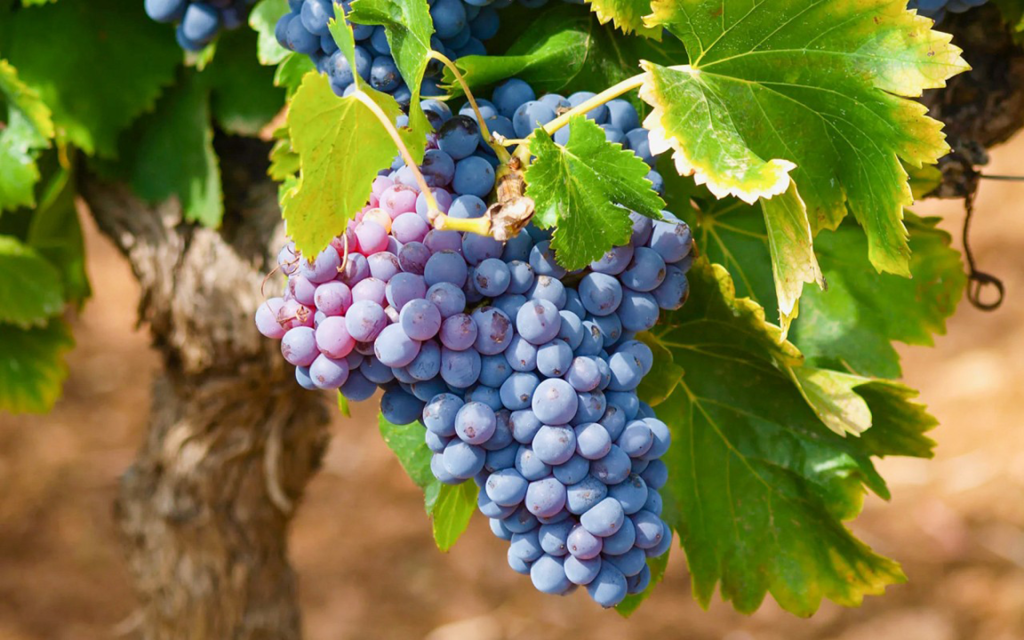
    – Reds: The red wines of Languedoc and Roussillon are known for their bold flavors and complexity. Key varietals include Grenache, Syrah, Mourvèdre, and Carignan. These wines often exhibit dark fruit flavors, such as blackberry and plum, complemented by herbal notes, spice, and earthy undertones.

    – Whites: White wines from these regions range from fresh and zesty to rich and full-bodied. Varietals like Grenache Blanc, Marsanne, Roussanne, and Vermentino (locally known as Rolle) are common. Expect flavors of citrus, stone fruits, and floral notes, with a distinct minerality that reflects the terroir.

    – Rosés: Rosé wines from Languedoc and Roussillon are vibrant and refreshing, typically made from Grenache, Syrah, and Cinsault. These wines are characterized by their bright red fruit flavors, crisp acidity, and hints of floral and herbal notes.

    – Fortified Wines: Roussillon, in particular, is renowned for its sweet fortified wines, known as Vin Doux Naturel. These wines, made primarily from Muscat and Grenache, are rich and luscious, with flavors of dried fruits, honey, and nuts.

    Notable Appellations

    Several appellations within Languedoc and Roussillon stand out for their exceptional wines:
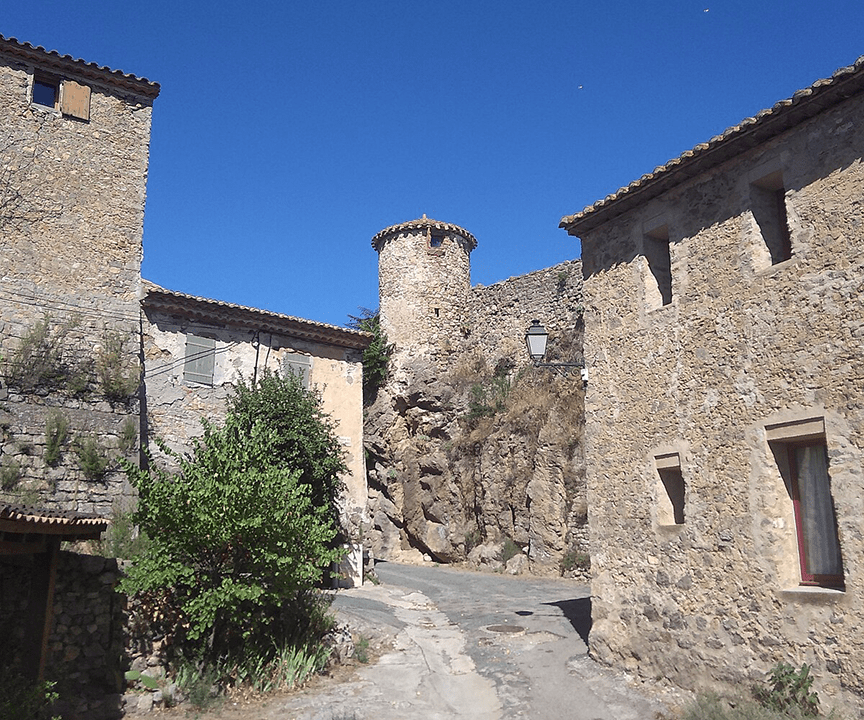
    Fraissé des Corbières

    – Corbières: Known for its robust reds, Corbières offers wines with intense fruit flavors, spice, and a rustic charm.

    – Faugères: This appellation produces both red and white wines with a distinct minerality, thanks to its schist soils.

    – Minervois: Minervois is celebrated for its elegant and structured red wines, often with a floral bouquet and a touch of earthiness.

    – Picpoul de Pinet: Famous for its crisp, zesty white wines made from the Picpoul grape, perfect for pairing with seafood.

    – Côtes du Roussillon: This appellation offers a range of red, white, and rosé wines, all showcasing the region’s characteristic freshness and balance.

    – Maury: Renowned for its Vin Doux Naturel, Maury produces sweet wines with remarkable depth and complexity.

    The uniqueness of Languedoc and Roussillon wines lies in their diversity, history, and the passionate winemakers who strive to honor tradition while embracing innovation. The regions’ varied terroirs and climates allow for an incredible range of wine styles, from robust reds to delicate whites and everything in between. The influence of the Mediterranean Sea and the rugged terrain adds layers of complexity and character to the wines, making them truly distinctive.

    In conclusion, the Languedoc and Roussillon wine regions offer a rich tapestry of flavors and experiences for wine lovers. Whether you’re savoring a bold red, a crisp white, or a sweet fortified wine, you’re sure to find something that delights your palate and tells the story of this remarkable corner of Southern France. So, pour yourself a glass, sit back, and let the wines of Languedoc and Roussillon transport you to their sun-drenched vineyards and storied past. Cheers 🍷

  • The Art and Science of Decanting Wine

    The Art and Science of Decanting Wine

    Decanting wine is a centuries-old practice that fuses artistry and science to elevate the drinking experience. As a sommelier and wine educator, I am often asked about the mysteries surrounding this ritual. In this comprehensive exploration, we will unravel the essence of decanting, debunk myths surrounding the process, and delve into specific examples of wines that truly blossom when given the chance to breathe.

    The Purpose of Decanting

    At its core, decanting serves two primary purposes: aeration and sediment separation. Aeration involves exposing the wine to oxygen, which allows it to open up and release its full bouquet of aromas and flavors. This is particularly beneficial for young, tannic red wines that may initially be tight and closed. Sediment separation is relevant for aged wines, as it helps remove any accumulated sediment that can form in the bottle over time.

    When to Decant

    One common myth is that only red wines benefit from decanting. While red wines generally stand to gain more from the process due to their tannin structure, certain white wines, such as older vintage Chardonnays and oxidative styles like aged Rieslings, can also benefit from aeration.

    Another misconception is that only old wines need decanting. While it’s true that older wines often contain sediment, young and robust red wines can also benefit from decanting. For example, a bold Cabernet Sauvignon or a structured Barolo can soften and reveal additional layers of complexity when exposed to air.

    How to Decant

    Decanting is a simple yet deliberate process. Start by standing the bottle upright for several hours to allow any sediment to settle at the bottom. When ready to decant, gently pour the wine into a decanter in one smooth motion, leaving the sediment in the bottle.

    For older wines, it is important to not disturb the wine. The traditional process is to pull the wine from the cellar rack and place it in a wine cradle or basket at the same orientation it was stored. Don’t rotate the bottle because the sediment will have already settled to the side facing down while in the cellar (thanks gravity). Remove the foil and open the bottle while in the basket and proceed to decant while watching for sediment to reach the shoulder. When the sediment reaches the neck, stop decanting.

    Examples of Wines that Benefit from Decanting

    1. Young Tannic Reds: Barolo (e.g., Barolo, Serralunga d’Alba, Vintage 2015)

    The high tannin content in young Barolo wines can be softened through aeration, revealing the intricate layers of flavors and aromas that may be initially subdued.

    2. Mature Reds with Sediment: Bordeaux (e.g., Château Margaux, Pauillac, Vintage 1990)

    Older Bordeaux wines often develop sediment over time. Decanting not only separates the sediment but also allows the wine to breathe, showcasing the delicate nuances that come with age.

    3. Full-Bodied Whites: Aged Chardonnay (e.g., Kistler Vineyards, Sonoma Coast, Vintage 2010)

    Aged Chardonnays can benefit from decanting to enhance their texture and reveal the secondary and tertiary aromas that have developed over time.

    4. Bold and Robust Young Whites: Condrieu (e.g., E. Guigal, La Doriane, Vintage 2018)

    While less common, certain bold and full-bodied white wines, such as Condrieu, can benefit from decanting to allow the aromas and flavors to unfold.

    Riedel Mamba Decanter

    Decanter Shapes and Styles

    Decanters come in a variety of shapes and styles, each designed to accentuate specific characteristics of different wines. Choosing the right decanter can enhance the overall decanting experience, but it’s essential to understand the advantages and potential disadvantages associated with various designs.

    1. Classic Wine Decanter

    Advantages:

       – Aeration: The wide base and long neck allow for ample surface area exposure, promoting effective aeration.

       – Sediment Separation: The wide bowl facilitates a smooth pour, aiding in the separation of sediment.

    Disadvantages:

       – Limited Oxygen Exchange: Some classic decanters may not provide as much aeration as more modern designs, potentially limiting the wine’s exposure to oxygen.

    2. U-Shaped Decanter

    Advantages:

       – Improved Aeration: The wide bowl at the bottom enhances aeration, while the narrow neck minimizes excessive oxygen exposure, suitable for delicate wines.

    Disadvantages:

       – Sediment Management: While effective for aeration, the narrow neck may make sediment separation more challenging compared to wider-necked decanters.

    3. Duck or Swan-Shaped Decanter

    Advantages:

       – Aeration and Presentation: The curved design allows for aeration, and the elegant shape serves both functional and aesthetic purposes.

    Disadvantages:

       – Sediment Concerns: Similar to U-shaped decanters, sediment separation may be a bit more challenging due to the narrow neck.

    4. Modern or Artistic Decanter

    Advantages:

       – Aesthetic Appeal: These decanters often serve as both functional vessels and pieces of art, adding a visual dimension to the wine experience.

       – Aeration: Depending on the design, some modern decanters can offer effective aeration.

    Disadvantages:

       – Practicality: Some artistic designs may prioritize aesthetics over functionality, potentially impacting the aeration process or ease of pouring.

    5. Dual-Chamber or Two-Stage Decanter

    Advantages:

       – Separate Aeration and Serving Chambers: Enables aeration in one chamber while keeping sediment in another, providing the best of both worlds.

       – Precision Pouring: The design often includes a spout, allowing for controlled pouring and minimizing the risk of dripping.

    Disadvantages:

       – Complex Cleaning: The dual-chamber design can make cleaning more intricate than with simpler decanters.

    Decanting wine is both an art and a science, requiring a delicate balance between patience and precision. By understanding the unique characteristics of different wines and debunking common myths, wine enthusiasts can unlock the full potential of their favorite bottles. Whether indulging in a young, robust red or savoring the nuances of a gracefully aged white, the act of decanting is a timeless ritual that enhances the enjoyment of this elixir of the gods. Cheers to the journey of discovering the symphony of aromas and flavors that await within every decanted bottle!