Tag: Cocktails

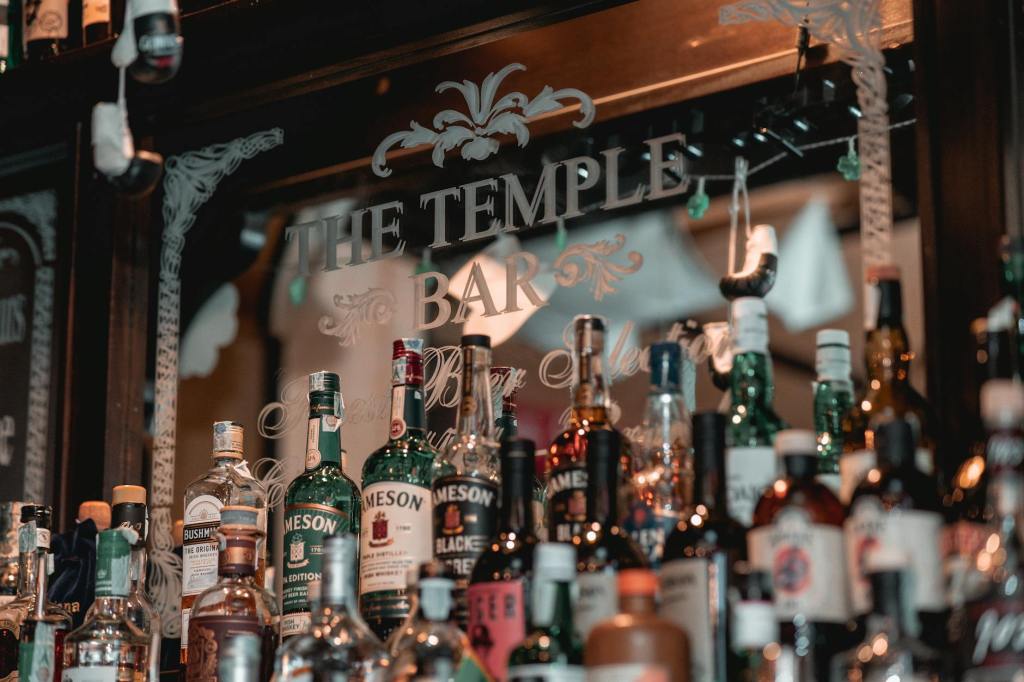
  • The Rise of Irish Whiskey Cocktails

    The Rise of Irish Whiskey Cocktails

    Irish whiskey has been experiencing a renaissance, reclaiming its place among the world’s finest spirits. Once the most popular whiskey in the world before the decline of the 20th century, Irish whiskey has made a stunning comeback, thanks to a new generation of distillers reviving traditional methods while embracing modern innovation. This resurgence has sparked a renewed interest in Irish whiskey cocktails, going far beyond the beloved Irish Coffee and introducing a diverse array of sophisticated and creative drinks.

    Photo by The OurWhisky Foundation ud83eudd43 on Pexels.com

    The History and Styles of Irish Whiskey

    Irish whiskey dates back to at least the 12th century, when monks first began distilling a spirit they called uisce beatha, or “water of life.” By the 18th and 19th centuries, Ireland had hundreds of distilleries producing smooth, triple-distilled whiskey, setting it apart from the bolder, often smokier Scotch whisky. However, political and economic struggles, including Prohibition in the U.S. and trade wars with Britain, led to a dramatic decline, leaving only a handful of distilleries operational by the mid-20th century.

    Today, Irish whiskey is thriving again, with a variety of styles that offer versatility in cocktails:

    • Single Malt: Made from 100% malted barley and distilled in pot stills, offering rich and complex flavors.
    • Pot Still: Unique to Ireland, this style combines malted and unmalted barley for a creamy, spicy character.
    • Blended: A mix of different styles, offering balance and approachability.
    • Grain: Typically lighter and used in blends, but increasingly bottled on its own for a delicate, smooth profile.
    • Peated Irish Whiskey: While not as common as in Scotland, some distilleries are experimenting with peat for a smoky twist.

    With this diversity, Irish whiskey is becoming a staple in craft cocktail culture. Let’s explore some of the exciting drinks making waves today.

    Trendy Irish Whiskey Cocktails (Beyond Irish Coffee)

    The Tipperary

    A classic yet underappreciated Irish whiskey cocktail, the Tipperary is a beautifully balanced drink that combines the herbal complexity of Green Chartreuse with the sweetness of vermouth.

    Recipe:

    • 1.5 oz Irish whiskey (try Redbreast 12-Year)
    • 0.75 oz sweet vermouth
    • 0.5 oz Green Chartreuse
    • 2 dashes orange bitters
    • Stir with ice and strain into a chilled coupe glass.
    • Garnish with an orange twist.

    Food Pairing: Serve with a charcuterie board featuring aged cheddar, dried fruits, and dark chocolate.

    The Emerald

    Often called the “Irish Manhattan,” the Emerald swaps rye or bourbon for Irish whiskey, creating a softer, more floral version of the classic cocktail.

    Recipe:

    • 2 oz Irish whiskey (try Powers Gold Label)
    • 1 oz sweet vermouth
    • 2 dashes Angostura bitters
    • Stir with ice and strain into a coupe glass.
    • Garnish with a cherry or orange peel.

    Food Pairing: This cocktail pairs beautifully with beef stew or shepherd’s pie, complementing rich, savory flavors.

    Photo by The OurWhisky Foundation ud83eudd43 on Pexels.com

    Irish Old Fashioned

    A simple yet effective twist on the traditional Old Fashioned, this cocktail brings out the vanilla, honey, and spice notes in Irish whiskey.

    Recipe:

    • 2 oz Irish whiskey (try Jameson Black Barrel or Teeling Small Batch)
    • 0.25 oz simple syrup (or 1 sugar cube)
    • 2 dashes Angostura bitters
    • 1 dash orange bitters
    • Stir with ice and strain over a large ice cube in a rocks glass.
    • Garnish with an orange twist.

    Food Pairing: The rich yet smooth character of this cocktail complements roasted pork, glazed carrots, and nutty desserts like pecan pie.

    The Shamrock Sour

    A creative riff on the Whiskey Sour, this green-hued drink adds herbal complexity with a touch of basil.

    Recipe:

    • 2 oz Irish whiskey (try Bushmills 10-Year Single Malt)
    • 0.75 oz fresh lemon juice
    • 0.5 oz simple syrup
    • 0.5 oz green Chartreuse
    • 1 egg white (optional, for texture)
    • Dry shake (without ice), then shake again with ice and strain into a coupe glass.
    • Garnish with a basil leaf or lemon twist.

    Food Pairing: Serve with light seafood dishes like grilled shrimp or smoked salmon crostini.

    Irish Gold Rush

    A honey-forward cocktail that highlights the smoothness of Irish whiskey while adding a citrusy zing.

    Recipe:

    • 2 oz Irish whiskey (try Tullamore D.E.W.)
    • 0.75 oz honey syrup (equal parts honey and warm water)
    • 0.75 oz fresh lemon juice
    • Shake with ice and strain into a rocks glass over fresh ice.
    • Garnish with a lemon wedge.

    Food Pairing: Perfect with fried chicken, honey-glazed ham, or buttermilk biscuits.

    The Future of Irish Whiskey in Cocktails

    As bartenders and home mixologists continue to explore Irish whiskey, the spirit is finding its way into an ever-expanding repertoire of drinks. From herbal and floral-infused creations to bold, spirit-forward twists on classics, Irish whiskey cocktails are proving that the category is far more than just Irish Coffee. Whether you’re a seasoned whiskey drinker or a newcomer looking for something fresh, these cocktails invite you to explore the rich flavors of Ireland’s finest spirit.

    So, grab your favorite bottle of Irish whiskey, shake (or stir) up something new, and toast to the exciting future of Irish whiskey cocktails. Sláinte!

  • Wine & Spirits of the Zodiac

    Wine & Spirits of the Zodiac

    A Cosmic Guide to Your Perfect Pour.

    We love finding connections between personalities, traits, styles, and experiences with the various expressions of wine and spirits. This passion has been on full display in our recent articles The Artistry of Wine, An Intricate Dance Between Poetry and Wine, and Sipping the Notes. Exploring how flavors, textures, and aromas intertwine with personality and emotion is a journey that never ceases to fascinate us.

    Pearson Scott Foresman, Public domain, via Wikimedia Commons

    The stars have guided sailors, farmers, and romantics alike, but have you ever let them guide your wine or cocktail selection? Astrology has long been associated with personality traits, fortunes, and fate, so why not extend that celestial insight to our drink choices? With the Chinese New Year recently celebrated, there’s a fascinating parallel between Western zodiac signs and the symbolic significance of the lunar calendar. Both systems influence celebrations, personality interpretations, and even what flavors we gravitate toward.

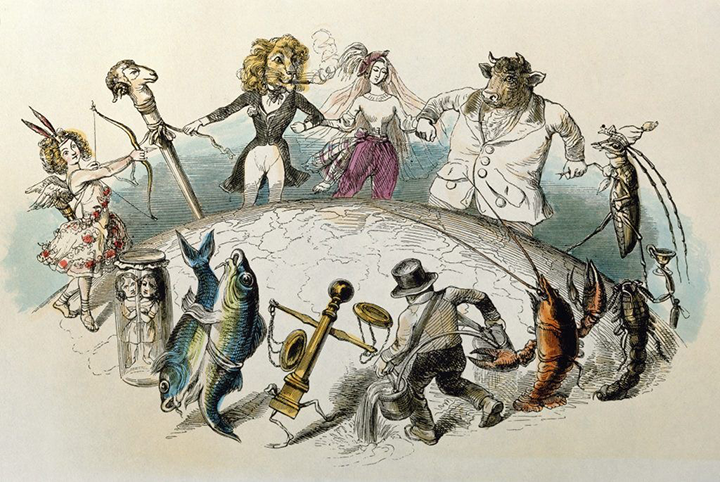
    The zodiac in a round dance around the world, from Les etoilles animées, by J.J. Grandville, 1847, coloured engraving

    Let’s journey through the twelve astrological signs, uncovering their origins and pairing each with a wine or spirit that perfectly complements its traits. Plus, we’ve included an interactive cocktail recipe for each sign—because the best way to embrace your celestial self is with a perfectly paired drink in hand.

    Capricorn (December 22 – January 19) – Ambitious, Disciplined, and Refined

    Wine Pairing: Bordeaux – Structured, elegant, and built to age.
    Spirit Pairing: Scotch – Complex, refined, and timeless.
    Cocktail: The Classic Capricorn (inspired by the Rob Roy)
    Ingredients:

    • 2 oz Scotch
    • 0.5 oz sweet vermouth
    • 2 dashes Angostura bitters
      Stir with ice and strain into a coupe. Garnish with a cherry.

    Aquarius (January 20 – February 18) – Innovative, Free-Spirited, and Unique

    Wine Pairing: Orange Wine – Unconventional, thought-provoking, and distinctive.
    Spirit Pairing: Absinthe – Visionary, artistic, and ahead of its time.
    Cocktail: The Electric Aquarius (inspired by the Corpse Reviver #2)
    Ingredients:

    • 1 oz absinthe
    • 1 oz elderflower liqueur
    • 2 oz tonic water
      Build over ice in a highball glass and garnish with a lemon wheel.

    Pisces (February 19 – March 20) – Dreamy, Romantic, and Intuitive

    Wine Pairing: Riesling – Lush, poetic, and expressive.
    Spirit Pairing: Lavender Gin – Ethereal and enchanting.
    Cocktail: The Mystic Mermaid (inspired by the Bees Knees)
    Ingredients:

    • 2 oz lavender gin
    • 0.5 oz lemon juice
    • 0.5 oz honey syrup
      Shake with ice and strain into a coupe. Garnish with edible flowers.

    Aries (March 21 – April 19) – Bold, Fiery, and Adventurous

    Wine Pairing: Zinfandel – Robust, spicy, and energetic, just like Aries.
    Spirit Pairing: Mezcal – Smoky, intense, and unapologetically bold.
    Cocktail: Spicy Aries Smash (inspired by the Mezcal Mule)
    Ingredients:

    • 2 oz mezcal
    • 1 oz lime juice
    • 0.5 oz honey syrup
    • 2 slices jalapeño
    • 2 dashes orange bitters
      Muddle jalapeño in a shaker, add all ingredients, shake with ice, and strain into a rocks glass over fresh ice. Garnish with a lime wheel.

    Taurus (April 20 – May 20) – Sensual, Earthy, and Indulgent

    Wine Pairing: Cabernet Sauvignon – Luxurious, full-bodied, and grounded.
    Spirit Pairing: Cognac – Refined and complex with deep, earthy undertones.
    Cocktail: Velvet Bull (inspired by the Brandy Alexander)
    Ingredients:

    • 1.5 oz Cognac
    • 0.5 oz crème de cacao
    • 1 oz heavy cream
    • Grated nutmeg for garnish
      Shake all ingredients with ice and strain into a chilled coupe. Garnish with grated nutmeg.

    Gemini (May 21 – June 20) – Playful, Curious, and Witty

    Wine Pairing: Sauvignon Blanc – Crisp, zesty, and ever-changing.
    Spirit Pairing: Gin – Botanical, versatile, and endlessly creative.
    Cocktail: The Gemini Spritz (inspired by the French 75)
    Ingredients:

    • 1.5 oz gin
    • 0.5 oz elderflower liqueur
    • 2 oz sparkling wine
    • 1 oz soda water
      Build in a wine glass over ice, stir gently, and garnish with a lemon twist.

    Cancer (June 21 – July 22) – Nurturing, Sentimental, and Comforting

    Wine Pairing: Chardonnay – Warm, inviting, and soothing.
    Spirit Pairing: Rum – Sweet, nostalgic, and full of depth.
    Cocktail: The Cozy Crab (inspired by the Painkiller)
    Ingredients:

    • 2 oz aged rum
    • 1 oz coconut cream
    • 0.5 oz lime juice
      Shake with ice and strain into a chilled coupe. Garnish with grated cinnamon.

    Leo (July 23 – August 22) – Charismatic, Bold, and Regal

    Wine Pairing: Champagne – Effervescent, luxurious, and always the center of attention.
    Spirit Pairing: Bourbon – Strong, commanding, and unforgettable.
    Cocktail: The Golden Lion (inspired by the Gold Rush)
    Ingredients:

    • 2 oz bourbon
    • 0.5 oz honey syrup
    • 0.5 oz lemon juice
    • Champagne top-off
      Shake bourbon, honey syrup, and lemon juice with ice, strain into a coupe, and top with Champagne.

    Virgo (August 23 – September 22) – Practical, Detail-Oriented, and Sophisticated

    Wine Pairing: Grüner Veltliner – Crisp, precise, and refreshingly complex.
    Spirit Pairing: Vodka – Clean, structured, and classic.
    Cocktail: The Meticulous Martini (inspired by the Vodka Martini)
    Ingredients:

    • 2 oz vodka
    • 0.5 oz dry vermouth
    • 2 dashes orange bitters
      Stir with ice and strain into a chilled coupe. Garnish with a lemon twist.

    Libra (September 23 – October 22) – Charming, Balanced, and Sophisticated

    Wine Pairing: Pinot Noir – Elegant, harmonious, and effortlessly balanced.
    Spirit Pairing: Amaretto – Smooth, sweet, and socially engaging.
    Cocktail: The Libra Harmony (inspired by the Amaretto Sour)
    Ingredients:

    • 1.5 oz amaretto
    • 1 oz lemon juice
    • 0.5 oz simple syrup
    • Club soda
      Build in a highball glass over ice and top with club soda. Garnish with a lemon wheel.

    Scorpio (October 23 – November 21) – Intense, Mysterious, and Passionate

    Wine Pairing: Syrah – Deep, smoky, and enigmatic.
    Spirit Pairing: Amaro – Dark, brooding, and complex.
    Cocktail: The Dark Scorpion (inspired by the Black Manhattan)
    Ingredients:

    • 1.5 oz amaro
    • 1 oz rye whiskey
    • 0.5 oz black walnut liqueur
      Stir with ice and strain into a rocks glass. Garnish with an orange peel.

    Sagittarius (November 22 – December 21) – Adventurous, Free-Spirited, and Optimistic

    Wine Pairing: Malbec – Bold, vibrant, and full of life.
    Spirit Pairing: Tequila – Fun-loving, daring, and celebratory.
    Cocktail: The Wanderlust Paloma (inspired by the Paloma)
    Ingredients:

    • 2 oz tequila
    • 1 oz grapefruit juice
    • 0.5 oz lime juice
    • 0.5 oz agave syrup
    • Club soda
      Build over ice in a highball glass and top with club soda. Garnish with a grapefruit wedge.
    Photo by Tahir Osman on Pexels.com

    A Toast to the Stars

    Whether you’re an assertive Aries sipping a Spicy Smash or a dreamy Pisces enjoying an ethereal lavender gin ‘tini, the zodiac offers a celestial guide to enhancing your drinking experience. While astrology and wine pairings may not be scientific, they are undeniably fun—so why not embrace the cosmic influence on your next drink choice? Cheers to exploring the stars, one sip at a time!

    Which zodiac pairing is your favorite? Let us know in the comments, and don’t forget to tag us on social media with your cosmic cocktails!

  • Introducing ‘Sips & Stories: Twists on the Classics’

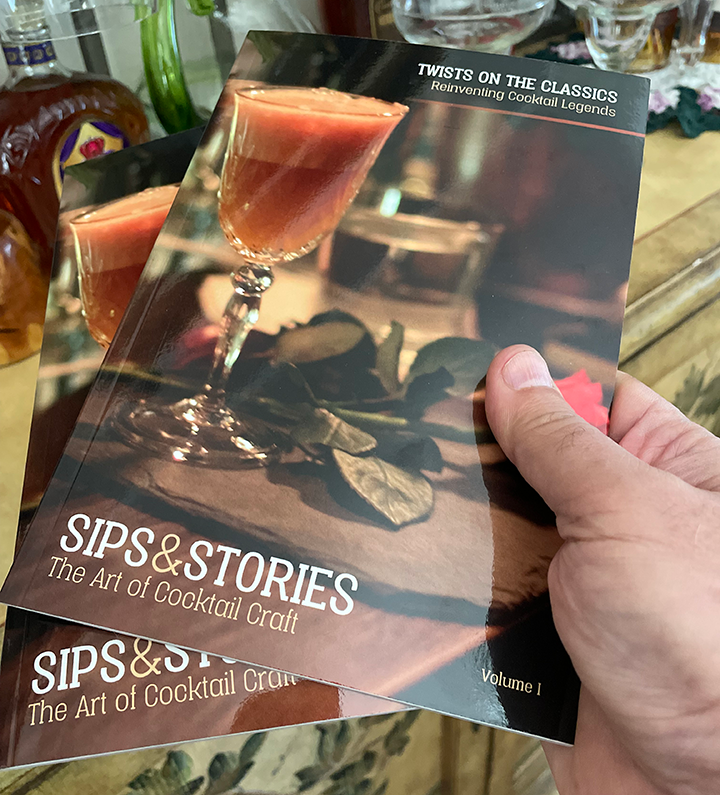
    Introducing ‘Sips & Stories: Twists on the Classics’

    Reinventing Cocktail Legends.

    There’s something undeniably magical about classic cocktails. From the crisp, bracing elegance of a perfectly balanced Martini to the rich, smoky depth of an Old Fashioned, these drinks have earned their place in the pantheon of timeless indulgence. But what if we told you that these beloved classics can be even more? What if a single twist—a splash of smoked maple syrup, a floral infusion, or an unexpected spice—could transform them into something truly unforgettable?

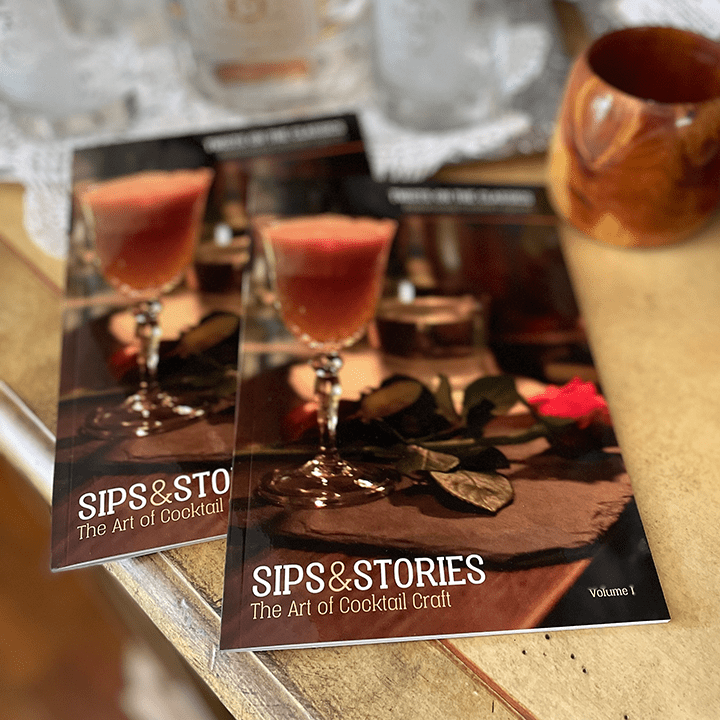
    Welcome to Sips & Stories: Twists on the Classics, the first installment in our brand-new cocktail series. As seasoned sommeliers, cocktail-enthusiasts, and educators, Tammy and I have spent decades exploring the rich, evolving world of spirits and cocktails. Our journey has taken us into hidden speakeasies, where whispered passwords lead to dimly lit rooms filled with the artistry of modern mixologists. We’ve spent countless nights in conversation with bartenders who view their craft as an extension of storytelling, shaping experiences through balance, aroma, and unexpected combinations. This book is a reflection of those experiences—a collection of recipes inspired by the best-kept secrets of the cocktail world and the people who keep them alive.

    What’s Inside?

    Sips & Stories: Twists on the Classics is more than just a cocktail recipe book. It’s an exploration of how subtle changes can elevate and redefine well-known drinks. In this volume, you’ll discover:

    • Reimagined Classics – Learn how a hint of lavender can breathe new life into a French 75 or how a touch of espresso can deepen the complexity of a Negroni.
    • Expert Tips & Techniques – We share insider tricks on everything from choosing the right glassware to mastering the art of balance and presentation.
    • The Stories Behind the Drinks – Because every cocktail has a past, and knowing it makes the experience even richer.
    • A Creative Invitation – The real magic happens when you experiment. We encourage you to take these ideas and make them your own.

    A Taste of What’s Inside

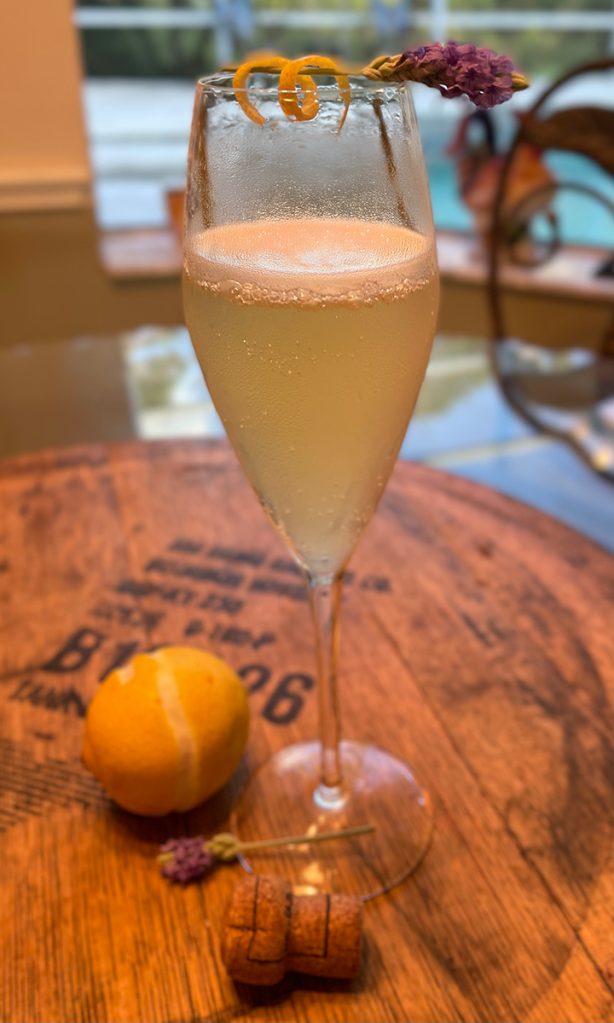
    Floral French 75 from ‘Sips & Stories: Twists on the Classics’ ISBN: 978-1-300-87325-9

    One of our favorite recipes from the book is Floral French 75

    Ingredients

    • 1 oz gin
    • ½ oz fresh lemon juice
    • ½ oz elderflower liqueur (such as St-Germain)
    • ¼ oz lavender simple syrup (recipe below)
    • 3 oz champagne or sparkling wine
    • Lemon twist and lavender sprig (for garnish)

    Lavender Simple Syrup

    • ¼ cup sugar
    • ¼ cup water
    • 1 tsp dried culinary lavender

    Instructions for Syrup:

    1. In a small saucepan, combine the sugar, water, and lavender.
    2. Bring the mixture to a gentle simmer, stirring until the sugar dissolves.
    3. Remove from heat and let the syrup steep for 15-20 minutes to infuse the lavender flavor.
    4. Strain the syrup into a jar, discarding the lavender buds.
    5. Let the syrup cool completely before using.

    Instructions:

    1. Chill the Glass: Place a champagne flute or coupe in the freezer to chill.
    2. Mix the Base: In a shaker, combine the gin, lemon juice, elderflower liqueur, and lavender simple syrup.
    3. Add Ice & Shake: Fill the shaker with ice and shake for about 10-15 seconds until well chilled.
    4. Strain: Strain the mixture into the chilled glass.
    5. Top with Bubbles: Slowly top off with champagne or sparkling wine, pouring gently to preserve the bubbles.
    6. Garnish: Garnish with a lemon twist and a sprig of lavender for a fragrant finish.

    This elegant cocktail is a floral, effervescent twist on the classic French 75, perfect for any celebration or a simple night of refined indulgence. This delightful twist on a classic cocktail combines unexpected ingredients to create a drink that is both familiar and refreshingly new. Whether you’re shaking things up for a special occasion or simply unwinding after a long day, this recipe is sure to become a go-to favorite.

    What’s Next in the Sips & Stories Series?

    We’re just getting started! This book is the first of a 10-volume series that will dive deep into various cocktail styles, themes, and eras. Next up is Botanical Wonders: Cocktails of the Garden. Prepare to embark on another delightful journey through the world of mixology. This upcoming book will explore the vibrant flavors and aromas found in nature, showcasing how herbs, flowers, and botanicals can transform your cocktails into refreshing garden-inspired creations. Get ready to cultivate your palate and discover the exquisite interplay of flavors that can be found in the garden!

    Available now on Amazon!

    Volumes of Information: The Sips & Stories Series

    • Volume I: Twists on the Classics: Reinventing Cocktail Legends – Reimagine iconic cocktails (e.g., Martini, Old Fashioned, Margarita) with creative riffs.
    • Volume II: Botanical Wonders: Cocktails of the Garden – Cocktails featuring herbs, edible flowers, and botanicals.
    • Volume III: Spirits of the World: Global Cocktails and Their Stories – Highlight cocktails from different cultures and countries, showcasing local spirits.
    • Volume IV: Tropical Escapes: Island-Inspired Cocktails – Exotic, tropical drinks inspired by beachside locales.
    • Volume V: The Bitter Truth: Mastering Amaro and Bitter Cocktails – Explore cocktails based on bitters and herbal liqueurs like Amaro, Fernet, and Aperol.
    • Volume VI: Speakeasy Revival: Prohibition-Era Cocktails – A journey back to the 1920s with classic, prohibition-era cocktails.
    • Volume VII: The Art of Low and No: Crafting Low-ABV and Non-Alcoholic Cocktails – Focus on low-alcohol and alcohol-free cocktails that still pack flavor and complexity.
    • Volume VIII: Smoked, Infused, and Aged: Advanced Cocktail Techniques – For the advanced home bartender, focusing on techniques like smoking, aging, and infusing spirits.
    • Volume IX. Festive Sips: Cocktails for Every Celebration – Cocktails crafted for various holidays, festivals, and special occasions.

    Join the Journey

    We created this book—and the entire Sips & Stories series—to inspire creativity, conversation, and, above all, a love for the craft of cocktail-making. Whether you’re a seasoned mixologist or someone just beginning to explore the art of the drink, this book is for you. We hope it becomes a trusted companion on your journey to discovering new flavors and stories, one sip at a time.

    ‘Sips & Stories: Twists on the Classics’ is available now in paperback at Barnes & Noble, Amazon, and other retail outlets. Get your copy today, and let’s raise a glass to the joy of discovery!

  • Spirits & Stuff: Tequila

    Spirits & Stuff: Tequila

    Mexico’s Liquid Gold and the Spirit of Rebellion.

    Few spirits carry the mystique, complexity, and cultural significance of tequila. Born from volcanic soil and centuries of tradition, tequila is more than just a drink—it’s a symbol of Mexico’s resilience, artistry, and heritage. From its storied origins to modern innovations like cristalino, tequila continues to evolve while remaining deeply rooted in its past. Whether sipped neat, mixed into a cocktail, or celebrated in folklore, this agave spirit commands a place of honor in the world of fine beverages.

    Photo by Isabella Mendes on Pexels.com

    From Spanish Prohibition to Mexican Pride

    Wine and tequila share an unexpected historical link, forged through the laws of colonial Spain. When the Spanish arrived in Mexico in the early 16th century, they brought with them a love for wine and the European grapevine. However, King Philip II, fearing competition with Spanish wines, banned winemaking in the New World—except for sacramental use by the church. Deprived of their ability to craft wine, locals turned to indigenous fermentation traditions, refining the distillation of fermented agave juice into what we now know as tequila.

    This ban inadvertently fueled the rise of tequila, as Mexicans, undeterred by Spanish restrictions, perfected their agave spirits. By the 18th century, tequila had cemented itself as Mexico’s national spirit, and its production became an art form passed down through generations. Today, tequila stands as a testament to Mexico’s ingenuity and defiance, much like wine does in Old World traditions.

    Jimador using a coa to cut a piña – Ernesto Catedral, CC BY-SA 4.0, via Wikimedia Commons
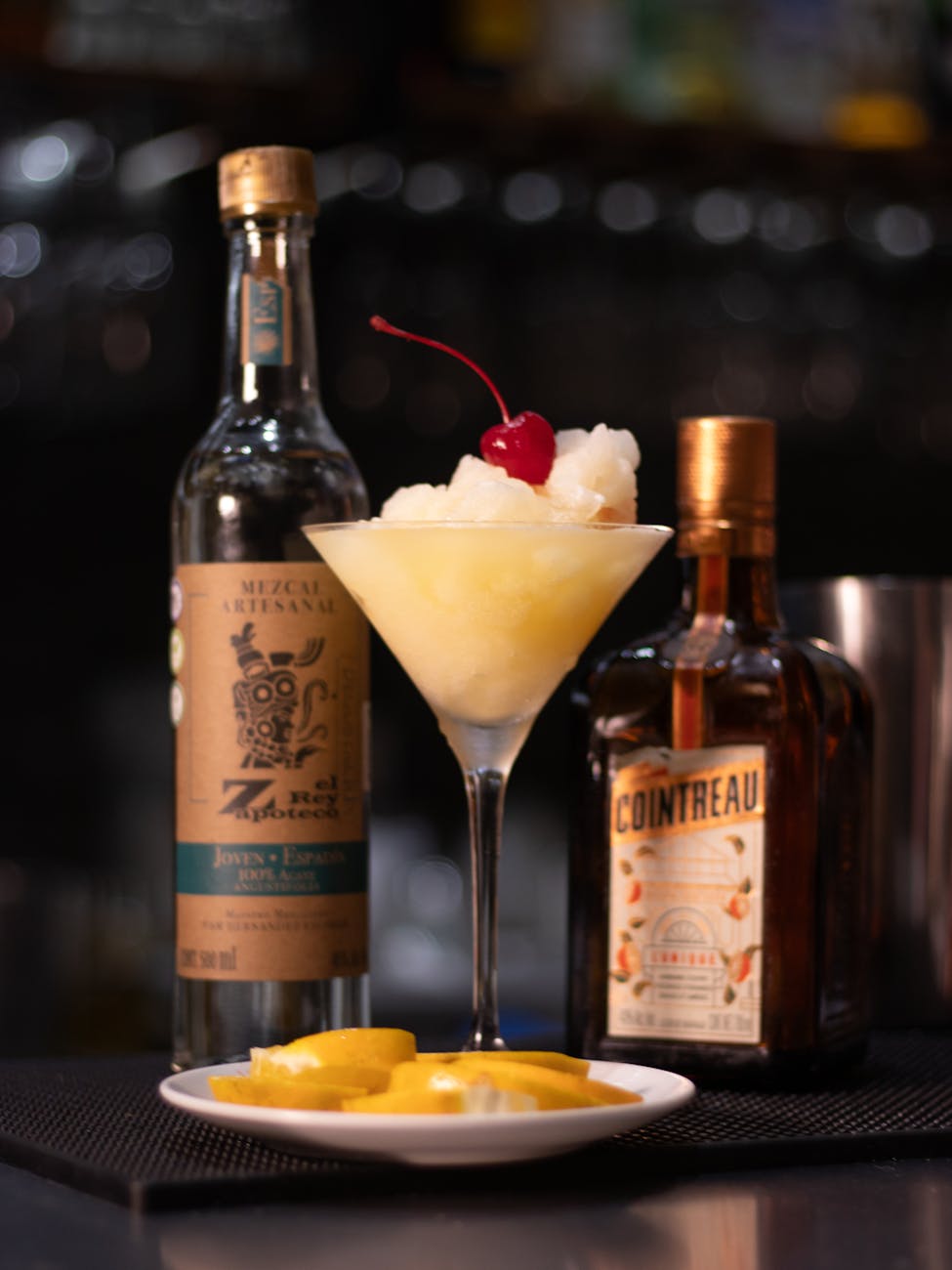
    The Making of Tequila: From Agave to Spirit

    True tequila begins its journey in the sun-drenched fields of Jalisco, where blue Weber agave plants grow for six to ten years before harvest. Jimadores, the skilled harvesters, use a coa (a specialized blade) to trim the plant down to its heart, or piña. These piñas are then slow-roasted in brick ovens or steamed in autoclaves to convert starches into fermentable sugars.

    Tequila is made from agave, agave is a plant, and that makes this drink a salad. So here’s to staying healthy—one shot at a time!

    Gregory Dean, SOMM&SOMM

    After roasting, the cooked agave is crushed—traditionally by a stone wheel called a tahona or by modern roller mills. The extracted juice, or aguamiel, is then fermented in open or closed vats, sometimes with wild yeasts to add complexity. The fermented liquid is distilled twice (or even three times in rare cases) in copper pot or stainless steel stills to reach the required alcohol content.

    Juan Carlos Fonseca Mata, CC BY-SA 4.0, via Wikimedia Commons
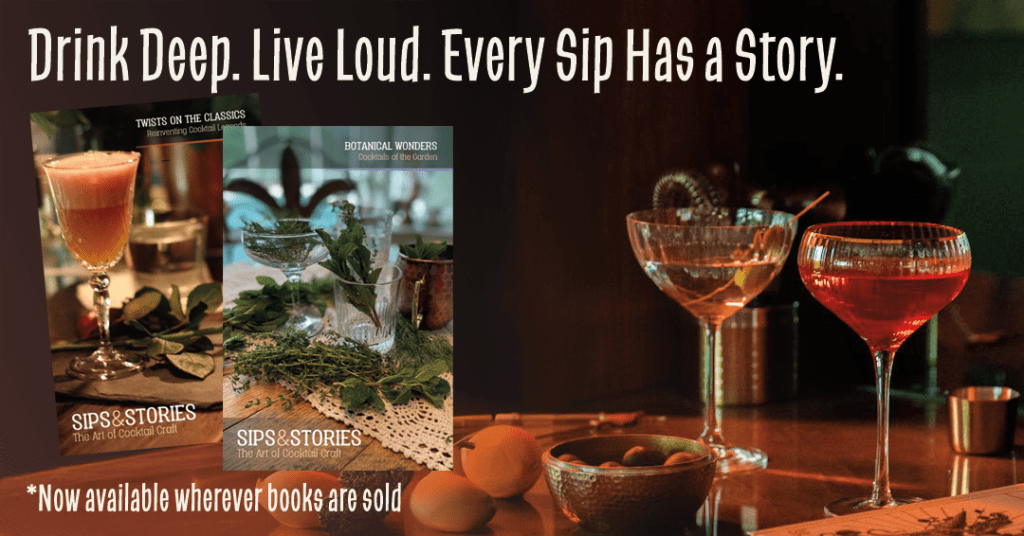
    The Styles of Tequila: Understanding the Variants

    Tequila comes in five primary styles, each with distinct characteristics based on aging and production methods:

    1. Blanco (Silver/Plata) – Unaged or aged for less than two months in stainless steel or neutral oak, blanco tequila captures the pure essence of agave. Expect bright, peppery, citrusy notes with a crisp, clean finish.
    2. Reposado (Rested) – Aged between two months and one year in oak barrels, reposado tequila gains depth, subtle caramel, vanilla, and spice notes while retaining agave’s fresh character.
    3. Añejo (Aged) – Aged between one and three years in small oak barrels, añejo tequila develops a richer, smoother profile, with pronounced notes of oak, chocolate, dried fruit, and baking spices.
    4. Extra Añejo (Ultra-Aged) – Aged for over three years, extra añejo tequila rivals fine cognacs and aged whiskies, offering deep, complex layers of wood, tobacco, leather, and dark chocolate.
    5. Cristalino (Clear Aged Tequila) – A relatively new category, cristalino tequila is aged like an añejo or extra añejo but then filtered through activated charcoal to remove color. This results in a spirit with the smoothness and complexity of an aged tequila but the clarity and lightness of a blanco.

    Cristalino: Trend or Fad?

    Cristalino has gained immense popularity in recent years, appealing to drinkers who love the refinement of aged tequila but prefer the aesthetic and mixability of a clear spirit. While some purists argue that stripping the color also removes some of the nuanced character, others appreciate the velvety texture and refined oak influence.

    Ultimately, cristalino’s staying power will depend on consumer tastes, but given its growing presence in premium bars and high-end tequila houses, it seems more than just a passing trend.

    Tequila Cocktails: Elevating the Spirit

    While tequila is often enjoyed neat, its versatility shines in cocktails. Here are three exceptional drinks that highlight its unique qualities:

    El Rey Old Fashioned

    A refined twist on a classic whiskey cocktail, perfect for showcasing añejo tequila.

    • 2 oz añejo tequila
    • 1/4 oz agave syrup
    • 2 dashes Angostura bitters
    • Orange peel for garnish
      Stir ingredients with ice and strain into a rocks glass over a large ice cube. Express orange peel oils over the glass and drop in as garnish.

    Smoky Paloma

    A mezcal-infused take on Mexico’s beloved Paloma, balancing citrus, smoke, and sweetness.

    • 1.5 oz tequila blanco
    • 0.5 oz mezcal
    • 2 oz fresh grapefruit juice
    • 0.5 oz lime juice
    • 0.5 oz agave syrup
    • Club soda to top
    • Grapefruit wheel for garnish
      Shake all ingredients except soda with ice, strain into a highball glass filled with fresh ice, and top with soda. Garnish with a grapefruit wheel.

    Verde Margarita

    A herbal, refreshing take on the classic Margarita with vibrant green flavors.

    • 2 oz tequila reposado
    • 1 oz fresh lime juice
    • 0.75 oz cilantro-jalapeño syrup (blend equal parts sugar and water with cilantro and jalapeño, then strain)
    • 0.5 oz Cointreau
      Shake with ice, strain into a salt-rimmed glass over fresh ice, and garnish with a lime wheel and cilantro sprig.

    Here’s to tonight—when tequila makes us fearless, our jokes funnier, and our dance moves legendary. And here’s to tomorrow—when coffee and regret remind us why we don’t do this every night!

    Gregory Dean, SOMM&SOMM
    Missvain, CC BY 4.0, via Wikimedia Commons

    A Spirit Worth Celebrating

    Tequila is not just a drink—it’s a story of innovation, resilience, and national pride. From its colonial-era roots as a wine replacement to its modern role as a sophisticated spirit, tequila continues to captivate and evolve. Whether you enjoy it neat, aged, in a cutting-edge cocktail, or as a conversation piece, there’s no denying tequila’s rightful place among the world’s finest spirits. Salud! 🥃

    Cover photo credit: Adrián Cerón, CC BY-SA 4.0, via Wikimedia Commons

  • A Sip Through Time: The Origin of Aperitifs

    A Sip Through Time: The Origin of Aperitifs

    The Art, History, and Enjoyment of the World’s Most Civilized Pre-Dinner Tradition.

    Aperitifs—those captivating, appetite-awakening drinks enjoyed before a meal—trace their roots to ancient times, when herbal infusions were used as medicinal tonics. The Latin word aperire, meaning “to open,” perfectly captures the purpose of an aperitif: to stimulate the palate and prepare the stomach for the meal ahead. From the vermouths of Italy to the bitter liqueurs of France, the world of aperitifs is a refined and storied tradition that continues to thrive today.

    The earliest known aperitif-style drinks can be traced back to Hippocrates, who concocted a bitter wine infused with wormwood as a digestive aid. This ancient elixir eventually inspired the creation of vermouth in 18th-century Italy. Meanwhile, in France, the 19th century saw the rise of iconic aperitifs such as Lillet and Dubonnet, beloved by aristocrats and artists alike. The European café culture of the Belle Époque further cemented the aperitif as a social ritual, where Parisians sipped bitter, herbal, and citrus-infused concoctions while exchanging ideas and indulging in lively conversation.

    The Styles and Characteristics of Aperitifs

    Aperitifs generally fall into one of the following categories, each offering distinct flavors and purposes:

    Vermouths (Italy & France)

    Aromatized and fortified wines infused with botanicals, vermouths can be dry (perfect for a Martini) or sweet (ideal for a Negroni). French vermouths, such as Noilly Prat, tend to be drier and lighter, while Italian vermouths, like Carpano Antica, are richer and sweeter.

    Bitter Liqueurs (Amari, Quinquinas, and Gentian-Based Aperitifs)

    From Campari’s bold citrus-bitter profile to Suze’s floral gentian root notes, bitter liqueurs balance bitterness with herbal complexity. Dubonnet, famously favored by Queen Elizabeth II, adds a touch of quinine for depth.

    Anise-Based Aperitifs (France & Italy)

    Pastis, Pernod, and Ricard are hallmarks of the French Provençal tradition, while Italy offers Sambuca. These anise-flavored spirits cloud when mixed with water, a transformation called the “louche.”

    Wine-Based Aperitifs (Lillet, Byrrh, and Pineau des Charentes)

    These softer aperitifs blend fortified wine with botanicals or fruit essence, creating a gentler yet equally intriguing drinking experience. Lillet Blanc, a Bordeaux-based classic, was a favorite of James Bond in Casino Royale.

    Phoney, CC BY-SA 3.0, via Wikimedia Commons
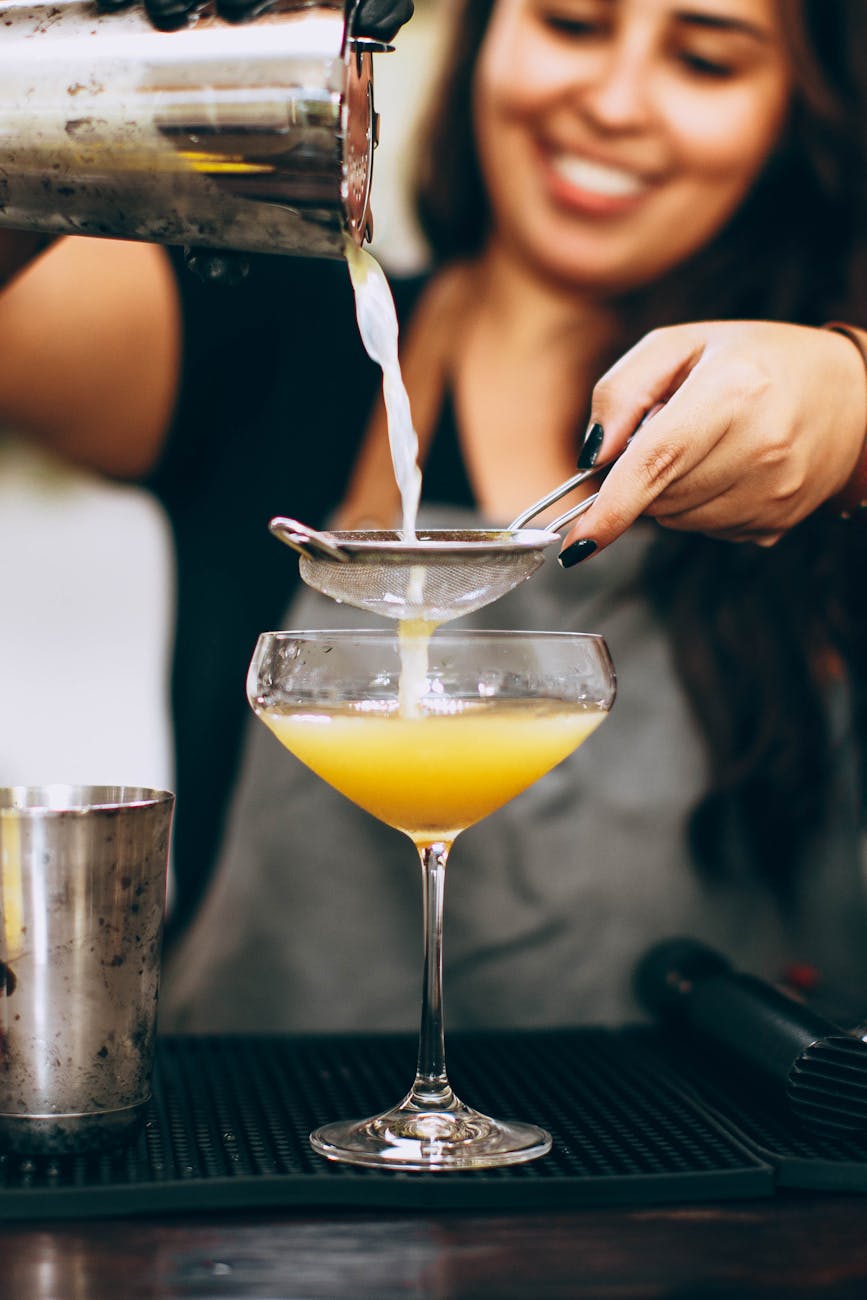
    Serving Aperitifs: Classic & Creative Presentations

    The simplest way to enjoy an aperitif is to serve it chilled or over ice with a citrus twist. However, for those looking to expand their experience, here are some unique ways to enjoy aperitifs:

    • Vermouth Spritz – A lighter, lower-alcohol alternative to an Aperol Spritz, mixing dry vermouth, tonic, and an orange slice.
    • Pastis Provençal – Served with ice-cold water in a 5:1 ratio to highlight its herbal complexity.
    • Lillet Rouge & Ginger – A bold yet refreshing mix of Lillet Rouge and ginger beer, garnished with a sprig of rosemary.
    Cristalanis, CC BY-SA 4.0, via Wikimedia Commons

    Cocktails Using Aperitifs for Colder Months

    Aperitifs are not just for summer evenings on a Mediterranean terrace; they can be the perfect foundation for winter-friendly cocktails, offering warmth, spice, and herbal depth. Here are three creative cocktails for the colder months:

    The Alpine Glow

    A warming, citrus-spiced take on a classic Manhattan.

    • 1 oz sweet vermouth (Carpano Antica recommended)
    • 1 oz Amaro Montenegro
    • 1.5 oz rye whiskey
    • 2 dashes orange bitters
    • Garnish: Orange twist and star anise

    Stir ingredients with ice and strain into a coupe glass. Garnish with an orange twist and a floating star anise.

    Suze & Cider Hot Toddy

    A gentian-forward twist on a winter classic.

    • 1 oz Suze
    • 2 oz hot apple cider
    • 0.5 oz honey
    • 0.5 oz lemon juice
    • Garnish: Cinnamon stick

    Mix Suze, hot cider, honey, and lemon in a mug. Stir well and garnish with a cinnamon stick.

    Dubonnet Royale

    A luxurious, bubbly cocktail inspired by the late Queen’s favorite aperitif.

    Build in a flute glass by adding Dubonnet and Cointreau, then top with Champagne. Garnish with an orange twist.

    The Enduring Magic of Aperitifs

    Whether you sip a bitter Negroni, a delicate Lillet spritz, or a warming vermouth-based cocktail, the aperitif remains a timeless invitation to pause, savor, and anticipate the pleasures of the table. So, in the spirit of the legendary aperitif lovers—from Hemingway to Queen Elizabeth—raise a glass and toast to the rich tradition of pre-dinner drinking. Santé! Cin cin! 🍷

    Cover photo credit: Photo by Polina Kovaleva on Pexels.com

  • The Festive Twilight – A Week in Limbo Between Christmas and New Year

    The Festive Twilight – A Week in Limbo Between Christmas and New Year

    The stretch between December 26 and January 1 is an emotional kaleidoscope. Let’s call it Fizzmas Week – The Festive Twilight—that curious week when time feels both endless and fleeting, when holiday leftovers meet New Year’s resolutions, and when joy, reflection, and a hint of chaos swirl together. Here’s a day-by-day guide to navigating Fizzmas Week, complete with themed activities and perfectly paired cocktails to lift your spirits or soothe your soul.

    Woolworth’s Christmas 1966

    December 26: The Busiest Un-Shopping Day of the Year

    Mood: Relief and mild regret. It’s time to return, exchange, or “repurpose” those gifts that missed the mark.
    Activity: Arm yourself for the sales and the customer service lines, or cozy up and begin the “Great Decoration Decluttering.”

    Cocktail: The Boxing Day Spritz
    Light and invigorating, this spritz helps you face the crowds or spark joy during tidying.

    Recipe:

    • 1 oz Aperol
    • 2 oz leftover sparkling wine (Domaine Carneros Brut, anyone?)
    • 2 oz cranberry juice
    • Top with soda water
    • Garnish with a twist of orange and a sugared cranberry.

    December 27: Pajamas and Pie Recovery Day

    Mood: Blissful inertia. Let’s lean into lounging and finally finish that pie no one has room for on Christmas Day.
    Activity: Movie marathons, book reading, or a full-on nap festival.

    Cocktail: The Pie à la Mode Martini
    A decadent dessert drink to pair with leftover pie.

    Recipe:

    • 1 oz vanilla vodka
    • 1 oz Irish cream liqueur
    • 1 oz apple cider
    • Dash of cinnamon
    • Shake with ice, strain into a martini glass, and top with whipped cream and a sprinkle of nutmeg.

    December 28: Goal-Setting or Procrastination Day

    Mood: Reflective. It’s time to journal, make vision boards, or optimistically browse gym memberships you won’t use 🥸
    Activity: Dream big… or delay and doom-scroll instead.

    Cocktail: The “Visionary” Gimlet
    A classic with a zesty twist to fuel your imagination.

    Recipe:

    • 2 oz gin
    • 1 oz lime juice
    • ½ oz simple syrup infused with rosemary (simmer equal parts water and sugar with rosemary sprigs, then cool and strain)
    • Shake with ice, strain into a coupe glass, and garnish with a rosemary sprig.

    December 29: Clean Slate Sunday

    Mood: Determined. Clear the fridge, organize closets, and rid your space of clutter to make room for the new year.
    Activity: Purge the leftovers, donate unworn clothes, or finally organize that junk drawer.

    Cocktail: The “Fridge Forager” Sangria
    A resourceful way to use up remaining wine and fruit.

    Recipe:

    • 2 cups red or white wine (whatever’s open)
    • 1 oz brandy or orange liqueur
    • ½ cup orange juice
    • Any leftover fruit (orange slices, berries, apples, or pomegranate arils)
    • Top with soda water for fizz. Serve over ice.

    December 30: Penultimate Party Prep Day

    Mood: Anticipatory. The countdown has begun, and it’s time to polish the champagne flutes and plan your NYE look.
    Activity: Draft New Year’s Eve playlists or perfect your “midnight toast” speech.

    Cocktail: The Glitter & Gold Mule
    Glamorous with a bit of sparkle to set the tone for the coming celebration.

    Recipe:

    • 2 oz vodka
    • ½ oz elderflower liqueur
    • 3 oz ginger beer
    • ½ oz lime juice
    • Edible gold glitter to garnish (or a gold sugar rim). Serve in a copper mug.

    December 31: The Last Hurrah

    Mood: Jubilant! This is the crescendo of The Festive Twilight. Celebrate with gusto and anticipation.
    Activity: Dress up, toast to the year gone by, and embrace the midnight magic.

    Cocktail: The Midnight Kiss
    A luxurious bubbly cocktail worthy of the occasion.

    Recipe:

    • 1 sugar cube soaked in bitters
    • ½ oz Grand Marnier
    • Top with chilled champagne or sparkling wine
    • Garnish with a twist of lemon and a sprig of thyme.

    January 1: Lazy Resolution Day

    Mood: Hopeful and slightly hungover. Start the new year gently, with quiet gratitude.
    Activity: Take a walk, binge-watch something uplifting, or tackle your first “new year” to-do.

    Cocktail: The Hair of the Dog Bloody Mary
    Reviving and savory, this classic helps you ease into 2025.

    Recipe:

    • 2 oz vodka
    • 4 oz tomato juice
    • ½ oz lemon juice
    • Dash of Worcestershire sauce and hot sauce
    • Pinch of celery salt, black pepper, and smoked paprika
    • Garnish with a celery stalk, pickles, or a shrimp skewer if you’re fancy.

    The Festive Twilight reminds us to savor life’s limbo moments, to find joy between the chaos of Christmas and the glittering promises of New Year’s. Cheers to turning the page with laughter, love, and a drink in hand!

    Gregory Dean, SOMM&SOMM

    Closing the Curtain on Fizzmas Week

    As Fizzmas Week – The Festive Twilight bubbles to a close, we stand at the threshold of a new year, brimming with possibility. This peculiar in-between time—caught between the sparkle of Christmas and the fireworks of New Year’s Eve—reminds us that life is as much about the in-between moments as it is about the grand celebrations. It’s a time to reflect on the past year, with all its highs and lows, and to embrace the hope of what lies ahead.

    Whether you spent the week decluttering your space, sipping cocktails with loved ones, or simply lounging in your coziest pajamas, know that each moment is a small gift. Just like the perfect fizz in a sparkling wine, it’s the little bubbles of joy, connection, and even introspection that make the journey worthwhile.

    As the clock ticks toward midnight on December 31, let’s toast to the promise of a fresh start. Let’s enter the new year with hearts full of gratitude, glasses brimming with hope, and the confidence that we can handle whatever comes our way—one sip, one step, one moment at a time.

    So here’s to you and yours: may your New Year be bright, your challenges met with grace, and your Fizzmas Week memories last all year long. Cheers! 🥂

  • Game Day Grub and Grapes

    Game Day Grub and Grapes

    Winning Wine and Cocktail Pairings for Your October Tailgate.

    October is here, and so are the cravings for heartier dishes that match the brisk air, camaraderie, and weekend football gatherings. As tailgaters fire up their grills and slow-cookers, classic fare like chili, wings, ribs, and stews become the go-to choices for feeding a crowd. But let’s take these crowd-pleasers to the next level with the perfect wine pairings and a couple of cocktails sure to score big at your next tailgate.

    Wine and Food Pairings for Hearty Tailgate Dishes

    Spicy Chili + Zinfandel or Off-Dry Riesling
    Few things warm the soul like a steaming bowl of chili on a crisp October afternoon. Whether you’re loading up on beef, beans, or going for a veggie version, chili’s complex layers of flavor (and spice) call for a wine that can keep pace.

    • Zinfandel: The go-to for those who love bold, fruity reds. Zinfandel’s ripe blackberries, raspberries, and touch of sweet spice tame the heat and complement chili’s smoky notes from cumin, paprika, and charred peppers. Avoid the overly jammy versions; seek out ones with balanced acidity to cut through the richness.
    • Off-Dry Riesling: For those craving a white, Riesling’s delicate sweetness and vibrant acidity act as a cooling agent for chili’s heat. The natural sugars help counterbalance the spice, while the lime zest and apricot flavors offer a refreshing contrast.

    SOMM&SOMM Recommends: 2021 Seghesio Cortina Zinfandel

    SOMM&SOMM Recommends: 2021 Dr. Loosen Erdener Treppchen Riesling Spatlese

    Pulled Pork – Thogru, CC BY-SA 3.0 via Wikimedia Commons
    BBQ Pulled Pork + Syrah
    Pulled pork, whether slathered in a tangy BBQ sauce or slow-cooked with a hint of smokiness, begs for a wine with enough depth to match the savory goodness.

    • Syrah: This bold red offers the structure and body to complement the layers of flavors in pulled pork. Syrah’s black pepper, smoky bacon, and dark fruit notes accentuate the savory spices and richness of the meat. If you’re using a sweeter sauce, pick a Syrah with less oak and more fruit-forward notes to balance the flavors.

    SOMM&SOMM Recommends: 2021 Chateau de Saint Cosme Crozes-Hermitage

    Beef Stew – jeffreyw, CC BY 2.0 via Wikimedia Commons
    Hearty Beef Stew + Malbec
    A tailgate classic, beef stew’s hearty, comforting qualities demand a wine that can stand up to the richness of slow-cooked beef, root vegetables, and herbs.

    • Malbec: With its deep plum, black cherry, and cocoa flavors, Malbec’s tannins help cut through the richness, while the wine’s inherent juiciness complements the stew’s savory profile. Argentine Malbec, in particular, works wonders here with its earthy undertones and subtle hints of spice.

    SOMM&SOMM Recommends: 2020 Catena Alta Malbec

    Photo by Sergio Arreola on Pexels.com

    Spicy Buffalo Wings + Sparkling Wine
    Buffalo wings are a game-day favorite, but pairing these spicy bites with alcohol can be tricky. Higher-alcohol wines or cocktails can intensify the heat, leaving your mouth on fire instead of enjoying the flavors. So, what’s the solution?

    • Sparkling Wine: The crisp bubbles in a dry sparkling wine or Prosecco serve as a delightful counterpoint to the fiery sauce. The acidity and effervescence cleanse the palate, while a hint of fruit sweetness from the wine helps balance the heat. Plus, let’s face it: bubbles make everything more festive.

    SOMM&SOMM Recommends: LaLuca Valdobbiadene Prosecco Superiore

    The Challenge of Pairing Wine with Spicy Foods

    Spicy game day favorites like Buffalo wings, hot sausages, and jalapeño-laden nachos can make pairing a challenge because alcohol intensifies the sensation of heat. Wines with high tannins or elevated alcohol content (think Cabernet Sauvignon or Shiraz) can exacerbate the burn, turning what should be a delightful pairing into a flavor clash. That’s why it’s essential to look for wines with lower alcohol, higher acidity, and a touch of sweetness to help balance the heat. When in doubt, sparkling wines or slightly off-dry whites are safe bets.

    Tailgate-Ready Cocktails

    Spicy Margarita
    No tailgate is complete without a margarita twist. This Spicy Margarita brings the heat but balances it with zesty citrus and a touch of sweetness.

    Ingredients:

    • 2 oz silver tequila (or mezcal for a smoky twist)
    • 1 oz lime juice
    • 1 oz orange liqueur (Cointreau or triple sec)
    • ½ oz agave syrup (adjust to taste)
    • 2 slices jalapeño
    • Tajín seasoning for the rim (optional)

    Instructions:

    • Rub a lime wedge around the rim of your glass and dip in Tajín seasoning.
    • Muddle the jalapeño slices in a shaker.
    • Add tequila, lime juice, orange liqueur, and agave syrup. Shake with ice until well-chilled.
    • Strain into a glass with ice and garnish with a slice of jalapeño.

    The spicy kick pairs beautifully with anything from wings to grilled sausages, while the citrusy tang provides a refreshing balance to richer dishes.

    Autumn Bourbon Cider
    For a cozy cocktail that’s sure to please, this bourbon-based concoction pairs beautifully with tailgate classics like BBQ or burgers.

    Ingredients:

    • 2 oz bourbon
    • 4 oz apple cider (preferably fresh)
    • ½ oz lemon juice
    • Dash of cinnamon or nutmeg
    • Apple slice for garnish

    Instructions:

    • In a shaker, combine bourbon, apple cider, lemon juice, and cinnamon with ice.
    • Shake well and strain into a glass with ice.
    • Garnish with an apple slice and a cinnamon stick.

    The warm flavors of bourbon and spiced apple are perfect for cooler weather and pair effortlessly with fall favorites like pulled pork sandwiches or chili.

    Final Play: What Not to Do

    Avoid pairing your spicy wings, chili, or sausage with high-alcohol wines or spirits unless you enjoy setting your mouth on fire! Alcohol intensifies capsaicin—the active ingredient in chili peppers—which can make already spicy dishes unbearable. So, when serving dishes with a lot of heat, think low alcohol, high flavor—your palate will thank you.

    Whether it’s bold, fruity Zinfandels for chili or refreshing bubbles for wings, pairing the right wine or cocktail can take your tailgate game to the next level. Here’s to cooler weather, warmer food, and winning combinations🍷

  • Trendy Cocktails: The Manhattan

    Trendy Cocktails: The Manhattan

    A Timeless Classic with a Modern Twist.

    Few cocktails evoke the sense of sophistication, history, and timeless appeal quite like the Manhattan. This venerable drink has stood the test of time, charming both seasoned cocktail enthusiasts and newcomers alike. As a seasoned mixologist and craft cocktail enthusiast, I’ve often found myself drawn to the Manhattan—not just for its rich flavors, but also for the myriad of variations that allow for endless creativity. Let’s delve into the history, lore, and evolution of this iconic cocktail, along with some delectable recipes and food pairings.

    A Sip of History: The Origins of the Manhattan

    Lady Randolph Churchill

    The Manhattan cocktail’s origin story is as intriguing as the drink itself. The most popular legend dates back to the early 1870s at the Manhattan Club in New York City. The tale goes that Lady Randolph Churchill (Winston Churchill’s mother) requested a special cocktail for a banquet in honor of Samuel J. Tilden, a presidential candidate. The bartender mixed a drink using rye whiskey, sweet vermouth, and bitters, which became an instant hit among the guests. The cocktail was named after the club, and the Manhattan was born.

    However, some cocktail historians argue that this story is more fiction than fact, as Lady Churchill was in England at the time. Regardless of the true origins, the Manhattan quickly became a staple in bars across America, cementing its place in cocktail history.

    The Classic Recipe

    Classic Manhattan – Babbage, CC BY-SA 4.0 via Wikimedia Commons
    The traditional Manhattan is a simple yet elegant concoction. Here’s the classic recipe that has delighted palates for over a century:

    Ingredients:

    • 2 oz rye whiskey (or bourbon, if you prefer a sweeter profile)
    • 1 oz sweet vermouth
    • 2 dashes Angostura bitters
    • Maraschino cherry or a twist of orange peel for garnish

    Instructions:

    1. Fill a mixing glass with ice.
    2. Pour in the rye whiskey, sweet vermouth, and bitters.
    3. Stir gently for about 30 seconds to chill and properly dilute the drink.
    4. Strain the mixture into a chilled coupe or martini glass.
    5. Garnish with a maraschino cherry or a twist of orange peel.

    Variations on a Theme: Riffs on the Manhattan

    As with any classic cocktail, the Manhattan has inspired countless variations, each adding its unique twist while honoring the original’s spirit.

    1. The Perfect Manhattan

    • This variation uses equal parts sweet and dry vermouth, giving the drink a balanced flavor profile. The recipe is otherwise the same, but the equal mix of vermouths adds a delightful complexity.

    2. The Rob Roy

    • A Scottish cousin of the Manhattan, the Rob Roy swaps out rye whiskey for Scotch. This variation is smoky and robust, perfect for those who enjoy a more intense flavor.

    3. The Black Manhattan

    • The Black Manhattan replaces sweet vermouth with Averna, an Italian amaro. This gives the cocktail a darker, more bitter edge, making it a favorite among those who appreciate a more complex, herbaceous drink.

    4. The Manhattan Sour

    • For a refreshing twist, add a splash of fresh lemon juice and a float of red wine to your Manhattan. The citrus adds brightness, while the wine brings an additional layer of depth and a beautiful visual presentation.

    5. The Tuxedo Manhattan

    • This variation adds a dash of absinthe and orange bitters to the classic recipe, creating a cocktail with an extra kick and a hint of anise flavor.

    Food Pairings: Elevating the Manhattan Experience

    The Manhattan’s bold flavors make it an ideal companion for a variety of dishes. Here are some pairing suggestions that will enhance your next Manhattan experience:

    Charcuterie – CK Golf from Vancouver, Canada, CC BY-SA 2.0 via Wikimedia Commons
    1. Charcuterie and Cheese Platters

    • The salty, savory flavors of cured meats and aged cheeses pair beautifully with the rich, spicy notes of a Manhattan. Opt for sharp cheddar, blue cheese, or Gouda alongside prosciutto or salami.

    2. Steak and Roasted Meats

    • A perfectly cooked steak, whether ribeye or filet mignon, is an excellent match for the robust flavors of a Manhattan. The cocktail’s rye or bourbon base complements the umami of the meat, while the vermouth and bitters balance the richness.

    3. Dark Chocolate Desserts

    • For a decadent treat, pair your Manhattan with a dark chocolate torte or flourless chocolate cake. The bittersweet chocolate and the cocktail’s complex sweetness create a harmonious blend of flavors.

    4. Smoked Salmon

    • The smoky, briny taste of smoked salmon is an unexpected but delightful partner to a Manhattan. The cocktail’s herbal notes from the vermouth and bitters cut through the richness of the fish.

    5. Grilled Portobello Mushrooms

    • For a vegetarian option, grilled portobello mushrooms offer a meaty texture and earthy flavor that pairs well with the Manhattan’s deep, complex profile.

    The Manhattan’s Place in Modern Mixology

    In recent years, the Manhattan has seen a resurgence in popularity as more people embrace classic cocktails. This renaissance has brought the Manhattan back into the limelight, with bartenders and home mixologists alike experimenting with new ingredients and techniques. From barrel-aging the cocktail to infusing the whiskey with exotic spices, the possibilities for reinvention are endless.

    The Manhattan’s enduring appeal lies in its versatility. Whether you prefer it with the traditional rye whiskey or enjoy exploring its many variations, the Manhattan remains a cocktail that invites creativity while honoring its rich heritage.

    So the next time you’re in the mood for a cocktail that exudes elegance and history, reach for the ingredients to craft a Manhattan. Whether you stick with the classic recipe or decide to experiment with a modern twist, you’re sure to enjoy a drink that has captivated cocktail lovers for generations. Cheers 🍸

    Cover photo credits: Graeme Maclean from Glasgow, UK, CC BY 2.0 via Wikimedia Commons

  • The Art of Island Cocktails

    The Art of Island Cocktails

    In the dim glow of flickering imaginary tiki torches and the tantalizing scent of exotic spices wafting through the air, ten adventurous souls gathered for an exclusive evening of island-inspired libations and culinary delights. Hosted in the beautiful home of Bonnie Cooper and narrated by cocktail enthusiasts–Greg and Tammy (e.g. SOMM&SOMM), the stage was set for an unforgettable exploration into the art of Tiki drinks.

    A Plethora of Juices and Garnishes

    The evening kicked off with a tantalizing welcome cocktail, the “Tropical Butterfly.” Drawing inspiration from the classic French 75, this enchanting concoction took a tropical twist with the addition of passion fruit and butterfly pea flower extract. As guests savored the vibrant hues and refreshing flavors, the hosts set the stage for the evening’s festivities, promising a journey through the rich history and diverse flavors of island cocktails.

    Tropical Butterfly Cocktail Recipe
    Ok… Let’s Make Some Cocktails!

    With anticipation building, the guests eagerly embarked on their mixological (yes, I said it) adventure, starting with the quintessential classic: the Piña Colada. Originating from Puerto Rico, this timeless blend of rum, coconut cream, and pineapple juice was elevated with a hint of lime for balance, captivating the palates of all who indulged. As laughter filled the air and glasses clinked in delight, it became evident that this beloved concoction was indeed a crowd favorite.

    Piña Colada Cocktail Recipe

    Next on the menu was the legendary Trader Vic Mai Tai, a true icon of Tiki culture. Guests were offered the opportunity to compare the original recipe with a unique variation crafted exclusively for the event. While both iterations dazzled with their exotic flavors of rum, lime, and almond, the subtle nuances offered a fascinating glimpse into the art of mixology, showcasing the endless possibilities for creativity within the Tiki repertoire.
    Venturing further into the realm of island libations, the evening unfolded with the tantalizing allure of a classic Sex on the Beach cocktail. Paying homage to the playful spirit of 1970s cocktails, this fruity concoction offered a tantalizing blend of vodka, peach schnapps, cranberry, and orange juices—a delightful nod to the era of disco and decadence.

    Sex on the Beach Cocktail

    As the night progressed, guests were transported to the bustling streets of Singapore with the iconic Singapore Sling, a timeless blend of gin, cherry liqueur, and citrus, enlivened with a splash of soda water. This classic cocktail, originating from the renowned Raffles Hotel, captured the essence of colonial-era indulgence, inviting guests to savor each sip with reverence for its storied past.

    Singapore Sling Cocktail

    Rounding out the evening was the rich and robust Halekulani cocktail, a bourbon-based libation infused with the tropical flavors of passion fruit and lime. Named after the famed Hawaiian hotel, this sophisticated elixir offered a fitting finale to a night of sensory exploration and culinary delight.

    Halekulani Cocktail

    Amidst the spirited chatter and laughter of friends, we indulged in a sumptuous array of Polynesian delicacies, from succulent pulled pork with huli huli sauce to savory fried rice and more. Each bite paired seamlessly with the vibrant flavors of the evening’s cocktails, creating a symphony of taste and texture that lingered long after the final toast.

    What a Fun Evening!

    As the night drew to a close, and the last embers of the imaginary tiki torches flickered into darkness, guests departed with memories of an evening filled with laughter, camaraderie, and the intoxicating allure of island escapism. With plans already underway for future events celebrating the art of mixology, it was clear that this enchanting journey through Polynesian cocktails was just the beginning of many more adventures to come.

    Huli pau 🍹

  • Trendy Cocktails: Blooming Elegance

    Trendy Cocktails: Blooming Elegance

    When it comes to timeless cocktails, the martini stands in a league of its own. But what happens when you infuse this iconic drink with the essence of an English garden? Enter the “Blooming Elegance” – a floral riff on the classic martini that promises to transport your taste buds to a fragrant paradise.

    English Garden

    The “Blooming Elegance” cocktail combines the sophistication of a classic martini with the delicate flavors of an English garden. The star of this show is the Bloom Jasmine & Rose Gin, a botanical masterpiece that infuses the spirit with the enchanting aromas of roses and jasmine. Complemented by a touch of Tito’s Vodka for smoothness, St. Germain Elderflower Liqueur for a subtle sweetness, and Dolin Dry Vermouth for balance, this cocktail is a symphony of floral notes that dance on the palate. A hint of lemon juice brightens the ensemble, creating a refreshing and well-rounded drink.

    Blooming Elegance

    – 2 oz. Bloom Jasmine & Rose Gin

    – 1/2 oz. Tito’s Vodka

    – 1/2 oz. St. Germain Elderflower Liqueur

    – 1/2 oz. Dolin Dry Vermouth

    – 1/8 oz. Lemon Juice

    Stir all ingredients on ice. Strain into a chilled martini glass. Garnish with a twist of lemon peel and a sprig of rosemary. 🍸

    Smoked Salmon Canapés

    Food Pairing Recommendations

    The “Blooming Elegance” cocktail’s floral and aromatic profile makes it an excellent companion to light and fresh dishes. Consider pairing it with a goat cheese and watercress salad, smoked salmon canapés, or even a platter of sushi with delicate fish flavors. The cocktail’s nuanced taste will complement the subtle notes of these dishes, creating a harmonious dining experience.

    A Brief History of the Martini

    The martini, a cocktail that has stood the test of time, has a history as rich and varied as its recipes. Originating in the late 19th century, the martini’s precise origins are somewhat disputed. Some credit bartender Jerry Thomas with its creation, while others trace its roots to the Knickerbocker Hotel in New York City.

    Traditionally made with gin and dry vermouth, the martini’s popularity soared during the Prohibition era, where gin became the spirit of choice due to its ease of production. Over the years, the martini has evolved, with variations incorporating vodka, different vermouths, and a myriad of garnishes.

    The “Blooming Elegance” cocktail not only pays homage to the classic martini but elevates it to new heights with the infusion of floral notes from the English garden. As you sip on this refined concoction, you’re not just enjoying a drink; you’re experiencing a symphony of flavors that transcends time and tradition. Cheers to the evolution of the martini and the endless possibilities that unfold in the world of mixology!