Tag: Cocktails

  • Coming Back to the Glass

    Coming Back to the Glass

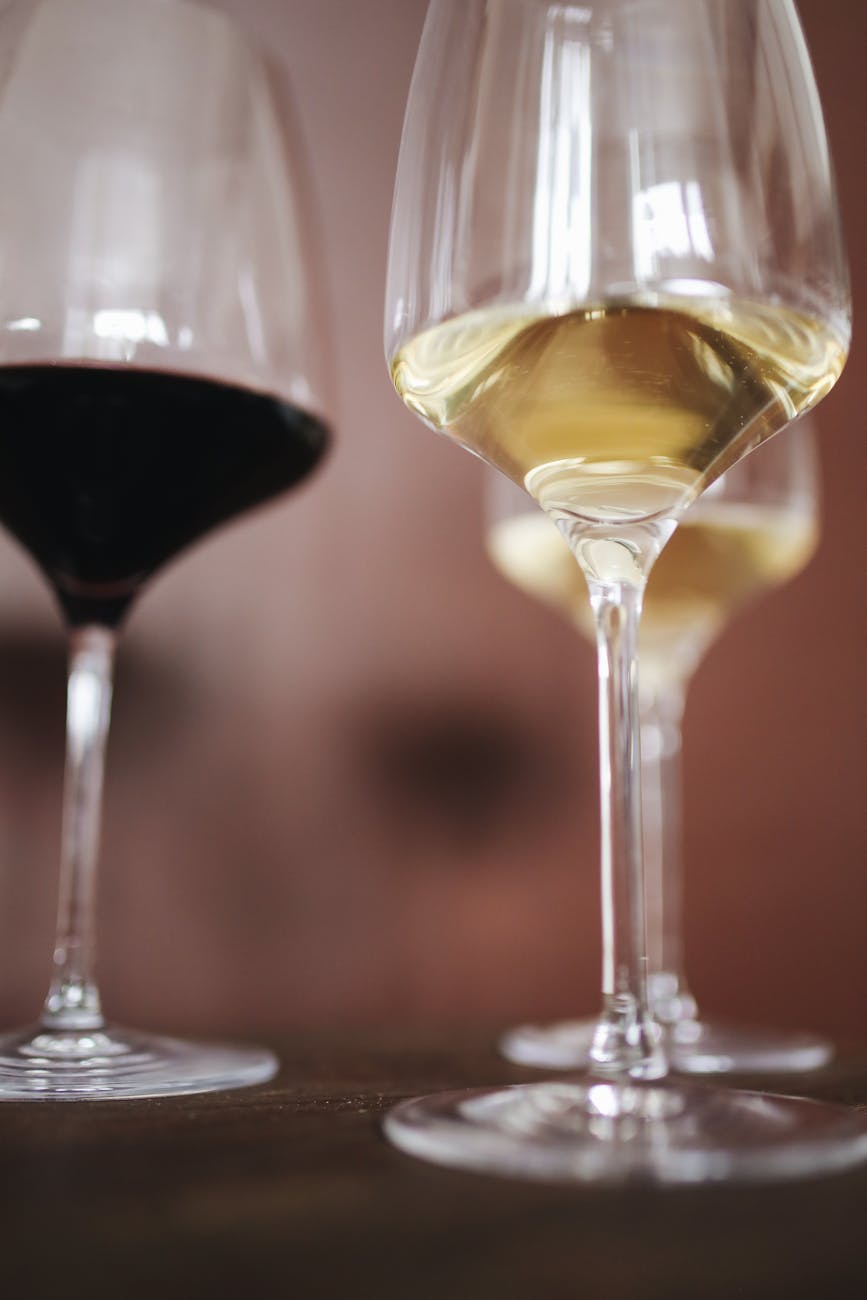
    Reintroducing Wine & Cocktails After Dry January.

    Dry January asks us to pause. Not just from drinking, but from routine. From habit. From the automatic pour at the end of the day. Whether you completed all thirty-one days or simply drank far less than usual, taking a break from alcohol is a meaningful act of self-awareness. It gives your body time to reset and your mind a chance to notice how alcohol fits into your life.

    As January comes to a close, many people are ready to welcome wine and cocktails back into social gatherings. The key is remembering that your tolerance has changed, and that change is a positive thing.

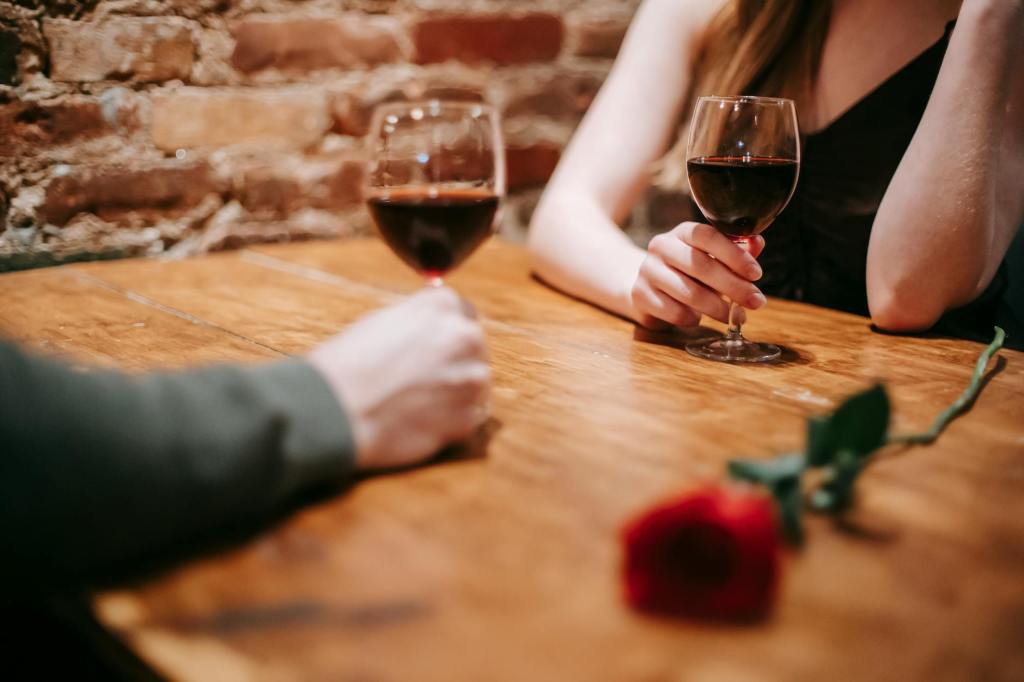
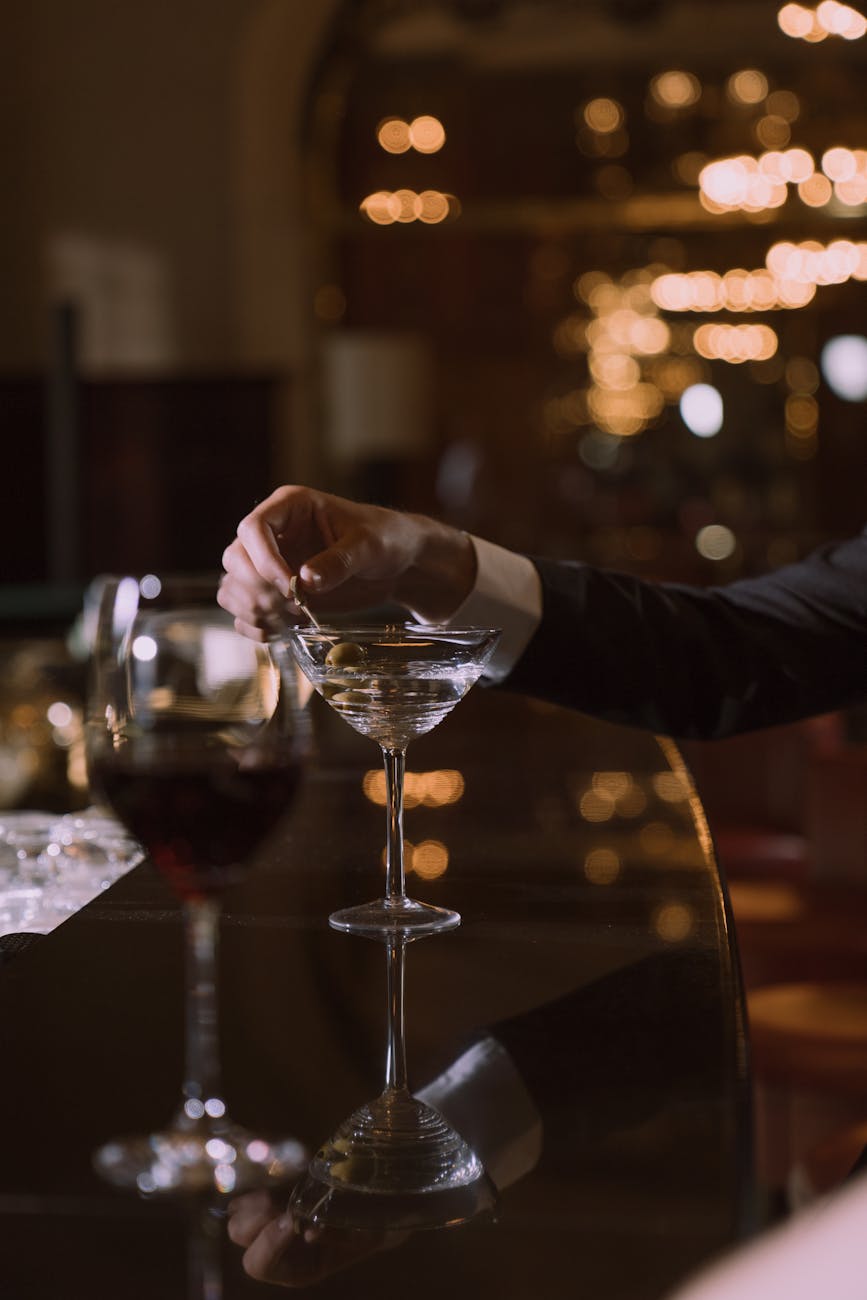
    Photo by cottonbro studio on Pexels.com

    What a Break Gives You

    Most people notice tangible benefits after a few weeks without alcohol. Better sleep. Clearer mornings. Improved focus. Less inflammation. There is also a subtler shift that matters just as much: a renewed sense of intention.

    When you step away, you realize how often drinking can be automatic rather than deliberate. Coming back with awareness allows wine and cocktails to return to their proper place, not as background noise, but as part of an experience.

    That awareness is something worth keeping.

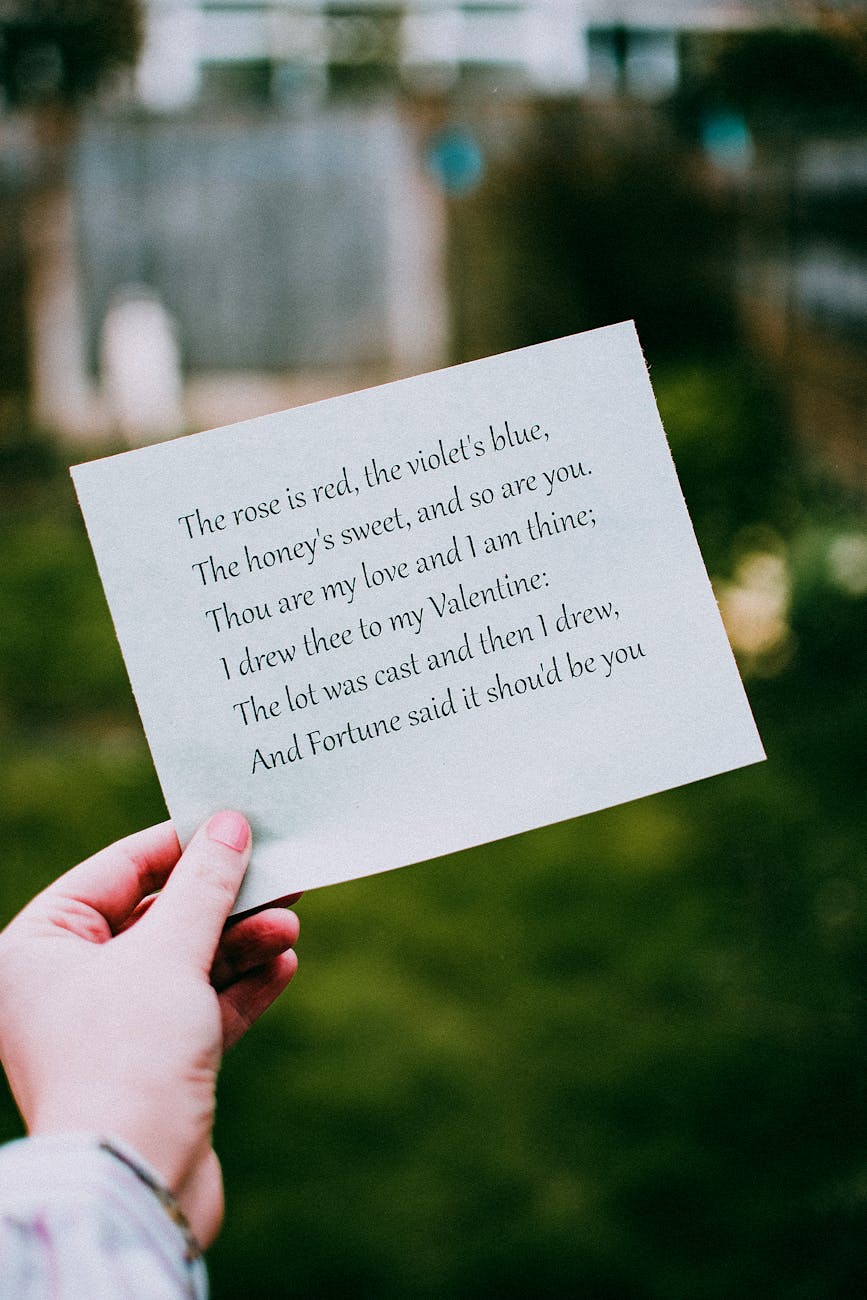
    Photo by cottonbro studio on Pexels.com

    Ease Back In

    After a month off, it takes fewer sips to feel the effects. That surprises people, and sometimes catches them off guard. The solution is simple and enjoyable.

    Pour a smaller glass. Sip more slowly. Drink water alongside your wine or cocktail. Focus on how the drink tastes rather than how quickly it disappears. One well-chosen glass often delivers more pleasure than several poured without thought.

    This approach does not diminish enjoyment. It heightens it.

    Let Flavor Lead

    With a refreshed palate, subtlety becomes more noticeable. This is a great time to lean toward wines and cocktails that emphasize balance and character over power.

    In wine, this might mean crisp whites, fresh sparkling wines, or reds that favor elegance and lift. In cocktails, it can mean lower-proof options, classic recipes made well, or spirit-forward drinks enjoyed slowly rather than aggressively.

    When flavor leads, moderation follows naturally.

    Responsibility Is Part of Hospitality

    Drinking responsibly is not a disclaimer. It is a cornerstone of good hospitality and good living.

    Knowing your limits, respecting how alcohol affects you now, and choosing when to stop are all signs of confidence, not restriction. Dry January does not end in February; its lessons carry forward into how and why you drink the rest of the year.

    Wine and spirits should enhance moments, not overwhelm them.

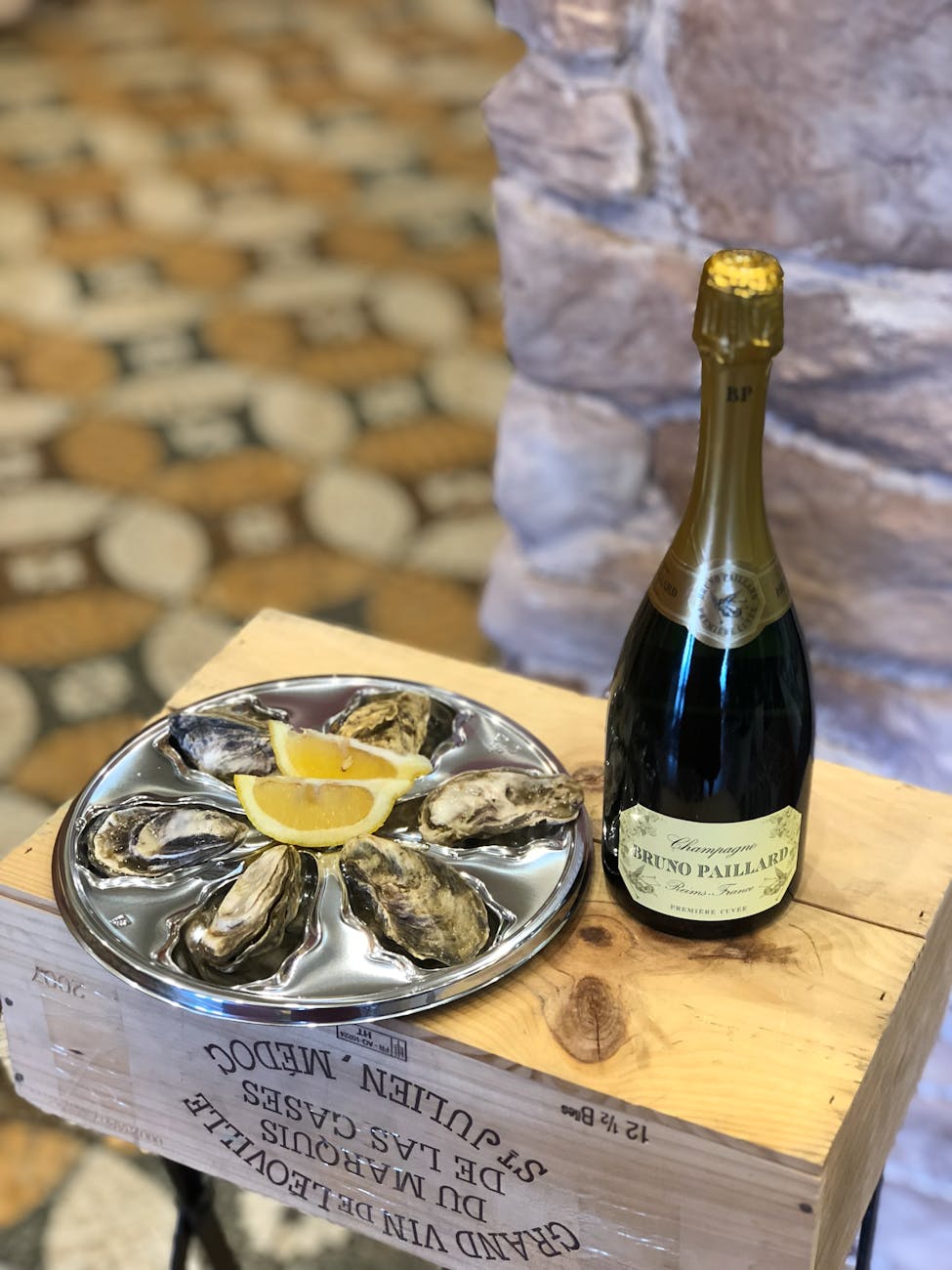
    Photo by Any Lane on Pexels.com

    Why Wine Still Matters

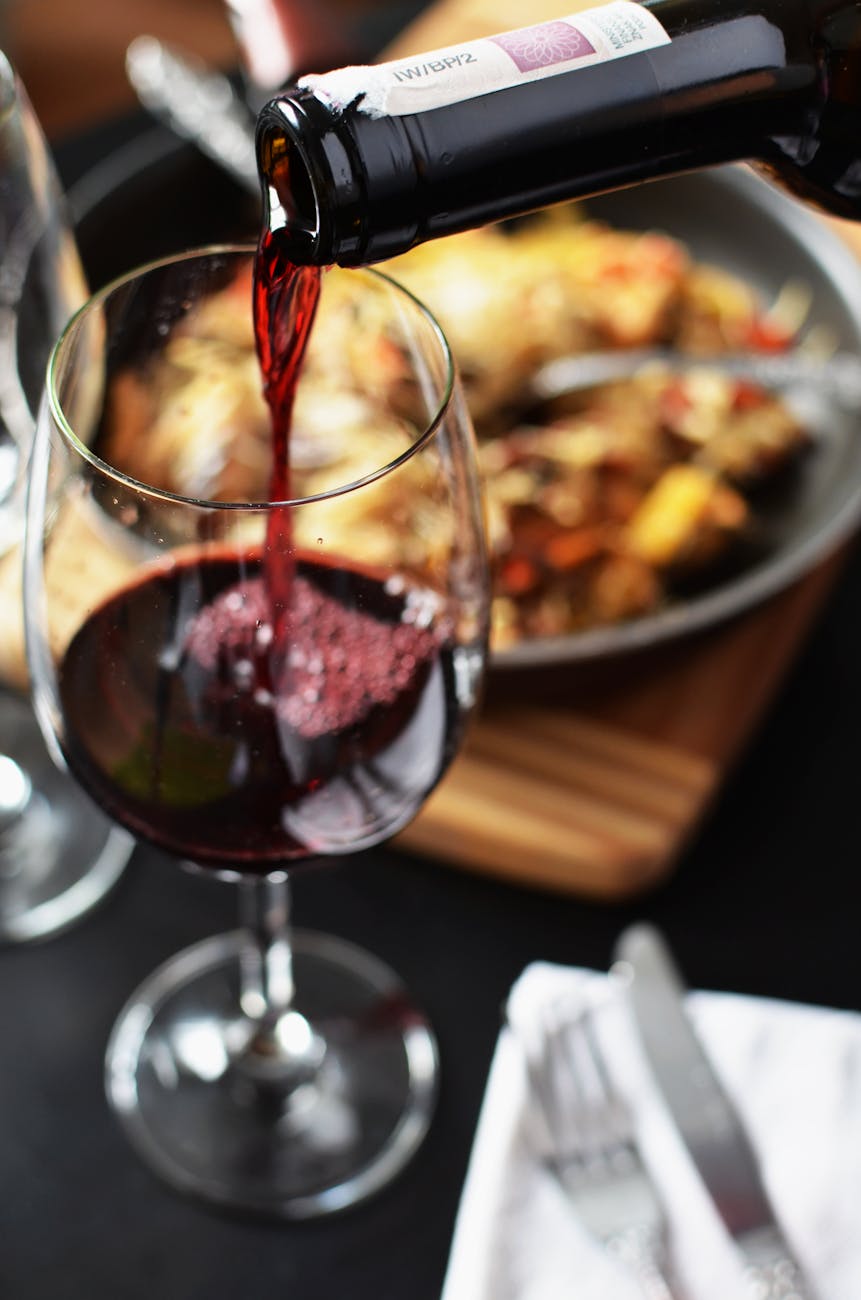
    Wine has always been more than what’s in the glass. It invites conversation. It encourages people to linger. It gives strangers something in common and friends something to share. In a world that feels increasingly divided, wine still brings people to the same table.

    A bottle opened with intention creates space for listening, laughter, and connection. Those moments matter.

    Cocktails and the Social Table

    Cocktails play a similar role. They mark occasions. They signal welcome. Even one thoughtfully prepared drink can change the energy of a gathering. The ritual of ice, glassware, and balance creates a shared experience before the first sip is taken.

    Cocktails work best when they are part of the evening, not the focus of it.

    A Thoughtful Return

    Reintroducing wine and spirits after Dry January is not about returning to old habits. It is about choosing new ones with clarity. Drink a little less. Enjoy a little more. Pay attention to how you feel. Share good bottles with good people.

    That balance is where wine and cocktails belong.

    And that is where they shine. Cheers 🍷

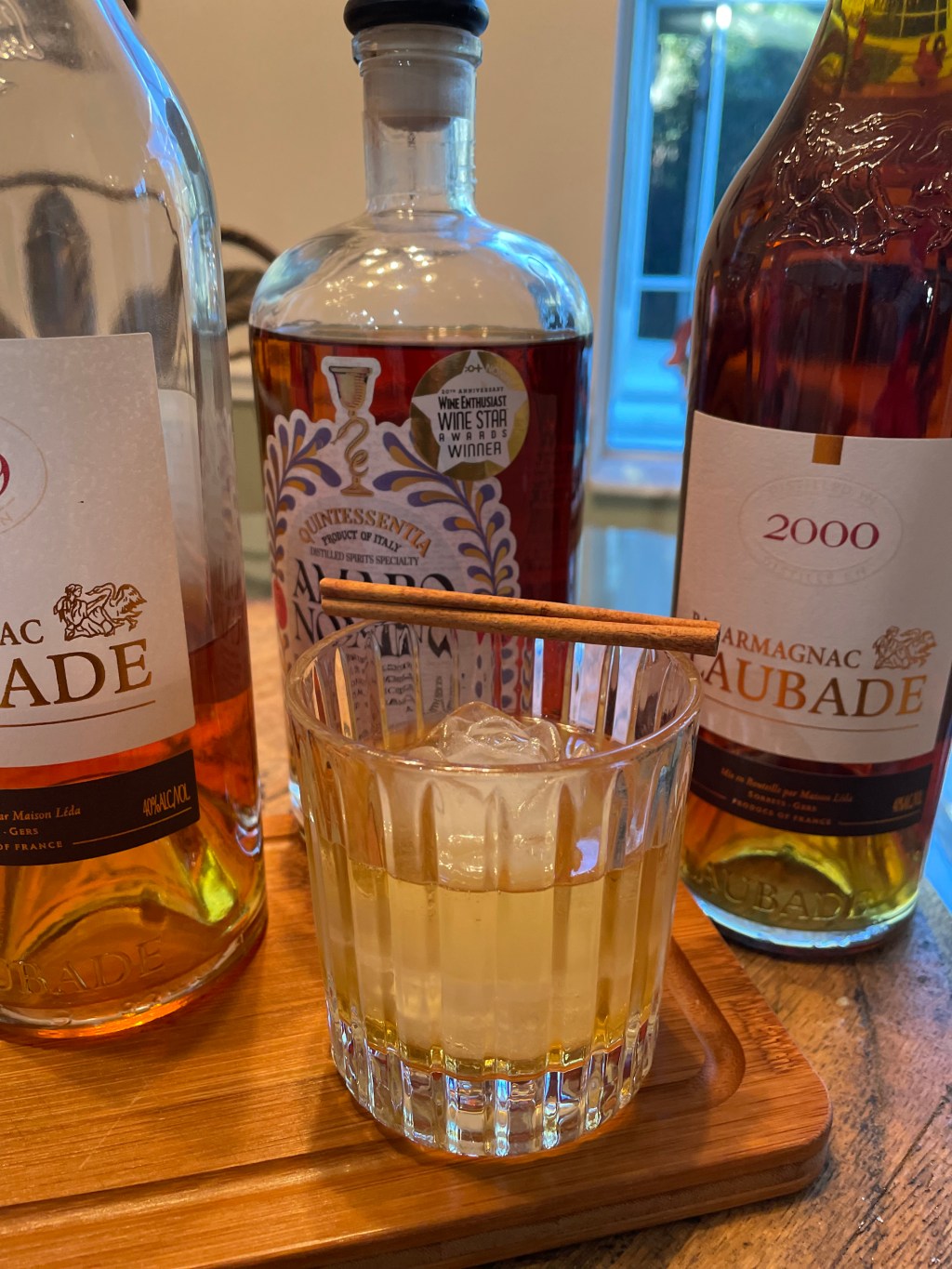
    Photo by MART PRODUCTION on Pexels.com

    Important Tip: Water Is the Quiet MVP

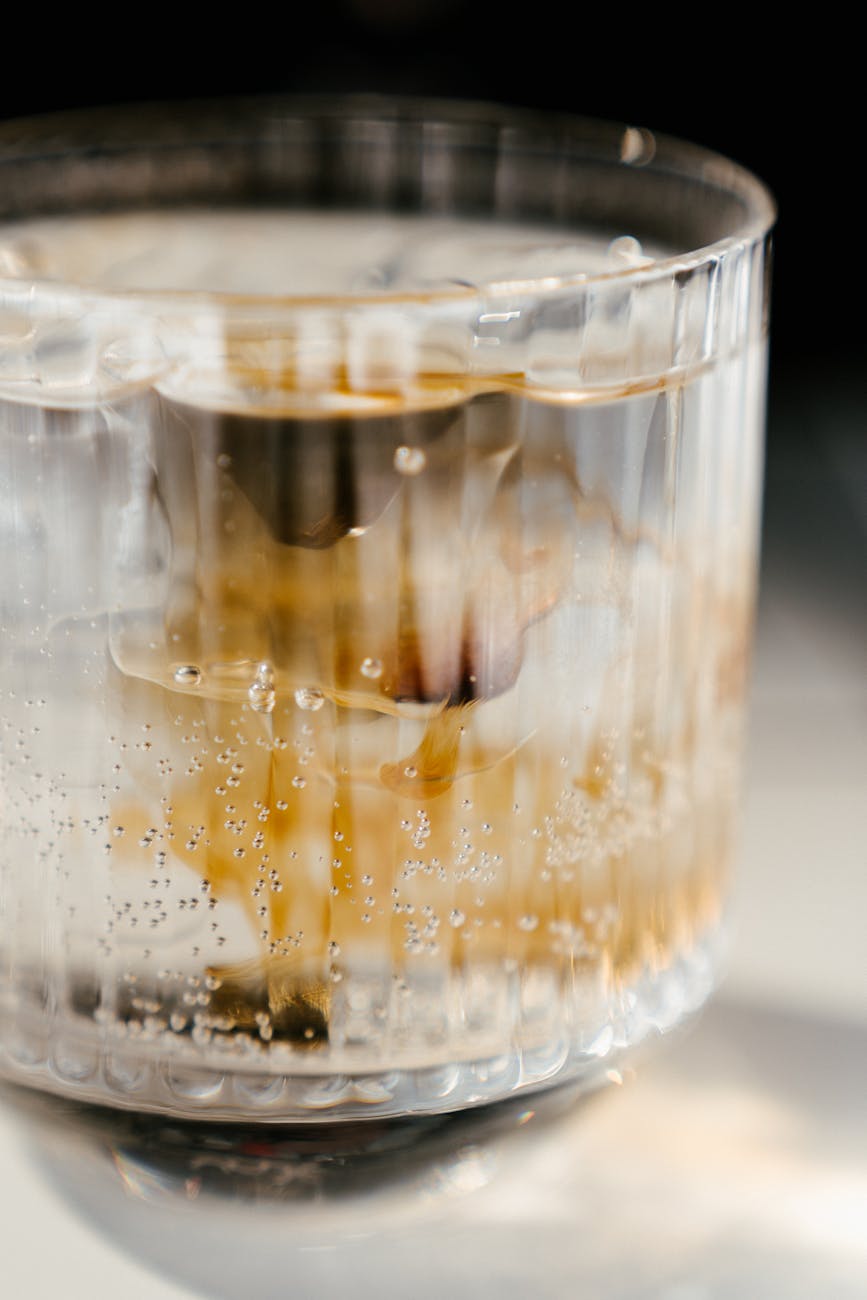
    One of the most valuable habits people carry forward after Dry January is drinking more water, and it remains just as important once wine and cocktails return. Alcohol is dehydrating by nature, and after a break, your body feels that effect more quickly.

    Drinking water alongside alcohol slows consumption, sharpens your awareness, and helps your body process what you are enjoying. It keeps your palate fresh, reduces fatigue, and supports better sleep later in the evening. From a social standpoint, it also extends the experience. You stay present longer, engage more clearly in conversation, and wake up the next morning without regret.

    A simple rule works well: one glass of water for every drink, enjoyed at your own pace. It is not a restriction. It is a form of care.

    Good hydration allows wine and cocktails to remain what they are meant to be: companions to connection, not competitors for attention.

    Cover Photo by Jayant Kulkarni on Pexels.com

  • Tawny vs. Ruby Port

    Tawny vs. Ruby Port

    Winter’s Warmest Debate (and How to Drink Them Both Like a Pro).

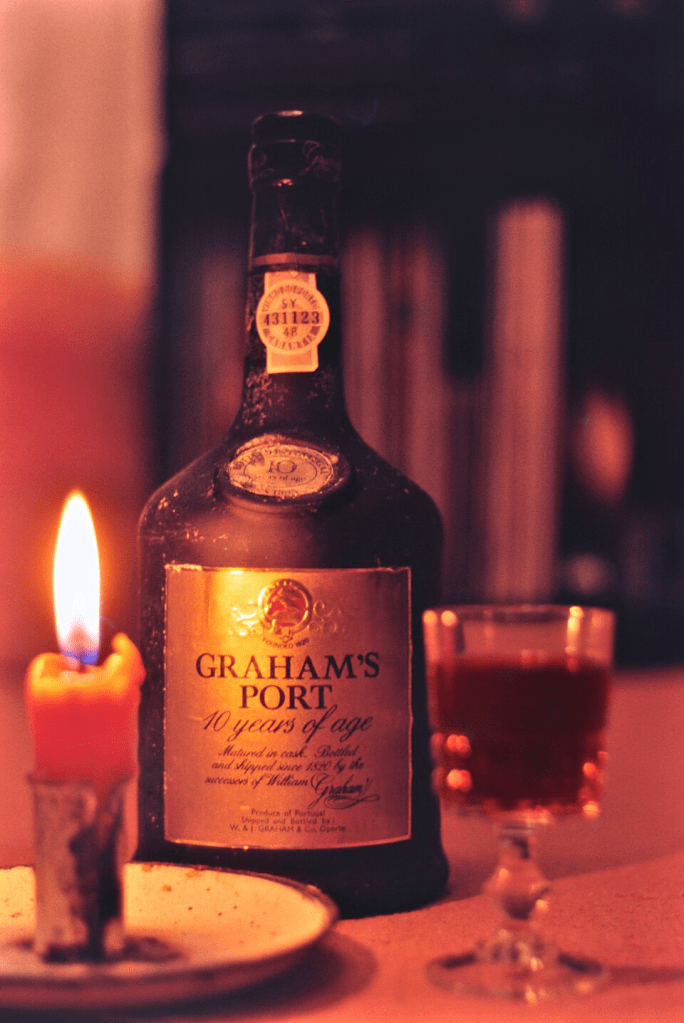
    When winter settles in and the thermostat drops a few degrees lower than comfort would prefer, fortified wines step confidently into the spotlight. They don’t whisper; they glow. And among them, Port is having another well-deserved moment. Again.

    But as bottles come off shelves and into glasses, one question reliably resurfaces fireside and at tasting tables alike:
    What’s the real difference between Ruby Port and Tawny Port—and how should I be enjoying each?

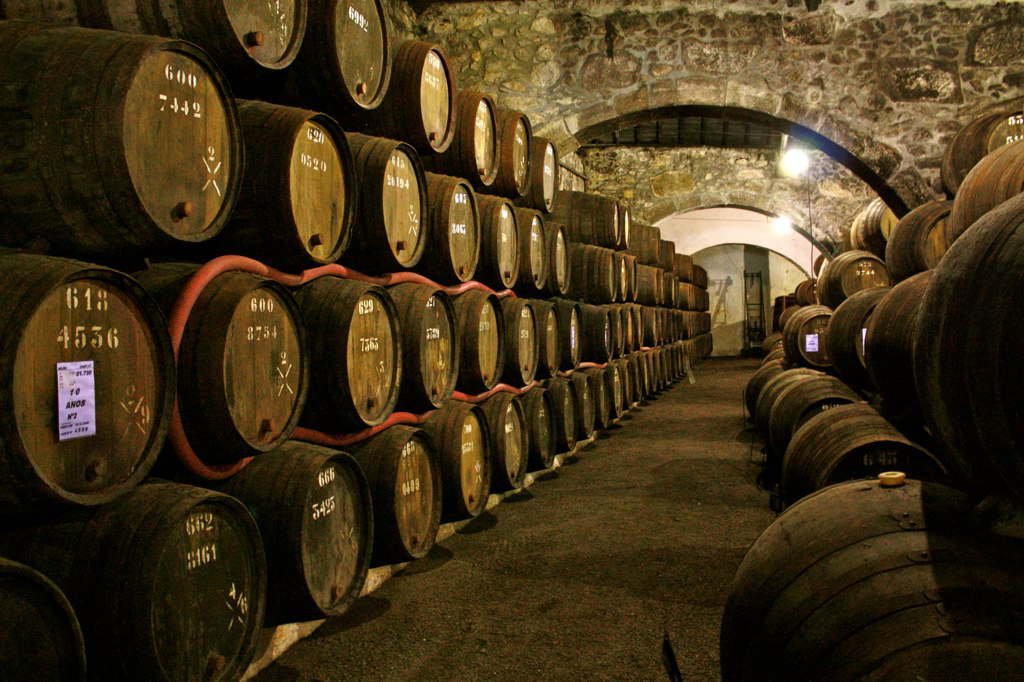
    Croft Port Wine Cellar – Ricardo Martins, CC BY 2.0, via Wikimedia Commons

    A Shared Origin, Two Very Different Journeys

    All true Port comes from Portugal’s Douro Valley and begins life much the same way:

    • Indigenous grapes
    • Fermentation halted early by the addition of grape spirit (aguardente)
    • Residual sugar preserved
    • Alcohol boosted to roughly 19–20%

    From there, aging choices—not grapes—define Ruby versus Tawny.

    Ruby Port: Youth, Power, and Primary Fruit

    Think: fireplace crackle, dark berries, and velvet curtains.

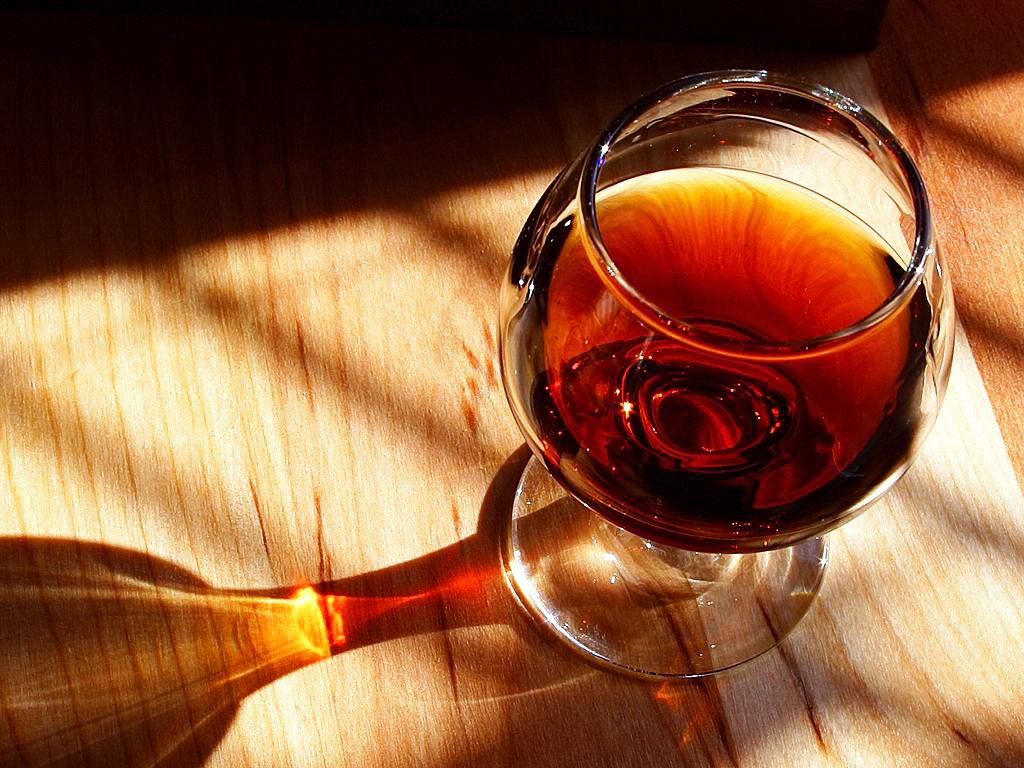
    Ruby Port is all about freshness and intensity. After fermentation, it’s aged briefly—usually 2–3 years—in large stainless steel tanks or concrete vats. These vessels limit oxygen exposure, preserving the wine’s deep color and fruit-forward personality.

    What’s in the glass?

    • Color: Deep ruby to purple-black
    • Aromas: Blackberry compote, black cherry, cassis, plum
    • Palate: Lush, sweet, bold, youthful
    • Finish: Rich, direct, fruit-driven

    Ruby Port is unapologetically exuberant. It doesn’t want to evolve quietly—it wants to perform.

    Best ways to enjoy Ruby Port

    • Slightly cool (60–65°F) to balance sweetness
    • In a classic Port glass or small wine glass
    • As a dessert wine or a decadent after-dinner sipper

    Ruby Port pairings (winter-approved)

    • Flourless chocolate cake
    • Dark chocolate truffles
    • Blue cheese (especially Stilton or Gorgonzola)
    • Chocolate-dipped dried figs
    • Black forest–style desserts

    Why it works: Sugar and fruit tame bitterness, while alcohol lifts richness off the palate.

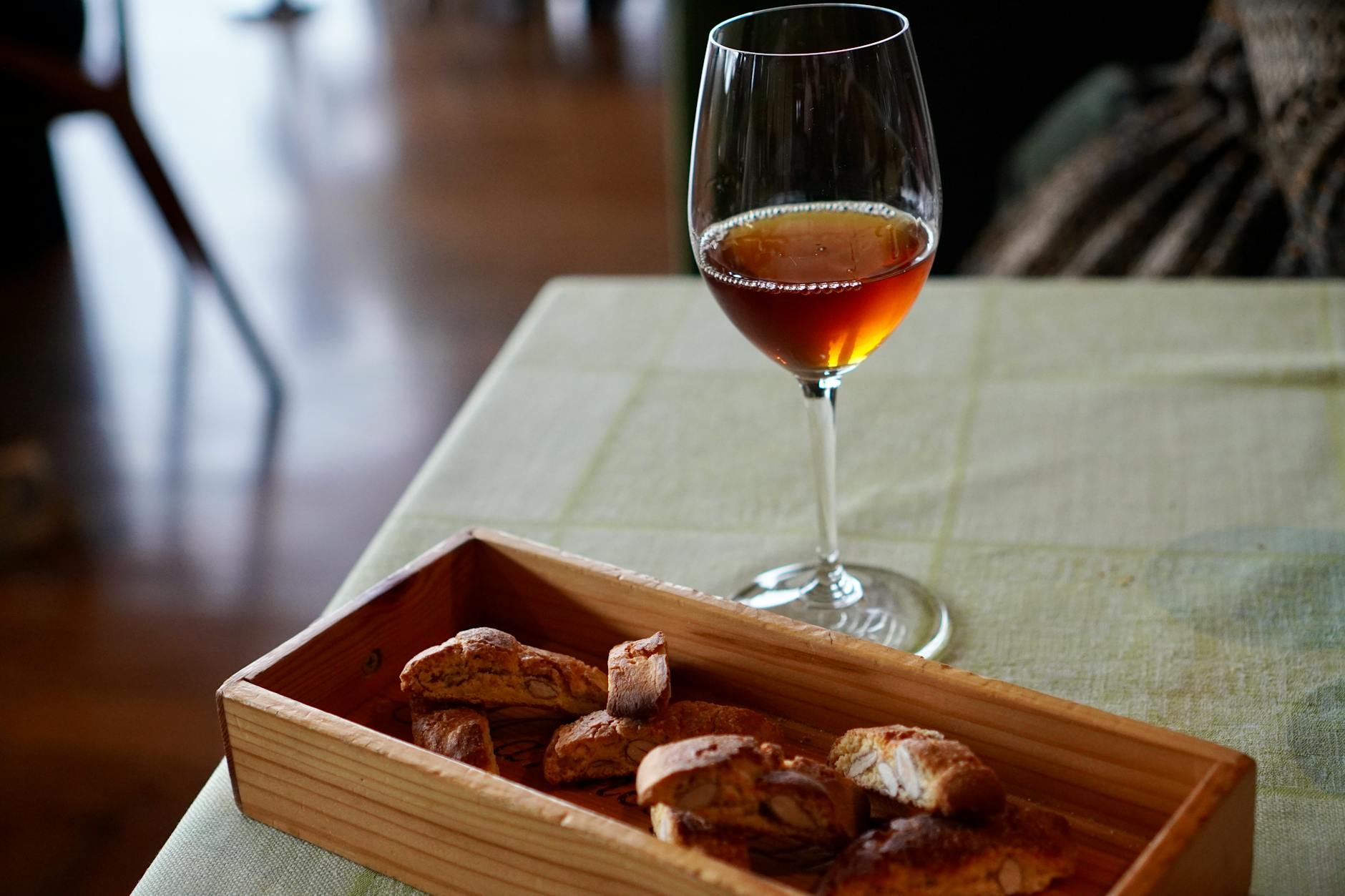
    Tawny Port – pedrik, CC BY 2.0, via Wikimedia Commons

    Tawny Port: Time, Oxidation, and Graceful Complexity

    Think: leather-bound books, toasted nuts, and candlelight.

    Tawny Port takes a slower, more contemplative path. It’s aged in small oak barrels, where gentle oxidation transforms both color and flavor. Over time, ruby hues fade to amber, mahogany, and tawny—hence the name.

    You’ll often see age indications: 10, 20, 30, or 40 Year Tawny. These aren’t exact ages, but stylistic averages representing increasing complexity.

    Related article: The Organoleptic Process

    What’s in the glass?

    • Color: Amber, copper, tawny
    • Aromas: Toasted almond, hazelnut, caramel, dried fig, orange peel
    • Palate: Silky, layered, less sweet-seeming
    • Finish: Long, nutty, contemplative

    Tawny Port doesn’t shout. It invites you closer.

    Best ways to enjoy Tawny Port

    • Lightly chilled (55–60°F)—especially higher-aged Tawny
    • In smaller pours; complexity rewards patience
    • As a standalone meditation wine or paired thoughtfully

    Tawny Port pairings (cold-weather classics)

    • Pecan pie or walnut tart
    • Crème brûlée
    • Aged cheeses (Comté, aged Gouda, Manchego)
    • Roasted nuts with rosemary
    • Apple or pear desserts with caramel

    Why it works: Oxidative notes mirror toasted, nutty flavors while acidity keeps sweetness in check.

    Ruby vs. Tawny: The Quick Take

    Ruby PortTawny Port
    Fruit-forwardNutty & oxidative
    Aged brieflyBarrel-aged for years
    Bold & youthfulElegant & complex
    Chocolate pairingsNut, caramel & cheese pairings
    Great in cocktailsExceptional chilled or neat

    Winter-Worthy Port Cocktails (Yes, Really)

    Port is a fortified wine—but don’t underestimate its versatility behind the bar. These cocktails are cozy, refined, and dangerously easy to love.

    The Winter Port Old Fashioned (Ruby)

    • 2 oz Ruby Port
    • ¼ oz bourbon or aged rum
    • 1 barspoon maple syrup
    • 2 dashes aromatic bitters

    Stir with ice, strain over a large cube.
    Garnish with an orange peel and brandied cherry.

    Ruby Port brings fruit and sweetness; the spirit adds structure without overpowering.

    Tawny Port Manhattan (Low-Proof Elegance)

    • 2 oz Tawny Port
    • 1 oz rye whiskey
    • 2 dashes orange bitters

    Stir with ice, strain into a coupe.
    Garnish with expressed orange peel.

    Tawny’s nutty oxidation mimics aged vermouth, making this cocktail plush yet balanced.

    Photo by TomBen on Pexels.com

    Which Port Should You Choose?

    • Choose Ruby Port when you want bold fruit, indulgent desserts, or a cocktail-friendly fortified wine.
    • Choose Tawny Port when you crave nuance, quiet warmth, and something that feels like winter slowing down.

    Better yet—keep both on hand. Winter is long, evenings are cold, and Port was designed for exactly this moment 😉

    To warming what’s inside while the season cools what’s out. May your glass be small, your Port be generous, and winter feel just a little shorter. 🍷

    Gregory Dean, SOMM&SOMM

    Cover photo credit: Jon Sullivan, Public domain, via Wikimedia Commons

  • The 12 Wines of Christmas

    The 12 Wines of Christmas

    A Guide to Sipping Through the Season.

    The air is crisp, the carols are floating through grocery store speakers with unmistakable cheer, and your inner wine geek is itching for a holiday-themed deep dive. And right in the heart of December, there’s no better time to revisit one of the season’s most enduring traditions: The Twelve Days of Christmas.

    But where did this curious list of gifts—from partridges to leaping lords—actually come from? And how did it inspire our very own 12 Wines of Christmas, a tasting journey designed to guide your holiday sips from the first day straight through Epiphany?

    These traditions get mixed up like holiday ribbons, so let’s untangle them.

    Photo by Douglas Mendes on Pexels.com

    Where Did the 12 Days of Christmas Come From?

    Long before it was a catchy (and increasingly absurd) carol, The Twelve Days of Christmas was a meaningful Christian observance marking the timeframe between the birth of Christ (December 25th) and the arrival of the Magi (January 6th).

    These were days of celebration—feasts, merriment, reflection, and in some regions, gift-giving. The number twelve wasn’t random; it symbolized completeness, renewal, and spiritual wholeness. Each day carried its own significance, depending on cultural and religious tradition, and it all culminated with Epiphany, often considered the true finale of the holiday season.

    The song itself?
    It first appeared in print in England in 1780 as part of a children’s memory-and-forfeit game. No music. Just a chant-like verse meant to test how well you could recall the list in order. Over time, composers set it to the tune we know today—building a festive crescendo of gifts that get stranger and more lavish with each passing day.

    Photo by Pavel Danilyuk on Pexels.com

    12 Days of Christmas vs. the Advent Calendar

    Before we pour ahead, let’s clear up a classic Christmas confusion.

    Advent is the period before Christmas—a countdown of preparation, beginning on the fourth Sunday before December 25th. Advent calendars, whether filled with chocolates, toys, skincare samples, or tiny bottles of spirits (a favorite around here), are meant to help you anticipate the big day.

    The 12 Days of Christmas, on the other hand, begin on Christmas Day. It’s not a countdown. It’s a celebration.

    Think of Advent as the slow build-up…
    …and the Twelve Days as the extended after-party.

    Photo by Vladimir Konoplev on Pexels.com

    Introducing the 12 Wines of Christmas

    A Sommelier’s Day-by-Day Guide to Sipping Through the Season

    🎁 Day 1 (Dec 25) – A Partridge in a Pear Tree

    Wine: Vouvray Demi-Sec (Chenin Blanc)
    Why: Orchard fruit, honey, and that holiday-friendly acidity.
    Optional Cocktail: Pear French 75 – gin, lemon, pear liqueur, topped with sparkling Vouvray.

    🎁 Day 2 – Two Turtle Doves

    Wine: Côtes du Rhône Rouge
    Why: A blend built on harmony—two grapes (Grenache + Syrah) leading the dance.
    Optional Cocktail: Winter Kir Royale with crème de cassis and Rhône rosé bubbles.

    🎁 Day 3 – Three French Hens

    Wine: Beaujolais Cru (Morgon or Moulin-à-Vent)
    Why: French, festive, and an ideal pairing for leftover turkey sandwiches.

    🎁 Day 4 – Four Calling Birds

    Wine: Oaked Chardonnay from Sonoma or Burgundy
    Why: A nod to the “calling”—big flavors, toasty oak, buttered brioche vibes.
    Optional Cocktail: Chardonnay Hot Toddy (trust me, it works—gentle heat + spice).

    Chardonnay Hot Toddy

    • 4 oz lightly oaked Chardonnay (Sonoma Coast, Mâconnais, or similar)
    • ½ oz honey syrup (1:1 honey + water)
    • ½ oz fresh lemon juice
    • 1 cinnamon stick
    • 1 clove
    • Thin lemon wheel

    Instructions

    1. Warm the Chardonnay on low heat with the cinnamon stick and clove—do not boil.
    2. Remove from heat and stir in honey syrup and lemon juice.
    3. Pour into a heatproof mug.
    4. Garnish with a lemon wheel and the cinnamon stick.

    Flavor Profile: Gentle spice, soft oak, plush citrus, and comforting warmth.

    🎁 Day 5 – Five Golden Rings

    Wine: Champagne
    Why: Golden bubbles for the most iconic line in the song.
    Optional Cocktail: Gold Rush Royale – bourbon, lemon, honey, topped with brut Champagne.

    Gold Rush Royale

    • 1 oz bourbon
    • ¾ oz fresh lemon juice
    • ¾ oz honey syrup
    • 3 oz brut Champagne (or dry sparkling wine)
    • Lemon twist for garnish

    Instructions

    1. Shake bourbon, lemon juice, and honey syrup with ice.
    2. Strain into a chilled coupe.
    3. Top with Champagne.
    4. Express a lemon twist over the glass and drop it in.

    Flavor Profile: Bright, honeyed, gently herbal, and celebration-ready.

    🎁 Day 6 – Six Geese a-Laying

    Wine: Gewürztraminer
    Why: A playful nod to the aromas—rose, lychee, spice—perfect with rich holiday brunches.

    🎁 Day 7 – Seven Swans a-Swimming

    Wine: Albariño
    Why: Aquatic theme + saline, refreshing acidity = a perfect mid-festivity reset.

    🎁 Day 8 – Eight Maids a-Milking

    Wine: Cream Sherry (Amontillado or Medium)
    Why: Nutty, silky, slightly creamy—holiday perfection.
    Optional Cocktail: Sherry Flip – elegant, old-school, and oh-so-seasonal.

    🎁 Day 9 – Nine Ladies Dancing

    Wine: Lambrusco (Dry)
    Why: Effervescence + vibrant fruit = a wine that practically twirls in your glass.

    🎁 Day 10 – Ten Lords a-Leaping

    Wine: Brunello di Montalcino
    Why: Structured, noble, full of energy—this wine leaps with aristocratic swagger.

    🎁 Day 11 – Eleven Pipers Piping

    Wine: Islay Scotch-Cask Finished Red Wine (or simply: enjoy the Scotch!)
    Why: Smoky, spicy, bold—perfect for the pipers’ dramatic flair.
    Optional Cocktail: Smoked New York Sour – red wine float + peated whisky.

    Smoked New York Sour

    • 2 oz peated Scotch (lightly peated works best)
    • 1 oz fresh lemon juice
    • ¾ oz simple syrup
    • ½ oz dry red wine (Malbec or Syrah works beautifully)
    • Lemon peel

    Instructions

    1. Shake Scotch, lemon juice, and simple syrup with ice.
    2. Strain into a rocks glass over fresh ice.
    3. Gently float the red wine over the back of a spoon.
    4. Garnish with lemon peel.

    Flavor Profile: Smoky, tart, layered, and visually stunning.

    🎁 Day 12 – Twelve Drummers Drumming

    Wine: Port (Vintage or LBV)
    Why: Big, bold, booming flavor—an appropriate finale to the holiday symphony.
    Optional Cocktail: Ruby Port Espresso Martini – a surprisingly spectacular twist.

    Ruby Port Espresso Martini

    • 1 oz Ruby Port
    • 1 oz vodka
    • 1 oz fresh espresso (or cold brew concentrate)
    • ½ oz coffee liqueur
    • Optional: ¼ oz simple syrup for sweetness
    • Coffee beans for garnish

    Instructions

    1. Shake all liquid ingredients vigorously with ice.
    2. Strain into a chilled martini glass.
    3. Garnish with three coffee beans.

    Flavor Profile: Balanced between fruity and roasty, with a velvety richness

    Photo by Nadin Sh on Pexels.com

    A Festive Finale

    As the last notes of the carol fade and the final drops in each glass give way to a new year, the 12 Wines of Christmas remind us that the joy of the season isn’t found in extravagance—it’s found in the small, thoughtful rituals we savor along the way.

    Whether you follow the list sip by sip, swap in your own favorites, or shake up a festive cocktail instead, each day offers a moment to pause, celebrate, and connect.

    Here’s to raising a glass to tradition, to curiosity, and to the simple magic that happens when wine, story, and season all come together.

    May your holidays be bright, your cellar well-stocked, and your spirit joyfully lifted—one delicious day at a time. Cheers 🍷

    Cover Photo by Arjunn. la on Pexels.com

  • Trendy Cocktails: Hot Buttered Rum

    Trendy Cocktails: Hot Buttered Rum

    A Fireside Hug in a Mug.

    There’s a very specific moment each December when the cold doesn’t just feel chilly—it feels personal. Your fingertips sting, your breath turns into its own winter cloud, and suddenly every Christmas carol feels like it’s judging you for not wearing thicker socks. And it’s right in that moment—somewhere between “Let It Snow” and “Baby, It’s Cold Outside”—that the universe gently whispers: Hot Buttered Rum.

    Hot Buttered Rum – Jill Robidoux from beantown, CC BY 2.0

    This is the winter cocktail that doesn’t just warm your bones; it warms your feelings. It’s the culinary equivalent of pulling a wool blanket straight from the dryer and wrapping yourself in it like a smug burrito. Rich, spicy, sweet, buttery, and unapologetically cozy, Hot Buttered Rum has been soothing cold souls since the colonial era. But like all great classics—it benefits from a modern sommelier’s polish.

    Let’s stir up a little history, a little lore, a touch of swagger, and a very delicious twist.

    The Story of Hot Buttered Rum

    Hot Buttered Rum sits in the family of early American tavern drinks—alongside flips, nogs, and punches—that were created in a time when central heating wasn’t a thing, snow boots were made of questionable leather, and drinking something warm was a matter of survival, not indulgence.

    The drink’s rise can be traced to the triangular trade of the 1600s and 1700s, when New England ports were flooded with molasses and rum. Colonists quickly learned:

    1. Rum warms you up.
    2. Butter makes everything taste better.
    3. Spices make it feel festive rather than reckless.

    By the early 1800s, Hot Buttered Rum had become a winter staple—especially around Christmas. Lore suggests it was the unofficial beverage for colonial holiday gatherings, the chosen companion for hearthside storytelling, and the inspiration for more than a few questionable caroling decisions.

    Today, it remains a rich, nostalgic winter classic… though often made in massive batches or with pre-made “batter.” But you’re a sommelier-level drinker. You’re not scooping butter from a Tupperware. We’re elevating.

    Classic at Heart, Thoughtful in Execution

    Our version of Hot Buttered Rum doesn’t reinvent the wheel—it simply gives it a smoother ride. The foundation remains exactly as history intended: aged rum, butter, brown sugar, spice, and hot water. The only flourish is a barely perceptible pinch of cardamom, chosen not to modernize the drink, but to clarify it.

    Cardamon – Photo by Kim van Vuuren on Pexels.com

    Cardamom was traded alongside cinnamon and nutmeg during the same colonial spice routes that made Hot Buttered Rum possible in the first place. Its inclusion feels less like a twist and more like a long-overdue handshake with history. Softly citrusy, gently floral, and warming without heat, it brightens the butter and rum rather than competing with them.

    Subtle, intentional, and respectful of tradition.

    Classic Hot Buttered Rum (with a Gentle Spice Twist)

    • 2 oz aged dark rum (Demerara or rich Caribbean style preferred)
    • 1 tsp unsalted butter, softened
    • 1–2 tsp brown sugar (to taste)
    • 1 pinch ground cinnamon
    • 1 pinch freshly grated nutmeg
    • 1 very small pinch ground cardamom (the twist)
    • 4–5 oz hot water
    • Cinnamon stick or grated nutmeg, for garnish

    Instructions

    1. Warm the Mug
      Fill with hot water, swirl, and discard. (Your drink deserves a warm home.)
    2. Build the Base
      Add butter, brown sugar, cinnamon, nutmeg, and cardamom to the mug.
    3. Add the Rum
      Pour in the rum and stir until the butter melts and the sugar dissolves into a silky, fragrant base.
    4. Finish with Heat
      Top with hot water and stir gently to bring everything together.
    5. Garnish & Enjoy
      Finish with a cinnamon stick or a light dusting of nutmeg. Sip slowly.

    A Note on Rum Selection (Why It Matters Here)

    Without fruit liqueurs or additional sweetness, the rum takes center stage—and that’s exactly how this cocktail wants it.

    Look for:

    • Demerara rum for deep molasses, baking spice, and weight
    • Jamaican rum for a touch of funk and complexity
    • Aged Caribbean blends that lean round and rich rather than hot or sharp

    Avoid overly light or spiced rums—this drink already has enough character.

    This isn’t a reinvention of Hot Buttered Rum—it’s a reminder of why the original became a winter classic in the first place.

    Photo by Ioana Motoc on Pexels.com

    Pairings Built for Butter, Spice, and Rum

    With the cocktail firmly rooted in classic flavors, the food pairings follow suit—comforting, nostalgic, and holiday-driven.

    Ideal Pairings

    Gingerbread, molasses cookies, or spice cake
    The cardamom subtly enhances the baking spices without overpowering them.

    Shortbread or butter cookies
    Lean into the richness—sometimes simplicity wins.

    Aged cheddar, Comté, or Gruyère
    Sweet, salty, and nutty flavors play beautifully with the rum and butter.

    Roasted chestnuts or spiced nuts
    Echo the warmth of the drink while keeping things savory.

    Apple crisp or bread pudding
    Classic winter desserts that feel tailor-made for a warm rum cocktail.

    Moments Made for a Hot Buttered Rum

    • When the lights on the Christmas tree finally all work on the first try (or you simply stop caring).
    • After a long day holiday shopping when your feet (or fingers if you are a cybershopper) are waging a silent protest.
    • While wrapping gifts at midnight and pretending the tape isn’t actively hiding from you.
    • During your annual viewing of A Christmas Carol, making you emotionally overinvest in the Cratchit family.
    • On the porch during the rare, magical moment when it actually snows in the South (or Florida’s version: the temperature hits 52°).
    • Around the firepit with friends, where the drink becomes an unspoken agreement to linger a little longer.

    Hot Buttered Rum isn’t a cocktail—it’s a seasonal ritual. A warm, nostalgic reminder that the most wonderful time of the year deserves something richer than eggnog and more comforting than cocoa.

    Photo by u0415u0432u0433u0435u043du0438u0439 u0428u0443u0445u043cu0430u043d on Pexels.com

    So here’s to December nights, wool blankets, glowing trees, and the kind of cocktails that make even the chilliest season feel welcoming. May your rum be bold, your spices fragrant, and your spirits—holiday and otherwise—rise with every sip. Here’s to laughter that crackles like a fireplace, memories stirred gently in a warm mug, and the simple joy of savoring the season one comforting sip at a time.

    Cheers to warmth, wonder, and Hot Buttered Rum.

    Cover Photo by lil artsy on Pexels.com
  • Trendy Cocktails: Apple Cider Whiskey Sour

    Trendy Cocktails: Apple Cider Whiskey Sour

    Autumn’s Perfect Pour.

    There’s something inherently comforting about autumn—the way the air sharpens, the evenings stretch a little longer, and the familiar scent of cinnamon, baked apples, and bonfire smoke begins to hang in the air. In the cocktail world, that shift in season invites us to rethink our staples—trading mint for spice, citrus for orchard fruit, and effervescence for warmth.

    Enter the Apple Cider Whiskey Sour—a modern twist on one of the oldest and most beloved cocktails in the canon.

    The Evolution of the Whiskey Sour

    The Whiskey Sour has been quenching thirsts and warming spirits since the mid-1800s. Its origins trace to sailors who blended citrus juice with spirits to stave off scurvy (and perhaps boredom) on long voyages. Eventually, bartenders refined the ratio of spirit, sugar, and acid into a formula so balanced it became a cornerstone of cocktail craftsmanship:
    2 parts spirit, 1 part sour, 1 part sweet.

    Our autumn adaptation doesn’t stray far from that golden ratio. Instead, it leans into the season, replacing part of the sweetness with fresh apple cider, a nod to harvest festivals, hayrides, and the comforting rhythm of fall.

    Photo by Sharefaith on Pexels.com

    The Art of the Twist

    The genius of a twist lies in evolution, not reinvention. You don’t abandon the foundation; you reinterpret it through a seasonal lens.

    In this version, apple cider adds more than sweetness—it adds texture and nuance. Its natural tannins echo those found in whiskey, creating harmony in every sip. A dash of Angostura bitters introduces a whisper of baking spice, enhancing the cider’s character while grounding the citrus brightness.

    Photo by Pixabay on Pexels.com

    Then there’s the garnish—a simple apple slice and cinnamon stick. It’s not just aesthetic; the cinnamon subtly infuses the drink as you sip, while the apple adds an aromatic cue that primes your palate for what’s to come.

    Photo by Kathrine Birch on Pexels.com

    The Science of Balance

    Behind every great cocktail lies a lesson in chemistry. The lemon juice provides the acid backbone—cutting through the cider’s sweetness and brightening the whiskey’s depth. The simple syrup rounds out the sharp edges, acting as the bridge between citrus and spirit.

    Choosing your whiskey determines the drink’s personality:

    • Bourbon brings caramel, vanilla, and a touch of sweetness.
    • Rye whiskey offers peppery spice and dry structure, elevating the drink with a little extra bite.

    A shaker of ice transforms this balanced mix into a symphony—chilling, aerating, and diluting just enough to let every note sing.

    Recipe Recap

    Apple Cider Whiskey Sour

    By Gregory & Tammy Dean, SOMM&SOMM
    From Sips & Stories: Twists on the Classics (Vol. I)


    (Yield: 1 cocktail)

    Ingredients

    • 2 oz whiskey (bourbon or rye)
    • 1 oz fresh lemon juice
    • 1 oz apple cider
    • ½ oz simple syrup (adjust to taste)
    • Dash of Angostura bitters (optional)
    • Apple slice and cinnamon stick (for garnish)
    1. Chill your glass. (Rocks or coupe—your choice.)
    2. Shake whiskey, lemon juice, cider, syrup, and bitters over ice for 15–20 seconds.
    3. Strain into your glass, neat or over ice.
    4. Garnish with an apple slice and cinnamon stick.

    Sip, savor, repeat.

    The Sensory Experience

    Take a moment before your first sip. Inhale the aroma—the citrus sparkle, the baked-apple warmth, the earthy wood of whiskey and spice. Then taste: a bright entry of lemon gives way to a rich, rounded mid-palate of apple and oak, finishing with a clean, dry whisper of cinnamon.

    This is a cocktail that evolves as it sits. The cinnamon garnish slowly releases its oils; the ice gently softens the acidity. Each sip becomes a slightly new expression of the season.

    Pairing Suggestions

    We often tell our readers that the Apple Cider Whiskey Sour is both a drink and a mood—but if you want to pair it, think rustic, autumnal, and cozy:

    • Food: roasted pork tenderloin with apples, maple-glazed carrots, or aged cheddar.
    • Cheese board: sharp white cheddar, smoked gouda, and a few candied pecans.
    • Dessert: apple crumble, spice cake, or a bourbon pecan pie (yes, please!).
    Photo by Regina Ferraz on Pexels.com

    It also plays beautifully with casual bites during a fall gathering—think caramel popcorn, roasted nuts, or applewood-smoked sausage.

    The Story Behind the Sip

    This cocktail started as a tribute to Tammy’s two great autumn loves—bourbon and apple cider. She’s a true Bourbon Girl, and when the first hint of fall hits, she dives headfirst into cider season like it’s a competitive sport. One evening, watching her savor a glass of bourbon while talking about the perfect cider blend, I had an idea: why not bring her favorites together in one glass?

    The result was the Apple Cider Whiskey Sour—bright, rich, and perfectly balanced, just like her. From that first shake and pour, I knew it would become our go-to signal that autumn had officially arrived. Now, every fall, I make the first round while she grabs the blanket and picks the movie. Some traditions just taste too good to change.

    The Season in a Glass

    The Apple Cider Whiskey Sour is more than a drink—it’s the intersection of tradition and creativity. It captures what makes cocktail culture timeless: the ability to tell new stories using familiar ingredients.

    In every sip, there’s a hint of nostalgia, a dash of innovation, and a celebration of balance—the same philosophy that inspires our entire Sips & Stories series.

    So as the nights cool and the cider flows, raise your glass.
    Here’s to tradition with a twist.
    Here’s to stories worth sipping.

    Cheers 🥃

  • Game Day Pairings

    Game Day Pairings

    Wine & Cocktails for the Armchair Quarterback.

    There’s something magical about football season. Whether it’s college Saturdays or NFL Sundays, friends and family gather around the big screen, jersey-clad and hungry, ready to cheer (and sometimes yell) at the TV. Beer has long been the default game-day drink of choice — frosty lagers with wings, hoppy IPAs with pizza, and maybe a stout with chili.

    Photo by Vitaly Gariev on Pexels.com
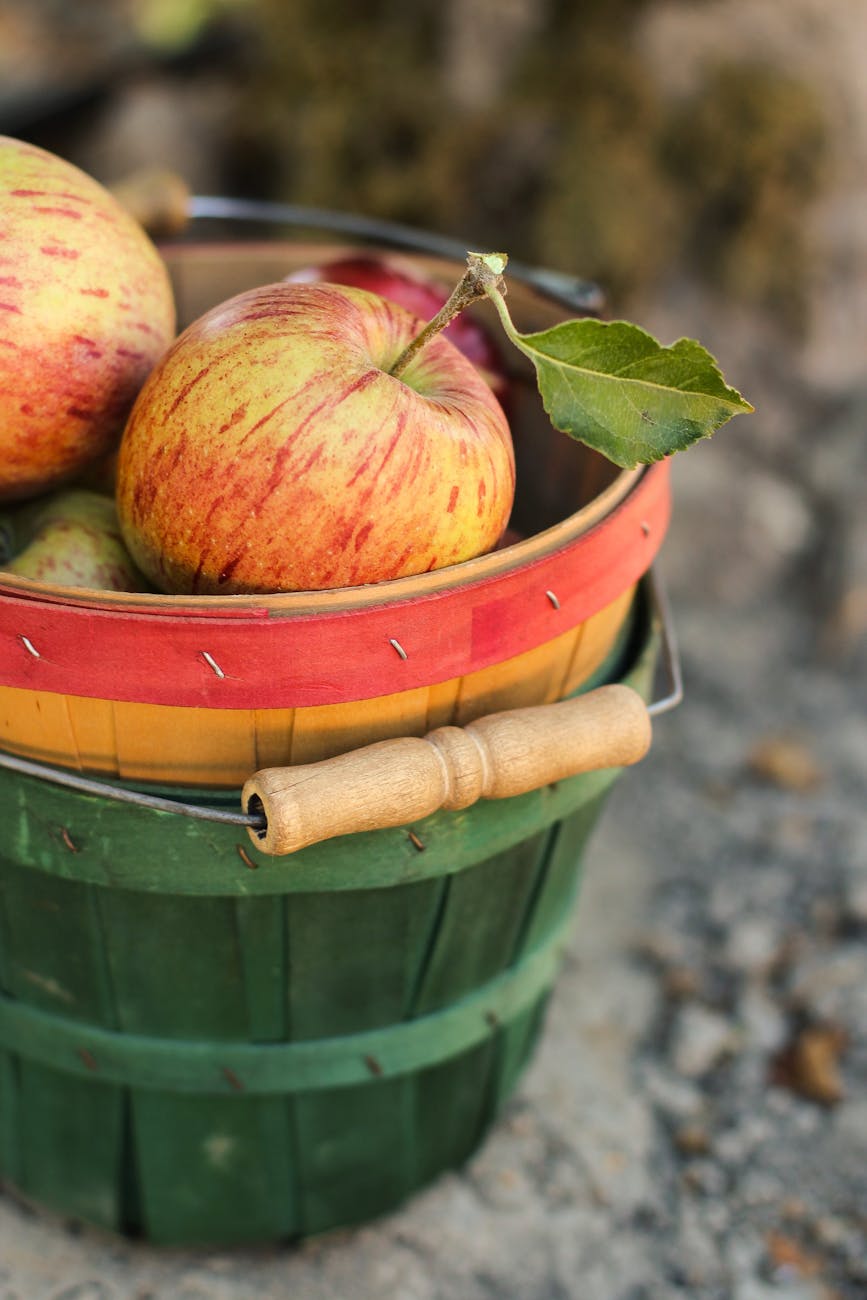
    But what if we took those classic pairings and gave them a sommelier’s twist? Enter wine and cocktails: unexpected, exciting, and surprisingly perfect with your favorite tailgate snacks. Here’s how to substitute your standard pint with a pour that takes game-day cuisine to new levels.

    Photo by Omar Mahmood on Pexels.com
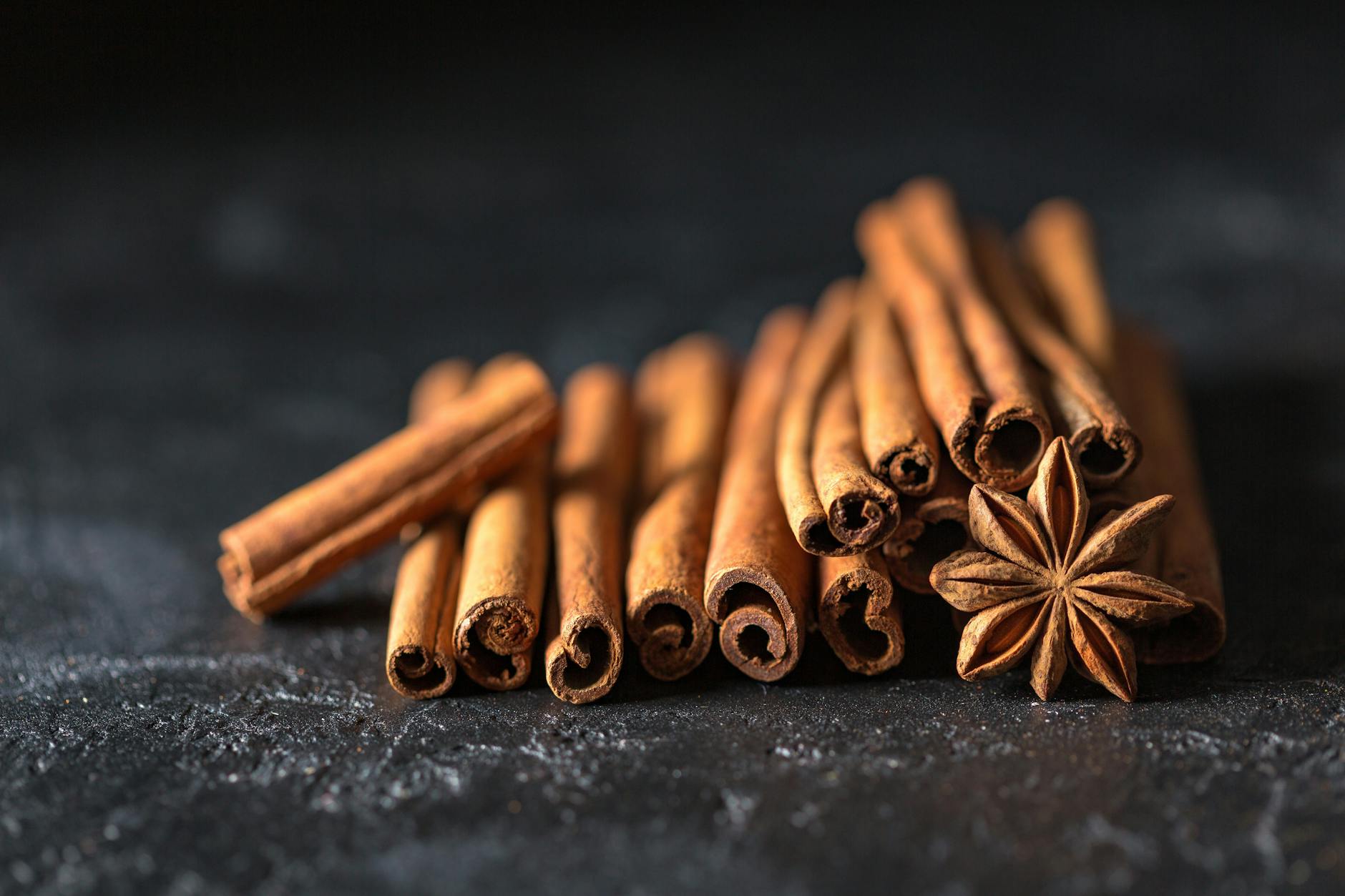
    Wings & Chardonnay (or a Margarita Twist)

    Beer stand-in: Crisp Pilsner
    Upgrade: California Chardonnay or a Smoky Margarita

    Buffalo wings love beer — but they also love balance. A California Chardonnay with just the right oak brings a buttery backbone to tame the spice while citrus and apple notes cut through the richness. If you prefer cocktails, shake up a Smoky Margarita: mezcal for depth, lime for brightness, and a splash of orange liqueur for sweet relief against the heat.

    Smoky Margarita Recipe

    • 2 oz mezcal
    • 1 oz fresh lime juice
    • 0.5 oz Cointreau (or triple sec)
    • 0.5 oz agave nectar
    • Shake with ice, strain into a salt-rimmed glass, garnish with lime.

    Try also: SOMM&SOMM Classic Margarita Recipe

    Photo by cottonbro studio on Pexels.com

    Pizza & Chianti Classico (or Negroni Sbagliato)

    Beer stand-in: Hoppy IPA
    Upgrade: Chianti Classico or a Sparkling Negroni

    Pizza night is game day royalty. Instead of an IPA, pour a glass of Chianti Classico — the bright acidity of Sangiovese slices through gooey cheese while cherry and herbal notes sing with pepperoni or sausage. Want something more playful? A Negroni Sbagliato (with Prosecco instead of gin) is effervescent, bittersweet, and a nod to Italian flair.

    👉 “Pro tip: it’s pronounced ‘Spah-lee-AH-toh.’ If you fumble it, just smile — after a sip or two, nobody’s keeping score anyway.” 🏈🍹

    Negroni Sbagliato Recipe

    • 1 oz Campari
    • 1 oz sweet vermouth
    • 2 oz Prosecco
    • Build in a glass over ice, stir gently, garnish with an orange slice.
    Photo by Anthony Leong on Pexels.com

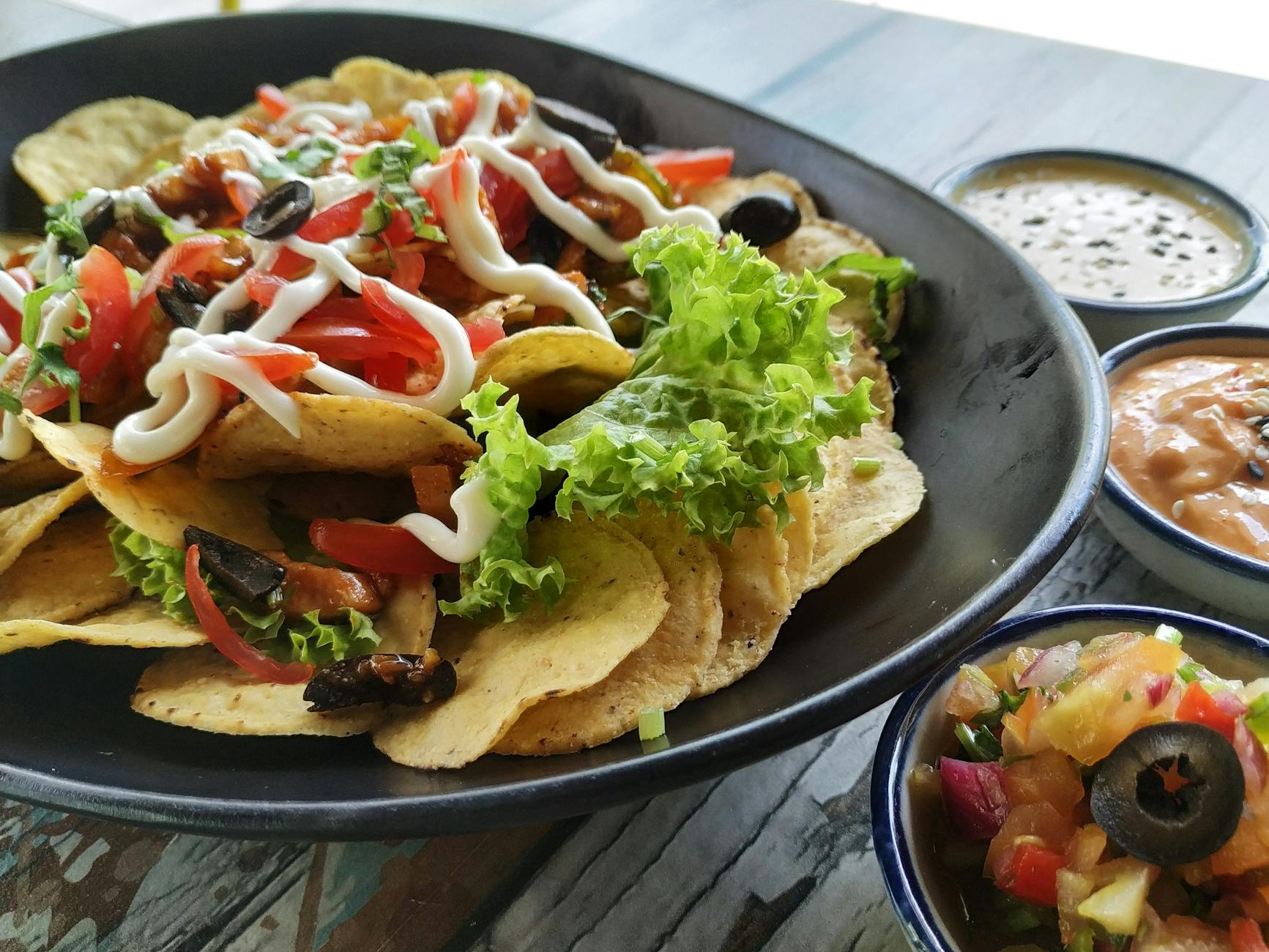
    Nachos & Riesling (or a Paloma)

    Beer stand-in: Mexican Lager
    Upgrade: Off-Dry Riesling or a Grapefruit Paloma

    Nachos are all about layers: salty chips, gooey cheese, spicy jalapeños, and maybe some pulled pork. An off-dry German Riesling brings zesty citrus, floral aromatics, and just enough sweetness to tame the spice. Or shake things up with a Paloma — tequila, grapefruit soda, and lime for a refreshing, citrus-driven counterpoint.

    Paloma Recipe

    • 2 oz tequila blanco
    • 0.5 oz lime juice
    • Top with grapefruit soda (Jarritos or Fresca work)
    • Salt rim optional, garnish with a grapefruit wedge.
    Photo by Piotr Arnoldes on Pexels.com

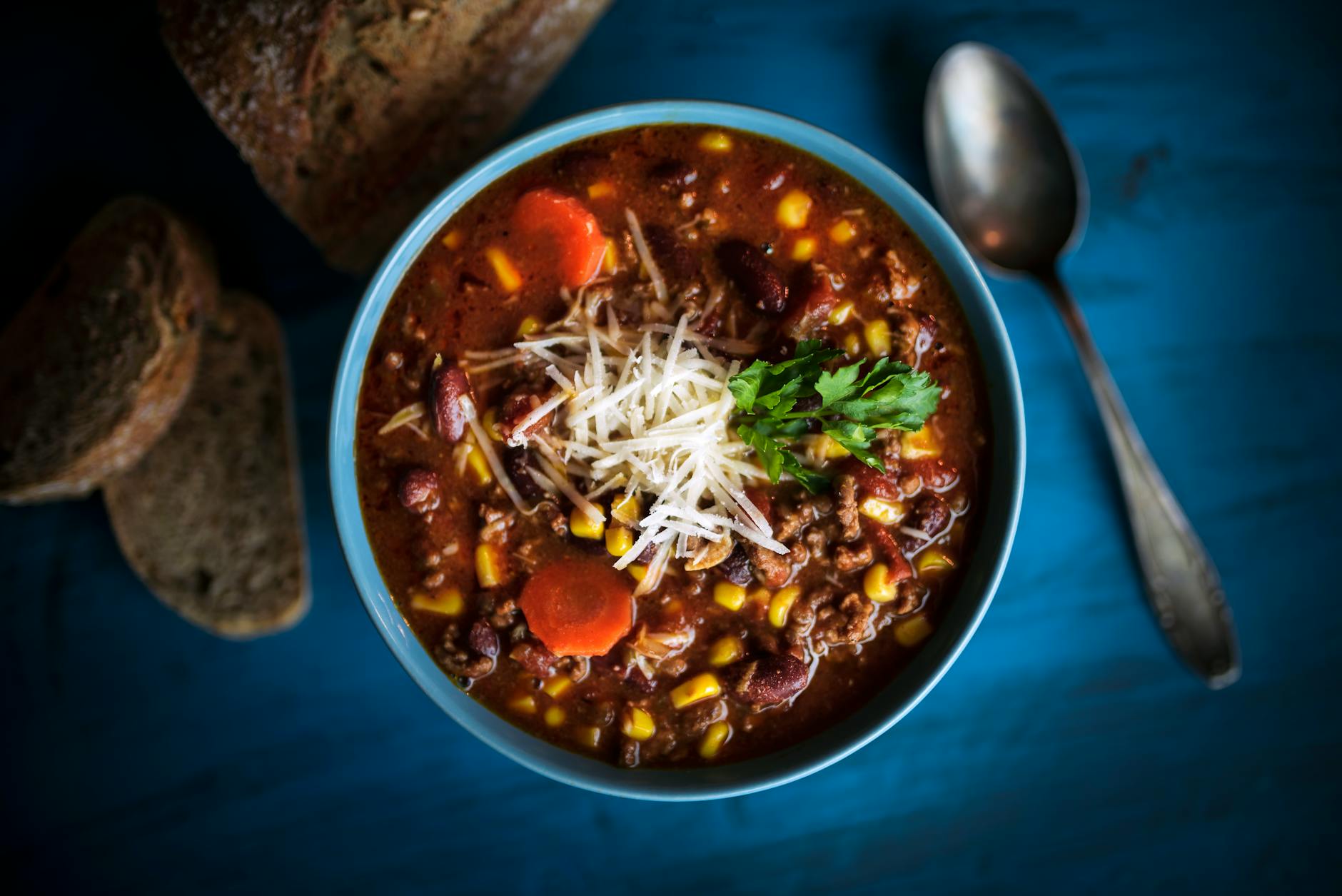
    Chili & Zinfandel (or Old Fashioned)

    Beer stand-in: Stout
    Upgrade: California Zinfandel or a Classic Old Fashioned

    Hearty, spicy chili is a Sunday staple. Instead of a stout, uncork a California Zinfandel — jammy black fruit and spice stand tall against smoky meats and heat. For cocktail fans, nothing beats an Old Fashioned: whiskey, bitters, sugar, and an orange twist. Its richness echoes the depth of the chili while keeping the palate refreshed.

    Old Fashioned Recipe

    • 2 oz bourbon or rye whiskey
    • 1 sugar cube (or 0.25 oz simple syrup)
    • 2 dashes Angostura bitters
    • Stir with ice, strain over a large cube, garnish with orange peel.
    Photo by Juan Santos on Pexels.com

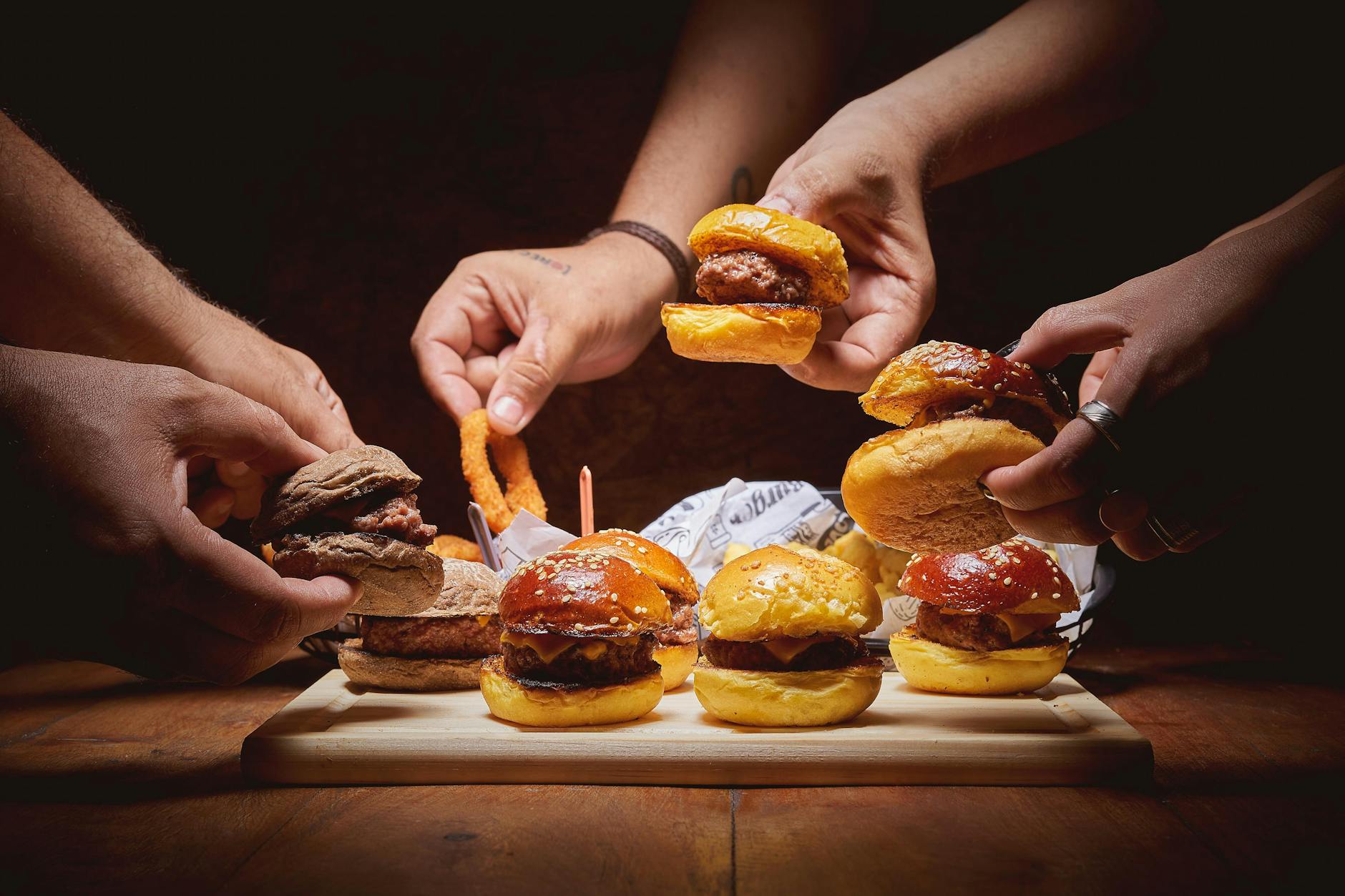
    Sliders & Sparkling Rosé (or French 75)

    Beer stand-in: Amber Ale
    Upgrade: Sparkling Rosé or a French 75

    Sliders may be small, but they’re packed with flavor — especially when piled high with cheese, pickles, and sauce. Sparkling Rosé cuts the richness with bubbles while berry notes match the savory-sweet balance of the burger. For a cocktail play, the French 75 adds gin botanicals and Champagne sparkle to the mix.

    French 75 Recipe

    • 1 oz gin
    • 0.5 oz fresh lemon juice
    • 0.5 oz simple syrup
    • Shake, strain into flute, top with 2 oz Champagne, garnish with lemon twist.
    Photo by Alejandro Aznar on Pexels.com

    Final Play: Dessert & Port (or Espresso Martini)

    Don’t forget the fourth quarter sweet tooth. For brownies or cookies, swap milk stout for Ruby Port — sweet, fruity, and indulgent. Or kick into overtime with an Espresso Martini, a modern classic that blends vodka, coffee liqueur, and espresso — the perfect nightcap after a day of touchdowns.

    Espresso Martini Recipe

    • 2 oz vodka
    • 0.5 oz coffee liqueur (Kahlúa)
    • 1 oz freshly brewed espresso (cooled)
    • Shake hard with ice, strain into coupe, garnish with 3 coffee beans.

    Here’s to touchdowns and tailgates, rivalries and replays, wings and wine, cocktails and camaraderie. May your team win — and may your glass never be empty. 🍷🏈🍸

    Gregory and Tammy Dean, SOMM&SOMM

    Cover Photo by Jean-Daniel Francoeur on Pexels.com
  • How One Hotel Restaurant Made Our 44th Anniversary Unforgettable

    How One Hotel Restaurant Made Our 44th Anniversary Unforgettable

    Tammy and I travel for food and drink the way others chase sunsets — with an agenda, a notebook, and an appetite for the unexpected. On a three-day jaunt to St. Augustine to celebrate our 44th wedding anniversary we found plenty to love, but one evening at Castillo Craft Bar + Kitchen quietly rearranged the star chart: this was not simply a nice hotel meal. It was a masterclass in what service, craft cocktails, and properly thought-out cooking can do when they cooperate.

    The Prosecco Welcome — and a Thoughtful Surprise

    Earlier that afternoon, we discovered a chilled bottle of Prosecco waiting in our room’s refrigerator — a quiet gesture from the team that set the tone before we even stepped into the restaurant. When we did arrive (an hour ahead of our reservation), we were greeted with a fresh glass of Prosecco, introduced to the staff, and seated by the window.

    Then came the moment that sealed Castillo’s reputation in our minds: shortly after we were seated, a lively family of 13 or 14 adults and children was placed nearby. The children, understandably, vied for attention while the adults settled into animated conversation. Within minutes, the restaurant manager, Daniel, intervened with effortless class. He moved us to a private dining room with a single table for twelve — effectively giving us the most private, romantic setting in the house. It was an astute and gracious move, and one we will never forget.

    Cocktails with Gravitas

    We decided to begin with classics: Tammy ordered an Aviation, I a Paper Plane. Both were mixed with respect for tradition. The Aviation balanced lemon’s tart brightness with the nutty-cherry note of maraschino and a whisper of crème de violette — floral but never perfumey. The Paper Plane, a test of proportion, was taut and bittersweet, bourbon’s warmth underpinning Aperol’s orange bitterness and amaro’s herbal pull. Two classics rendered with conviction.

    Quick Sidebar… you know we love craft cocktails! Our books are now available on Amazon

    Amazon: SIPS & STORIES: Twists on the Classics

    Amazon: SIPS & STORIES: Botanical Wonders

    Starters with Intention

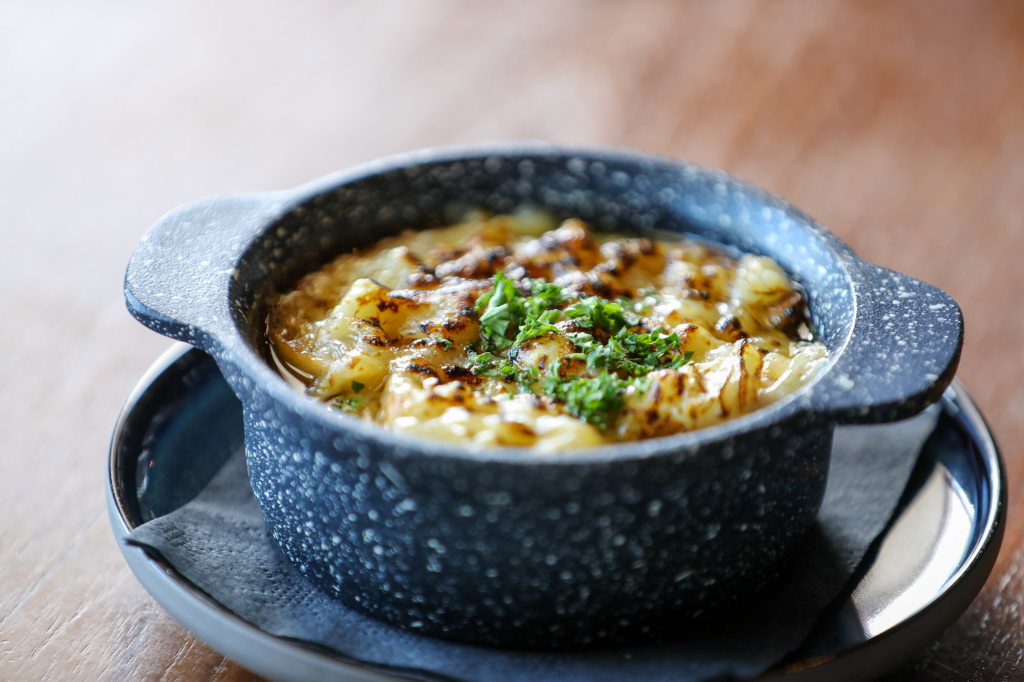
    • Spanish Onion Soup (Castillo’s twist): Dry sherry lifted the base of caramelized onions, Manchego added a salty sheep’s-milk edge, and Gruyère brought nutty depth. The bread held texture rather than sinking into soggy oblivion. Purposeful, not gimmicky.
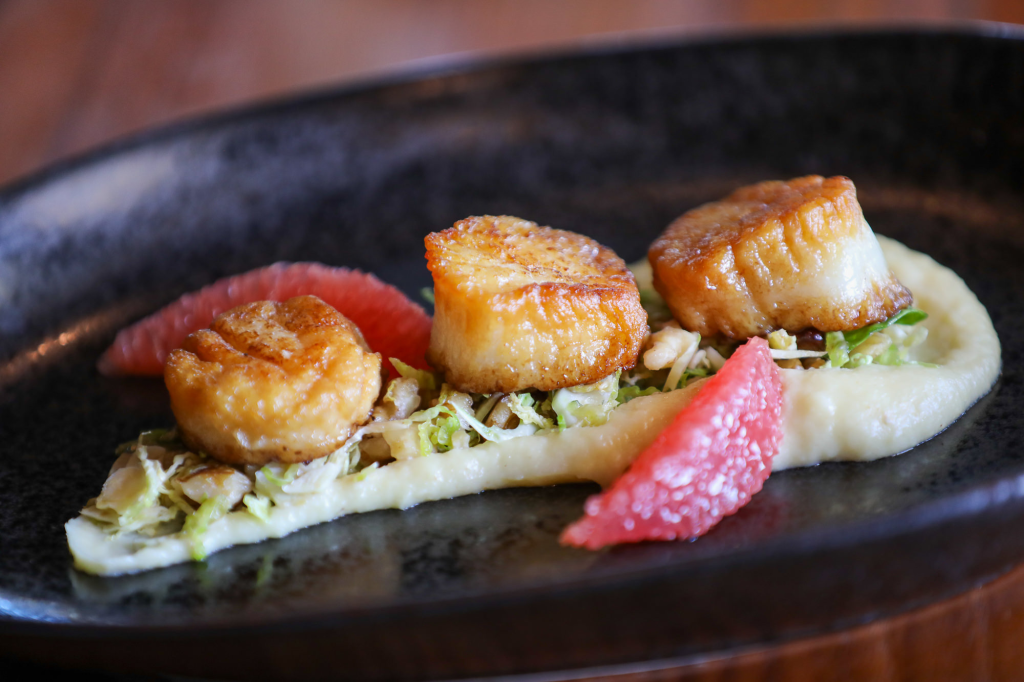
    • Pan-Seared Scallops: Golden exterior, luminous center — textbook scallops. Grapefruit and Brussels slaw delivered acid and bitterness; toasted walnuts brought texture and a subtle caramelized edge; parsnip purée offered a sweet earthiness. A dish of balance and contrast.

    The Mains — Precision and Poise

    We ordered separately and shared:

    • Dry-Aged Duck Breast — with confit, potato purée, seared tomato and mushrooms, and a cherry-coffee demi-glace. The duck was properly seared and the fat rendered cleanly. The demi-glace married classic cherry with a clever roasted coffee bitterness that harmonized with the mushrooms. A modern, inventive take that never felt like a stunt.
    • 6-oz Filet Mignon — with potato purée, root vegetables, charred mushrooms, and a blackberry-port demi. Filet is mild by nature; the demi provided fruit depth without over-reduction. Charred mushrooms contributed savory grounding.

    The Wine Choice

    We chose a Burgundy Pinot Noir. Its red cherry and earthy underbrush notes paired seamlessly with the duck’s cherry-coffee sauce, while its acidity and gentle tannins refreshed each bite of filet and demi. A Cabernet would have bullied the plates; Pinot offered conversation instead of domination.

    Sweet Farewell and Spirited Encore

    Dessert arrived in the form of raspberry-filled chocolate truffles — tartness wrapped in richness, a refined way to close. But the evening wasn’t over. Daniel and his team drew us into conversation about mixology, inviting us to sample cocktails destined for the next menu. To be trusted with in-progress creations, to taste and talk shop with equal enthusiasm, was the rarest gift of all: inclusion.

    A Recommendation from a Picky Pair

    Castillo Craft Bar + Kitchen may technically be a hotel restaurant, but that label undersells it. Here, cocktails are crafted with reverence, dishes are built on contrasts and precision, and service is the invisible framework that allows it all to shine. The thoughtful surprise of Prosecco, Angelica’s professional warmth, Daniel’s extraordinary attentiveness in relocating us to a private space, and the invitation to taste what’s to come all combined to turn our 44th anniversary into a celebration of craft and care.

    For those who care about detail, timing, and the artistry behind both food and drink, Castillo Craft Bar + Kitchen is not just a place to dine — it’s a destination to remember. Cheers 🥂

    Note on images: We were so engaged with the staff and enamored by the experience that we didn’t stop to take photos during our anniversary dinner. Fortunately, the images featured throughout this article are sourced from Castillo Craft Bar + Kitchen’s website, which offers up-to-date visuals that accurately reflect the atmosphere, cuisine, and presentation we enjoyed.

  • The Rise of the Tinned Fish Date Night

    The Rise of the Tinned Fish Date Night

    How to Elevate the Viral Trend into a Deliciously Sophisticated Affair.

    What once sat dusty on pantry shelves as an end-of-the-world staple is now having its glam moment: tinned fish. From chic coastal wine bars to TikTok and curated picnic boxes, conservas (as the Europeans call them) are making waves as the centerpiece of casual, romantic, and surprisingly elevated date nights.

    This isn’t your grandfather’s tuna sandwich filler. Think: Spanish octopus in olive oil, Portuguese sardines with piri piri, French mackerel in mustard sauce, and smoked mussels kissed with paprika. They come dressed to impress in artistic tins and are often as beautiful to look at as they are delicious.

    Photo by alleksana on Pexels.com

    So is this a fad or a lasting trend? Like charcuterie boards, we’re betting on the latter. Tinned fish taps into nostalgia, convenience, sustainability, and global culinary intrigue. It’s affordable luxury, and when paired with the right wines and accompaniments, it becomes an artful experience. Let’s explore how to turn this modest ingredient into a memorable date night.

    A Bit of Salty Lore

    Tinned fish dates back to the 19th century in France, when Nicolas Appert invented a method of preserving food in sealed containers, originally intended for Napoleon’s army. By the time it hit Spain and Portugal, however, it became gastronomically refined, particularly in Galicia and Basque country, where harvesting and preserving seafood became an artisanal craft.

    In Portugal, beautifully labeled tins of sardines and cod liver are displayed like jewelry. In Spain, vermouth bars serve berberechos (cockles) and anchovies as delicacies. Even Hemingway, while sipping vermouth in Pamplona, likely nibbled on anchovies in oil. This is no passing phase—this is a modern embrace of a deeply rooted tradition.

    Photo by alleksana on Pexels.com

    Planning the Ultimate Tinned Fish Date Night

    Set the Scene: Coastal Vibes at Home

    • Mood: Think European seaside café. Use linen napkins, ceramic tapas dishes, wood boards, and flickering candles.
    • Music: Bossa nova, French jazz, or Spanish guitar.
    • Setting: Indoors for cozy intimacy or alfresco if the weather allows.

    Choose Your Conservas Carefully

    Mix textures, flavors, and sea creatures. Aim for 3-5 tins for a full experience. Look for:

    • Briny & Bright: Spanish cockles or razor clams in brine.
    • Rich & Buttery: Portuguese sardines in olive oil or tomato.
    • Umami & Deep: Smoked mussels, mackerel in escabeche.
    • Decadent & Unique: Tuna belly (ventresca), sea urchin roe, or eel in soy.

    Pairing Accoutrements

    Elevate each tin with thoughtful accompaniments:

    • Breads: Baguette slices, crackers, or grilled sourdough.
    • Condiments: Dijon mustard, cornichons, lemon wedges, or chili oil.
    • Vegetables: Pickled red onions, olives, marinated peppers, or shaved fennel.
    • Cheese: Manchego or soft goat cheese for contrast.
    • Garnishes: Fresh dill, chives, or microgreens.

    Wine Pairing by Fish Type

    Sardines, Mackerel, & Anchovies

    These oily fish demand crisp acidity.

    Octopus & Squid in Olive Oil or Garlic

    Delicate textures need something clean and aromatic.

    Mussels, Clams, & Cockles

    Briny and oceanic—think “sea spray in a tin.”

    Tuna Belly or Eel in Sauce

    These are rich and indulgent, deserving of more structured pairings.

    You Choose the Vibe

    Casual Approach

    Spread it out picnic-style. Use mismatched plates, pour wine from tumblers, and laugh while exploring flavor combinations. Perfect for rooftop dates or rainy-day movie nights.

    SOMM&SOMM Tip: Don’t overthink it. Serve cold, room temp, or straight from the tin with a smile.

    Elegant Affair

    Serve each conserva as a course. Create composed bites with garnishes. Pour wines in proper stems and describe the pairing like you’re hosting a private tasting.

    SOMM&SOMM Tip: Treat it like a seafood tasting menu. Make a printed card with fish origin and wine notes.

    Photo by Arina Krasnikova on Pexels.com

    A Sweet Finish

    After such an umami-laden experience, refresh the palate with something light:

    • Dessert Idea: Lemon olive oil cake or citrus sorbet.
    • Pair With: A chilled Moscato d’Asti or dry vermouth spritz.

    Try Tammy’s favorite… a Lillet Blanc Spritz!

    Tammy’s Lillet Lemon Dessert Spritz

    A soft, sparkling citrus-herb kiss to end a salty-sea affair

    • 2 oz Lillet Blanc
    • ¾ oz Lemon verbena syrup (or lemon balm simple syrup)*
    • ½ oz Fresh lemon juice
    • 2 oz Moscato d’Asti (or a demi-sec sparkling wine)
    • Splash of soda water
    • Expressed lemon twist, curled into the glass
    • Optional: Edible flower or sprig of lemon balm for garnish

    *To make lemon verbena syrup: Simmer 1 cup sugar, 1 cup water, and a handful of fresh lemon verbena leaves. Cool, strain, and refrigerate.

    1. In a stemmed glass filled with ice, combine Lillet Blanc, lemon syrup, and fresh lemon juice.
    2. Stir gently to chill and blend.
    3. Add Moscato d’Asti and a splash of soda water for balance.
    4. Express a lemon twist over the top and tuck into the glass.

    Garnish with an edible flower or a fragrant sprig of lemon balm.

    A Tinned Love Story

    Tinned fish date night is not just a trend—it’s a beautifully simple, globally inspired experience that invites creativity, romance, and a deep appreciation for how humble ingredients can shine with the right drink in hand.

    Whether you’re introducing someone to the world of conservas or deep-diving into your favorite fishy fare with a longtime partner, these tins of love are perfect vessels for flavor and connection.

    Photo by Towfiqu barbhuiya on Pexels.com

    So break out the fish forks, pop open that bottle of Albariño, and savor the sea—one elegant tin at a time.

    SOMM&SOMM Tip: For a splurge, try Spanish Bonito del Norte tuna in olive oil with a glass of vintage Champagne. Add shaved truffle if you’re feeling decadent. You won’t regret it.

    Here are a few suggestions on where to order conservas for your next (or very first) tinned fish date night:

    Lata (Premium Tinned Fish), FishNook Tinned Seafood Co., Patagonia Provisions

    Cover photo by Bex Walton from London, England, CC BY 2.0, via Wikimedia Commons

  • The Rum Renaissance

    The Rum Renaissance

    Terroir, Tradition, and Tiki.

    Welcome to the Rum Renaissance. For years, rum stood in the shadow of whiskey and tequila—either trapped in syrupy cola combos or buried in blender drinks at beach resorts. But no more. Rum is having a moment. A big one. We are in the midst of a Rum Renaissance, where the world is finally recognizing what islanders, pirates, distillers, and cocktail aficionados have known all along: rum is wildly complex, deeply traditional, and incredibly expressive of terroir.

    From the agricole fields of Martinique to the molasses stills of Barbados, from navy-style overproofs to funky pot-stilled hogo bombs from Jamaica, rum is rewriting its story. And we’re drinking it all in—neat, stirred, shaken, and smoked.

    Photo by Alex P on Pexels.com

    Terroir in a Glass

    Unlike other spirits, rum can be made anywhere sugarcane grows—and even where it doesn’t. This gives rum its greatest gift: variety. Each region has its own techniques, laws, traditions, and signature profiles. Let’s explore:

    1. Agricole Rhum (France’s Caribbean Legacy)

    • Where: Martinique, Guadeloupe
    • What: Made from fresh-pressed sugarcane juice, not molasses
    • Taste: Grassy, vegetal, earthy, often dry and structured

    Featured RumRhum J.M Blanc (Martinique)
    A pristine example of agricole: fresh cut grass, lime zest, sea spray.

    Pairing Idea:
    Ceviche with Coconut Cream and Cilantro
    The rhum’s herbal notes elevate the citrus and herbs; the coconut softens the sharper edges.

    2. English-Style Rums (Colonial Depth)

    • Where: Jamaica, Barbados, Guyana
    • What: Usually pot-stilled, molasses-based, deeply flavored
    • Taste: Bold, funky (think overripe banana, petrol, leather), spicy

    Featured RumSmith & Cross Traditional Jamaica Rum
    This overproof beast is unapologetically funky, rich with esters.

    Funky Kingston Daiquiri

    • 2 oz Smith & Cross
    • 0.75 oz fresh lime juice
    • 0.5 oz Demerara syrup (2:1)
      Shake hard, strain into coupe. Garnish with lime zest.

    Food Pairing:
    Jerk Chicken Tacos with Mango Salsa
    The spice loves the funk. The mango calms the heat.

    3. Spanish-Style Rums (Clean & Smooth)

    • Where: Cuba, Panama, Nicaragua, Dominican Republic
    • What: Column-distilled, molasses-based, often aged in solera systems
    • Taste: Round, vanilla-laced, approachable, sometimes sweetened

    Featured RumRon Diplomático Reserva Exclusiva (Venezuela)
    Creamy, dessert-like with notes of toffee, fig, and orange peel.

    Pairing Idea:
    Dark Chocolate Tart with Sea Salt & Orange Zest
    The rum mimics the dessert’s flavors and adds a silky finish.

    4. Navy & Overproof Rums (Bold & Historical)

    • Where: Blends from multiple islands
    • What: Strong, often high-proof, originally designed for sailors
    • Taste: Dark, molasses-heavy, burnt sugar, barrel spice

    Featured RumPusser’s British Navy Rum
    Historically the rum ration of the Royal Navy. Still punches at 54.5% ABV.

    Smoke & Oak

    A brooding, stirred rum cocktail that honors the dark, barrel-aged legacy of navy rums—perfect for sipping slowly alongside robust food.

    • 2 oz Pusser’s British Navy Rum
    • 0.5 oz Amaro Averna (or another herbal amaro)
    • 0.25 oz PX Sherry or sweet vermouth
    • 2 dashes Angostura bitters
    • Orange peel, for garnish
    • Optional: small puff of hickory smoke (if available, for presentation)

    Add all ingredients to a mixing glass with ice.

    Stir until well chilled and diluted (about 20–25 seconds).

    Strain into a rocks glass over a large cube.

    Express orange peel over the top, then garnish.

    Optional: briefly smoke the glass with hickory wood using a smoker lid or handheld gun before pouring.

    Why It Works:
    This stirred sipper keeps the boldness of Pusser’s but adds complexity and elegance through the herbal and dried fruit elements of the amaro and sherry. Think of it as a rum-based sibling of a Boulevardier or Old Fashioned—with nautical swagger.

    Pairing:
    Spiced Lamb Chops with Pomegranate Molasses
    The cocktail’s smoky, bitter-sweet balance cuts through the rich lamb and enhances the molasses glaze with dark fruit undertones.

    Photo by Augustinus Martinus Noppu00e9 on Pexels.com

    Tiki: The Theatrical Resurgence

    Tiki is more than flaming pineapples and plastic leis. It’s a deep, post-Prohibition movement rooted in escapism and complex cocktail craft. Rum is its lifeblood.

    Classic Tiki:

    The Mai Tai (Trader Vic Style)

    • 1 oz aged Jamaican rum
    • 1 oz Martinique rhum agricole
    • 0.75 oz lime juice
    • 0.5 oz dry curaçao
    • 0.25 oz orgeat
      Shake and serve over crushed ice in a rocks glass with a spent lime shell and mint.

    Pairing:
    Pork Belly Bao Buns with Pickled Pineapple Slaw
    The rich meat loves the bright citrus and almond note of the Mai Tai.

    Modern Tiki Twist:

    Banana Republic

    • 1.5 oz aged Guatemalan rum (like Ron Zacapa 23)
    • 0.5 oz Giffard Banane du Brésil
    • 0.5 oz lime juice
    • 0.25 oz cinnamon syrup
    • Dash chocolate bitters
      Shake, strain over large ice sphere. Garnish with brûléed banana slice.

    Pairing:
    Banana Leaf Steamed Snapper with Coconut Rice
    Rum’s sweet notes mirror the tropical dish while the acidity lifts the fatty fish.

    SOMM&SOMM Related Article: The Art of Island Cocktails

    Rum & Food Pairing Matrix

    Rum StyleFlavor NotesFood Pairing Idea
    AgricoleGrassy, herbal, earthyThai papaya salad, ceviche, goat cheese
    Jamaican Pot StillFunky, estery, boldJerk chicken, plantain chips, grilled pineapple
    Spanish SoleraCaramel, vanilla, light spiceChocolate desserts, roasted pork, flan
    Overproof NavyDark, molasses, high alcoholBarbecue brisket, sticky ribs, mole poblano
    Aged Caribbean BlendDried fruit, baking spiceDuck breast, spiced nuts, roasted squash

    🏴‍☠️ One Fact, One Fiction — You Decide Which is Which

    Rum is soaked in stories—some true, some twisted through time and tide. Here are two tales from the deep barrels of history and lore. One is factual. One is pure (delicious) fiction. Can you tell them apart?

    🗡️ Tale : The Cursed Cask of Port Royal
    In 1692, after a devastating earthquake sank much of Port Royal, Jamaica into the sea, divers later recovered an intact rum cask from the sunken taverns. Locals claimed anyone who drank from it was cursed with endless drunken visions of ghost pirates demanding “just one more pour.”

    🎖️ Tale : The Rum Ration that Sparked a Mutiny
    For over 300 years, British sailors received a daily ration of rum—until July 31, 1970, when the Royal Navy ended the tradition in what became known as Black Tot Day. Some sailors protested so fiercely that one destroyer’s crew reportedly staged a 24-hour “rum strike,” refusing orders until their drams were reinstated. They weren’t.

    Guess which one’s real? Which one’s rum-soaked legend? We’ll reveal the truth at the bottom of this article.

    End on a Sweet Note

    Cane & Cream

    • 1.5 oz El Dorado 12 Year
    • 0.5 oz Amaro Averna
    • 0.5 oz vanilla syrup
    • 1 oz heavy cream
      Shake hard with ice, strain into coupe. Top with shaved dark chocolate.

    Pairing:
    Rum-Soaked Tres Leches Cake
    The cocktail mirrors and magnifies the dessert while staying balanced.

    Drink Globally, Pair Locally

    To wines aged with wisdom, to rums kissed by the sea—
    May yer palate find treasure, and yer glass never be empty!
    Drink deep, me hearties, for the tannins be fair,
    And the finish be long as a siren’s stare!

    Captain Sommelier (Greg), Keeper of the Sacred Corkscrew 🏴‍☠️🍷

    The rum category is a playground of discovery. Whether you prefer the finesse of French agricole, the bombast of Jamaican funk, or the dessert-like smoothness of Spanish styles, there’s a rum—and a pairing—for you. Let this be your invitation to go beyond the Daiquiri (though that’s a perfect drink) and explore terroir, tradition, and tiki with every pour.

    Raise your glass to rum’s rebirth. And when you do—pair it with something unexpected. Something delicious. Something unforgettable. Cheers 🍹

    ✅ Truth Revealed: Tale is Fact!

    The Rum Ration that Sparked a Mutiny
    Yes, it’s true! For over three centuries, the British Royal Navy issued daily rum rations to sailors—a practice known as the “tot.” On July 31, 1970, the tradition ended, a day still remembered as Black Tot Day. Sailors wore black armbands, held mock funerals, and in some cases, even staged minor revolts or refused duties in protest of the decision. Though the rumored “rum strike” on a destroyer remains unconfirmed in official records, the outrage was real. Some sailors believed the end of the tot marked the decline of naval morale.

    ❌ Tale ? Pure Rum-Soaked Fiction.

    While Port Royal did sink into the sea during a catastrophic earthquake in 1692, and rum was certainly flowing in the taverns before it happened, no cursed cask has ever been recovered—and no spectral pirates have officially been reported demanding more pours (at least none soberly documented). But admit it: you wanted that one to be true, didn’t you? 😎

    #SommLife

    Cover Photo by Wolrider YURTSEVEN on Pexels.com

  • Pair This, Not That: Summer Edition

    Pair This, Not That: Summer Edition

    BBQ Wine & Spirits Swaps for Maximum Sunshine Sips & Crowd-Pleasers.

    Summer. The time of smoky grills, sticky fingers, and sun-kissed gatherings. But let’s be honest — most backyard BBQs are stuck in a rut when it comes to the drink menu. You’re likely to find the same predictable coolers stuffed with light beer, boxed rosé, and maybe a poorly mixed Margarita sloshing around in a red Solo cup.

    It’s time to level up.

    Welcome to Pair This, Not That: Summer Edition, where we take your go-to summer drinks and swap them for something better — more vibrant, more crowd-pleasing, and just a touch unexpected. We’re bringing new energy to your backyard bash, beach day, or rooftop hang by helping you rethink your pairings with intention and a splash of sophistication.

    Pair This: Lambrusco with Dry-Rubbed Baby Backs

    Zinfandel is a classic, sure — but it can feel sticky and sluggish on a sweltering day. Enter Lambrusco, the sparkling red from Italy’s Emilia-Romagna region. It’s fizzy, fruity, and just tannic enough to match the sweet-spicy bark on your ribs. Slightly chilled, it’s a revelation.

    Why it works: The bubbles cut the fat, the fruit complements the rub, and the acidity refreshes the palate between bites.

    Try This Pairing:
    Dish: Dry-rubbed pork ribs with a brown sugar, smoked paprika, and chipotle blend
    Wine: Cleto Chiarli Lambrusco Grasparossa di Castelvetro — vibrant, dark berries, and dry

    Photo by The Castlebar on Pexels.com

    Pair This: Mezcal Paloma with Smash Burgers

    IPAs are popular grill-side, but the bitterness can clash with the caramelization on your patty. The solution? A smoky Mezcal Paloma — just enough fire to echo the grill, with citrusy sparkle to lift every bite.

    Why it works: Mezcal’s smoky backbone loves char. The grapefruit and lime bring brightness, and bubbles make it refreshing — a perfect match for seared, juicy beef.

    Mezcal Paloma Recipe

    • 2 oz joven mezcal (we love Del Maguey Vida)
    • 1 oz fresh grapefruit juice
    • 0.5 oz fresh lime juice
    • 0.5 oz agave syrup
    • Pinch of sea salt
    • Top with grapefruit soda (Fever Tree or Jarritos preferred)
    • Serve over ice with a salted rim and a grilled grapefruit wedge
    Photo by Nano Erdozain on Pexels.com

    Pair This: Chilled Cru Beaujolais with Sticky Drumsticks

    We all love a crisp rosé — but sticky, charred BBQ chicken needs a bit more muscle and complexity. Cru Beaujolais, like Morgon or Fleurie, is juicy, earthy, and vibrant, with enough savory backbone to stand up to sweet BBQ sauce.

    Why it works: Gamay offers bright red fruit with silky tannins and a touch of minerality, which harmonizes with sticky sauces and caramelized skin.

    Try This Pairing:
    Dish: Grilled BBQ chicken drumsticks with peach-bourbon glaze
    Wine: Jean Foillard Morgon Côte du Py — a natural, elegant, chilled red that will blow minds

    Photo by Macourt Media on Pexels.com

    Pair This: Dry Riesling with Elote

    Sauv Blanc is the obvious choice for grilled corn, but take it next level: grilled elote-style corn slathered with mayo, lime, cotija, and chili powder needs dry Riesling with nerve, not just zip.

    Why it works: Dry Riesling can handle spice, citrus, and creamy elements. Its petrol-mineral quality adds depth, and the acidity balances every bite.

    Try This Pairing:
    Dish: Mexican-style grilled corn with lime crema and tajín
    Wine: Dönnhoff Riesling Trocken — Germany’s clean, dry stunner with citrus and stone

    Photo by Airam Dato-on on Pexels.com

    Pair This: Txakolina with Spicy Shrimp Skewers

    Pinot Grigio often fades into the background. You need something with zing and a little sparkle. Enter Txakolina — the zingy, slightly spritzy Basque wine you’ve been missing.

    Why it works: High acidity, a touch of salinity, and effervescence = shrimp’s new best friend.

    Try This Pairing:
    Dish: Chili-lime grilled shrimp skewers
    Wine: Ameztoi Txakolina — crisp, citrusy, electric on the tongue

    Pair This: Watermelon & Basil Gin Fizz

    Instead of toothache-sweet slush, opt for something that feels like a frozen treat but keeps its structure. This Watermelon Basil Gin Fizz is light, herbaceous, and juicy — a cocktail that says picnic sophistication.

    Watermelon Basil Gin Fizz Recipe

    • 2 oz gin (we love Hendrick’s for its floral notes)
    • 1 oz fresh lime juice
    • 1 oz basil simple syrup (see below)
    • 2 oz fresh watermelon juice
    • Top with soda water
    • Shake, strain into a Collins glass with ice, and garnish with basil sprig

    Basil Simple Syrup:
    Simmer 1 cup sugar + 1 cup water + 1 cup fresh basil for 5 mins. Cool, strain, and bottle.

    Photo by Henrik Pfitzenmaier on Pexels.com

    Pair This: Peach Bourbon Smash with Grilled Stone Fruit

    Nothing says summer like stone fruit and bourbon, but ditch the neat pour for a Peach Smash that’s smoky, sweet, and made for golden hour sipping.

    Peach Bourbon Smash Recipe

    • 2 oz bourbon
    • 3 slices grilled peach
    • 0.75 oz lemon juice
    • 0.5 oz honey syrup (1:1)
    • Mint leaves
    • Muddle peach and mint, shake with ice, double strain over crushed ice
    • Garnish: grilled peach wedge + mint sprig

    Why it works: The grill’s caramelization meets bourbon’s vanilla warmth; mint and lemon bring brightness.

    Instead of: Marshmallow s’mores with sticky port
    Pair This: Toasted Coconut Ice Cream + Cream Sherry

    Summer deserves a cool, creamy ending. Toasted coconut gelato or ice cream with a pour of Amontillado or Cream Sherry hits nutty, buttery notes that mirror each other with elegance.

    Why it works: The oxidative aging of sherry delivers a toasted nut character that resonates with coconut, while the sweetness stays in balance.

    A Summer of Swaps

    The point of summer is fun, freedom, and freshness — so why stick with the same old wine and spirits? By making just a few creative swaps, you can surprise and delight your guests with unexpected pairings that enhance every grilled bite and sun-drenched laugh.

    Photo by Antoni Shkraba Studio on Pexels.com

    So go ahead — Pair This, Not That — and bring the same creativity to your backyard as you do to your glass. Cheers 🍷🍸☀️

    Cover Photo by Lazarus Ziridis on Pexels.com