Tag: Chardonnay

  • A Lobster Boil Extravaganza

    A Lobster Boil Extravaganza

    Night Two of Scott and Alison White’s 36th Anniversary Celebration.

    Following the sparkling excitement of the previous evening, Scott and Alison White hosted a classic lobster boil, a feast fit for both food lovers and wine enthusiasts alike. Paired with the refined and storied Chardonnays of Chateau Montelena, this second night celebrated the richness of California’s wine legacy alongside the timeless joy of a seafood feast.

    Tammy alongside the 9-liter bottle of 2015 Chateau Montelena Chardonnay

    The Grand Opening: Chateau Montelena Chardonnay

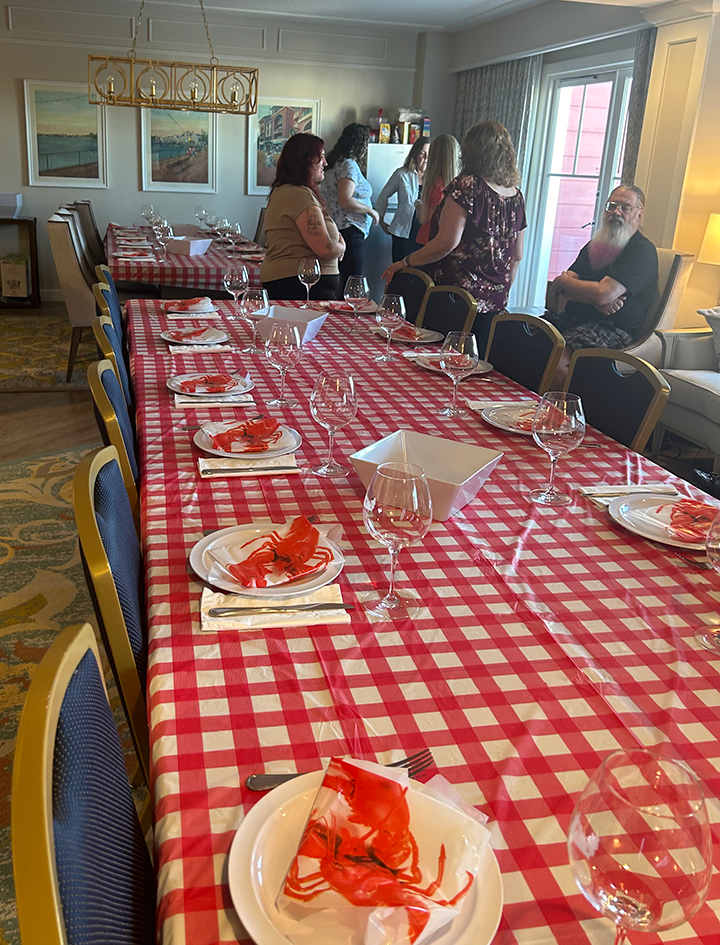
    The evening began with a spectacular sight: a 9-liter bottle of 2015 Chateau Montelena Chardonnay displayed in a custom mechanical wine cradle, lovingly known as “the rocket launcher.” This impressive vessel was racked and poured, allowing the room to be filled with the elegance and character of the 2015 vintage. Guests were seated at tables stretching the length of the suite’s common area, creating a warm communal ambiance as glasses were filled.

    A Culinary Labor of Love

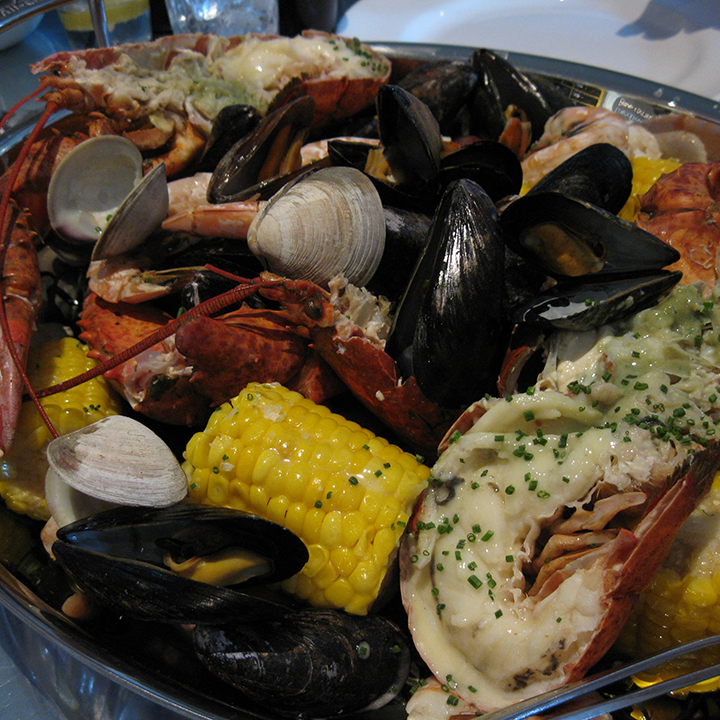
    Scott and Alison, along with the renowned Russ Ahrens (Instagram: @drunkenchef82), spent the entire day in the kitchen to prepare the lobster boil’s main attractions. The result was an extraordinary spread, with over 120 lobster tails, cheese-filled bratwursts, tender potatoes, succulent shrimp, corn on the cob, fresh clams, mussels, and cheddar bay biscuits—each element adding to the bounty and flavor of the evening.
    As guests indulged in the feast, the 2015 Chateau Montelena Chardonnay’s balanced acidity and rich, citrusy notes complemented the buttery lobster tails and briny seafood with finesse. The flavors melded beautifully, with the Chardonnay’s hints of stone fruit and subtle oak rounding out each bite.

    A Vintage Comparison: The 2015 and 2010 Chateau Montelena Chardonnay

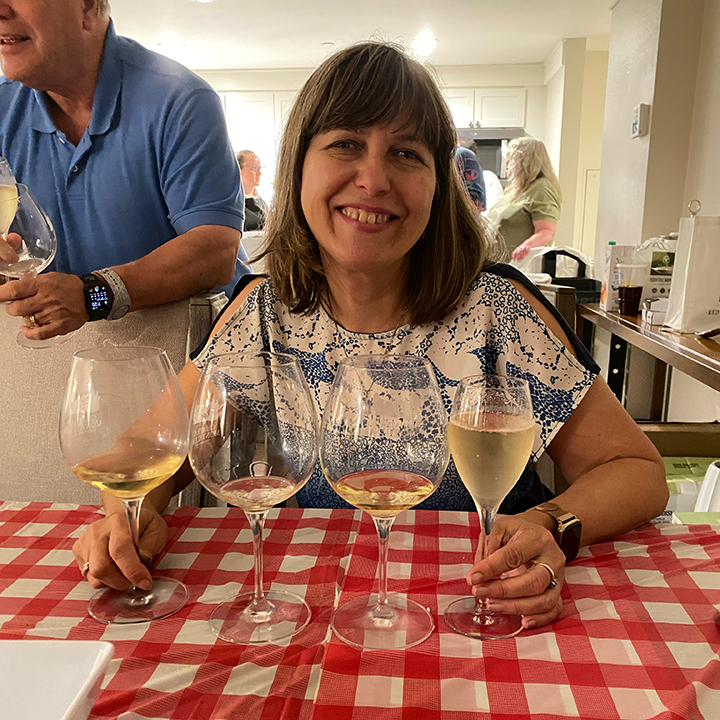
    After the 2015 was savored and the 9-liter bottle emptied, Scott introduced a five-liter bottle of the 2010 Chateau Montelena Chardonnay. This vintage, with slightly more age, offered a glimpse into how Chateau Montelena wines evolve over time, displaying richer textures and deeper complexity. Spirited discussions ensued, as guests compared the vintages’ qualities—the 2010 bringing forth mellow oak notes, balanced with a lively acidity that contrasted with the younger 2015.

    Though both vintages had their fans, the 2015 emerged as the overall favorite. Scott, always prepared, uncorked a 750 ml bottle of the 2015 to confirm the consensus, and the wine’s balance and versatility secured its place as the perfect pairing for the lobster boil.

    Sweet Celebrations: October Birthdays and Dessert Wines

    Adding a personal touch, the evening’s desserts honored October birthdays for Alyssa, Scott and Alison’s daughter, and Jay, Scott’s brother. Two classic white birthday cakes graced the table, one with a smooth buttercream frosting and the other with a rich chocolate buttercream. The wine pairings were equally thoughtful, featuring the caramelized depth of Bodegas Alvear Pedro Ximénez Solera 1927, the berry-rich notes of a 2016 St. Francis Port, and the Domaine Carneros Demi-Sec sparkling wine from the previous night.

    Russ Ahrens (Instagram: @drunkenchef82) enjoying a New York Sour

    A Perfect Finish: Armagnac and Classic Cocktails

    As the night wound down, guests enjoyed a few final toasts with Armagnac and carefully crafted cocktails, each a fitting finale to a night of laughter, good food, and extraordinary wines. Scott enjoyed an Old Fashioned, while Russ savored a New York Sour, closing the evening with the warmth of shared stories and an appreciation for another unforgettable night.

    Left to Right: 375 ml, 750 ml, 750 ml, 5 liter, 6 liter, and 9 liter bottles

    To the bounty before us, the friends beside us, and the wines that elevate every bite. May our glasses stay full, our laughter ring loud, and our memories grow richer with each passing year. Cheers to good food, great wine, and even better company!

    Gregory Dean, SOMM&SOMM
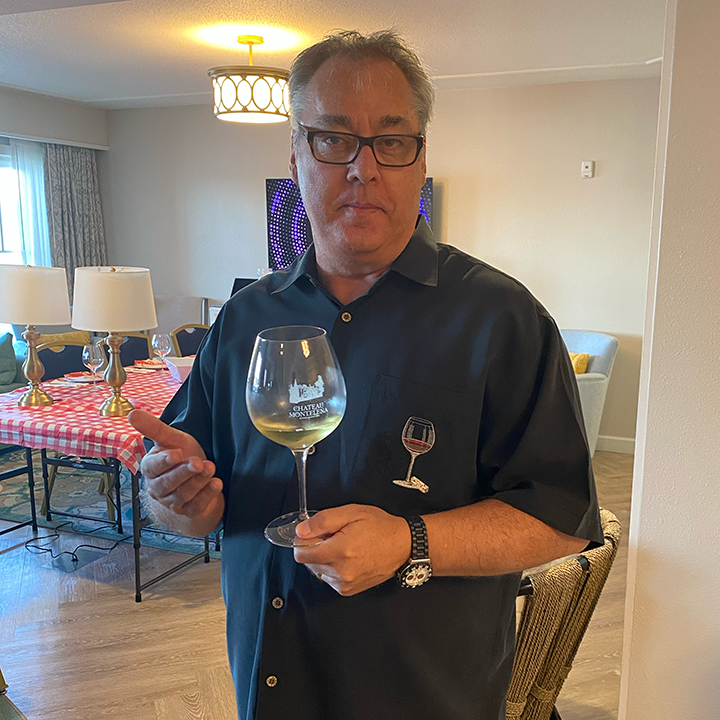
    This lobster boil celebration, a beautiful blend of food, wine, and friendship, set a high standard for the week’s festivities and served as a reminder of the beauty in celebrating life’s moments with those we hold dear. Cheers 🍷

    Cover photo by: inuyaki.com, CC BY-SA 2.0, via Wikimedia Commons

  • The Genealogy of Grape Varietals

    The Genealogy of Grape Varietals

    Unveiling the Mysteries of Wine’s Most Celebrated Grapes

    In the world of wine, the grape is the star of the show, the foundation upon which all great wines are built. But have you ever wondered about the lineage of these illustrious berries? Let’s embark on a journey through the genealogy of the top 10 grape varietals, exploring their origins, the fascinating science behind them, and a sprinkle of myth and lore that makes each one even more intriguing.

    Photo by David on Pexels.com

    Understanding Hybrid, Cross, and Clone Varietals

    Before diving into the individual stories, it’s essential to understand some key terms:

    Hybrid: A hybrid grape is a cross between two different species (e.g. Vitis vinifera – Vitis lambrusca). These often arise to combine the best traits of each parent species, like disease resistance or cold hardiness.

    Cross: A cross, or crossbreed, is a grape created from two different varieties within the same species (Vitis vinifera – Vitis vinifera). This is common in Vitis vinifera, the primary species used in wine production.

    Clone: A clone is a genetically identical copy of a single grapevine. Clones arise through vegetative propagation, where cuttings from a vine are rooted to create new vines with the exact genetic makeup of the original.

    The Top 10 Grape Varietals and Their Genealogy

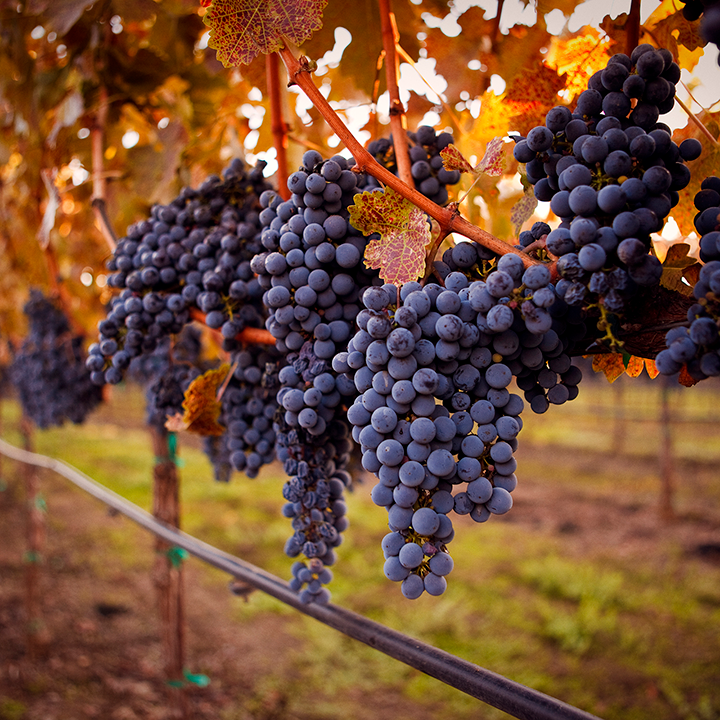
    Cabernet Sauvignon

    1. Cabernet Sauvignon

       – Species: Vitis vinifera

       – Genealogy: This noble grape is a natural cross between Cabernet Franc and Sauvignon Blanc, discovered in the 17th century in Bordeaux, France.

       – Myth and Lore: Legend has it that the grape first grew wild on the graves of fallen warriors, gaining strength from their spirits.

    Chardonnay

    2. Chardonnay

       – Species: Vitis vinifera

       – Genealogy: Originating from a cross between Pinot Noir and Gouais Blanc, Chardonnay has roots dating back to the Middle Ages in Burgundy, France.

       – Myth and Lore: Monks in Burgundy believed Chardonnay vines were a gift from the heavens, planted by angels to produce divine wines.

    Photo by Abynaya on Pexels.com

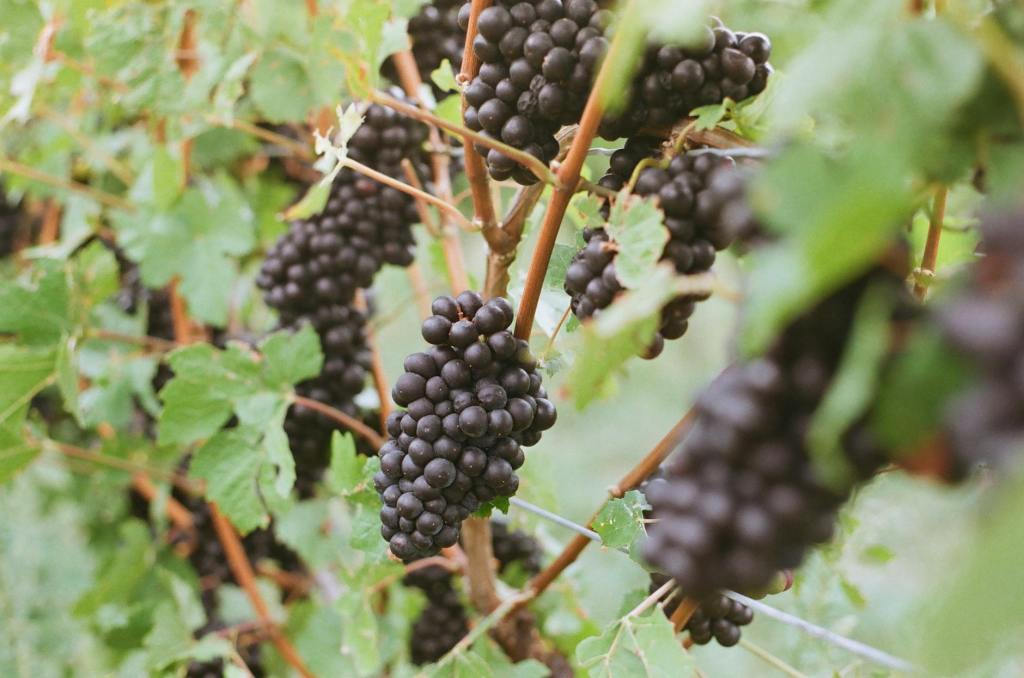
    3. Pinot Noir

       – Species: Vitis vinifera

       – Genealogy: Pinot Noir is an ancient variety, with genetic studies suggesting it dates back over 2,000 years, originating in the Burgundy region of France.

       – Myth and Lore: Some say that Pinot Noir vines were nurtured by druids, who believed the grape possessed mystical properties.

    Merlot

    4. Merlot

       – Species: Vitis vinifera

       – Genealogy: A descendant of Cabernet Franc and Magdeleine Noire des Charentes, Merlot emerged in the Bordeaux region in the 18th century.

       – Myth and Lore: Merlot was once thought to be the favorite grape of mermaids, who would sip its juice and sing songs of love and loss.

    Syrah/Shiraz

    5. Syrah/Shiraz

       – Species: Vitis vinifera

       – Genealogy: Syrah’s origins trace back to a cross between Dureza and Mondeuse Blanche, discovered in the Rhône Valley, France.

       – Myth and Lore: Ancient Persian legends tell of Syrah as a grape born from the tears of the god Syra, weeping for his lost love.

    Sauvignon Blanc

    6. Sauvignon Blanc

       – Species: Vitis vinifera

       – Genealogy: This grape is one of the parents of Cabernet Sauvignon, with its origins in the Loire Valley of France.

       – Myth and Lore: It is said that Sauvignon Blanc vines were found growing near the lair of a wise old fox who guarded them fiercely, believing the grapes held the secret to eternal youth.

    Zinfandel

    7. Zinfandel

       – Species: Vitis vinifera

       – Genealogy: Genetically identical to the Croatian grape Crljenak Kaštelanski and the Italian Primitivo, Zinfandel made its way to California in the mid-19th century.

       – Myth and Lore: Early settlers in California believed Zinfandel vines were protected by earth spirits who ensured bountiful harvests.

    Riesling

    8. Riesling

       – Species: Vitis vinifera

       – Genealogy: Riesling’s origins can be traced to the Rhine region of Germany, first documented in the 15th century.

       – Myth and Lore: German folklore suggests that Riesling vines were tended by elves, who imbued the grapes with a delicate sweetness.

    Tempranillo

    9. Tempranillo

       – Species: Vitis vinifera

       – Genealogy: Native to Spain, Tempranillo’s exact origins are unclear, but it has been cultivated on the Iberian Peninsula for over 2,000 years.

       – Myth and Lore: Spanish knights believed that drinking Tempranillo before battle would grant them courage and strength.

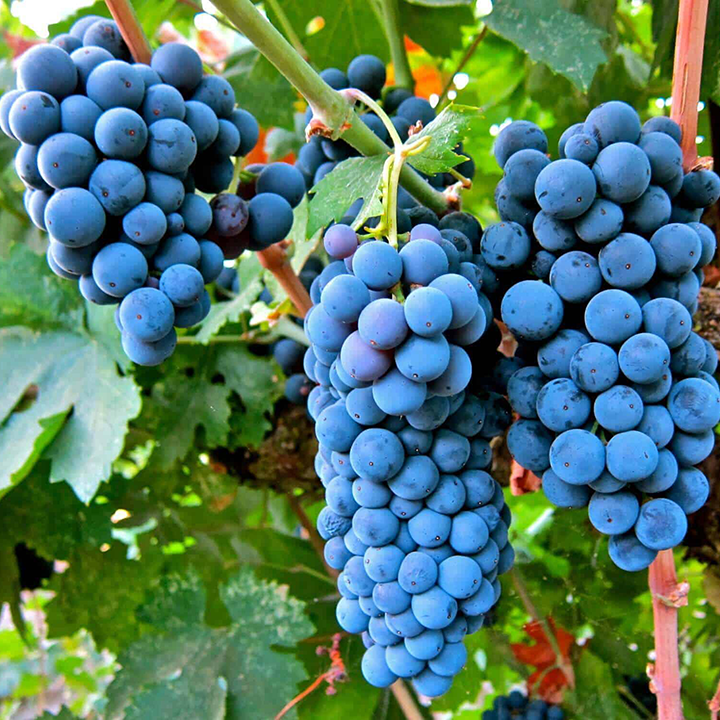
    Malbec

    10. Malbec

        – Species: Vitis vinifera

        – Genealogy: Originating in France, Malbec is a natural cross between Magdeleine Noire des Charentes and Prunelard. It gained fame in Argentina, where it thrived in the high altitudes.

        – Myth and Lore: In Argentine folklore, Malbec was blessed by the spirits of the Andes mountains, who ensured its rich, robust flavor.

    The Science and Magic of Varietal Creation

    Hybrid Varietals – Hybrids often arise from the need to improve specific traits. For example, Vidal Blanc is a hybrid of Ugni Blanc (Vitis vinifera) and a hybrid grape variety, created to withstand harsh Canadian winters.

    Cross Varietals – Crossbreeding within the same species can lead to remarkable discoveries, as seen with Pinotage, a cross between Pinot Noir and Cinsault, developed in South Africa in 1925 to create a robust grape suited to the local climate.

    Clones – Clones like the Dijon clones of Pinot Noir, selected for their specific traits such as small berries or disease resistance, demonstrate how subtle genetic variations can lead to significant differences in the wine’s profile.

    The genealogy of grape varietals is a blend of science and storytelling, where each grape’s journey from ancient roots to modern vineyards is as captivating as the wines they produce. Whether shaped by nature or nurtured by mythical beings, these varietals continue to enchant wine lovers around the globe, one sip at a time. So, the next time you raise a glass, remember the rich history and fascinating lineage that brought that wine to your table. Cheers 🍷

  • Sipping Sunshine

    Sipping Sunshine

    A Guide to Pairing Summer-Friendly Wines with Summer Fruits

    Summer is a time for sun-kissed days, breezy nights, and the vibrant flavors of fresh fruits and crisp wines. Whether you’re lounging by the pool, hosting a backyard barbecue, or enjoying a lazy afternoon on the patio, the right wine can elevate the season’s delicious bounty to new heights. Join me on a delightful journey as we explore the best wine and fruit pairings that celebrate the essence of summer. Plus, for the adventurous among us, I’ll share a refreshing sangria recipe that will be the star of your summer soirées.

    SOMM&SOMM Recommends Berries and Bubbles

    Photo by Jill Burrow on Pexels.com

    Strawberries and Rosé

    There’s something undeniably romantic about strawberries and rosé. The juicy sweetness of ripe strawberries complements the delicate floral notes and crisp acidity of a dry rosé. Look for a Provence-style rosé with hints of strawberry, peach, and citrus for a match made in heaven.

    Raspberries and Sparkling Wine

    Raspberries, with their tart and tangy profile, are perfect companions to the effervescence of sparkling wine. A brut Champagne or a refreshing Prosecco will enhance the bright acidity of the raspberries, creating a harmonious balance. For an extra touch of elegance, drop a few raspberries into your glass and let them dance in the bubbles.

    SOMM&SOMM Recommends Stone Fruits and White Wines

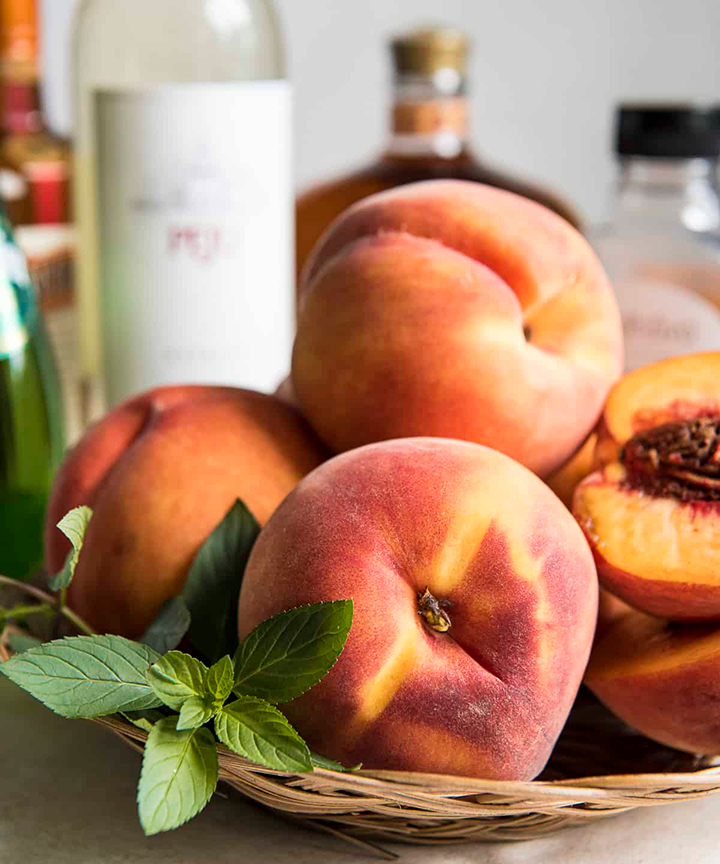
    Peaches!

    Peaches and Riesling

    The luscious, juicy sweetness of a perfectly ripe peach is beautifully mirrored by the vibrant fruitiness of a Riesling. A well-balanced Riesling, with its notes of apricot, honey, and citrus, can highlight the natural sweetness of peaches while offering a refreshing finish.

    Apricots and Viognier

    Apricots, with their slightly tart and aromatic nature, pair wonderfully with the rich and fragrant qualities of Viognier. This full-bodied white wine, often with flavors of peach, apricot, and floral undertones, enhances the fruit’s natural character, creating a symphony of summer flavors.

    SOMM&SOMM Recommends Melons and Crisp Whites

    Beautifully ripe watermelon

    Watermelon and Sauvignon Blanc

    Watermelon is the quintessential summer fruit—juicy, refreshing, and slightly sweet. Its subtle flavor is beautifully uplifted by the zesty, citrusy notes of Sauvignon Blanc. Opt for a New Zealand Sauvignon Blanc with its signature grassy and tropical fruit profile for a delightful pairing.

    Cantaloupe and Pinot Grigio

    Cantaloupe’s mellow sweetness and slightly musky aroma are complemented by the light, crisp, and refreshing nature of Pinot Grigio. The wine’s hints of green apple, pear, and citrus create a delicate balance that enhances the fruit’s flavor without overpowering it.

    SOMM&SOMM Recommends Adventurous Pairings for the Bold

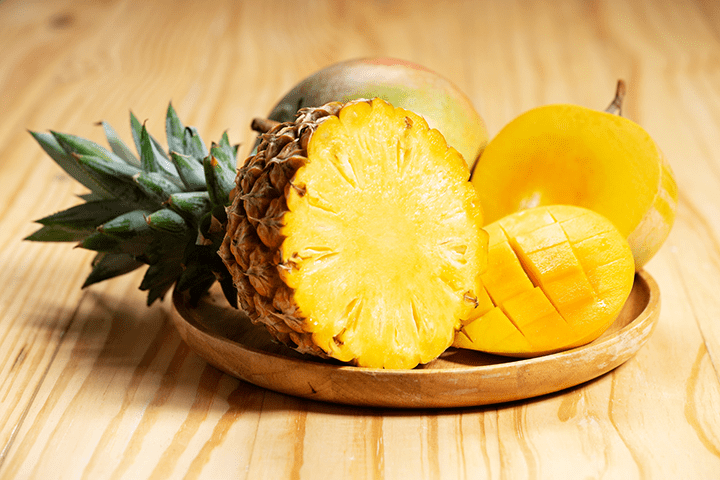
    Pineapple and mango

    Pineapple and Gewürztraminer

    For those who love bold and exotic flavors, pairing pineapple with Gewürztraminer is a must-try. This aromatic white wine, with its lychee, rose, and spice notes, beautifully balances the sweet-tart profile of pineapple, creating an explosion of tropical flavors.

    Mango and Albariño

    Mangoes are rich, sweet, and bursting with tropical goodness. Pairing them with Albariño, a Spanish white wine known for its high acidity and bright citrus flavors, creates a vibrant and refreshing combination that highlights the best of both.

    Sun-kissed Summer Sangria

    Sun-Kissed Summer Sangria

    Ingredients:

    – 1 bottle of dry white wine (such as Sauvignon Blanc or Pinot Grigio)

    – 1/4 cup brandy

    – 1/4 cup orange liqueur (such as Cointreau or Triple Sec)

    – 1/4 cup simple syrup (adjust to taste)

    – 1 orange, thinly sliced

    – 1 lemon, thinly sliced

    – 1 lime, thinly sliced

    – 1 cup fresh strawberries, hulled and sliced

    – 1 cup fresh pineapple chunks

    – 1 cup fresh blueberries

    – 1 peach, pitted and sliced

    – 1 to 2 cups sparkling water or club soda

    – Fresh mint leaves for garnish

    Instructions:

    1. In a large pitcher, combine the white wine, brandy, orange liqueur, and simple syrup. Stir well to mix.

    2. Add the orange, lemon, and lime slices to the pitcher, followed by the strawberries, pineapple, blueberries, and peach slices.

    3. Stir gently to combine the fruit with the liquid. Cover the pitcher and refrigerate for at least 2 hours, allowing the flavors to meld.

    4. Just before serving, add the sparkling water or club soda to the pitcher for a refreshing fizz. Stir gently to combine.

    5. Pour the sangria into glasses filled with ice, making sure to include some of the fruit in each glass.

    6. Garnish with fresh mint leaves and enjoy the refreshing taste of summer!

    Pairing summer wines with summer fruits is an art that brings out the best in both. The vibrant flavors of fresh fruits combined with the nuanced profiles of carefully selected wines can create unforgettable taste experiences. Whether you’re indulging in a classic combination or exploring adventurous pairings, the joy of summer is captured in every sip and bite. So, gather your friends, pick your favorite fruits and wines, and celebrate the season with these delightful pairings. Cheers to a summer filled with sunshine and sips of perfection! 🥂

  • Perfect Pairings: Thanksgiving Traditions and Wine

    Perfect Pairings: Thanksgiving Traditions and Wine

    As the holiday season approaches, it’s time to gather around the table for the quintessential Thanksgiving feast. From roast turkey to sweet potato casserole, each dish brings its own unique flavors to the celebration. Elevate your Thanksgiving experience this year by exploring both traditional and unconventional wine pairings that will delight your palate and impress your guests. Read on as we journey through classic Thanksgiving dishes, guided by our passion as sommeliers (SOMM&SOMM), as we explore the perfect symphony of tastes.

    Classic Turkey and Stuffing

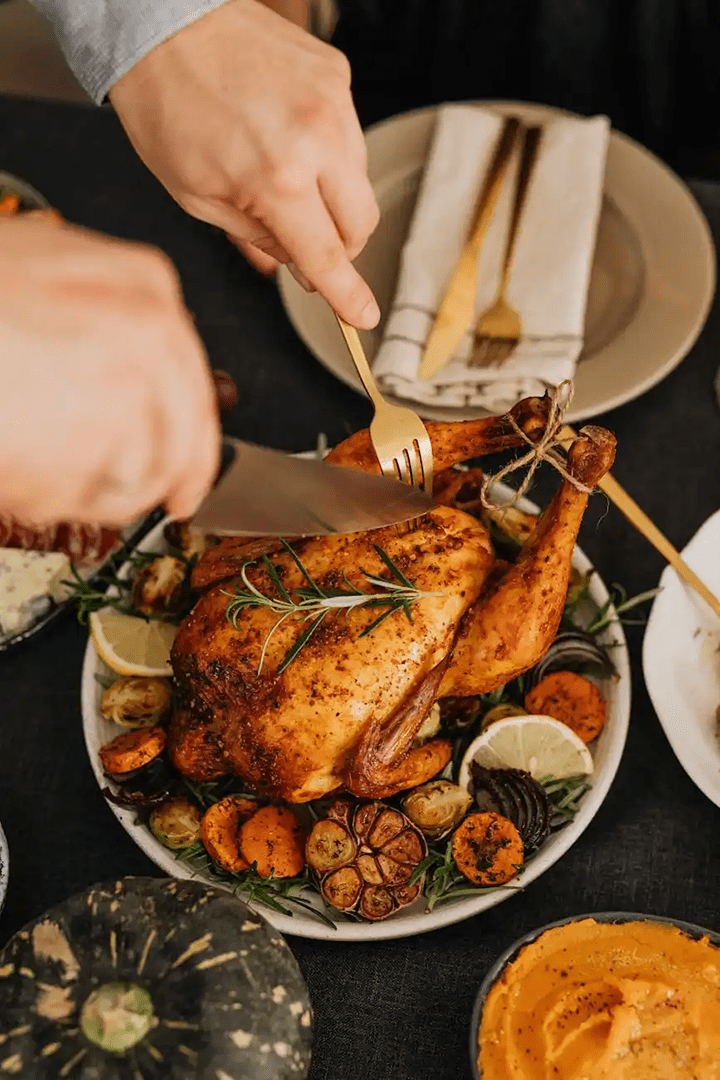
    The star of the Thanksgiving show is undoubtedly the roast turkey. Its savory, succulent meat pairs beautifully with a variety of wines. For a traditional choice, consider a medium to full-bodied white wine like a classic Chardonnay or a Viognier. These wines complement the turkey’s texture and enhance the subtle flavors of the bird.

    For a twist, try a Pinot Noir or a Grenache. These red wines bring out the earthy notes in the stuffing and create a harmonious balance with the turkey’s richness. SOMM&SOMM recommends choosing a Pinot Noir with a hint of spice to add complexity to the pairing.

    Recommended wines:

    Chateau Montelena Napa Valley Chardonnay (Classic)

    Machard Gramont Pommard 1er Cru ‘Clos Blanc’ (SOMM&SOMM)

    Ruths Chris Sweet Potato Casserole

    Sweet Potato Casserole

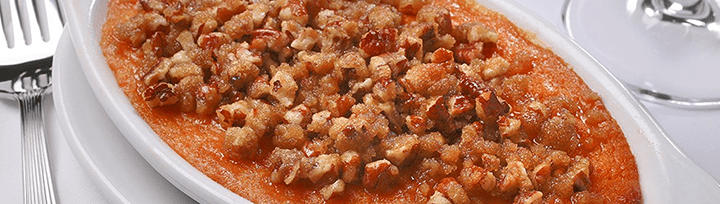
    Sweet potato casserole, adorned with a layer of gooey marshmallows or crunchy pecans (Ruth’s Chris Sweet Potato Casserole Recipe), dances on the palate with a combination of sweet and savory notes. To complement this dish, opt for a white wine with a touch of sweetness, such as a Riesling or a Gewürztraminer. These wines balance the sweetness of the dish without overpowering it.

    For a more unconventional choice, consider a rosé or a light-bodied red wine like Gamay. SOMM&SOMM suggests selecting a wine with bright acidity to cut through the sweetness of the casserole, creating a delightful contrast that will leave your taste buds wanting more.

    Recommended wines:

    Pierre Sparr Mambourg Grand Cru Gewurztraminer (Classic)

    Debeaune Morgon Belles Grives (SOMM&SOMM)

    Mashed Potatoes and Gravy

    Creamy mashed potatoes and rich gravy are the comforting soul of any Thanksgiving meal. A classic Chardonnay with buttery notes is a safe and satisfying choice. Its smooth texture complements the creamy potatoes and enhances the richness of the gravy.

    For a bolder pairing, go for a sparkling wine or a Champagne. The effervescence cuts through the heaviness of the potatoes and cleanses the palate, preparing it for the next delicious bite. SOMM&SOMM recommends selecting a brut or extra brut style for a clean and refreshing experience.

    Recommended wines:

    Rombauer Carneros Chardonnay (Classic)

    De Saint-Gall Blanc De Blancs Grand Cru Vintage Champagne (SOMM&SOMM)

    Pumpkin Pie

    No Thanksgiving feast is complete without a slice of pumpkin pie. The warm spices and creamy pumpkin filling call for a wine that can stand up to its bold flavors. A late-harvest Riesling or a Moscato d’Asti perfectly complements the sweetness of the pie.

    For an unexpected pairing, try a tawny port or a sweet sherry. These fortified wines add depth and complexity, creating a memorable finale to your Thanksgiving meal. SOMM&SOMM suggests opting for a tawny port with notes of caramel and nuts to enhance the nutty crust of the pie.

    Recommended wines:

    Michele Chiarlo Nivole Moscato d’Asti (Classic)

    Graham’s 20 Yr Tawny (SOMM&SOMM)

    This Thanksgiving, let your taste buds embark on a culinary adventure by exploring diverse wine pairings that elevate the classic flavors of the holiday. Whether you stick to tradition or venture into the realm of unconventional pairings, the expert guidance of a sommelier ensures a symphony of tastes that will make your Thanksgiving feast truly extraordinary.

    Photo by fauxels on Pexels.com

    Cheers to a holiday filled with good food, great company, and the perfect glass of wine! 🍷

  • Old World Regions: Burgundy

    Old World Regions: Burgundy

    Revised 4/20/2025.

    In eastern France, where rolling hills meet ancient limestone escarpments, Burgundy unfolds like a living manuscript of wine history—written in vine rows and aged in cellars carved by monks. Here, winemaking is not merely a craft; it’s a centuries-old dialogue between land, grape, and soul. Burgundy’s greatness is etched into its terroir, refined by monastic hands, and immortalized through Pinot Noir and Chardonnay.

    Burgundy’s Historical Tapestry

    Though the Romans first planted vines here, it was the devotion of medieval monks—particularly the Cistercians and Benedictines—that truly shaped Burgundy’s wine culture. These devoted stewards mapped the land like viticultural cartographers, identifying climats (individual vineyard sites) and meticulously observing how every slope and soil nuance altered the wine. Their legacy gave birth to Burgundy’s intricate classification system, still revered today.

    By the 15th century, Burgundy had become liquid royalty. The wines of the Dukes of Burgundy graced the courts of Europe, their reputation carried by whispers of elegance and depth.

    Photo by ROMAN ODINTSOV on Pexels.com

    Chablis

    In Burgundy’s northern reaches lies Chablis, a land where Chardonnay sheds its oaky costume and reveals its truest self—tense, mineral, and vibrantly alive. The town’s quiet charm belies its global renown for producing wines of razor-sharp clarity and poise.

    What gives Chablis its unmistakable signature?

    • Kimmeridgian Soil: Layers of ancient limestone laced with fossilized oyster shells create a mineral core that defines the wine. You can almost taste the prehistoric sea.
    • Cool Continental Climate: Slow ripening preserves acidity and finesse, crafting wines that are bright, steely, and bracing.
    • The Serein River: This quiet ribbon of water softens spring frosts and helps moderate the region’s microclimate.

    Appellations of Chablis:

    • Chablis AOC: Crisp and direct, with citrus, green apple, and that flinty edge that defines the region.
    • Premier Cru: More complex, with structure and elegance. Forty designated climats bring subtlety and layered depth.
    • Grand Cru: Just seven vineyard sites, perched on the sunniest slopes above the town. These wines are dense, refined, and age-worthy, showing a Chardonnay of regal stature.

    Chablis producers typically avoid overt oak influence. Stainless steel or neutral oak lets terroir take center stage. Grapes are often hand-harvested, a nod to the region’s reverence for precision.

    Côte d’Or

    Divided into Côte de Nuits and Côte de Beaune, the Côte d’Or is Burgundy’s vinous heartland—a golden slope of vines that has birthed some of the most sought-after wines on Earth. Here, the word “climat” holds power, denoting micro-plots of land so revered that UNESCO granted them World Heritage status.

    Côte de Nuits

    Running south from Dijon, this slender ribbon of vineyards is hallowed ground for Pinot Noir. It’s where the grape achieves its most ethereal expressions—silken yet structured, earthy yet floral.

    • Gevrey-Chambertin: Bold and muscular, with dark fruit and spice. A favorite of Napoleon.
    • Vosne-Romanée: Perfumed, haunting, and impossibly elegant. Home to Romanée-Conti, the holy grail of Pinot.
    • Chambolle-Musigny: Ethereal and silky, like satin laced with violets.

    The land is a mosaic of limestone, marl, and clay, with east-facing slopes catching the gentle morning sun. Each vineyard has its own personality—its own voice in the Pinot Noir choir.

    Côte de Beaune

    Head further south, and the reds soften while the whites begin to shine with crystalline brilliance. Côte de Beaune is the birthplace of iconic Chardonnay—wines that dance between richness and elegance, lifted by acidity and grounded by mineral depth.

    • Meursault: Creamy and nutty, with golden orchard fruit and a whisper of oak.
    • Puligny-Montrachet: Precision and grace. Citrus, chalk, and white flowers.
    • Chassagne-Montrachet: Fuller-bodied, sometimes smoky, always refined.

    For reds, Volnay offers delicate and floral Pinot Noir with a silk-threaded structure, while Pommard brings a more muscular edge.

    Côte Chalonnaise

    South of the Côte d’Or, the Côte Chalonnaise is often overlooked—and unfairly so. This region offers authenticity, value, and wines with character that punches well above their appellation status.

    The landscape opens up, the climate warms slightly, and the diversity of soils (limestone, marl, and clay) creates ideal conditions for both Chardonnay and Pinot Noir.

    • Rully & Montagny: Vibrant whites with citrus zest, white peach, and a touch of saline minerality.
    • Mercurey & Givry: Energetic reds with red fruit, spice, and subtle earthy undertones.

    These are wines that reflect place, not prestige—and that’s exactly their magic. For sommeliers and seekers, it’s a playground of discovery.

    Mâconnais

    Traveling further south, the Mâconnais greets you with warmth—in both climate and character. This is where Chardonnay loosens its collar a bit, showing a rounder, riper side that’s no less expressive.

    Sun-drenched slopes and varied soils—from granite to limestone—produce wines that are generous and fruit-driven yet still rooted in mineral elegance.

    • Mâcon-Villages: An approachable, floral, and fruit-forward introduction to the region.
    • Saint-Véran & Viré-Clessé: Elegant, fresh, and subtly creamy Chardonnays with a whisper of stone fruit.
    • Pouilly-Fuissé: The star of the south. Rich but focused, often aged in oak, delivering finesse and depth without losing its Burgundian soul.

    Burgundy as a State of Mind

    To study Burgundy is to embrace complexity, patience, and nuance. It is not a region that gives up its secrets easily. But for those willing to walk its vineyard paths, taste its terroir, and listen to its whispering vines, Burgundy offers more than just wine—it offers a deeper understanding of harmony between man, grape, and earth.

    Cheers 🍷

  • Varietal Spotlight: Chardonnay

    Varietal Spotlight: Chardonnay

    The Canvas of the Winemaker.

    Few grape varieties offer as much versatility and expressive potential as Chardonnay. Within the Vitis vinifera family, it stands as one of the most adaptable varietals—capable of producing everything from zesty, mineral-driven wines to rich, barrel-aged expressions. Winemakers often call it the “blank canvas” grape, not because it lacks character, but because it reflects the sum of choices made in the cellar: oak or stainless steel, malolactic conversion or crisp acidity, extended lees aging or youthful freshness. Chardonnay mirrors technique—and that is precisely why professionals revere it.

    Photo by Nadin Sh on Pexels.com

    A Brief History of a Global Classic

    The name Chardonnay originates from a small village in the Mâconnais subregion of Burgundy, France. While legends once traced its ancestry to medieval crusades or poetic tales from Cyprus, modern science has provided a far clearer understanding.

    Thanks to genetic research—most notably by Dr. Carole Meredith of the University of California—we now know that Chardonnay is a natural cross between Pinot Noir and Gouais Blanc. That lineage is meaningful: Pinot Noir has long been considered the noble grape of Burgundy, while Gouais Blanc was historically grown for everyday table wine. Their close proximity in vineyards centuries ago allowed for cross-pollination that ultimately produced the varietal we recognize today.

    Interestingly, Gouais Blanc has been known by more than 140 different names—proof of its widespread cultivation—and yet it has all but disappeared today. Chardonnay, on the other hand, has become one of the most celebrated and widely planted grapes in the world.

    Chardonnay and Terroir: A Natural Translator

    Chardonnay is uniquely sensitive to terroir—the combination of soil, climate, altitude, water access, and topography that shape a wine’s character. For this reason, many Old World labels emphasize geographic origin more than grape variety.

    Photo by Kate Filatova on Pexels.com

    Take Chablis, for example. It is not a synonym for Chardonnay, yet every wine labeled Chablis must be made from Chardonnay. The region’s cool climate and Kimmeridgian limestone soils produce wines that are lean, flinty, and mineral-driven—quite different from the fuller styles of, say, Sonoma or Margaret River. Thus:

    All Chablis are Chardonnay, but not all Chardonnays are Chablis.

    Gregory Dean, SOMM&SOMM

    In Burgundy’s Côte de Beaune, names like Montrachet (pronounced “Mon-ra-shay”) represent some of the most prestigious—and expensive—Chardonnays on earth. Further south, Pouilly-Fuissé in the Mâconnais region is known for producing ripe, elegant Chardonnays that balance fruit with structure. Nearly every Old World country—France, Italy, Spain, Germany, Austria, Portugal, Greece, Hungary, Croatia, and others—produces unique expressions shaped by specific terroir.

    Old World generally refers to European, Middle Eastern, and North African wine-producing countries.

    New World Chardonnay: Sunshine in the Glass

    In contrast, New World regions such as California, Australia, South Africa, Chile, and Argentina typically experience warmer growing conditions. More sunlight means longer hang time, which increases sugar levels in the grapes. Higher sugar translates into higher alcohol during fermentation—one reason New World Chardonnays tend to be richer, fuller-bodied, and more fruit-forward.

    Photo by Manuel Muu00f1oz on Pexels.com

    Serving temperature matters:

    • Unoaked, youthful styles: 48–50°F (9–10°C)
    • Oaked or older vintages: 52–54°F (11–12°C)

    These subtle temperature differences allow either the fruit or the influence of oak and lees to take the spotlight.

    What About ‘Buttery’ Chardonnay?

    The often-discussed buttery texture comes from malolactic conversion—a natural process where sharper malic acid (like that in green apples) is transformed into softer lactic acid (found in milk and cream). This adds texture and roundness while reducing acidity. Not all winemakers choose this technique; some prefer the crisp purity of a non-malo Chardonnay. Again—the grape simply mirrors the choice.

    Photo by Heather Smith on Pexels.com

    Chardonnay in Champagne

    Chardonnay is also one of only three permitted grapes in Champagne—the sole white varietal allowed. In fact, when you see Blanc de Blancs on a Champagne label, it indicates the wine is made from 100% Chardonnay. Its elegance and aging potential make it highly prized in sparkling wine production around the world.

    Stylistic Tools of the Winemaker

    Chardonnay can express a wide range of styles depending on the methods used:

    • Stainless steel fermentation – preserves freshness and acidity
    • Oak aging – adds spice, texture, and complexity
    • Concrete eggs – enhance mouthfeel without imparting flavor
    • Malolactic conversion – softens acidity and adds creaminess
    • Lees stirring (bâtonnage) – contributes body and aromatic depth

    Chardonnay, perhaps more than any other grape, tells the story of the cellar.

    SOMM&SOMM Recommendations

    A few standout examples worth exploring:

    Too many to list—but each one showcases a different voice of the same grape.

    A Final Thought

    The best way to understand Chardonnay is to taste it across regions, styles, and techniques. In a gallery, we use our eyes to interpret a painting. With wine, we have the luxury of using three senses instead of one—sight, smell, and taste. Each glass reveals the winemaker’s intention and the land’s identity.

    Next time you pour a Chardonnay, ask yourself:
    What story is the winemaker telling… and what is the vineyard whispering in the background? Cheers ❤️

    Edited: Original post was written and published 2/18/2023. Refreshed and updated 11/29/2025