Tag: Champagne

  • Domaine Carneros Sparkling Party

    Domaine Carneros Sparkling Party

    A Toast to Tradition and Togetherness.

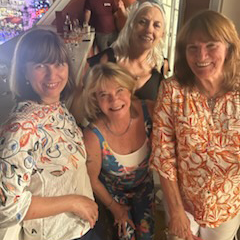
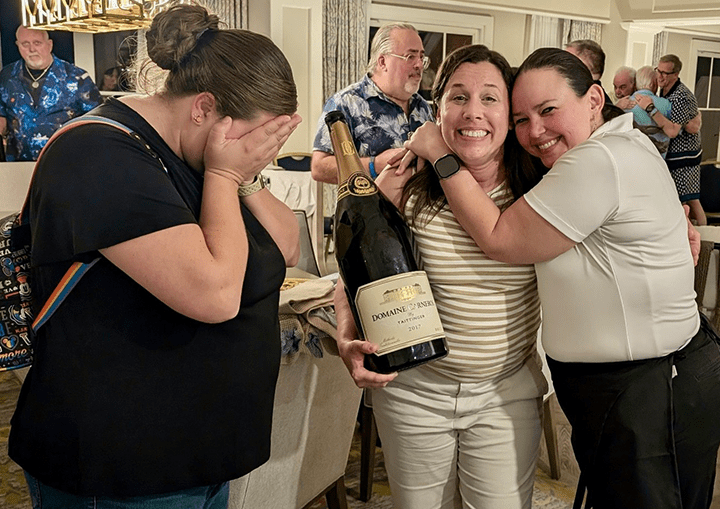
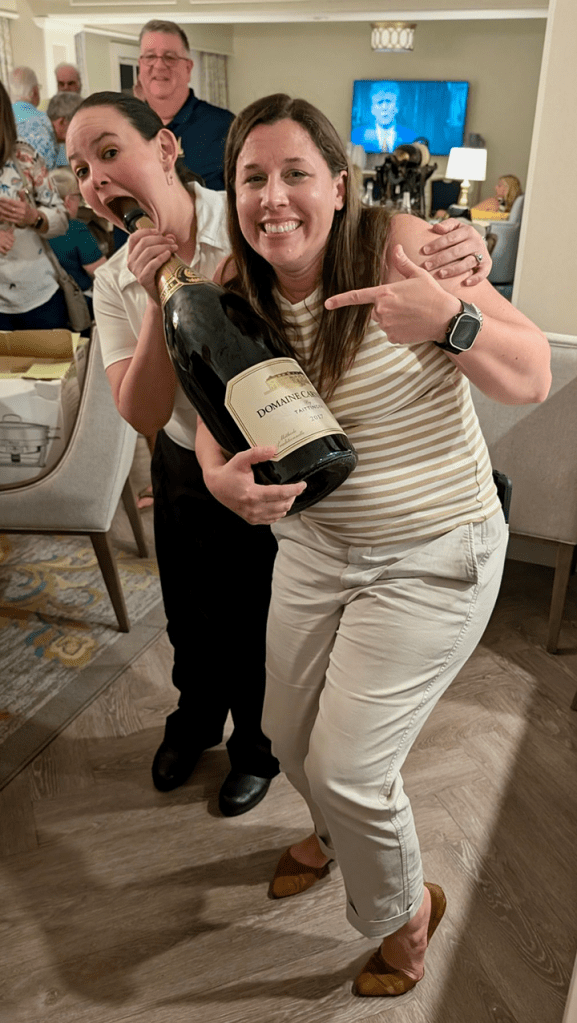
    As a grand kickoff to Scott and Alison White’s week-long 36th-anniversary festivities, this year’s Sparkling Party brought together family and friends at Disney’s Boardwalk Resort for an evening overflowing with camaraderie, exquisite food, and the celebrated Domaine Carneros sparkling wines. This year’s feature: three impressive six-liter bottles of the 2017 Taittinger Domaine Carneros Brut, each bottle holding the lively energy and character that made it the evening’s “magic elixir.”

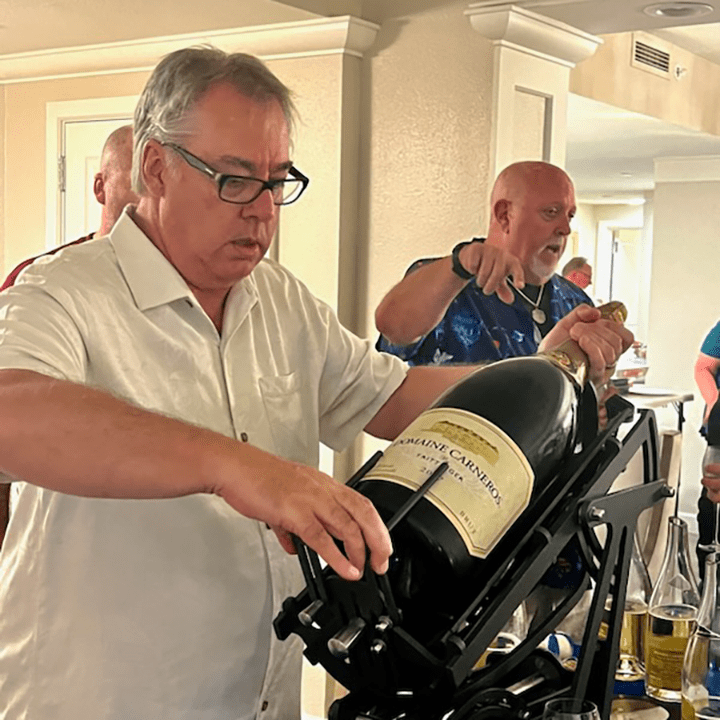
    Scott White sabers a bottle of Domaine Carneros

    Sabering the Sparkling: A Celebration in Every Strike

    Scott White, an aficionado of Napa’s finest wines, proudly opened the evening with a daring sabering of the first large-format bottle, a feat he performed for the first time, thrilling his guests. With Scott’s deft, confident strike, a burst of effervescence flowed as the cork and neck were swept away, marking a spirited beginning to the evening. Following in Scott’s footsteps were Brian Toung and Dima Semenski, who each took up the saber with both excitement and skill, making clean cuts that set the night’s festive tone. Their efforts epitomized the camaraderie and celebration that this party—and the art of sabering itself—so beautifully embody.

    Read about these three sabertiers: The Art and Ritual of Sabering Sparkling Wine: A Master Class

    A Sparkling Legacy

    The Domaine Carneros Brut, from the esteemed 2017 vintage, poured with an elegance that complemented the gathering’s lively spirit. Its fine mousse and balanced acidity elevated every bite, pairing especially well with the variety of appetizers thoughtfully prepared for the event. The Brut’s light brioche, citrus, and apple notes mingled with the menu, enhancing every pairing as each course was unveiled.

    A Feast for the Ages

    This year’s menu was a true banquet, carefully curated to pair harmoniously with the sparkling wines. The cold plates—shrimp cocktail, lump crab, and salmon crackers—offered a fresh, clean introduction, perfectly suited to the Brut’s zesty minerality. A charcuterie and cheese plate was rich in flavor, providing a range of textures and tastes that beautifully highlighted the wine’s toasty notes.

    The fruit platter, with ripe strawberries, juicy pears, and the indulgent blue cheese and candied walnut pairings, was a refreshing contrast to the sparkling wine’s crisp acidity. Caprese skewers and veggie plates kept the palate lively, while deviled eggs added a creamy, savory delight.

    The hot dishes were a masterpiece in their own right, showcasing beloved classics and a few surprises. Bacon-wrapped scallops, a crowd favorite, brought out the subtle smokiness in the Domaine Carneros Brut, while mini quiches with bacon and Swiss and savory onion and goat cheese phylo cups matched the wine’s complexity sip for sip. Brie and fig phylo cups, with their luxurious combination of creamy brie and sweet fig, proved to be another highlight alongside the sparkling wine’s effervescence.

    The Pompon sandwiches, featuring Argentinian sausage, and Pizza Piena, an Italian-style pie, added rich heartiness to the mix, a delightful pairing with the structured yet delicate bubbles of the Brut. Abundantly flavored dishes, such as stuffed mushrooms, pot stickers, and Spanish albondigas (meatballs), held their own next to the sparkling wine, creating a symphony of flavors that each sip of Domaine Carneros only heightened.

    Dessert and the Perfect Pairing

    To bring the evening to a sweet close, a stunning array of desserts was served alongside the Domaine Carneros Demi-Sec. The Demi-Sec, with its slight sweetness and softer acidity, was the ideal match for the variety of treats on offer. Each bite, from rich pastries to light fruit-based desserts, found its perfect complement in the Demi-Sec’s balanced sweetness, with flavors that lingered delicately on the palate.

    A Toast to the Sparkling Party

    As the night wound down, a few guests enjoyed glasses of Armagnac, raising a final toast to friendship, to Scott and Alison’s enduring love, and to the memories shared and created anew. With Domaine Carneros sparkling wine in hand and laughter filling the air, the evening was a testament to tradition, good company, and the pure joy of savoring exceptional wine and food in celebration of life’s finest moments. Cheers 🥂
  • From Piccolos to Melchizedeks: A Journey Through Wine Bottle Sizes

    From Piccolos to Melchizedeks: A Journey Through Wine Bottle Sizes

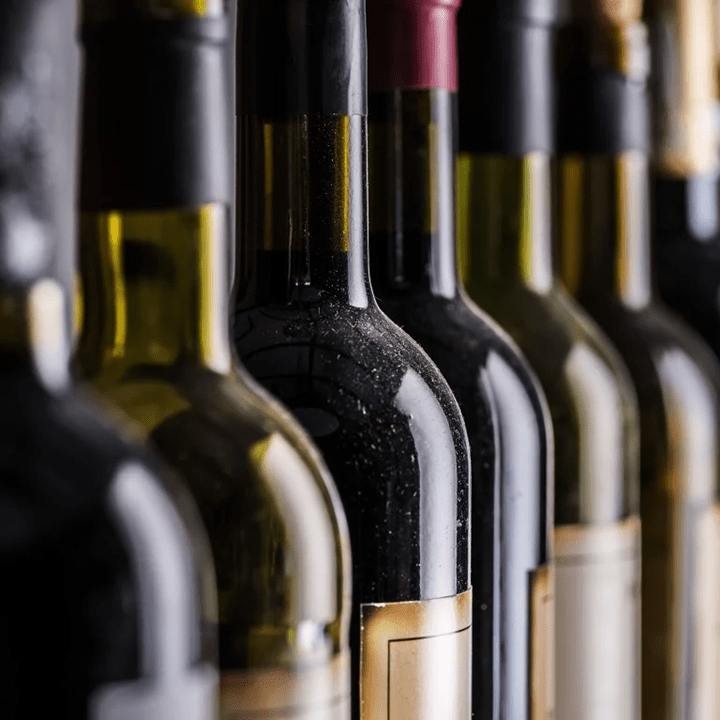
    Wine, that elixir of joy and conviviality, comes in an array of bottle sizes, each with its own charm, lore, and, of course, capacity for merry-making. From the dainty Piccolo to the colossal Melchizedek, these vessels not only hold liquid pleasure but also carry with them stories of tradition, history, and the whimsy of human creativity.

    Photo by Grape Things on Pexels.com

    Piccolo (187.5 ml): Tiny But Mighty – Ah, the Piccolo, a darling among the bottles, containing just enough to tantalize the taste buds with a whisper of wine. Perfect for solo soirées or a spontaneous toast to oneself.

    Demi (375 ml): Half the Fun – The Demi is like a halfway house for wine enthusiasts, offering a modest pour that’s just enough for a cozy tête-à-tête or an intimate dinner for two. It’s the Goldilocks of bottles—not too much, not too little, just right.

    Jennie (500 ml): A Unique Gem – Named after the esteemed Jennie Churchill, mother of Winston, this bottle size is a rarity, often seen in German wine regions. It’s a splendid choice for those who desire a touch more than a Demi but not quite as much as a Standard.

    Standard (750 ml): The Classic Choice – The Standard, a familiar sight on wine shelves worldwide, is the quintessential bottle size for sharing and savoring with friends. It’s the standard-bearer of wine bottle dimensions, offering just enough liquid happiness to go around.

    Liter (1 liter): One for the Road – When a Standard bottle simply won’t suffice, enter the Liter. Popular in certain regions for everyday wines, it’s a practical choice for those who enjoy their wine by the liter rather than by the glass.

    Magnum (1.5 liters): Double the Pleasure – Behold, the Magnum! This bottle exudes an air of celebration, containing the equivalent of two Standards. It’s said that wine in Magnum format ages more gracefully, perhaps due to its larger volume minimizing the ratio of oxygen to wine.

    Jeroboam (3 liters): Royally Grand – Named after the biblical figure, King Jeroboam, this bottle commands attention with its regal presence. While its size can vary between regions, it generally holds the equivalent of four Standards, making it ideal for larger gatherings or extended revelry.

    Rehoboam (4.5 liters): A Bordeaux Beauty – In Bordeaux, where wine flows like the Garonne River, the Rehoboam reigns supreme. Named after Jeroboam’s son, it holds the equivalent of six Standards and is often seen gracing grand feasts and celebrations in the region.

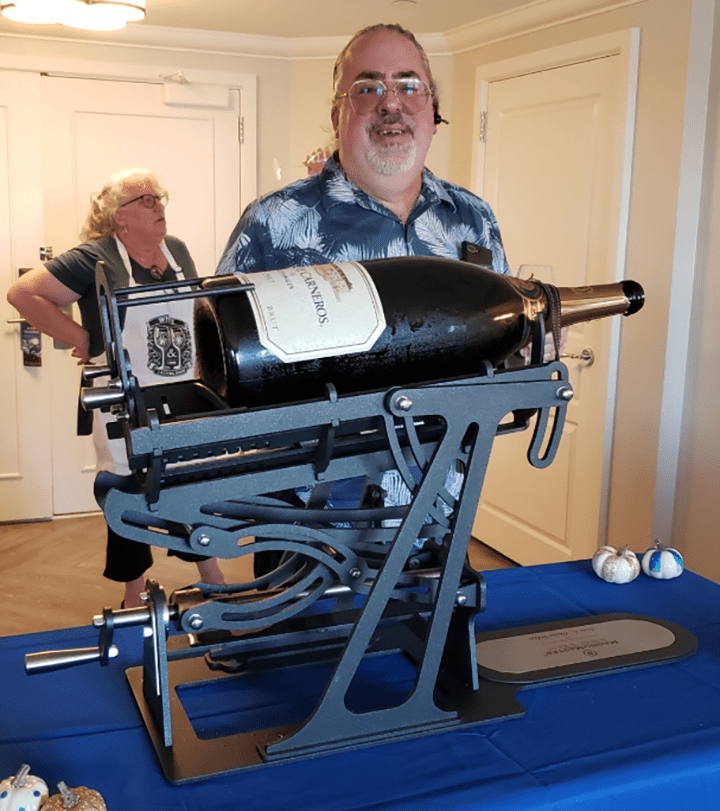
    Sommelier and host, Scott White, serving sparkling wine from a Methuselah (6-liter bottle)

    Methuselah (6 liters): Age Before Beauty – As the name suggests, the Methuselah is ancient in size, holding the equivalent of eight Standards. Its larger volume allows for slower aging and development, making it a prized possession for collectors and connoisseurs alike.

    Salmanazar (9 liters): Fit for a Sultan – Named after the Assyrian king, Salmanazar, this colossal vessel contains the equivalent of twelve Standards. It’s a sight to behold and a challenge to pour, reserved for the most extravagant of celebrations or the grandest of cellars.

    Balthazar (12 liters): A Feast for the Senses – In biblical lore, Balthazar was one of the Three Wise Men, and this bottle size certainly lives up to its name. With the capacity of sixteen Standards, it’s a testament to abundance and generosity, fit for kings and queens of oenology.

    Nebuchadnezzar (15 liters): A Monumental Marvel – The Nebuchadnezzar, named after the legendary Babylonian king, is a behemoth among bottles. Holding the equivalent of twenty Standards, it’s a symbol of opulence and extravagance, reserved for the most lavish of affairs.

    Melchior (18 liters): Majestic Magnificence – In Bordeaux, where grandeur is a way of life, the Melchior reigns supreme. Named after one of the Three Wise Men, it holds the equivalent of twenty-four Standards, embodying the epitome of luxury and excess.

    Solomon (20 liters): Wisdom in Wine – With the wisdom of King Solomon himself, this grand bottle contains the equivalent of twenty-six Standards. It’s a testament to the ancient adage that good things come in large packages, perfect for bestowing blessings upon a bountiful banquet.

    Sovereign (25 liters): Rule with Revelry – Fit for a sovereign indeed, this colossal vessel holds the equivalent of thirty-three Standards. It’s a statement piece, a showstopper, and a symbol of power and prestige, reserved for the most illustrious of occasions.

    Primat (27 liters): Primed for Celebration – Named for its primacy in size, the Primat holds the equivalent of thirty-six Standards. It’s a titan among bottles, commanding attention and admiration wherever it appears, a true champion of indulgence and festivity.

    Melchizedek (30 liters): The Ultimate Libation – And finally, we arrive at the pièce de résistance, the Melchizedek. Named after the biblical figure who was both a king and a priest, this colossal container holds the equivalent of forty Standards. It’s a wine lover’s wildest dream, a spectacle of grandeur and excess, and a testament to the boundless possibilities of human ingenuity.

    So there you have it, a whimsical journey through the world of wine bottle sizes, where every cork has a story and every pour is an adventure. Cheers to the wonderful, wacky world of wine! 🍷

  • Champagne Unveiled: A Journey through Bubbles, Elegance, and Celebration

    Champagne Unveiled: A Journey through Bubbles, Elegance, and Celebration

    Champagne, often synonymous with celebrations and luxury, stands as the epitome of sparkling wine craftsmanship. Originating from the picturesque Champagne region in France, this effervescent elixir has woven itself into the fabric of joyous occasions worldwide. As a professional sommelier and wine educator, I invite you on a journey to discover the nuances of Champagne, explore its historical roots, distinguish it from other sparkling wines, and indulge in the art of serving and toasting.

    Champagne Vineyards

    Historical Roots of Champagne

    The captivating tale of Champagne’s origin dates back to the 17th century. Legend has it that the Benedictine monk Dom Pérignon discovered the method to capture the bubbles in wine, turning a potential winemaking disaster into a delightful revelation. While this story adds a touch of romance to the narrative, historical records attribute the development of the traditional method of sparkling wine production to multiple contributors in the Champagne region.

    In the early 19th century, Champagne houses such as Veuve Clicquot and Moët et Chandon played pivotal roles in refining the méthode champenoise, which involves a secondary fermentation in the bottle. This technique became the hallmark of Champagne production, distinguishing it from other sparkling wines.

    Distinguishing Champagne from Other Sparkling Wines

    While Champagne is the undisputed star, various other sparkling wines offer distinctive profiles and styles. Prosecco (created using the Charmat Method), hailing from Italy, is known for its fresh and fruity character. One of our favorite sparkling wines from Italy, also made using the traditional method (metodo classico), is the Lombardy region’s own Franciacorta. Spain’s Cava, crafted using the traditional method, exhibits citrusy and toasty notes. The German Sekt often showcases a delicate sweetness, while English sparkling wines gain recognition for their quality, influenced by the cool climate and chalky soils.

    What sets Champagne apart is the rigorous production standards outlined by the AOC (Appellation d’Origine Contrôlée) regulations. Grapes, primarily Chardonnay, Pinot Noir, and Pinot Meunier, must come from the Champagne region, and production follows strict guidelines to ensure consistency and excellence.

    Photo by JESHOOTS.com on Pexels.com

    Tips on Serving Sparkling Wine for the Holidays

    As the holiday season approaches, serving sparkling wine with finesse can elevate the festivities. Here are some tips to enhance your sparkling wine experience:

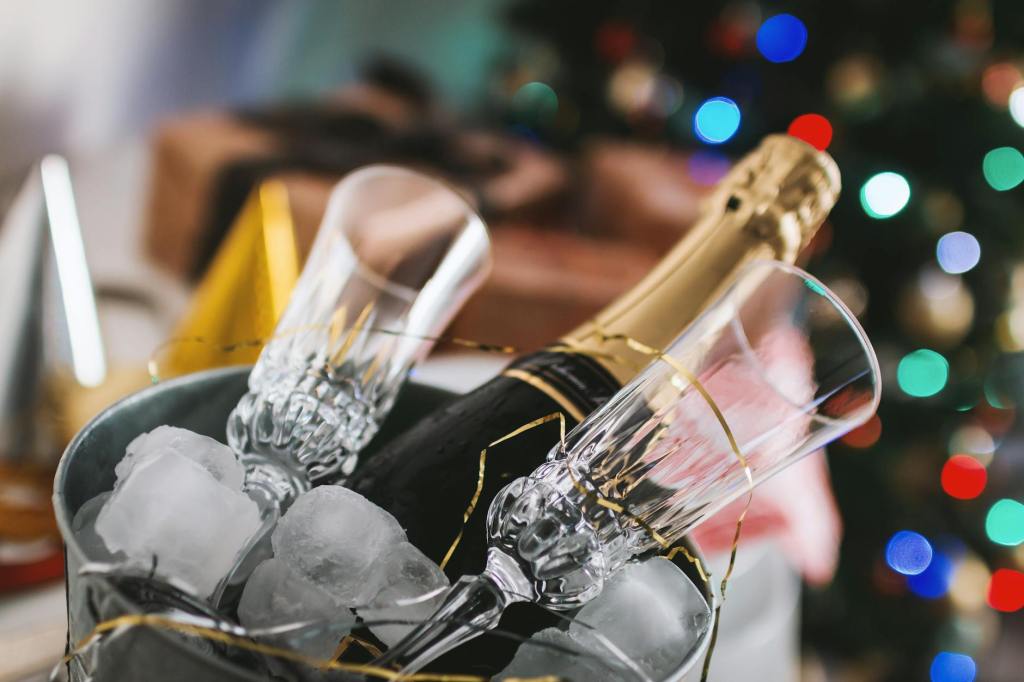
    1. Temperature Matters: Serve Champagne chilled, ideally between 45°F to 48°F (7°C to 9°C). An ice bucket filled with water and ice is an excellent way to keep it at the perfect temperature.

    2. Choosing the Right Glassware: Opt for a flute or tulip-shaped glass to preserve the effervescence and concentrate the aromas. The narrow design helps maintain the bubbles and showcases the wine’s complexity.

    3. Gentle Pouring: To preserve the bubbles, pour sparkling wine down the side of the glass. Hold the glass at an angle and let the liquid glide gently into the flute.

    Popular Champagne Cocktails and Recipes

    Champagne isn’t confined to celebratory toasts; it’s a versatile libation that can be crafted into delightful cocktails. Here are a few popular recipes to elevate your Champagne experience:

    1. Classic Champagne Cocktail:

    Ingredients:

    •    1 sugar cube
    •    Angostura bitters
    •    Champagne
    •    Lemon twist (for garnish)

    Instructions: Soak the sugar cube in a few dashes of Angostura bitters. Drop the cube into a Champagne flute. Pour chilled Champagne over the sugar cube. Garnish with a lemon twist.

    2. French 75:

    Ingredients:

    • 1 oz gin
    • 0.5 oz simple syrup
    • 0.5 oz lemon juice
    • Champagne
    • Lemon twist (for garnish)

    Instructions: Shake gin, simple syrup, and lemon juice with ice. Strain into a Champagne flute. Top with Champagne. Garnish with a lemon twist.

    3. Mimosa:

    Ingredients:

    • 2 oz orange juice
    • Champagne

     Instructions: Pour orange juice into a Champagne flute. Top with chilled Champagne.

    Photo by cottonbro studio on Pexels.com

    Proper Approach to a Classic Champagne Toast

    A Champagne toast is a timeless tradition that brings people together in celebration. To ensure a memorable and elegant toast, consider the following:

    1. Selecting the Right Champagne: Choose a quality Champagne that suits the occasion. A brut or extra brut is a safe choice for toasting, offering a balance of sweetness and acidity.

    2. Chilled to Perfection: Ensure the Champagne is appropriately chilled. A cold glass of bubbly is not only refreshing but enhances the effervescence.

    3. Hold the Glass Correctly: Grasp the Champagne flute by the stem to prevent the transfer of heat from your hand to the wine. This helps maintain the ideal serving temperature.

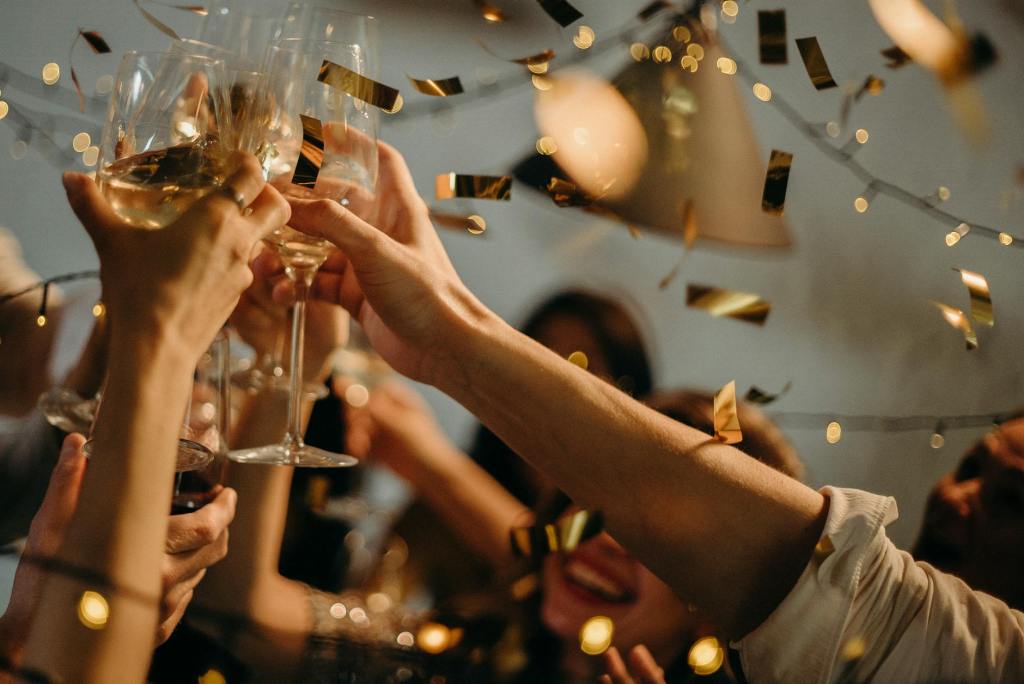
    4. Raise, Clink, and Sip: Raise your glass, make eye contact, and gently clink glasses with others. Take a moment to express your sentiments before taking a sip.

    Let us raise our glasses high in celebration of this joyous moment. Here’s to love that knows no bounds, to friendships that stand the test of time, and to the adventures that await us in the coming years. May our hearts be filled with gratitude, our days with laughter, and our glasses with the effervescent elixir of life. Cheers to the past, the present, and the future – may it be as sparkling and delightful as the bubbles dancing in this champagne. Cheers!

    Gregory Dean, SOMM&SOMM

    In conclusion, Champagne is a beverage of celebration, history, and craftsmanship. From its humble beginnings in the Champagne region to its global acclaim, this effervescent wine continues to captivate enthusiasts. Whether sipped on its own, blended into cocktails, or used for toasts, Champagne remains a symbol of elegance and festivity, enriching moments both grand and intimate. 🥂