Tag: Burgundy

  • Unlocking the Magic of Beaujolais Nouveau

    Unlocking the Magic of Beaujolais Nouveau

    As autumn settles in and leaves begin to paint the landscape with warm hues, wine enthusiasts around the world eagerly await the arrival of a special seasonal favorite—Beaujolais Nouveau. This vibrant and fruity red wine, released just weeks after the grape harvest, has become a symbol of celebration and conviviality. As a wine educator, I am excited to delve into the nuances of Beaujolais Nouveau, exploring its origins, characteristics, and the cultural significance that surrounds its annual release.

    René Hourdry, CC BY-SA 4.0, via Wikimedia Commons

    A Brief History

    Beaujolais Nouveau finds its roots in the Beaujolais region of France, nestled between Burgundy and the Rhône Valley. The story begins with a tradition known as “Beaujolais Day,” a celebration that dates back to the early 20th century. The local winemakers, eager to share their newly harvested wines, would race to bring the first bottles of Beaujolais to the market. Over time, this lively tradition evolved into a global phenomenon.

    The practice of producing Beaujolais Nouveau officially started in the 1950s, thanks to the marketing genius of Georges Duboeuf, a visionary winemaker. Recognizing the potential of the young, fruity wine, Duboeuf seized the opportunity to promote it as a festive and convivial beverage. The release date was set to the third Thursday of November, creating an annual wine event that captures the imagination of wine enthusiasts worldwide.

    The Beauty of Carbonic Maceration

    What sets Beaujolais Nouveau apart from other red wines is its unique winemaking process, known as carbonic maceration. This technique involves fermenting whole grapes in a carbon dioxide-rich environment before crushing them. This process emphasizes the fruity and aromatic qualities of the Gamay grape, the star of Beaujolais wines.

    The result is a wine that is light, fresh, and brimming with red fruit flavors such as cherry, raspberry, and strawberry. The absence of harsh tannins makes Beaujolais Nouveau exceptionally approachable, even for those who may not typically gravitate towards red wines.

    A Symphony of Fruitiness

    When exploring Beaujolais Nouveau, one is immediately struck by its vivacious and youthful character. The wine typically exhibits a brilliant, ruby-red hue that hints at the explosion of fruit flavors within. On the nose, one can detect a medley of red berries, accompanied by floral notes that add a layer of complexity.

    On the palate, Beaujolais Nouveau dances with bright acidity, making it a refreshing and versatile wine. The fruity profile is complemented by a subtle spiciness, creating a harmonious balance that lingers in the finish. It’s a wine meant to be enjoyed in its exuberant youthfulness, best consumed within the first few months of release.

    Pairing Beaujolais Nouveau

    One of the joys of Beaujolais Nouveau is its versatility when it comes to food pairings. Its light body and vibrant acidity make it an excellent companion for a variety of dishes. Consider pairing it with classic French fare such as coq au vin or a plate of charcuterie. The wine’s fruity profile also makes it an ideal match for Thanksgiving dinner, complementing the array of flavors on the holiday table.

    For those with a sweet tooth, Beaujolais Nouveau can be a surprising ally. Its fruit-forward nature makes it a delightful pairing with fruity desserts, such as a berry tart or poached pears.
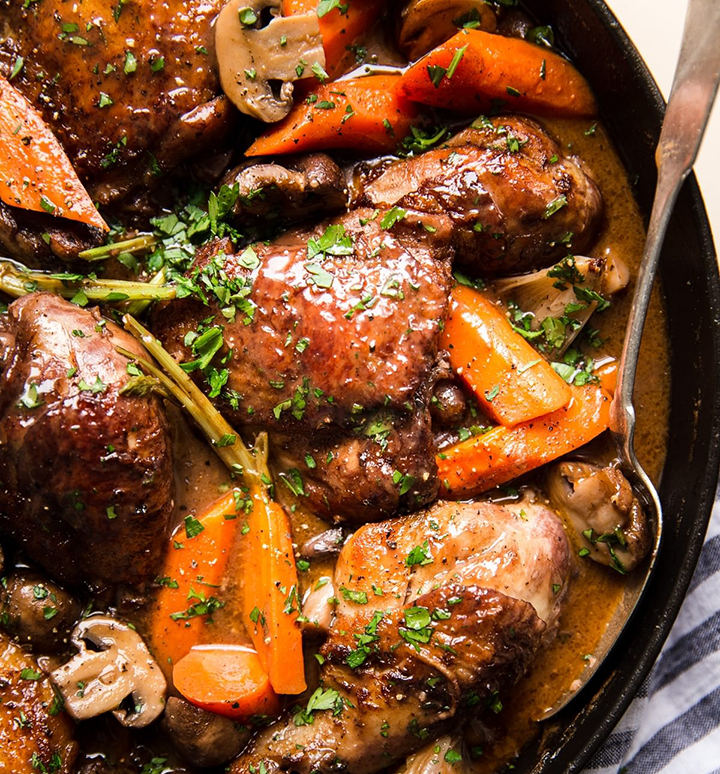
    Coq au Vin – themodernproper.com/coq-au-vin

    Cultural Significance

    The release of Beaujolais Nouveau has transcended its French origins and become a global celebration of wine and camaraderie. Wine lovers around the world eagerly anticipate the third Thursday of November, marking the official release date. Festivals, parties, and special events unfold as enthusiasts raise their glasses to toast the arrival of this unique and ephemeral wine.

    Beaujolais Nouveau has become more than just a beverage; it’s a symbol of conviviality, tradition, and the joy of sharing. Winemakers, distributors, and consumers alike partake in the annual ritual, creating a sense of connection that transcends borders and cultures.

    Embracing the Beaujolais Nouveau Tradition

    I encourage enthusiasts to embrace the magic of Beaujolais Nouveau. Its lively and approachable nature, coupled with the rich history and cultural significance, makes it a wine worth savoring. Whether enjoyed at a festive gathering, a cozy dinner, or simply as a delightful accompaniment to the changing seasons, Beaujolais Nouveau captures the essence of celebration in a bottle. So, as the third Thursday of November passes by, let us raise our glasses to this special season favorite and the traditions that make the world of wine so enchanting.

    Santé 🍷
  • Old World Regions: Burgundy

    Old World Regions: Burgundy

    Revised 4/20/2025.

    In eastern France, where rolling hills meet ancient limestone escarpments, Burgundy unfolds like a living manuscript of wine history—written in vine rows and aged in cellars carved by monks. Here, winemaking is not merely a craft; it’s a centuries-old dialogue between land, grape, and soul. Burgundy’s greatness is etched into its terroir, refined by monastic hands, and immortalized through Pinot Noir and Chardonnay.

    Burgundy’s Historical Tapestry

    Though the Romans first planted vines here, it was the devotion of medieval monks—particularly the Cistercians and Benedictines—that truly shaped Burgundy’s wine culture. These devoted stewards mapped the land like viticultural cartographers, identifying climats (individual vineyard sites) and meticulously observing how every slope and soil nuance altered the wine. Their legacy gave birth to Burgundy’s intricate classification system, still revered today.

    By the 15th century, Burgundy had become liquid royalty. The wines of the Dukes of Burgundy graced the courts of Europe, their reputation carried by whispers of elegance and depth.

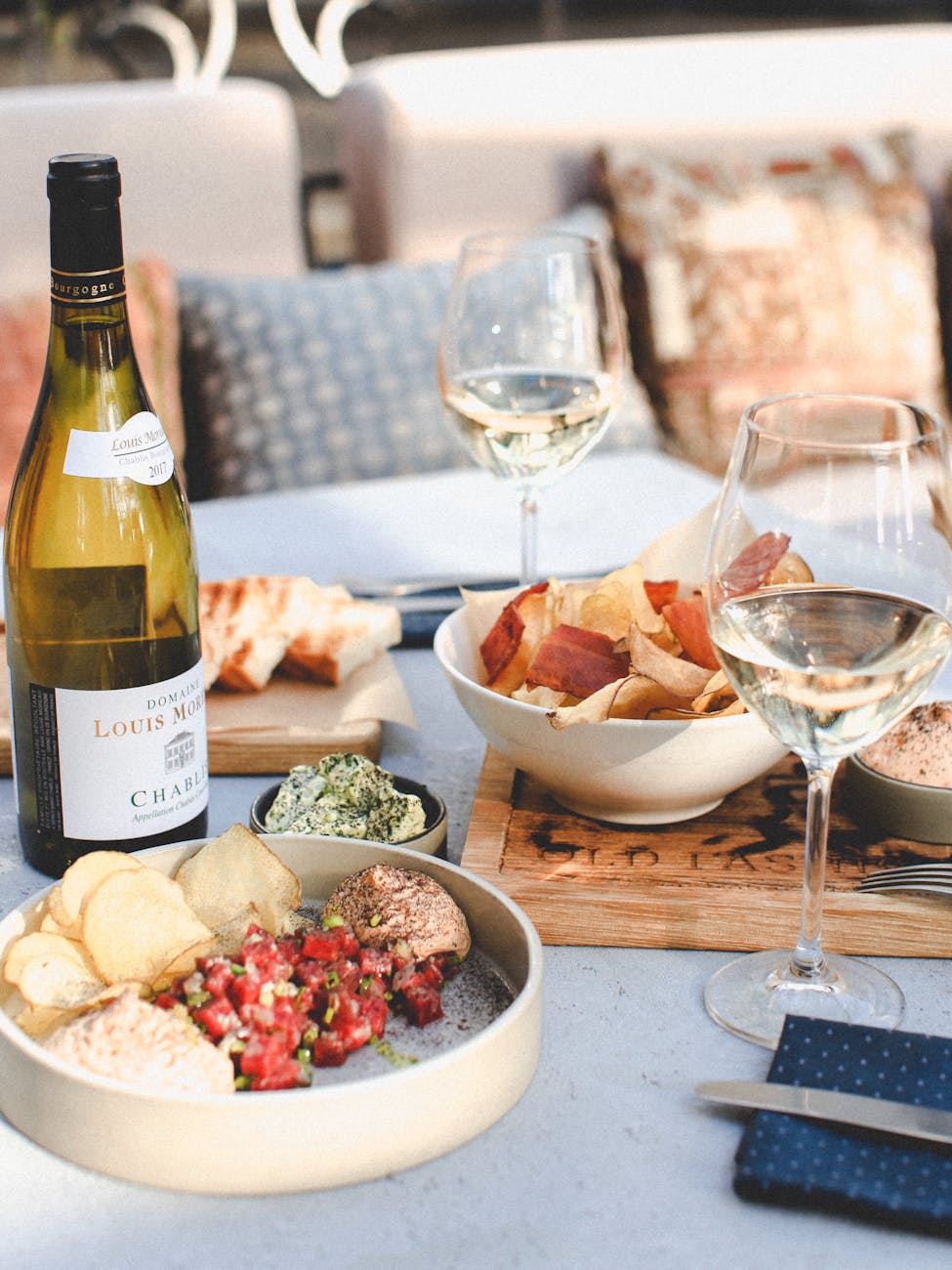
    Photo by ROMAN ODINTSOV on Pexels.com

    Chablis

    In Burgundy’s northern reaches lies Chablis, a land where Chardonnay sheds its oaky costume and reveals its truest self—tense, mineral, and vibrantly alive. The town’s quiet charm belies its global renown for producing wines of razor-sharp clarity and poise.

    What gives Chablis its unmistakable signature?

    • Kimmeridgian Soil: Layers of ancient limestone laced with fossilized oyster shells create a mineral core that defines the wine. You can almost taste the prehistoric sea.
    • Cool Continental Climate: Slow ripening preserves acidity and finesse, crafting wines that are bright, steely, and bracing.
    • The Serein River: This quiet ribbon of water softens spring frosts and helps moderate the region’s microclimate.

    Appellations of Chablis:

    • Chablis AOC: Crisp and direct, with citrus, green apple, and that flinty edge that defines the region.
    • Premier Cru: More complex, with structure and elegance. Forty designated climats bring subtlety and layered depth.
    • Grand Cru: Just seven vineyard sites, perched on the sunniest slopes above the town. These wines are dense, refined, and age-worthy, showing a Chardonnay of regal stature.

    Chablis producers typically avoid overt oak influence. Stainless steel or neutral oak lets terroir take center stage. Grapes are often hand-harvested, a nod to the region’s reverence for precision.

    Côte d’Or

    Divided into Côte de Nuits and Côte de Beaune, the Côte d’Or is Burgundy’s vinous heartland—a golden slope of vines that has birthed some of the most sought-after wines on Earth. Here, the word “climat” holds power, denoting micro-plots of land so revered that UNESCO granted them World Heritage status.

    Côte de Nuits

    Running south from Dijon, this slender ribbon of vineyards is hallowed ground for Pinot Noir. It’s where the grape achieves its most ethereal expressions—silken yet structured, earthy yet floral.

    • Gevrey-Chambertin: Bold and muscular, with dark fruit and spice. A favorite of Napoleon.
    • Vosne-Romanée: Perfumed, haunting, and impossibly elegant. Home to Romanée-Conti, the holy grail of Pinot.
    • Chambolle-Musigny: Ethereal and silky, like satin laced with violets.

    The land is a mosaic of limestone, marl, and clay, with east-facing slopes catching the gentle morning sun. Each vineyard has its own personality—its own voice in the Pinot Noir choir.

    Côte de Beaune

    Head further south, and the reds soften while the whites begin to shine with crystalline brilliance. Côte de Beaune is the birthplace of iconic Chardonnay—wines that dance between richness and elegance, lifted by acidity and grounded by mineral depth.

    • Meursault: Creamy and nutty, with golden orchard fruit and a whisper of oak.
    • Puligny-Montrachet: Precision and grace. Citrus, chalk, and white flowers.
    • Chassagne-Montrachet: Fuller-bodied, sometimes smoky, always refined.

    For reds, Volnay offers delicate and floral Pinot Noir with a silk-threaded structure, while Pommard brings a more muscular edge.

    Côte Chalonnaise

    South of the Côte d’Or, the Côte Chalonnaise is often overlooked—and unfairly so. This region offers authenticity, value, and wines with character that punches well above their appellation status.

    The landscape opens up, the climate warms slightly, and the diversity of soils (limestone, marl, and clay) creates ideal conditions for both Chardonnay and Pinot Noir.

    • Rully & Montagny: Vibrant whites with citrus zest, white peach, and a touch of saline minerality.
    • Mercurey & Givry: Energetic reds with red fruit, spice, and subtle earthy undertones.

    These are wines that reflect place, not prestige—and that’s exactly their magic. For sommeliers and seekers, it’s a playground of discovery.

    Mâconnais

    Traveling further south, the Mâconnais greets you with warmth—in both climate and character. This is where Chardonnay loosens its collar a bit, showing a rounder, riper side that’s no less expressive.

    Sun-drenched slopes and varied soils—from granite to limestone—produce wines that are generous and fruit-driven yet still rooted in mineral elegance.

    • Mâcon-Villages: An approachable, floral, and fruit-forward introduction to the region.
    • Saint-Véran & Viré-Clessé: Elegant, fresh, and subtly creamy Chardonnays with a whisper of stone fruit.
    • Pouilly-Fuissé: The star of the south. Rich but focused, often aged in oak, delivering finesse and depth without losing its Burgundian soul.

    Burgundy as a State of Mind

    To study Burgundy is to embrace complexity, patience, and nuance. It is not a region that gives up its secrets easily. But for those willing to walk its vineyard paths, taste its terroir, and listen to its whispering vines, Burgundy offers more than just wine—it offers a deeper understanding of harmony between man, grape, and earth.

    Cheers 🍷

  • Varietal Spotlight: Gamay

    Varietal Spotlight: Gamay

    Gamay made the iniquitous journey from Burgundy’s past to Beaujolais’ future. Burgundy, renowned for its exquisite Pinot Noir and Chardonnay wines, has a lesser-known grape variety in its history that once played a prominent role but was ultimately removed from the region’s vineyards. This grape is none other than Gamay, which found a new home and a fresh lease on life in the neighboring Beaujolais region. I’ve always been fascinated with the history of Gamay and specifically why it was expelled from Burgundy.

    A Complicated Love Affair

    Gamay’s presence in Burgundy dates back to the 14th century. It was planted widely in the region, particularly in the southern part of Burgundy, known as the Mâconnais. Gamay quickly gained popularity for its ease of cultivation, generous yields, and fruity, approachable character.

    However, Gamay’s success came with its share of controversies. The grape’s prolific nature often led to overproduction, diluting the quality of Burgundy wines. Winemakers in the heart of Burgundy, particularly in the Côte d’Or, where Pinot Noir was the star, viewed Gamay with disdain. They believed that its presence threatened the reputation and potential of their beloved Pinot Noir.

    we solemnly command you…all who have said vines of Gameez to cut them down or have them cut down, wherever they may be in our country, within five months.

    Duke Philip the Bold – July 31, 1395

    The 1395 Edict

    In 1395, Duke Philip the Bold of Burgundy (apparently, a relentless wine critic) issued an edict that essentially banished Gamay from the region. This decree prohibited the cultivation of Gamay in the Côte d’Or, the heartland of Burgundy’s wine production. The Duke’s motivations were multifaceted. He aimed to protect the image of Burgundy wines, emphasizing Pinot Noir and Chardonnay as the region’s noble grapes. Additionally, he sought to curb overproduction and maintain quality control.

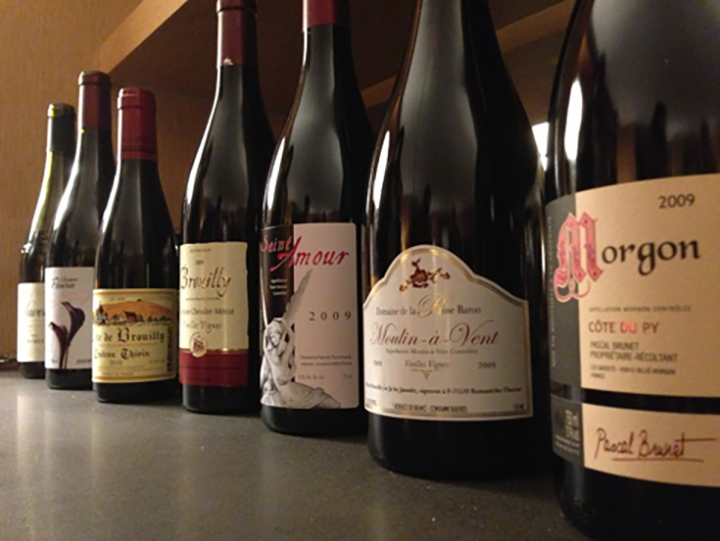
    Wines of Beaujolias – featuring the Gamay Grape

    A Resilient Grape Finds a New Home

    While Gamay faced exile from Burgundy, it found a welcoming home in the neighboring region of Beaujolais. Beaujolais embraced Gamay and developed its own distinct style of wine, characterized by bright red fruit flavors and an emphasis on freshness. The region even created a unique winemaking technique called carbonic maceration, which enhances Gamay’s fruity and floral qualities.

    Today, Beaujolais is celebrated for its diverse range of Gamay wines, including Beaujolais Nouveau, Beaujolais-Villages, and the ten Crus of Beaujolais, each showcasing the grape’s potential in various terroirs.

    A Grape’s Journey and Redemption

    Gamay’s expulsion from Burgundy might have seemed like a tragic ending, but it led to a remarkable rebirth in Beaujolais. The grape’s history is a testament to the dynamic and ever-evolving world of wine. Today, Gamay wines from Beaujolais are beloved for their charming, fruit-forward character, offering a delightful contrast to the more serious and complex Pinot Noirs and Chardonnays of Burgundy.

    While Gamay’s presence may have been erased from Burgundy’s vineyards, its legacy endures as a symbol of resilience and adaptability in the world of viticulture, reminding us that sometimes, a change of scenery can lead to a grape’s true potential being fully realized. Gamay is currently allowed to be grown in Côte d’Or. Confusingly, however, Gamay is not allowed in wines produced within its namesake region ‘Saint Aubin sur Gamay’ 😉

    Give this peasant varietal a try. It pairs perfectly with roast chicken, garlicky sausages, or soft cheeses!