
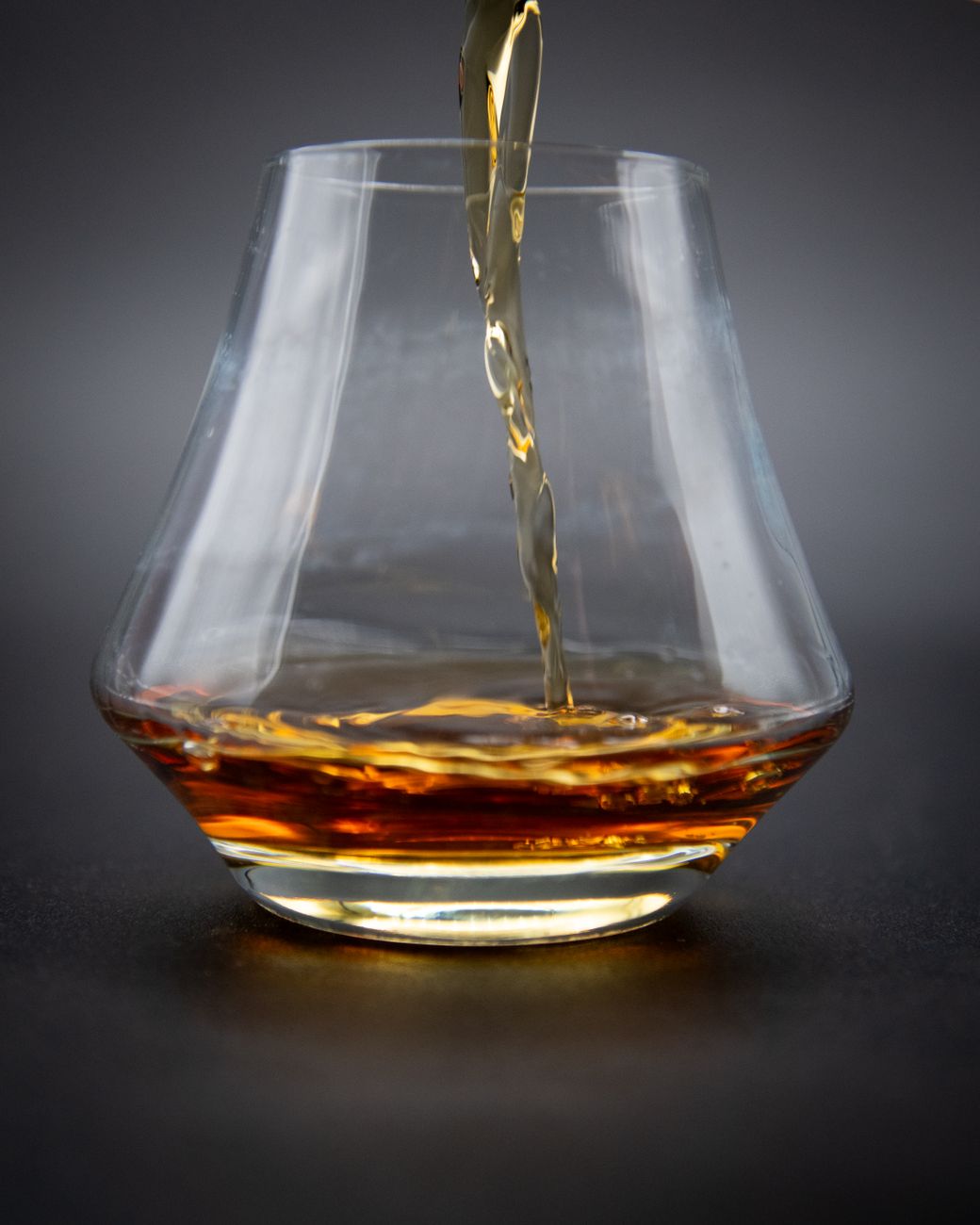
There is a good chance you already know more about brandy than you realize.
If you know wine, you understand its starting point. Brandy begins with fermented grapes, just as wine does. The difference is what happens next: instead of remaining wine, it is distilled, concentrated, and often aged in oak until something entirely new emerges.
For a sommelier, that makes brandy particularly fascinating. It is one of the few spirits that allows you to follow a familiar ingredient from the vineyard into an entirely different world of flavor.
And while Cognac may be the most famous expression, it is only the beginning.

So, What Exactly Is Brandy?
At its simplest, brandy is a spirit produced by distilling fermented fruit. When the fruit is grapes, it is grape brandy.
The process begins much like winemaking. Grapes are harvested, pressed, and fermented into wine. That wine is then distilled, separating and concentrating alcohol and aromatic compounds. What comes out of the still is a clear, intensely concentrated spirit called eau-de-vie (oh-duh-VEE).
That spirit may be bottled young and clear, or it can spend years—even decades—in oak.
This is where brandy develops its extraordinary range of character. Fresh fruit and floral notes can evolve into dried fruit, vanilla, spice, nuts, leather, tobacco, and the complex, savory character sometimes described as rancio.
The barrel doesn’t simply give brandy its color. It becomes part of the spirit’s identity.
And time does the rest.

Brandy With a Place Behind It
Cognac is not simply a premium brandy. It is a protected geographical designation, much like Champagne or Burgundy.
To be called Cognac, a spirit must come from the defined Cognac region of France and follow detailed rules governing grapes, vineyards, fermentation, distillation, aging, and labeling.
Cognac is traditionally made primarily from Ugni Blanc grapes and distilled twice in copper pot stills. The resulting eau-de-vie is then aged in oak before it can become Cognac.
The region is divided into six crus, including Grande Champagne, Petite Champagne, Borderies, Fins Bois, Bons Bois, and Bois Ordinaires. Those geographical distinctions can influence the character and aging potential of the spirit.
For wine drinkers, this should sound familiar.
Place matters.
So does time.
Understanding the Cognac Label
The letters on a Cognac bottle are not simply marketing terms. They indicate the minimum age of the youngest eau-de-vie in the blend.
- VS — Very Special: minimum two years old
- VSOP — Very Superior Old Pale: minimum four years
- Napoleon: minimum six years
- XO — Extra Old: minimum ten years
- XXO — Extra Extra Old: minimum fourteen years
An important distinction: a 20-year-old eau-de-vie can be blended into an XO, but the designation is determined by the youngest component.
That is one reason an XO Cognac can contain considerably older spirits.
The Napoleon Brandy Myth: Legend vs. Truth
The Myth: Napoleon Bonaparte was famously fond of Cognac and supposedly carried it with him during his military campaigns. According to the romantic version of the story, producers eventually honored him by naming an especially fine, aged brandy “Napoleon.”
The Lore: The association isn’t entirely invented. Napoleon’s name became closely connected with Cognac in the 19th century, and stories of his appreciation for the spirit helped turn his name into a powerful marketing symbol for premium brandy.
The Truth: The Napoleon designation is not a tribute that Napoleon himself created or an indication that Napoleon drank that particular Cognac. It is a legally defined Cognac age designation. Today, a Cognac labeled Napoleon must contain eau-de-vie aged for at least six years, based on the age of the youngest spirit in the blend.
So when you see Napoleon on a Cognac label, think age category—not imperial endorsement.
The emperor may have inspired the legend. The regulations determine what’s in the bottle.

Cognac’s Less Famous, More Rustic Sibling
If Cognac is the polished ambassador of French brandy, Armagnac is the fascinating character you discover once you venture off the beaten path.
Produced in Gascony, Armagnac is France’s oldest brandy-producing region. Its traditional distillation method is notably different from Cognac. Most Armagnac is distilled continuously through a distinctive column still rather than being double distilled in a pot still.
The result can be remarkably expressive: ripe fruit, flowers, spice, earth, and a richer, more rustic character than many Cognacs.
Armagnac also gives wine lovers another reason to pay attention. Vintage bottlings are relatively common, allowing you to explore the character of a particular harvest year rather than simply a house blend.
There is even Blanche Armagnac, a clear, unaged expression that allows the fruit and distillation character to take center stage.
If Cognac is the obvious place to begin, Armagnac is where curiosity starts to pay dividends.
Brandy Isn’t Whiskey With a French Accent
The familiar comparison between brandy and other aged spirits can be useful, but only if we start with what actually makes them different.
| Spirit | Primary raw material | What is distilled? |
|---|---|---|
| Grape Brandy | Grapes | Fermented grape wine |
| Whiskey | Grain | Fermented grain mash |
| Rum | Sugarcane | Fermented cane juice or molasses |
| Tequila | Agave | Fermented cooked agave |
| Brandy de Jerez | Grapes | Grape wine |
The distinction is the raw material and the production tradition.
A whiskey expresses grain.
Rum expresses sugarcane.
Tequila expresses agave.
Grape brandy begins with wine.
That is also why grappa and pisco should not simply be lumped into the same category. They are members of the broader family of grape-derived spirits, but their production methods and legal definitions are different.
Grappa is distilled from grape pomace—the skins, seeds, and other solid material left after winemaking—rather than from wine itself.
Pisco, produced under distinct regulations in Peru and Chile, is made from grapes but follows its own regional traditions and rules.
They may share a family resemblance, but they tell very different stories.
Why Isn’t Brandy Wine?
This seems obvious until you think about it.
Wine is produced through fermentation.
Brandy is produced through distillation.
The moment that fermented wine goes into the still, its character is concentrated and transformed. Alcohol and volatile compounds are separated from water and other components, creating a spirit with a completely different structure.
That is why brandy isn’t simply “strong wine.”
It is wine’s raw material transformed into something else.
And that transformation is precisely what makes it fascinating.

What Do You Look for in the Glass?
One of the best ways to experience brandy is to approach it as you would a great wine.
Pour a modest amount into a tulip-shaped glass rather than a large balloon. Look at the color, but don’t use it as a shortcut for age. Smell it before tasting, initially from a little distance so the alcohol doesn’t overwhelm the aromas.
Then look for layers.
Young brandy may show fresh grape, pear, peach, apricot, flowers, and citrus.
Older examples can reveal dried fruit, vanilla, baking spice, roasted nuts, cocoa, tobacco, leather, and rancio.
Take a small sip and allow it to move across the palate. Notice the texture, balance, warmth, length, and how the flavors change after swallowing.
Then wait.
A great brandy can evolve considerably in the glass.
You can even add a few drops of water. Taste it first, then experiment. A small amount of dilution can sometimes reveal aromas hidden behind the spirit’s alcohol.
There are no prizes for drinking it quickly.

Neat Isn’t the Only Way to Enjoy It
This is another misconception worth abandoning.
A mature XO Cognac may deserve your full attention in a glass, but a younger VS or VSOP can be superb in a cocktail. A Sidecar or Vieux Carré is not a misuse of Cognac; those cocktails are part of its history and demonstrate how beautifully the spirit can work with other ingredients.
Armagnac can be wonderful alongside food, particularly richer dishes, duck, game, mushrooms, and aged cheeses.
And a clear Blanche Armagnac or young Pisco offers an entirely different experience for someone expecting every grape spirit to arrive amber and oak-aged.
The right question isn’t whether there is one correct way to drink brandy.
It is what does this particular brandy want to become?

Start Exploring
If you have never really experienced brandy, don’t begin by chasing the oldest or most expensive bottle on the shelf.
Taste your way through the category.
Start with a VS or VSOP Cognac to experience the fruit and the influence of oak. Move to an XO and see what additional years contribute. Then pour an Armagnac and notice how different the same basic idea can become.
From there, explore grappa, Pisco, and other regional grape spirits.
The differences are part of the fun.
Because brandy isn’t simply an after-dinner drink, a brown spirit, or an alternative to whiskey.
It is a second life for wine—one created through distillation, shaped by oak, and transformed by time.
And once you taste a truly beautiful aged brandy, that dusty bottle sitting on the back of the liquor shelf may never look quite so ordinary again 🍇
Cover Photo by Andrew Patrick Photo on Pexels.com
You must be logged in to post a comment.