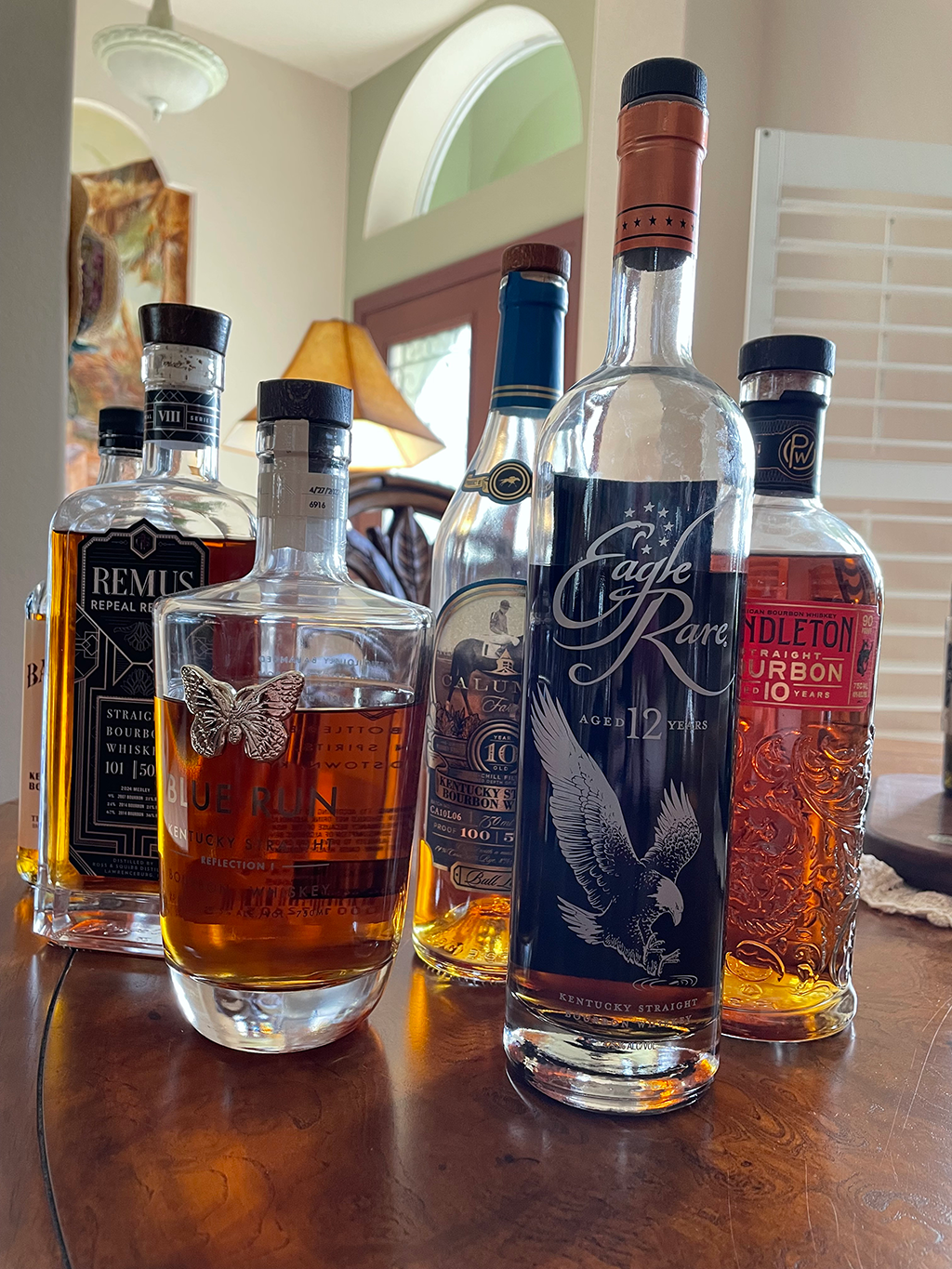
There are spirits that whisper of old monasteries and windswept Scottish coasts. Bourbon does not whisper. It crackles.
It begins in a cornfield under a Midwestern sun. It moves through copper stills and into a brand-new oak barrel that has quite literally been set on fire. It rests through humid summers and brittle winters, expanding and contracting with the rhythm of the seasons until wood and spirit can no longer be separated in conversation.
Bourbon is not simply America’s native spirit. It is America’s study in transformation.
And like wine, it deserves more than a quick pour and a passing note of “caramel and vanilla.”
Let’s sit with it.
Law as Flavor
Bourbon’s regulations are not bureaucratic fine print — they are its recipe for identity.
To carry the name, it must be made in the United States and composed of at least 51% corn. It cannot be distilled above 160 proof. It must enter the barrel at no more than 125 proof. And it must mature in brand-new, charred oak containers. No coloring. No flavoring. Nothing added but water to reduce proof.
Those new barrels are not incidental. They are the defining choice.
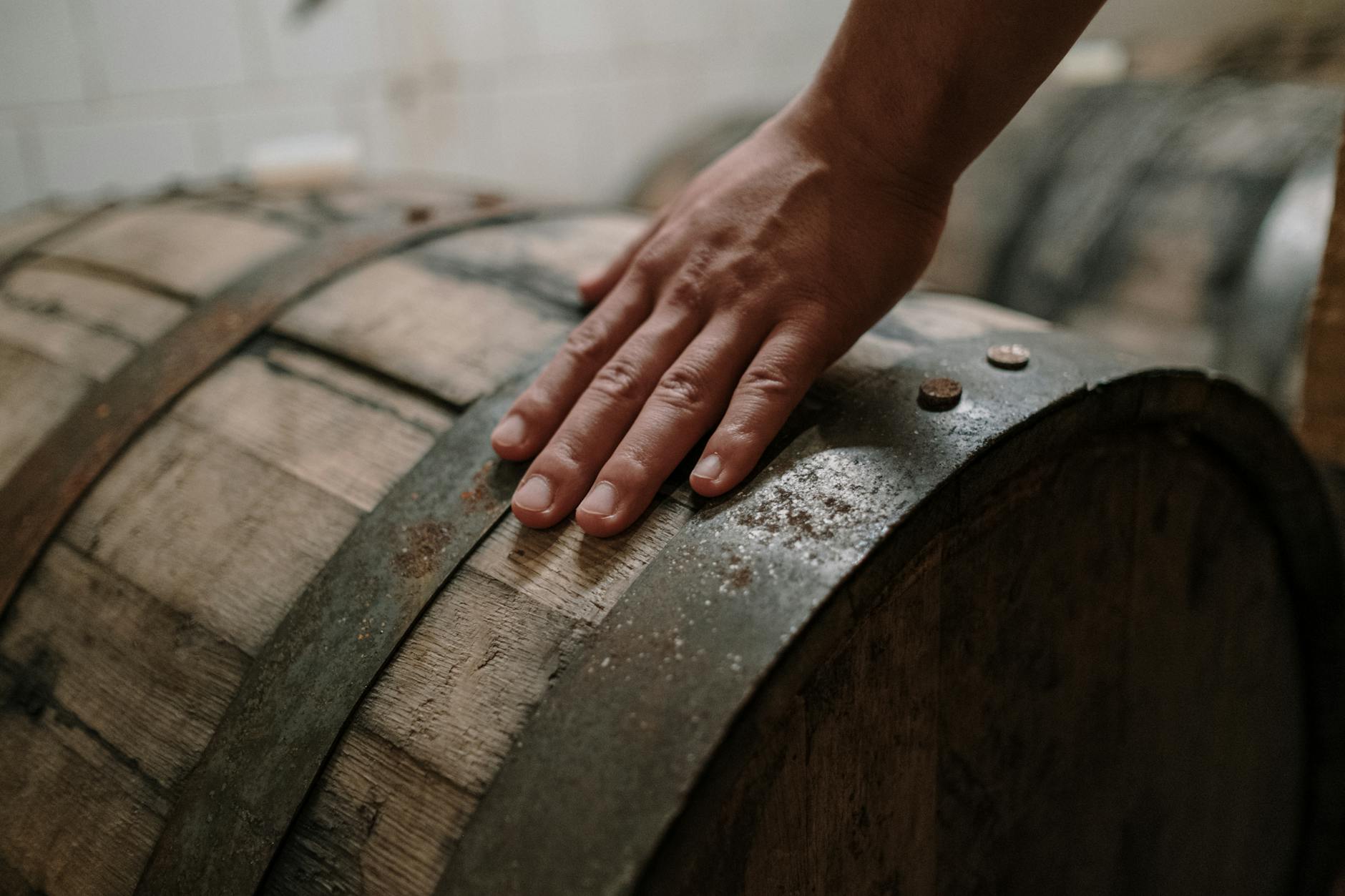
When oak is charred, the interior blackens and cracks, caramelizing wood sugars and forming a charcoal layer that filters and transforms the spirit. Beneath that char lies a layer of toasted wood where lignin and hemicellulose break down into vanillin, baking spice, caramel, and subtle smoke.
Every barrel begins as a blank slate. Every batch begins again.
Unlike Scotch, which often relies on used casks, bourbon’s relationship with oak is intense and immediate — a first dance with no rehearsal.
The Beginning of Personality
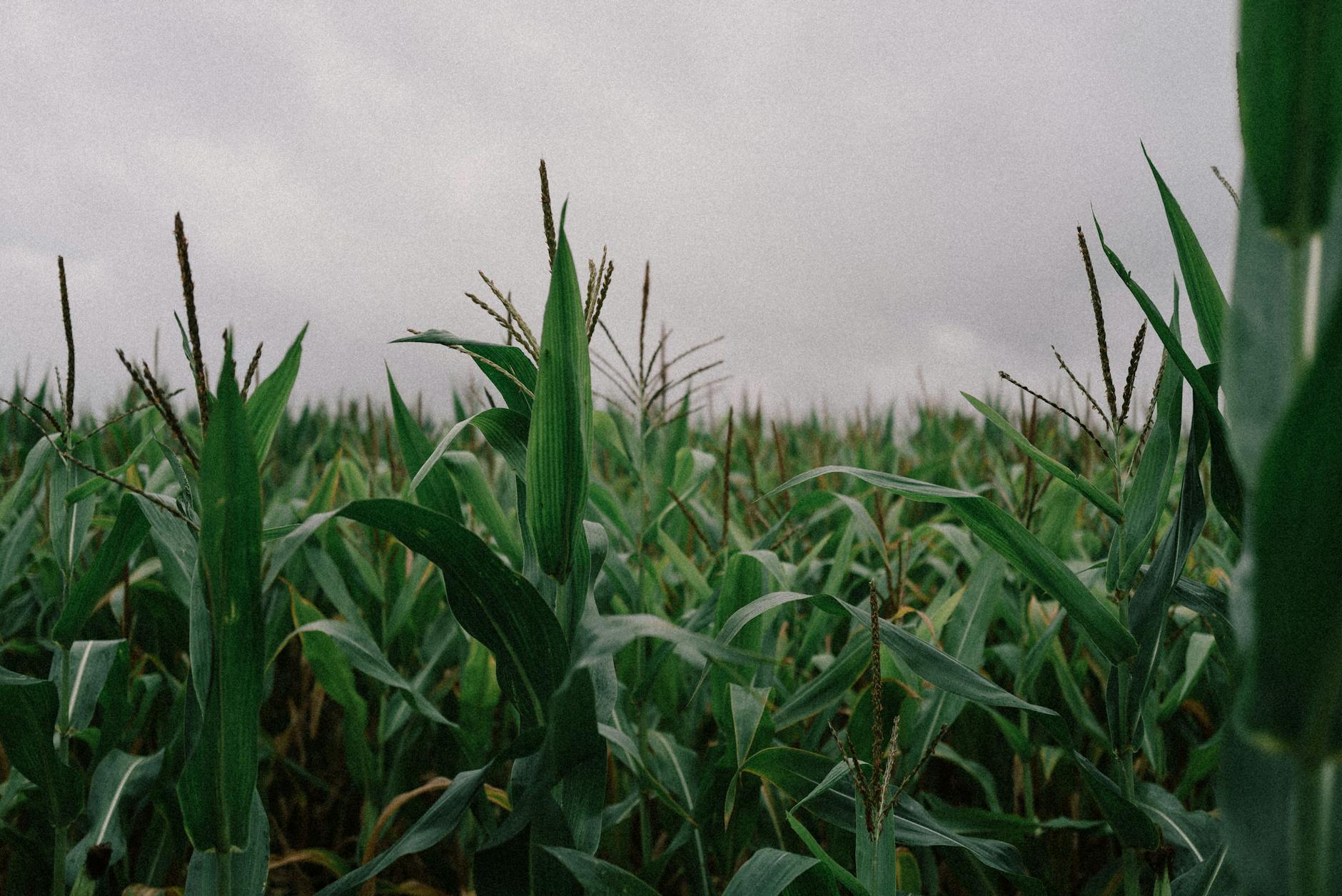
Before the barrel, before the fire, there is grain.
Corn must dominate. It gives bourbon its softness and sweetness — honeyed, rounded, generous. That creamy entry on the palate? Corn.
Then comes the secondary grain, which shapes structure.
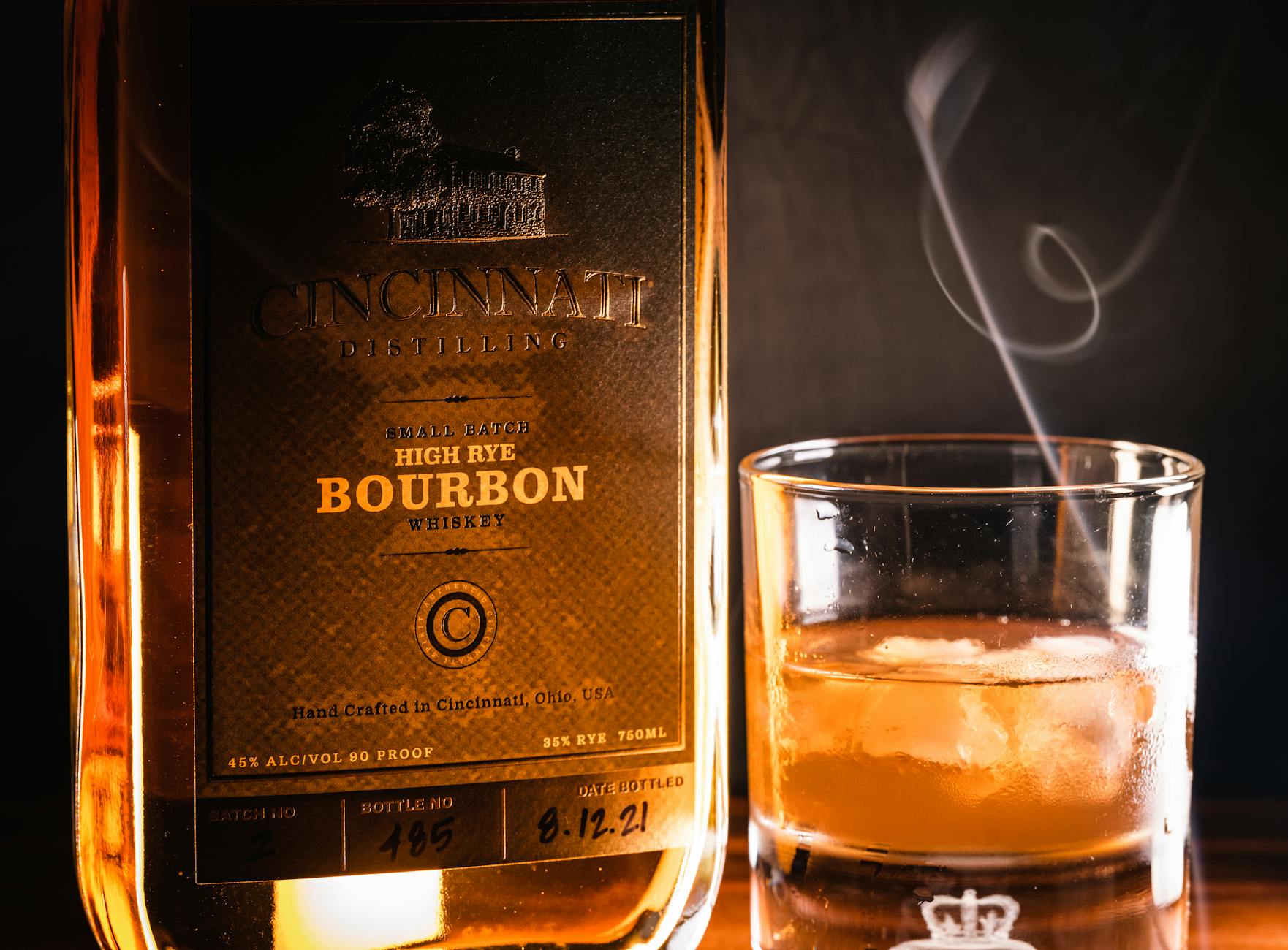
When rye is used, spice emerges. Black pepper, cinnamon bark, clove — a liveliness that lifts the sweetness and sharpens the finish. These bourbons feel energetic and structured, often brilliant in cocktails.
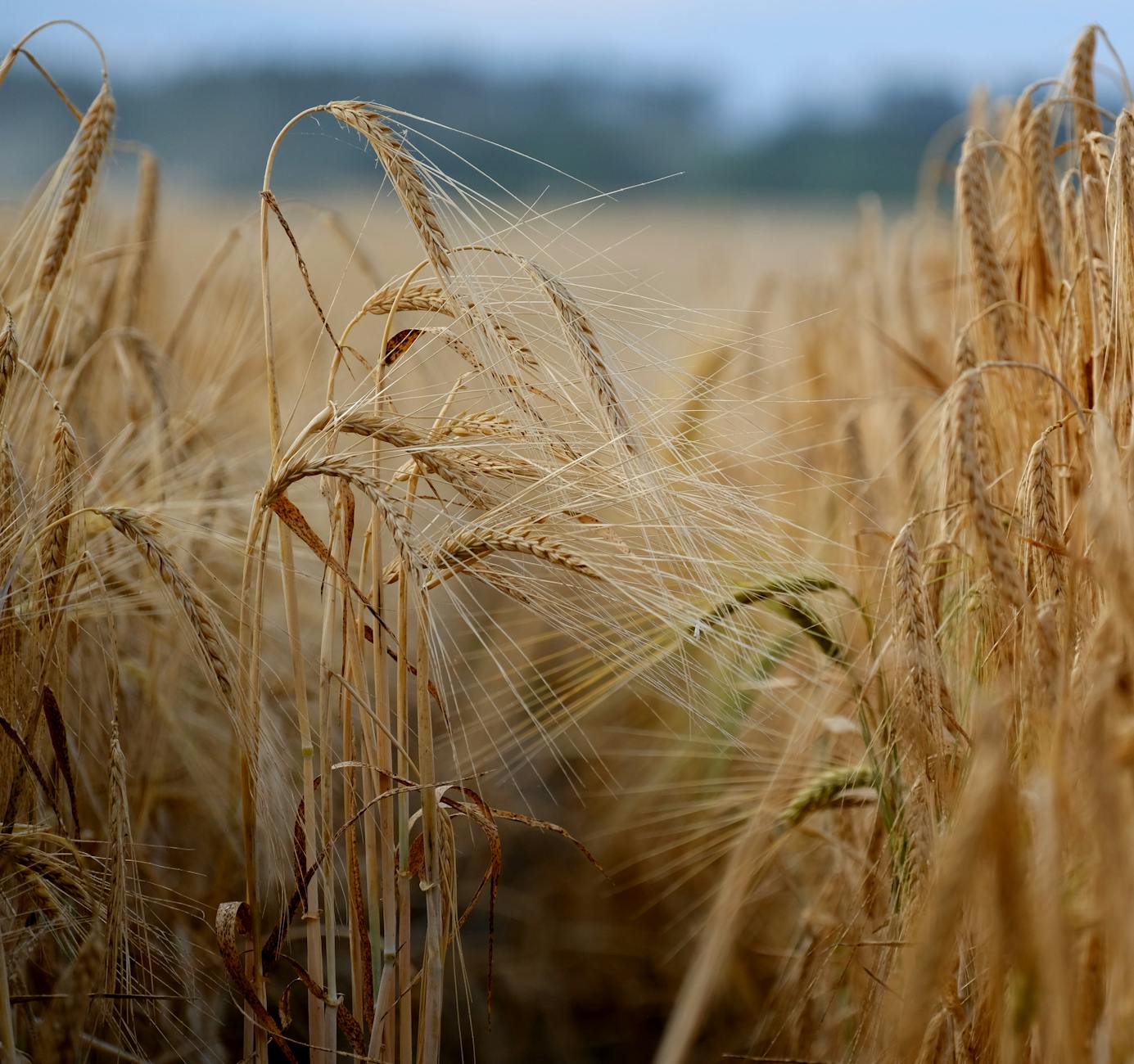
When wheat replaces rye, the texture shifts. The edges soften. Think fresh bread, light toffee, vanilla custard. Wheated bourbons feel plush, almost pastry-like, often charming in their approachability.
A small portion of malted barley usually rounds out the mash bill, assisting fermentation and quietly adding nutty undertones.
A few percentage points one way or another can change the entire posture of the spirit. Just as a winemaker adjusts Cabernet and Merlot, the distiller balances grain to sculpt personality.
The Invisible Hand
Kentucky’s weather is not gentle.
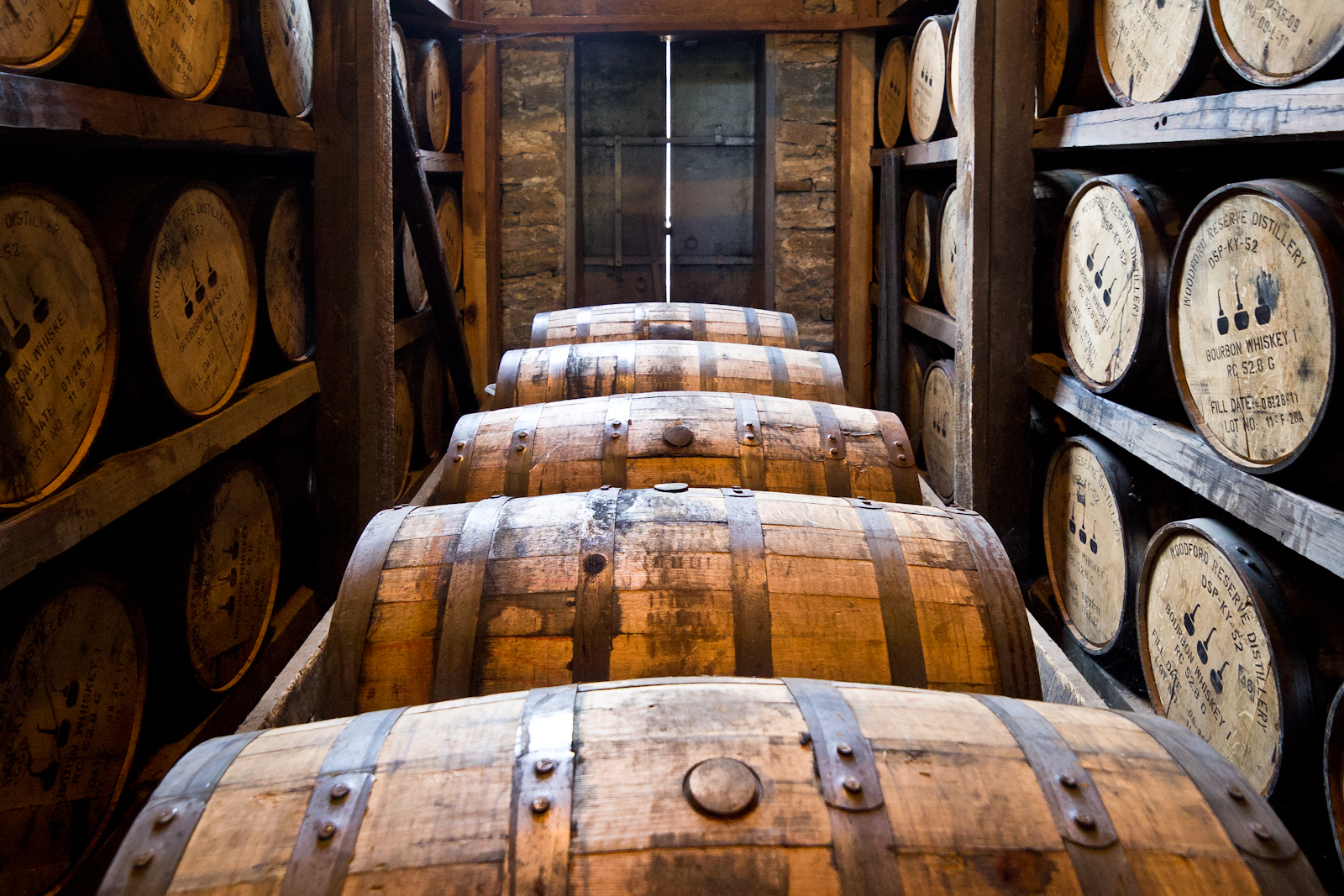
Summers are hot and humid; winters are sharp and cold. Inside rickhouses — those towering wooden warehouses — barrels breathe with txhe seasons. In heat, the spirit expands deep into the wood. In cold, it retreats. Each cycle extracts more flavor, more color, more texture.
This push and pull is bourbon’s quiet alchemy.
Evaporation — the “angel’s share” — slowly reduces volume while concentrating flavor. Barrels on higher floors age faster in the heat; lower floors mature more slowly. Master distillers taste through these warehouses like sommeliers walking vineyard rows, selecting barrels for balance and character.
Time does not simply pass in bourbon. It works.
At six to eight years, balance often emerges — caramel woven into oak, sweetness anchored by structure. At ten to twelve, depth can become profound: dark toffee, tobacco leaf, polished wood. Beyond that, the line between complexity and over-oaking becomes razor thin.
Older is not always better. Integrated is better.
Structure in Liquid Form
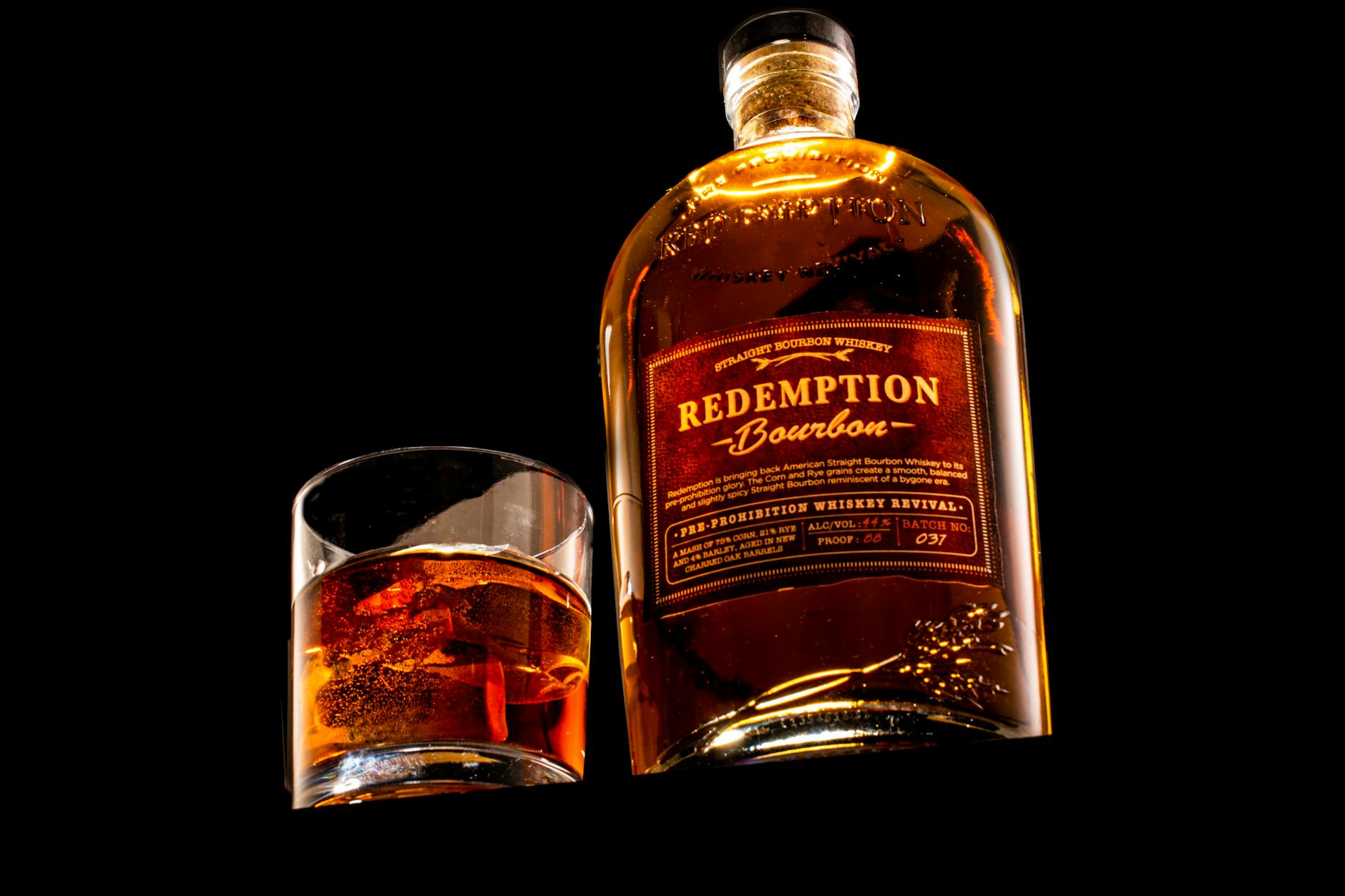
Proof is frequently misunderstood as machismo. In truth, it is architecture.
Lower-proof bourbons feel gentle and accessible. Around 100 proof — historically the “Bottled-in-Bond” standard — the spirit gains tension and clarity. Barrel-proof expressions, often north of 120 proof, deliver intensity, viscosity, and remarkable aromatic lift.
Higher proof carries more volatile compounds. Add a few drops of water and something magical happens: fruit emerges, florals bloom, hidden sweetness surfaces. The alcohol no longer dominates; it frames.
It is the equivalent of decanting a young Barolo — not dilution, but revelation.
Innovation with Restraint
For generations, bourbon’s identity was simple: new oak and time. But modern producers have begun exploring secondary maturation in barrels that once held other wines or spirits.
A bourbon finished in port barrels may develop notes of blackberry compote and dark chocolate. Sherry casks can introduce dried fig, toasted walnut, and oxidative depth. Madeira might lend caramelized citrus brightness. Brazilian Amburana wood barrels release waves of cinnamon, clove, and exotic spice.
When finishing is heavy-handed, it masks. When it is thoughtful, it layers.
The base spirit must be strong enough to carry the additional influence. When successful, finishing feels like seasoning in a refined kitchen — not an attempt to hide flaws, but to elevate nuance.
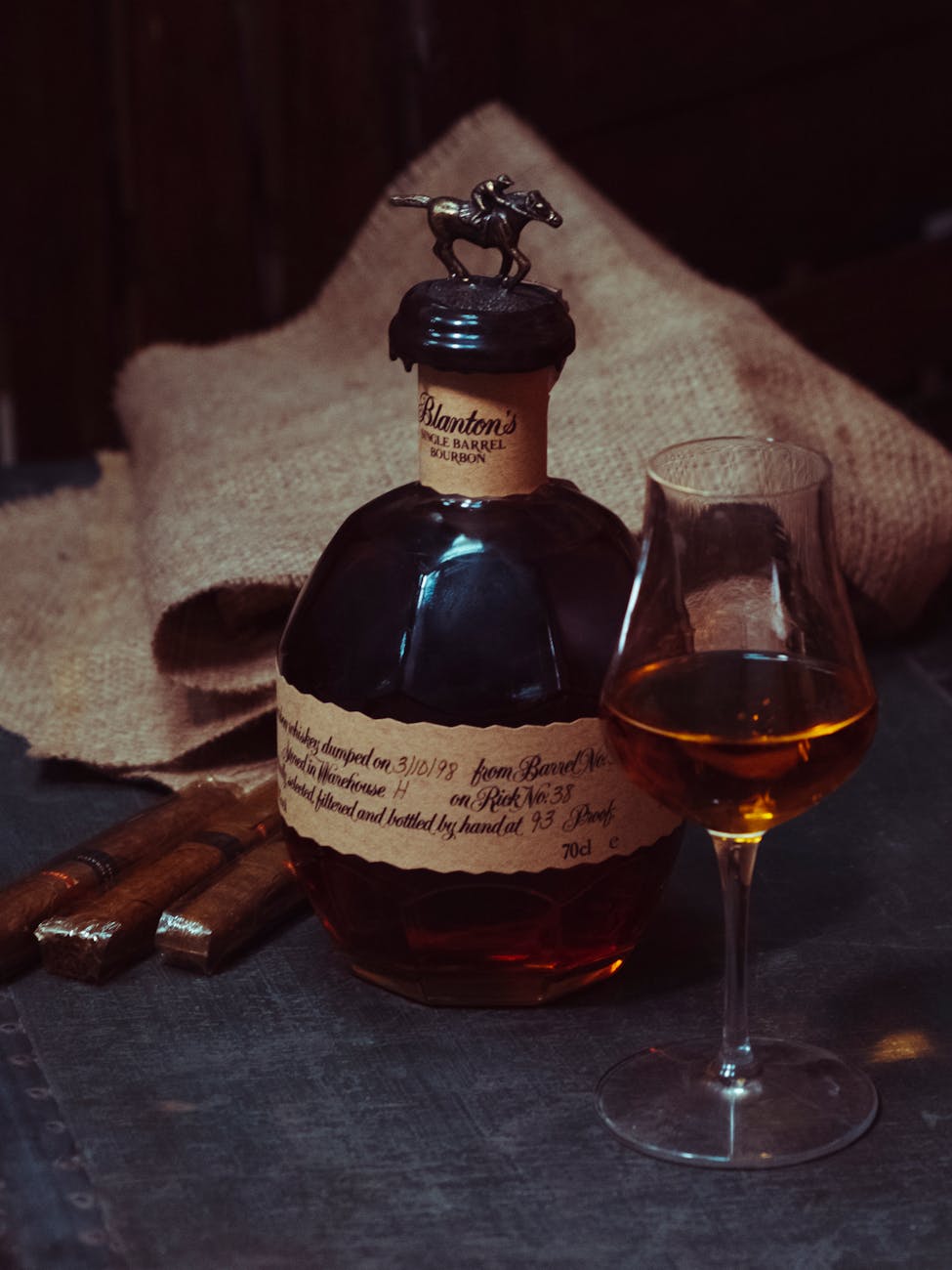
Bourbon at the Table
As sommeliers, we cannot help ourselves. Bourbon is not merely a nightcap. It belongs at the table.
Its sweetness and oak make it a natural partner for smoke and caramelization.
Imagine slow-smoked brisket, the bark echoing charred oak. Picture pork ribs glazed in molasses barbecue sauce, the sauce mirroring bourbon’s caramel tones. A ribeye with a hard sear finds harmony in higher-proof expressions that cut through fat.
Cheese pairings reveal contrast and echo. Aged cheddar reflects bourbon’s nutty depth. Smoked gouda amplifies its sweetness. Blue cheese offers tension against sweeter styles.
And dessert? Pecan pie is almost inevitable. Bread pudding with caramel sauce feels ordained. Dark chocolate above 70% cacao creates a bittersweet conversation with oak tannin.
For something less obvious, consider roasted duck with cherry reduction, or even maple-glazed salmon. Bourbon’s corn sweetness loves subtle sweetness on the plate.
The guiding principle is simple: mirror caramelization, contrast sweetness, respect texture.
Bourbon in Motion
Though contemplative neat, bourbon thrives in structure.
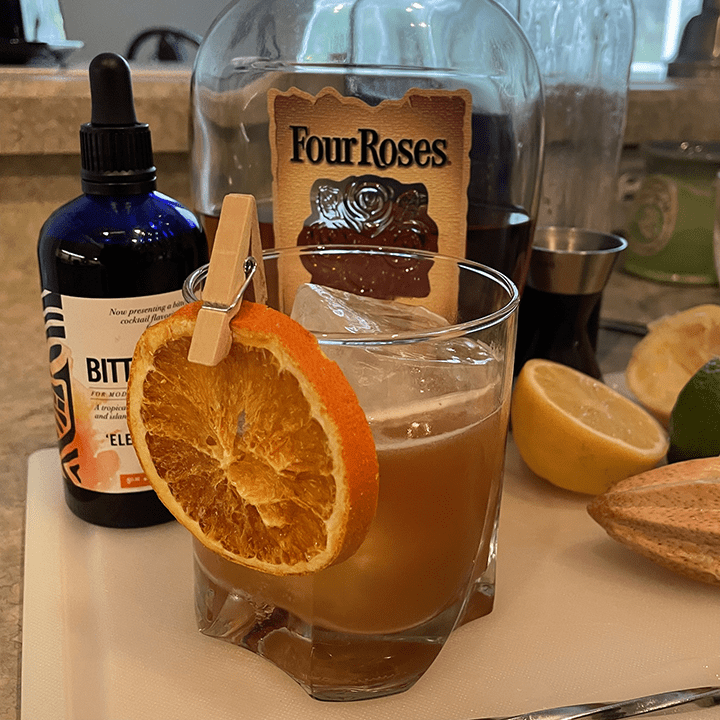
An Old Fashioned remains the gold standard — two ounces of bourbon, a whisper of sugar, aromatic bitters, and expressed orange peel. It is restraint in liquid form.
The Manhattan introduces vermouth’s herbal sweetness and creates a dialogue between grain and fortified wine. Served chilled and silken in a coupe, it is timeless.
The Whiskey Sour, properly made with fresh lemon and egg white, balances sweetness, acidity, and texture — bright yet anchored.
And the Mint Julep, crushed ice shimmering against polished silver, turns bourbon into summer itself.
Bourbon does not disappear in cocktails. It defines them.
Icons of the Category
While countless producers contribute to bourbon’s evolving narrative, several distilleries have shaped its modern identity:
- Buffalo Trace Distillery
- Maker’s Mark
- Woodford Reserve
- Wild Turkey
- Four Roses
- Heaven Hill
Each interprets grain ratio, yeast, barrel selection, and proof through its own lens — proving that even within strict legal definition, stylistic diversity thrives.
The Invitation
Bourbon is often consumed quickly. It should not be.
Pour it neat. Let it rest for a few minutes. Observe the legs in the glass. Inhale gently — caramel, vanilla, perhaps orange peel, perhaps toasted almond. Take a small sip and let it coat the palate. Notice texture before flavor. Then add a few drops of water and watch it evolve.
Bourbon rewards patience. It rewards attention.
It is corn made contemplative.
Fire made graceful.
Time made tangible.
And when approached not as a trophy, but as a conversation, bourbon reveals itself as one of the most expressive spirits in the world.
Not loud.
Not flashy.
Just deeply, confidently American — and endlessly worth exploring.
Cheers 🥃


 SOMM&SOMM
You must be logged in to post a comment.