Tag: art

  • April Fools’ Wine Myths

    April Fools’ Wine Myths

    Debunking Common Misconceptions.

    Every year on April 1st, pranksters take joy in fooling their friends with tall tales and clever tricks. But in the world of wine, myths and misconceptions persist far beyond April Fools’ Day. Some of these myths have been passed down for generations, shaping how people buy, store, and enjoy wine. It’s time to set the record straight! Here are some of the most common wine myths—debunked.

    Myth – Red Wine Should Always Be Served at Room Temperature

    Reality: Cooler is often better.

    The phrase “room temperature” originated centuries ago when indoor spaces were much cooler than they are today. Today’s heated homes often hover around 70–75°F, which is too warm for most reds. Lighter reds, like Pinot Noir and Gamay, shine at around 55–60°F, while fuller-bodied reds, like Cabernet Sauvignon and Syrah, perform best between 60–65°F. Storing and serving reds too warm can make the alcohol seem overpowering and the fruit flavors muddled.

    SOMM&SOMM Tip: If your red wine feels too warm, pop it in the fridge for 15–20 minutes before serving.

    Related Article: Wine Service: Proper Serving Temperatures

    Myth – White Wine Should Always Be Served Ice Cold

    Reality: Over-chilling mutes flavors.

    While a crisp, cold glass of white wine can be refreshing, serving it straight from the fridge (which is typically around 35–40°F) can dull its flavors and aromas. The ideal temperature for white wines varies—light whites, like Sauvignon Blanc and Pinot Grigio, should be served at 45–50°F, while richer whites, like Chardonnay and Viognier, are best around 50–55°F.

    SOMM&SOMM Tip: Take your white wine out of the fridge about 10–15 minutes before serving for the best balance of flavors.
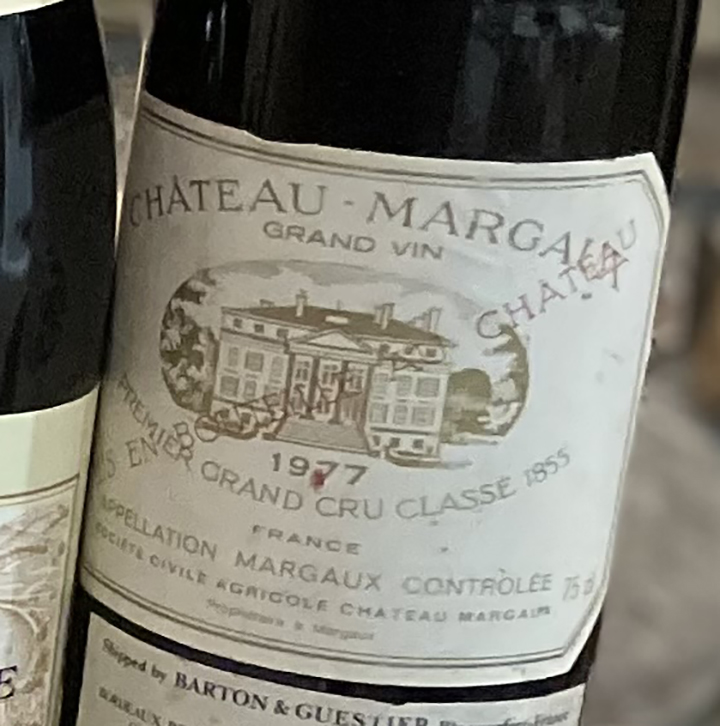
    1977 Château Margaux

    Myth – Older Wine Is Always Better

    Reality: Most wines are meant to be enjoyed young.

    While aged Bordeaux or vintage Champagne can be exquisite, the vast majority of wines—roughly 90%—are meant to be consumed within a few years of release. Aging wine requires specific conditions, and not every bottle benefits from time in the cellar. Fresh, fruit-forward wines like Beaujolais, Sauvignon Blanc, and most rosés are best enjoyed young.

    SOMM&SOMM Tip: If you’re curious about aging potential, check the producer’s recommendations or consult a trusted wine expert.

    Myth – Screw Cap Wines Are Low Quality

    Reality: Screw caps can preserve wine better than cork.

    Many high-quality wines now use screw caps instead of corks, particularly in New Zealand, Australia, and the U.S. Screw caps can provide an excellent seal, reducing the risk of cork taint (TCA contamination) and ensuring freshness. They’re particularly beneficial for white wines and aromatic varietals that rely on vibrancy and purity.

    SOMM&SOMM Tip: Don’t judge a wine by its closure—judge it by what’s in the glass!

    Related Article: Exploring Wine Enclosures: Cork, Screw Cap, and Beyond
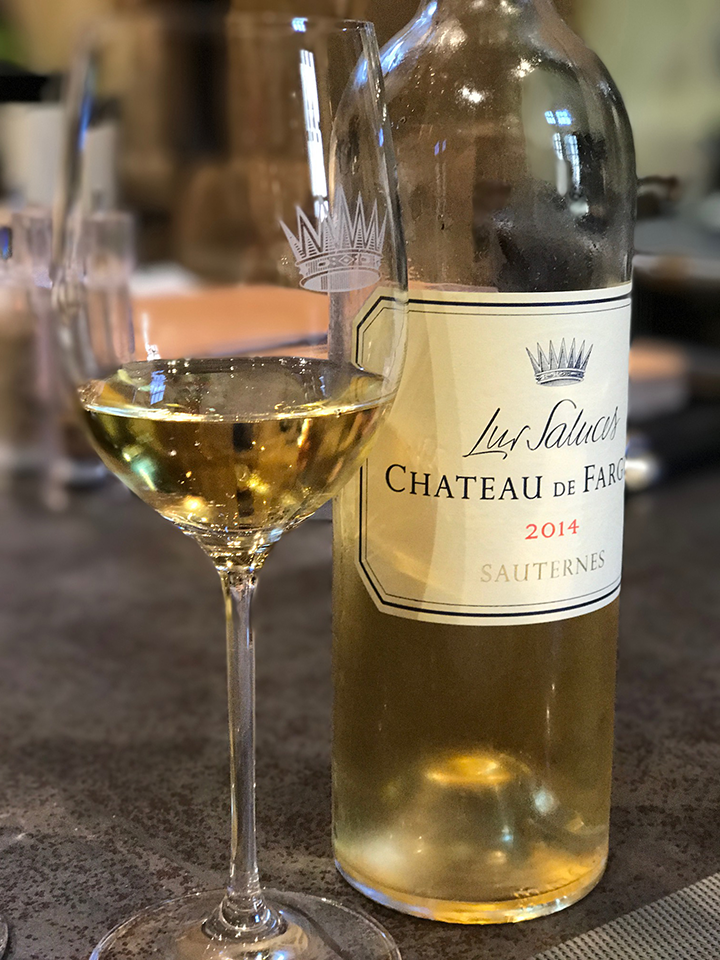
    Lur Saluces Chateau de Fargues – Photo Credit: Fred Swan, JJBuckley.com

    Myth – Sweet Wines Are Low Quality or “Just for Beginners”

    Reality: Some of the world’s finest wines are sweet.

    From Germany’s noble Rieslings to France’s Sauternes and Hungary’s Tokaji, some of the most revered and age-worthy wines are sweet. A well-made dessert wine balances sweetness with acidity, creating a complex and sophisticated drinking experience.

    SOMM&SOMM Tip: Try pairing a high-quality sweet wine with blue cheese, foie gras, or spicy foods for a mind-blowing contrast.

    Myth – Rosé Is Just a Summer Drink

    Reality: Rosé is great year-round.

    Rosé’s crisp and refreshing nature makes it perfect for warm weather, but its versatility extends far beyond summer. A fuller-bodied rosé, like a Tavel or Bandol, pairs beautifully with hearty dishes, including roasted meats, pasta, and even winter stews.

    SOMM&SOMM Tip: Treat rosé like a light red wine—it can complement a variety of foods throughout the year.

    Myth – You Must Let Red Wine Breathe for Hours

    Reality: Decanting depends on the wine.

    While some wines benefit from hours of aeration, most modern wines are ready to drink with just a little air exposure. Younger, tannic reds (like a bold Cabernet Sauvignon) can soften with decanting, but delicate wines (like older Pinot Noir or aged Barolo) can actually lose their aromas if over-aerated.

    SOMM&SOMM Tip: If in doubt, pour a small glass and taste it immediately. If it seems tight or closed-off, give it some air and check again after 15–30 minutes.

    Related Article: The Art and Science of Decanting Wine

    Myth – Expensive Wine Is Always Better

    Reality: Price does not always equal quality.

    While some expensive wines are exceptional, there are plenty of hidden gems at affordable price points. Price is influenced by factors like production scale, marketing, and branding—not just quality. Many boutique wineries and lesser-known regions produce fantastic wines that don’t break the bank.

    SOMM&SOMM Tip: Explore regions known for value wines, like Portugal’s Douro Valley, Spain’s Rioja, or Argentina’s Mendoza.

    Photo by Andrea Piacquadio on Pexels.com

    Enjoy Wine Without the Myths

    This April Fools’ Day, don’t be fooled by outdated wine myths! Whether it’s misconceptions about serving temperatures, closures, or aging potential, understanding the facts can help you enjoy wine to its fullest. The best way to learn? Keep tasting, exploring, and trusting your own palate.

    Cheers to debunking myths and discovering new wine experiences 🍷

  • Champagne Unveiled: A Journey through Bubbles, Elegance, and Celebration

    Champagne Unveiled: A Journey through Bubbles, Elegance, and Celebration

    Champagne, often synonymous with celebrations and luxury, stands as the epitome of sparkling wine craftsmanship. Originating from the picturesque Champagne region in France, this effervescent elixir has woven itself into the fabric of joyous occasions worldwide. As a professional sommelier and wine educator, I invite you on a journey to discover the nuances of Champagne, explore its historical roots, distinguish it from other sparkling wines, and indulge in the art of serving and toasting.

    Champagne Vineyards

    Historical Roots of Champagne

    The captivating tale of Champagne’s origin dates back to the 17th century. Legend has it that the Benedictine monk Dom Pérignon discovered the method to capture the bubbles in wine, turning a potential winemaking disaster into a delightful revelation. While this story adds a touch of romance to the narrative, historical records attribute the development of the traditional method of sparkling wine production to multiple contributors in the Champagne region.

    In the early 19th century, Champagne houses such as Veuve Clicquot and Moët et Chandon played pivotal roles in refining the méthode champenoise, which involves a secondary fermentation in the bottle. This technique became the hallmark of Champagne production, distinguishing it from other sparkling wines.

    Distinguishing Champagne from Other Sparkling Wines

    While Champagne is the undisputed star, various other sparkling wines offer distinctive profiles and styles. Prosecco (created using the Charmat Method), hailing from Italy, is known for its fresh and fruity character. One of our favorite sparkling wines from Italy, also made using the traditional method (metodo classico), is the Lombardy region’s own Franciacorta. Spain’s Cava, crafted using the traditional method, exhibits citrusy and toasty notes. The German Sekt often showcases a delicate sweetness, while English sparkling wines gain recognition for their quality, influenced by the cool climate and chalky soils.

    What sets Champagne apart is the rigorous production standards outlined by the AOC (Appellation d’Origine Contrôlée) regulations. Grapes, primarily Chardonnay, Pinot Noir, and Pinot Meunier, must come from the Champagne region, and production follows strict guidelines to ensure consistency and excellence.

    Photo by JESHOOTS.com on Pexels.com

    Tips on Serving Sparkling Wine for the Holidays

    As the holiday season approaches, serving sparkling wine with finesse can elevate the festivities. Here are some tips to enhance your sparkling wine experience:

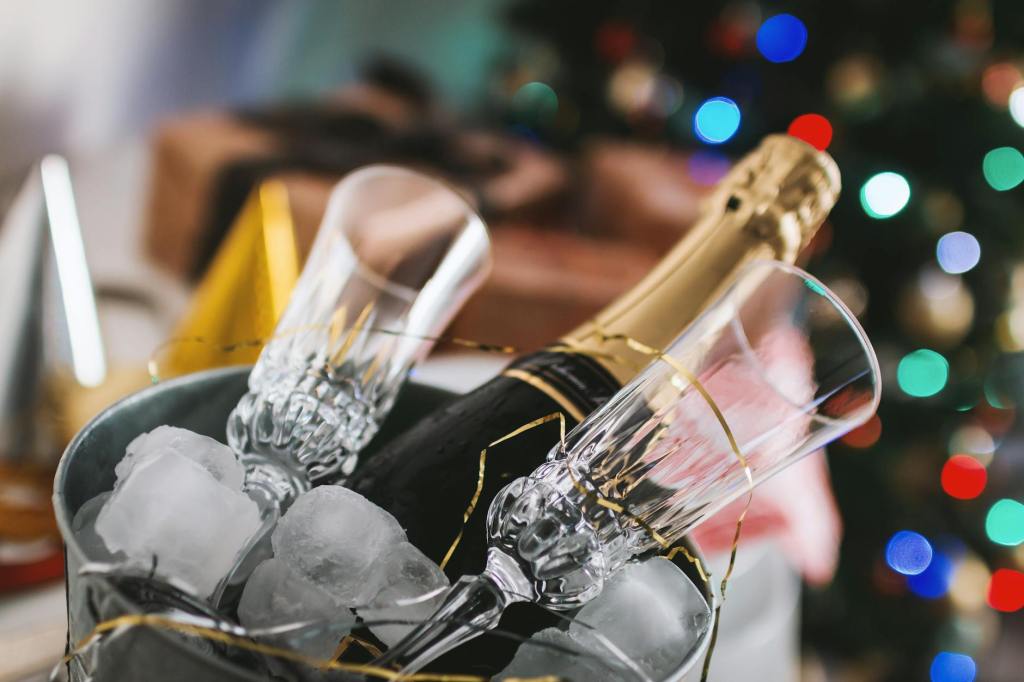
    1. Temperature Matters: Serve Champagne chilled, ideally between 45°F to 48°F (7°C to 9°C). An ice bucket filled with water and ice is an excellent way to keep it at the perfect temperature.

    2. Choosing the Right Glassware: Opt for a flute or tulip-shaped glass to preserve the effervescence and concentrate the aromas. The narrow design helps maintain the bubbles and showcases the wine’s complexity.

    3. Gentle Pouring: To preserve the bubbles, pour sparkling wine down the side of the glass. Hold the glass at an angle and let the liquid glide gently into the flute.

    Popular Champagne Cocktails and Recipes

    Champagne isn’t confined to celebratory toasts; it’s a versatile libation that can be crafted into delightful cocktails. Here are a few popular recipes to elevate your Champagne experience:

    1. Classic Champagne Cocktail:

    Ingredients:

    •    1 sugar cube
    •    Angostura bitters
    •    Champagne
    •    Lemon twist (for garnish)

    Instructions: Soak the sugar cube in a few dashes of Angostura bitters. Drop the cube into a Champagne flute. Pour chilled Champagne over the sugar cube. Garnish with a lemon twist.

    2. French 75:

    Ingredients:

    • 1 oz gin
    • 0.5 oz simple syrup
    • 0.5 oz lemon juice
    • Champagne
    • Lemon twist (for garnish)

    Instructions: Shake gin, simple syrup, and lemon juice with ice. Strain into a Champagne flute. Top with Champagne. Garnish with a lemon twist.

    3. Mimosa:

    Ingredients:

    • 2 oz orange juice
    • Champagne

     Instructions: Pour orange juice into a Champagne flute. Top with chilled Champagne.

    Photo by cottonbro studio on Pexels.com

    Proper Approach to a Classic Champagne Toast

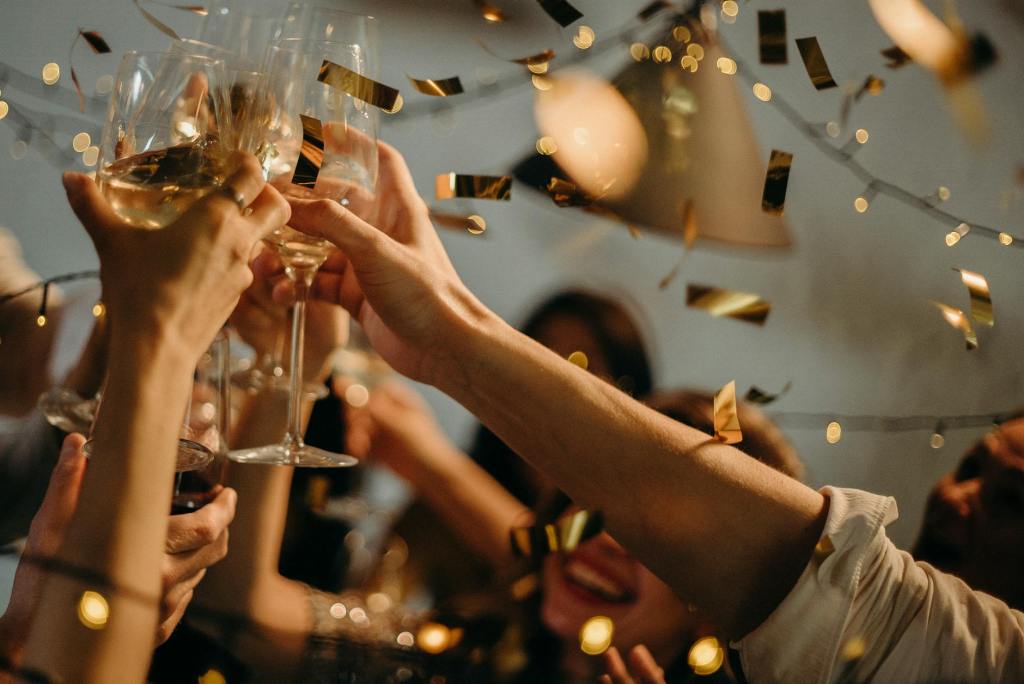
    A Champagne toast is a timeless tradition that brings people together in celebration. To ensure a memorable and elegant toast, consider the following:

    1. Selecting the Right Champagne: Choose a quality Champagne that suits the occasion. A brut or extra brut is a safe choice for toasting, offering a balance of sweetness and acidity.

    2. Chilled to Perfection: Ensure the Champagne is appropriately chilled. A cold glass of bubbly is not only refreshing but enhances the effervescence.

    3. Hold the Glass Correctly: Grasp the Champagne flute by the stem to prevent the transfer of heat from your hand to the wine. This helps maintain the ideal serving temperature.

    4. Raise, Clink, and Sip: Raise your glass, make eye contact, and gently clink glasses with others. Take a moment to express your sentiments before taking a sip.

    Let us raise our glasses high in celebration of this joyous moment. Here’s to love that knows no bounds, to friendships that stand the test of time, and to the adventures that await us in the coming years. May our hearts be filled with gratitude, our days with laughter, and our glasses with the effervescent elixir of life. Cheers to the past, the present, and the future – may it be as sparkling and delightful as the bubbles dancing in this champagne. Cheers!

    Gregory Dean, SOMM&SOMM

    In conclusion, Champagne is a beverage of celebration, history, and craftsmanship. From its humble beginnings in the Champagne region to its global acclaim, this effervescent wine continues to captivate enthusiasts. Whether sipped on its own, blended into cocktails, or used for toasts, Champagne remains a symbol of elegance and festivity, enriching moments both grand and intimate. 🥂