
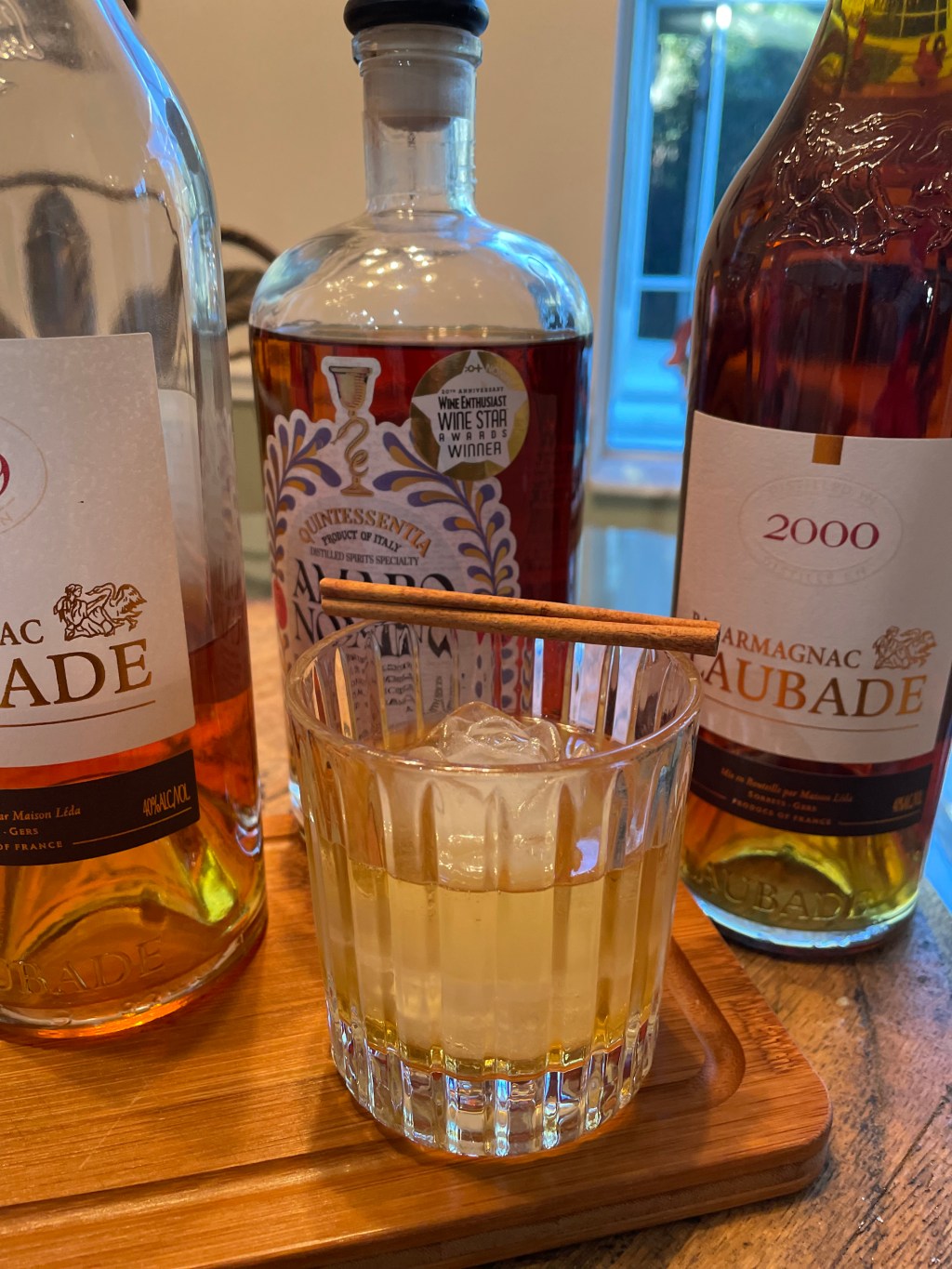
Introducing: The Snow Day–A Winter Cocktail for Quiet Nights.
Winter has always been my favorite season.
As a kid, it meant snow days. The kind where the world went silent overnight and the rules changed by morning. School canceled. Boots by the door. Gloves that never stayed dry. Snowball fights that ended only when fingers went numb and moms started calling names from porches.
Everything slowed down, whether you wanted it to or not.
That quiet stuck with me.
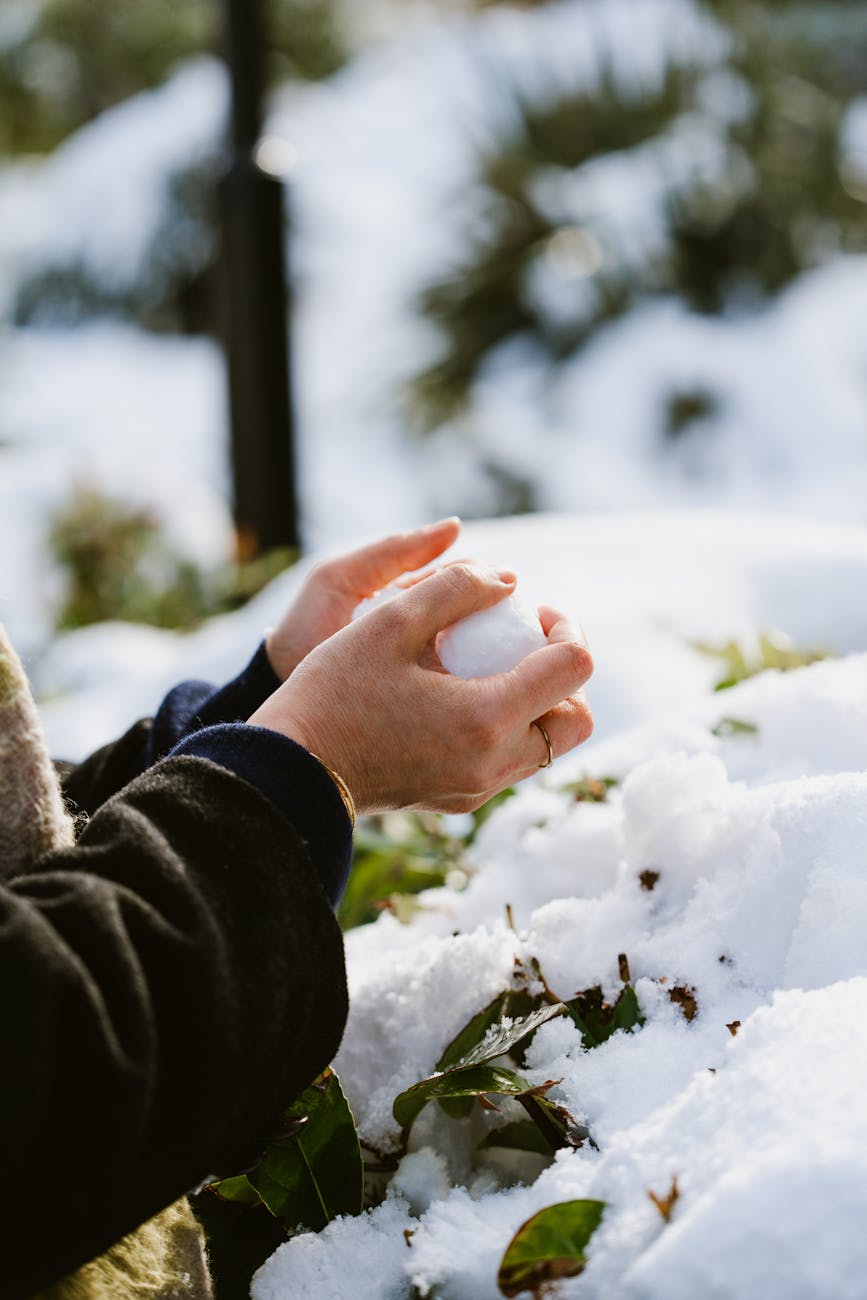
As adults, winter doesn’t give us snow days anymore, but it still offers permission to pause. The air is crisp. Firepits are finally lit with intention. Conversations get shorter. Silences get longer. And drinks change. Bright, refreshing, patio pours fade away, replaced by something deeper, warmer, and meant to be held instead of hurried.
Winter is when brown spirits earn their keep.
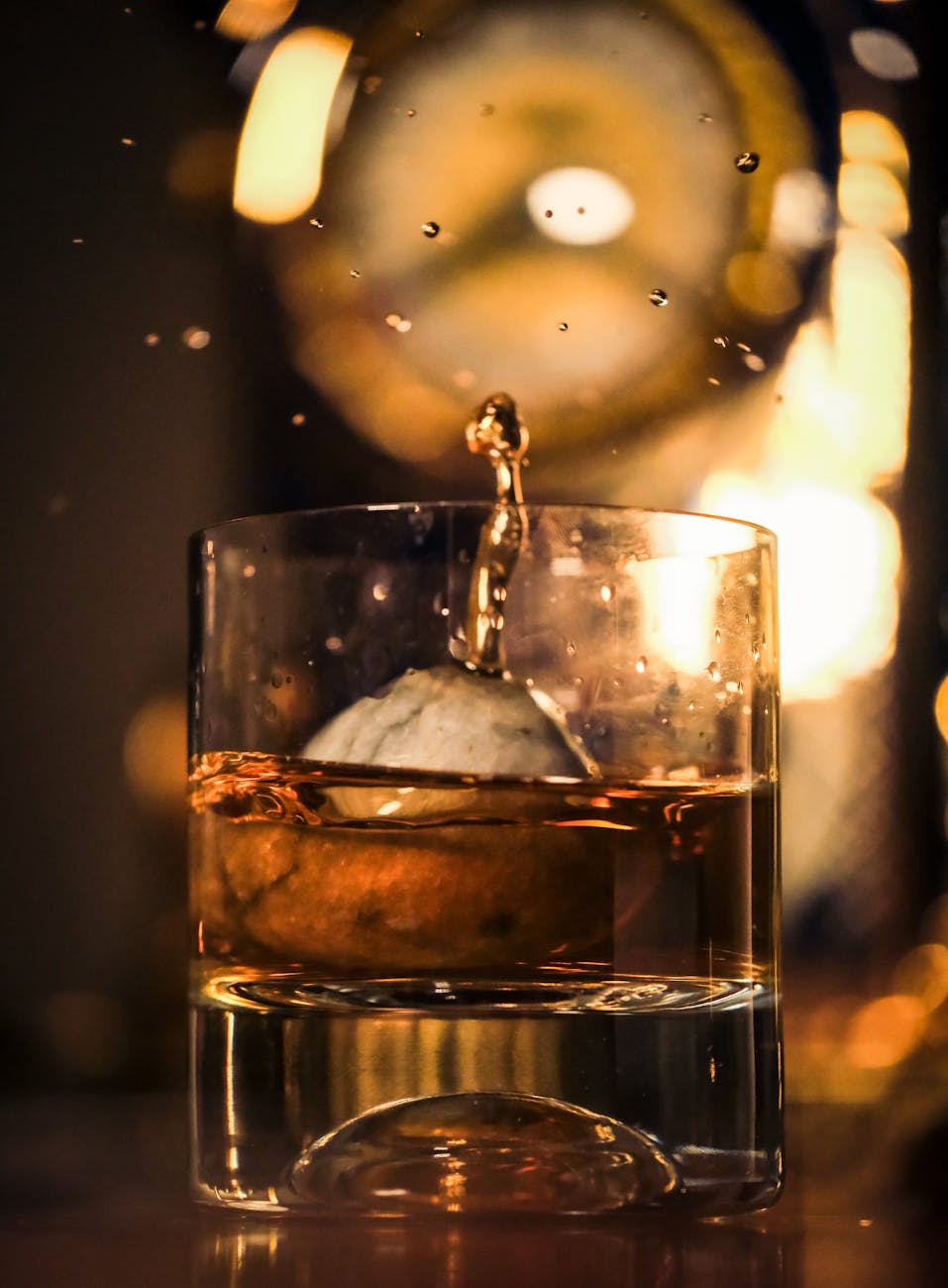
Why Brown Spirits Belong to Winter
Cold air softens alcohol. Literally.
Lower temperatures reduce volatility, meaning higher-proof spirits feel rounder and less aggressive. Oak-driven flavors like vanilla, caramel, leather, and spice register as comforting rather than heavy. What might feel overpowering in July feels intentional in February.
There is also psychology at play. Winter drinks are not about refreshment. They are about reflection. You sip slower. You listen more. You stop checking your phone quite so often.
A good fireside drink doesn’t ask for attention. It keeps you company.
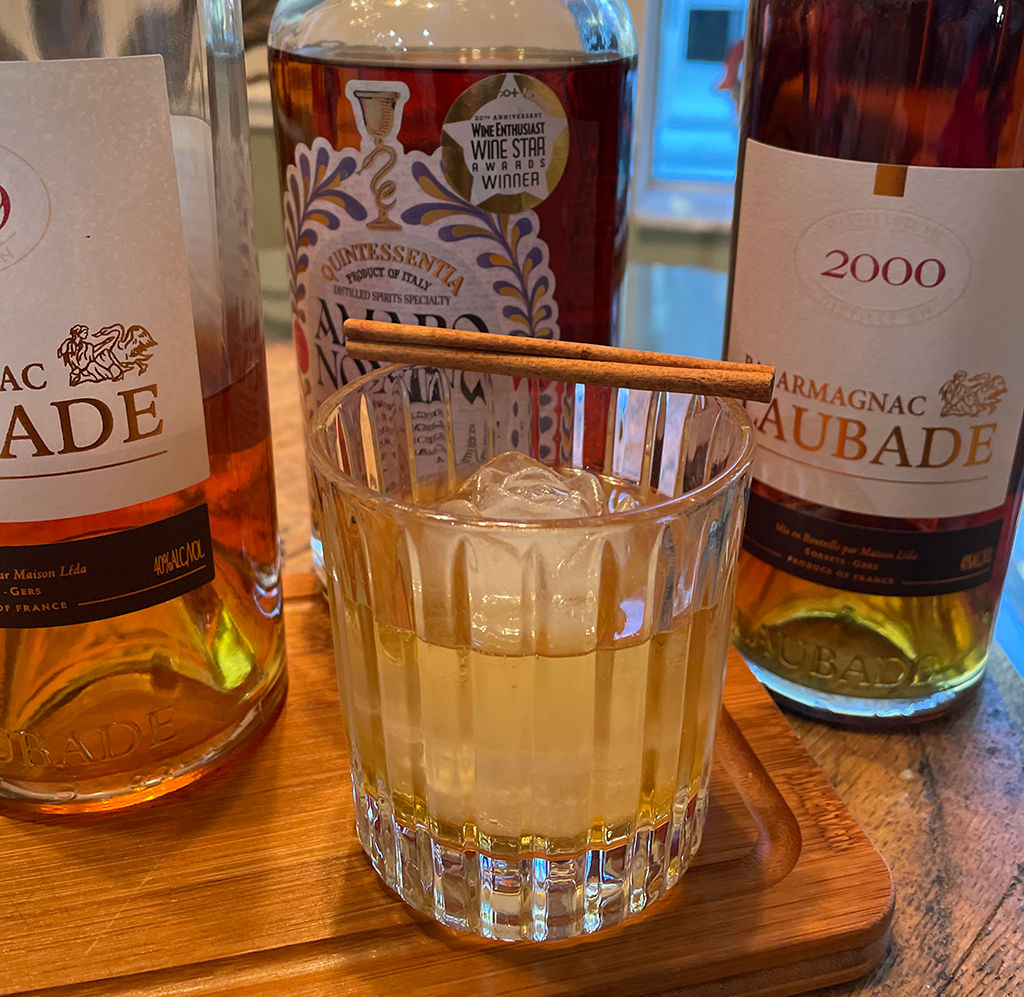
A Fireside Cocktail
This is a spirit-forward cocktail built for quiet nights, crackling wood, and the kind of calm that only winter delivers. No citrus. No theatrics. Just warmth, depth, and balance.
The Snow Day (Inspired by the Boulevardier cocktail)
- 1 1/2 oz rye whiskey
- 3/4 oz Armagnac
- 1/4 oz amaro (something bittersweet, not aggressively herbal)
- 1 barspoon demerara syrup (2:1)
- 2 dashes aromatic bitters
Stir with ice until well chilled.
Strain over a single large cube in a double old fashioned glass.
Express an orange peel over the glass and discard.
Finish with a lightly toasted cinnamon stick resting across the rim.
Tasting notes: Rye brings structure and spice, the backbone.
Armagnac adds warmth, fruit, and a rustic softness that feels like wool instead of silk. Amaro bridges sweetness and bitterness, keeping the drink from drifting into dessert territory. Demerara adds weight without stickiness.
This is not a cocktail you tweak endlessly. It is meant to be trusted.
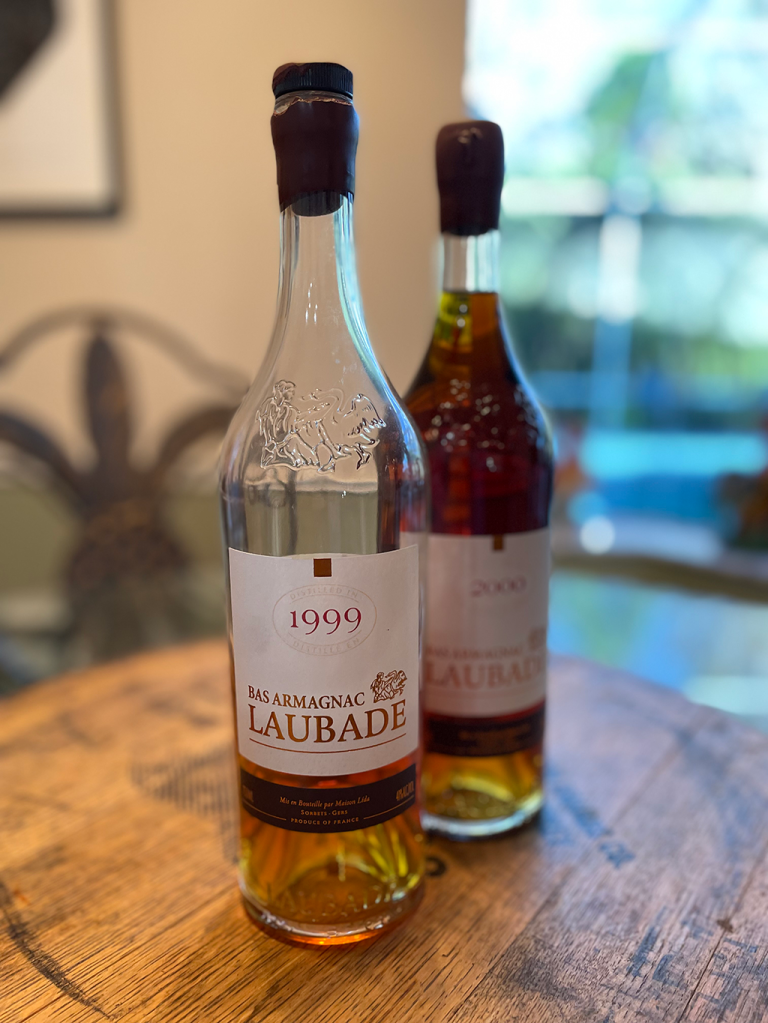
Armagnac Belongs by the Fire
Armagnac is less polished than Cognac and that is its strength. Fewer large houses, more family estates, and a rustic warmth that feels right in winter. If Cognac wears a tuxedo, Armagnac wears a wool coat.
Fireside Pairings
Small bites. Slow snacks. Nothing that steals the spotlight.
- Smoked almonds with rosemary
- Dark chocolate with sea salt
- Aged gouda or alpine-style cheese
- Charred sausage with coarse mustard
- Blue cheese drizzled with a touch of honey
These work because they mirror the drink’s themes: smoke, fat, salt, and depth. Each bite resets the palate without pulling you out of the moment.
And, Finally…
Winter doesn’t need to be loud to be memorable.
Some of the best moments happen when the world gets quiet. When snow muffles sound. When firelight replaces overhead lighting. When a glass is poured not to celebrate something, but simply to sit with it.
The fireside pour isn’t about chasing flavors or impressing guests. It is about warmth, patience, and the luxury of nowhere else to be.
Just like those snow days. 🥃
Armagnac Buyer’s Guide
Armagnac can feel intimidating on the shelf, but it does not need to be. A little guidance goes a long way.
Regions to Know
Armagnac is divided into three main areas:
- Bas-Armagnac
The most approachable. Softer, fruit-forward, often showing plum, vanilla, and gentle spice. Ideal for sipping and cocktails. - Ténarèze
More structure and grip. Earthy, spicy, and built for aging. Excellent in whiskey-forward cocktails. - Haut-Armagnac
Rarer and leaner. Best for the curious, not the starting point.
If you are buying your first bottle, start with Bas-Armagnac.
Age Statements Explained
Unlike whiskey, age in Armagnac often signals style more than quality.
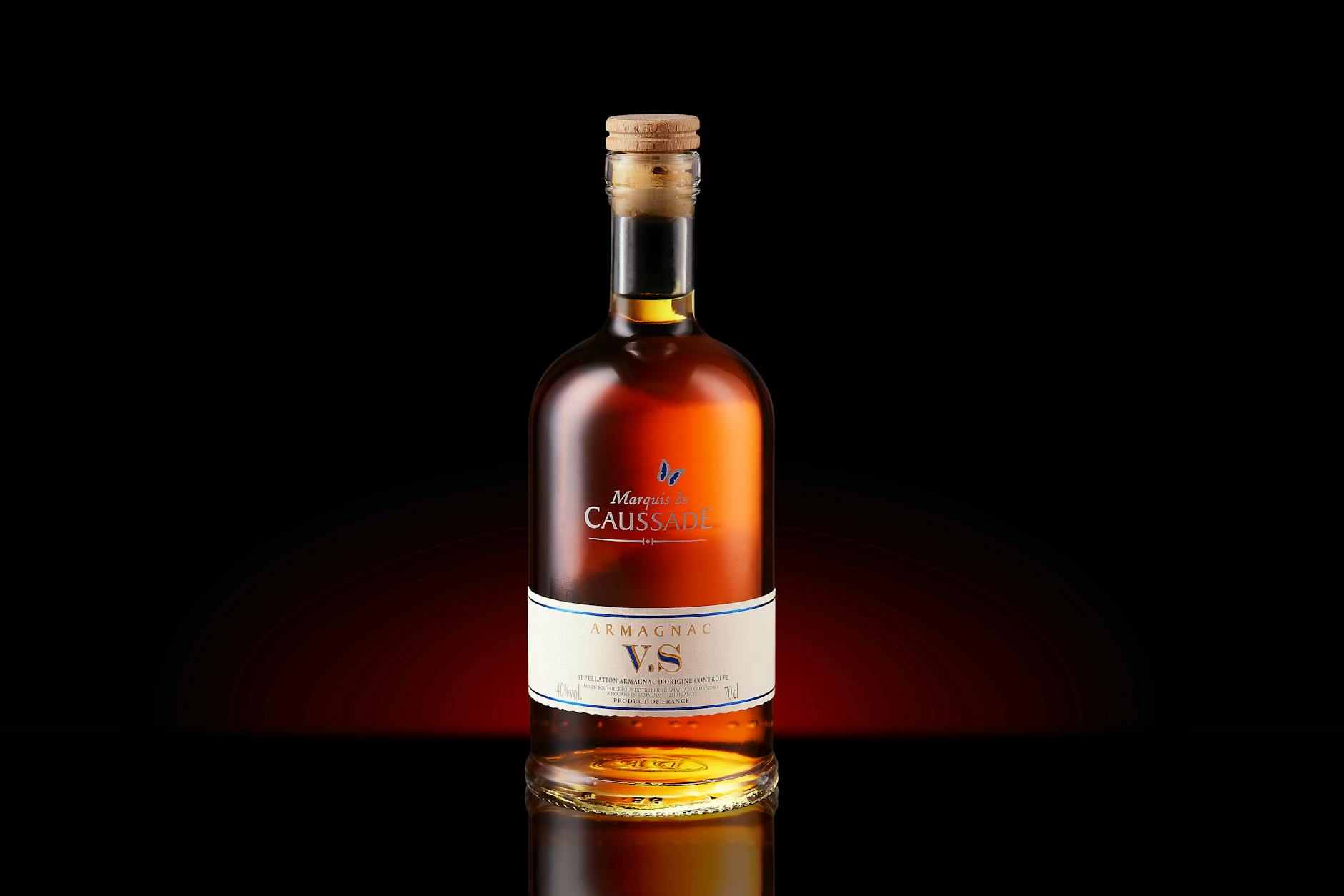
- VS or Trois Étoiles
Younger, brighter, and best for cocktails. - VSOP
A sweet spot. Enough age for depth, young enough for mixing. - Napoléon / XO
Rich, layered, and better suited for sipping fireside.
For cocktails like The Snow Day, VSOP is ideal.
Vintage Armagnac
Armagnac does vintages exceptionally well. These are not trophies; they are storytellers. A single year, bottled with intention. Prices are often shockingly reasonable compared to vintage Cognac or whiskey.
Buy one if:
- You enjoy contemplative sipping
- You like spirits with a sense of place
- You want something truly different by the fire
What to Look for on the Label
- Single estate or family producer
- No heavy caramel coloring
- Bottled at or near 40–46% ABV
- Honest age statements
Fancy packaging is optional. Character is not.
How to Use Armagnac
- Neat or with a few drops of water
- As a split base with rye or bourbon
- In place of Cognac in classics
- As a winter sipper when wine feels thin
Armagnac does not ask to be showcased. It rewards being trusted.
 SOMM&SOMM
You must be logged in to post a comment.