Tag: 2

  • The Rum Renaissance

    The Rum Renaissance

    Terroir, Tradition, and Tiki.

    Welcome to the Rum Renaissance. For years, rum stood in the shadow of whiskey and tequila—either trapped in syrupy cola combos or buried in blender drinks at beach resorts. But no more. Rum is having a moment. A big one. We are in the midst of a Rum Renaissance, where the world is finally recognizing what islanders, pirates, distillers, and cocktail aficionados have known all along: rum is wildly complex, deeply traditional, and incredibly expressive of terroir.

    From the agricole fields of Martinique to the molasses stills of Barbados, from navy-style overproofs to funky pot-stilled hogo bombs from Jamaica, rum is rewriting its story. And we’re drinking it all in—neat, stirred, shaken, and smoked.

    Photo by Alex P on Pexels.com

    Terroir in a Glass

    Unlike other spirits, rum can be made anywhere sugarcane grows—and even where it doesn’t. This gives rum its greatest gift: variety. Each region has its own techniques, laws, traditions, and signature profiles. Let’s explore:

    1. Agricole Rhum (France’s Caribbean Legacy)

    • Where: Martinique, Guadeloupe
    • What: Made from fresh-pressed sugarcane juice, not molasses
    • Taste: Grassy, vegetal, earthy, often dry and structured

    Featured RumRhum J.M Blanc (Martinique)
    A pristine example of agricole: fresh cut grass, lime zest, sea spray.

    Pairing Idea:
    Ceviche with Coconut Cream and Cilantro
    The rhum’s herbal notes elevate the citrus and herbs; the coconut softens the sharper edges.

    2. English-Style Rums (Colonial Depth)

    • Where: Jamaica, Barbados, Guyana
    • What: Usually pot-stilled, molasses-based, deeply flavored
    • Taste: Bold, funky (think overripe banana, petrol, leather), spicy

    Featured RumSmith & Cross Traditional Jamaica Rum
    This overproof beast is unapologetically funky, rich with esters.

    Funky Kingston Daiquiri

    • 2 oz Smith & Cross
    • 0.75 oz fresh lime juice
    • 0.5 oz Demerara syrup (2:1)
      Shake hard, strain into coupe. Garnish with lime zest.

    Food Pairing:
    Jerk Chicken Tacos with Mango Salsa
    The spice loves the funk. The mango calms the heat.

    3. Spanish-Style Rums (Clean & Smooth)

    • Where: Cuba, Panama, Nicaragua, Dominican Republic
    • What: Column-distilled, molasses-based, often aged in solera systems
    • Taste: Round, vanilla-laced, approachable, sometimes sweetened

    Featured RumRon Diplomático Reserva Exclusiva (Venezuela)
    Creamy, dessert-like with notes of toffee, fig, and orange peel.

    Pairing Idea:
    Dark Chocolate Tart with Sea Salt & Orange Zest
    The rum mimics the dessert’s flavors and adds a silky finish.

    4. Navy & Overproof Rums (Bold & Historical)

    • Where: Blends from multiple islands
    • What: Strong, often high-proof, originally designed for sailors
    • Taste: Dark, molasses-heavy, burnt sugar, barrel spice

    Featured RumPusser’s British Navy Rum
    Historically the rum ration of the Royal Navy. Still punches at 54.5% ABV.

    Smoke & Oak

    A brooding, stirred rum cocktail that honors the dark, barrel-aged legacy of navy rums—perfect for sipping slowly alongside robust food.

    • 2 oz Pusser’s British Navy Rum
    • 0.5 oz Amaro Averna (or another herbal amaro)
    • 0.25 oz PX Sherry or sweet vermouth
    • 2 dashes Angostura bitters
    • Orange peel, for garnish
    • Optional: small puff of hickory smoke (if available, for presentation)

    Add all ingredients to a mixing glass with ice.

    Stir until well chilled and diluted (about 20–25 seconds).

    Strain into a rocks glass over a large cube.

    Express orange peel over the top, then garnish.

    Optional: briefly smoke the glass with hickory wood using a smoker lid or handheld gun before pouring.

    Why It Works:
    This stirred sipper keeps the boldness of Pusser’s but adds complexity and elegance through the herbal and dried fruit elements of the amaro and sherry. Think of it as a rum-based sibling of a Boulevardier or Old Fashioned—with nautical swagger.

    Pairing:
    Spiced Lamb Chops with Pomegranate Molasses
    The cocktail’s smoky, bitter-sweet balance cuts through the rich lamb and enhances the molasses glaze with dark fruit undertones.

    Photo by Augustinus Martinus Noppu00e9 on Pexels.com

    Tiki: The Theatrical Resurgence

    Tiki is more than flaming pineapples and plastic leis. It’s a deep, post-Prohibition movement rooted in escapism and complex cocktail craft. Rum is its lifeblood.

    Classic Tiki:

    The Mai Tai (Trader Vic Style)

    • 1 oz aged Jamaican rum
    • 1 oz Martinique rhum agricole
    • 0.75 oz lime juice
    • 0.5 oz dry curaçao
    • 0.25 oz orgeat
      Shake and serve over crushed ice in a rocks glass with a spent lime shell and mint.

    Pairing:
    Pork Belly Bao Buns with Pickled Pineapple Slaw
    The rich meat loves the bright citrus and almond note of the Mai Tai.

    Modern Tiki Twist:

    Banana Republic

    • 1.5 oz aged Guatemalan rum (like Ron Zacapa 23)
    • 0.5 oz Giffard Banane du Brésil
    • 0.5 oz lime juice
    • 0.25 oz cinnamon syrup
    • Dash chocolate bitters
      Shake, strain over large ice sphere. Garnish with brûléed banana slice.

    Pairing:
    Banana Leaf Steamed Snapper with Coconut Rice
    Rum’s sweet notes mirror the tropical dish while the acidity lifts the fatty fish.

    SOMM&SOMM Related Article: The Art of Island Cocktails

    Rum & Food Pairing Matrix

    Rum StyleFlavor NotesFood Pairing Idea
    AgricoleGrassy, herbal, earthyThai papaya salad, ceviche, goat cheese
    Jamaican Pot StillFunky, estery, boldJerk chicken, plantain chips, grilled pineapple
    Spanish SoleraCaramel, vanilla, light spiceChocolate desserts, roasted pork, flan
    Overproof NavyDark, molasses, high alcoholBarbecue brisket, sticky ribs, mole poblano
    Aged Caribbean BlendDried fruit, baking spiceDuck breast, spiced nuts, roasted squash

    🏴‍☠️ One Fact, One Fiction — You Decide Which is Which

    Rum is soaked in stories—some true, some twisted through time and tide. Here are two tales from the deep barrels of history and lore. One is factual. One is pure (delicious) fiction. Can you tell them apart?

    🗡️ Tale : The Cursed Cask of Port Royal
    In 1692, after a devastating earthquake sank much of Port Royal, Jamaica into the sea, divers later recovered an intact rum cask from the sunken taverns. Locals claimed anyone who drank from it was cursed with endless drunken visions of ghost pirates demanding “just one more pour.”

    🎖️ Tale : The Rum Ration that Sparked a Mutiny
    For over 300 years, British sailors received a daily ration of rum—until July 31, 1970, when the Royal Navy ended the tradition in what became known as Black Tot Day. Some sailors protested so fiercely that one destroyer’s crew reportedly staged a 24-hour “rum strike,” refusing orders until their drams were reinstated. They weren’t.

    Guess which one’s real? Which one’s rum-soaked legend? We’ll reveal the truth at the bottom of this article.

    End on a Sweet Note

    Cane & Cream

    • 1.5 oz El Dorado 12 Year
    • 0.5 oz Amaro Averna
    • 0.5 oz vanilla syrup
    • 1 oz heavy cream
      Shake hard with ice, strain into coupe. Top with shaved dark chocolate.

    Pairing:
    Rum-Soaked Tres Leches Cake
    The cocktail mirrors and magnifies the dessert while staying balanced.

    Drink Globally, Pair Locally

    To wines aged with wisdom, to rums kissed by the sea—
    May yer palate find treasure, and yer glass never be empty!
    Drink deep, me hearties, for the tannins be fair,
    And the finish be long as a siren’s stare!

    Captain Sommelier (Greg), Keeper of the Sacred Corkscrew 🏴‍☠️🍷

    The rum category is a playground of discovery. Whether you prefer the finesse of French agricole, the bombast of Jamaican funk, or the dessert-like smoothness of Spanish styles, there’s a rum—and a pairing—for you. Let this be your invitation to go beyond the Daiquiri (though that’s a perfect drink) and explore terroir, tradition, and tiki with every pour.

    Raise your glass to rum’s rebirth. And when you do—pair it with something unexpected. Something delicious. Something unforgettable. Cheers 🍹

    ✅ Truth Revealed: Tale is Fact!

    The Rum Ration that Sparked a Mutiny
    Yes, it’s true! For over three centuries, the British Royal Navy issued daily rum rations to sailors—a practice known as the “tot.” On July 31, 1970, the tradition ended, a day still remembered as Black Tot Day. Sailors wore black armbands, held mock funerals, and in some cases, even staged minor revolts or refused duties in protest of the decision. Though the rumored “rum strike” on a destroyer remains unconfirmed in official records, the outrage was real. Some sailors believed the end of the tot marked the decline of naval morale.

    ❌ Tale ? Pure Rum-Soaked Fiction.

    While Port Royal did sink into the sea during a catastrophic earthquake in 1692, and rum was certainly flowing in the taverns before it happened, no cursed cask has ever been recovered—and no spectral pirates have officially been reported demanding more pours (at least none soberly documented). But admit it: you wanted that one to be true, didn’t you? 😎

    #SommLife

    Cover Photo by Wolrider YURTSEVEN on Pexels.com

  • April Fools’ Wine Myths

    April Fools’ Wine Myths

    Debunking Common Misconceptions.

    Every year on April 1st, pranksters take joy in fooling their friends with tall tales and clever tricks. But in the world of wine, myths and misconceptions persist far beyond April Fools’ Day. Some of these myths have been passed down for generations, shaping how people buy, store, and enjoy wine. It’s time to set the record straight! Here are some of the most common wine myths—debunked.

    Myth – Red Wine Should Always Be Served at Room Temperature

    Reality: Cooler is often better.

    The phrase “room temperature” originated centuries ago when indoor spaces were much cooler than they are today. Today’s heated homes often hover around 70–75°F, which is too warm for most reds. Lighter reds, like Pinot Noir and Gamay, shine at around 55–60°F, while fuller-bodied reds, like Cabernet Sauvignon and Syrah, perform best between 60–65°F. Storing and serving reds too warm can make the alcohol seem overpowering and the fruit flavors muddled.

    SOMM&SOMM Tip: If your red wine feels too warm, pop it in the fridge for 15–20 minutes before serving.

    Related Article: Wine Service: Proper Serving Temperatures

    Myth – White Wine Should Always Be Served Ice Cold

    Reality: Over-chilling mutes flavors.

    While a crisp, cold glass of white wine can be refreshing, serving it straight from the fridge (which is typically around 35–40°F) can dull its flavors and aromas. The ideal temperature for white wines varies—light whites, like Sauvignon Blanc and Pinot Grigio, should be served at 45–50°F, while richer whites, like Chardonnay and Viognier, are best around 50–55°F.

    SOMM&SOMM Tip: Take your white wine out of the fridge about 10–15 minutes before serving for the best balance of flavors.

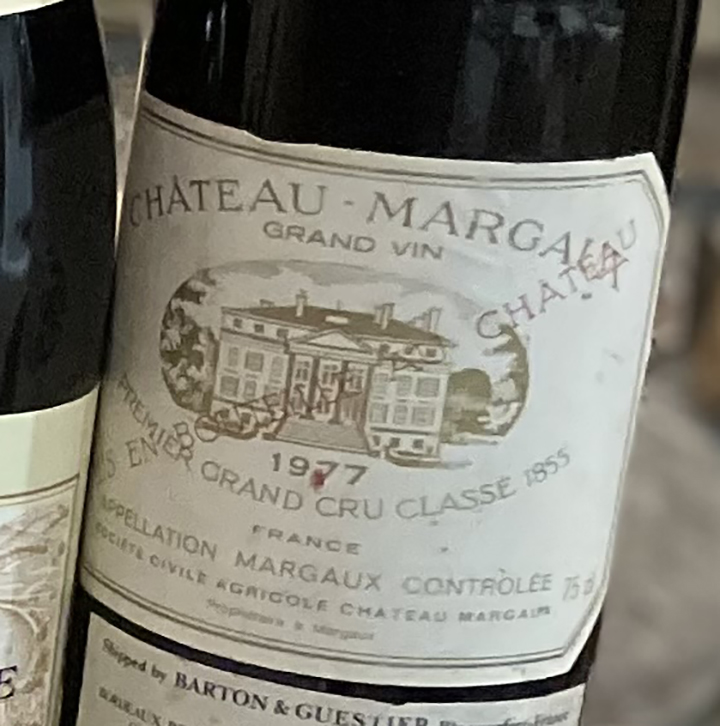
    1977 Château Margaux

    Myth – Older Wine Is Always Better

    Reality: Most wines are meant to be enjoyed young.

    While aged Bordeaux or vintage Champagne can be exquisite, the vast majority of wines—roughly 90%—are meant to be consumed within a few years of release. Aging wine requires specific conditions, and not every bottle benefits from time in the cellar. Fresh, fruit-forward wines like Beaujolais, Sauvignon Blanc, and most rosés are best enjoyed young.

    SOMM&SOMM Tip: If you’re curious about aging potential, check the producer’s recommendations or consult a trusted wine expert.

    Myth – Screw Cap Wines Are Low Quality

    Reality: Screw caps can preserve wine better than cork.

    Many high-quality wines now use screw caps instead of corks, particularly in New Zealand, Australia, and the U.S. Screw caps can provide an excellent seal, reducing the risk of cork taint (TCA contamination) and ensuring freshness. They’re particularly beneficial for white wines and aromatic varietals that rely on vibrancy and purity.

    SOMM&SOMM Tip: Don’t judge a wine by its closure—judge it by what’s in the glass!

    Related Article: Exploring Wine Enclosures: Cork, Screw Cap, and Beyond

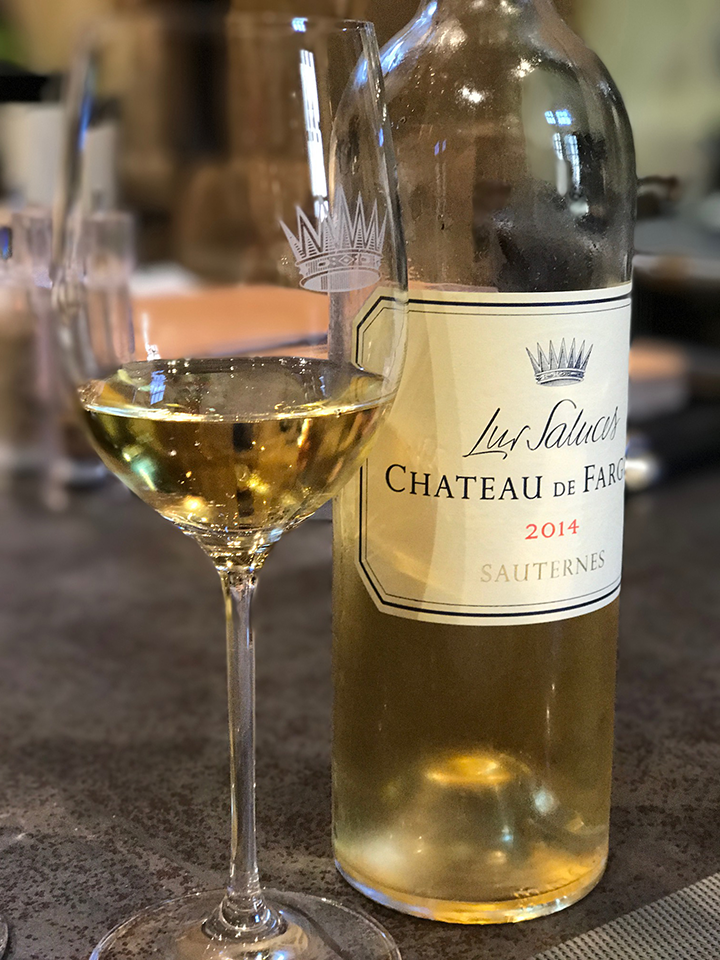
    Lur Saluces Chateau de Fargues – Photo Credit: Fred Swan, JJBuckley.com

    Myth – Sweet Wines Are Low Quality or “Just for Beginners”

    Reality: Some of the world’s finest wines are sweet.

    From Germany’s noble Rieslings to France’s Sauternes and Hungary’s Tokaji, some of the most revered and age-worthy wines are sweet. A well-made dessert wine balances sweetness with acidity, creating a complex and sophisticated drinking experience.

    SOMM&SOMM Tip: Try pairing a high-quality sweet wine with blue cheese, foie gras, or spicy foods for a mind-blowing contrast.

    Myth – Rosé Is Just a Summer Drink

    Reality: Rosé is great year-round.

    Rosé’s crisp and refreshing nature makes it perfect for warm weather, but its versatility extends far beyond summer. A fuller-bodied rosé, like a Tavel or Bandol, pairs beautifully with hearty dishes, including roasted meats, pasta, and even winter stews.

    SOMM&SOMM Tip: Treat rosé like a light red wine—it can complement a variety of foods throughout the year.

    Myth – You Must Let Red Wine Breathe for Hours

    Reality: Decanting depends on the wine.

    While some wines benefit from hours of aeration, most modern wines are ready to drink with just a little air exposure. Younger, tannic reds (like a bold Cabernet Sauvignon) can soften with decanting, but delicate wines (like older Pinot Noir or aged Barolo) can actually lose their aromas if over-aerated.

    SOMM&SOMM Tip: If in doubt, pour a small glass and taste it immediately. If it seems tight or closed-off, give it some air and check again after 15–30 minutes.

    Related Article: The Art and Science of Decanting Wine

    Myth – Expensive Wine Is Always Better

    Reality: Price does not always equal quality.

    While some expensive wines are exceptional, there are plenty of hidden gems at affordable price points. Price is influenced by factors like production scale, marketing, and branding—not just quality. Many boutique wineries and lesser-known regions produce fantastic wines that don’t break the bank.

    SOMM&SOMM Tip: Explore regions known for value wines, like Portugal’s Douro Valley, Spain’s Rioja, or Argentina’s Mendoza.

    Photo by Andrea Piacquadio on Pexels.com

    Enjoy Wine Without the Myths

    This April Fools’ Day, don’t be fooled by outdated wine myths! Whether it’s misconceptions about serving temperatures, closures, or aging potential, understanding the facts can help you enjoy wine to its fullest. The best way to learn? Keep tasting, exploring, and trusting your own palate.

    Cheers to debunking myths and discovering new wine experiences 🍷

  • Wine & Spirits of the Zodiac

    Wine & Spirits of the Zodiac

    A Cosmic Guide to Your Perfect Pour.

    We love finding connections between personalities, traits, styles, and experiences with the various expressions of wine and spirits. This passion has been on full display in our recent articles The Artistry of Wine, An Intricate Dance Between Poetry and Wine, and Sipping the Notes. Exploring how flavors, textures, and aromas intertwine with personality and emotion is a journey that never ceases to fascinate us.

    Pearson Scott Foresman, Public domain, via Wikimedia Commons

    The stars have guided sailors, farmers, and romantics alike, but have you ever let them guide your wine or cocktail selection? Astrology has long been associated with personality traits, fortunes, and fate, so why not extend that celestial insight to our drink choices? With the Chinese New Year recently celebrated, there’s a fascinating parallel between Western zodiac signs and the symbolic significance of the lunar calendar. Both systems influence celebrations, personality interpretations, and even what flavors we gravitate toward.

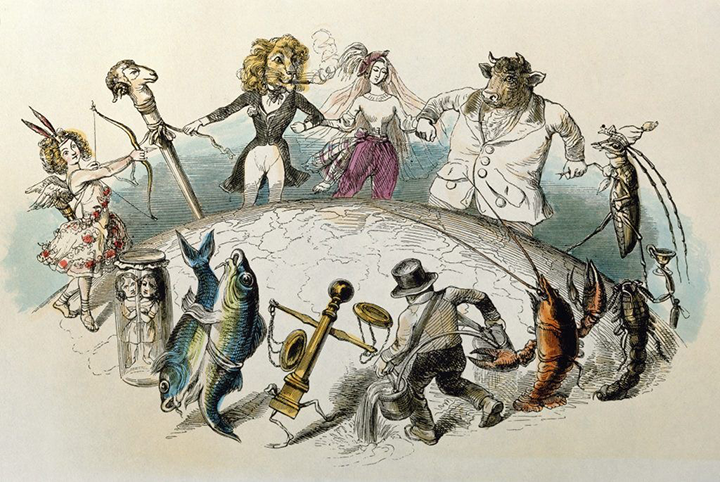
    The zodiac in a round dance around the world, from Les etoilles animées, by J.J. Grandville, 1847, coloured engraving

    Let’s journey through the twelve astrological signs, uncovering their origins and pairing each with a wine or spirit that perfectly complements its traits. Plus, we’ve included an interactive cocktail recipe for each sign—because the best way to embrace your celestial self is with a perfectly paired drink in hand.

    Capricorn (December 22 – January 19) – Ambitious, Disciplined, and Refined

    Wine Pairing: Bordeaux – Structured, elegant, and built to age.
    Spirit Pairing: Scotch – Complex, refined, and timeless.
    Cocktail: The Classic Capricorn (inspired by the Rob Roy)
    Ingredients:

    • 2 oz Scotch
    • 0.5 oz sweet vermouth
    • 2 dashes Angostura bitters
      Stir with ice and strain into a coupe. Garnish with a cherry.

    Aquarius (January 20 – February 18) – Innovative, Free-Spirited, and Unique

    Wine Pairing: Orange Wine – Unconventional, thought-provoking, and distinctive.
    Spirit Pairing: Absinthe – Visionary, artistic, and ahead of its time.
    Cocktail: The Electric Aquarius (inspired by the Corpse Reviver #2)
    Ingredients:

    • 1 oz absinthe
    • 1 oz elderflower liqueur
    • 2 oz tonic water
      Build over ice in a highball glass and garnish with a lemon wheel.

    Pisces (February 19 – March 20) – Dreamy, Romantic, and Intuitive

    Wine Pairing: Riesling – Lush, poetic, and expressive.
    Spirit Pairing: Lavender Gin – Ethereal and enchanting.
    Cocktail: The Mystic Mermaid (inspired by the Bees Knees)
    Ingredients:

    • 2 oz lavender gin
    • 0.5 oz lemon juice
    • 0.5 oz honey syrup
      Shake with ice and strain into a coupe. Garnish with edible flowers.

    Aries (March 21 – April 19) – Bold, Fiery, and Adventurous

    Wine Pairing: Zinfandel – Robust, spicy, and energetic, just like Aries.
    Spirit Pairing: Mezcal – Smoky, intense, and unapologetically bold.
    Cocktail: Spicy Aries Smash (inspired by the Mezcal Mule)
    Ingredients:

    • 2 oz mezcal
    • 1 oz lime juice
    • 0.5 oz honey syrup
    • 2 slices jalapeño
    • 2 dashes orange bitters
      Muddle jalapeño in a shaker, add all ingredients, shake with ice, and strain into a rocks glass over fresh ice. Garnish with a lime wheel.

    Taurus (April 20 – May 20) – Sensual, Earthy, and Indulgent

    Wine Pairing: Cabernet Sauvignon – Luxurious, full-bodied, and grounded.
    Spirit Pairing: Cognac – Refined and complex with deep, earthy undertones.
    Cocktail: Velvet Bull (inspired by the Brandy Alexander)
    Ingredients:

    • 1.5 oz Cognac
    • 0.5 oz crème de cacao
    • 1 oz heavy cream
    • Grated nutmeg for garnish
      Shake all ingredients with ice and strain into a chilled coupe. Garnish with grated nutmeg.

    Gemini (May 21 – June 20) – Playful, Curious, and Witty

    Wine Pairing: Sauvignon Blanc – Crisp, zesty, and ever-changing.
    Spirit Pairing: Gin – Botanical, versatile, and endlessly creative.
    Cocktail: The Gemini Spritz (inspired by the French 75)
    Ingredients:

    • 1.5 oz gin
    • 0.5 oz elderflower liqueur
    • 2 oz sparkling wine
    • 1 oz soda water
      Build in a wine glass over ice, stir gently, and garnish with a lemon twist.

    Cancer (June 21 – July 22) – Nurturing, Sentimental, and Comforting

    Wine Pairing: Chardonnay – Warm, inviting, and soothing.
    Spirit Pairing: Rum – Sweet, nostalgic, and full of depth.
    Cocktail: The Cozy Crab (inspired by the Painkiller)
    Ingredients:

    • 2 oz aged rum
    • 1 oz coconut cream
    • 0.5 oz lime juice
      Shake with ice and strain into a chilled coupe. Garnish with grated cinnamon.

    Leo (July 23 – August 22) – Charismatic, Bold, and Regal

    Wine Pairing: Champagne – Effervescent, luxurious, and always the center of attention.
    Spirit Pairing: Bourbon – Strong, commanding, and unforgettable.
    Cocktail: The Golden Lion (inspired by the Gold Rush)
    Ingredients:

    • 2 oz bourbon
    • 0.5 oz honey syrup
    • 0.5 oz lemon juice
    • Champagne top-off
      Shake bourbon, honey syrup, and lemon juice with ice, strain into a coupe, and top with Champagne.

    Virgo (August 23 – September 22) – Practical, Detail-Oriented, and Sophisticated

    Wine Pairing: Grüner Veltliner – Crisp, precise, and refreshingly complex.
    Spirit Pairing: Vodka – Clean, structured, and classic.
    Cocktail: The Meticulous Martini (inspired by the Vodka Martini)
    Ingredients:

    • 2 oz vodka
    • 0.5 oz dry vermouth
    • 2 dashes orange bitters
      Stir with ice and strain into a chilled coupe. Garnish with a lemon twist.

    Libra (September 23 – October 22) – Charming, Balanced, and Sophisticated

    Wine Pairing: Pinot Noir – Elegant, harmonious, and effortlessly balanced.
    Spirit Pairing: Amaretto – Smooth, sweet, and socially engaging.
    Cocktail: The Libra Harmony (inspired by the Amaretto Sour)
    Ingredients:

    • 1.5 oz amaretto
    • 1 oz lemon juice
    • 0.5 oz simple syrup
    • Club soda
      Build in a highball glass over ice and top with club soda. Garnish with a lemon wheel.

    Scorpio (October 23 – November 21) – Intense, Mysterious, and Passionate

    Wine Pairing: Syrah – Deep, smoky, and enigmatic.
    Spirit Pairing: Amaro – Dark, brooding, and complex.
    Cocktail: The Dark Scorpion (inspired by the Black Manhattan)
    Ingredients:

    • 1.5 oz amaro
    • 1 oz rye whiskey
    • 0.5 oz black walnut liqueur
      Stir with ice and strain into a rocks glass. Garnish with an orange peel.

    Sagittarius (November 22 – December 21) – Adventurous, Free-Spirited, and Optimistic

    Wine Pairing: Malbec – Bold, vibrant, and full of life.
    Spirit Pairing: Tequila – Fun-loving, daring, and celebratory.
    Cocktail: The Wanderlust Paloma (inspired by the Paloma)
    Ingredients:

    • 2 oz tequila
    • 1 oz grapefruit juice
    • 0.5 oz lime juice
    • 0.5 oz agave syrup
    • Club soda
      Build over ice in a highball glass and top with club soda. Garnish with a grapefruit wedge.
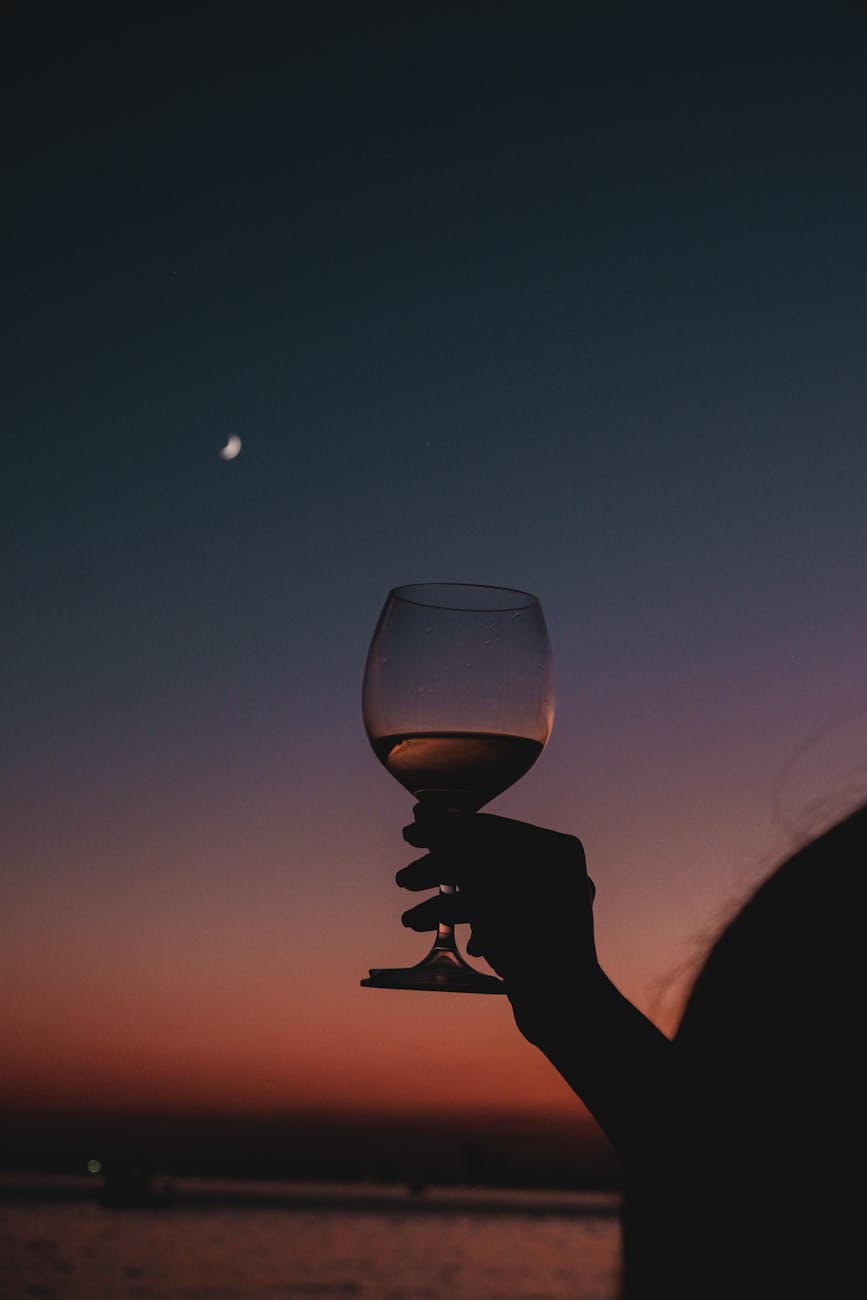
    Photo by Tahir Osman on Pexels.com

    A Toast to the Stars

    Whether you’re an assertive Aries sipping a Spicy Smash or a dreamy Pisces enjoying an ethereal lavender gin ‘tini, the zodiac offers a celestial guide to enhancing your drinking experience. While astrology and wine pairings may not be scientific, they are undeniably fun—so why not embrace the cosmic influence on your next drink choice? Cheers to exploring the stars, one sip at a time!

    Which zodiac pairing is your favorite? Let us know in the comments, and don’t forget to tag us on social media with your cosmic cocktails!