Category: Wine News

  • Exploring Wine Enclosures: Cork, Screw Cap, and Beyond

    Exploring Wine Enclosures: Cork, Screw Cap, and Beyond

    In the world of wine, the choice of enclosure is often a topic of debate among enthusiasts, professionals, and consumers alike. Traditionally, cork has been the enclosure of choice for wine bottles, but in recent years, the rise of screw caps has challenged this longstanding tradition. This article aims to delve into the characteristics, benefits, and drawbacks of both cork and screw cap enclosures, debunking myths and misconceptions along the way. Additionally, we will explore the history of cork usage, the current state of cork shortages, and highlight specific wines or styles that may benefit from one enclosure over the other.

    Cover photo credit: Photo by SevenStorm JUHASZIMRUS on Pexels.com

    Cork Enclosures: A Tradition Steeped in History

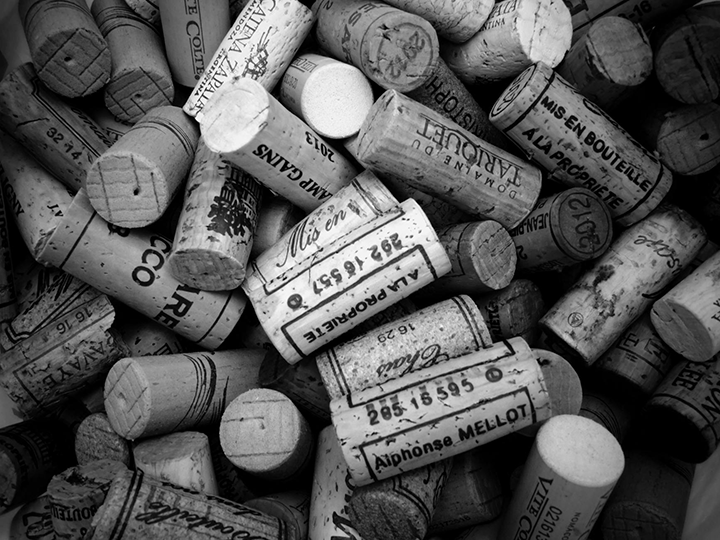
    Cork, derived from the bark of the cork oak tree (Quercus suber), has been used as a wine enclosure for centuries. Its unique cellular structure, comprised of millions of tiny air pockets, allows it to compress and create a tight seal when inserted into a bottle. This natural elasticity makes cork an ideal choice for aging wines, as it allows for a small amount of oxygen to interact with the wine, aiding in its development over time.

    Benefits of Cork Enclosures

    • Tradition and Prestige: Cork has a long-standing tradition in the wine industry and is often associated with higher-end wines, lending an air of prestige and tradition to the bottle.

    • Breathability: Cork’s natural properties allow for micro-oxygenation, which can enhance the aging process of certain wines, particularly those intended for long-term cellaring.

    • Sensory Experience: Many wine enthusiasts appreciate the ritual of uncorking a bottle, as it adds to the overall sensory experience of enjoying wine.

    Pitfalls of Cork Enclosures

    • Cork Taint: One of the most significant drawbacks associated with cork enclosures is the potential for cork taint, caused by the presence of trichloroanisole (TCA). This compound can impart undesirable aromas and flavors, often described as musty or moldy, ruining the wine.

    • Variability: Natural cork can exhibit variability in quality, leading to inconsistencies in sealing and potential oxidation of the wine.

    • Environmental Concerns: Harvesting cork oak trees for their bark can have environmental implications, although sustainably managed cork forests mitigate this impact to some extent.

    Stelvin Capsules (Screw Caps)

    Screw Cap Enclosures: Modern Convenience Meets Functionality

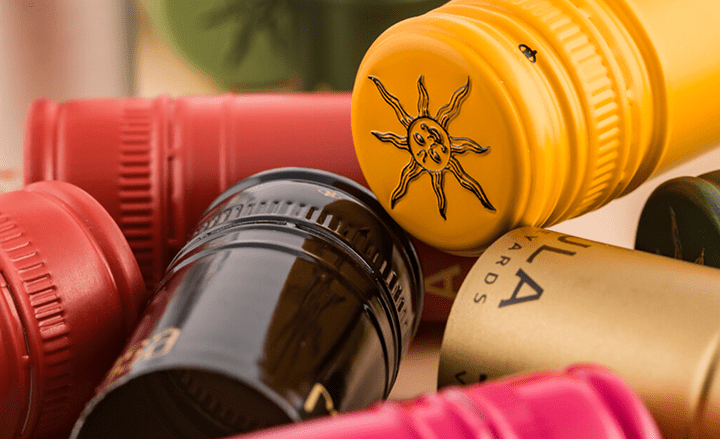
    Screw caps, also known as Stelvin closures, offer a convenient alternative to traditional cork enclosures. Initially introduced in the 1960s, screw caps have gained popularity, particularly for wines intended for early consumption or those that do not require extended aging. Wine purists would be surprised to learn that the Stelvin closure was invented in Burgundy, France 🙂

    Benefits of Screw Cap Enclosures

    • Consistency: Screw caps provide a consistent and reliable seal, virtually eliminating the risk of cork taint and oxidation.

    • Convenience: Screw caps are easy to open and reseal, making them ideal for wines meant to be consumed shortly after bottling.

    • Preservation of Freshness: Screw caps minimize oxygen exposure, preserving the wine’s freshness and fruit-forward characteristics, especially in aromatic white wines and light-bodied reds.

    Pitfalls of Screw Cap Enclosures

    • Perceived Quality: Despite their practical advantages, screw caps are sometimes associated with lower-quality wines or perceived as lacking the prestige of cork closures, particularly in certain traditional wine regions.

    • Limited Aging Potential: While suitable for early consumption wines, screw caps may not be ideal for wines intended for long-term aging, as they limit oxygen ingress, which can impede the wine’s development.

    • Environmental Impact: While screw caps themselves are recyclable, the production and disposal of plastic liners within the caps can have environmental implications.

    Debunking Myths and Addressing Misconceptions

    Myth: Screw caps are only suitable for inexpensive wines.

    Fact: While screw caps are commonly used for more affordable wines, many premium producers around the world are opting for screw caps to preserve the integrity and freshness of their wines.

    Myth: Cork closures are superior for aging wine.

    Fact: While cork closures have traditionally been associated with aging potential, screw caps have demonstrated effectiveness in preserving wine quality over time, particularly for wines meant for early consumption.

    Myth: All cork closures lead to cork taint.

    Fact: While cork taint is a legitimate concern with natural cork closures, advancements in cork production, such as agglomerated corks and technical corks, have reduced the incidence of cork taint significantly.

    The Current State of Cork Shortages

    In recent years, the wine industry has faced challenges related to cork shortages due to factors such as climate change, disease affecting cork oak trees, and increased competition for cork resources from other industries. As a result, alternative closures like screw caps have become more attractive to wineries seeking consistent and reliable enclosures for their wines.

    While cork and screw caps are the most widely recognized wine enclosures, there are several other alternatives that have gained traction in the industry. These alternatives offer unique benefits and cater to specific needs within the wine market. Let’s explore a few of them:

    1. Synthetic Corks:

    Synthetic corks are made from materials such as plastic or composite materials designed to mimic the properties of natural cork. They offer consistency in performance and eliminate the risk of cork taint. Synthetic corks are often used for wines that are intended for early consumption but may lack the prestige associated with natural cork.

    2. Glass Stoppers:

    Glass stoppers provide an elegant and aesthetically pleasing alternative to traditional closures. They create a secure seal and offer excellent oxygen barrier properties, preserving the wine’s freshness. Glass stoppers are favored for premium wines and limited editions, enhancing the overall packaging experience for consumers.

    3. Zork Closure:

    The Zork closure is a hybrid closure combining the convenience of a screw cap with the aesthetic appeal of cork. It features a plastic cap with a resealable cork-like insert, offering the benefits of both closures. Zork closures are popular for sparkling wines and still wines intended for immediate consumption.

    4. Crown Caps:

    Crown caps, similar to those used on beer bottles, are occasionally used for wine bottles, particularly for sparkling wines and wines meant for early consumption. While not as traditional as cork or as convenient as screw caps, crown caps provide a secure seal and are easy to open.

    5. Diam Corks:

    Diam corks are a type of technical cork made from natural cork particles that are treated to remove impurities and eliminate the risk of cork taint. They offer the sensory experience of natural cork with the consistency and reliability of synthetic closures. Diam corks are gaining popularity among wineries seeking alternatives to traditional cork closures.

    6. Vinolok:

    Vinolok closures are glass closures with a metal or plastic cap that provides an airtight seal. They offer a visually striking alternative to traditional closures and are often used for premium wines and limited editions. Vinolok closures are reusable and can be customized to enhance branding and aesthetics.

    These alternative closures offer wineries and consumers a diverse range of options beyond cork and screw caps, catering to different preferences, packaging requirements, and market segments within the wine industry. Whether it’s the convenience of screw caps, the tradition of cork, or the innovation of alternative closures, each enclosure plays a crucial role in preserving and presenting wines to consumers around the world.

    Choosing the Right Enclosure for Different Wine Styles

    While both cork and screw cap enclosures offer distinct advantages, certain wine styles may benefit from one enclosure over the other:

    – Wines for Aging: Complex red wines intended for long-term cellaring may benefit from the slight oxygen exchange facilitated by cork closures, allowing for gradual development and integration of flavors.

    – Fresh and Aromatic Wines: White wines, particularly those prized for their aromatic profiles and vibrant fruit character, often thrive under screw cap closures, preserving their freshness and intensity.

    – Everyday Drinking Wines: For wines meant to be enjoyed in their youth, regardless of style, screw cap closures provide convenience and assurance of freshness without the need for additional aging.

    In the ongoing debate between cork and screw cap enclosures, it’s essential to recognize that both options have their place in the wine industry. While cork closures carry a sense of tradition and romance, screw caps offer practicality and reliability, particularly for wines intended for early consumption. As technology and sustainability practices evolve, both closures continue to play vital roles in preserving and enhancing the enjoyment of wine, debunking myths and misconceptions along the way. Ultimately, the choice of enclosure depends on factors such as wine style, intended aging potential, and individual preferences, ensuring a diverse and dynamic landscape in the world of wine packaging. Cheers 🍷

  • A Toast to Tradition: New Year’s Celebrations Around the World

    A Toast to Tradition: New Year’s Celebrations Around the World

    As the clock strikes midnight, ushering in a new year, people around the world come together to celebrate in unique and diverse ways. New Year’s Eve is a time for reflection, anticipation, and of course, revelry. Join me on a global journey as we explore the origins of New Year’s celebrations and the rich tapestry of customs that make this occasion so special. And, true to my oenophile roots, we’ll delve into the fascinating world of wine and food, discovering how different cultures incorporate these elements into their festivities.

    Scottish Hogmanay Celebration

    Auld Lang Syne and the Scottish Hogmanay

    Our journey begins in the misty hills of Scotland, where the tradition of Hogmanay takes center stage. Derived from the Norse celebration of the winter solstice, Hogmanay has evolved into a three-day extravaganza. Scots embrace the opportunity to share good cheer, and no celebration is complete without the traditional “first-footing.” The first person to enter a home after midnight is believed to bring luck for the upcoming year.

    As bagpipes fill the air and kilts swirl on the dance floor, Scots indulge in a feast of haggis, neeps, and tatties. Complementing these savory delights are robust Scotch whiskies and hearty red wines like a spicy Shiraz or a bold Cabernet Sauvignon.

    SOMM&SOMM Recommends: 2019 Laurent Fayolle Crozes-Hermitage Clos les Cornirets

    Las Doce Uvas de la Suerte

    Eating 12 Grapes in Spain

    In Spain, the clock striking twelve marks a unique and flavorful tradition. As the last bell tolls, Spaniards pop twelve grapes into their mouths, one for each stroke of midnight, symbolizing good luck for each month of the coming year. This custom, known as “Las Doce Uvas de la Suerte,” is a delightful and slightly challenging way to welcome the new year.

    The Spanish New Year’s table overflows with tapas, from gambas al ajillo (garlic shrimp) to patatas bravas (spicy potatoes). To complement the diverse flavors, a sparkling Cava or a crisp Albariño is the wine of choice, effervescently capturing the festive spirit.

    SOMM&SOMM Recommends: Bagoa Do Mino Albarino Rias Baixas

    Osechi-Ryori

    Japanese Osechi-Ryori and Sake

    Across the globe in Japan, New Year’s is celebrated with the elegant tradition of Osechi-Ryori. This multi-tiered bento box features an array of symbolic dishes, each carrying wishes for health, happiness, and prosperity. Delicacies such as kazunoko (herring roe) and kuromame (sweet black soybeans) are meticulously prepared to bring good fortune.

    In Japan, sake takes center stage, with the first sips of the year known as “Toso.” This special spiced sake is believed to ward off evil spirits and promote good health. The delicate and nuanced flavors of a Junmai Daiginjo or a Ginjo sake complement the subtleties of Osechi-Ryori, creating a harmonious start to the new year.

    SOMM&SOMM Recommends: Kyodai Daiginjo Sake

    Fireworks and Feasts in Sydney, Australia

    As the Southern Hemisphere welcomes the new year amidst the summer sun, Sydney, Australia, stands out for its iconic New Year’s Eve fireworks display. Against the backdrop of the Sydney Harbour Bridge, explosions of color light up the night sky, creating a breathtaking spectacle.

    Aussies celebrate with barbecues and seafood feasts, accompanied by refreshing glasses of Australian sparkling wine or a crisp Sauvignon Blanc. The laid-back atmosphere and stunning views make Sydney a unique destination for those who prefer to ring in the new year with a warm breeze and a glass of cool wine.

    SOMM&SOMM Recommends: 2019 Vintage Longbottom H Sauvignon Blanc

    Ball Drop at Times Square in New York City

    Many American’s look forward each year to watching eagerly as the countdown commences in Times Square, New York City. With a drink in hand, and someone close by, we watch the famous ball drop. The Ball is a geodesic sphere covered with 2688 Waterford Crystal triangles, and provides the perfect backdrop to a Champagne toast.

    New Year’s celebrations span the globe, each culture contributing its unique blend of tradition, festivity, and culinary delights. As we raise our glasses to welcome the dawn of a new year, let’s savor the richness of these global customs and the diverse flavors that accompany them. May your New Year be filled with joy, prosperity, and, of course, the perfect pairing of wine and food! 

    Cheers to a flavorful and fulfilling year ahead!

  • Wine Business: Industry Giants

    Wine Business: Industry Giants

    In the ever-evolving world of wine, a few colossal players have risen to the forefront, dominating the market with their extensive portfolios of brands and strategic acquisitions. Among these giants, Constellation Brands and E. & J. Gallo Winery have consistently demonstrated their prowess, reshaping the industry’s landscape. Let’s delve into their recent acquisitions and their mainstream brands that have solidified their dominance.

    Photo curtesy of Pexels

    Constellation Brands: Crafting a Portfolio of Excellence

    Constellation Brands (NYSE: STZ), headquartered in Victor, New York, has long been a force to reckon with in the wine and spirits industry. They’ve been at the forefront of innovation, consistently expanding their portfolio and catering to the evolving consumer preferences.

    Recent Acquisitions (Wine):

    1. Prisoner Wine Company (2020): In a bold move to further enhance their luxury wine portfolio, Constellation Brands acquired The Prisoner Wine Company, renowned for its unique blends and creative winemaking techniques. This acquisition has allowed Constellation to tap into the premium wine market.
    2. Empathy Wines (2020): Constellation Brands, recognizing the growing demand for sustainable and organic wines, purchased Empathy Wines, founded by entrepreneur Gary Vaynerchuk. This acquisition aligns with consumer trends towards ethically produced wines.
    3. Napa Valley’s Historic Brands (2021): Constellation continued its quest for premium brands by acquiring a portfolio of iconic Napa Valley wineries, including Charles Krug, Beringer, and Franciscan Estate. These historic names have added depth and prestige to Constellation’s lineup.

    Mainstream Brands (Wine):

    Constellation’s influence extends beyond premium wines. They boast a robust lineup of well-loved mainstream brands, including:

    • Robert Mondavi: A household name known for its accessible and high-quality California wines.
    • Woodbridge by Robert Mondavi: A popular choice for everyday drinking, offering a range of varietals.
    • Clos du Bois: Known for its consistent quality, Clos du Bois appeals to a broad audience.

    E. & J. Gallo Winery: The Powerhouse of Variety

    E. & J. Gallo Winery, headquartered in Modesto, California, stands as one of the largest family-owned wine companies globally. Their success can be attributed to their commitment to innovation, extensive vineyard holdings, and strategic acquisitions.

    Recent Acquisitions (Wine):

    1. Barefoot Wine & Bubbly (2005): Gallo’s acquisition of Barefoot Wine & Bubbly was a game-changer, positioning them as a leader in the accessible, easy-drinking wine segment.
    2. The Locations Wine Brand (2018): Recognizing the growing trend towards wine exploration, Gallo acquired the Locations Wine brand. These wines, known for their unique labeling based on geographic coordinates, have captivated adventurous wine enthusiasts.
    3. Constellation Brands’ Wine Brands (2021): In a significant move, Gallo acquired a portfolio of Constellation’s wine brands, including Black Box, Clos du Bois, and Ravenswood. This expanded their market presence even further.

    Mainstream Brands (Wine):

    Gallo’s mainstream brands cater to diverse tastes and preferences, including:

    • Barefoot: Renowned for its affordability and versatility, Barefoot offers a wide range of varietals and styles.
    • Apothic: Known for its bold and unconventional blends, Apothic has captured the attention of wine drinkers seeking something different.
    • Dark Horse: A favorite among value-conscious consumers, Dark Horse delivers quality at an affordable price.

    In conclusion, Constellation Brands and E. & J. Gallo Winery are giants in the wine industry, strategically expanding their portfolios through acquisitions while maintaining a strong presence with their mainstream brands. These companies continue to adapt to evolving consumer preferences, ensuring their relevance in an ever-changing market. As they navigate the wine world’s complexities, their acquisitions and mainstream brands shine as beacons of their dominance in the industry.

  • Wine News: Angélus Bids Adieu

    Wine News: Angélus Bids Adieu

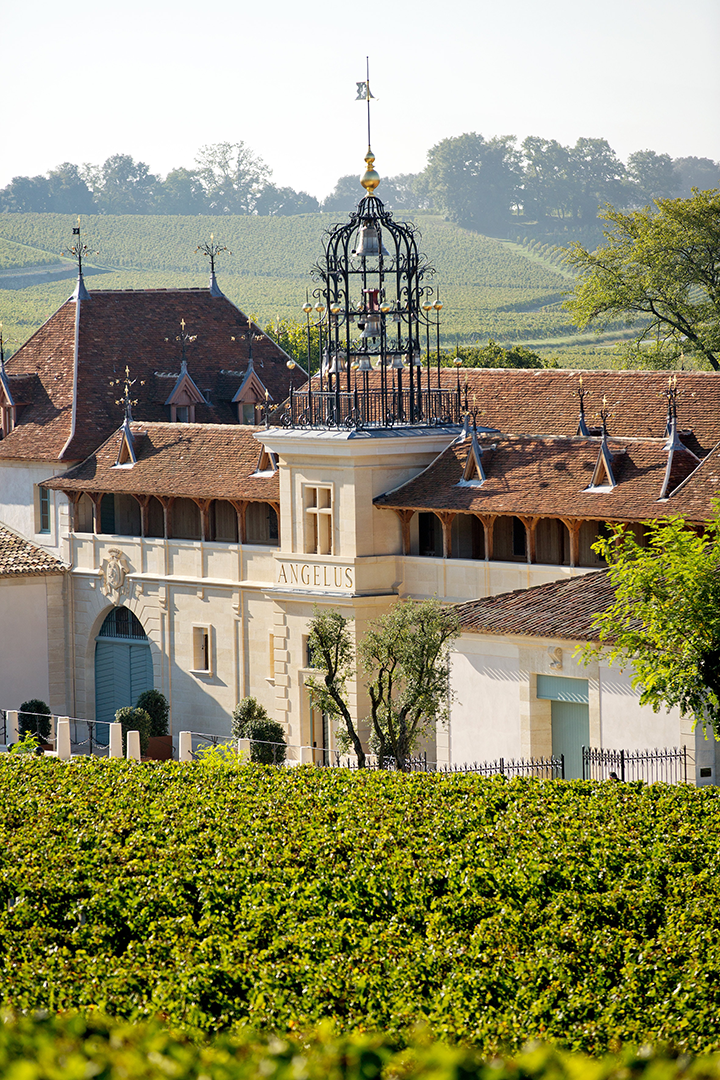
    We had just barely finished celebrating the New Year when I first heard the news. In a very bold but predictable move, the famed Chateau Angélus withdrew from the 2022 Saint-Émilion ranking. Yep, in an instant… the volatile classifications of Saint-Émilion are again facing scrutiny. So, why all the drama?

    Unlike the 1855 Classifications of Medoc and Graves on Bordeaux’s famed ‘Left Bank,’ the Saint-Émilion rankings are revisited approximately every 10 years. The last few reclassifications, however, have given way to public scrutiny and backlash from the wine community. While the idea of a constantly-evolving classification is noble, there is simply no way to avoid questions surrounding credibility when there is a clear conflict-of-interest.

    “The optics alone screams controversy.”

    -Gregory Dean

    Hubert de Boüard, co-owner of Chateau Angélus, has been under fire for several years because of his participation in the national wine appellations committee. The optics alone screams controversy. In the very competitive world of wine, every advantage matters. I don’t believe, however, Hubert de Boüard was doing anything more than offering his many years of winemaking passion, experience and knowledge to help Saint-Émilion maintain the status and reputation it deserves.

    The Saint-Émilion wine classification began in 1955–one hundred years after the very famous 1855 Bordeaux Classification–with the promise of revising status and standing every 10 years (or so). To date, there have been six classifications. The most recent was in 2012 and included eighteen First Grands Crus Classés. Four of the eighteen were First Grands Crus Classés A–including Chateau Angélus, Chateau Ausone, Chateau Chevel Blanc, and Chateau Pavie.

    Currently (January 2022), Chateau Pavie is the only remaining Grands Crus Classés A estate from the 2012 classification. Chateau Ausone and Chateau Chevel Blanc withdrew in July 2021. It is an unfortunate fact that these classifications–as well as certain high-profile wine scores–influence popularity and pricing. Being elevated to the highest classification can instantly change a consumer’s perception of a particular Saint-Émilion chateau… but at the same time, a demotion to a lower classification can impact the winemaker’s bottom line.

    That being said, the fact that these estates chose to distance themselves from the Saint-Émilion wine classification speaks volumes about how the benefits have become overshadowed by what has seemingly become a biased process. At least that’s what one court declared by fining Hubert de Boüard for his involvement in national wine appellations committee.

    The evolving classification of Saint-Émilion will continue to motivate estates to maintain quality and consistency (that’s a good thing). Until tighter rules for regulating the classification process are implemented, it will remain the center of controversy in the ‘Right Bank’ of Bordeaux.