Category: Wine Etiquette

  • How One Hotel Restaurant Made Our 44th Anniversary Unforgettable

    How One Hotel Restaurant Made Our 44th Anniversary Unforgettable

    Tammy and I travel for food and drink the way others chase sunsets — with an agenda, a notebook, and an appetite for the unexpected. On a three-day jaunt to St. Augustine to celebrate our 44th wedding anniversary we found plenty to love, but one evening at Castillo Craft Bar + Kitchen quietly rearranged the star chart: this was not simply a nice hotel meal. It was a masterclass in what service, craft cocktails, and properly thought-out cooking can do when they cooperate.

    The Prosecco Welcome — and a Thoughtful Surprise

    Earlier that afternoon, we discovered a chilled bottle of Prosecco waiting in our room’s refrigerator — a quiet gesture from the team that set the tone before we even stepped into the restaurant. When we did arrive (an hour ahead of our reservation), we were greeted with a fresh glass of Prosecco, introduced to the staff, and seated by the window.

    Then came the moment that sealed Castillo’s reputation in our minds: shortly after we were seated, a lively family of 13 or 14 adults and children was placed nearby. The children, understandably, vied for attention while the adults settled into animated conversation. Within minutes, the restaurant manager, Daniel, intervened with effortless class. He moved us to a private dining room with a single table for twelve — effectively giving us the most private, romantic setting in the house. It was an astute and gracious move, and one we will never forget.

    Cocktails with Gravitas

    We decided to begin with classics: Tammy ordered an Aviation, I a Paper Plane. Both were mixed with respect for tradition. The Aviation balanced lemon’s tart brightness with the nutty-cherry note of maraschino and a whisper of crème de violette — floral but never perfumey. The Paper Plane, a test of proportion, was taut and bittersweet, bourbon’s warmth underpinning Aperol’s orange bitterness and amaro’s herbal pull. Two classics rendered with conviction.

    Quick Sidebar… you know we love craft cocktails! Our books are now available on Amazon
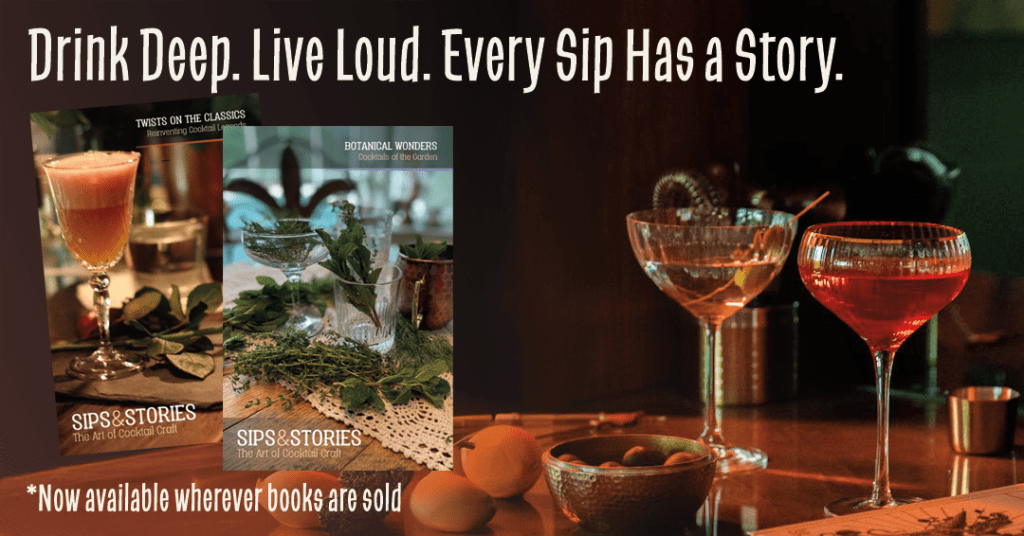
    Amazon: SIPS & STORIES: Twists on the Classics

    Amazon: SIPS & STORIES: Botanical Wonders

    Starters with Intention

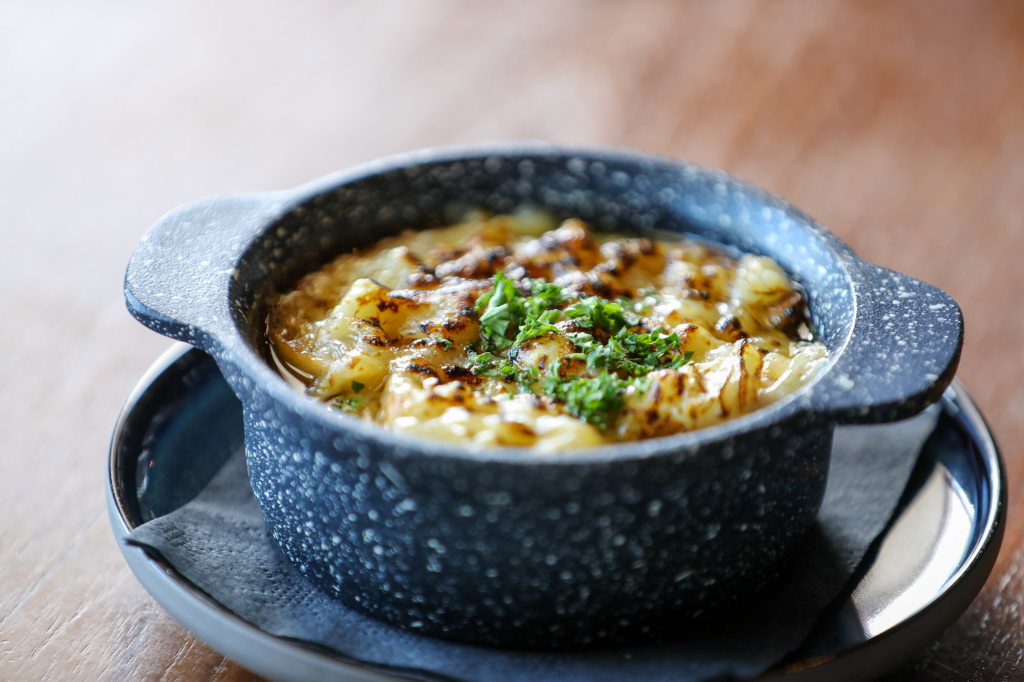
    • Spanish Onion Soup (Castillo’s twist): Dry sherry lifted the base of caramelized onions, Manchego added a salty sheep’s-milk edge, and Gruyère brought nutty depth. The bread held texture rather than sinking into soggy oblivion. Purposeful, not gimmicky.
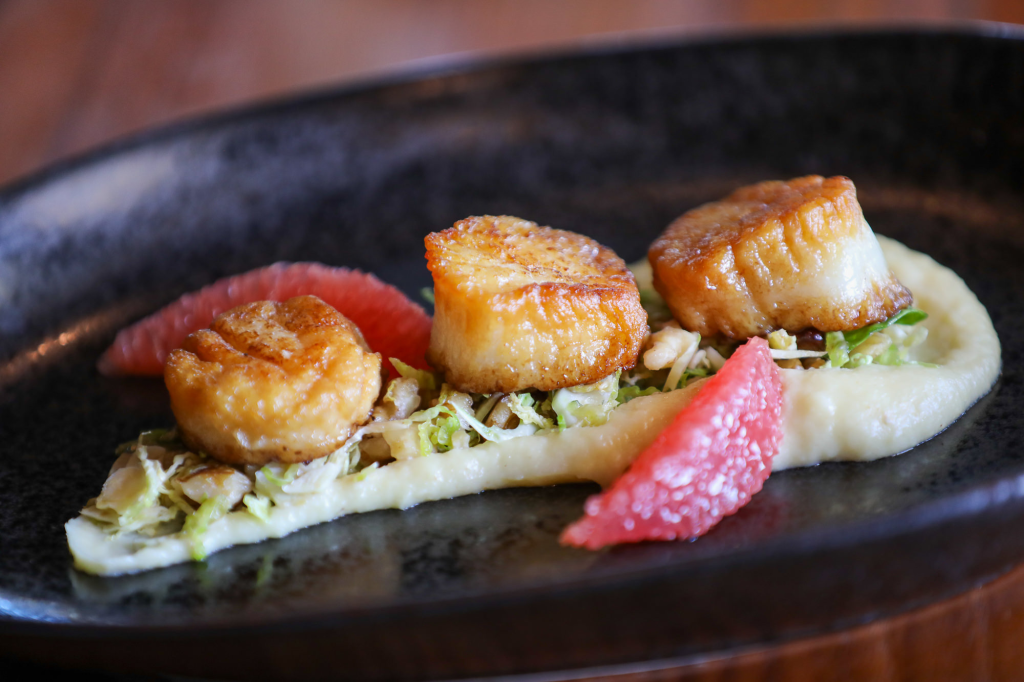
    • Pan-Seared Scallops: Golden exterior, luminous center — textbook scallops. Grapefruit and Brussels slaw delivered acid and bitterness; toasted walnuts brought texture and a subtle caramelized edge; parsnip purée offered a sweet earthiness. A dish of balance and contrast.
    The Mains — Precision and Poise

    We ordered separately and shared:

    • Dry-Aged Duck Breast — with confit, potato purée, seared tomato and mushrooms, and a cherry-coffee demi-glace. The duck was properly seared and the fat rendered cleanly. The demi-glace married classic cherry with a clever roasted coffee bitterness that harmonized with the mushrooms. A modern, inventive take that never felt like a stunt.
    • 6-oz Filet Mignon — with potato purée, root vegetables, charred mushrooms, and a blackberry-port demi. Filet is mild by nature; the demi provided fruit depth without over-reduction. Charred mushrooms contributed savory grounding.

    The Wine Choice

    We chose a Burgundy Pinot Noir. Its red cherry and earthy underbrush notes paired seamlessly with the duck’s cherry-coffee sauce, while its acidity and gentle tannins refreshed each bite of filet and demi. A Cabernet would have bullied the plates; Pinot offered conversation instead of domination.

    Sweet Farewell and Spirited Encore

    Dessert arrived in the form of raspberry-filled chocolate truffles — tartness wrapped in richness, a refined way to close. But the evening wasn’t over. Daniel and his team drew us into conversation about mixology, inviting us to sample cocktails destined for the next menu. To be trusted with in-progress creations, to taste and talk shop with equal enthusiasm, was the rarest gift of all: inclusion.
    A Recommendation from a Picky Pair

    Castillo Craft Bar + Kitchen may technically be a hotel restaurant, but that label undersells it. Here, cocktails are crafted with reverence, dishes are built on contrasts and precision, and service is the invisible framework that allows it all to shine. The thoughtful surprise of Prosecco, Angelica’s professional warmth, Daniel’s extraordinary attentiveness in relocating us to a private space, and the invitation to taste what’s to come all combined to turn our 44th anniversary into a celebration of craft and care.

    For those who care about detail, timing, and the artistry behind both food and drink, Castillo Craft Bar + Kitchen is not just a place to dine — it’s a destination to remember. Cheers 🥂

    Note on images: We were so engaged with the staff and enamored by the experience that we didn’t stop to take photos during our anniversary dinner. Fortunately, the images featured throughout this article are sourced from Castillo Craft Bar + Kitchen’s website, which offers up-to-date visuals that accurately reflect the atmosphere, cuisine, and presentation we enjoyed.
  • Varietal Spotlight: Txakoli

    Varietal Spotlight: Txakoli

    Spain’s Slightly Fizzy, Totally Zesty Coastal Secret.

    Picture this: You’re sitting on a seaside terrace in the Basque Country of northern Spain. A server approaches with a green bottle, lifts it shoulder-high, and pours a stream of white wine into your glass from a foot above. You hear a faint hiss, a subtle fizz, and then—boom—Txakoli (pronounced cha-koh-LEE) hits your palate with a zippy, citrusy splash like a wave crashing over coastal rocks.

    Txakoli isn’t just a wine. It’s a vibe. A ritual. A slightly spritzy, bone-dry, and utterly refreshing local treasure that, somehow, still flies under the radar internationally. But not for long. Because once you’ve tasted its brisk acidity and sea-salty tang, your palate will be hooked for life.

    Origins of Txakoli

    Txakoli hails from Basque Country, a region defined by rugged coastlines, lush green hills, and a fiercely proud culture that speaks its own language (Euskara). The wine has been made here for centuries, often by families for local consumption. For a long time, it was dismissed as rustic peasant wine—never meant to leave the village.

    But that’s changed dramatically. Modern producers have embraced quality winemaking techniques, and Txakoli (or Chacolí, in Spanish) is now one of the most exciting white wines in Europe, perfect for the modern drinker who’s over oaky butter bombs and sweet Rieslings.

    Euskaldunaa, CC BY-SA 4.0, via Wikimedia Commons

    Three Main Denominations of Txakoli

    Getariako Txakolina (DO Getaria):

    The most famous and classic style. Pale, slightly fizzy, green-apple fresh, and made primarily from the Hondarrabi Zuri grape. This is the one you’ve seen being aerated from a height at seaside pintxo bars.

    Bizkaiko Txakolina (DO Biscay):

    More inland. The wines tend to be rounder and more aromatic, with floral and stone fruit notes. Less spritzy but still very fresh.

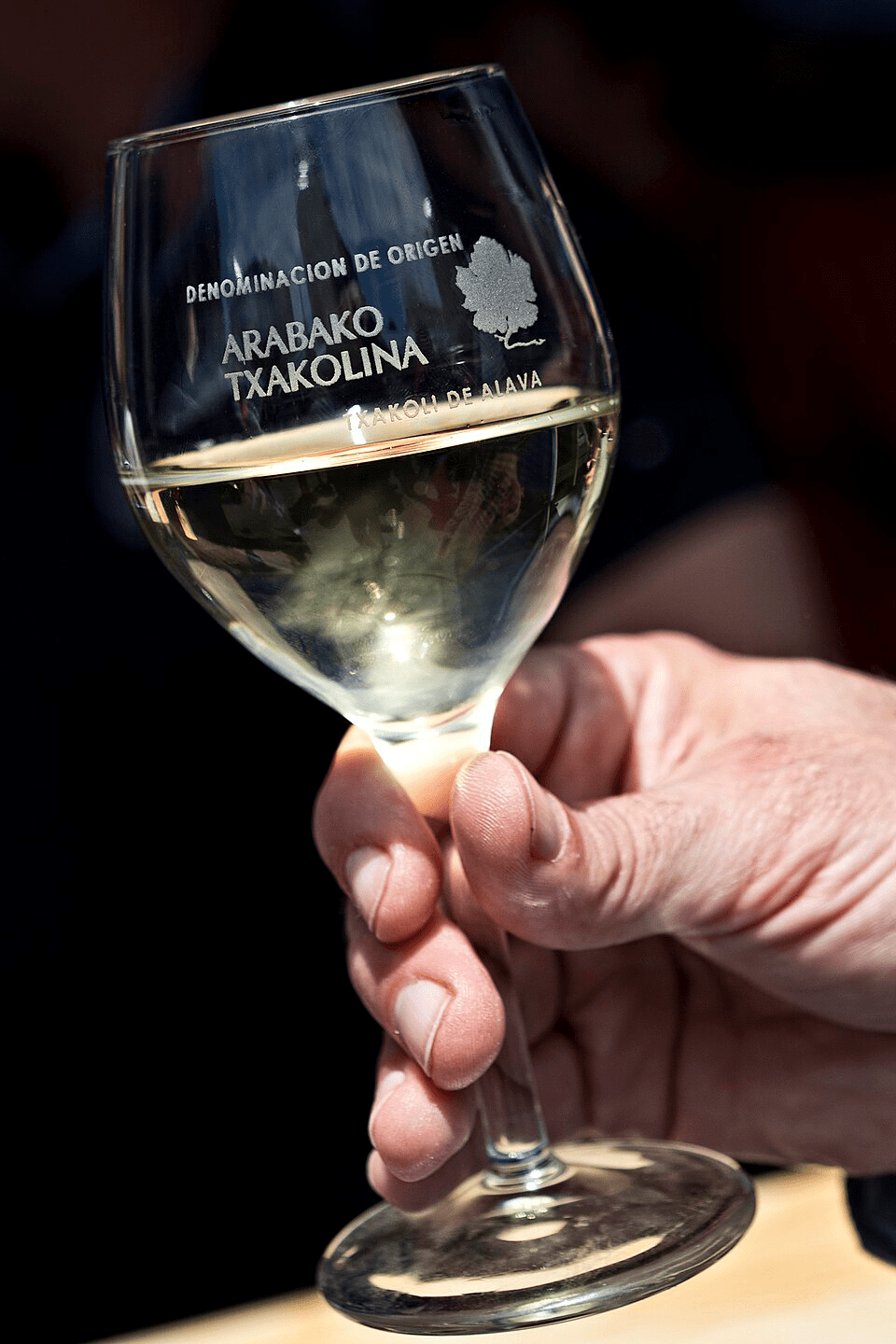
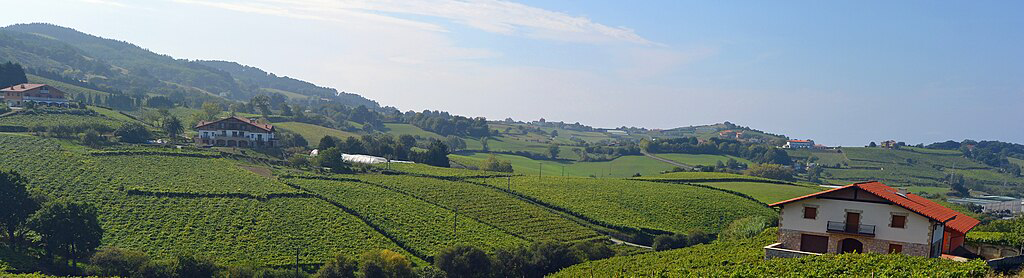
    Arabako Txakolina (DO Álava):

    The smallest and highest elevation region. Here, Txakoli can show more elegance and minerality. Perfect for those who appreciate wines with depth and structure.

    Image by Juan Carlos Latxaga, CC BY-SA 4.0, via Wikimedia Commons

    The Grapes of the Basque Gods

    Txakoli is typically made from indigenous Basque grape varieties:

    • Hondarrabi Zuri (white) – The star of the show. Produces crisp, high-acid whites with notes of lemon peel, green herbs, and sea salt.
    • Hondarrabi Beltza (red) – A rare red variety used in small quantities or for rosado (rosé). Think peppery, tart cherry reds with a coastal vibe.

    Some producers blend small amounts of Gros Manseng or Petit Courbu, but the best examples lean heavily on Hondarrabi Zuri for its unique character.

    Photo by Pavel Danilyuk on Pexels.com

    What to Expect in the Glass

    Txakoli is not your average white. It’s:

    • Pale straw to nearly green in color
    • Slightly effervescent (naturally fizzy—no bubbles added!)
    • Super dry and low in alcohol (usually 10.5–11.5%)
    • Zingy with acidity, citrus zest, and salinity

    Typical tasting notes:

    • Lemon peel, green apple, lime blossom
    • Fresh herbs, fennel, white flowers
    • Wet stone, sea spray, salty air

    Serve well chilled, in a white wine glass or tumbler. If you want to go full Basque, pour from high and don’t overfill the glass. You want that aeration to wake it up and soften the acidity.

    To the sea breeze in a bottle,
    the fizz that makes us giggle,
    and a wine that dances like it’s got tapas in its soul—
    Salud to Txakoli!” 🥂

    Gregory Dean, SOMM&SOMM
    MottaW, CC BY-SA 4.0, via Wikimedia Commons

    Txakoli Is a Match Made for Tapas

    This wine practically begs to be served with Basque bar snacks and fresh seafood. The slight fizz and bright acidity cut through oil, salt, and fat like a lemon-wielding ninja.

    Top Pairings:

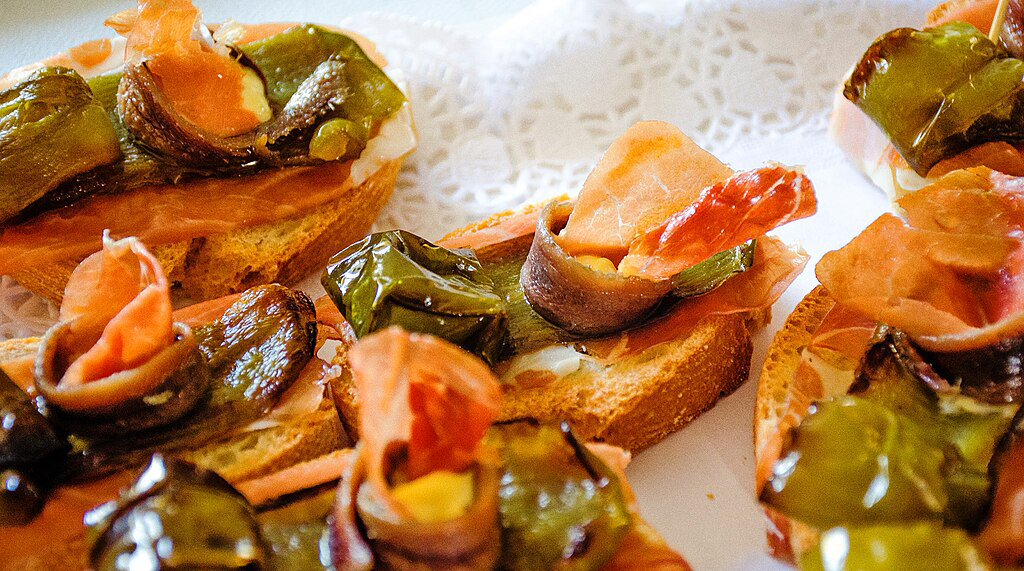
    • Anchovies on toast with lemon and olive oil
    • Bacalao croquetas (salt cod fritters)
    • Grilled sardines with garlic and parsley
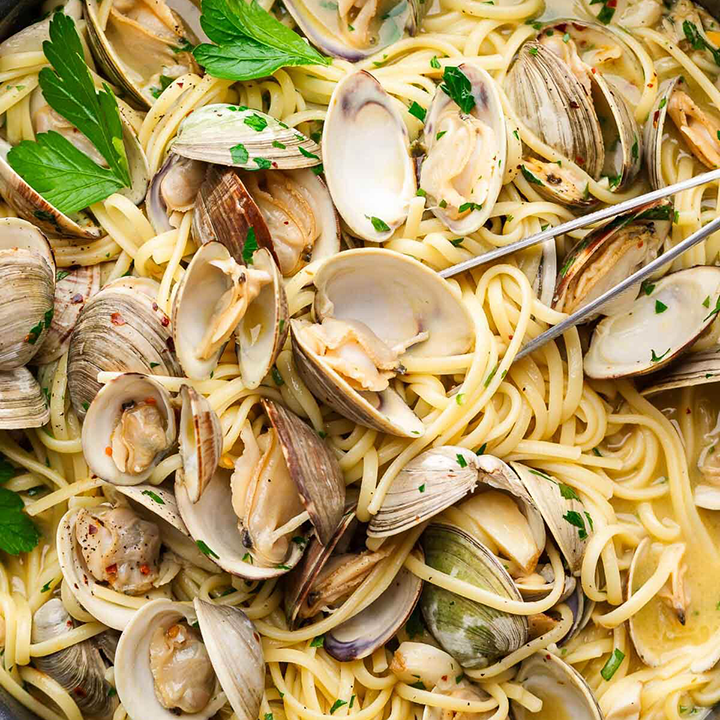
    • Marinated mussels or clams
    • Jamón Ibérico (yes, Txakoli can tango with cured ham!)
    • Cheese-stuffed piquillo peppers

    Simple Recipes to Sip Alongside

    Basque-Style Anchovy Toast (Gilda-Inspired)

    When we say a dish is “Gilda-inspired,” we’re paying homage to the original pintxo (small snack) from the Basque Country known as la Gilda (pronounced HEEL-dah).

    • 6 good-quality anchovy fillets (in olive oil)
    • 6 green olives (manzanilla or Castelvetrano)
    • 6 small pickled guindilla peppers
    • Crusty bread, sliced and toasted
    • Extra virgin olive oil
    1. Thread an olive, a guindilla, and an anchovy onto a toothpick.
    2. Place on toasted bread, drizzle with olive oil.
    3. Sip your Txakoli and feel like you’re in San Sebastián.

    Quick Grilled Octopus with Lemon & Paprika

    • 1 pre-cooked octopus tentacle (many stores carry this vacuum-packed)
    • 1 tbsp olive oil
    • 1/2 tsp smoked paprika
    • Juice of 1/2 lemon
    • Sea salt
    1. Heat a grill or cast iron pan. Brush the octopus with oil.
    2. Grill 2–3 minutes per side until charred.
    3. Sprinkle with paprika, squeeze lemon over, and add flaky salt.
    4. Serve hot with a glass of chilled Getariako Txakolina.

    Don’t Let Txakoli Stay a Secret

    In the world of white wines, Txakoli is the cool friend who brings the music to the party but doesn’t care if you notice. Light, lively, and a little wild, it embodies everything we love about non-mainstream varietals: history, identity, refreshment, and food-friendliness—all in one bottle.

    It’s time to put down that Pinot Grigio and pick up a bottle of Txakoli. Bonus points if you can pronounce Hondarrabi Zuri after your second glass. Salud 🥂

    Cover Image by Aiaraldea Gaur eta Hemen, CC BY-SA 2.0, via Wikimedia Commons

  • Demystifying Wine + Food for Real-Life Moments

    Demystifying Wine + Food for Real-Life Moments

    The Art & Science of Perfect Pairings.

    Wine and food pairing is one of the most celebrated and misunderstood arts in the culinary world. It’s where science meets instinct, and where a great meal becomes unforgettable. If you’ve ever panicked while choosing a wine for a dinner party with mismatched dishes, you’re not alone. I’ve been there—grilled lamb on one plate, Thai curry on another, someone asking for Chardonnay, and someone else who’s allergic to sulfites.

    In my journey through the Court of Master Sommeliers (CMS), Wine & Spirit Education Trust (WSET), and the Society of Wine Educators (SWE), I found each program offers gems of pairing wisdom, yet no single one gives you the full toolbox. That’s why I’ve stitched together the best parts of all three—and then some—to help you master the magic of pairing food and wine like a seasoned pro (without needing a diploma or a decanter shaped like a swan).

    First, the Science

    At its core, food and wine pairing is all about balancecontrast, and harmony. Think of it like composing a song—each flavor, texture, and temperature is an instrument, and your goal is a well-orchestrated experience.

    Let’s break down the key components that matter when pairing wine with food:

    Acidity

    Wines with high acidity (like Sauvignon Blanc, Riesling, Champagne, or Chianti) can cut through richness, refresh the palate, and balance fat.
    ✔ Perfect with: Goat cheese, fried chicken, oysters, butter sauces, vinaigrettes.

    SOMM&SOMM Tip (WSET): Acid balances acid. A tomato-based dish needs a wine with matching acidity—or the wine will taste flat.

    Sweetness

    Sweetness in wine can tame heat and offset spice, but it can also clash with salty or bitter foods.
    ✔ Perfect with: Spicy Thai, Indian curries, blue cheese, or desserts that are less sweet than the wine.

    SOMM&SOMM Insight (CMS): Always ensure the wine is sweeter than the dish when pairing with dessert. Otherwise, the wine will taste bitter or sour.

    Tannin

    Tannin is the astringent compound from grape skins and oak that creates a drying sensation. It loves fat and protein.
    ✔ Perfect with: Steak, duck, hard cheeses, anything umami-rich.

    SOMM&SOMM Wisdom (SWE): Tannin clashes with spicy or acidic foods. Avoid pairing big reds with vinegary dressings or chili heat.

    Alcohol

    Higher alcohol amplifies heat. Use with caution when spicy food is involved.
    ✔ Perfect with: Hearty fare (e.g., barbecue, roasted meats), not ideal for hot peppers or wasabi.

    SOMM&SOMM Caution (CMS): Beware the “burn”—pairing a 15% ABV Shiraz with Sichuan noodles can be a one-way ticket to regret.

    Body

    The weight or texture of the wine should match the weight of the food.
    ✔ Light with light, bold with bold.

    SOMM&SOMM Rule of Thumb (WSET): Pinot Noir with salmon = yes, please. Cabernet Sauvignon with sole meunière = culinary crime.

    Photo by Elina Sazonova on Pexels.com

    The Challenge: One Table, Many Dishes, Many People

    The biggest headache isn’t foie gras vs. Muscat or sushi vs. Sancerre—it’s what do I serve when everyone’s eating something different?

    The Solution: Go for Versatile Wines.
    These crowd-pleasers have enough acidity, fruit, and balance to play well with a wide range of foods.

    • Sparkling Wine (Champagne, Cava, Crémant): High acid, low tannin, bubbles = perfect with everything from fried chicken to sushi to triple cream cheese.
    • Riesling (Off-dry): Sweetness + acid = curry whisperer, pork tenderloin’s best friend, amazing with tacos al pastor.
    • Pinot Noir: Low tannin, high acid, earthy red fruit = mushrooms, roast poultry, salmon, lentils.
    • Rosé (dry): Works with charcuterie, grilled veggies, seafood, and awkward potluck moments.

    What Is Umami—and Why Does It Matter?

    Umami is the “fifth taste”—a savory, meaty richness found in aged cheese, mushrooms, soy sauce, tomatoes, cured meats, seaweed, etc. It enhances bitterness and astringency in wine while dulling fruit and sweetness.

    Pairing Tip: Wines with high tannin or oak clash with umami-rich foods.
    ✔ Good Matches: Pinot Noir, Beaujolais, Grüner Veltliner, dry Riesling, aged Champagne.
    ✘ Avoid: Young, heavily oaked Cabernet or Syrah.

    Example: That truffle risotto screams for a mature Barolo or Burgundy—not a new world Shiraz.

    What About Spicy Food?

    Heat changes everything. Chili compounds (capsaicin) magnify tannin, oak, and alcohol. That’s a recipe for a fiery disaster.

    Top Tips for Pairing with Heat:

    • Low alcohol, off-dry white wines = best friends
      ✔ Riesling (Kabinett), Gewürztraminer, Chenin Blanc, Lambrusco.
    • Chillable, fruity reds: Gamay, Zweigelt, chilled Grenache.
    • Sparkling wines: Carbonation + touch of sugar = magic with spicy fried chicken.

    Avoid: High alcohol, high tannin, heavily oaked wines.

    Photo by Valeria Boltneva on Pexels.com

    And Fried Food?

    Fried food is fatty, crispy, salty, and usually hot. You need a wine that can cut through the oil and refresh the palate.

    ✔ Best Pairings:

    • Champagne / Sparkling wines (yes, again) – the bubbles cleanse the palate.
    • Dry Riesling – zingy, bright, and citrusy.
    • Albariño or Vermentino – light-bodied, slightly saline, perfect with fish ‘n chips.
    • Lambrusco (dry or off-dry) – excellent with fried chicken or tempura.

    Real-World Pairing Shortcuts

    Here are a few real-world hacks and examples I use all the time with guests, family, and friends:

    Pizza Night

    • Red Sauce + Cheese Pizza: Chianti, Barbera, or Dolcetto.
    • White Pizza with Garlic + Mushrooms: Pinot Grigio or aged Chardonnay.
    • Meat Lovers: Zinfandel or Syrah.

    Sushi or Sashimi

    • Dry RieslingGrüner Veltliner, or Ginjo Sake.
    • Toro or richer rolls? Try Champagne or even a soft Chablis.

    Burgers

    • Beef + Cheddar: Merlot, Zinfandel, or Malbec.
    • Mushroom Swiss: Pinot Noir or Syrah.
    • Spicy Jalapeño Burger: Off-dry Riesling or chilled Lambrusco.

    Final Thoughts from a Sommelier’s Mindset

    If you remember nothing else, remember this:

    When in doubt, match the intensity and aim for balance. Then serve what you love.

    Gregory Dean, SOMM&SOMM

    Every formal wine education program agrees on the why of pairing. They just disagree on how to describe it. Whether it’s CMS’s “structure-based pairing,” WSET’s “systematic approach,” or SWE’s “practical consumer translation,” the goal is the same: Elevate the experience.

    My Golden Rules

    1. Match acid with acid.
    2. Sweet food needs sweeter wine.
    3. Tannin loves fat and protein.
    4. Spice needs sweetness, not strength.
    5. Sparkling wine goes with almost everything (and makes people happy).
    Photo by Julia Kuzenkov on Pexels.com

    🥂 A Toast to You, Brave Pairing Adventurer

    “May your reds never clash, your whites always refresh,
    Your pairings delight, and your guests say ‘Oh YES!’
    To the spicy, the fried, the funky, the bold—
    May your wine pairings always be gold.”

    Cheers! 🍷

    Choosing Your Wine Education Path: Which Program Fits You Best?

    Court of Master Sommeliers (CMS):
    Best for: Hospitality pros, service-minded sommeliers, and those working the floor.
    Why it shines: Strong focus on deductive blind tasting, food & wine pairing in real-time, and tableside service. Great for restaurant wine directors and those who thrive in high-pressure, fast-paced environments.

    Wine & Spirit Education Trust (WSET):
    Best for: Academics, structured learners, and wine marketers or importers.
    Why it shines: Methodical, globally recognized framework focused on theory, tasting technique, and global wine business. Ideal if you love organized study, exams, and a deep dive into theory over service.

    Society of Wine Educators (SWE):
    Best for: Educators, writers, and wine communicators.
    Why it shines: Emphasis on teaching, knowledge sharing, and approachable education. Great for those leading classes, writing content, or creating wine programs with a consumer-first mindset.

    💡Quick Tip: If you’re torn—start with WSET for the theory, add CMS if you’re service-focused, and consider SWE if you want to teach or create content.

    Still unsure? Think about where you want to use your knowledge—and let your glass (and goals) guide you! 🥂

  • How to Taste Wine Like a Somm (Even at a BBQ)

    How to Taste Wine Like a Somm (Even at a BBQ)

    Your casual guide to sipping smarter, grilling better, and chilling harder.

    There’s something undeniably joyful about a summer BBQ. The sizzle of meat, the scent of smoke, the laughter of friends, and the clink of glasses raised to the sky. But if you’re like most backyard BBQ warriors, you’re probably cracking open a beer or grabbing whatever rosé is cold. That’s fine, but what if we told you that the world of wine—yes, even at a BBQ—can elevate your entire experience?

    You don’t need a suit, a wine cave, or a master’s pin to taste wine like a sommelier. You just need curiosity, a few simple techniques, and an open mind (plus, a grill doesn’t hurt). Whether you’re smoking ribs or flipping veggie burgers, this guide will help you sip with style and pair like a pro.

    Photo by RDNE Stock project on Pexels.com

    First, Let’s Break Down “How to Taste Wine Like a Somm”

    Professional sommeliers use a technique called deductive tasting—fancy words for really paying attention. Here’s how to do it, BBQ-style:

    See

    Tilt your glass over a white surface and take a look. Is the wine pale and straw-colored (like a Sauvignon Blanc)? Or inky and opaque (like a Petite Sirah)? Color gives clues about age, grape variety, and style.

    SOMM&SOMM Tip: Older white wines deepen in color. Older reds tend to lighten and turn brick color at the rim.

    Smell

    Swirl the wine to release the aromas. Then take a moment—nose in, soft inhale. What do you smell? Fruit? Herbs? Smoke? Oak? Barbecue aromas will compete here, so step aside for a second if you need to.

    Sip

    Take a sip, swirl it in your mouth, and let it coat your palate. Is it tart? Juicy? Bitter? Dry? Pay attention to acidity, tannins, alcohol, body, and finish.

    SOMM&SOMM Tip: Try a bite of food, then a sip of wine. Then reverse it. Which brings out more flavor? That’s your pairing insight.

    Photo by Luis Quintero on Pexels.com

    Classic BBQ & Wine Pairings (With a Spin)

    🍔 Burgers + Syrah

    Forget the light Pinot this time—go bold. Syrah (or Shiraz from Australia) has black pepper, black fruit, and smoky notes that mirror char-grilled patties beautifully.

    Somm Spin: Add blue cheese and caramelized onions to your burger. Watch that Syrah sing.

    Smoky Blue Burgers

    • 1 lb ground chuck (80/20)
    • Salt, pepper, garlic powder
    • Crumbled blue cheese
    • Caramelized onions
    • Arugula and Dijon mustard

    Grill burgers to medium. Rest, then top with blue cheese and onions. Serve on brioche.

    🍗 Grilled Chicken Thighs + Chilled Beaujolais

    Beaujolais (made from the Gamay grape) is light, fruity, and best slightly chilled. Its acidity cuts through rich dark meat and BBQ sauce.

    Somm Spin: Try with a slightly spicy peach glaze.

    Quick Peach BBQ Glaze

    • 1 cup peach preserves
    • 1 tbsp apple cider vinegar
    • 1 tsp cayenne
    • Salt & pepper

    Brush onto chicken thighs halfway through grilling.

    🌽 Grilled Corn + Albariño

    Corn is sweet, smoky, and rich. Albariño, especially from Spain’s Rías Baixas region, offers zippy citrus, saline minerality, and stone fruit. This pairing feels like sunshine in a bottle.

    Somm Spin: Top corn with chili-lime butter and cotija cheese.

    Unexpected But Perfect Pairings

    🥓 Candied Bacon Skewers + Off-Dry Riesling

    This is the flavor bomb: salty, sweet, smoky, and spicy. Riesling’s crisp acidity and touch of residual sugar balance the salty-fatty goodness.

    Candied Bacon

    • Thick-cut bacon
    • Brown sugar
    • Black pepper
    • Cayenne

    Roll bacon strips in sugar and spice mix. Skewer and grill until caramelized.

    🍉 Grilled Watermelon + Lambrusco

    You heard that right. Grill slices of watermelon to concentrate their flavor and serve with lightly fizzy Lambrusco, which has a touch of sweetness, berries, and bubbles.

    Fun Fact: Lambrusco was once considered cheap and sweet, but today’s dry, artisanal versions from Emilia-Romagna are some of Italy’s best-kept secrets.

    🍥 Veggie Skewers + Dry Rosé

    Bell peppers, zucchini, mushrooms—these soak up grill flavor like pros. Pair with a Provence-style rosé for red berry brightness and herbal notes.

    Somm Spin: Sprinkle skewers with za’atar or herbes de Provence before grilling.

    Chillin’ with Chillable Reds

    BBQs are hot. Your wine shouldn’t be. Chill your reds. Not ice cold—just 55–60°F. Lighter reds like:

    • Gamay (Beaujolais)
    • Frappato (Sicily)
    • Zweigelt (Austria)
    • Cinsault (South Africa)

    These grapes give you bright fruit, low tannins, and that refreshing ahhhh you want in summer.

    Lore Alert: Ancient Romans chilled their wine with snow stored in underground pits. They knew how to throw a party, too.

    The BBQ Somm’s Tool Kit

    1. Acrylic stemware (so you’re not crying over broken glass)
    2. Wine chiller or ice bucket (because lukewarm reds = sadness)
    3. Decanter or wide carafe (aerate those young, tannic wines)
    4. Wine key (yes, bring a backup)
    5. Tasting notepad or app (optional, but fun)
    Photo by Jeremy Bishop on Pexels.com

    Hosting Tips from the Firepit

    • Start light, go bold: Begin with bubbly, white, or rosé, move to reds as the grill gets hotter.
    • Serve wine like beer: Keep things casual—don’t fuss. Pour, pass, share.
    • Label the bottles: Add handwritten tags with “Great with chicken!” or “Try with sausage!”
    • Mix in Magnums: More wine, more fun, and less refilling.

    BBQ + Wine = Shared Stories

    At the heart of every great BBQ isn’t just the food or the wine. It’s the stories we tell between bites. The laughter over spilled rosé. The new bottle someone brought. The neighbor who surprises everyone with a homemade salsa. The quiet sip you take at sunset, listening to cicadas.

    Wine shouldn’t just be good. It should be memorable.

    Gregory Dean, SOMM&SOMM

    Tasting wine like a somm doesn’t mean taking things too seriously. It means noticing more. Being present. Asking, “What does this remind me of?” and answering with a smile.

    So fire up the grill. Pop a cork. Swirl, sip, and share.

    Cheers to the summer of flavor.🍷

    Cover Photo by Pixabay on Pexels.com

  • How Modern Winemaking Sacrifices Soul for Consistency

    How Modern Winemaking Sacrifices Soul for Consistency

    In a world that celebrates convenience and uniformity, wine—once the purest expression of nature, time, and place—has increasingly become just another consumer good. Something repeatable. Predictable. Safe. It’s no longer shocking to find wines on supermarket shelves that taste exactly the same from one year to the next, regardless of vintage variation, weather catastrophes, or harvest conditions. But the question isn’t just how they do it. The question is why we let it happen.

    The answer lies in a complex web of regulatory loopholes, mass production incentives, and a calculated disregard for terroir in favor of branding.

    Let’s pull the cork on this bottle of truth.

    Photo by David on Pexels.com

    The Myth of Yearly Uniformity

    Vintage matters. Or at least, it should.

    Each year offers a different symphony of weather patterns, soil moisture, sunlight hours, and grape health. In the hands of a winemaker dedicated to authenticity, these variables are not burdens—they are stories. They are a vintage’s voice.

    But when a brand demands a Pinot Noir that tastes identical whether it’s 2019 or 2023, something must give. And that something is integrity.

    Mainstream wines that offer this seamless “sameness” do so by manipulating the very fabric of the wine itself—pushing, pulling, blending, and fining until any trace of vintage expression is bleached out, polished, and made palatable for the masses.

    Photo by Arthur Brognoli on Pexels.com

    What They Don’t Teach in Tasting Rooms

    Let’s talk technique. Below are just a few of the most common manipulations used to turn wine into a product, rather than a place.

    Cross-Regional and Cross-Vintage Blending

    Many large-scale producers legally blend grapes and wines from multiple regions and years—even if the bottle proudly proclaims a specific AVA or vintage.

    • In the U.S., for a wine to list a vintage on the label, only 85% of the wine needs to be from that year (if an AVA is listed, 95% of the wine must be from that year).
    • To list a varietal like Cabernet Sauvignon, just 75% of the wine must be that grape.
    • For AVA labeling (like Napa Valley), 85% of the grapes must come from that AVA, leaving 15% open to grapes from cheaper, less expressive areas.

    Reference: Wine Labeling: Appellation of Origin (TTB)

    That’s 15–25% wiggle room per bottle. Multiply that across millions of cases, and what you have is a flavor profile engineered through spreadsheets rather than soil.

    Fining and Filtering to Death

    Fining—originally intended to clarify wine and reduce unwanted elements—has become a blunt instrument of manipulation.

    Modern mass-market wines are heavily fined with substances like:

    • PVPP (polyvinylpolypyrrolidone) – a synthetic polymer that strips bitterness and browning pigments.
    • Gelatin, egg whites, isinglass – protein-based agents that strip tannins, texture, and character.
    • Bentonite clay – used to strip proteins but also body and nuance.

    The result? A wine stripped of its edges, its energy, its very fingerprint.

    Photo by MART PRODUCTION on Pexels.com

    Additive Alchemy

    Winemaking additives are the dirty little secret of the industry. In many countries (including the U.S.), wineries are not required to list additives on labels. This means consumers have no idea that their wine might contain:

    • Mega Purple – a concentrated grape juice colorant and sweetener that “corrects” wines lacking color or fruit.
    • Gum arabic – used to add “mouthfeel” to thin, insipid wines.
    • Tartaric acid or potassium bicarbonate – used to balance acid levels when nature doesn’t cooperate.
    • Oak chips, staves, powders, essences – injected to mimic barrel aging without the cost or time.

    What do these additives share? They mute the differences. They help standardize wines so that every bottle fits the brand’s flavor promise, regardless of vineyard or year.

    Related Article: Understanding Additives in Wine: A Comprehensive Guide

    Reverse Osmosis & Spinning Cone Technology

    These advanced (and expensive) tools are used to:

    • Remove alcohol (if it’s too high).
    • Concentrate flavors (if it’s too weak).
    • Adjust volatile acidity.
    • Strip out flaws—but along the way, also strip out nuance.

    What you’re left with is a Frankenstein wine… crafted not by the vineyard, but by a lab technician’s gentle dial-turn.

    Quantity Over Quality: Who Benefits?

    This isn’t an artisanal choice. It’s a business model.

    Major conglomerates (you know the ones) move wine by the millions of cases. To them, consistency is the product. Terroir is the enemy. A bad weather year in Sonoma? No problem—blend in juice from Lodi or even Australia. Acid too low? Add some. Tannin too coarse? Strip it out. Consumer doesn’t like the 2020 vintage? Make it taste like the 2019.

    This model rewards branding, not balance. Marketing, not mastery.

    And consumers, trained to expect sameness, continue to buy the bottles they recognize.

    But There Is Another Way…

    The antidote is not elitism or snobbery—it’s education. We owe it to the next generation of wine lovers to show them the beauty of vintage variation, the quirks of terroir, the soulful surprise of a wine that tells the truth.

    To the winemakers who listen to the land—who embrace the sun and the storms, the struggle and the soil. You bottle more than wine… you bottle truth.

    Gregory Dean, SOMM&SOMM

    We should be teaching people that it’s okay for a wine to be different each year. That’s what makes wine alive.

    Seek out producers who:

    • Farm sustainably or biodynamically.
    • Embrace vintage differences rather than hide them.
    • Make transparent wine, with minimal additives.
    • Are proud to tell you exactly what’s in the bottle.

    Sommelier’s Tip: How to Spot a Manipulated Wine

    Want to avoid mass-produced, overly manipulated wines? Here are a few sommelier-tested clues:

    • Too Consistent: If a wine tastes exactly the same every vintage, it’s probably blended or adjusted to meet a flavor profile—not to reflect nature.
    • Generic Origin: Look for vague labels like “California Red” or “American White.” These allow broad blending across states and years.
    • Missing Vintage or Varietal Details: No vintage? No specific vineyard or AVA? That’s usually a sign of high-volume blending.
    • Overly Glossy Tasting Notes: Descriptions like “smooth,” “jammy,” “silky,” and “velvety” are often marketing red flags, masking overuse of additives.
    • Ultra-Cheap Price with Oak Claims: If it says “barrel-aged” but costs under $10, you’re likely drinking oak flavoring—not true barrel character.

    When in doubt, trust your palate—and your curiosity. If a wine tastes oddly perfect, it may just be perfectly fake.

    Final Pour

    Mainstream wine has become a symphony of sameness, manipulated into palatable mediocrity for profit. But wine is not meant to be the same every year. It is meant to reflect a moment in time—of weather, of soil, of sweat and struggle and sunlight. When we sterilize that, we lose the poetry of it all.

    The next time you taste a wine that dares to be different, that speaks of rain in the vineyard or a scorching summer, raise your glass in gratitude.

    To those who honor terroir, vintage, and the story of every vine—your work reminds us that beauty lies in honesty. Here’s to the soul of real wine. Santé! 🍷

    Gregory Dean, SOMM&SOMM

    Because that’s not just wine.

    That’s truth in a bottle 🍷

    Cover Image: Photo by cottonbro studio on Pexels.com

  • What Wine Pairs with Cheerios? (And Why We Even Bother Pairing at All)

    What Wine Pairs with Cheerios? (And Why We Even Bother Pairing at All)

    We’ve heard the jokes.

    “What wine pairs best with Honey Nut Cheerios?”

    “Is it wrong to serve rosé with pizza rolls?”

    “Do sommeliers judge you if you mix boxed wine and SpaghettiOs?”

    First of all—no, we don’t judge you. Second, the right answer is Moscato d’Asti, but we’ll get to that.

    When we first started SOMM&SOMM, our goal wasn’t to turn your Tuesday night dinner into a Michelin-starred tasting menu. It was to help people get more out of their wine—whether they were swirling a $300 Bordeaux or cracking open a $7 screw cap while making mac and cheese in their pajamas.

    But somewhere along the way, “pairing” became a dirty word. People started thinking of wine pairing as elitist, overly complicated, or, worse—unnecessary. So today, let’s break it down. What IS the point of wine pairing? Why do we care so much about it? And yes, what wine actually does pair with Cheerios?

    The Method to Our Madness: Why We Talk About Pairings So Much

    Pairings Enhance the Wine (And the Food)

    At the core, pairing wine with food is about synergy. When done right, a great pairing makes both the wine and the dish taste better. It’s not about snobbery—it’s chemistry.

    Fat softens tannin. Acid cuts through richness. Sweet balances spice. Salt makes a wine pop like confetti in your mouth. That’s not fancy—that’s science. It’s also the reason you might find a crisp Sauvignon Blanc tastes brighter with goat cheese, or how a smoky Syrah can make barbecue ribs sing.

    Think of it like a duet. Alone, each performer is fine. But together? Magic.

    Wine is an Agricultural Product—So is Food

    Wine is made from grapes. Grapes come from the ground. Food comes from the ground. Boom. You already have something in common.

    For thousands of years, regional wines evolved with the local cuisine. Chianti with tomato-sauced pasta. Riesling with spicy sausage in Alsace. Sherry with Spanish tapas. It wasn’t curated—it just worked.

    By understanding pairings, you’re tapping into centuries of intuitive flavor-building. That’s not pretentious. That’s tradition.

    It’s About Experience, Not Perfection

    We’re not here to tell you there’s only one right answer. We’re here to help you discover what you like, why it works, and how to recreate that experience again and again. Pairing isn’t about rules—it’s about results.

    If you find out that a buttery Chardonnay makes your favorite fried chicken taste like crispy heaven on earth, then congratulations—you just paired. No white tablecloth required.

    Okay, But Seriously—What Wine Goes with Cheerios?

    Let’s do this. Why not?

    • Original Cheerios – Dry Champagne or Brut Nature Cava. The cereal is toasty and grainy, which mirrors the brioche notes in a good bottle of bubbles. Plus, the saltiness of the cereal (yes, there is salt in it) wakes up the acidity.
    • Honey Nut CheeriosMoscato d’Asti or a semi-dry German Riesling. Light fizz, gentle sweetness, and orchard fruit flavors meet the honey glaze like a breakfast dance party.
    • Fruity CheeriosLambrusco (semi-sweet) or Brachetto d’Acqui. You need fruit on fruit here, and the bright, berry-splashed bubbles of Lambrusco hit the nostalgia just right.
    • Multigrain CheeriosChenin Blanc. Why? It’s got enough backbone and apple/pear notes to highlight the mild sweetness and whole-grain depth without overpowering anything.
    • Chocolate CheeriosRuby Port. No, really. It’s dessert in a bowl. Treat it like one. Pour a splash of Port, raise your eyebrows, and pretend you planned this.

    Now, we’re not suggesting you open a 1982 Château Lafite and pour it next to your breakfast. But when someone says, “What’s the point of pairing?”—this is the point: Everything tastes better when you pay attention.

    What Happens When You Don’t Pair Thoughtfully?

    We’re glad you asked. You can absolutely drink red wine with oysters, but it’s going to taste like licking a battery. Ever tried a high-alcohol Cabernet with spicy curry? That burning sensation is real, folks.

    Bad pairings don’t just ruin the wine—they mute the dish, too. That silky, creamy brie turns rubbery with a tannic red. That delicate sushi roll gets bulldozed by Zinfandel. The idea isn’t that one is better than the other—it’s that they’re better together when you choose wisely.

    We’re Not Fancy—We’re Passionate

    At SOMM&SOMM, we’re not out here judging your Tuesday dinner or trying to shame your frozen lasagna. We’re out here saying, “Hey, that frozen lasagna? It could be awesome with a Barbera.”

    We want people to feel what we feel when a pairing sings. When a sip of Albariño makes your shrimp taco taste ten times zestier. When a tawny Port turns a spoonful of Stilton into a flavor epiphany. When your cheap Merlot suddenly tastes like velvet because you served it with roast duck instead of garlic hummus and regret.

    Pairing isn’t about status—it’s about satisfaction.

    To wine with purpose, food with flair,
    and cereal that finally found its soulmate.
    Here’s to pairing without pretension—
    and sipping with a smile. Cheers! 🥂

    Gregory Dean, SOMM&SOMM

    Why We Care (Even About Cereal)

    The next time someone asks us what wine goes with Cheerios, we’ll smile. Because we get it—it’s a cheeky question. But deep down, it’s also the question we love answering.

    Because if you’re asking, it means you’re curious. And curiosity? That’s the beginning of every great food and wine journey.

    So go ahead—pair that wine. Ask the question. Try the weird combo. Discover your preferences. Laugh when it’s wrong. Celebrate when it’s right.

    Wine is meant to bring joy, not judgment. And if we’ve helped even one person find a pairing that makes them go “WOW,” then all the Cheerios jokes and snarky remarks in the world are worth it.

    Stay curious. Stay playful. And if you really want to know what wine pairs with Cap’n Crunch? We’ve got thoughts. 🍷

  • April Fools’ Wine Myths

    April Fools’ Wine Myths

    Debunking Common Misconceptions.

    Every year on April 1st, pranksters take joy in fooling their friends with tall tales and clever tricks. But in the world of wine, myths and misconceptions persist far beyond April Fools’ Day. Some of these myths have been passed down for generations, shaping how people buy, store, and enjoy wine. It’s time to set the record straight! Here are some of the most common wine myths—debunked.

    Myth – Red Wine Should Always Be Served at Room Temperature

    Reality: Cooler is often better.

    The phrase “room temperature” originated centuries ago when indoor spaces were much cooler than they are today. Today’s heated homes often hover around 70–75°F, which is too warm for most reds. Lighter reds, like Pinot Noir and Gamay, shine at around 55–60°F, while fuller-bodied reds, like Cabernet Sauvignon and Syrah, perform best between 60–65°F. Storing and serving reds too warm can make the alcohol seem overpowering and the fruit flavors muddled.

    SOMM&SOMM Tip: If your red wine feels too warm, pop it in the fridge for 15–20 minutes before serving.

    Related Article: Wine Service: Proper Serving Temperatures

    Myth – White Wine Should Always Be Served Ice Cold

    Reality: Over-chilling mutes flavors.

    While a crisp, cold glass of white wine can be refreshing, serving it straight from the fridge (which is typically around 35–40°F) can dull its flavors and aromas. The ideal temperature for white wines varies—light whites, like Sauvignon Blanc and Pinot Grigio, should be served at 45–50°F, while richer whites, like Chardonnay and Viognier, are best around 50–55°F.

    SOMM&SOMM Tip: Take your white wine out of the fridge about 10–15 minutes before serving for the best balance of flavors.

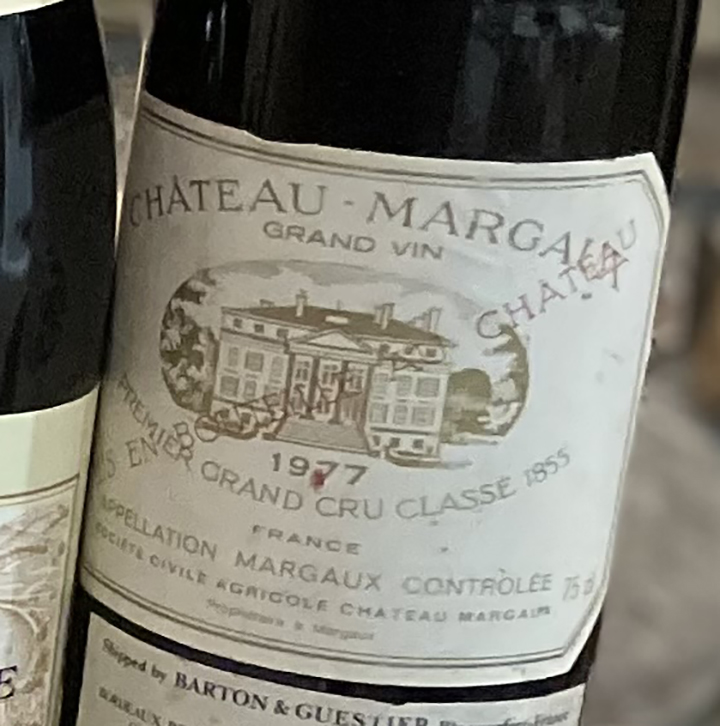
    1977 Château Margaux

    Myth – Older Wine Is Always Better

    Reality: Most wines are meant to be enjoyed young.

    While aged Bordeaux or vintage Champagne can be exquisite, the vast majority of wines—roughly 90%—are meant to be consumed within a few years of release. Aging wine requires specific conditions, and not every bottle benefits from time in the cellar. Fresh, fruit-forward wines like Beaujolais, Sauvignon Blanc, and most rosés are best enjoyed young.

    SOMM&SOMM Tip: If you’re curious about aging potential, check the producer’s recommendations or consult a trusted wine expert.

    Myth – Screw Cap Wines Are Low Quality

    Reality: Screw caps can preserve wine better than cork.

    Many high-quality wines now use screw caps instead of corks, particularly in New Zealand, Australia, and the U.S. Screw caps can provide an excellent seal, reducing the risk of cork taint (TCA contamination) and ensuring freshness. They’re particularly beneficial for white wines and aromatic varietals that rely on vibrancy and purity.

    SOMM&SOMM Tip: Don’t judge a wine by its closure—judge it by what’s in the glass!

    Related Article: Exploring Wine Enclosures: Cork, Screw Cap, and Beyond

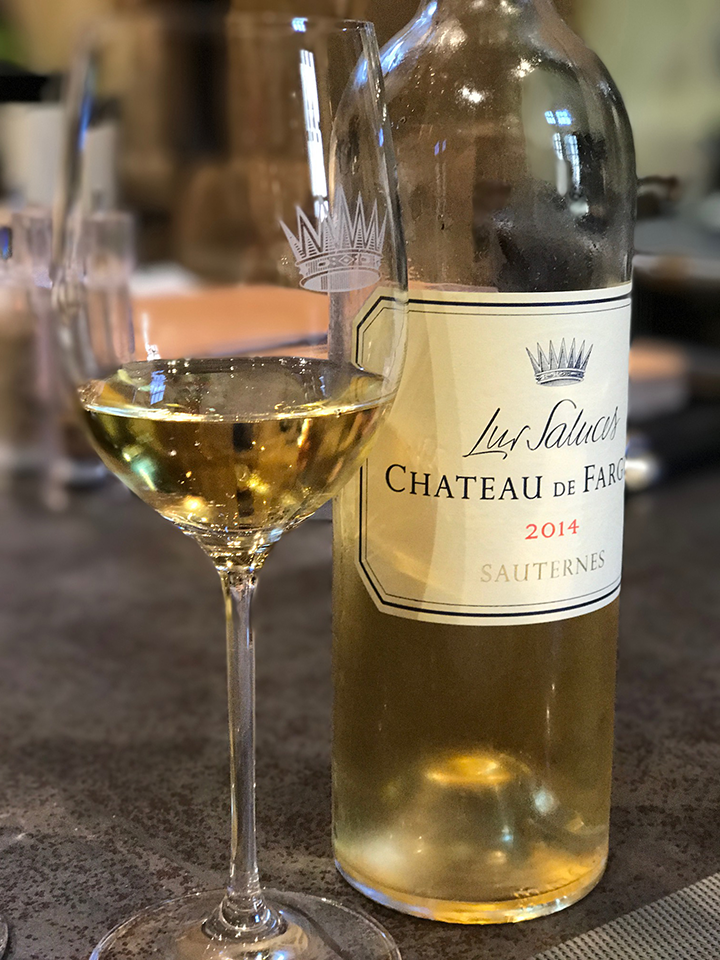
    Lur Saluces Chateau de Fargues – Photo Credit: Fred Swan, JJBuckley.com

    Myth – Sweet Wines Are Low Quality or “Just for Beginners”

    Reality: Some of the world’s finest wines are sweet.

    From Germany’s noble Rieslings to France’s Sauternes and Hungary’s Tokaji, some of the most revered and age-worthy wines are sweet. A well-made dessert wine balances sweetness with acidity, creating a complex and sophisticated drinking experience.

    SOMM&SOMM Tip: Try pairing a high-quality sweet wine with blue cheese, foie gras, or spicy foods for a mind-blowing contrast.

    Myth – Rosé Is Just a Summer Drink

    Reality: Rosé is great year-round.

    Rosé’s crisp and refreshing nature makes it perfect for warm weather, but its versatility extends far beyond summer. A fuller-bodied rosé, like a Tavel or Bandol, pairs beautifully with hearty dishes, including roasted meats, pasta, and even winter stews.

    SOMM&SOMM Tip: Treat rosé like a light red wine—it can complement a variety of foods throughout the year.

    Myth – You Must Let Red Wine Breathe for Hours

    Reality: Decanting depends on the wine.

    While some wines benefit from hours of aeration, most modern wines are ready to drink with just a little air exposure. Younger, tannic reds (like a bold Cabernet Sauvignon) can soften with decanting, but delicate wines (like older Pinot Noir or aged Barolo) can actually lose their aromas if over-aerated.

    SOMM&SOMM Tip: If in doubt, pour a small glass and taste it immediately. If it seems tight or closed-off, give it some air and check again after 15–30 minutes.

    Related Article: The Art and Science of Decanting Wine

    Myth – Expensive Wine Is Always Better

    Reality: Price does not always equal quality.

    While some expensive wines are exceptional, there are plenty of hidden gems at affordable price points. Price is influenced by factors like production scale, marketing, and branding—not just quality. Many boutique wineries and lesser-known regions produce fantastic wines that don’t break the bank.

    SOMM&SOMM Tip: Explore regions known for value wines, like Portugal’s Douro Valley, Spain’s Rioja, or Argentina’s Mendoza.

    Photo by Andrea Piacquadio on Pexels.com

    Enjoy Wine Without the Myths

    This April Fools’ Day, don’t be fooled by outdated wine myths! Whether it’s misconceptions about serving temperatures, closures, or aging potential, understanding the facts can help you enjoy wine to its fullest. The best way to learn? Keep tasting, exploring, and trusting your own palate.

    Cheers to debunking myths and discovering new wine experiences 🍷

  • How to Enjoy a Wine-Driven Evening Without Regretting It the Next Day

    How to Enjoy a Wine-Driven Evening Without Regretting It the Next Day

    We’ve all been there. One moment, you’re swirling a beautifully aged Bordeaux, eloquently waxing poetic about its terroir. The next, you wake up feeling like your head was used as a drum in a street parade. Ah, the perils of a well-lived evening. But fear not, fellow oenophiles! You don’t have to choose between indulgence and misery. With a little strategy and a touch of discipline (yes, you have it in you), you can enjoy every sip without paying the price. Let’s dive into the art of pacing yourself, staying hydrated, and recovering like a pro.

    Photo by Pavel Danilyuk on Pexels.com

    The Art of Moderation

    The slow sip wins the race. Wine is meant to be savored, not guzzled. If it were meant to be chugged, it’d come in a pint glass. Here are some ways to keep your evening elegant and your morning pain-free:

    1. Follow the One-to-One Rule: For every glass of wine, drink a glass of water. This will slow your pace, keep you hydrated, and trick your brain into thinking you’re indulging more than you actually are. (Bonus: It makes you look responsible without ruining the fun.)
    2. Eat Like You Mean It: Drinking on an empty stomach is like trying to row a boat with a tennis racket—it’s not going to end well. Load up on protein, healthy fats, and carbs before and during the evening. Think cheese boards, charcuterie, and anything that soaks up alcohol but still feels sophisticated.
    3. Choose Your Pours Wisely: If you’re at a wine tasting event, don’t feel obligated to finish every pour. The spit bucket isn’t a sign of weakness; it’s a sign of wisdom (and longevity).
    4. Mind the ABV: A light, crisp Vinho Verde is going to treat you much differently than a bold 15% ABV Napa Cab. If you’re settling in for a long evening, balance your choices with lower-alcohol options.

    Hydration is Your Best Friend

    Wine may be mostly water, but that doesn’t mean it hydrates. In fact, it does the opposite. To keep yourself feeling fresh:

    • Electrolytes Are Magic: Coconut water, sports drinks, or electrolyte tablets can work wonders. Alternating a glass of wine with a glass of something electrolyte-rich is an excellent way to sneak hydration into your night.
    • Herbal Tea Before Bed: Chamomile or ginger tea can help settle your stomach and prep your body for restful sleep. (You’re still getting a ‘drink’ in, just without consequences.)
    • Drink Water Before You Sleep: Even if it means a midnight bathroom trip, your future self will thank you. Bonus points if you add a pinch of sea salt for extra hydration benefits.
    Photo by cottonbro studio on Pexels.com

    The Day After: The Art of the Comeback

    If, despite your best efforts, you wake up feeling like you lost a wrestling match with a bottle of Syrah, here’s how to bounce back:

    1. Water. Then More Water. The moment you wake up, drink a full glass. Follow it with another. Yes, you may feel like a bloated water balloon, but it’s better than feeling like a desiccated raisin.
    2. Coffee (But Not Too Much). A small cup can help, but too much caffeine can further dehydrate you. Pair it with a banana or toast to keep your blood sugar stable.
    3. Eggs, Avocado, and Toast: Eggs contain cysteine, which helps break down acetaldehyde (the nasty chemical behind your hangover). Avocado replenishes lost potassium. Toast is just comforting.
    4. Get Moving (Even If It Hurts). A short walk and fresh air can help jumpstart your recovery. You don’t have to run a marathon—just convince your body you haven’t given up on it entirely.
    Photo by Askar Abayev on Pexels.com

    Final Thoughts: It’s All About Enjoyment

    Wine should be a pleasure, not a punishment. The key to a successful wine evening is balance—between indulgence and restraint, hydration and celebration, sipping and savoring. Whether you’re at a grand tasting event, a cozy dinner party, or a backyard soirée, remember: the best memories are made when you’re fully present (and fully functional the next day).

    A Toast to Moderation (and Survival!)

    Here’s to good wine, great friends, and a morning where we still feel like ourselves. May our glasses be full, our conversations rich, and our headaches non-existent. Cheers to sipping smart!

    Gregory Dean, SOMM&SOMM

    Quick note about the cover image: Henri de Toulouse-Lautrec’s Gueule de bois (“Hangover”) perfectly captures that all-too-familiar morning-after regret—pale, slumped, and questioning every life choice that led to this moment. Inspired by his bohemian adventures in Montmartre, Lautrec paints a picture (literally) of indulgence meeting its inevitable fate. Just like this article on surviving the day after, this particular piece reminds me that while the night may be full of champagne and questionable decisions, the morning always demands payment—with interest 😉

    Cover Image Credit: Henri de Toulouse-Lautrec, Public domain, via Wikimedia Commons

  • Varietal Spotlight: Pinot Noir

    Varietal Spotlight: Pinot Noir

    The Ancient and Temperamental King of Red Grapes.

    Few grapes captivate the hearts of wine lovers and vintners quite like Pinot Noir. Revered for its ethereal elegance, complex flavors, and remarkable ability to reflect terroir, Pinot Noir is one of the oldest known grape varietals still cultivated today. This thin-skinned, temperamental grape has inspired obsession, frustration, and devotion in equal measure, from medieval monks in Burgundy to modern-day winemakers pushing the boundaries of its expression worldwide.

    Origins and Ancient History

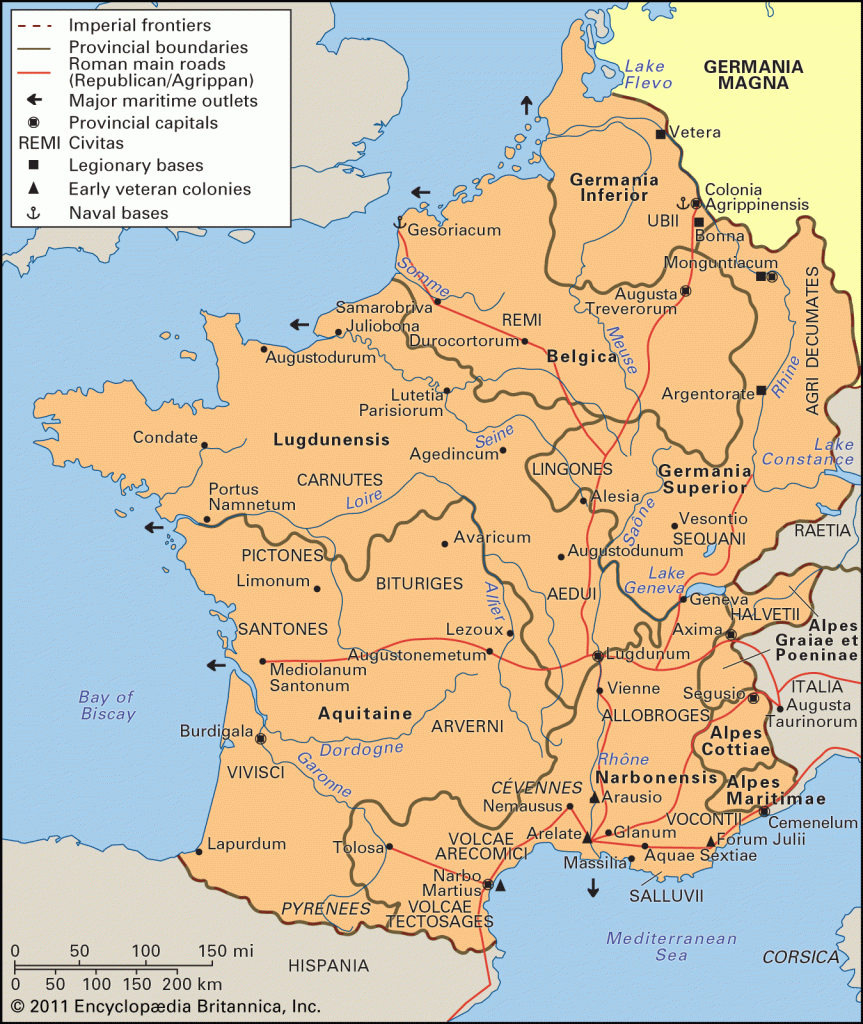
    Pinot Noir’s history can be traced back over 2,000 years to the Roman occupation of Gaul (modern-day France).

    Map of Gaul (Britannica, T. Editors of Encyclopaedia (2010, August 25). Gaul summary. Encyclopedia Britannica)

    The grape likely descends from Vitis vinifera vines cultivated by the Romans and was first mentioned in historical records around the 1st century AD. However, its true prominence emerged in the Middle Ages when Cistercian and Benedictine monks meticulously cultivated vineyards in Burgundy, recognizing the grape’s unique ability to convey a sense of place. These monastic orders developed the first concept of terroir, dividing Burgundy’s vineyards into climats, which still define the region today.

    The name “Pinot Noir” is derived from the French words pin (pine) and noir (black), a reference to the grape’s tightly clustered, pinecone-shaped bunches and dark skin. Despite its noble heritage, Pinot Noir’s genetic instability has led to over a thousand known clones and mutations, making it one of the most diverse grape families in viticulture.

    The Many Faces of Pinot Noir

    Because Pinot Noir mutates so easily, countless clones have been developed, each exhibiting distinct characteristics. Some of the most famous clones include:

    • Pommard (Clone 4 & 5): Originally from Burgundy’s Pommard region, these clones produce structured, powerful wines with darker fruit flavors and firmer tannins.
    • Dijon Clones (113, 115, 667, 777): Developed in Burgundy, these clones offer more refined fruit profiles, with silky textures and notes of red cherry, raspberry, and floral aromatics.
    • Wädenswil (Clone 2A): Popular in Oregon, this Swiss clone thrives in cool climates and is known for its vibrant acidity and floral perfume.
    • Martini Clone: A historic clone from California, this variety is known for its bright fruit flavors and early ripening qualities, particularly in Carneros and Russian River Valley.

    Pinot Noir also has close relatives in the Pinot family, including Pinot Blanc, Pinot Gris, and Pinot Meunier. These varietals share the same genetic lineage but have evolved with distinct characteristics. Pinot Blanc tends to be full-bodied with crisp acidity and flavors of apple and pear, while Pinot Gris exhibits richer textures and stone fruit notes. Pinot Meunier, frequently used in Champagne blends, offers fresh fruitiness and a more rustic profile.

    Alternate Names and Related Regions

    Pinot Noir is known by several names in different parts of the world. Some of its alternate names include:

    • Spätburgunder (Germany)
    • Blauburgunder (Austria, Switzerland)
    • Pinot Nero (Italy)
    • Clevner (historical Alsace term)
    • Pinoz (Romania)

    Key regions where Pinot Noir thrives include:

    • France: Burgundy, Champagne, Alsace
    • United States: Oregon (Willamette Valley), California (Russian River Valley, Santa Lucia Highlands, Santa Barbara, Carneros)
    • Germany: Ahr, Baden, Pfalz
    • New Zealand: Central Otago, Martinborough
    • Italy: Alto Adige, Oltrepò Pavese
    • Switzerland: Valais, Graubünden
    • Australia: Yarra Valley, Tasmania
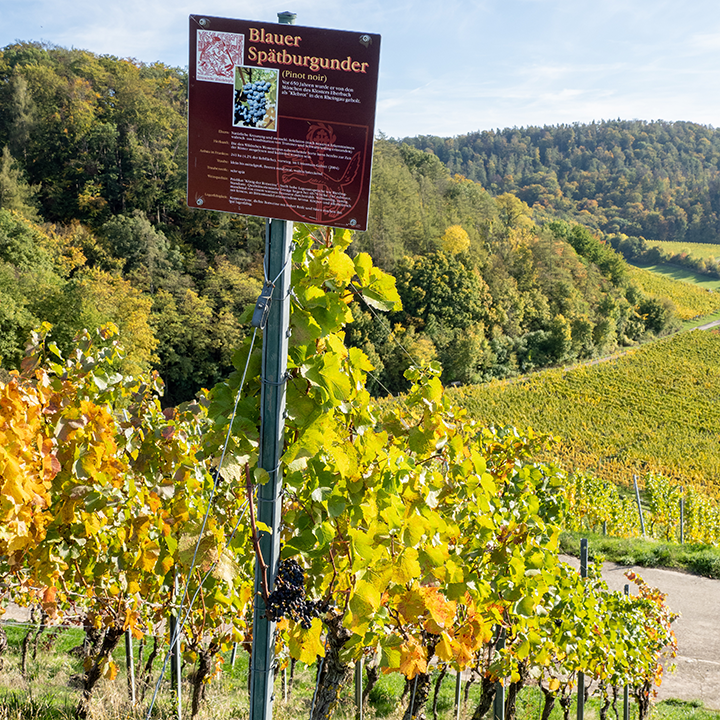
    Spätburgunder – Reinhold Möller, CC BY-SA 4.0, via Wikimedia Commons

    Pinot Noir’s Global Expressions

    Pinot Noir is often described as the most expressive varietal of terroir, meaning that it uniquely reflects the climate, soil, and winemaking techniques of its growing region. Let’s explore some of the most renowned Pinot Noir regions and their distinctive styles:

    Burgundy, France: The Benchmark

    Burgundy is the spiritual home of Pinot Noir, producing the world’s most revered expressions from Côte de Nuits and Côte de Beaune. Wines from these regions exhibit remarkable complexity, finesse, and age-worthiness. Grand Cru vineyards such as Romanée-Conti, La Tâche, and Chambertin produce wines of unparalleled depth and elegance, with layers of red and black fruit, earthy undertones, and a signature minerality that evolves beautifully over time.

    Oregon: The New-World Contender

    Oregon’s Willamette Valley has emerged as a premier Pinot Noir-producing region, often drawing comparisons to Burgundy. The cool, maritime climate fosters wines with vibrant acidity, red fruit dominance, and floral aromatics. Winemakers here prioritize sustainable and biodynamic farming, leading to some of the most expressive and terroir-driven New World Pinot Noirs.

    Related Article: Wine Experiences: A Taste of Adelsheim

    California: Bold and Fruit-Driven

    California’s diverse microclimates allow for multiple styles of Pinot Noir, ranging from the bright, elegant expressions of Sonoma’s Russian River Valley and Santa Lucia Highlands to the richer, more opulent styles of Santa Barbara and Carneros. Russian River Valley Pinot Noirs are known for their lush cherry and cola notes, while Santa Barbara wines often showcase baking spices and deep red fruit.

    New Zealand: The Rising Star

    New Zealand’s Pinot Noir, particularly from Central Otago and Martinborough, has gained international acclaim for its purity of fruit, bright acidity, and vibrant aromatics. Central Otago Pinot Noirs often exhibit dark cherry, plum, and spice notes, while Martinborough expressions lean towards a more earthy, structured profile.

    Germany: The Stealthy Powerhouse

    Known as Spätburgunder, German Pinot Noir has experienced a renaissance in recent years. Producers in the Ahr, Baden, and Pfalz regions are crafting elegant, cool-climate Pinot Noirs with floral aromatics, mineral-driven complexity, and refined tannins, rivaling some of the best from Burgundy.

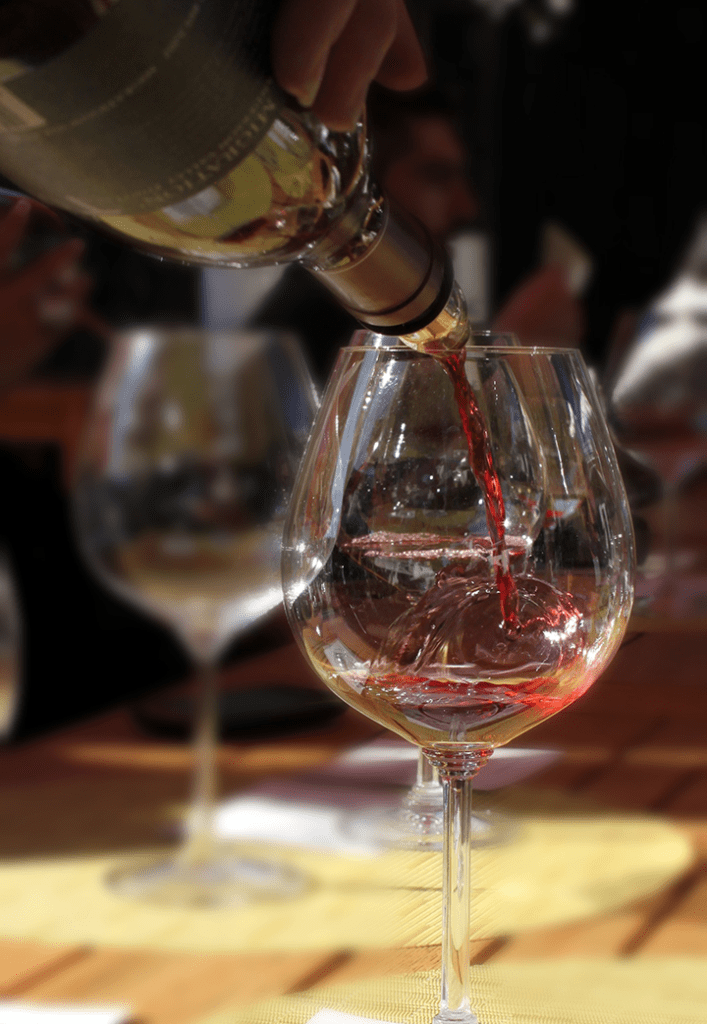
    Pouring Pinot Noir – Prayitno, USA, CC BY 2.0, via Wikimedia Commons

    The Perfect Complement

    Pinot Noir’s versatility makes it an excellent companion to a wide range of dishes. Its bright acidity, moderate tannins, and complex flavor profile allow it to pair beautifully with:

    • Poultry: Roast duck, turkey, or chicken with herbs
    • Game Meats: Venison, quail, and pheasant
    • Pork: Pork tenderloin, glazed ham, or charcuterie
    • Mushroom Dishes: Truffle risotto, mushroom ravioli, or wild mushroom ragout
    • Salmon and Tuna: Grilled, poached, or seared preparations
    • Soft Cheeses: Brie, Camembert, and Gruyère

    Fun Lore and Stories of Pinot Noir

    Pinot Noir has inspired countless stories, myths, and even Hollywood films. One of the most famous legends is that of the 18th-century Burgundian monk Dom Giguier, who claimed to have divine visions instructing him to cultivate Pinot Noir in specific vineyard plots (Giguier, 1763). Whether divine intervention or astute observation, these climats remain some of the most prized in the world.

    In more modern times, the 2004 film Sideways sparked an explosion of Pinot Noir’s popularity in the U.S., while simultaneously tanking Merlot sales. The protagonist’s passionate monologue about the elegance and fragility of Pinot Noir led to a significant surge in demand, particularly in California and Oregon.

    The Enduring Allure of Pinot Noir

    Pinot Noir remains one of the most beloved and challenging varietals in the world of wine. Its delicate nature, susceptibility to disease, and finicky growing conditions make it a difficult grape to cultivate, yet its rewards are unparalleled. Whether from the legendary vineyards of Burgundy, the misty valleys of Oregon, or the sun-kissed hills of California, Pinot Noir continues to captivate winemakers and enthusiasts alike. Its ability to tell the story of its origin with elegance and nuance ensures that its legacy will endure for generations to come. Cheers 🍷

    Cover Photo Credit: Jim Fischer from Portland, Oregon, USA, CC BY 2.0, via Wikimedia Commons

    References

    Giguier, D. (1763). Vineyard Cultivation and Divine Insight. Dijon, France: Burgundian Press.

  • Discovering the Elegance of Cortese di Gavi: A Northern Italian Treasure

    Discovering the Elegance of Cortese di Gavi: A Northern Italian Treasure

    Ah, the Province of Alessandria in Piedmont—home to one of Northern Italy’s crown jewels, the remarkable Cortese di Gavi. Gavi—a name synonymous with elegance and purity, yet it remains underappreciated in the shadow of more famous Italian white varietals. For a wine enthusiast, this is both a tragedy and an opportunity. Allow me to take you on a journey through the rolling hills of Gavi, where one of Italy’s finest white wines has been quietly defining finesse and charm for centuries.

    F Ceragioli, CC BY-SA 3.0, via Wikimedia Commons

    The Grape Behind the Magic

    Let’s begin with the grape itself: Cortese. This varietal is the very embodiment of Italian precision, producing wines that are crisp, aromatic, and vibrant. If wines could sing, Cortese di Gavi would be a soprano—its voice high, clear, and impossibly beautiful. Cultivated in Northern Italy since at least the 17th century, Cortese thrives in the marl and clay soils of Piedmont’s Gavi region, where the vineyards are blessed with an enviable mix of sun-drenched days and cooling maritime breezes. It’s a terroir-driven delight that effortlessly captures the spirit of its homeland.

    Gavi’s DOCG Status: A Badge of Honor

    Now, let’s talk DOCG—Denominazione di Origine Controllata e Garantita. Gavi earned this prestigious status in 1998, a well-deserved recognition of the region’s consistent quality and historical significance. DOCG isn’t just a shiny label; it’s a promise. A promise that every bottle meets the strictest standards and encapsulates the essence of its place of origin. For Gavi, this elevation marked a turning point, helping it stand shoulder-to-shoulder with Italy’s more celebrated white wines, like Soave and Verdicchio.

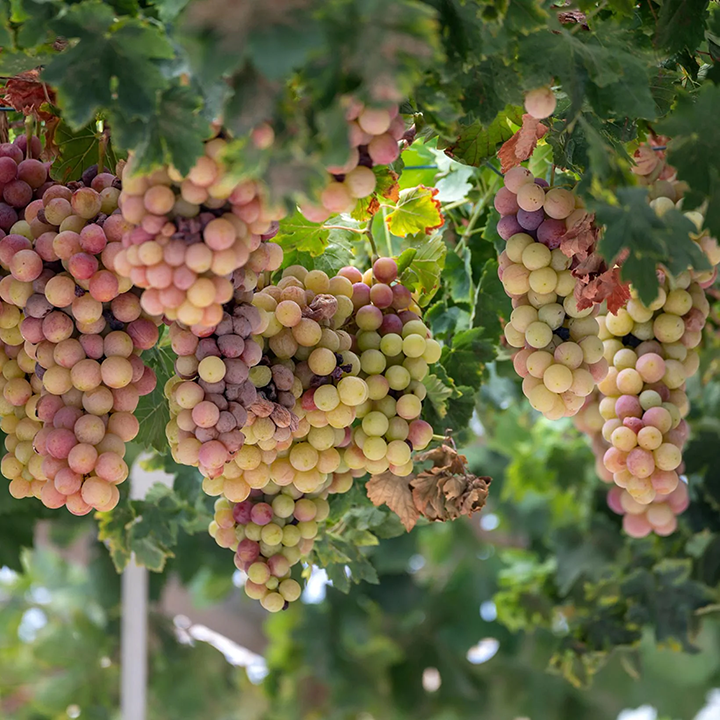
    Image Credit: Promesse de Fleurs – Cortese Grapes

    What Makes Cortese di Gavi Special?

    First, its style. Imagine a wine that greets your palate with a burst of lemon zest, green apple, and white peach, followed by whispers of almond and wildflowers. There’s an underlying minerality—a flinty backbone that provides structure and balance—making it the quintessential expression of elegance. Gavi isn’t just a refreshing summer sipper; it’s a wine with depth and sophistication, capable of enhancing any meal with its vibrant acidity and nuanced profile.

    A Sip of History

    Historically, Gavi has its fair share of lore. Did you know that Gavi’s wines were once a favorite at the royal courts of the House of Savoy? Even further back, the grape’s resilience was lauded by Piedmontese farmers who dubbed it “Cortese”—“courteous”—for its ability to consistently produce high-quality wines. This enduring reputation has carried through the centuries, culminating in its modern acclaim.

    Visit Sip & Feast and get James Delmage’s recipe for Spaghetti alle Vongole

    Perfect Pairings: Classic and Creative

    When it comes to food pairings, Cortese di Gavi is a sommelier’s playground. For the classics, you can’t go wrong with Ligurian cuisine. Think fresh seafood—grilled branzino, spaghetti alle vongole, or a delicate insalata di mare. The wine’s zippy acidity cuts through the richness of olive oil and enhances the natural sweetness of shellfish.

    But let’s get adventurous. Pair Gavi with Thai green curry, where its citrus notes complement the lime and lemongrass, or with sushi, particularly sashimi or a clean nigiri platter. Feeling bold? Try it with creamy chicken alfredo—the acidity acts as a palate cleanser, preventing the dish from becoming overly heavy.

    Versatility and Appeal

    What truly sets Gavi apart is its versatility. It’s a wine that can gracefully transition from aperitif to main course, adapting to a variety of flavors and textures without losing its charm. It’s no wonder that those in the know (sommeliers and wine enthusiasts alike) revere it as one of Italy’s most delightful surprises.

    A White Wine Powerhouse

    Northern Italy has long been a powerhouse of white wines, from the alpine clarity of Alto Adige’s Pinot Grigio to the creamy sophistication of Friuli’s Ribolla Gialla. Yet, Gavi holds its own with an understated confidence, proving that elegance doesn’t need to shout. Its story is one of quiet resilience and refinement—a reminder that sometimes the most extraordinary treasures are found off the beaten path.

    Fall Under Gavi’s Spell

    So, the next time you find yourself perusing the shelves, take a moment to consider the wines of Gavi. Pick up a bottle, pour yourself a glass, and savor the history, the terroir, and the craftsmanship. And when you taste that first sip of Cortese di Gavi, let yourself fall under its spell. Because trust me—this is one white wine that’s worth getting to know, sip by glorious sip. Saluti!

    Cover Image Credit: Jonathan Harker, CC BY-SA 4.0, via Wikimedia Commons