In the realm of oenology, the path to becoming a wine professional is as complex and diverse as the flavors and aromas found within a fine Bordeaux. It’s a journey that requires not only a refined palate but also a deep understanding of numerous academic disciplines. From history to geography, geology to viticulture, and beyond, the pursuit of wine expertise is a multifaceted odyssey that demands dedication, curiosity, and a voracious appetite for knowledge.
Embark on your own journey to becoming more knowledgable about wine… You’ll be glad you did!
At the heart of any wine professional’s education lies an appreciation for history. Understanding the rich tapestry of wine’s past is essential for contextualizing its present and forecasting its future. From the ancient vineyards of Mesopotamia to the illustrious estates of Bordeaux, the story of wine is woven into the fabric of human civilization. By delving into historical texts, archival records, and archaeological findings, aspiring sommeliers gain insights into the evolution of winemaking techniques, the rise and fall of wine empires, and the cultural significance of wine throughout the ages.
Geography serves as another cornerstone of wine education. A deep understanding of the world’s wine regions, their climates, soils, and topographies, is crucial for comprehending the diverse array of wines produced across the globe. Whether it’s the chalky hillsides of Champagne, the sun-drenched vineyards of Napa Valley, or the rugged terrain of the Douro Valley, each winegrowing region imparts its unique terroir onto the grapes, influencing the character and quality of the wines produced.
Schist soils in the Langedoc AOPUnique soils of the Roussillon region
Geology also plays a pivotal role in the study of wine. By examining the geological composition of vineyard soils, wine professionals can discern how different mineral deposits affect grapevine growth and wine flavor profiles. From limestone to granite, schist to volcanic ash, the geological diversity of wine regions contributes to the complexity and nuance of the wines they produce.
Viticulture and viniculture, the sciences of grape growing and winemaking, respectively, provide the technical foundation upon which wine professionals build their expertise. From vineyard management practices to cellar techniques, mastering these disciplines requires hands-on experience, as well as a thorough understanding of plant biology, microbiology, chemistry, and fermentation processes.
In addition to these core disciplines, the study of wine often extends to encompass spirits, beer, and sake. Organizations like The Court of Master Sommeliers recognize the interconnectedness of these libations and require candidates to demonstrate proficiency across a spectrum of alcoholic beverages. Whether it’s discerning the nuances of single malt Scotch whisky, exploring the complexities of Belgian Trappist ales, or understanding the craftsmanship behind Japanese sake, a well-rounded wine professional must possess a broad knowledge base that extends beyond the grapevine.
In the infinite depths of the vineyard, the pursuit of wine knowledge is a journey without end, where every sip uncovers a new chapter in the timeless story of taste and appreciation.
Gregory Dean, SOMM&SOMM
During intense wine-study sessions and exams, aspiring sommeliers are challenged to draw upon the breadth and depth of their academic pursuits. They must identify wines blind, articulate tasting notes with precision, and navigate the intricacies of food and wine pairing with finesse. From memorizing wine lists to mastering the art of service, the demands placed upon wine professionals are as rigorous as they are rewarding.
The Court of Master Sommeliers, Wine & Spirit Trust (WSET), and the Society of Wine Educators all provide training and certifications in wine knowledge, service, and education. While each program offers their own learning paths and methodology towards tasting and evaluation, make no mistake–it takes a commitment to learning to succeed. Each level becomes more difficult, but it is worth the effort 😉
The journey to becoming a wine professional is a holistic endeavor that encompasses a diverse array of academic disciplines. From history and geography to geology, viticulture, and viniculture, each facet of wine education contributes to a deeper understanding of this timeless elixir. By embracing the complexity of wine and committing to a lifelong pursuit of knowledge, aspiring sommeliers can embark on a transformative journey that will enrich both their palates and their lives. Cheers to the passionate pursuit of wine excellence! 🍷
Wine, that timeless elixir, has been intertwined with human history for millennia. From ancient amphorae to modern stainless steel tanks, winemaking techniques have evolved, but one tradition remains as steadfast as the vines themselves: aging wine in barrels. This practice is not merely functional but holds a mystical allure, enhancing the flavors, aromas, and textures of wine in ways that transcend mere storage vessels. Let’s dive into the history, craftsmanship, and magic of aging wine in barrels.
The art of barrel aging dates back to ancient civilizations, where wooden vessels were used to transport and store liquids. The Romans, in particular, recognized the transformative power of wood on wine, using barrels made from oak to age and transport their precious vintages across their vast empire. Over time, this practice spread throughout Europe, becoming synonymous with the finest wines produced in regions such as Bordeaux, Burgundy, and Rioja.
Barrel aging, the silent maestro of wine evolution, weaves a tapestry of complexity, infusing wines with nuances of oak, whispers of spice, and the symphony of time, crafting bottles of elegance and depth.
Gregory Dean, SOMM&SOMM
Types of Wood
While oak remains the predominant choice for wine barrels, different species and sources of wood impart distinct characteristics to the wine. French oak, known for its subtle flavors of vanilla, spice, and toast, is favored by many winemakers for its elegance and finesse. American oak, on the other hand, tends to impart more pronounced flavors of coconut, dill, and sweet spices, making it a popular choice for bold, fruit-forward wines.
Other types of wood, such as Hungarian oak, Slovenian oak, and chestnut, offer their own unique profiles, adding layers of complexity to the wines they age. Each wood has its own distinct grain, density, and porosity, influencing how it interacts with the wine and shapes its final character.
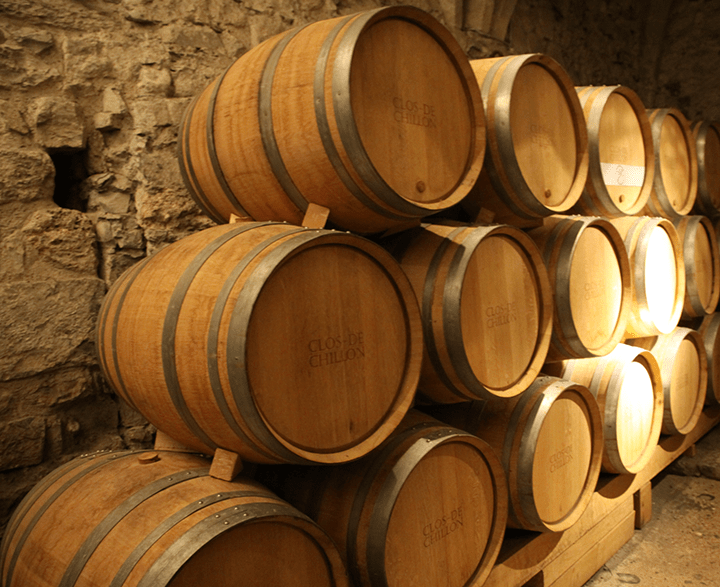
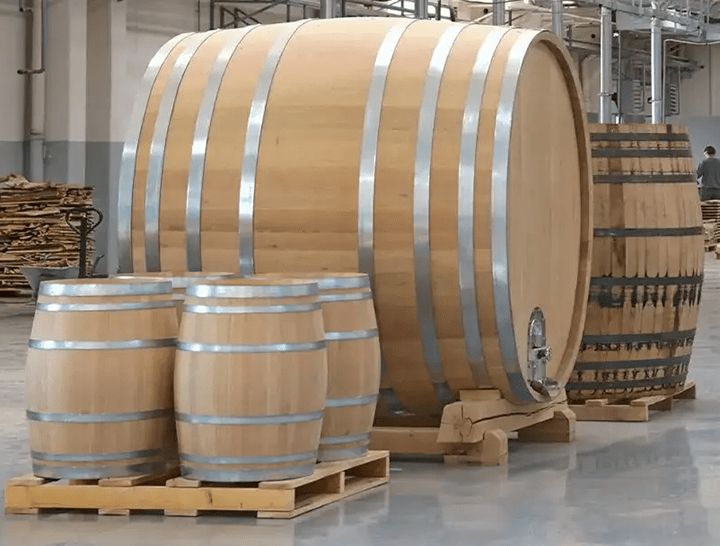
Various barrel sizes and shapes waiting to be delivered
Barrel Sizes and Shapes
Barrels come in a variety of sizes, from the diminutive barrique to the towering foudre. The standard barrique holds approximately 225 liters (59 gallons) of wine and is commonly used in regions like Bordeaux and Burgundy. Larger formats, such as the puncheon and the foudre, are favored for their reduced surface-to-volume ratio, allowing for slower aging and gentler extraction of flavors.
The shape of the barrel also plays a crucial role in aging wine. Taller, narrower barrels promote more gradual oxidation and evaporation, while shorter, wider barrels encourage faster integration of flavors and textures. Additionally, the toasting level of the barrel—ranging from light to heavy—can be customized to suit the winemaker’s desired style and intensity of oak influence.
Craftsmanship and Cooperage
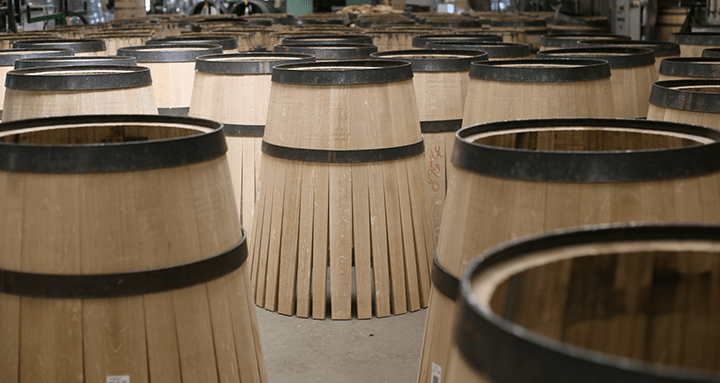
The art of barrel making, or cooperage, is a centuries-old tradition that requires skill, precision, and patience. Cooperages source the finest oak staves, carefully shaping and toasting them to exact specifications. Master coopers employ time-honored techniques, passed down through generations, to construct barrels that are both functional and beautiful.
Cooperages offer winemakers a range of options, from the type of wood and toast level to the size and shape of the barrel. Customization allows winemakers to tailor their barrels to the specific needs of each wine, ensuring optimal aging and expression of terroir.
Impact on Wine and Cost
The impact of barrel aging on wine is profound, influencing its color, aroma, flavor, and texture in myriad ways. Oak imparts flavors of vanilla, spice, toast, and caramel, while also softening tannins and enhancing mouthfeel. Oxygen slowly permeates the barrel, allowing the wine to evolve and develop complexity over time.
The cost of barrel aging varies depending on factors such as the type of wood, size of the barrel, and quality of craftsmanship. French oak barrels, prized for their elegance and finesse, are among the most expensive, while American oak and other alternatives offer more affordable options. The cost of barrel aging can account for a significant portion of a wine’s production expenses, particularly for premium and ultra-premium wines that require extended aging in oak.
Famous Burgundian Grand Cru (Pinot Noir)
Regional and Varietal Characteristics
Certain countries, regions, and varietals are renowned for the unique characteristics imparted by barrel aging. In Bordeaux, Cabernet Sauvignon and Merlot blends mature in oak barrels, gaining complexity and structure over time. Burgundian Pinot Noir and Chardonnay benefit from aging in French oak, acquiring nuances of spice, toast, and vanilla.
Spanish Tempranillo finds its soulmate in American oak, with Rioja and Ribera del Duero wines showcasing flavors of coconut, dill, and sweet spices. Italian Sangiovese, aged in large Slavonian oak casks, develops savory notes of leather, tobacco, and earth.
While barrel aging remains the gold standard for many winemakers, alternative methods offer creative ways to achieve similar results. Stainless steel tanks provide a neutral environment for aging wine, preserving fruit purity and freshness. Concrete eggs and amphorae impart subtle texture and minerality, enhancing the wine’s sense of place.
Some winemakers utilize oak alternatives, such as chips, staves, or spirals, to infuse wine with oak flavors without the expense or commitment of traditional barrel aging. While these methods can produce compelling results, they often lack the complexity and integration achieved through prolonged aging in oak.
Barrels, like fine wine, have a finite lifespan, with each one imparting its unique imprint on the wines it ages. The number of times a barrel can be used depends on factors such as the type of wood, thickness of the staves, and care taken during maintenance. French oak barrels, with their tighter grain and slower oxidation rate, can be reused for several vintages before losing their efficacy.
After a barrel has reached the end of its useful life for aging wine, it may find new purpose as furniture, planters, or even firewood. Some adventurous souls repurpose old barrels as aging vessels for beer, spirits, or vinegar, continuing the cycle of transformation and innovation.
Here’s to the artistry of barrel aging, where time becomes the master craftsman, transforming grapes into liquid poetry. Cheers to the magic of oak, the alchemy of time, and the enduring allure of beautifully aged wines. Salud!
Gregory Dean, SOMM&SOMM
Aging wine in barrels is a time-honored tradition that marries craftsmanship with alchemy, transforming humble grapes into liquid poetry. From the forests of France to the vineyards of Napa Valley, the story of barrel aging is one of passion, innovation, and reverence for the past. As we raise our glasses to toast the fruits of the vine, let us also raise a toast to the humble barrel, the silent guardian of wine’s journey through time and wood. Cheers 🍷
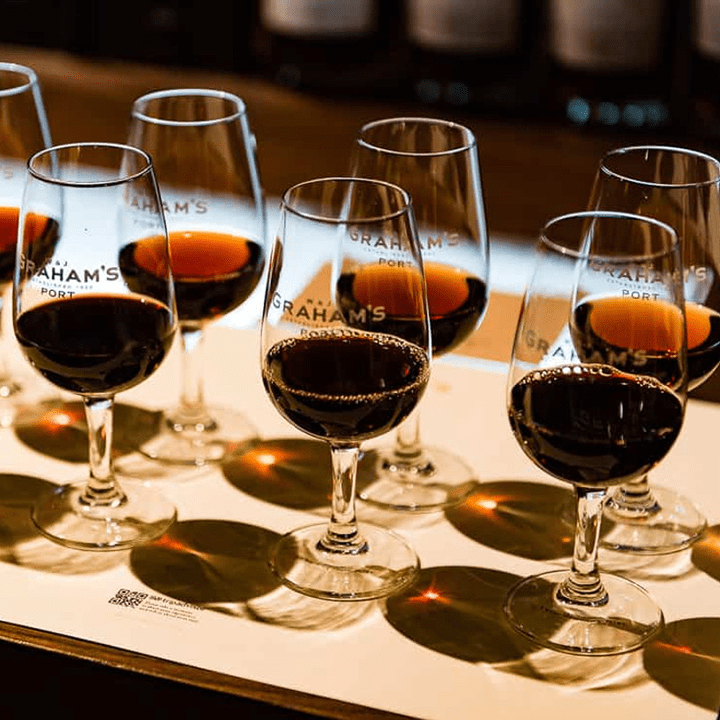
Port wine, a fortified wine hailing from the Douro Valley in Portugal, stands as a testament to centuries of winemaking expertise and tradition. Its rich flavors, deep history, and diverse styles make it a cherished beverage among enthusiasts and connoisseurs worldwide.
The story of Port wine dates back to the late 17th century when British wine merchants sought alternatives to French wines due to political conflicts. They turned to Portugal and discovered the robust wines of the Douro Valley. The addition of brandy to stabilize the wine during transportation led to the creation of what we now know as Port.
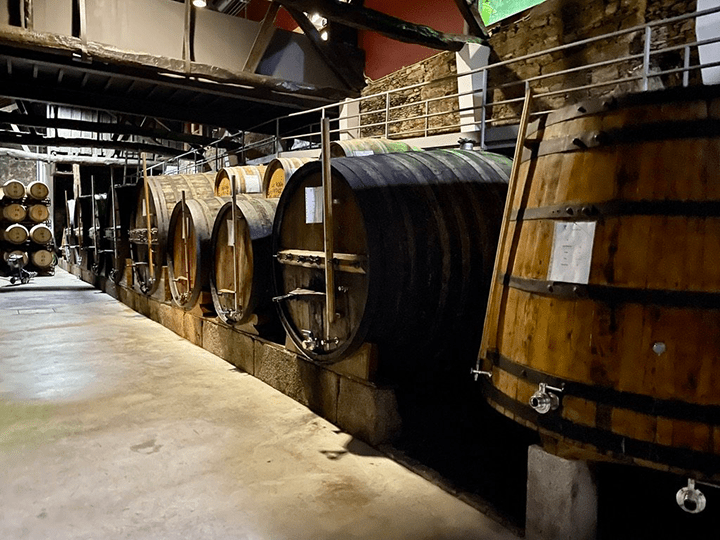
The unique microclimate and terroir of the Douro Valley, with its steep terraced vineyards and schist soil, contribute to the distinctive character of Port wine. Over the centuries, Port production methods have evolved, but many traditional practices endure, preserving the essence of this revered beverage.
Port wine comes in a variety of styles, each offering its own distinctive characteristics:
Ruby Port – Young and vibrant, with fruity flavors of cherries and berries, Ruby Port is aged for a relatively short time in oak barrels to retain its freshness.
Tawny Port – Aged in oak barrels for extended periods, Tawny Port develops a mellow complexity, with notes of caramel, nuts, and dried fruits. The aging process also imparts a tawny color to the wine.
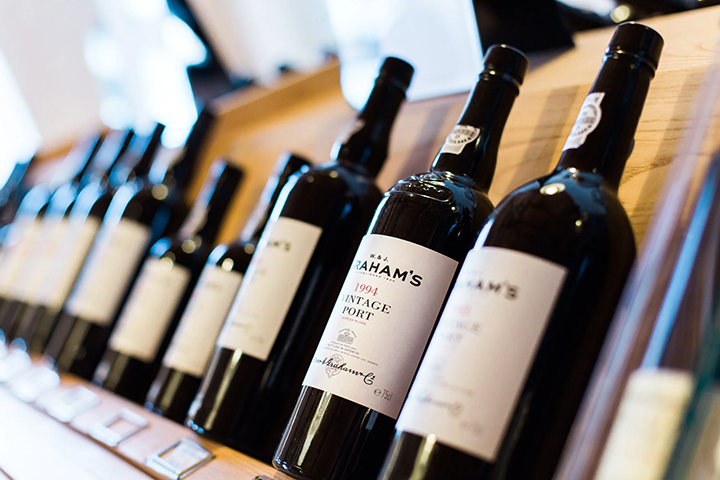
Vintage Port
Vintage Port – Considered the pinnacle of Port quality, Vintage Port is made from the best grapes of a single exceptional harvest. It requires aging in the bottle for many years to reach its full potential, resulting in a wine of great depth, concentration, and complexity.
Late Bottled Vintage (LBV) Port – Similar to Vintage Port but aged longer in barrels before bottling, LBV Port offers a more approachable and affordable alternative with many of the same qualities as Vintage Port.
White Port – Made from white grape varieties, White Port ranges from dry to sweet and exhibits flavors of citrus, honey, and nuts. It is often enjoyed as an aperitif or in cocktails.
Fortification Timing and the Effects on the Profile
Pre-fermentation and post-fermentation fortification are two distinct methods used in winemaking to fortify wines, particularly in the production of fortified wines like Port. While both methods involve the addition of a neutral grape spirit (typically brandy) to increase the alcohol content of the wine, they differ in timing and their effects on the wine’s flavor profile.
Pre-fermentation Fortification:
Pre-fermentation fortification involves adding grape spirit to the grape must (crushed grapes and juice) before fermentation begins. This halts the fermentation process by raising the alcohol level to a point where the yeast responsible for fermentation cannot survive. As a result, the wine retains a higher level of residual sugar, as the fermentation process is halted before all the sugars are converted to alcohol.
Effects:
Retention of Sweetness: Because fermentation is stopped before all the sugars are converted to alcohol, pre-fermentation fortified wines tend to have higher levels of residual sugar, resulting in a sweeter profile.
Fruitier Aromas and Flavors: The presence of residual sugar can enhance the perception of fruity aromas and flavors in the wine.
Lower Alcohol Content: Compared to post-fermentation fortification, pre-fermentation fortified wines typically have a lower alcohol content since the fermentation process is stopped earlier.
Post-fermentation Fortification:
Post-fermentation fortification, as the name suggests, involves adding grape spirit to the wine after fermentation is complete. This allows the wine to ferment fully, converting all available sugars into alcohol before fortification.
Effects:
Dryer Profile: Since fermentation proceeds to completion before fortification, post-fermentation fortified wines tend to have lower levels of residual sugar, resulting in a drier profile compared to pre-fermentation fortified wines.
Higher Alcohol Content: Post-fermentation fortified wines generally have a higher alcohol content compared to their pre-fermentation counterparts because fermentation proceeds to completion before fortification.
More Complex Flavor Profile: With the fermentation process allowed to complete, post-fermentation fortified wines may exhibit a more complex flavor profile, with a balance of fruitiness, acidity, and alcohol.
Choosing between Pre-fermentation and Post-fermentation Fortification:
The choice between pre-fermentation and post-fermentation fortification depends on the desired style of the wine. Winemakers may opt for pre-fermentation fortification to create sweeter, fruitier styles with lower alcohol content, while post-fermentation fortification may be chosen for drier, more complex wines with higher alcohol levels.
While both pre-fermentation and post-fermentation fortification involve the addition of grape spirit to increase alcohol content, they differ in timing and resulting flavor profiles. Pre-fermentation fortification halts fermentation before completion, resulting in sweeter, fruitier wines with lower alcohol content, while post-fermentation fortification allows fermentation to complete before fortification, resulting in drier, more complex wines with higher alcohol content.
Proper Serving and Pairing
To fully appreciate the nuances of Port wine, proper serving techniques are essential. Port should be served slightly chilled, around 16-18°C (60-64°F), to accentuate its flavors and aromas without masking them.
When it comes to pairing, Port’s versatility shines. Ruby Ports pair well with chocolate desserts, while Tawny Ports complement caramelized nuts and aged cheeses. Vintage Ports are best enjoyed on their own or with strong cheeses like Stilton. White Ports make refreshing aperitifs and pair beautifully with seafood or spicy dishes.
Port Tongs and a Bottle of Vintage Port
The Art of Port Tongs
One of the most intriguing traditions associated with Port wine is the use of Port tongs. Dating back to the 18th century, Port tongs are long, slender metal implements used to open bottles of Vintage Port without a corkscrew. This method, known as “porting,” requires skill and precision.
To use Port tongs, the neck of the bottle is heated evenly with the tong’s fiery end until it is glowing red-hot. After a few moments, the red-hot tong is applied to the bottle’s neck, causing it to crack cleanly just below the cork. The cork and a portion of the neck are removed, leaving the wine intact and ready to be enjoyed.
While the use of Port tongs is primarily ceremonial today, it serves as a reminder of Port wine’s rich heritage and the craftsmanship involved in its production. It also adds a touch of drama and spectacle to the ritual of opening a bottle of Vintage Port, making it an unforgettable experience for enthusiasts and collectors alike.
Port wine continues to captivate wine lovers around the world with its timeless appeal, diverse styles, and rich cultural heritage. Whether enjoyed on its own or paired with food, Port offers a taste of tradition and sophistication that transcends generations. And for those seeking to add an extra dash of drama to their Port experience, the art of Port tongs awaits, ready to elevate any special occasion. Saúde 🍷
Wine, that elixir of joy and conviviality, comes in an array of bottle sizes, each with its own charm, lore, and, of course, capacity for merry-making. From the dainty Piccolo to the colossal Melchizedek, these vessels not only hold liquid pleasure but also carry with them stories of tradition, history, and the whimsy of human creativity.
Piccolo(187.5 ml): Tiny But Mighty – Ah, the Piccolo, a darling among the bottles, containing just enough to tantalize the taste buds with a whisper of wine. Perfect for solo soirées or a spontaneous toast to oneself.
Demi(375 ml): Half the Fun – The Demi is like a halfway house for wine enthusiasts, offering a modest pour that’s just enough for a cozy tête-à-tête or an intimate dinner for two. It’s the Goldilocks of bottles—not too much, not too little, just right.
Jennie(500 ml): A Unique Gem – Named after the esteemed Jennie Churchill, mother of Winston, this bottle size is a rarity, often seen in German wine regions. It’s a splendid choice for those who desire a touch more than a Demi but not quite as much as a Standard.
Standard(750 ml): The Classic Choice – The Standard, a familiar sight on wine shelves worldwide, is the quintessential bottle size for sharing and savoring with friends. It’s the standard-bearer of wine bottle dimensions, offering just enough liquid happiness to go around.
Liter(1 liter): One for the Road – When a Standard bottle simply won’t suffice, enter the Liter. Popular in certain regions for everyday wines, it’s a practical choice for those who enjoy their wine by the liter rather than by the glass.
Magnum(1.5 liters): Double the Pleasure – Behold, the Magnum! This bottle exudes an air of celebration, containing the equivalent of two Standards. It’s said that wine in Magnum format ages more gracefully, perhaps due to its larger volume minimizing the ratio of oxygen to wine.
Jeroboam(3 liters): Royally Grand – Named after the biblical figure, King Jeroboam, this bottle commands attention with its regal presence. While its size can vary between regions, it generally holds the equivalent of four Standards, making it ideal for larger gatherings or extended revelry.
Rehoboam(4.5 liters): A Bordeaux Beauty – In Bordeaux, where wine flows like the Garonne River, the Rehoboam reigns supreme. Named after Jeroboam’s son, it holds the equivalent of six Standards and is often seen gracing grand feasts and celebrations in the region.
Sommelier and host, Scott White, serving sparkling wine from a Methuselah (6-liter bottle)
Methuselah(6 liters): Age Before Beauty – As the name suggests, the Methuselah is ancient in size, holding the equivalent of eight Standards. Its larger volume allows for slower aging and development, making it a prized possession for collectors and connoisseurs alike.
Salmanazar(9 liters): Fit for a Sultan – Named after the Assyrian king, Salmanazar, this colossal vessel contains the equivalent of twelve Standards. It’s a sight to behold and a challenge to pour, reserved for the most extravagant of celebrations or the grandest of cellars.
Balthazar(12 liters): A Feast for the Senses – In biblical lore, Balthazar was one of the Three Wise Men, and this bottle size certainly lives up to its name. With the capacity of sixteen Standards, it’s a testament to abundance and generosity, fit for kings and queens of oenology.
Nebuchadnezzar(15 liters): A Monumental Marvel – The Nebuchadnezzar, named after the legendary Babylonian king, is a behemoth among bottles. Holding the equivalent of twenty Standards, it’s a symbol of opulence and extravagance, reserved for the most lavish of affairs.
Melchior(18 liters): Majestic Magnificence – In Bordeaux, where grandeur is a way of life, the Melchior reigns supreme. Named after one of the Three Wise Men, it holds the equivalent of twenty-four Standards, embodying the epitome of luxury and excess.
Solomon(20 liters): Wisdom in Wine – With the wisdom of King Solomon himself, this grand bottle contains the equivalent of twenty-six Standards. It’s a testament to the ancient adage that good things come in large packages, perfect for bestowing blessings upon a bountiful banquet.
Sovereign(25 liters): Rule with Revelry – Fit for a sovereign indeed, this colossal vessel holds the equivalent of thirty-three Standards. It’s a statement piece, a showstopper, and a symbol of power and prestige, reserved for the most illustrious of occasions.
Primat(27 liters): Primed for Celebration – Named for its primacy in size, the Primat holds the equivalent of thirty-six Standards. It’s a titan among bottles, commanding attention and admiration wherever it appears, a true champion of indulgence and festivity.
Melchizedek(30 liters): The Ultimate Libation – And finally, we arrive at the pièce de résistance, the Melchizedek. Named after the biblical figure who was both a king and a priest, this colossal container holds the equivalent of forty Standards. It’s a wine lover’s wildest dream, a spectacle of grandeur and excess, and a testament to the boundless possibilities of human ingenuity.
So there you have it, a whimsical journey through the world of wine bottle sizes, where every cork has a story and every pour is an adventure. Cheers to the wonderful, wacky world of wine! 🍷
The act of enjoying wine is deeply intertwined with the vessels from which it is consumed. Throughout history, wine drinking vessels have evolved alongside human civilization, reflecting cultural practices, technological advancements, and aesthetic sensibilities. As a sommelier, understanding the history and nuances of wine glasses is paramount to enhancing the wine-tasting experience. Let’s embarks on a historical journey through time, exploring the evolution of wine drinking vessels and elucidating the significance of different styles of wine glasses.
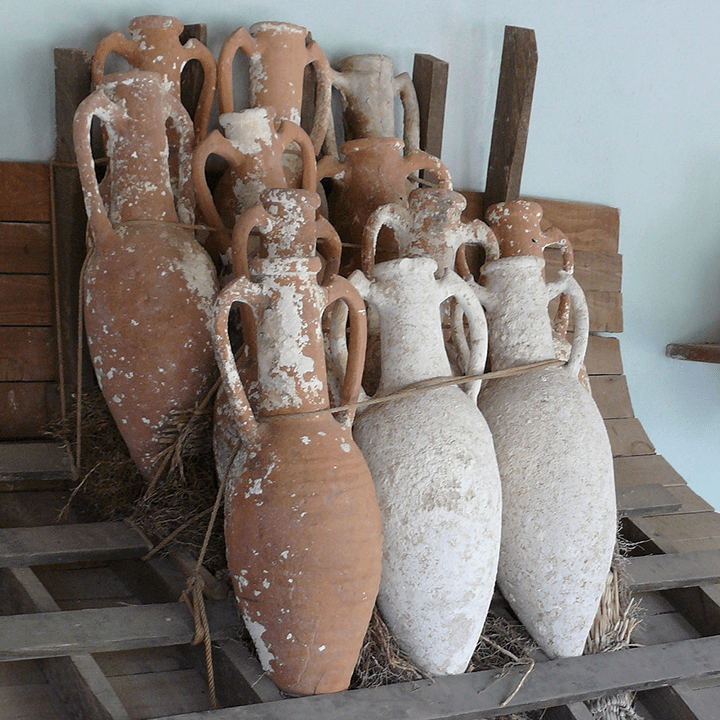
Clay amphorae
The origins of wine drinking vessels can be traced back to ancient civilizations such as Mesopotamia, Egypt, and Greece. In these early cultures, wine was revered as a symbol of divine nectar, and vessels used for its consumption were often crafted with intricate designs and symbolic motifs. Clay amphorae, rudimentary cups, and goblets made from materials like pottery, bronze, and precious metals were among the earliest vessels employed for drinking wine. These vessels served not only as functional tools but also as status symbols and expressions of cultural identity.
Medieval Era to Renaissance
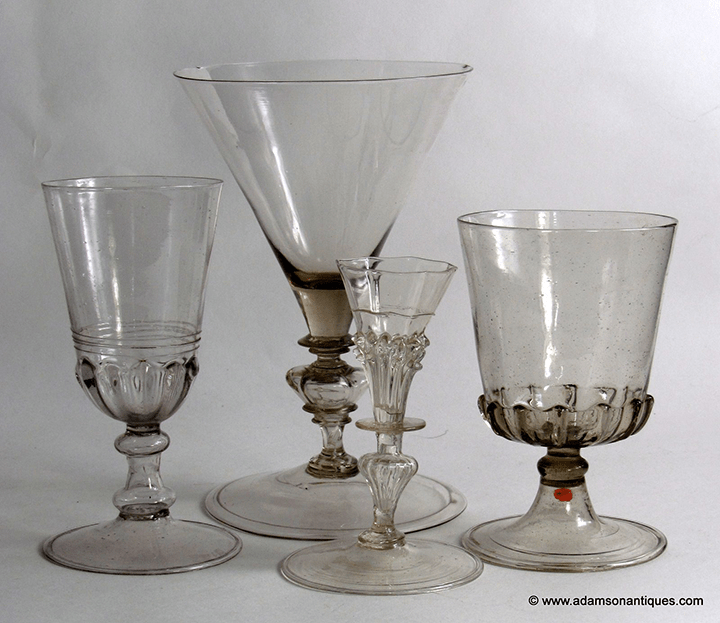
During the medieval era, wine drinking vessels continued to evolve, influenced by the spread of Christianity and the refinement of glassmaking techniques. The chalice emerged as a prominent vessel for wine consumption, especially within religious ceremonies. With the advent of the Renaissance, a newfound appreciation for aesthetics and scientific inquiry spurred innovations in glassware production. Venetian glassmakers pioneered the art of crafting delicate, translucent glasses, paving the way for the emergence of the modern wine glass.
16th and 17th century Facon de Venise wine glasses
18th Century Enlightenment
The Enlightenment period marked a significant shift in wine culture, as scientific principles began to inform the design of drinking vessels. The development of crystal glassware by English and German artisans allowed for greater clarity and refinement in wine glasses. The shape and size of wine glasses became increasingly standardized, with specific designs tailored to enhance the aromas and flavors of different wine varietals.
Modern Era
In the modern era, the diversity of wine glasses has expanded to accommodate the nuances of various wine styles. Stemware, characterized by a long stem and a bowl-shaped cup, has become the preferred choice for wine enthusiasts and professionals alike. Different styles of wine glasses, such as Bordeaux, Burgundy, and Champagne flutes, are designed to optimize the tasting experience by directing the flow of wine to specific areas of the palate. Additionally, innovations such as the ISO (International Standards Organization) wine tasting glass have sought to establish a universal standard for wine tasting competitions and evaluations.
Like a finely crafted instrument, the right wine glass harmonizes with the nuances of each varietal, elevating every sip into a symphony of flavor and aroma.
Gregory Dean, SOMM&SOMM
Proper Use of Wine Glasses
Understanding the proper use of wine glasses is essential for maximizing the sensory experience of wine. Each style of wine glass is meticulously designed to accentuate the unique characteristics of specific wine varietals. For example, a Bordeaux glass with a tall, narrow bowl is ideal for red wines with complex aromas and tannic structure, allowing the wine to aerate and concentrate the aromas towards the nose. In contrast, a Champagne flute with a narrow, elongated shape preserves the effervescence and enhances the aroma of sparkling wines.
The history of wine drinking vessels is a testament to humanity’s enduring fascination with wine and its cultural significance. From humble clay cups to exquisite crystal stemware, the evolution of wine glasses mirrors the evolution of human civilization itself. As a wine enthusiast, appreciating the diversity of wine glasses and understanding their proper usage is essential for elevating the wine-tasting experience. By embracing the rich history and craftsmanship behind wine drinking vessels, one can embark on a sensory journey that transcends time and taste. Cheers 🍷
Lately, I have found myself in conversations about a controversial yet widely used tool known as MegaPurple, along with similar grape concentrates. These additives have sparked debates within the industry, raising questions about their impact on wine quality, authenticity, and consumer trust. As a sommelier dedicated to unraveling the intricacies of wine, it is imperative to delve into this contentious topic, shedding light on its origins, purpose, and implications.
What is MegaPurple and Grape Concentrate?
MegaPurple is a proprietary blend of concentrated grape juice derived from red grape varieties, primarily used in winemaking to enhance color, body, and sweetness. Currently produced by Vie-Del Company, this product gained popularity in the early 2000s (originally owned by Constellation Brands) as a cost-effective solution for wineries facing challenges in achieving desired characteristics in their wines.
Similar grape concentrates, although not as widely recognized as MegaPurple, are utilized by winemakers globally. These concentrates are typically obtained through the process of reducing grape juice, thereby intensifying flavors, sugars, and color compounds.
Purpose and Usage
The primary purpose of MegaPurple and grape concentrates lies in their ability to rectify deficiencies in wine, particularly those arising from unfavorable growing conditions, suboptimal grape ripening, or stylistic preferences of winemakers. These additives serve multiple functions:
Color Enhancement
MegaPurple and grape concentrates are revered for their capability to intensify the hue of red wines, imparting a deep, rich color that appeals to consumers’ visual senses. This is particularly valuable in regions where grape ripening conditions may not yield optimal pigment development.
Body and Mouthfeel
By boosting sugar levels, these additives contribute to a fuller body and enhanced mouthfeel in wines, thereby masking potential thinness or lack of structure.
Sweetness Adjustment
Winemakers utilize MegaPurple and grape concentrates to achieve desired levels of sweetness in their wines, catering to varying consumer preferences, from bone dry to lusciously sweet.
Cost Efficiency
From an economic standpoint, these additives offer a cost-effective solution for wineries, allowing them to rectify wine deficiencies without resorting to expensive vineyard management practices or additional barrel aging.
Controversy and Criticism
Despite their widespread usage, MegaPurple and grape concentrates have garnered significant criticism from various quarters within the wine community:
Like an overbearing conductor drowning out the subtleties of a symphony, artificial flavors and concentrates in wine obscure the terroir-driven nuances, leaving behind a hollow echo of authenticity
Gregory Dean – SOMM&SOMM
Authenticity Concerns – Opponents argue that the use of these additives compromises the authenticity and integrity of wines, blurring the distinction between naturally crafted wines and those manipulated through artificial means.
Impact on Terroir – Advocates for terroir-driven winemaking express apprehensions about the influence of MegaPurple and grape concentrates on the expression of terroir, fearing that these additives may overshadow the unique characteristics imparted by vineyard site and microclimate.
Health and Transparency – Consumer advocacy groups have raised concerns regarding the transparency of labeling practices, advocating for clear disclosure of the use of additives such as MegaPurple and grape concentrates to enable informed consumer choices. Moreover, questions about potential health implications associated with these additives have also been raised, prompting further scrutiny.
Market Perception – The use of MegaPurple and grape concentrates has contributed to debates surrounding market perception and consumer education, highlighting the need for transparency and dialogue within the wine industry.
Lesser-Known Ingredients and Processes
In addition to MegaPurple and grape concentrates, several lesser-known ingredients and processes are employed in winemaking, each with its own implications:
Mega-Reduction – This technique involves the reduction of grape juice through heating, concentrating sugars, flavors, and color compounds. While similar to the production of MegaPurple, mega-reduction offers winemakers a customized approach to adjusting wine characteristics.
Maceration Techniques – Winemakers employ various maceration techniques, such as extended skin contact or cold soaking, to extract color, tannins, and flavor compounds from grape skins. These methods play a crucial role in shaping the sensory profile of wines, contributing to complexity and structure.
Microbial Additions – Yeast and bacterial cultures are utilized in winemaking to initiate fermentation, impart specific flavor profiles, or promote microbial stability. While commonly accepted, the selection of microbial additives can influence the sensory attributes and aging potential of wines.
Oak Alternatives – In lieu of traditional oak barrels, winemakers may employ oak alternatives such as chips, staves, or powders to impart oak-derived flavors and aromas to wines. This practice offers flexibility in flavor profile manipulation while mitigating costs and production time.
The use of MegaPurple and grape concentrates in winemaking remains a contentious subject, reflecting broader debates surrounding authenticity, transparency, and market perception within the wine industry. As a sommelier committed to advancing wine education and fostering appreciation for the artistry of winemaking, it is imperative to navigate these complexities with discernment and critical inquiry. By fostering dialogue, transparency, and a deeper understanding of winemaking practices, we can empower consumers to make informed choices while preserving the rich diversity and heritage of wines worldwide.
In the heart of Tuscany, amidst the rolling hills and historic vineyards, lies a hidden gem known as Cantine Guidi. Under the guidance of their father, Avio Guidi, and led by fourth-generation winemakers Giacomo and Nicola Guidi, this esteemed winery has been crafting exceptional wines that encapsulate the essence of the region for decades. Recently, I had the privilege of attending a special wine tasting event hosted by WineNot? orchestrated by the gracious owners and sommeliers, Mike and Lorale Mullins. This intimate gathering, limited to just 20 individuals, offered an unparalleled opportunity to delve into the world of Cantine Guidi and immerse ourselves in the artistry of winemaking.
We want to make our wines drink all over the world and that every person drinking them can discover the soul of our family and of Tuscany
Nicola Guida
Cantine Guidi Tasting Lineup
Nicola Guidi began our tasting journey with the Cantine Guidi Vernaccia di San Gimignano D.O.C.G., a crisp and refreshing white wine that immediately captivated the senses. With its delicate floral aromas and vibrant citrus notes, this wine embodies the essence of Tuscan terroir. The limestone-rich soils of San Gimignano impart a distinctive minerality, while the cool climate ensures optimal acidity. Paired with fresh seafood or light pasta dishes, this Vernaccia di San Gimignano is a true delight.
Next on the lineup was the Cantine Guidi Vernaccia di San Gimignano Riserva D.O.C.G., a step above its predecessor in terms of complexity and depth. Aged to perfection, this wine boasts layers of ripe stone fruit, honeyed undertones, and a subtle hint of almonds. The extended oak aging adds a touch of richness and texture, making it an ideal companion to creamy risottos or poultry dishes.
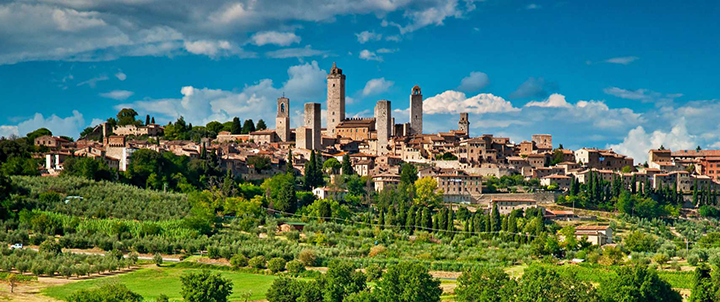
San Gimignano is often referred to as Tuscany’s “Medieval Manhattan”
Transitioning to reds, we savored the Morellino di Scansano D.O.C.G., a wine that showcases the versatility of Sangiovese grapes in the Maremma region. With its medium body and velvety tannins, this Morellino di Scansano offers an array of red berry flavors, accented by hints of herbs and spices. Its vibrant acidity makes it a versatile pairing for a variety of dishes, from grilled meats to hearty stews.
Moving on to the Cantine Guidi Chianti Classico D.O.C.G., we were treated to a quintessential expression of Tuscan red wine. Crafted from Sangiovese grapes grown in the historic Chianti Classico region, this wine exudes elegance and finesse. Bursting with ripe cherry and plum flavors, complemented by notes of violet and earth, it is a true testament to the terroir of Tuscany. Pair it with classic Italian dishes such as pasta with tomato-based sauces (Greg’s Marinara Sauce) or aged cheeses for an unforgettable dining experience.
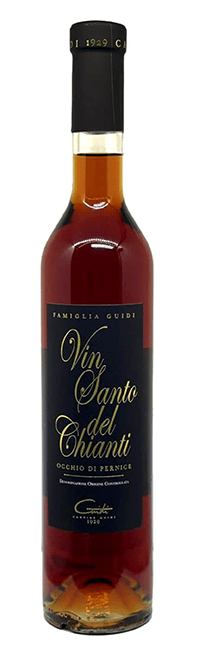
Vin Santo
The tasting culminated with the Cantine Guidi Chianti Riserva D.O.C.G., a wine of exceptional depth and complexity. Made from carefully selected grapes and aged in oak barrels, this Chianti Riserva offers an enticing bouquet of dark fruit, tobacco, and leather. Its velvety texture and lingering finish make it a perfect match for hearty meat dishes or aged cheeses.
Last but certainly not least, we indulged in the Vin Santo del Chianti D.O.C., a true Tuscan treasure. This sweet dessert wine, made from sun-dried grapes, captivated our palates with its luscious notes of caramelized nuts, dried fruits, and honey. Sipped slowly, it served as a fitting finale to our tasting journey, leaving a lasting impression of Tuscan hospitality and craftsmanship.
We strongly believe that we start from the origins and along the way we grow and change based on the needs of our land; in fact, it is sustainability and ethics that motivate the choices we make every day.
Cantine Guidi 1929
Throughout the tasting, Nicola Guidi’s passion for winemaking shone through, as he shared insights into his family’s legacy and the unique terroir of each wine. From the sun-drenched vineyards of San Gimignano to the rugged hills of Chianti, every bottle tells a story of tradition, innovation, and dedication to quality.
WineNot? West – 1108 W Granada Blvd, Ormond Beach, FL 32174
As we bid farewell to WineNot? and its gracious hosts, Mike and Lorale Mullins, I couldn’t help but reflect on the unforgettable experience we had shared. Through the artistry of Cantine Guidi’s wines, we had embarked on a sensory journey through the timeless landscapes of Tuscany, savoring each moment and leaving with a newfound appreciation for the beauty of Italian winemaking. Saluti 🍷
Greg’s Marinara Sauce
1/4 cup olive oil
3/4 cup yellow onion, chopped
6 cloves garlic, minced
1 28-oz. can San Marzano style chopped tomatoes in puree
1 28 oz. can San Marzano style crushed tomatoes
2 tsp. Italian seasoning
1 tsp. kosher salt
1 tsp. freshly ground black pepper
1/4 tsp. red pepper flakes
1 Tbsp. granulated sugar
A dozen torn basil leaves
In a large saucepan, heat olive oil over medium-high heat. Add onion and cook until translucent, stirring often, about 3-4 minutes. Add the garlic and cook for an additional minute, stirring constantly. Add all the remaining ingredients except the basil leaves and stir until well combined. Reduce the heat and simmer for 30 minutes. Add the torn basil leaves. This would be the time to add meatballs, sausage, or any other heavenly goodness 😉
When you hear the term “sommelier,” you might picture a poised individual in a fine dining restaurant, expertly swirling a glass of wine while offering sophisticated descriptions of its aroma and taste. But what exactly is a sommelier, and what role do they play in the world of wine? Let’s embark on a delightful journey through the history, meaning, certifications, skills, and traditions associated with this esteemed profession.
Origin and History
The term “sommelier” originates from the Old French word “sommier,” which referred to a pack animal driver. However, in the context of wine, the meaning evolved to denote the person in charge of transporting and managing the precious wine supplies of medieval kings and nobility. Over time, the role expanded to include wine tasting and selection, leading to the modern-day definition of a wine steward or expert. Here are a few famous sommeliers from history and the reasons their legacy lives on:
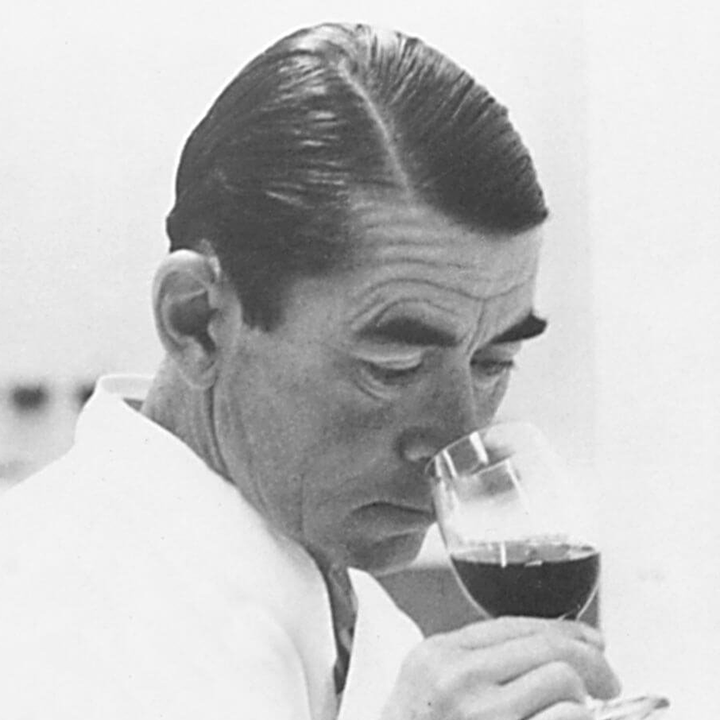
André Tchelistcheff(December 7, 1901 – April 5, 1994)
André Tchelistcheff
Known as the “Dean of American Winemakers,” André Tchelistcheff was a pioneering figure in the American wine industry. Born in Russia in 1901, he moved to the United States and revolutionized winemaking techniques, particularly in California.
Tchelistcheff’s expertise in viticulture and enology helped establish California wines on the global stage, earning him widespread recognition and admiration.
Tchelistcheff’s legacy lives on through his groundbreaking work in improving winemaking practices, particularly in the Napa Valley region. His emphasis on quality, innovation, and attention to detail set the standard for generations of winemakers to come, shaping the trajectory of American wine culture.
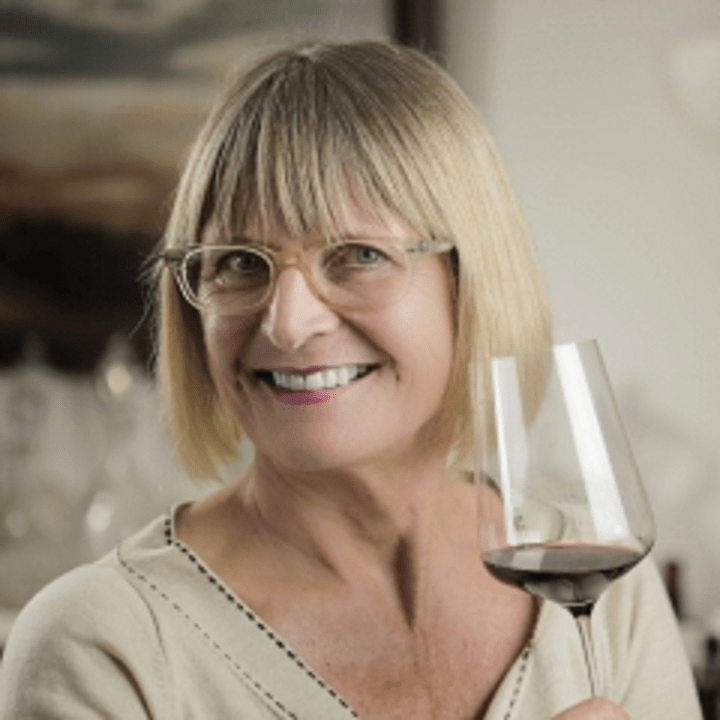
Jancis Robinson(April 22, 1950 – )
Jancis Robinson
Jancis Robinson is a renowned British wine critic, journalist, and Master of Wine. Her influential career spans decades and has had a profound impact on the world of wine appreciation and education.
Robinson is celebrated for her comprehensive wine knowledge, eloquent writing style, and commitment to promoting wine appreciation among enthusiasts of all levels.
Robinson’s continues to build a legacy through her extensive body of work, including books, articles, and television programs, which have demystified the world of wine and made it more accessible to a wider audience. Her contributions to wine education and criticism continue to inspire aspiring sommeliers and wine enthusiasts worldwide.
Georges-Auguste Escoffier(October 28, 1846 – February 12, 1935)
Georges-Auguste Escoffier
Georges-Auguste Escoffier, often referred to as the “Emperor of Chefs” and the “King of Chefs,” was a legendary French chef and restaurateur. While not solely a sommelier, Escoffier’s influence on modern gastronomy and dining culture is undeniable.
He revolutionized French cuisine and restaurant service, introducing innovative culinary techniques and standards of excellence that continue to shape the hospitality industry.
Escoffier’s legacy lives on through his timeless culinary principles, including his emphasis on precision, quality ingredients, and meticulous attention to detail. While he may not have been a sommelier in the traditional sense, his influence on fine dining and the art of hospitality has had a lasting impact on the role of wine service in restaurants around the world.
These sommeliers and culinary luminaries have left indelible marks on the world of wine and dining, shaping its evolution and inspiring future generations of enthusiasts and professionals alike. Their legacies endure through their contributions to wine education, innovation, and the elevation of the dining experience.
The Court of Master Sommeliers, for instance, offers four levels of certification: Introductory, Certified, Advanced, and Master Sommelier. Each level requires a deeper understanding of wine regions, grape varieties, wine production techniques, and impeccable tasting skills.
Skills Displayed During Wine Service
A sommelier’s role during wine service extends beyond merely pouring wine into a glass. They are tasked with enhancing the dining experience through their knowledge, recommendations, and impeccable service. Specific skills displayed during wine service include:
• Wine Pairing: Matching wines with food to complement flavors and enhance the overall dining experience.
• Decanting: Aerating wine to soften tannins and release aromas, particularly for older red wines.
• Temperature Control: Ensuring wines are served at the appropriate temperature to preserve their flavors.
• Glassware Selection: Choosing the right type of glassware to showcase the wine’s characteristics.
• Cork Handling: Opening and presenting wine bottles with finesse, especially for aged or rare wines.
A skilled sommelier can elevate a dining experience from enjoyable to extraordinary. By guiding guests through the wine selection process, sharing stories about vineyards and winemakers, and offering personalized recommendations based on individual preferences, sommeliers create memorable moments that linger long after the last sip.
Tasting and Evaluation Skills
Becoming a sommelier requires honing exceptional tasting and evaluation skills. Sommeliers must be able to assess wine qualities such as appearance, aroma, taste, body, acidity, and finish accurately. They undergo rigorous training to develop their palates, often participating in blind tastings to sharpen their ability to identify grape varieties, regions, and quality levels.
Serving Champagne Properly is an Art
Most Difficult Wine to Serve Properly
While every wine presents its unique challenges, one of the most difficult wines to serve properly is Champagne or sparkling wine. Its effervescence requires precise handling to prevent excessive foaming and preserve the bubbles. Additionally, serving Champagne at the correct temperature is crucial to maintaining its freshness and liveliness.
A sommelier is much more than a wine expert in a fancy restaurant. They are guardians of wine culture, storytellers of vineyard landscapes, and orchestrators of unforgettable dining experiences. Through their extensive knowledge, impeccable service, and passion for wine, sommeliers enhance our enjoyment and appreciation of one of life’s greatest pleasures. So, the next time you raise a glass of wine, remember to toast to the dedicated sommeliers who make each sip a moment to savor.
In the world of wine, the choice of enclosure is often a topic of debate among enthusiasts, professionals, and consumers alike. Traditionally, cork has been the enclosure of choice for wine bottles, but in recent years, the rise of screw caps has challenged this longstanding tradition. This article aims to delve into the characteristics, benefits, and drawbacks of both cork and screw cap enclosures, debunking myths and misconceptions along the way. Additionally, we will explore the history of cork usage, the current state of cork shortages, and highlight specific wines or styles that may benefit from one enclosure over the other.
Cover photo credit: Photo by SevenStorm JUHASZIMRUS on Pexels.com
Cork Enclosures: A Tradition Steeped in History
Cork, derived from the bark of the cork oak tree (Quercus suber), has been used as a wine enclosure for centuries. Its unique cellular structure, comprised of millions of tiny air pockets, allows it to compress and create a tight seal when inserted into a bottle. This natural elasticity makes cork an ideal choice for aging wines, as it allows for a small amount of oxygen to interact with the wine, aiding in its development over time.
Benefits of Cork Enclosures
• Tradition and Prestige: Cork has a long-standing tradition in the wine industry and is often associated with higher-end wines, lending an air of prestige and tradition to the bottle.
• Breathability: Cork’s natural properties allow for micro-oxygenation, which can enhance the aging process of certain wines, particularly those intended for long-term cellaring.
• Sensory Experience: Many wine enthusiasts appreciate the ritual of uncorking a bottle, as it adds to the overall sensory experience of enjoying wine.
Pitfalls of Cork Enclosures
• Cork Taint: One of the most significant drawbacks associated with cork enclosures is the potential for cork taint, caused by the presence of trichloroanisole (TCA). This compound can impart undesirable aromas and flavors, often described as musty or moldy, ruining the wine.
• Variability: Natural cork can exhibit variability in quality, leading to inconsistencies in sealing and potential oxidation of the wine.
• Environmental Concerns: Harvesting cork oak trees for their bark can have environmental implications, although sustainably managed cork forests mitigate this impact to some extent.
Stelvin Capsules (Screw Caps)
Screw Cap Enclosures: Modern Convenience Meets Functionality
Screw caps, also known as Stelvin closures, offer a convenient alternative to traditional cork enclosures. Initially introduced in the 1960s, screw caps have gained popularity, particularly for wines intended for early consumption or those that do not require extended aging. Wine purists would be surprised to learn that the Stelvin closure was invented in Burgundy, France 🙂
Benefits of Screw Cap Enclosures
• Consistency: Screw caps provide a consistent and reliable seal, virtually eliminating the risk of cork taint and oxidation.
• Convenience: Screw caps are easy to open and reseal, making them ideal for wines meant to be consumed shortly after bottling.
• Preservation of Freshness: Screw caps minimize oxygen exposure, preserving the wine’s freshness and fruit-forward characteristics, especially in aromatic white wines and light-bodied reds.
Pitfalls of Screw Cap Enclosures
• Perceived Quality: Despite their practical advantages, screw caps are sometimes associated with lower-quality wines or perceived as lacking the prestige of cork closures, particularly in certain traditional wine regions.
• Limited Aging Potential: While suitable for early consumption wines, screw caps may not be ideal for wines intended for long-term aging, as they limit oxygen ingress, which can impede the wine’s development.
• Environmental Impact: While screw caps themselves are recyclable, the production and disposal of plastic liners within the caps can have environmental implications.
Debunking Myths and Addressing Misconceptions
Myth: Screw caps are only suitable for inexpensive wines.
Fact: While screw caps are commonly used for more affordable wines, many premium producers around the world are opting for screw caps to preserve the integrity and freshness of their wines.
Myth: Cork closures are superior for aging wine.
Fact: While cork closures have traditionally been associated with aging potential, screw caps have demonstrated effectiveness in preserving wine quality over time, particularly for wines meant for early consumption.
Myth: All cork closures lead to cork taint.
Fact: While cork taint is a legitimate concern with natural cork closures, advancements in cork production, such as agglomerated corks and technical corks, have reduced the incidence of cork taint significantly.
The Current State of Cork Shortages
In recent years, the wine industry has faced challenges related to cork shortages due to factors such as climate change, disease affecting cork oak trees, and increased competition for cork resources from other industries. As a result, alternative closures like screw caps have become more attractive to wineries seeking consistent and reliable enclosures for their wines.
While cork and screw caps are the most widely recognized wine enclosures, there are several other alternatives that have gained traction in the industry. These alternatives offer unique benefits and cater to specific needs within the wine market. Let’s explore a few of them:
1. Synthetic Corks:
Synthetic corks are made from materials such as plastic or composite materials designed to mimic the properties of natural cork. They offer consistency in performance and eliminate the risk of cork taint. Synthetic corks are often used for wines that are intended for early consumption but may lack the prestige associated with natural cork.
2. Glass Stoppers:
Glass stoppers provide an elegant and aesthetically pleasing alternative to traditional closures. They create a secure seal and offer excellent oxygen barrier properties, preserving the wine’s freshness. Glass stoppers are favored for premium wines and limited editions, enhancing the overall packaging experience for consumers.
3. Zork Closure:
The Zork closure is a hybrid closure combining the convenience of a screw cap with the aesthetic appeal of cork. It features a plastic cap with a resealable cork-like insert, offering the benefits of both closures. Zork closures are popular for sparkling wines and still wines intended for immediate consumption.
4. Crown Caps:
Crown caps, similar to those used on beer bottles, are occasionally used for wine bottles, particularly for sparkling wines and wines meant for early consumption. While not as traditional as cork or as convenient as screw caps, crown caps provide a secure seal and are easy to open.
5. Diam Corks:
Diam corks are a type of technical cork made from natural cork particles that are treated to remove impurities and eliminate the risk of cork taint. They offer the sensory experience of natural cork with the consistency and reliability of synthetic closures. Diam corks are gaining popularity among wineries seeking alternatives to traditional cork closures.
6. Vinolok:
Vinolok closures are glass closures with a metal or plastic cap that provides an airtight seal. They offer a visually striking alternative to traditional closures and are often used for premium wines and limited editions. Vinolok closures are reusable and can be customized to enhance branding and aesthetics.
These alternative closures offer wineries and consumers a diverse range of options beyond cork and screw caps, catering to different preferences, packaging requirements, and market segments within the wine industry. Whether it’s the convenience of screw caps, the tradition of cork, or the innovation of alternative closures, each enclosure plays a crucial role in preserving and presenting wines to consumers around the world.
Choosing the Right Enclosure for Different Wine Styles
While both cork and screw cap enclosures offer distinct advantages, certain wine styles may benefit from one enclosure over the other:
– Wines for Aging: Complex red wines intended for long-term cellaring may benefit from the slight oxygen exchange facilitated by cork closures, allowing for gradual development and integration of flavors.
– Fresh and Aromatic Wines: White wines, particularly those prized for their aromatic profiles and vibrant fruit character, often thrive under screw cap closures, preserving their freshness and intensity.
– Everyday Drinking Wines: For wines meant to be enjoyed in their youth, regardless of style, screw cap closures provide convenience and assurance of freshness without the need for additional aging.
In the ongoing debate between cork and screw cap enclosures, it’s essential to recognize that both options have their place in the wine industry. While cork closures carry a sense of tradition and romance, screw caps offer practicality and reliability, particularly for wines intended for early consumption. As technology and sustainability practices evolve, both closures continue to play vital roles in preserving and enhancing the enjoyment of wine, debunking myths and misconceptions along the way. Ultimately, the choice of enclosure depends on factors such as wine style, intended aging potential, and individual preferences, ensuring a diverse and dynamic landscape in the world of wine packaging. Cheers 🍷
The world of winemaking is an intricate dance between nature and human intervention. Among the many factors that vintners meticulously consider, vine training stands out as a critical element in shaping the destiny of grapevines and, consequently, the wines they produce. In this exploration, we delve into some common vine training approaches, unraveling the reasons behind winemakers’ choices, and uncovering the correlations between vine training methods and wine regions or traditions.
Guyot System of Vine Training
Guyot System: A Classic Elegance
The Guyot system, with its single or double horizontal arms and vertical shoot positioning, exudes classic elegance. Often favored for its simplicity, it allows for efficient sunlight exposure and air circulation, promoting grape ripening and reducing the risk of diseases. Found in regions like Bordeaux, the Guyot system is associated with the structured and age-worthy red wines that have become synonymous with the area.
Description: The Guyot system involves training the grapevines with one or two fruiting canes and a spur.
Reasons for Adoption: Efficient in balancing vine vigor and controlling yields. It is adaptable to various climates and provides good fruit exposure.
Popularity: Widely used in regions like Tuscany and parts of Australia.
Impact of Weather and Location: Guyot is versatile and suitable for both cool and warm climates. It allows for adaptation based on vineyard conditions.
Varietals: Cabernet Franc and Sangiovese thrive under Guyot, benefiting from the controlled vine growth.
Machine Harvesting: Guyot is compatible with machine harvesting, contributing to its popularity.
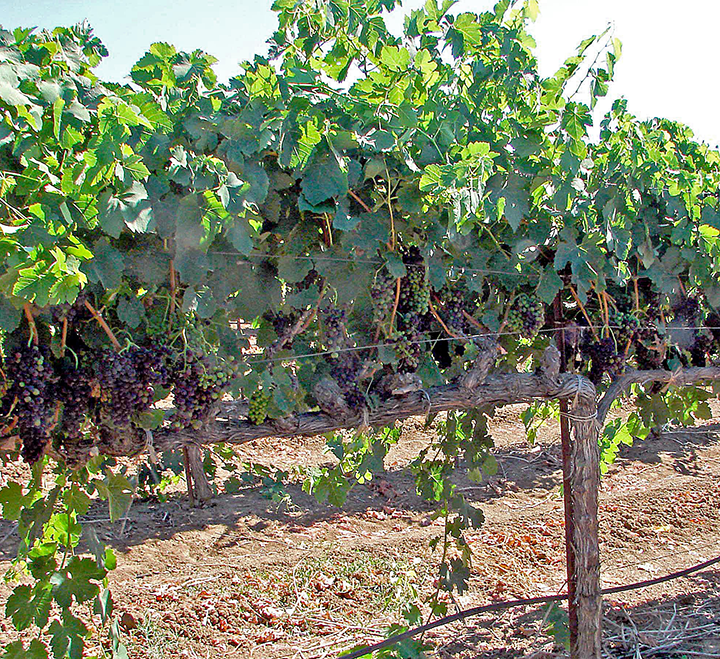
Cordon-trained Spur Pruned Vineyard
Spur Pruning: Precision in Pinot Noir
Particularly popular in Burgundy, the home of Pinot Noir, spur pruning involves short, lateral branches that produce the grape clusters. This method allows for precise control over the grape yield, ensuring concentration of flavors. The resulting wines are known for their delicacy, complexity, and a distinct expression of terroir.
Trellis Systems: Adapting to Modern Demands
Trellis systems, including Vertical Shoot Positioning (VSP) and Smart-Dyson, are common in regions with high humidity and vigorous vine growth. VSP, for instance, is widely used in New Zealand. These systems facilitate air circulation, reducing the risk of mold and mildew. The wines from these regions often exhibit vibrant fruit flavors and crisp acidity.
Vertical Shoot Positioned Trellis System
1. Vertical Shoot Positioning (VSP):
– Description: VSP involves training the grapevines vertically, with shoots growing upward. It is a widely adopted method, especially in cooler climates. Canes are typically tied to wires, allowing for better sunlight exposure and air circulation.
– Reasons for Adoption: VSP is favored for its efficiency in managing canopy growth, which aids in sunlight penetration, essential for even ripening. This method also facilitates mechanized vineyard operations and harvesting.
– Popularity: VSP is highly popular, particularly in regions with cool climates, such as Burgundy and Oregon.
– Impact of Weather and Location: VSP is well-suited for areas with moderate climates, as it helps maximize sun exposure. In cooler regions, it helps mitigate the risk of frost damage by elevating buds above potential frost pockets.
– Varietals: Pinot Noir and Chardonnay thrive under VSP due to the controlled canopy and improved ripening conditions.
– Machine Harvesting: VSP is compatible with machine harvesting, making it a preferred choice for large-scale vineyards.
2. Smart-Dyson:
– Description: This method involves training the vines in a circular fashion, resembling an open umbrella. It was developed to address challenges in canopy management.
– Reasons for Adoption: Smart-Dyson aims to optimize sunlight exposure and air circulation while minimizing disease pressure. It allows for better control over yields and grape quality.
– Popularity: Commonly used in regions like Bordeaux and parts of California, where Bordeaux varietals are predominant.
– Impact of Weather and Location: Smart-Dyson can be adapted to different climates, but it is particularly useful in regions with warm temperatures, as it helps prevent sunburn on grapes.
– Varietals: Cabernet Sauvignon and Merlot are often trained using the Smart-Dyson method, benefiting from the balanced canopy.
– Machine Harvesting: While possible, machine harvesting might be more challenging due to the unique canopy structure.
Pergola Training in the Vineyard
Pergola System: Embracing Tradition in Italy
Italy, known for its rich winemaking history, often embraces the traditional pergola system. With vines trained overhead in a canopy-like fashion, this method protects grapes from excessive sunlight and enhances air circulation. Wines from regions like Valpolicella reflect the tradition, offering a unique combination of richness and freshness.
Espalier: Artistry in Elegance
Espalier, a technique that involves training vines along a flat, vertical surface, is a testament to the artistry in winemaking. Commonly found in Champagne, this method allows for precise control over grape exposure to sunlight. Champagnes crafted with espalier-trained vines showcase finesse, delicate bubbles, and nuanced flavors.
Correlation between Vine Training and Wine Characteristics
The correlation between vine training and wine characteristics is profound. The architecture of the vine directly influences factors such as sunlight exposure, air circulation, and grape ripening, which, in turn, shape the flavor profile, structure, and aging potential of the wines. Regions with specific climate conditions often adopt vine training approaches that mitigate challenges unique to their environment, leading to distinct wine styles.
In the intricate tapestry of winemaking, vine training emerges as a pivotal brushstroke, allowing winemakers to paint a canvas of flavors, aromas, and textures. The careful selection of vine training approaches reflects a deep understanding of the interplay between nature and craftsmanship. As wine enthusiasts, exploring the connection between vine training and the wines we cherish enhances our appreciation for the artistry behind each bottle.




















 SOMM&SOMM
You must be logged in to post a comment.