Category: Wine Business

  • The Good, the Bag, and the Corkless

    The Good, the Bag, and the Corkless

    Box Wine – An Honest Sommelier’s Guide.

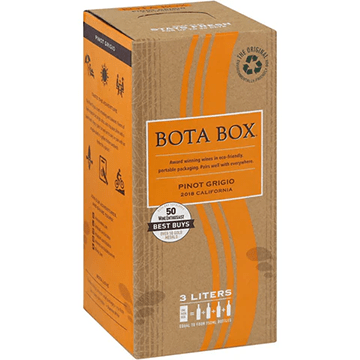
    When it comes to wine, the shape of the container often stirs as much conversation as what’s inside. There’s the stately glass bottle, a symbol of elegance and heritage, the trendy can for quick convenience, and then… there’s the box. For many wine enthusiasts, bag-in-a-box wines are the embodiment of heresy—a shortcut, a compromise, or even a betrayal to the sacred tradition of corks and glass. Yet, the reality is that box wines are becoming a fixture in the market, with roughly 5% of global wine sales being attributed to this format. So, let’s take a deep, aerated breath, set aside the corkscrew for a moment, and uncork the facts, fables, and myths about box wine… beginning with a quick toast!

    To our beloved friend and neighbor, the queen of the cardboard vintage, whose love of box wine reminds us all that true wine appreciation isn’t about the bottle, but the joy it brings! Here’s to the convenience, the never-ending pour, and the courage to sip without snobbery. May your glass always be full, your box never run dry, and your taste buds remain blissfully unbothered by tradition. Cheers to drinking what you love and never judging a wine by its packaging!

    Greg and Tammy Dean, SOMM&SOMM

    The Positives: A Fresh Take on Wine

    1. Cost-Effective for the Casual Sipper
      One undeniable strength of box wine is its affordability. Without the cost of glass bottles, corks, and fancy labels, wineries can save money, and so can you. This makes it easier to buy wine in larger quantities, perfect for casual gatherings, barbecues, or that book club meeting where finishing a three-liter box might not be a challenge but a rite of passage.
    2. Eco-Friendliness & Lower Carbon Footprint
      Box wines often come in recyclable materials, and because they’re lighter and more compact than traditional bottles, they’re more eco-friendly. Fewer emissions are involved in transporting them, and the packaging has a smaller carbon footprint overall. Plus, the wine inside is housed in an airtight bag, which collapses as it’s emptied, reducing oxidation and keeping the wine fresher for longer once opened.
    3. Extended Shelf Life Once Opened
      Speaking of freshness, box wines hold another hidden gem: they stay fresh for weeks, sometimes up to a month, after opening! This is a win for casual drinkers who don’t want to commit to finishing an entire bottle in a single sitting. Unlike glass bottles, the vacuum-sealed bag inside the box helps to minimize air exposure—one of wine’s worst enemies—extending the life of your favorite everyday sipper.
    Photo by Valeria Boltneva on Pexels.com

    The Negatives: Box Wine’s Not-So-Secret Flaws

    1. Taste & Material Concerns
      The wine in a box is housed in a bag made from polyolefinic films. These materials are generally food-safe, but they can influence the taste, especially if the wine sits for too long. Some palates notice subtle chemical notes or alterations—like a “plastic tinge”—as the polyolefinic materials slowly interact with the liquid inside. This isn’t a problem for those who finish the box quickly, but it’s something for the discerning drinker to be aware of.
    2. Higher Sugar Content & Sulfites
      Box wines, particularly the inexpensive and mass-produced varieties, tend to have a higher sugar content compared to many bottled wines. This not only makes them more appealing to a broader audience (hey, a little sweetness never hurt anyone), but it also necessitates a higher level of sulfites for preservation. Sulfites help prevent unwanted fermentation and spoilage, but some wine lovers find that they can contribute to headaches or allergic reactions. If you’re sensitive to sulfites, consider checking the label carefully or choosing box wines that emphasize lower sulfite levels.
    3. Limited Selection & Quality Concerns
      Box wines usually offer less variety when it comes to premium and rare options. While the quality of box wine has improved over the years, with some brands now offering respectable reds, whites, and rosés, don’t expect to find complex Bordeaux, vintage Barolo, or an aged Napa Cabernet in a box. The typical box wine experience is geared towards light, fruity, and easy-drinking wines without the nuance of their bottled counterparts.

    Box vs. Bottle vs. Can: A Comparative Sip

    • Bottle: The gold standard for collectors and connoisseurs. Glass is inert, meaning it doesn’t interfere with the wine’s taste, and bottles are often the go-to choice for wines meant to age. There’s also something ritualistic about uncorking a bottle, whether you’re popping a Champagne or pulling the cork on a classic Rioja.
    • Can: The ultimate in convenience, cans are perfect for picnics, festivals, and when you just need a glass (or two) of wine without opening an entire bottle. The aluminum can slightly affects the wine’s flavor, but most canned wines are designed to be consumed fresh and young, making this negligible.
    • Box: The champion of quantity, affordability, and longevity once opened. While lacking in prestige and complexity, it makes up for it in practicality. Box wines are the unsung heroes of low-key barbecues, camping trips, and no-fuss weeknight dinners. The packaging isn’t great for aging or preserving delicate flavors, but it’s a brilliant solution for the “I-just-want-a-glass” wine drinker.

    Common Myths About Box Wine: Busting the Baggage

    1. Myth: All Box Wines Are Low Quality.
      Fact: Not true! While the bulk of box wines focus on easy-drinking and affordable styles, some producers are starting to embrace the format with higher-quality offerings. Seek out brands that prioritize winemaking and varietal expression. There’s even been a rise in organic and biodynamic box wines.
    2. Myth: Box Wine Has to Be Finished Immediately.
      Fact: Nope! Unlike bottled wine, which can go bad within a few days of opening, box wine’s sealed bag keeps it drinkable for up to four weeks. It’s one of the best formats for those who sip slowly.
    3. Myth: Only Sweet Wines Come in Boxes.
      Fact: Though sweet and semi-sweet wines dominate the box wine market, there are plenty of dry options available. Explore beyond the well-known brands, and you may find a decent dry Chardonnay or a snappy Cabernet Sauvignon that rivals some bottled versions.

    The Verdict: Unboxing the Truth

    So, should you dive into the world of box wine? It depends on what you’re looking for. If you’re a wine lover who enjoys a glass every now and then, or if you’re hosting a larger crowd, box wine is a fantastic, budget-friendly option. For more discerning tastes or special occasions, traditional bottles still reign supreme.

    Ultimately, wine is about enjoyment, not about being judged for the vessel it comes in.

    Gregory Dean, SOMM&SOMM

    Whether it’s a three-liter bag-in-a-box, a slim aluminum can, or a dusty bottle of aged Bordeaux, what matters most is that you’re sipping something you love, surrounded by people who make the experience worthwhile.

    So the next time you catch yourself eyeing a box on the shelf, don’t grimace—embrace the corkless adventure. Who knows? You might just find your next go-to sipper sealed away in cardboard, nestled in a bag, and ready to be tapped at your convenience. Cheers to trying something new and keeping your palate open—just don’t forget to keep your corkscrew handy for the next bottle! Cheers 🍷

    References

    Thompson-Witrick, K. A., Pitts, E. R., Nemenyi, J. L., & Budner, D. (2021). The Impact Packaging Type Has on the Flavor of Wine. Beverages, 7(2), 36. https://doi.org/10.3390/beverages7020036

  • Domaine Carneros Sparkling Party

    Domaine Carneros Sparkling Party

    A Toast to Tradition and Togetherness.

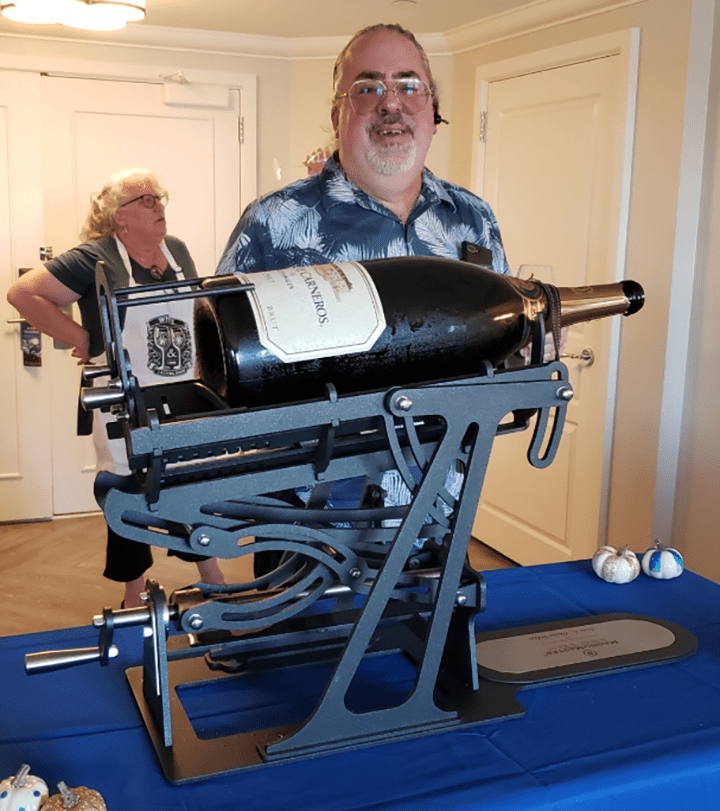
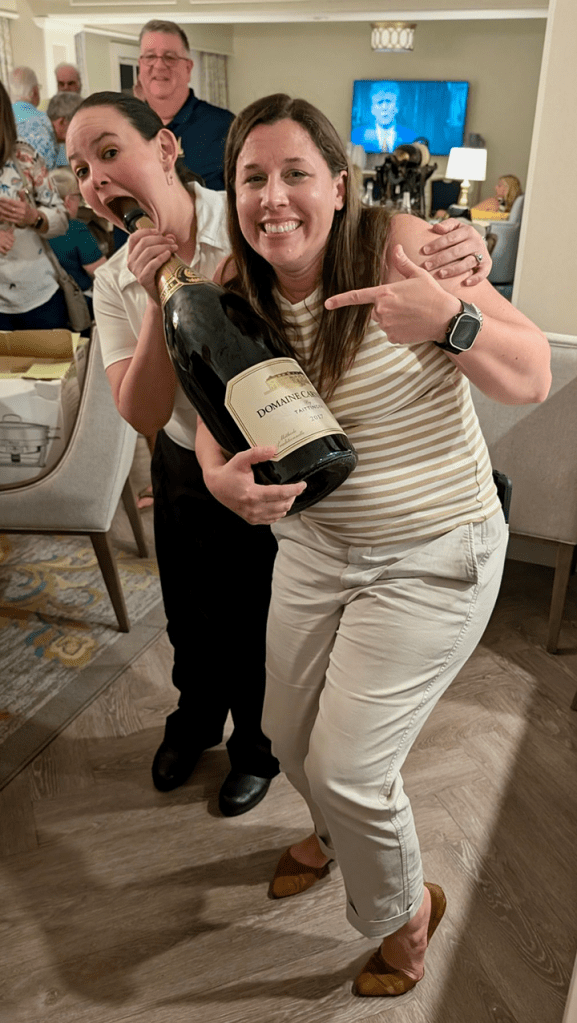
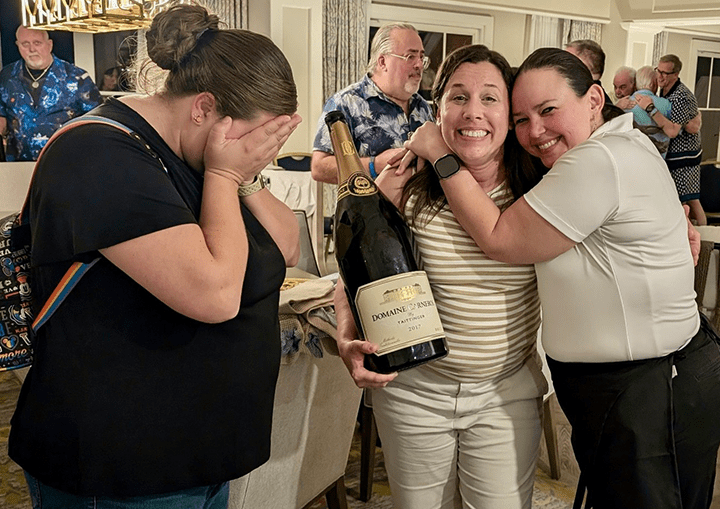
    As a grand kickoff to Scott and Alison White’s week-long 36th-anniversary festivities, this year’s Sparkling Party brought together family and friends at Disney’s Boardwalk Resort for an evening overflowing with camaraderie, exquisite food, and the celebrated Domaine Carneros sparkling wines. This year’s feature: three impressive six-liter bottles of the 2017 Taittinger Domaine Carneros Brut, each bottle holding the lively energy and character that made it the evening’s “magic elixir.”

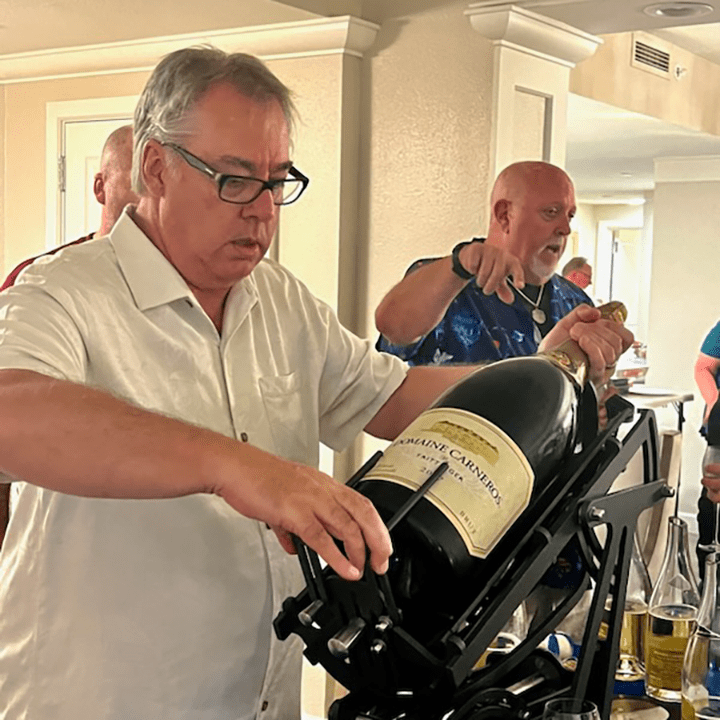
    Scott White sabers a bottle of Domaine Carneros

    Sabering the Sparkling: A Celebration in Every Strike

    Scott White, an aficionado of Napa’s finest wines, proudly opened the evening with a daring sabering of the first large-format bottle, a feat he performed for the first time, thrilling his guests. With Scott’s deft, confident strike, a burst of effervescence flowed as the cork and neck were swept away, marking a spirited beginning to the evening. Following in Scott’s footsteps were Brian Toung and Dima Semenski, who each took up the saber with both excitement and skill, making clean cuts that set the night’s festive tone. Their efforts epitomized the camaraderie and celebration that this party—and the art of sabering itself—so beautifully embody.

    Read about these three sabertiers: The Art and Ritual of Sabering Sparkling Wine: A Master Class

    A Sparkling Legacy

    The Domaine Carneros Brut, from the esteemed 2017 vintage, poured with an elegance that complemented the gathering’s lively spirit. Its fine mousse and balanced acidity elevated every bite, pairing especially well with the variety of appetizers thoughtfully prepared for the event. The Brut’s light brioche, citrus, and apple notes mingled with the menu, enhancing every pairing as each course was unveiled.

    A Feast for the Ages

    This year’s menu was a true banquet, carefully curated to pair harmoniously with the sparkling wines. The cold plates—shrimp cocktail, lump crab, and salmon crackers—offered a fresh, clean introduction, perfectly suited to the Brut’s zesty minerality. A charcuterie and cheese plate was rich in flavor, providing a range of textures and tastes that beautifully highlighted the wine’s toasty notes.

    The fruit platter, with ripe strawberries, juicy pears, and the indulgent blue cheese and candied walnut pairings, was a refreshing contrast to the sparkling wine’s crisp acidity. Caprese skewers and veggie plates kept the palate lively, while deviled eggs added a creamy, savory delight.

    The hot dishes were a masterpiece in their own right, showcasing beloved classics and a few surprises. Bacon-wrapped scallops, a crowd favorite, brought out the subtle smokiness in the Domaine Carneros Brut, while mini quiches with bacon and Swiss and savory onion and goat cheese phylo cups matched the wine’s complexity sip for sip. Brie and fig phylo cups, with their luxurious combination of creamy brie and sweet fig, proved to be another highlight alongside the sparkling wine’s effervescence.

    The Pompon sandwiches, featuring Argentinian sausage, and Pizza Piena, an Italian-style pie, added rich heartiness to the mix, a delightful pairing with the structured yet delicate bubbles of the Brut. Abundantly flavored dishes, such as stuffed mushrooms, pot stickers, and Spanish albondigas (meatballs), held their own next to the sparkling wine, creating a symphony of flavors that each sip of Domaine Carneros only heightened.

    Dessert and the Perfect Pairing

    To bring the evening to a sweet close, a stunning array of desserts was served alongside the Domaine Carneros Demi-Sec. The Demi-Sec, with its slight sweetness and softer acidity, was the ideal match for the variety of treats on offer. Each bite, from rich pastries to light fruit-based desserts, found its perfect complement in the Demi-Sec’s balanced sweetness, with flavors that lingered delicately on the palate.

    A Toast to the Sparkling Party

    As the night wound down, a few guests enjoyed glasses of Armagnac, raising a final toast to friendship, to Scott and Alison’s enduring love, and to the memories shared and created anew. With Domaine Carneros sparkling wine in hand and laughter filling the air, the evening was a testament to tradition, good company, and the pure joy of savoring exceptional wine and food in celebration of life’s finest moments. Cheers 🥂

  • Winemaking in Autumn: Harvest, Vine Preparation, and the Hidden Tasks of the Season

    Winemaking in Autumn: Harvest, Vine Preparation, and the Hidden Tasks of the Season

    Third article in the series–The Seasons of Winemaking.

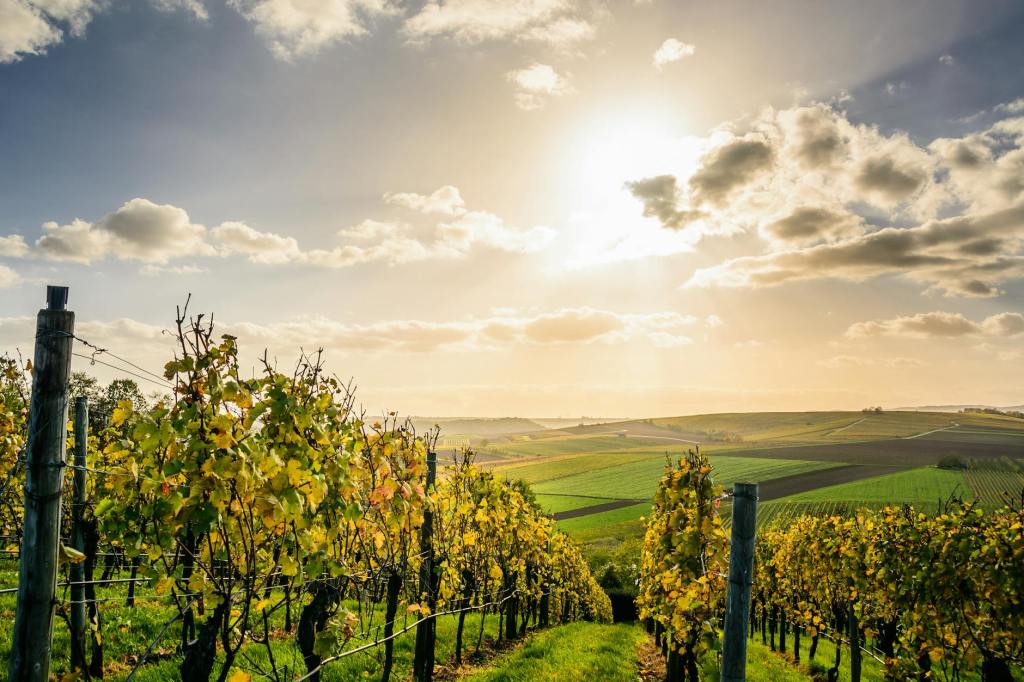
    As the leaves begin to turn, the excitement in the vineyard is palpable. Autumn is the season most commonly associated with winemaking, often evoking images of grapes being hand-harvested and clusters piled high in baskets. While harvest may indeed be the centerpiece of the season, there are numerous other tasks that play equally critical roles in ensuring the quality of the wine and the sustainability of the vineyard. This article delves into not only the harvest but also the less glamorous yet essential activities that take place in the vineyard and winery during the fall.

    Vineyard in October, Lower Austria – © Karl Gruber / Wikimedia Commons
    A Delicate Balance of Science and Instinct

    Harvesting grapes is the most anticipated event of the winemaking calendar. It’s a race against time, as winemakers must decide the exact moment to pick the grapes based on their sugar, acid, and tannin levels. This decision is a combination of careful science—using refractometers to measure sugar (Brix) and pH meters to gauge acidity—and deep experience, where tasting the grapes is just as important as the metrics.

    For most winemakers, harvest is staggered. White wine grapes like Chardonnay and Sauvignon Blanc often ripen earlier than red varieties such as Cabernet Sauvignon or Syrah. Each grape variety, and indeed each vineyard block, requires unique attention, as factors like slope, soil composition, and sun exposure lead to different ripening times. As a result, harvest can stretch over several weeks, with winemakers and vineyard managers working around the clock to ensure that each grape is picked at its peak.

    However, beyond simply picking grapes, winemakers must also deal with logistical hurdles, such as organizing teams of workers, securing harvest machinery, and ensuring that the winery is ready to receive the influx of fruit.

    Sorting Merlot Grapes at Chateau Kirwan – Ryan O’Connell, CC BY-SA 2.0 via Wikimedia Commons
    Precision Matters

    Once grapes are harvested, they head straight to the sorting table. Sorting is a less romantic but absolutely critical process. Here, vineyard workers meticulously sift through the clusters to remove underripe, overripe, or damaged fruit, along with leaves, stems, or any other debris. This ensures that only the healthiest grapes make it to the fermentation tanks. A little-known fact is that, for some premium wines, winemakers may even opt for a second sorting, this time focusing on individual berries to further refine the quality of the final product.

    A Controlled Chaos

    Depending on the type of wine being made, pressing happens at different stages. For white wines, the grapes are usually pressed immediately after sorting, separating the juice from the skins and seeds before fermentation. In contrast, red wines undergo fermentation with their skins to extract color, tannin, and flavor, after which they are pressed.

    Punching Down the Wine Cap – Ryan O’Connell, CC BY-SA 2.0 via Wikimedia Commons

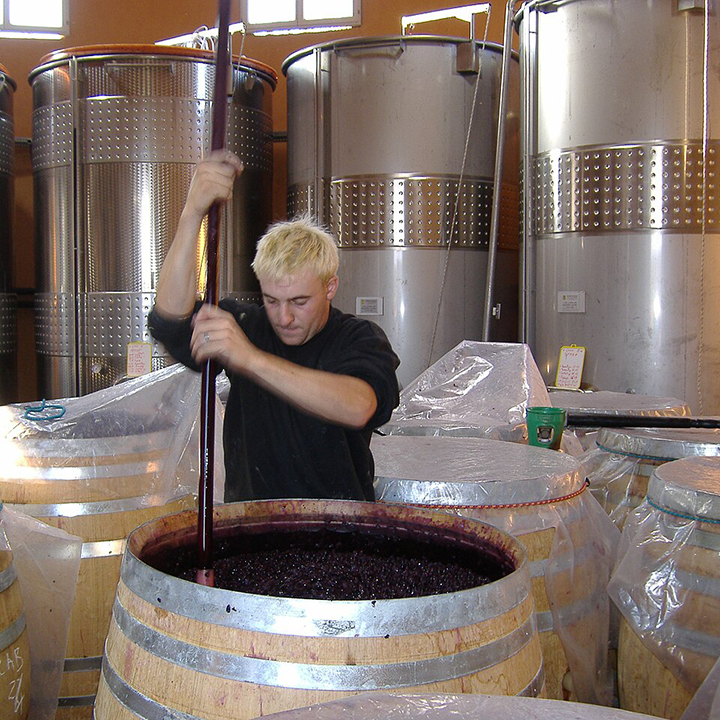
    Fermentation, though a naturally occurring process, is far from hands-off. Winemakers must closely monitor temperature, sugar levels, and fermentation activity. In many cases, they may also punch down the cap (the layer of grape skins that rises to the top during red wine fermentation) or pump over the juice to ensure maximum extraction of color and flavor. All the while, cleanliness is paramount, as any contamination can lead to unwanted bacterial or yeast activity, jeopardizing the entire batch.

    Post-Harvest Tasks

    While the grapes may have been picked, the vineyard itself still requires attention. After harvest, winemakers and vineyard managers focus on preparing the vines for winter dormancy.

    1. Cover Crops: Many vineyards plant cover crops—such as legumes or grasses—between the rows of vines. These crops serve multiple purposes: they help prevent soil erosion during the rainy season, add nutrients to the soil, and encourage beneficial insects that control pests.
    2. Post-Harvest Irrigation: Although the vines are entering dormancy, they still need a final round of irrigation after the harvest. This helps the plants store the necessary carbohydrates for the following growing season.
    3. Disease Control: As the temperatures drop, there’s an increased risk of fungal diseases like botrytis. Spraying for these diseases before the onset of heavy rains helps to maintain the health of the vineyard.
    4. Soil Analysis and Amendments: Autumn is also the time for soil sampling. Winemakers test for pH levels, nutrient content, and overall health, and then amend the soil as needed, incorporating compost or other organic materials to restore balance before winter.
    Preparing for Aging

    Once fermentation is complete, the wine is transferred to barrels or tanks for aging. This is where a winemaker’s vision really begins to take shape. The choice of oak, stainless steel, or even concrete vessels is deliberate, as each medium imparts different characteristics to the wine. Some winemakers also add fining agents to clarify the wine at this stage or conduct blending trials to experiment with how different lots can be combined to create the final product.

    Oak Barrels at Robert Mondavi – Sanjay Acharya, CC BY-SA 3.0 via Wikimedia Commons

    For many wineries, autumn also marks the beginning of bottling for wines that are not meant for extended aging. White wines or rosés from the previous harvest, which may have been aging in tanks over the summer, are typically bottled during this time.

    Preparing for Winter

    After the frenzy of harvest, the winery itself needs attention. Deep cleaning is essential to prevent any residual grape matter from spoiling the next vintage. All equipment—fermentation tanks, presses, sorting tables, pumps, hoses—undergo thorough sanitization. Additionally, barrels that are not in use must be properly cleaned and stored to prevent mold or other issues during the colder months.

    Pruning and Training

    Autumn is also a time for reflection and planning. While pruning primarily happens in the winter, autumn gives vineyard managers an opportunity to assess the overall structure and health of the vines. Observing how the vines performed during the growing season allows them to make informed decisions about which canes to prune and how to shape the vine’s growth for the following year.

    Additionally, autumn is a good time to inspect and repair the vineyard’s trellising systems. Any broken posts or wires need to be fixed before the winter storms set in, as these structural components are crucial for supporting the vines through the next growing season.

    Related Article: Winemaking in Spring: From Bud Break to Flowering

    Related Article: Winemaking in Summer: How to Manage the Vines and Grapes

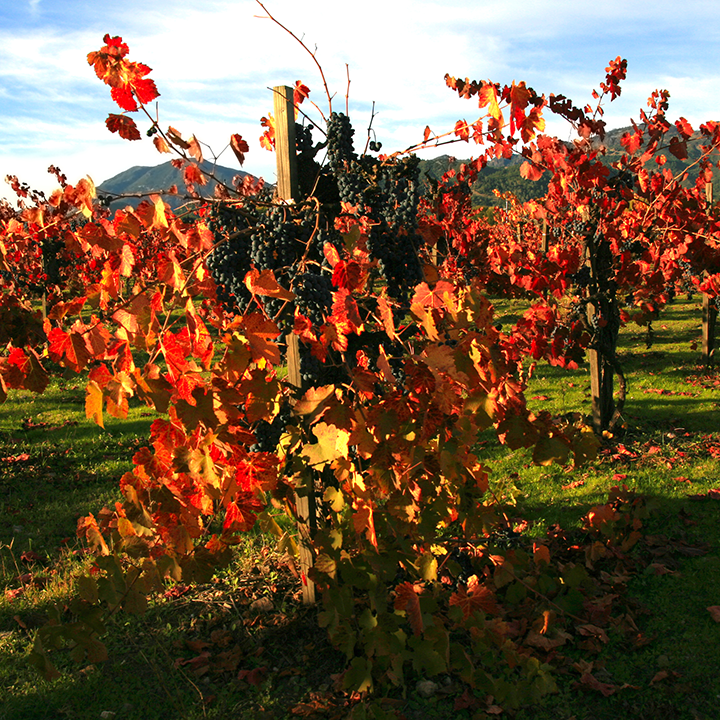
    Ready for Harvest – © Karl Gruber / Wikimedia Commons
    More Than Just the Harvest

    Autumn is a season of transition in the vineyard and winery. While the harvest is undoubtedly the focal point, winemakers and vineyard managers must juggle a myriad of tasks to ensure that the vines are properly prepared for dormancy and that the wine begins its journey from fermentation to bottle. From the invisible maintenance of soil and vine health to the meticulous work inside the winery, autumn lays the groundwork for the success of the next vintage, proving that there’s far more to this season than simply picking grapes. Cheers 🍷

    Cover photo credit: Brocken Inaglory, CC BY-SA 3.0 via Wikimedia Commons

  • The Organoleptic Process

    The Organoleptic Process

    A Deep Dive into this Important Process for Wine Classification.

    Organoleptic screening, a sensory evaluation involving sight, smell, taste, and sometimes texture, is one of the most crucial and fascinating steps in the classification of top-tier wines. This process plays a vital role in determining a wine’s eligibility for prestigious labels such as Italy’s Denominazione di Origine Controllata e Garantita (DOCG) and Spain’s Denominación de Origen Calificada (DOCa). Through rigorous sensory testing, these wines are evaluated not just for adherence to technical standards but for their ability to embody the qualities expected from their appellation and vintage.

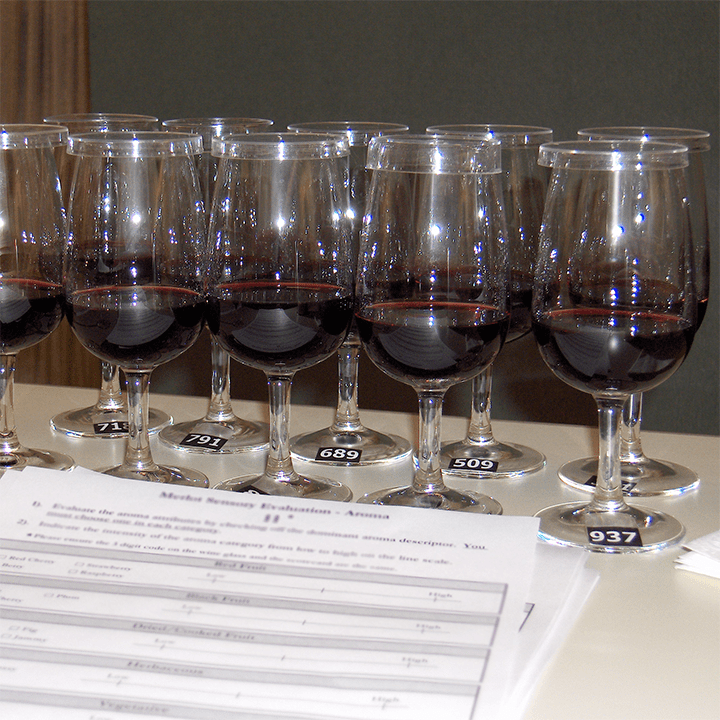
    Merlot Evaluation – Bradley Cooper, CC BY 2.0 via Wikimedia Commons

    The Origins of Organoleptic Screening

    The term “organoleptic” stems from the Greek words “organon” (organ) and “leptikos” (sensitive). In essence, it refers to the human sensory faculties used to perceive and evaluate products like wine. This process has roots in early agricultural societies, where farmers and winemakers relied on their senses to judge the quality of their products.

    However, it wasn’t until the 20th century that formal regulatory frameworks began incorporating organoleptic screening into legal systems governing wine classifications. Today, this subjective sensory evaluation complements objective chemical analysis, offering a holistic assessment of wine quality.

    Countries and Regions Using Organoleptic Testing

    Several prominent wine-producing countries use organoleptic screening as part of their classification systems. These include:

    Italy – DOCG

    Italy’s Denominazione di Origine Controllata e Garantita (DOCG) is the highest classification for Italian wines. Before receiving the DOCG label, wines must pass rigorous organoleptic testing to ensure they meet the sensory standards expected of their region and vintage. Key regions include Barolo and Brunello di Montalcino, where producers must submit samples for sensory evaluation by a panel of experts before release.

    Spain – DOCa (Rioja and Priorat)

    In Spain, the Denominación de Origen Calificada (DOCa) is a step above the regular DO classification. Currently, only Rioja and Priorat hold the DOCa designation. Wines from these regions are subject to organoleptic screening to confirm they meet the stringent quality standards for flavor profile, aroma, balance, and typicity.

    France – AOC (Appellation d’Origine Contrôlée)

    Though not officially named “organoleptic” testing, France’s Appellation d’Origine Contrôlée (AOC) system employs similar sensory evaluation protocols. Regions like Burgundy and Bordeaux have regulatory bodies that conduct tastings to ensure the wines reflect the terroir and meet the stylistic expectations associated with their appellation.

    Portugal – Tawny Port

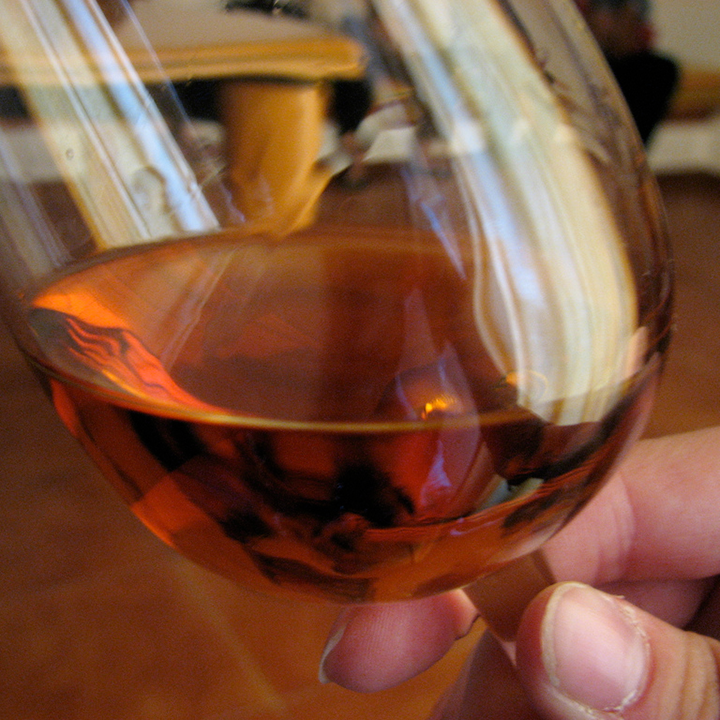
    One of the most interesting applications of organoleptic screening occurs with tawny ports in Portugal. Here, the process is used to determine the perceived age of the port (e.g., 10 years, 20 years, 30 years, 40 years). This assessment is highly subjective, relying on the expert palates of a tasting panel to judge the port’s maturity, complexity, and aging characteristics. While chemical analysis can help, it is the organoleptic judgment that ultimately determines if a tawny port can be labeled as a specific age.

    Evaluating Wine – Christina Snyder, CC BY 2.0 via Wikimedia Commons

    The Organoleptic Process: How It Works

    The organoleptic screening typically consists of several key steps:

    Sensory Evaluation:

    Wine samples are subjected to a sensory analysis that evaluates four key characteristics:

    • Sight: Appearance and clarity of the wine, including color, viscosity, and any potential faults.
    • Smell: Aromatic profile, including intensity and complexity of fruit, floral, earthy, and other scents.
    • Taste: Balance of flavors, acidity, sweetness, tannins, alcohol, and the overall harmony of the wine.
    • Mouthfeel/Texture: How the wine feels in the mouth, including body, weight, and structure.

    Panel Composition:

    Organoleptic evaluations are typically conducted by panels of trained wine tasters. These committees often consist of winemakers, sommeliers, wine educators, and occasionally oenologists. They bring a blend of expertise and practical experience to the process. The panel size can vary but often includes 5 to 10 individuals, ensuring a range of perspectives while maintaining consistency.

    Standardized Protocols:

    To minimize subjectivity, these panels follow standardized tasting protocols. Wines are usually tasted blind, with no information on the producer or vintage, ensuring an unbiased evaluation. The panel uses score sheets to rate the wine on various sensory dimensions, with threshold scores required for the wine to pass.

    The Importance of Organoleptic Screening

    Organoleptic testing serves several critical functions in the wine classification process:

    Upholding Regional Identity

    The primary purpose of organoleptic screening is to ensure that a wine accurately reflects the qualities expected from its appellation. This is particularly important for prestigious regions like Barolo or Rioja, where consumers expect a certain flavor profile and stylistic consistency across vintages.

    Ensuring Quality Control

    Organoleptic testing adds a human element to quality control that complements chemical analysis. While laboratory testing can confirm technical aspects like alcohol content or sulfite levels, it cannot assess the overall sensory experience of the wine. Human tasters can identify subtle faults or imbalances that a machine might miss.

    Protecting the Consumer

    Consumers rely on labels like DOCG or DOCa as markers of quality. Organoleptic screening ensures that wines carrying these labels meet the high standards associated with them, protecting consumers from subpar products that may damage the reputation of an entire region.

    Tawny Port – Jon Sullivan, Public domain, via Wikimedia Commons

    Tawny Port: Organoleptic Evaluation for Perceived Age

    Tawny port, a style of aged fortified wine from Portugal, provides a fascinating case study in the use of organoleptic testing. Unlike vintage ports, which are made from a single year’s harvest and aged in the bottle, tawny ports are aged in wooden barrels. As they age, tawny ports develop complex flavors and aromas, including notes of caramel, dried fruit, nuts, and spice.

    One of the defining features of tawny port is its labeled age designation—commonly 10 years, 20 years, 30 years, or 40 years. These age designations do not refer to the exact age of the wine, but rather the perceived average age based on the sensory experience of the taster.

    During organoleptic screening, tasters evaluate the tawny port for its:

    • Color: Aged tawny ports tend to shift from ruby hues to amber or brown.
    • Aroma: As tawny ports age, they lose primary fruit aromas and develop more oxidative, nutty, and caramelized notes.
    • Flavor Profile: The complexity of the wine increases with age, with older tawny ports displaying greater depth, balance, and a lingering finish.

    The panel’s subjective assessment of the wine’s age is based on how these sensory factors evolve over time. For example, a tawny port labeled as “30 Years” must present the characteristics expected of a port with three decades of aging.

    SOMM&SOMM Related Article: The History, Tradition, and Elegance of Port WIne

    Qualifications of Regulatory Committees

    The qualifications of the individuals on these panels are critical to the success of the organoleptic process. Members typically possess deep experience in the wine industry, often holding roles as winemakers, oenologists, sommeliers, or wine educators. Many have undergone formal sensory training to hone their tasting skills. In some cases, panelists must pass certification exams or undergo additional training specific to the appellation or classification system they are evaluating.

    Panelists are expected to be:

    • Objective: Able to set aside personal preferences and judge the wine according to its typicity and quality.
    • Experienced: Years of tasting experience are essential to develop the ability to detect subtle nuances in the wine.
    • Calibrated: Panel members often taste wines together before formal evaluations to calibrate their senses and ensure consistent judgments.

    The organoleptic process is a cornerstone of the world’s top wine classification systems. It ensures that wines carrying labels such as DOCG, DOCa, and AOC reflect the qualities expected from their appellation and meet rigorous quality standards. In the case of tawny port, organoleptic screening is used to determine the perceived age of the wine, adding a layer of complexity to the evaluation process. Ultimately, this subjective testing plays a critical role in preserving the integrity of prestigious wine regions and providing consumers with confidence in the wines they choose. Cheers 🍷

    Cover Photo Credit: William Lawrence, CC BY-SA 2.0 via Wikimedia Commons

  • The Genealogy of Grape Varietals

    The Genealogy of Grape Varietals

    Unveiling the Mysteries of Wine’s Most Celebrated Grapes

    In the world of wine, the grape is the star of the show, the foundation upon which all great wines are built. But have you ever wondered about the lineage of these illustrious berries? Let’s embark on a journey through the genealogy of the top 10 grape varietals, exploring their origins, the fascinating science behind them, and a sprinkle of myth and lore that makes each one even more intriguing.

    Photo by David on Pexels.com
    Understanding Hybrid, Cross, and Clone Varietals

    Before diving into the individual stories, it’s essential to understand some key terms:

    Hybrid: A hybrid grape is a cross between two different species (e.g. Vitis vinifera – Vitis lambrusca). These often arise to combine the best traits of each parent species, like disease resistance or cold hardiness.

    Cross: A cross, or crossbreed, is a grape created from two different varieties within the same species (Vitis vinifera – Vitis vinifera). This is common in Vitis vinifera, the primary species used in wine production.

    Clone: A clone is a genetically identical copy of a single grapevine. Clones arise through vegetative propagation, where cuttings from a vine are rooted to create new vines with the exact genetic makeup of the original.

    The Top 10 Grape Varietals and Their Genealogy

    Cabernet Sauvignon

    1. Cabernet Sauvignon

       – Species: Vitis vinifera

       – Genealogy: This noble grape is a natural cross between Cabernet Franc and Sauvignon Blanc, discovered in the 17th century in Bordeaux, France.

       – Myth and Lore: Legend has it that the grape first grew wild on the graves of fallen warriors, gaining strength from their spirits.

    Chardonnay

    2. Chardonnay

       – Species: Vitis vinifera

       – Genealogy: Originating from a cross between Pinot Noir and Gouais Blanc, Chardonnay has roots dating back to the Middle Ages in Burgundy, France.

       – Myth and Lore: Monks in Burgundy believed Chardonnay vines were a gift from the heavens, planted by angels to produce divine wines.

    Photo by Abynaya on Pexels.com

    3. Pinot Noir

       – Species: Vitis vinifera

       – Genealogy: Pinot Noir is an ancient variety, with genetic studies suggesting it dates back over 2,000 years, originating in the Burgundy region of France.

       – Myth and Lore: Some say that Pinot Noir vines were nurtured by druids, who believed the grape possessed mystical properties.

    Merlot

    4. Merlot

       – Species: Vitis vinifera

       – Genealogy: A descendant of Cabernet Franc and Magdeleine Noire des Charentes, Merlot emerged in the Bordeaux region in the 18th century.

       – Myth and Lore: Merlot was once thought to be the favorite grape of mermaids, who would sip its juice and sing songs of love and loss.

    Syrah/Shiraz

    5. Syrah/Shiraz

       – Species: Vitis vinifera

       – Genealogy: Syrah’s origins trace back to a cross between Dureza and Mondeuse Blanche, discovered in the Rhône Valley, France.

       – Myth and Lore: Ancient Persian legends tell of Syrah as a grape born from the tears of the god Syra, weeping for his lost love.

    Sauvignon Blanc

    6. Sauvignon Blanc

       – Species: Vitis vinifera

       – Genealogy: This grape is one of the parents of Cabernet Sauvignon, with its origins in the Loire Valley of France.

       – Myth and Lore: It is said that Sauvignon Blanc vines were found growing near the lair of a wise old fox who guarded them fiercely, believing the grapes held the secret to eternal youth.

    Zinfandel

    7. Zinfandel

       – Species: Vitis vinifera

       – Genealogy: Genetically identical to the Croatian grape Crljenak Kaštelanski and the Italian Primitivo, Zinfandel made its way to California in the mid-19th century.

       – Myth and Lore: Early settlers in California believed Zinfandel vines were protected by earth spirits who ensured bountiful harvests.

    Riesling

    8. Riesling

       – Species: Vitis vinifera

       – Genealogy: Riesling’s origins can be traced to the Rhine region of Germany, first documented in the 15th century.

       – Myth and Lore: German folklore suggests that Riesling vines were tended by elves, who imbued the grapes with a delicate sweetness.

    Tempranillo

    9. Tempranillo

       – Species: Vitis vinifera

       – Genealogy: Native to Spain, Tempranillo’s exact origins are unclear, but it has been cultivated on the Iberian Peninsula for over 2,000 years.

       – Myth and Lore: Spanish knights believed that drinking Tempranillo before battle would grant them courage and strength.

    Malbec

    10. Malbec

        – Species: Vitis vinifera

        – Genealogy: Originating in France, Malbec is a natural cross between Magdeleine Noire des Charentes and Prunelard. It gained fame in Argentina, where it thrived in the high altitudes.

        – Myth and Lore: In Argentine folklore, Malbec was blessed by the spirits of the Andes mountains, who ensured its rich, robust flavor.

    The Science and Magic of Varietal Creation

    Hybrid Varietals – Hybrids often arise from the need to improve specific traits. For example, Vidal Blanc is a hybrid of Ugni Blanc (Vitis vinifera) and a hybrid grape variety, created to withstand harsh Canadian winters.

    Cross Varietals – Crossbreeding within the same species can lead to remarkable discoveries, as seen with Pinotage, a cross between Pinot Noir and Cinsault, developed in South Africa in 1925 to create a robust grape suited to the local climate.

    Clones – Clones like the Dijon clones of Pinot Noir, selected for their specific traits such as small berries or disease resistance, demonstrate how subtle genetic variations can lead to significant differences in the wine’s profile.

    The genealogy of grape varietals is a blend of science and storytelling, where each grape’s journey from ancient roots to modern vineyards is as captivating as the wines they produce. Whether shaped by nature or nurtured by mythical beings, these varietals continue to enchant wine lovers around the globe, one sip at a time. So, the next time you raise a glass, remember the rich history and fascinating lineage that brought that wine to your table. Cheers 🍷

  • Pour & Explore – Southern France

    Pour & Explore – Southern France

    An Enchanting Evening at 95 and Vine

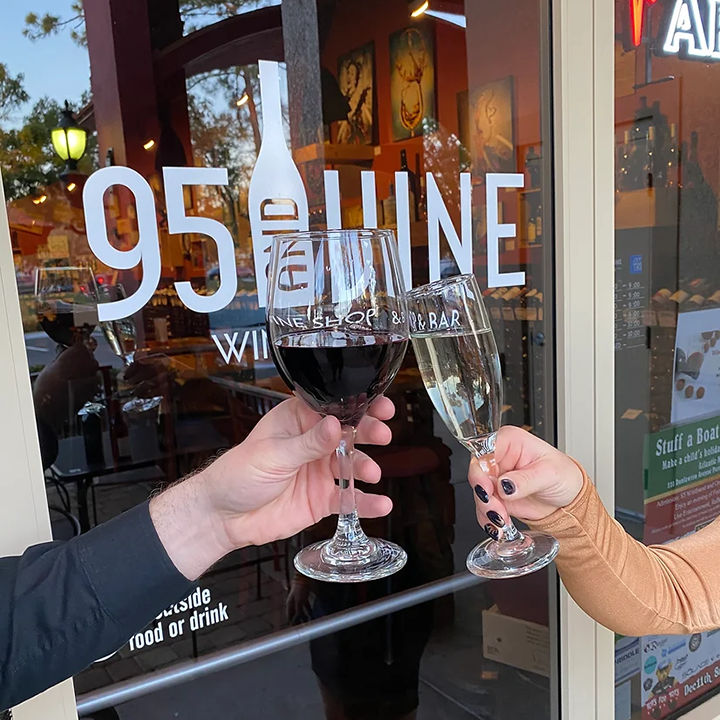
    As a professional sommelier and wine educator, I had the pleasure of hosting the ‘Pour & Explore – Southern France’ event at the charming 95 and Vine in Port Orange, FL. The evening was a resounding success, with a full house of enthusiastic wine lovers eager to explore the diverse and rich wines of Southern France. The atmosphere was electric, filled with curiosity and excitement.

    95 and Vine: The Perfect Venue

    From the moment I stepped into 95 and Vine, I knew it was the perfect venue for our event. The ambiance was both elegant and inviting, creating an ideal setting for an evening of wine exploration. The knowledgeable and professional team at 95 and Vine, led by the dedicated owner Martin Clark, ensured that every detail was meticulously attended to. From the beautifully set tables to the seamless pouring of each wine, the evening flowed effortlessly.

    Six Wines Carefully Selected to Represent the Diversity of Southern France

    The Wines

    2023 La Chapelle du Bastion – Picpoul de Pinet

    Region: Picpoul de Pinet, Languedoc

    We began our journey with the 2023 La Chapelle du Bastion Picpoul de Pinet. This crisp and refreshing white wine from the Languedoc region was a delightful introduction. I shared insights about the region’s maritime influence and limestone soils, which contribute to the wine’s bright acidity and mineral notes. Guests appreciated the zesty citrus flavors and crisp finish, especially when paired with the creative wine-inspired light fare on 95 and Vine’s menu.

    2022 Bila-Haut – Cotes du Roussillon – Blanc

    Region: Côtes du Roussillon, Roussillon

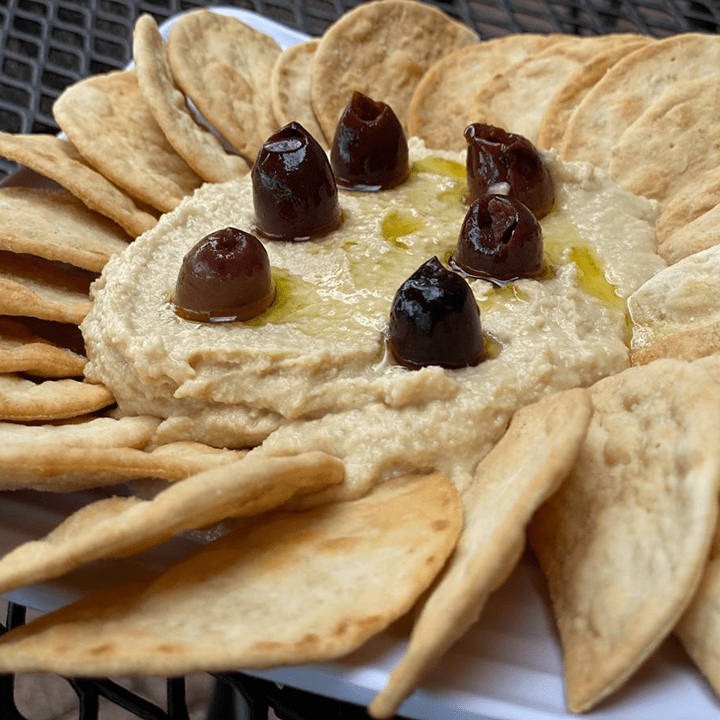
    Next, we traveled to the sun-drenched vineyards of Roussillon with the 2022 Bila-Haut Cotes du Roussillon Blanc. This white blend captivated everyone with its rich aromas of stone fruit and floral notes. I highlighted the region’s diverse terroir, shaped by the Mediterranean climate and rugged terrain. The wine’s balanced acidity and layered flavors were a perfect match for 95 and Vine’s hummus plate.

    2021 La Coste Rosé D’une Nuit

    Region: Provence

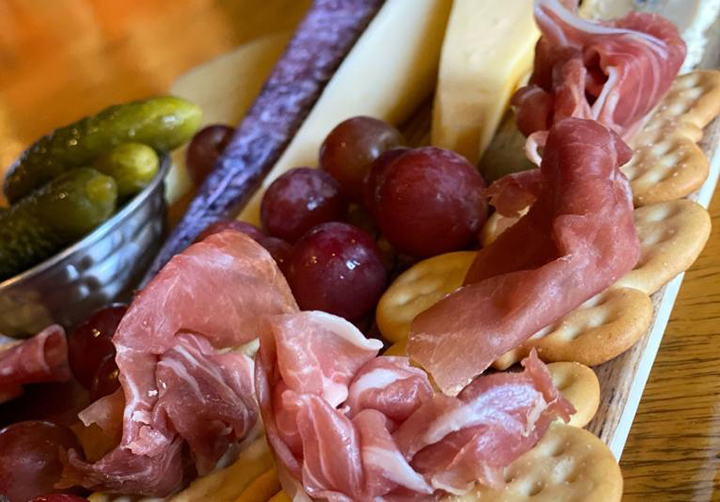
    The third wine, 2021 La Coste Rosé D’une Nuit from Provence, brought a touch of elegance and romance to our tasting. This pale pink rosé, with its delicate notes of red berries and citrus, quickly became a crowd favorite. I described Provence’s long history of rosé production and its dedication to quality winemaking. The wine’s light, refreshing character complemented the savory elements of the charcuterie board beautifully.

    Languedoc-Roussillon

    2021 Château Puech-Haut – Argali Rouge

    Region: Languedoc

    Transitioning to red wines, the 2021 Château Puech-Haut Argali Rouge from Languedoc showcased the region’s ability to produce bold, expressive wines. This blend of Syrah and Grenache offered rich aromas of dark fruit and spices, with a smooth, velvety texture. I emphasized the Languedoc’s dynamic winemaking traditions and its emphasis on innovation. The Argali Rouge’s robust flavors paired perfectly with the charcuterie board’s cured meats, providing a satisfying and memorable tasting experience.

    2022 Famille Lancon La Solitude – Côtes du Rhône

    Region: Côtes du Rhône

    The 2022 Famille Lancon La Solitude from Côtes du Rhône brought a touch of classic Rhône Valley elegance to the evening. This red blend, with its harmonious mix of Grenache, Syrah, and Mourvèdre, impressed guests with its complexity and balance. I delved into the rich history of the Côtes du Rhône region and its reputation for producing high-quality wines. The wine’s depth of flavor and smooth tannins paired excellently with the diverse selection of flatbreads.

    2020 Brotte – Les Hauts de Barville Châteauneuf-du-Pape

    Region: Châteauneuf-du-Pape, Rhône

    We concluded our tasting with the prestigious 2020 Brotte Les Hauts de Barville Châteauneuf-du-Pape. This powerful and elegant red wine, with its complex aromas of black fruit, herbs, and spices, was the highlight of the evening. I shared the storied history of Châteauneuf-du-Pape and its significance in the world of wine. The wine’s rich, full-bodied character offered a perfect ending to an unforgettable evening.

    A Memorable Experience

    Throughout the event, the guests were engaged and inquisitive, asking thoughtful questions and sharing their impressions of each wine. The charcuterie board, available upon request, was a delightful accompaniment, with carefully selected cheeses, meats, and other delicacies that perfectly complemented the wines. The positive feedback from attendees underscored the success of the evening, highlighting the enjoyable and educational experience we shared.

    Special thanks go to Martin Clark, the owner of 95 and Vine, for inviting me to lead this event and for his unwavering support in making it a memorable occasion. The success of ‘Pour & Explore – Southern France’ sets the stage for future events, with hopes of continuing to explore other wine regions and sharing the joy of wine with more enthusiasts.

    As the evening came to a close, guests left with a greater appreciation for the wines of Southern France and a sense of anticipation for the next ‘Pour & Explore’ event at 95 and Vine. I look forward to our next journey together through the world of wine. 🍷

  • The Elegance of Wine Glasses

    The Elegance of Wine Glasses

    A Deep Dive into Rolled Edge vs. Cut Edge

    When it comes to the world of wine, the vessel you choose to enjoy your vintage in can profoundly influence the experience. Whether you’re a seasoned oenophile or a curious beginner, understanding the intricacies of wine glasses can elevate your appreciation of the wine itself. Among the many features of a wine glass, the edge – specifically whether it is rolled or cut – plays a surprisingly pivotal role.

    Every detail, down to the very edge, contributes to the symphony of senses that is wine tasting.

    Gregory Dean, SOMM&SOMM

    Rolled Edge vs. Cut Edge: The Basics

    Rolled Edge Wine Glasses

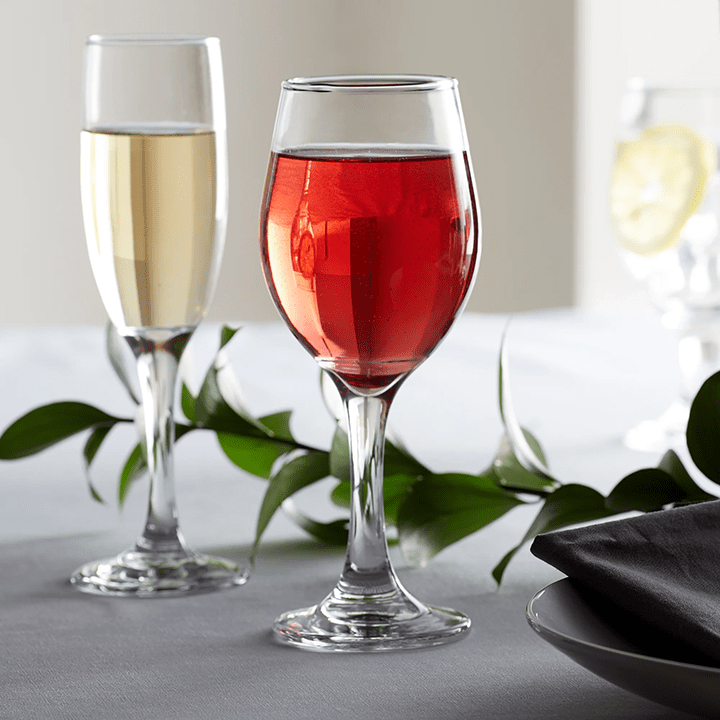
    A rolled edge wine glass features a lip that has been thickened by rolling the glass at the rim. This process creates a rounded, smooth edge. Rolled edges are often found in more durable, everyday glassware. They provide a comfortable drinking experience, as the thicker rim can be easier on the lips. However, the thicker edge may somewhat impede the direct flow of wine onto the palate, potentially dulling the sensory experience.

    Cut Edge Wine Glasses

    In contrast, a cut edge wine glass boasts a thin, sharp rim achieved by cutting the glass rather than rolling it. This style is prevalent in higher-end, sommelier-approved glassware. The fine edge allows the wine to flow smoothly and directly onto the tongue, enhancing the tasting experience by delivering more precise flavors and aromas.

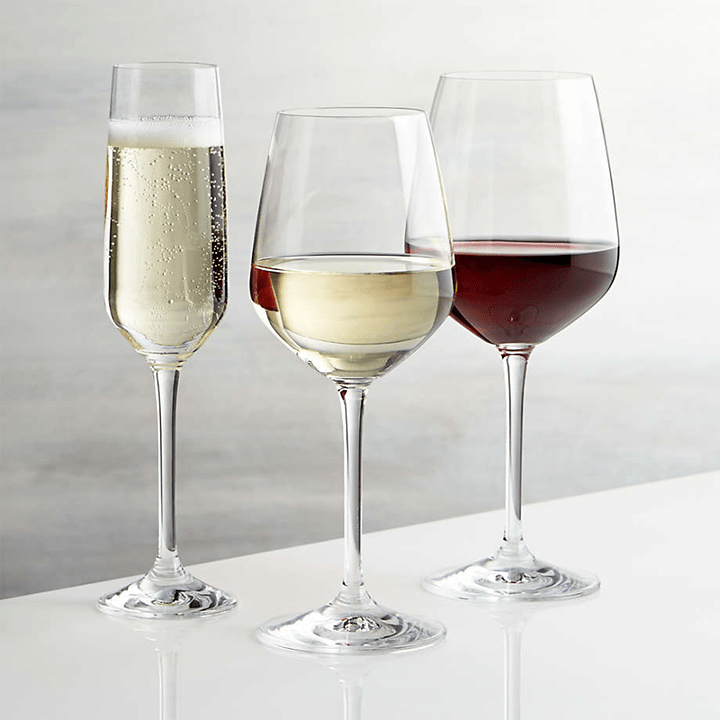
    Typical Rolled-edge Restaurant Wine Glasses

    When to Use Each Type

    Rolled Edge Uses

    – Casual Settings: Perfect for informal gatherings and outdoor events where durability and ease of use are prioritized over the nuanced tasting experience.

    – Everyday Use: Ideal for those who enjoy a glass of wine with dinner and prefer a sturdy, easy-to-clean option.

    Cut Edge Uses

    – Formal Occasions: Essential for wine tastings, dinners, and events where showcasing the wine’s full profile is the goal.

    – Wine Enthusiasts: Perfect for those who are passionate about wine and want to experience every subtle note and aroma.

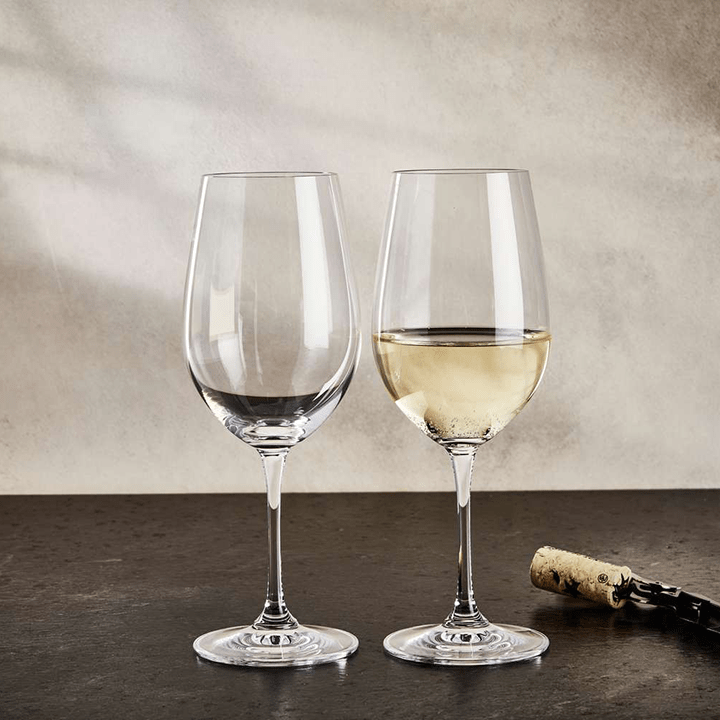
    Riedel Vinum Series Crystal Wine Glasses

    Glass Making Approaches and Formulas

    The material and craftsmanship behind wine glasses significantly influence their performance and the overall tasting experience. Let’s explore the primary materials used in fine glassware:

    Quartz Glass

    Quartz glass, or fused silica, is known for its exceptional clarity and resistance to thermal shock. It is less common in wine glasses due to its high cost and difficulty in molding. However, its superior clarity makes it a favorite in scientific applications and ultra-premium glassware.

    Soda-Lime Glass

    This is the most common type of glass, made from a combination of soda (sodium carbonate), lime (calcium oxide), and silica (silicon dioxide). Soda-lime glass is economical and durable, making it suitable for everyday use. However, it is generally less clear and brilliant than other types of glass.

    Lead Crystal

    Lead crystal, traditionally containing up to 30% lead oxide, is renowned for its brilliance and clarity. The lead content increases the refractive index, giving the glass a beautiful sparkle. Lead crystal is also more malleable when molten, allowing for intricate designs and thin rims. However, concerns about lead leaching have led to a decline in its use for drinkware.

    Lead-Free Crystal

    Modern advancements have produced lead-free crystal, which substitutes lead oxide with other metal oxides like barium or zinc. This material retains the desirable properties of traditional lead crystal – clarity, brilliance, and durability – without the health concerns. Lead-free crystal is now the standard for high-quality wine glasses.

    SOMM&SOMM Recommends: Riedel Vinum Crystal Glasses

    The Effect on the Wine-Tasting Experience

    The choice of glass material and design profoundly affects the wine-tasting experience:

    Clarity: Higher clarity materials, like lead or lead-free crystal, allow for better visual appreciation of the wine’s color and consistency. The ability to see the wine clearly can enhance the overall sensory experience.

    Thickness: Thinner rims, typical of cut edge glasses made from crystal, allow for a more delicate delivery of wine to the palate, enhancing the perception of flavors and aromas. Thicker, rolled rims, more common in soda-lime glass, can dull this precision but provide durability and comfort.

    Weight: Crystal glasses are typically lighter and more balanced than their soda-lime counterparts, which can enhance the tactile experience of swirling and sipping the wine.

    SOMM&SOMM Recommends: Zalto Denk’Art Universal Hand-Blown Crystal Glasses

    Science and Subjectivity

    Science tells us that the thinner, more precise rim of a cut edge glass improves the direct flow of wine, enhancing the sensory experience by delivering flavors and aromas more effectively. However, the subjective pleasure derived from using a particular glass often depends on personal preference and context.

    For some, the ritual of selecting a delicate, beautifully crafted cut edge crystal glass adds to the romance of wine drinking. For others, the comfort and reliability of a sturdy rolled edge glass hold equal charm.

    Photo by Diana u2728 on Pexels.com
    Whether you lean towards the durable practicality of rolled edge glasses or the refined elegance of cut edge crystal, the choice of wine glass can profoundly influence your wine-tasting journey. Understanding the nuances between these types of glassware, as well as the materials and craftsmanship involved, allows you to tailor your wine experience to your preferences and occasions.

    So next time you uncork a bottle, consider not just the wine but the glass in which you’ll savor it. After all, every detail, down to the very edge, contributes to the symphony of senses that is wine tasting. Cheers 🍷

  • Winemaking in Summer: How to Manage the Vines and the Grapes

    Winemaking in Summer: How to Manage the Vines and the Grapes

    Second article in the series–The Seasons of Winemaking.

    Summer is a crucial season for winemaking, as it is the time when the vines grow rapidly and the grapes start to ripen. In this article, we will explore what happens in the vineyard in summer, and how viticulturists and winemakers can ensure the best quality of the grapes and the wine.

    Flowering Stage – Jordan Vineyard and Winery

    The Vine Growth Cycle in Summer

    The vine growth cycle in summer can be divided into three main stages: flowering, fruit set, and veraison.

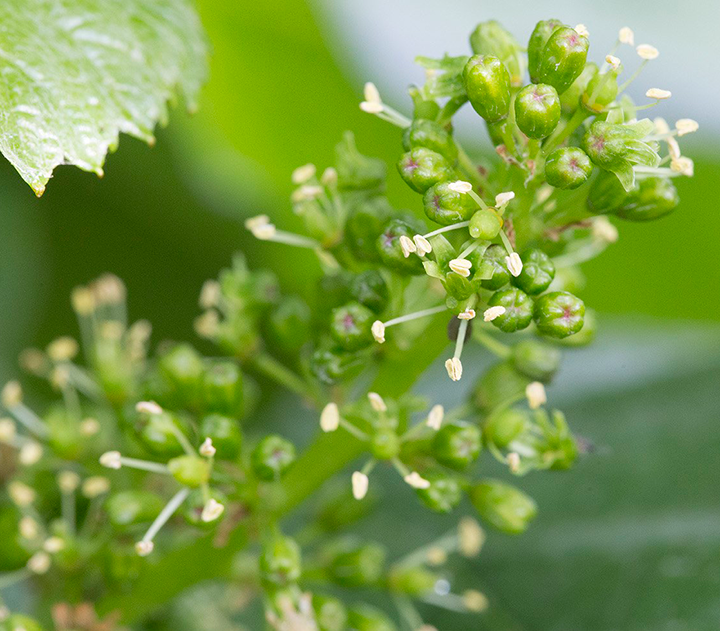
    – Flowering: This is when the tiny buds on the vine burst into clusters of flowers, usually in late spring or early summer. The flowers are self-pollinating, meaning they do not need insects or wind to fertilize them. However, the weather can have a significant impact on the flowering process. If it is too cold, rainy, or windy, the flowers may not pollinate properly, resulting in fewer or smaller berries. This is called coulure or shatter. On the other hand, if it is too hot or dry, the flowers may dry out and fall off, resulting in no berries at all. This is called millerandage or shot berries. Ideally, the weather should be warm, sunny, and calm during the flowering period, which lasts for about 10 days.

    – Fruit set: This is when the fertilized flowers develop into tiny green berries, usually in early or mid-summer. The berries are hard, sour, and high in acidity and tannins. They are also vulnerable to diseases and pests, such as powdery mildew, botrytis, birds, and insects. Viticulturists need to monitor the health of the vines and the grapes, and apply treatments or protections as needed. They may also thin out some of the clusters or leaves to improve the air circulation and sunlight exposure of the grapes, and to balance the yield and the quality of the wine. This is called green harvesting or crop thinning.

    Veraison Stage – Silver Oak Winery

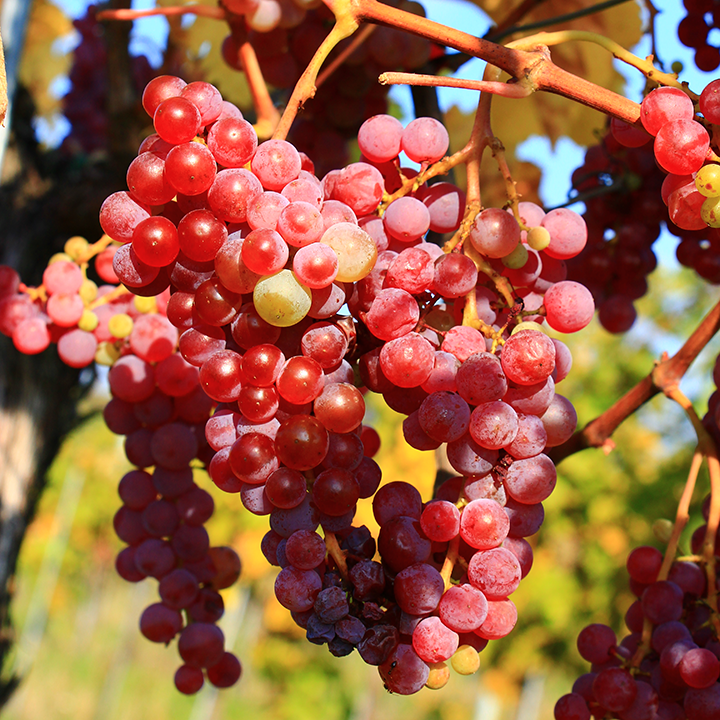
    – Veraison: This is when the grapes change color and start to ripen, usually in late summer or early fall. The color change depends on the grape variety, from green to yellow for white grapes, and from green to red or purple for black grapes. The ripening process involves a series of chemical changes in the grapes, such as the accumulation of sugars, the reduction of acidity, the development of aromas and flavors, and the softening of the skins and seeds. The ripening rate and duration vary depending on the grape variety, the climate, and the terroir. Viticulturists need to measure the sugar level, the acidity level, and the phenolic maturity of the grapes, and decide when to harvest them. This is called picking decision or harvest date.

    Previous article: Winemaking in Spring: From Bud Break to Flowering

    The Winemaking Practices in Summer

    The winemaking practices in summer are mainly focused on managing the vineyard and preparing for the harvest. Here are some of the common practices that viticulturists and winemakers may perform in summer:

    – Canopy management: This is the manipulation of the vine leaves, shoots, and branches to optimize the microclimate of the grapes. Canopy management can affect the photosynthesis, the respiration, the transpiration, and the shading of the grapes, which in turn can affect their ripening, their quality, and their susceptibility to diseases and pests. Some of the canopy management techniques include pruning, trellising, hedging, leaf removal, shoot positioning, and cluster thinning.

    – Irrigation: This is the application of water to the vines to supplement the natural rainfall and soil moisture. Irrigation can influence the vine growth, the grape yield, and the grape quality. Irrigation can be done by different methods, such as drip irrigation, sprinkler irrigation, or flood irrigation. Irrigation can be scheduled by different criteria, such as soil moisture, vine water status, or climate data. Irrigation can be beneficial or detrimental to the vines and the grapes, depending on the timing, the frequency, and the amount of water applied.

    – Fertilization: This is the addition of nutrients to the soil or the vines to enhance their growth and productivity. Fertilization can affect the vine vigor, the grape yield, and the grape quality. Fertilization can be done by different sources, such as organic fertilizers, synthetic fertilizers, or compost. Fertilization can be applied by different methods, such as soil application, foliar application, or fertigation. Fertilization can be beneficial or detrimental to the vines and the grapes, depending on the type, the rate, and the timing of the nutrients applied.

    – Pest and disease control: This is the prevention and treatment of the biotic and abiotic factors that can harm the vines and the grapes. Pest and disease control can affect the vine health, the grape yield, and the grape quality. Pest and disease control can be done by different strategies, such as cultural practices, biological control, chemical control, or integrated pest management. Pest and disease control can be beneficial or detrimental to the vines and the grapes, depending on the target, the efficacy, and the side effects of the control measures.

    – Harvest preparation: This is the planning and organization of the activities and resources needed for the harvest. Harvest preparation can affect the efficiency, the cost, and the quality of the harvest. Harvest preparation can involve different aspects, such as picking decision, harvesting method, harvesting equipment, harvesting team, harvesting logistics, and harvesting hygiene.

    Summer is a busy and important season for winemaking, as it is the time when the vines and the grapes undergo significant changes and challenges. Viticulturists and winemakers need to monitor and manage the vineyard carefully and skillfully, and to prepare for the harvest efficiently and effectively, to ensure the best results for the wine. In the next article, we will explore what happens in the winery in fall, and how viticulturists and winemakers can transform the grapes into wine. Cheers 🍷

  • Multifaceted Journey of Becoming a Wine Professional

    Multifaceted Journey of Becoming a Wine Professional

    In the realm of oenology, the path to becoming a wine professional is as complex and diverse as the flavors and aromas found within a fine Bordeaux. It’s a journey that requires not only a refined palate but also a deep understanding of numerous academic disciplines. From history to geography, geology to viticulture, and beyond, the pursuit of wine expertise is a multifaceted odyssey that demands dedication, curiosity, and a voracious appetite for knowledge.

    Embark on your own journey to becoming more knowledgable about wine… You’ll be glad you did!

    At the heart of any wine professional’s education lies an appreciation for history. Understanding the rich tapestry of wine’s past is essential for contextualizing its present and forecasting its future. From the ancient vineyards of Mesopotamia to the illustrious estates of Bordeaux, the story of wine is woven into the fabric of human civilization. By delving into historical texts, archival records, and archaeological findings, aspiring sommeliers gain insights into the evolution of winemaking techniques, the rise and fall of wine empires, and the cultural significance of wine throughout the ages.

    Geography serves as another cornerstone of wine education. A deep understanding of the world’s wine regions, their climates, soils, and topographies, is crucial for comprehending the diverse array of wines produced across the globe. Whether it’s the chalky hillsides of Champagne, the sun-drenched vineyards of Napa Valley, or the rugged terrain of the Douro Valley, each winegrowing region imparts its unique terroir onto the grapes, influencing the character and quality of the wines produced.

    Geology also plays a pivotal role in the study of wine. By examining the geological composition of vineyard soils, wine professionals can discern how different mineral deposits affect grapevine growth and wine flavor profiles. From limestone to granite, schist to volcanic ash, the geological diversity of wine regions contributes to the complexity and nuance of the wines they produce.

    Viticulture and viniculture, the sciences of grape growing and winemaking, respectively, provide the technical foundation upon which wine professionals build their expertise. From vineyard management practices to cellar techniques, mastering these disciplines requires hands-on experience, as well as a thorough understanding of plant biology, microbiology, chemistry, and fermentation processes.

    In addition to these core disciplines, the study of wine often extends to encompass spirits, beer, and sake. Organizations like The Court of Master Sommeliers recognize the interconnectedness of these libations and require candidates to demonstrate proficiency across a spectrum of alcoholic beverages. Whether it’s discerning the nuances of single malt Scotch whisky, exploring the complexities of Belgian Trappist ales, or understanding the craftsmanship behind Japanese sake, a well-rounded wine professional must possess a broad knowledge base that extends beyond the grapevine.

    In the infinite depths of the vineyard, the pursuit of wine knowledge is a journey without end, where every sip uncovers a new chapter in the timeless story of taste and appreciation.

    Gregory Dean, SOMM&SOMM

    During intense wine-study sessions and exams, aspiring sommeliers are challenged to draw upon the breadth and depth of their academic pursuits. They must identify wines blind, articulate tasting notes with precision, and navigate the intricacies of food and wine pairing with finesse. From memorizing wine lists to mastering the art of service, the demands placed upon wine professionals are as rigorous as they are rewarding.

    The Court of Master Sommeliers, Wine & Spirit Trust (WSET), and the Society of Wine Educators all provide training and certifications in wine knowledge, service, and education. While each program offers their own learning paths and methodology towards tasting and evaluation, make no mistake–it takes a commitment to learning to succeed. Each level becomes more difficult, but it is worth the effort 😉

    The journey to becoming a wine professional is a holistic endeavor that encompasses a diverse array of academic disciplines. From history and geography to geology, viticulture, and viniculture, each facet of wine education contributes to a deeper understanding of this timeless elixir. By embracing the complexity of wine and committing to a lifelong pursuit of knowledge, aspiring sommeliers can embark on a transformative journey that will enrich both their palates and their lives. Cheers to the passionate pursuit of wine excellence! 🍷

  • The Lore of Aging Wine in Barrels

    The Lore of Aging Wine in Barrels

    Wine, that timeless elixir, has been intertwined with human history for millennia. From ancient amphorae to modern stainless steel tanks, winemaking techniques have evolved, but one tradition remains as steadfast as the vines themselves: aging wine in barrels. This practice is not merely functional but holds a mystical allure, enhancing the flavors, aromas, and textures of wine in ways that transcend mere storage vessels. Let’s dive into the history, craftsmanship, and magic of aging wine in barrels.

    Photo by Yesim G. Ozdemir on Pexels.com
    Historical Roots

    The art of barrel aging dates back to ancient civilizations, where wooden vessels were used to transport and store liquids. The Romans, in particular, recognized the transformative power of wood on wine, using barrels made from oak to age and transport their precious vintages across their vast empire. Over time, this practice spread throughout Europe, becoming synonymous with the finest wines produced in regions such as Bordeaux, Burgundy, and Rioja.
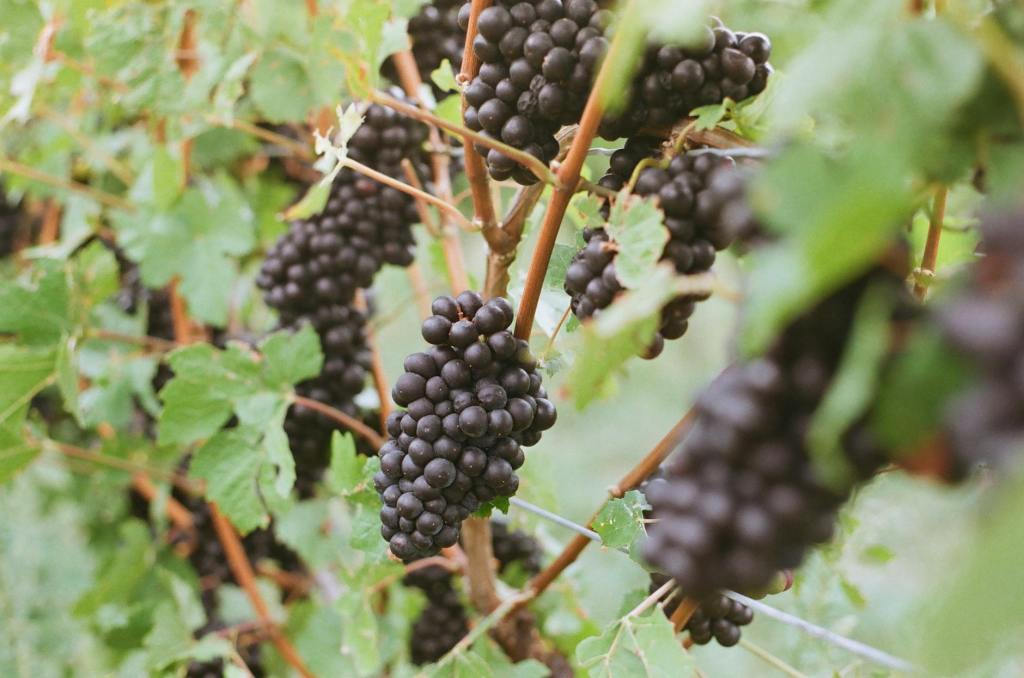
    Barrel aging, the silent maestro of wine evolution, weaves a tapestry of complexity, infusing wines with nuances of oak, whispers of spice, and the symphony of time, crafting bottles of elegance and depth.

    Gregory Dean, SOMM&SOMM

    Types of Wood

    While oak remains the predominant choice for wine barrels, different species and sources of wood impart distinct characteristics to the wine. French oak, known for its subtle flavors of vanilla, spice, and toast, is favored by many winemakers for its elegance and finesse. American oak, on the other hand, tends to impart more pronounced flavors of coconut, dill, and sweet spices, making it a popular choice for bold, fruit-forward wines.

    Other types of wood, such as Hungarian oak, Slovenian oak, and chestnut, offer their own unique profiles, adding layers of complexity to the wines they age. Each wood has its own distinct grain, density, and porosity, influencing how it interacts with the wine and shapes its final character.

    Various barrel sizes and shapes waiting to be delivered

    Barrel Sizes and Shapes

    Barrels come in a variety of sizes, from the diminutive barrique to the towering foudre. The standard barrique holds approximately 225 liters (59 gallons) of wine and is commonly used in regions like Bordeaux and Burgundy. Larger formats, such as the puncheon and the foudre, are favored for their reduced surface-to-volume ratio, allowing for slower aging and gentler extraction of flavors.
    The shape of the barrel also plays a crucial role in aging wine. Taller, narrower barrels promote more gradual oxidation and evaporation, while shorter, wider barrels encourage faster integration of flavors and textures. Additionally, the toasting level of the barrel—ranging from light to heavy—can be customized to suit the winemaker’s desired style and intensity of oak influence.

    Craftsmanship and Cooperage

    The art of barrel making, or cooperage, is a centuries-old tradition that requires skill, precision, and patience. Cooperages source the finest oak staves, carefully shaping and toasting them to exact specifications. Master coopers employ time-honored techniques, passed down through generations, to construct barrels that are both functional and beautiful.

    Cooperages offer winemakers a range of options, from the type of wood and toast level to the size and shape of the barrel. Customization allows winemakers to tailor their barrels to the specific needs of each wine, ensuring optimal aging and expression of terroir.

    Impact on Wine and Cost

    The impact of barrel aging on wine is profound, influencing its color, aroma, flavor, and texture in myriad ways. Oak imparts flavors of vanilla, spice, toast, and caramel, while also softening tannins and enhancing mouthfeel. Oxygen slowly permeates the barrel, allowing the wine to evolve and develop complexity over time.

    The cost of barrel aging varies depending on factors such as the type of wood, size of the barrel, and quality of craftsmanship. French oak barrels, prized for their elegance and finesse, are among the most expensive, while American oak and other alternatives offer more affordable options. The cost of barrel aging can account for a significant portion of a wine’s production expenses, particularly for premium and ultra-premium wines that require extended aging in oak.

    Famous Burgundian Grand Cru (Pinot Noir)

    Regional and Varietal Characteristics

    Certain countries, regions, and varietals are renowned for the unique characteristics imparted by barrel aging. In Bordeaux, Cabernet Sauvignon and Merlot blends mature in oak barrels, gaining complexity and structure over time. Burgundian Pinot Noir and Chardonnay benefit from aging in French oak, acquiring nuances of spice, toast, and vanilla.

    Spanish Tempranillo finds its soulmate in American oak, with Rioja and Ribera del Duero wines showcasing flavors of coconut, dill, and sweet spices. Italian Sangiovese, aged in large Slavonian oak casks, develops savory notes of leather, tobacco, and earth.

    While barrel aging remains the gold standard for many winemakers, alternative methods offer creative ways to achieve similar results. Stainless steel tanks provide a neutral environment for aging wine, preserving fruit purity and freshness. Concrete eggs and amphorae impart subtle texture and minerality, enhancing the wine’s sense of place.

    Some winemakers utilize oak alternatives, such as chips, staves, or spirals, to infuse wine with oak flavors without the expense or commitment of traditional barrel aging. While these methods can produce compelling results, they often lack the complexity and integration achieved through prolonged aging in oak.

    Barrels, like fine wine, have a finite lifespan, with each one imparting its unique imprint on the wines it ages. The number of times a barrel can be used depends on factors such as the type of wood, thickness of the staves, and care taken during maintenance. French oak barrels, with their tighter grain and slower oxidation rate, can be reused for several vintages before losing their efficacy.

    After a barrel has reached the end of its useful life for aging wine, it may find new purpose as furniture, planters, or even firewood. Some adventurous souls repurpose old barrels as aging vessels for beer, spirits, or vinegar, continuing the cycle of transformation and innovation.

    Here’s to the artistry of barrel aging, where time becomes the master craftsman, transforming grapes into liquid poetry. Cheers to the magic of oak, the alchemy of time, and the enduring allure of beautifully aged wines. Salud!

    Gregory Dean, SOMM&SOMM

    Aging wine in barrels is a time-honored tradition that marries craftsmanship with alchemy, transforming humble grapes into liquid poetry. From the forests of France to the vineyards of Napa Valley, the story of barrel aging is one of passion, innovation, and reverence for the past. As we raise our glasses to toast the fruits of the vine, let us also raise a toast to the humble barrel, the silent guardian of wine’s journey through time and wood. Cheers 🍷