Category: Wine Blog

  • Discovering the Elegance of Cortese di Gavi: A Northern Italian Treasure

    Discovering the Elegance of Cortese di Gavi: A Northern Italian Treasure

    Ah, the Province of Alessandria in Piedmont—home to one of Northern Italy’s crown jewels, the remarkable Cortese di Gavi. Gavi—a name synonymous with elegance and purity, yet it remains underappreciated in the shadow of more famous Italian white varietals. For a wine enthusiast, this is both a tragedy and an opportunity. Allow me to take you on a journey through the rolling hills of Gavi, where one of Italy’s finest white wines has been quietly defining finesse and charm for centuries.

    F Ceragioli, CC BY-SA 3.0, via Wikimedia Commons

    The Grape Behind the Magic

    Let’s begin with the grape itself: Cortese. This varietal is the very embodiment of Italian precision, producing wines that are crisp, aromatic, and vibrant. If wines could sing, Cortese di Gavi would be a soprano—its voice high, clear, and impossibly beautiful. Cultivated in Northern Italy since at least the 17th century, Cortese thrives in the marl and clay soils of Piedmont’s Gavi region, where the vineyards are blessed with an enviable mix of sun-drenched days and cooling maritime breezes. It’s a terroir-driven delight that effortlessly captures the spirit of its homeland.

    Gavi’s DOCG Status: A Badge of Honor

    Now, let’s talk DOCG—Denominazione di Origine Controllata e Garantita. Gavi earned this prestigious status in 1998, a well-deserved recognition of the region’s consistent quality and historical significance. DOCG isn’t just a shiny label; it’s a promise. A promise that every bottle meets the strictest standards and encapsulates the essence of its place of origin. For Gavi, this elevation marked a turning point, helping it stand shoulder-to-shoulder with Italy’s more celebrated white wines, like Soave and Verdicchio.

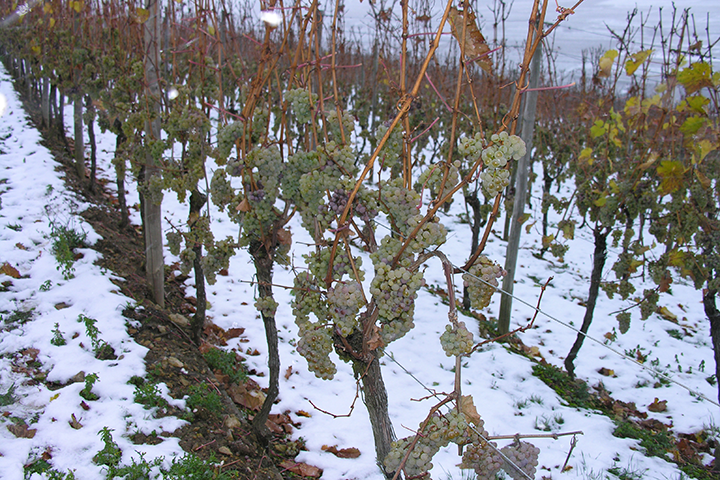
    Image Credit: Promesse de Fleurs – Cortese Grapes

    What Makes Cortese di Gavi Special?

    First, its style. Imagine a wine that greets your palate with a burst of lemon zest, green apple, and white peach, followed by whispers of almond and wildflowers. There’s an underlying minerality—a flinty backbone that provides structure and balance—making it the quintessential expression of elegance. Gavi isn’t just a refreshing summer sipper; it’s a wine with depth and sophistication, capable of enhancing any meal with its vibrant acidity and nuanced profile.

    A Sip of History

    Historically, Gavi has its fair share of lore. Did you know that Gavi’s wines were once a favorite at the royal courts of the House of Savoy? Even further back, the grape’s resilience was lauded by Piedmontese farmers who dubbed it “Cortese”—“courteous”—for its ability to consistently produce high-quality wines. This enduring reputation has carried through the centuries, culminating in its modern acclaim.

    Visit Sip & Feast and get James Delmage’s recipe for Spaghetti alle Vongole

    Perfect Pairings: Classic and Creative

    When it comes to food pairings, Cortese di Gavi is a sommelier’s playground. For the classics, you can’t go wrong with Ligurian cuisine. Think fresh seafood—grilled branzino, spaghetti alle vongole, or a delicate insalata di mare. The wine’s zippy acidity cuts through the richness of olive oil and enhances the natural sweetness of shellfish.

    But let’s get adventurous. Pair Gavi with Thai green curry, where its citrus notes complement the lime and lemongrass, or with sushi, particularly sashimi or a clean nigiri platter. Feeling bold? Try it with creamy chicken alfredo—the acidity acts as a palate cleanser, preventing the dish from becoming overly heavy.

    Versatility and Appeal

    What truly sets Gavi apart is its versatility. It’s a wine that can gracefully transition from aperitif to main course, adapting to a variety of flavors and textures without losing its charm. It’s no wonder that those in the know (sommeliers and wine enthusiasts alike) revere it as one of Italy’s most delightful surprises.

    A White Wine Powerhouse

    Northern Italy has long been a powerhouse of white wines, from the alpine clarity of Alto Adige’s Pinot Grigio to the creamy sophistication of Friuli’s Ribolla Gialla. Yet, Gavi holds its own with an understated confidence, proving that elegance doesn’t need to shout. Its story is one of quiet resilience and refinement—a reminder that sometimes the most extraordinary treasures are found off the beaten path.

    Fall Under Gavi’s Spell

    So, the next time you find yourself perusing the shelves, take a moment to consider the wines of Gavi. Pick up a bottle, pour yourself a glass, and savor the history, the terroir, and the craftsmanship. And when you taste that first sip of Cortese di Gavi, let yourself fall under its spell. Because trust me—this is one white wine that’s worth getting to know, sip by glorious sip. Saluti!

    Cover Image Credit: Jonathan Harker, CC BY-SA 4.0, via Wikimedia Commons

  • The Enchanting Wines of Entré-Deux-Mers

    The Enchanting Wines of Entré-Deux-Mers

    A Hidden Gem of French Viticulture

    In the illustrious tapestry of Bordeaux’s wine regions, few areas remain as underappreciated and misunderstood as Entré-Deux-Mers. Nestled between the Dordogne and Garonne rivers, this expanse of rolling hills, historic abbeys, and charming châteaux quietly produces some of the most intriguing wines in the world. Yet, it exists in the shadow of its prestigious neighbors: the Left Bank’s powerful Médoc reds and the Right Bank’s velvety Saint-Émilion and Pomerol blends (Tammy’s favorite). Entré-Deux-Mers, however, is a region of diversity, offering crisp whites, unique reds, and sweet treasures that deserve a place on your table and in your glass.

    SOMM&SOMM Related Article: Old World Regions: Bordeaux

    Where Monks and Merchants Shaped the Vines

    The name Entré-Deux-Mers, meaning “between two seas,” might seem misleading at first glance. Rather than seas, it references the two mighty rivers that define its geography. These waterways have long been trade routes, dating back to Roman times, when wine was already a cornerstone of local commerce. During the medieval period, monks played a pivotal role in cultivating the vineyards, leaving behind a legacy of meticulous viticulture that persists to this day.

    Local lore tells of wine-smuggling monks ferrying barrels of “fish wine” (a term used to describe crisp, acidic whites perfect for pairing with seafood) under the cover of night to avoid taxes imposed by Bordeaux merchants. Whether or not these tales are true, they capture the independent spirit of the region’s winemakers.

    The Styles of Entré-Deux-Mers

    Entré-Deux-Mers offers a spectrum of wines, from vibrant whites to robust reds and luscious sweet wines. Let’s explore these styles in greater detail.

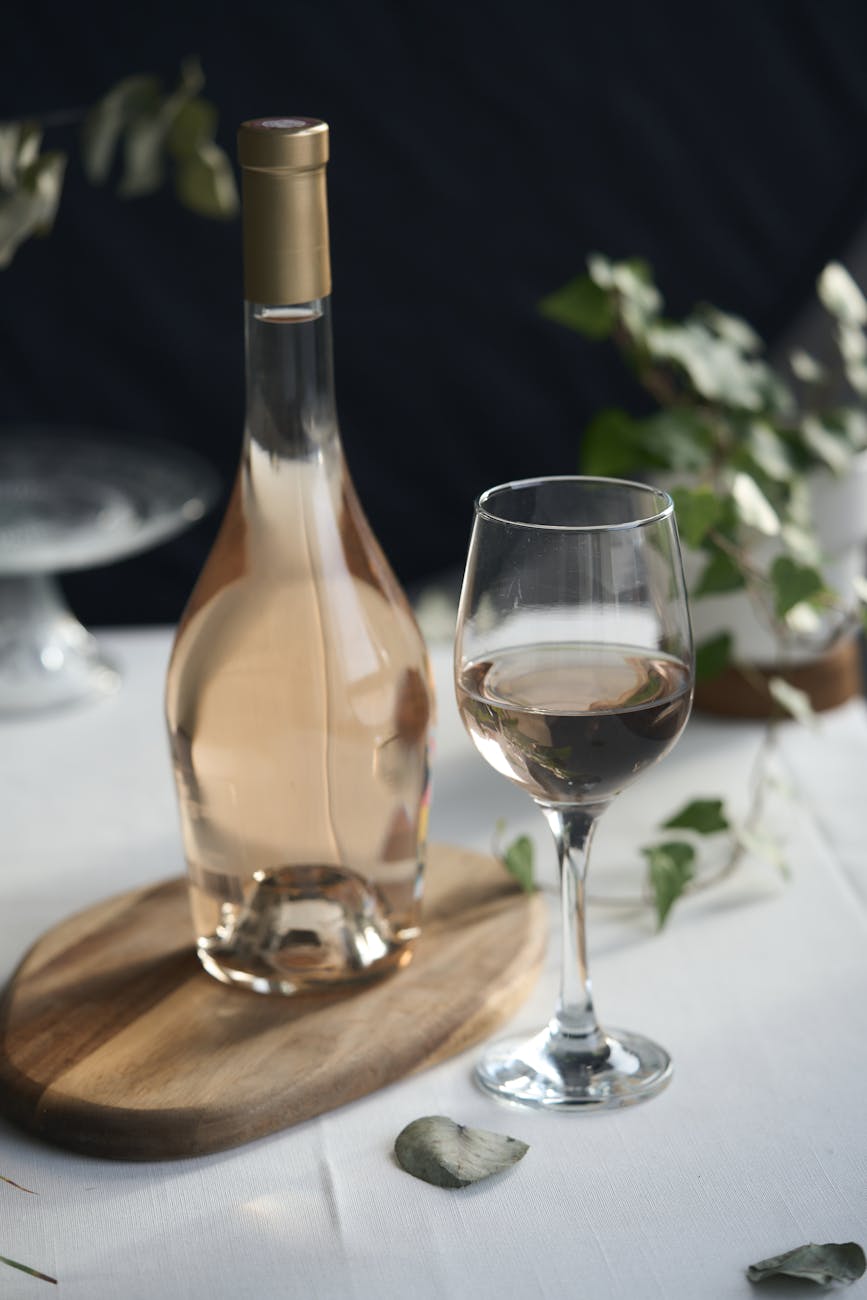
    Photo by Oleksandr P on Pexels.com

    Entré-Deux-Mers Blanc

    This is the hallmark wine of the region, an aromatic, crisp white blend dominated by Sauvignon Blanc, Sémillon, and Muscadelle. These wines are often vinified in stainless steel to preserve their fresh, zesty character.

    • Tasting Notes: Expect notes of grapefruit, green apple, and white flowers with a minerally backbone.
    • Pairings: Perfect with oysters, grilled fish, goat cheese, or a fresh herbed salad.
    • Recommendation: Look for Château Bonnet’s Entré-Deux-Mers Blanc, an approachable, quintessential example of the style.

    Bordeaux Rouge and Bordeaux Supérieur

    While not labeled as Entré-Deux-Mers, red wines from the region fall under broader Bordeaux appellations. These blends often feature Merlot, Cabernet Sauvignon, and Cabernet Franc, offering approachable and food-friendly profiles.

    • Tasting Notes: Black cherry, plum, and earthy spice dominate, with soft tannins in younger wines.
    • Pairings: A natural fit for roasted meats, charcuterie, or hearty stews.
    • Recommendation: Seek out Château Thieuley Bordeaux Rouge for an elegant and well-structured red.
    Harvesting Botrytis affected grapes at Château Dauphiné Rondillon

    Sweet Wines (Loupiac, Sainte-Croix-du-Mont)

    On the southern edges of Entré-Deux-Mers, the misty banks of the Garonne create the perfect conditions for noble rot, producing stunning sweet wines reminiscent of Sauternes but at a fraction of the price.

    • Tasting Notes: Honeyed apricot, candied orange peel, and luscious marmalade.
    • Pairings: Pair with foie gras, blue cheese, or fruit tarts.
    • Recommendation: The Cuvée d’Or du Château Dauphiné Rondillon is a delightful and affordable indulgence.

    Varietals and Wine Laws

    Entré-Deux-Mers Blanc is governed by strict AOC rules that mandate blends of Sauvignon Blanc, Sémillon, and Muscadelle, though minor contributions from Ugni Blanc and Colombard are permitted. The region’s reds fall under the broader Bordeaux and Bordeaux Supérieur classifications, which offer greater flexibility in blending.

    An intriguing facet of Entré-Deux-Mers is its experimentation with lesser-known varietals like Malbec (locally called Côt) and Petit Verdot. These grapes add depth and complexity to blends, hinting at the region’s potential to craft truly distinctive wines.

    Why Entré-Deux-Mers Matters

    Entré-Deux-Mers represents the essence of Bordeaux: a commitment to quality, history, and innovation. Unlike the grand châteaux of the Left and Right Banks, this region’s producers often work on a smaller scale, focusing on craftsmanship rather than global acclaim. The result? Wines that overdeliver on value and character.

    Fun Anecdotes and Lore

    Did you know that during the Hundred Years’ War, Entré-Deux-Mers became a battleground for more than just soldiers? Vineyards were often caught in the crossfire, yet resilient locals replanted time and again, showing the enduring spirit of the region.

    Bringing Entré-Deux-Mers to Your Table

    If you’ve yet to explore the wines of Entré-Deux-Mers, now is the time. Whether it’s a crisp white for your next seafood feast or a luscious sweet wine to accompany dessert, this region offers something for everyone. And don’t forget the reds—they might just surprise you with their depth and versatility.

    So, next time you’re perusing the Bordeaux aisle, take a chance on Entré-Deux-Mers. You might just discover a new favorite—and a story to tell with every sip. Santé 🍷

    Cover Image Credit: Henry SALOMÉ, CC BY-SA 4.0, via Wikimedia Commons

  • Understanding Additives in Wine: A Comprehensive Guide

    Understanding Additives in Wine: A Comprehensive Guide

    The world of wine is as much about chemistry as it is about artistry. While the romanticized vision of winemaking involves hand-picked grapes, oak barrels, and patient aging, modern wine production often incorporates additives to enhance flavor, stabilize the wine, or address potential flaws. Here, we’ll explore common additives, their regulation, benefits, potential drawbacks, and how consumers can make informed choices about what’s in their glass.

    Common Additives in Wine

    SO2 Testing – Agne27, CC BY-SA 3.0, via Wikimedia Commons

    Sulfites (SO₂)

    • Purpose: Preserve freshness, prevent oxidation, and inhibit microbial growth.
    • Regulation: Sulfites are strictly regulated, with limits varying by country (e.g., 350 ppm in the U.S. for dry wines).
      • United States – Sulfites in wine are regulated by the Alcohol and Tobacco Tax and Trade Bureau (TTB) under the Federal Alcohol Administration Act. Wines containing more than 10 parts per million (ppm) of sulfites must include a “Contains Sulfites” warning on the label. Maximum allowable sulfite levels in wine: 350 ppm.
      • Reference: TTB Code of Federal Regulations (CFR) 27, Part 4.32(e).
      • European Union (EU) – Sulfite limits vary by wine type:
        • Red wines: 150 mg/L
        • White/rosé wines: 200 mg/L
        • Sweet wines: Up to 400 mg/L depending on sugar levels.
      • Reference: EU Regulation (EU) No 1169/2011 on food labeling.
    • Concerns: May trigger allergic-like reactions in sensitive individuals, particularly those with asthma.
    • Clarification: The vast majority of people can safely consume sulfites; reactions are rare and often confused with other sensitivities.

    Tartaric Acid

    • Purpose: Adjust acidity to balance the wine’s taste.
    • Regulation: Considered safe and widely used in small quantities.
      • United States – Recognized as a Generally Recognized As Safe (GRAS) substance under the Food, Drug, and Cosmetic Act. Regulated by the Food and Drug Administration (FDA) and the TTB.
      • Reference: 21 CFR § 182.3311.
      • European Union – Allowed as an acidity regulator under Regulation (EC) No 1333/2008 on food additives.
    • Concerns: Overuse can result in sharp, unbalanced wines.

    Sugar (Chaptalization)

      • Purpose: Boost alcohol content during fermentation in cool-climate wines where natural sugars may be insufficient.
      • Regulation: Prohibited in some regions like California but allowed in others, such as Burgundy.
        • United States – Chaptalization is prohibited in California, Oregon, and Washington but allowed in other states under the TTB’s jurisdiction.
        • Reference: 27 CFR § 24.176.
        • European Union – Strictly regulated by the EU Common Agricultural Policy (CAP) and varies by region and wine classification. Chaptalization is generally prohibited in southern wine regions but allowed in northern areas with restrictions.
        • Reference: EU Regulation (EU) No 1308/2013.
      • Concerns: Overuse can make wines taste unnaturally sweet.

      Mega Purple and Coloring Agents

        • Purpose: Enhance wine color for market appeal.
        • Regulation: Permitted in moderation; not required to be disclosed on labels.
          • United States – Coloring agents like Mega Purple are considered GRAS substances by the FDA but are not specifically regulated under wine labeling laws unless they affect flavor or safety. Reference: Federal Food, Drug, and Cosmetic Act (FFDCA), 21 U.S.C. § 301 et seq.
          • European Union – Use of grape-derived concentrates like Mega Purple is permitted but must comply with general EU wine production laws.
          • Reference: Regulation (EU) No 1308/2013.
        • Concerns: Overuse can mask flaws and homogenize flavor profiles.

        Fining Agents (e.g., Egg Whites, Casein, Gelatin)

          • Purpose: Clarify and stabilize wine by removing unwanted particles.
          • Regulation: Widely accepted but must be disclosed if used in allergen-prone populations.
            • United States – Regulated by the FDA and TTB. Fining agents do not require disclosure unless they are allergenic residues (e.g., egg or milk proteins).
            • Reference: TTB Ruling 2012-1 and FDA allergen labeling rules.
            • European Union – Allergen labeling is mandatory under Regulation (EU) No 1169/2011, requiring disclosure if egg or milk residues exceed 0.25 mg/L.
          • Concerns: Potential allergen risks for those sensitive to specific fining agents.
          Mark Smith, CC BY 2.0, via Wikimedia Commons

          Yeast and Nutrients

            • Purpose: Kickstart fermentation and enhance specific flavor profiles.
            • Regulation: Approved strains are generally recognized as safe.
              • United States – The FDA regulates yeast and fermentation nutrients as GRAS substances, while the TTB oversees their application in wine production.
              • Reference: 21 CFR § 184.1983.
              • European Union – Permitted under Commission Regulation (EU) No 606/2009, specifying allowed additives in winemaking.
            • Concerns: Can lead to homogenized flavor profiles in overly manipulated wines.

            What Are Glyphosates?

            • Definition: Glyphosate is a widely used herbicide, most commonly associated with Roundup.
            • Impact on Wine: Traces of glyphosate may be found in wines due to vineyard herbicide use, sparking concerns about long-term health impacts.
            • Regulation: Tightly monitored, though trace amounts have been detected in wines worldwide.
              • United States – Regulated by the Environmental Protection Agency (EPA). Maximum Residue Levels (MRLs) are set for glyphosate in wine grapes.
              • Reference: EPA Glyphosate Registration Review.
              • European Union – Glyphosate use is regulated under Regulation (EC) No 396/2005, establishing MRLs for pesticides in food products.
            • Consumer Concerns: While levels are generally below health risk thresholds, the presence of glyphosates underscores the value of organic and biodynamic viticulture.

            Additional Transparency Laws

            • United States – Wine additives are not required to be disclosed on the label unless they are allergens or sulfites.
            • European Union – Stricter labeling requirements under Regulation (EU) No 1169/2011 ensure allergen disclosure.

            The Clean Label Project

            • Purpose: A nonprofit organization focused on transparency in product labeling, including food and beverage industries.
            • Relevance to Wine: The project tests for contaminants like glyphosates, pesticides, and heavy metals, providing consumers with insights into wine purity.
            • Impact: Encourages winemakers to adopt cleaner practices and highlights products meeting rigorous standards.

            Ensuring Allergy-Safe Wines

            Key Steps for Consumers

            1. Read Labels: Look for organic, biodynamic, or natural wine certifications, which often indicate minimal additive use.
            2. Ask Questions: Engage with retailers or sommeliers to understand production methods and ingredient transparency.
            3. Use Apps: Platforms like Vivino or Delectable often provide user reviews and ingredient insights.
            4. Check Certifications: Seek wines certified by third-party organizations such as Demeter (biodynamic) or USDA Organic.

            Recommendations for Researching and Buying Wines

            1. Organic and Biodynamic Wines: These wines minimize or eliminate synthetic additives and chemicals. Examples include Frog’s Leap (California) and Domaine Zind-Humbrecht (Alsace).
            2. Low-Intervention Wines: Look for labels indicating “natural,” “minimal sulfites,” or “no added sulfites” to find wines with fewer additives.
            3. Explore Local Wineries: Smaller producers often have more transparency in their winemaking processes and may use fewer additives.
            4. Consult Resources: Organizations like the Clean Label Project or certifying bodies like ICEA (organic) offer helpful databases.

            Final Thoughts

            Wine additives are not inherently harmful, but understanding their role can help consumers make choices aligned with their health and values. By researching and supporting producers who prioritize transparency and sustainability, you can enjoy wines that not only taste great but also align with your expectations for purity and quality. Let your curiosity guide you, and remember—every bottle has a story to tell! Cheers 🍷

            Image Credit: Cover Photo by Ivan Samkov on Pexels.com

          1. Demystifying Sulfites in Wine

            Demystifying Sulfites in Wine

            Separating Fact from Fiction.

            The phrase “contains sulfites” on a wine label often stirs confusion and concern among consumers. Misconceptions abound, from the belief that sulfites are only present in low-quality wines to the idea that they are solely responsible for wine-induced headaches. These myths obscure the truth about sulfites and their essential role in winemaking. Let’s unpack the science, necessity, and reality of sulfur dioxide (SO2) in wine, shedding light on its role and addressing concerns for sulfite-sensitive individuals.

            What Are Sulfites?

            Sulfites, chemically known as sulfur dioxide (SO2), are compounds that occur naturally during fermentation. Yeast, the powerhouse behind turning grape juice into wine, produces a small amount of sulfites as a byproduct. These naturally occurring sulfites are present in all wines, even those labeled as “organic” or “natural.” However, many winemakers also add sulfites deliberately to stabilize and preserve their wines.

            Photo by ELEVATE on Pexels.com

            The Role of Sulfites in Winemaking

            Sulfites play several critical roles in winemaking, making them a trusted tool in a winemaker’s arsenal:

            1. Preservation: Sulfites act as an antioxidant, protecting wine from spoilage caused by oxygen exposure. This helps wines age gracefully and ensures they remain fresh from bottling to consumption.
            2. Microbial Stability: By suppressing unwanted bacteria and wild yeasts, sulfites ensure that the intended flavors of the wine shine through without interference.
            3. Color Retention: In white wines, sulfites help maintain clarity and vibrancy, preventing browning caused by oxidation.

            While sulfites are a valuable ally in winemaking, some producers, particularly in the natural wine movement, aim to minimize their use or omit them entirely. However, these wines may have shorter shelf lives and higher risks of spoilage.

            Photo by David Garrison on Pexels.com

            Debunking the Sulfite-Headache Myth

            One of the most persistent misconceptions is that sulfites in wine cause headaches. While it’s true that some people have sulfite sensitivities, these reactions are rare and often manifest as respiratory issues, such as asthma, rather than headaches. According to the FDA, only about 1% of the population is sensitive to sulfites.

            The real culprit behind wine-induced headaches is more likely histamines. Found naturally in grape skins, histamines are higher in red wines than whites. These compounds can trigger headaches in individuals sensitive to them, particularly if their bodies lack sufficient diamine oxidase, the enzyme responsible for breaking down histamines.

            Understanding ‘Contains Sulfites’

            The U.S. government requires any wine containing more than 10 parts per million (ppm) of sulfites to include “contains sulfites” on the label. This applies to almost all wines, given that naturally occurring sulfites alone often exceed this threshold. For comparison, dried fruits can contain up to 1,000 ppm of sulfites, making the levels in wine seem minimal by comparison.

            Choosing Wines for Sulfite Sensitivity

            For those genuinely sensitive to sulfites, understanding wine choices is key. While avoiding sulfites entirely is nearly impossible, low-sulfite options are available:

            • Organic Wines: Certified organic wines in the U.S. are made without added sulfites, though naturally occurring sulfites remain present.
            • Natural Wines: Often produced with minimal intervention, natural wines may contain lower levels of added sulfites.
            • Wines from Cooler Regions: Cooler climates often produce wines that require fewer sulfites due to their naturally higher acidity, which helps preserve freshness. Look for wines from Alsace, Germany, or the Loire Valley.
            • Certain Varietals: Try white wines like Riesling or Pinot Gris, which typically have lower sulfite levels than rich reds. For reds, consider Beaujolais (Gamay varietal), which is lighter in body and often made with minimal sulfites.
            Photo by Helena Lopes on Pexels.com

            The Takeaway: There’s a Wine for Everyone

            Sulfites are an integral part of winemaking, ensuring wines remain stable, flavorful, and safe for consumption. While myths about sulfites persist, the reality is they are unlikely to be the cause of your wine-related woes. For individuals with specific sensitivities, understanding what’s in the bottle and selecting wines thoughtfully can make all the difference.

            Ultimately, wine is a celebration of diversity—in grapes, styles, and preferences. There truly is a wine for everyone. By demystifying sulfites and making informed choices, you can enjoy your wine journey with confidence and curiosity. Cheers 🍷

          2. Embracing the Past, Energizing the Future

            Embracing the Past, Energizing the Future

            A SOMM&SOMM Perspective on the New Year.

            The clock has struck twelve, the corks have popped, and we’ve toasted to a brand-new year. Yet, as we clean up the confetti and rinse the last flutes of bubbly, a question lingers: how do we take the lessons of the past year, both sweet and sour, and use them to sip on life with renewed vigor? Here at SOMM&SOMM, we believe that every vintage—of wine and of life—has its own complexity and depth, and the start of a new year is the perfect time to explore, learn, and grow.

            Photo by Rakicevic Nenad on Pexels.com

            Reflecting with Grace and Positivity

            Reflecting on the past isn’t about regret but recognition. Think of last year as a flight of wines. Some pours were divine; others, perhaps, had a touch of Brettanomyces. Both offer something to learn. Here are three steps to positive reflection:

            1. Journal Your Wins (and “Almosts”): Keep a gratitude journal for achievements and near-misses. Writing down what worked and what didn’t creates perspective without wallowing.
            2. Wine Analogy Mindset: Life’s challenges are like tannins—they can be astringent, but they also provide structure. Embrace them!
            3. Celebrate Small Moments: Much like finding a hidden gem of a wine under $20, treasure the tiny triumphs.

            Popular Resolutions and Why They Fizzle

            Every January, we hear the predictable chorus:

            • “Lose weight” (estimated 9% success rate).
            • “Save more money” (20% success rate).
            • “Drink less alcohol” (23% manage a “dry” January).
            • “Get organized” (only 8% make it to December without chaos).

            Why do these often fail? Because they feel like punishments instead of opportunities! Let’s shake that up, SOMM&SOMM style.

            Navigating Dry January Without Losing Your Social Sparkle

            Dry January doesn’t have to mean dry conversation. Here’s how to make abstinence not just bearable but brilliant:

            1. Crafted Mocktails: Try a refreshing cucumber-lime spritzer with a hint of mint. Or channel the tropics with pineapple, coconut water, and a dash of nutmeg.
            2. Non-Alcoholic Wines: The quality of non-alcoholic wine has soared! Look for producers who craft these with care, not just as an afterthought.
            3. Themed Game Nights: Substitute wine flights with tea tastings or chocolate samplers. Pair them with games for a fun and interactive experience.
            4. Mocktail Mixology Party: Host a gathering where everyone creates a mocktail masterpiece. Get creative with garnishes and names—who says a “Mock-jito” can’t be chic?

            Fun Ways to Stay Energized

            January doesn’t have to feel like a penance. Here are ways to inject joy while keeping resolutions:

            • Wine Knowledge Bootcamp: Use the month to explore the world of wine without sipping it. Read, learn, and plan your next adventure.
            • Move with Music: Dance classes are a joyful way to “exercise” without the treadmill monotony. Swing, salsa, or waltz into 2025.
            • Culinary Adventures: Focus on pairing flavors in cooking. Try a spice you’ve never used or recreate a dish from your favorite vacation spot.
            Photo by cottonbro studio on Pexels.com

            A Toast to Hope, Enthusiasm, and … Adventure

            As we step into 2025, let’s raise our metaphorical glasses to a year of exploration, learning, and laughter. Whether you’re embracing Dry January, savoring the memories of last year, or chasing fresh goals, know that every step adds to your personal story—your unique vintage.

            Here’s to a year where the bouquet of life is rich, the body is balanced, and every sip is savored. Cheers 🥂

            Cover Image Credit: Photo by JESHOOTS.com on Pexels.com

          3. Pop, Fizz, Clink! The Art (and Science) of Opening Sparkling Wine Without a Flying Cork

            Pop, Fizz, Clink! The Art (and Science) of Opening Sparkling Wine Without a Flying Cork

            Ah, Champagne! The ultimate symbol of celebration, glamour, and joy—until it becomes a projectile aimed at your chandelier, your friend’s forehead, or your unsuspecting dog. Opening a bottle of bubbly can be thrilling, but it’s not a party trick unless you’re wielding a saber (more on that later). Let’s break down the proper, safe, and stylish way to pop that cork like a pro.

            Step 1: Chill Out (Literally!)

            Temperature is everything. Too warm, and your sparkling wine will gush like a fountain; too cold, and the nuanced flavors and bubbles won’t shine. Aim for 43-50°F (6-10°C). This means a couple of hours in the fridge or 30 minutes in an ice bucket filled with half water and half ice. Remember: calm bubbles are happy bubbles.

            Cork Dork Tip: If your sparkling wine is too warm and you’re in a pinch, wrap the bottle in a damp towel and pop it in the freezer for 15 minutes. But set a timer—we’re chilling wine, not making Champagne slushies.

            Photo by Moran Avni on Pexels.com

            Step 2: The Tools of the Trade

            Let’s talk glassware. While a flute may look classic, it’s not ideal for appreciating the wine’s aromas. A tulip-shaped glass or a standard white wine glass works wonders. If all you’ve got is a coffee mug…well, let’s pretend I didn’t hear that.

            Cork Dork Tip: Invest in proper glassware. It’s like giving your wine a stage to perform on instead of relegating it to karaoke night at the dive bar.

            Step 3: Unleash the Cage (Gently!)

            Now for the fun part. Remove the foil and locate the wire cage (officially called the muselet). Keep your thumb firmly on the cork while you untwist the cage—six half-turns, in case you’re counting. Leave the cage on the cork for better control. It’s your first line of defense against unintentional popping.

            Cork Dork Tip: If you’re feeling fancy, use this moment to drop a fun fact: the pressure inside a bottle of sparkling wine is equivalent to the tire pressure of a double-decker bus. That’s why the cork deserves your respect!

            Step 4: The Twist-Off (No Drama, Please)

            Here’s where many a cork dork shines. Tilt the bottle to a 45-degree angle, gripping the cork with one hand (and a towel, if you’re feeling fancy) and the base of the bottle with the other. Slowly twist the bottle—not the cork—while applying gentle counter-pressure. Listen for the “pffft” sound of escaping gas, not the party-popping “boom” of disaster.

            Cork Dork Tip: If the cork refuses to budge, don’t panic. A quick wrap of the cork in a warm towel can help loosen things up. Consider it wine’s version of a spa day.

            Photo by Rene Terp on Pexels.com

            Step 5: Pouring Perfection

            Pour in two stages to prevent overflow. A small amount first to let the foam settle, then top up to about two-thirds full. Bonus points if you can pour with a slight flair without spilling on Aunt Henrietta’s carpet.

            Cork Dork Tip: Tilt the glass at an angle while pouring to preserve those precious bubbles. Straight-on pouring is for amateurs (or soda).

            For the Extra (and Extra Formal) Moments

            For formal occasions, present the bottle label-forward before opening. This gives your guests a chance to admire your impeccable taste. Oh, and never—I repeat, never—point the cork at anyone. A Champagne cork can travel up to 50 miles per hour; this is a bottle of wine, not a weapon.

            Cork Dork Tip: Bonus style points for draping a napkin or towel over your pouring arm. It’s the sommelier’s version of a superhero cape.

            The Saber Method (For Show-offs and Special Occasions)

            Want to impress your guests? Saber that bottle like a true connoisseur with a flair for the dramatic. Using a dull blade or the blunt side of a chef’s knife, slide the blade along the seam of the bottle toward the lip with a firm, confident stroke. The cork and glass lip should break off cleanly. This method is best practiced outdoors—and away from your mother-in-law’s priceless crystal collection.

            Cork Dork Tip: Make sure your audience knows this isn’t just about bravado. Sabering has historical roots in Napoleonic France. When you’re done, casually drop the phrase, “Vive l’Empereur!” for dramatic effect.

            A Few More Cork Dork Pro Tips

            • Storage: Keep your sparkling wine stored horizontally and away from heat or light.
            • Pairing: Sparkling wine pairs beautifully with almost anything, from oysters and caviar to fried chicken and popcorn. Yes, really.
            • Serving: Keep an extra bottle or two chilled. One bottle for every two guests is a good rule of thumb.

            Cork Dork Tip: If you’re running out of Champagne, have a stash of Crémant (French), Cava (Spanish) or Prosecco (Italian) as a backup. They’re budget-friendly lifesavers.

            Bottom Line: Celebrate Safely and Stylishly

            Whether you’re popping a Prosecco on the couch, sabering a Cava in the backyard, or serving vintage Champagne at a black-tie event, the key is respect for the wine and your guests. A well-opened bottle sets the tone for the celebration, and nothing—nothing—beats the sound of a perfectly controlled “pffft” as you usher in a new year or toast to life’s moments big and small.

            So go forth, my fellow cork dorks, and conquer the art of bubbly with confidence, style, and perhaps just a little mischief. Cheers 🥂

            Disclaimer: Proceed With CautionSabering and opening sparkling wine may look glamorous, but they require attention and care. Always ensure bottles are properly chilled to reduce pressure, point them away from people or valuables, and handle with steady hands. Sabering, in particular, should only be attempted outdoors with the right tools and protective eyewear. This isn’t a TikTok challenge—safety comes first. If in doubt, leave the sabering to professionals and stick to the classic “pffft” opening method. Celebrate responsibly, and may your bubbles always be joyful!

          4. The Festive Twilight – A Week in Limbo Between Christmas and New Year

            The Festive Twilight – A Week in Limbo Between Christmas and New Year

            The stretch between December 26 and January 1 is an emotional kaleidoscope. Let’s call it Fizzmas Week – The Festive Twilight—that curious week when time feels both endless and fleeting, when holiday leftovers meet New Year’s resolutions, and when joy, reflection, and a hint of chaos swirl together. Here’s a day-by-day guide to navigating Fizzmas Week, complete with themed activities and perfectly paired cocktails to lift your spirits or soothe your soul.

            Woolworth’s Christmas 1966

            December 26: The Busiest Un-Shopping Day of the Year

            Mood: Relief and mild regret. It’s time to return, exchange, or “repurpose” those gifts that missed the mark.
            Activity: Arm yourself for the sales and the customer service lines, or cozy up and begin the “Great Decoration Decluttering.”

            Cocktail: The Boxing Day Spritz
            Light and invigorating, this spritz helps you face the crowds or spark joy during tidying.

            Recipe:

            • 1 oz Aperol
            • 2 oz leftover sparkling wine (Domaine Carneros Brut, anyone?)
            • 2 oz cranberry juice
            • Top with soda water
            • Garnish with a twist of orange and a sugared cranberry.

            December 27: Pajamas and Pie Recovery Day

            Mood: Blissful inertia. Let’s lean into lounging and finally finish that pie no one has room for on Christmas Day.
            Activity: Movie marathons, book reading, or a full-on nap festival.

            Cocktail: The Pie à la Mode Martini
            A decadent dessert drink to pair with leftover pie.

            Recipe:

            • 1 oz vanilla vodka
            • 1 oz Irish cream liqueur
            • 1 oz apple cider
            • Dash of cinnamon
            • Shake with ice, strain into a martini glass, and top with whipped cream and a sprinkle of nutmeg.

            December 28: Goal-Setting or Procrastination Day

            Mood: Reflective. It’s time to journal, make vision boards, or optimistically browse gym memberships you won’t use 🥸
            Activity: Dream big… or delay and doom-scroll instead.

            Cocktail: The “Visionary” Gimlet
            A classic with a zesty twist to fuel your imagination.

            Recipe:

            • 2 oz gin
            • 1 oz lime juice
            • ½ oz simple syrup infused with rosemary (simmer equal parts water and sugar with rosemary sprigs, then cool and strain)
            • Shake with ice, strain into a coupe glass, and garnish with a rosemary sprig.

            December 29: Clean Slate Sunday

            Mood: Determined. Clear the fridge, organize closets, and rid your space of clutter to make room for the new year.
            Activity: Purge the leftovers, donate unworn clothes, or finally organize that junk drawer.

            Cocktail: The “Fridge Forager” Sangria
            A resourceful way to use up remaining wine and fruit.

            Recipe:

            • 2 cups red or white wine (whatever’s open)
            • 1 oz brandy or orange liqueur
            • ½ cup orange juice
            • Any leftover fruit (orange slices, berries, apples, or pomegranate arils)
            • Top with soda water for fizz. Serve over ice.

            December 30: Penultimate Party Prep Day

            Mood: Anticipatory. The countdown has begun, and it’s time to polish the champagne flutes and plan your NYE look.
            Activity: Draft New Year’s Eve playlists or perfect your “midnight toast” speech.

            Cocktail: The Glitter & Gold Mule
            Glamorous with a bit of sparkle to set the tone for the coming celebration.

            Recipe:

            • 2 oz vodka
            • ½ oz elderflower liqueur
            • 3 oz ginger beer
            • ½ oz lime juice
            • Edible gold glitter to garnish (or a gold sugar rim). Serve in a copper mug.

            December 31: The Last Hurrah

            Mood: Jubilant! This is the crescendo of The Festive Twilight. Celebrate with gusto and anticipation.
            Activity: Dress up, toast to the year gone by, and embrace the midnight magic.

            Cocktail: The Midnight Kiss
            A luxurious bubbly cocktail worthy of the occasion.

            Recipe:

            • 1 sugar cube soaked in bitters
            • ½ oz Grand Marnier
            • Top with chilled champagne or sparkling wine
            • Garnish with a twist of lemon and a sprig of thyme.

            January 1: Lazy Resolution Day

            Mood: Hopeful and slightly hungover. Start the new year gently, with quiet gratitude.
            Activity: Take a walk, binge-watch something uplifting, or tackle your first “new year” to-do.

            Cocktail: The Hair of the Dog Bloody Mary
            Reviving and savory, this classic helps you ease into 2025.

            Recipe:

            • 2 oz vodka
            • 4 oz tomato juice
            • ½ oz lemon juice
            • Dash of Worcestershire sauce and hot sauce
            • Pinch of celery salt, black pepper, and smoked paprika
            • Garnish with a celery stalk, pickles, or a shrimp skewer if you’re fancy.

            The Festive Twilight reminds us to savor life’s limbo moments, to find joy between the chaos of Christmas and the glittering promises of New Year’s. Cheers to turning the page with laughter, love, and a drink in hand!

            Gregory Dean, SOMM&SOMM

            Closing the Curtain on Fizzmas Week

            As Fizzmas Week – The Festive Twilight bubbles to a close, we stand at the threshold of a new year, brimming with possibility. This peculiar in-between time—caught between the sparkle of Christmas and the fireworks of New Year’s Eve—reminds us that life is as much about the in-between moments as it is about the grand celebrations. It’s a time to reflect on the past year, with all its highs and lows, and to embrace the hope of what lies ahead.

            Whether you spent the week decluttering your space, sipping cocktails with loved ones, or simply lounging in your coziest pajamas, know that each moment is a small gift. Just like the perfect fizz in a sparkling wine, it’s the little bubbles of joy, connection, and even introspection that make the journey worthwhile.

            As the clock ticks toward midnight on December 31, let’s toast to the promise of a fresh start. Let’s enter the new year with hearts full of gratitude, glasses brimming with hope, and the confidence that we can handle whatever comes our way—one sip, one step, one moment at a time.

            So here’s to you and yours: may your New Year be bright, your challenges met with grace, and your Fizzmas Week memories last all year long. Cheers! 🥂

          5. A Sherry-Lover’s Guide to the Feast of Seven Fishes

            A Sherry-Lover’s Guide to the Feast of Seven Fishes

            Seven Perfect Pairings for Seven Seafood Courses.

            The Feast of Seven Fishes is a rich Italian-American tradition celebrated on Christmas Eve, featuring an abundant spread of seafood dishes. This tradition pairs beautifully with the versatility and depth of Sherry, a fortified wine from Jerez, Spain, that spans an array of styles from light and dry to dark and sweet. Here’s a course-by-course pairing, each showcasing a unique Sherry style that enhances the flavors of our favorite Feast of Seven Fishes dishes.

            This version of the Feast of Seven Fishes is a sensory journey through seven different seafood dishes, each paired with a distinct Sherry style, culminating with a dessert course. The natural progression from dry to sweet Sherries makes this a balanced and complex tasting experience that respects each course’s flavors.

            Image from Little Broken – Smoked Salmon Crostini with Herb Cheese recipe

            Amuse-Bouche: Smoked Salmon Crostini

            • Sherry Pairing: Manzanilla
            • Tasting Notes: Manzanilla is a bright, briny, and delicate Sherry with subtle green apple and sea breeze notes.
            • Why It Works: This pairing highlights Manzanilla’s salty, coastal character, which mirrors the salmons’ smokiness. The Sherry’s light body complements the dish’s herb cheese and cucumber, creating a refreshing, palate-awakening amuse-bouche.

            Recipe (Little Broken): Smoked Salmon Crostini

            SOMM&SOMM Recommends: Lustau Papirusa Manzanilla Sherry

            Image from Olive Tomato – Roasted Sardines with Garlic and Herb Crust recipe

            First Course: Roasted Sardines with Garlic and Herb Crust

            • Sherry Pairing: Fino
            • Tasting Notes: Fino, dry and crisp with almond and fresh dough notes, has a subtle umami quality that matches well with sardines.
            • Why It Works: Fino’s delicate nutty and saline notes enhance the sardines’ richness without overwhelming the flavor. Its acidity and dry profile cut through the fish’s oil, balancing out the texture while emphasizing the freshness of the herbs.

            Recipe (Olive Tomato): Roasted Sardines with Garlic and Herb Crust

            SOMM&SOMM Recommends: Lustau Jarana Fino Sherry

            Image from Cafe Delites – Garlic Butter Shrimp Scampi recipe

            Second Course: Shrimp Scampi with Garlic Butter Sauce

            • Sherry Pairing: Amontillado
            • Tasting Notes: Amontillado Sherry is characterized by toasted hazelnut, caramel, and a touch of dried apricot, offering a balanced, nutty depth with medium acidity.
            • Why It Works: Amontillado’s complexity complements the buttery garlic sauce, enhancing the shrimp’s delicate sweetness. The Sherry’s depth pairs seamlessly with the richness of the dish, providing a touch of nutty savoriness and elevating the umami flavors.

            Recipe (Cafe Delites): Garlic Butter Shrimp Scampi

            SOMM&SOMM Recommends: Alvaro Domecq “1730” Amontillado

            Image from Little Ferraro Kitchen – Steamed Clams with White Wine and Garlic recipe

            Third Course: Clams with White Wine, Garlic, and Herbs

            • Sherry Pairing: Palo Cortado
            • Tasting Notes: Known for its rare combination of freshness and richness, Palo Cortado has roasted hazelnut, orange peel, and subtle toffee flavors.
            • Why It Works: Palo Cortado’s layered complexity matches well with the briny, herbal clams. Its depth amplifies the dish’s savory notes, while its slightly fuller body and acidity balance the richness of the sauce, creating a refined harmony.

            Recipe (Little Ferraro Kitchen): Steamed Clams with White Wine and Garlic

            SOMM&SOMM Recommends: Fernando de Castilla Antique Palo Cortado

            Image from My Gorgeous Recipes – Saffron Risotto with Lobster recipe

            Fourth Course: Lobster Risotto with Saffron and Parmesan

            • Sherry Pairing: Oloroso
            • Tasting Notes: Oloroso Sherry is a rich, full-bodied style with flavors of caramel, walnut, and dried orange zest. Its warming alcohol and slight sweetness add depth.
            • Why It Works: The luxurious texture of Oloroso complements the creamy risotto, and its nutty, caramelized character enhances the lobster’s natural sweetness and the richness of saffron and Parmesan.

            Recipe (My Gorgeous Recipes): Saffron Risotto with Lobster

            SOMM&SOMM Recommends: Bodegas Yuste Aurora Oloroso Sherry

            Image from Toni Brancatisano’s – Bacalla – Salted Cod with Tomatoes, Olives and Capers recipe

            Fifth Course: Baccala (Salted Cod) with Tomato, Olives, and Capers

            • Sherry Pairing: Medium Sherry (Blend of Amontillado and PX)
            • Tasting Notes: A Medium Sherry offers a mild sweetness with hints of dried fig, dates, and a touch of caramel, striking a balance between richness and sweetness.
            • Why It Works: This pairing softens the saltiness of the cod and melds with the acidity of tomatoes. The sweetness of Medium Sherry brings out the savory elements of the capers and olives, achieving a delightful sweet-salty balance.

            Recipe (Toni Brancatisano’s version is our favorite): Baccala with Tomatoes, Olives and Capers

            SOMM&SOMM Recommends: Valdespino Amontillado Medium Contrabandista Sherry

            Image from Drizzle&Dip – Seared Tuna Steaks with Lemon, Capers and Parsley Butter

            Sixth Course: Seared Tuna with Capers and Lemon

            • Sherry Pairing: Cream Sherry
            • Tasting Notes: Cream Sherry, a blend of Oloroso with a touch of PX, has lush flavors of figs, dates, and toffee with a rounded sweetness.
            • Why It Works: The Cream Sherry’s sweetness complements the seared tuna’s umami flavors and contrasts with the salty capers, while its fuller body holds up to the tuna’s meatiness. The citrus provides a refreshing finish that cuts through the richness.

            Recipe (Drizzle&Dip): Seared Tuna Steaks with Lemon, Capers and Parsley Butter

            SOMM&SOMM Recommends: Emilio Hidalgo Morenita Cream Sherry

            Image from Nonna Box – Authentic Italian Sfogliatelle recipe

            Dessert Course: Sfogliatelle with Citrus Ricotta Filling

            • Sherry Pairing: Pedro Ximénez (PX)
            • Tasting Notes: Pedro Ximénez is syrupy and luscious, with intense flavors of raisins, molasses, and caramelized figs.
            • Why It Works: PX’s decadent sweetness mirrors the richness of the ricotta, and its dried fruit notes pair beautifully with the pastry’s citrus flavors, offering a satisfying and indulgent finale.

            Recipe (Nonna Box): Authentic Italian Sfogliatelle by Guido Pedrelli

            SOMM&SOMM Recommends: Alvear Pedro Ximenez Solera 1927

            The Final Toast

            After the final dessert course, consider offering a tiny sip of Amontillado or Oloroso to cleanse the palate, allowing guests to end the feast with lingering flavors of dried nuts and spices. This brings balance to the overall tasting journey, and with the broad spectrum of Sherry styles, each course in the Feast of Seven Fishes becomes an intricate and memorable experience. Cheers 🍷

            Cover image credit: Nicole Michalou on Pexels.com

          6. Varietal Spotlight: Palomino

            Varietal Spotlight: Palomino

            A Deep Dive into Spain’s Iconic White Varietal.

            The Palomino grape holds a unique place in the world of wine, particularly as the star of Spain’s Jerez (Sherry) region. Known for producing some of the world’s most complex fortified wines, Palomino (known as Listán Blanco in other parts of Spain) boasts a fascinating history, unique viticultural challenges, and the ability to create versatile, highly nuanced wine styles. Despite its relative neutrality as a table wine grape, its true potential is unlocked through the influence of terroir and distinctive vinification techniques.

            Origins and History of Palomino

            The Palomino grape is indigenous to Andalusia, Spain, and its cultivation dates back centuries. Named after 13th-century Spanish knight Fernán Yáñez Palomino, who was honored for his role in reclaiming Andalusia from the Moors, the grape has a storied past that mirrors the history of Spanish winemaking itself. By the 17th and 18th centuries, Palomino had become the primary varietal used in Jerez winemaking, as its neutral profile allowed it to adapt beautifully to the solera and flor processes unique to Sherry production.

            Palomino’s renown grew as Sherry became a coveted export across Europe. English merchants played a critical role in its rise, as they imported large quantities to the UK and beyond, transforming Sherry into a staple of British society. Today, Palomino’s importance endures as the foundation for Fino, Manzanilla, Amontillado, Oloroso, and Palo Cortado Sherries, as well as a few still wines and emerging experimental styles.

            Characteristics of the Palomino Vine and Grape

            Palomino vines are characterized by their resilience and adaptability to dry, chalky soils, particularly in Jerez’s famed albariza soils. These calcium-rich, white chalk soils have excellent water retention, crucial in Andalusia’s arid climate. The vines produce large, tightly packed clusters of pale, yellow-green grapes that mature to high sugar levels, providing a relatively neutral flavor profile with low acidity.

            The neutrality of Palomino, often seen as a drawback for producing single-varietal wines, is transformed in the vinification process. In the right hands, it becomes an expressive vehicle for terroir. Its low acidity and lack of intense aromatics make it a blank canvas—one that, under the influence of flor yeast or oxidative aging, reveals an astonishing range of complex characteristics.

            Challenges of Viticulture and Vinification

            The viticultural challenges of Palomino lie in its sensitivity to soil type, susceptibility to rot in wetter climates, and the need for careful harvest timing. Albariza soils are essential, as they not only prevent drought stress but also regulate temperature. The dry climate of Jerez, with cool Atlantic breezes, supports the delicate balance required for healthy Palomino grapes.

            Vinification presents another set of challenges. The majority of Palomino’s value is realized in the Sherry production process, where it undergoes a unique journey. For Fino and Manzanilla styles, the flor (a special yeast layer) thrives in high temperatures and high humidity, feeding on glycerol, alcohol, and oxygen to produce a range of nutty, bready, and saline notes. Oxidative aging techniques yield darker, richer styles like Amontillado and Oloroso. Both techniques require the solera system, where younger wines are progressively blended with older ones, creating consistency and depth over years or even decades.

            Expressions of Palomino: Terroir and Styles

            • Fino and Manzanilla (Jerez and Sanlúcar de Barrameda): Bright, saline, and dry, with a pronounced aroma of almonds, dough, and green apples. Manzanilla, grown in Sanlúcar’s coastal climate, carries a distinct marine saltiness.
            • Amontillado: Begins as a Fino or Manzanilla but undergoes oxidative aging, creating a copper-hued wine with a complex profile of hazelnuts, dried fruits, and leather.
            • Oloroso: Fully oxidative from the start, resulting in a robust, amber wine with deep notes of toffee, figs, and spice.
            • Palo Cortado: Rare and enigmatic, bridging the finesse of Amontillado with the richness of Oloroso. Its production depends on whether flor spontaneously dies off, leading to oxidative aging.
            • Still wines: Occasionally produced in Jerez but with minimal influence outside of Spain. They are typically light, with subtle minerality and saline hints but lack the depth found in fortified expressions.

            Food Pairing Recommendations

            Palomino-based Sherries are ideal for both traditional pairings and creative culinary experimentation.

            1. Fino and Manzanilla: Perfect with tapas, almonds, Iberico ham, and oysters. Unconventional pairings include sushi, ceviche, or goat cheese salads, where their briny freshness accentuates the dishes’ flavors.
            2. Amontillado: Enhances flavors of roasted chicken, mushrooms, and nutty dishes like risotto with Parmesan. For an offbeat pairing, try it with umami-rich Asian dishes, like miso soup or stir-fried shiitakes.
            3. Oloroso: With its richness, it pairs beautifully with braised meats, barbecue, and dishes with complex spices, like Moroccan lamb tagine. For a surprising twist, serve it with beef pho, where its spiced undertones complement the broth’s depth.
            4. Palo Cortado: Its versatility makes it excellent with charcuterie, hard cheeses, and patés, but it can also handle richer seafood dishes. For an unexpected match, try it with roasted duck in a honey and spice glaze or Thai red curry.
            5. Still Palomino Wines: These are delicate but can pair well with light salads, grilled white fish, and soft cheeses. Their saline and mineral qualities also work with raw shellfish like clams or scallops.

            SOMM&SOMM Related Article: Demystifying Wine: Sherry

            Final Thoughts

            Palomino may seem unremarkable as a varietal, yet it is capable of producing some of the most complex and rewarding wines in the world. Its magic lies not in its raw fruit but in its transformation under the unique methods developed in Jerez. Whether savored with traditional Spanish fare or explored in bold, modern pairings, Palomino-based wines offer a remarkable range for the curious sommelier and the adventurous diner alike.

            Cover Image Credit: Michal Osmenda from Brussels, Belgium, CC BY 2.0, via Wikimedia Commons

          7. Effervescent Charm or Fizzing Fad?

            Effervescent Charm or Fizzing Fad?

            I am speaking, of course, about Pet Nat—the bubbly darling of the natural wine movement. If you’ve been to a trendy wine bar or scrolled through the feeds of wine influencers, you’ve likely encountered these playful, unfiltered bottles of fizz. But what exactly is Pet Nat, and why has it captured the imagination of wine enthusiasts? Let’s dive in to uncover its origins, purpose, myths, tasting notes, and most importantly, how to savor it with the perfect dish.

            What Is Pet Nat?

            Short for Pétillant Naturel (French for “naturally sparkling”), Pet Nat is the oldest known method of making sparkling wine, predating the Champagne method by centuries. It’s crafted using the méthode ancestrale, where the wine is bottled before fermentation is complete. This creates a gentle fizz as carbon dioxide is trapped during fermentation. Unlike Champagne, Pet Nat is often unfiltered, capped with a crown cap (like a beer bottle), and may carry a sediment that reflects its raw, unpolished nature.

            Photo by Susanne Jutzeler, suju-foto on Pexels.com

            A Brief Origin Story

            Pet Nat’s roots trace back to rural France, where farmers embraced this simpler, low-tech approach to sparkling wine. The Loire Valley is often credited as its modern spiritual home, though it’s now produced worldwide. For centuries, this “happy accident” fizz was a rustic treat enjoyed by winemakers themselves. Today, Pet Nat has evolved into a global trend, celebrated for its authenticity and artisanal charm.

            Purpose and Personality

            At its heart, Pet Nat is about capturing the essence of nature and spontaneity. Winemakers embrace minimal intervention, letting terroir and vintage variation shine. This results in wines that are alive, vibrant, and sometimes a bit unpredictable—an allure for adventurous drinkers.

            Myths and Lore

            1. Myth: Pet Nat is just poorly made sparkling wine.
              Truth: While it’s less polished than Champagne, good Pet Nat is thoughtfully crafted and represents the winemaker’s intent to embrace imperfections.
            2. Myth: It’s always funky and cloudy.
              Truth: Not all Pet Nats are wild or cloudy. Styles range from clean and crisp to earthy and funky.
            3. Lore: Opening a bottle is like opening a treasure chest—no two are exactly the same. There’s a delightful unpredictability to every pour.

            Tasting Notes and Styles

            Pet Nat can be made from any grape, so the flavor spectrum is vast. Common characteristics include:

            • Color: Clear to hazy, white to deep rosé, and even orange.
            • Bubbles: Gentle fizz rather than aggressive effervescence.
            • Aroma and Flavor: Expect bright fruit notes—green apple, pear, stone fruit, or berries—with herbal undertones, minerality, or a slight yeasty funk. Each bottle tells its own story.

            Here’s to the unexpected—
            To the wine that keeps us guessing,
            To the gentle fizz that feels like laughter in a glass,
            To the imperfections that make life beautifully real.

            May each sip of this lively, untamed wine remind us to embrace the unpredictable, savor the spontaneous, and celebrate the journey over the destination.

            To Pet Nat and the adventures it inspires—
            Cheers!

            Gregory Dean, SOMM&SOMM

            Food Pairings

            Pet Nat’s versatility and vibrancy make it a sommelier’s dream for food pairing. Here are some standout matches:

            • Light & Citrusy Pet Nats: Pair with oysters, sushi, or ceviche.
            • Rosé Pet Nats: Perfect with charcuterie, roasted veggies, or creamy cheeses.
            • Funky & Earthy Styles: Excellent with fried chicken, barbecue, or mushroom risotto.
            Image by Stacy, CC BY 2.0, via Wikimedia Commons

            Recommended pairing: Goat Cheese and Herb-Stuffed Mushrooms. The creamy, tangy goat cheese enhances the bright acidity of a citrusy Pet Nat, while the earthy mushrooms echo the wine’s natural, unfiltered character.

            Pet Nat isn’t just a fad—it’s a revival of a historic style with a modern twist. Whether it’s here to stay or fades into obscurity remains to be seen, but for now, its charm, authenticity, and sheer fun make it worth exploring. Grab a bottle, pair it with a dish, and let the fizz work its magic! Cheers 🥂