Category: Wine Blog

  • Unlocking the Magic of Beaujolais Nouveau

    Unlocking the Magic of Beaujolais Nouveau

    As autumn settles in and leaves begin to paint the landscape with warm hues, wine enthusiasts around the world eagerly await the arrival of a special seasonal favorite—Beaujolais Nouveau. This vibrant and fruity red wine, released just weeks after the grape harvest, has become a symbol of celebration and conviviality. As a wine educator, I am excited to delve into the nuances of Beaujolais Nouveau, exploring its origins, characteristics, and the cultural significance that surrounds its annual release.

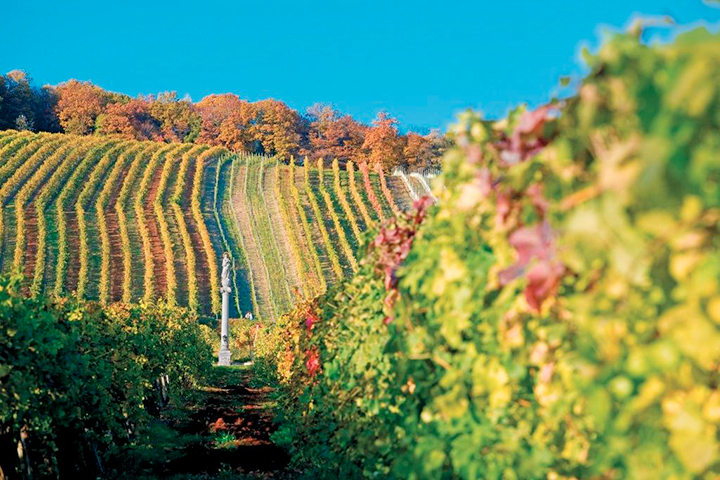
    René Hourdry, CC BY-SA 4.0, via Wikimedia Commons

    A Brief History

    Beaujolais Nouveau finds its roots in the Beaujolais region of France, nestled between Burgundy and the Rhône Valley. The story begins with a tradition known as “Beaujolais Day,” a celebration that dates back to the early 20th century. The local winemakers, eager to share their newly harvested wines, would race to bring the first bottles of Beaujolais to the market. Over time, this lively tradition evolved into a global phenomenon.

    The practice of producing Beaujolais Nouveau officially started in the 1950s, thanks to the marketing genius of Georges Duboeuf, a visionary winemaker. Recognizing the potential of the young, fruity wine, Duboeuf seized the opportunity to promote it as a festive and convivial beverage. The release date was set to the third Thursday of November, creating an annual wine event that captures the imagination of wine enthusiasts worldwide.

    The Beauty of Carbonic Maceration

    What sets Beaujolais Nouveau apart from other red wines is its unique winemaking process, known as carbonic maceration. This technique involves fermenting whole grapes in a carbon dioxide-rich environment before crushing them. This process emphasizes the fruity and aromatic qualities of the Gamay grape, the star of Beaujolais wines.

    The result is a wine that is light, fresh, and brimming with red fruit flavors such as cherry, raspberry, and strawberry. The absence of harsh tannins makes Beaujolais Nouveau exceptionally approachable, even for those who may not typically gravitate towards red wines.

    A Symphony of Fruitiness

    When exploring Beaujolais Nouveau, one is immediately struck by its vivacious and youthful character. The wine typically exhibits a brilliant, ruby-red hue that hints at the explosion of fruit flavors within. On the nose, one can detect a medley of red berries, accompanied by floral notes that add a layer of complexity.

    On the palate, Beaujolais Nouveau dances with bright acidity, making it a refreshing and versatile wine. The fruity profile is complemented by a subtle spiciness, creating a harmonious balance that lingers in the finish. It’s a wine meant to be enjoyed in its exuberant youthfulness, best consumed within the first few months of release.

    Pairing Beaujolais Nouveau

    One of the joys of Beaujolais Nouveau is its versatility when it comes to food pairings. Its light body and vibrant acidity make it an excellent companion for a variety of dishes. Consider pairing it with classic French fare such as coq au vin or a plate of charcuterie. The wine’s fruity profile also makes it an ideal match for Thanksgiving dinner, complementing the array of flavors on the holiday table.

    For those with a sweet tooth, Beaujolais Nouveau can be a surprising ally. Its fruit-forward nature makes it a delightful pairing with fruity desserts, such as a berry tart or poached pears.

    Coq au Vin – themodernproper.com/coq-au-vin

    Cultural Significance

    The release of Beaujolais Nouveau has transcended its French origins and become a global celebration of wine and camaraderie. Wine lovers around the world eagerly anticipate the third Thursday of November, marking the official release date. Festivals, parties, and special events unfold as enthusiasts raise their glasses to toast the arrival of this unique and ephemeral wine.

    Beaujolais Nouveau has become more than just a beverage; it’s a symbol of conviviality, tradition, and the joy of sharing. Winemakers, distributors, and consumers alike partake in the annual ritual, creating a sense of connection that transcends borders and cultures.

    Embracing the Beaujolais Nouveau Tradition

    I encourage enthusiasts to embrace the magic of Beaujolais Nouveau. Its lively and approachable nature, coupled with the rich history and cultural significance, makes it a wine worth savoring. Whether enjoyed at a festive gathering, a cozy dinner, or simply as a delightful accompaniment to the changing seasons, Beaujolais Nouveau captures the essence of celebration in a bottle. So, as the third Thursday of November passes by, let us raise our glasses to this special season favorite and the traditions that make the world of wine so enchanting.

    Santé 🍷

  • Wine Business: Industry Giants

    Wine Business: Industry Giants

    In the ever-evolving world of wine, a few colossal players have risen to the forefront, dominating the market with their extensive portfolios of brands and strategic acquisitions. Among these giants, Constellation Brands and E. & J. Gallo Winery have consistently demonstrated their prowess, reshaping the industry’s landscape. Let’s delve into their recent acquisitions and their mainstream brands that have solidified their dominance.

    Photo curtesy of Pexels

    Constellation Brands: Crafting a Portfolio of Excellence

    Constellation Brands (NYSE: STZ), headquartered in Victor, New York, has long been a force to reckon with in the wine and spirits industry. They’ve been at the forefront of innovation, consistently expanding their portfolio and catering to the evolving consumer preferences.

    Recent Acquisitions (Wine):

    1. Prisoner Wine Company (2020): In a bold move to further enhance their luxury wine portfolio, Constellation Brands acquired The Prisoner Wine Company, renowned for its unique blends and creative winemaking techniques. This acquisition has allowed Constellation to tap into the premium wine market.
    2. Empathy Wines (2020): Constellation Brands, recognizing the growing demand for sustainable and organic wines, purchased Empathy Wines, founded by entrepreneur Gary Vaynerchuk. This acquisition aligns with consumer trends towards ethically produced wines.
    3. Napa Valley’s Historic Brands (2021): Constellation continued its quest for premium brands by acquiring a portfolio of iconic Napa Valley wineries, including Charles Krug, Beringer, and Franciscan Estate. These historic names have added depth and prestige to Constellation’s lineup.

    Mainstream Brands (Wine):

    Constellation’s influence extends beyond premium wines. They boast a robust lineup of well-loved mainstream brands, including:

    • Robert Mondavi: A household name known for its accessible and high-quality California wines.
    • Woodbridge by Robert Mondavi: A popular choice for everyday drinking, offering a range of varietals.
    • Clos du Bois: Known for its consistent quality, Clos du Bois appeals to a broad audience.

    E. & J. Gallo Winery: The Powerhouse of Variety

    E. & J. Gallo Winery, headquartered in Modesto, California, stands as one of the largest family-owned wine companies globally. Their success can be attributed to their commitment to innovation, extensive vineyard holdings, and strategic acquisitions.

    Recent Acquisitions (Wine):

    1. Barefoot Wine & Bubbly (2005): Gallo’s acquisition of Barefoot Wine & Bubbly was a game-changer, positioning them as a leader in the accessible, easy-drinking wine segment.
    2. The Locations Wine Brand (2018): Recognizing the growing trend towards wine exploration, Gallo acquired the Locations Wine brand. These wines, known for their unique labeling based on geographic coordinates, have captivated adventurous wine enthusiasts.
    3. Constellation Brands’ Wine Brands (2021): In a significant move, Gallo acquired a portfolio of Constellation’s wine brands, including Black Box, Clos du Bois, and Ravenswood. This expanded their market presence even further.

    Mainstream Brands (Wine):

    Gallo’s mainstream brands cater to diverse tastes and preferences, including:

    • Barefoot: Renowned for its affordability and versatility, Barefoot offers a wide range of varietals and styles.
    • Apothic: Known for its bold and unconventional blends, Apothic has captured the attention of wine drinkers seeking something different.
    • Dark Horse: A favorite among value-conscious consumers, Dark Horse delivers quality at an affordable price.

    In conclusion, Constellation Brands and E. & J. Gallo Winery are giants in the wine industry, strategically expanding their portfolios through acquisitions while maintaining a strong presence with their mainstream brands. These companies continue to adapt to evolving consumer preferences, ensuring their relevance in an ever-changing market. As they navigate the wine world’s complexities, their acquisitions and mainstream brands shine as beacons of their dominance in the industry.

  • Perfect Pairings: Thanksgiving Traditions and Wine

    Perfect Pairings: Thanksgiving Traditions and Wine

    As the holiday season approaches, it’s time to gather around the table for the quintessential Thanksgiving feast. From roast turkey to sweet potato casserole, each dish brings its own unique flavors to the celebration. Elevate your Thanksgiving experience this year by exploring both traditional and unconventional wine pairings that will delight your palate and impress your guests. Read on as we journey through classic Thanksgiving dishes, guided by our passion as sommeliers (SOMM&SOMM), as we explore the perfect symphony of tastes.

    Classic Turkey and Stuffing

    The star of the Thanksgiving show is undoubtedly the roast turkey. Its savory, succulent meat pairs beautifully with a variety of wines. For a traditional choice, consider a medium to full-bodied white wine like a classic Chardonnay or a Viognier. These wines complement the turkey’s texture and enhance the subtle flavors of the bird.

    For a twist, try a Pinot Noir or a Grenache. These red wines bring out the earthy notes in the stuffing and create a harmonious balance with the turkey’s richness. SOMM&SOMM recommends choosing a Pinot Noir with a hint of spice to add complexity to the pairing.

    Recommended wines:

    Chateau Montelena Napa Valley Chardonnay (Classic)

    Machard Gramont Pommard 1er Cru ‘Clos Blanc’ (SOMM&SOMM)

    Ruths Chris Sweet Potato Casserole

    Sweet Potato Casserole

    Sweet potato casserole, adorned with a layer of gooey marshmallows or crunchy pecans (Ruth’s Chris Sweet Potato Casserole Recipe), dances on the palate with a combination of sweet and savory notes. To complement this dish, opt for a white wine with a touch of sweetness, such as a Riesling or a Gewürztraminer. These wines balance the sweetness of the dish without overpowering it.

    For a more unconventional choice, consider a rosé or a light-bodied red wine like Gamay. SOMM&SOMM suggests selecting a wine with bright acidity to cut through the sweetness of the casserole, creating a delightful contrast that will leave your taste buds wanting more.

    Recommended wines:

    Pierre Sparr Mambourg Grand Cru Gewurztraminer (Classic)

    Debeaune Morgon Belles Grives (SOMM&SOMM)

    Mashed Potatoes and Gravy

    Creamy mashed potatoes and rich gravy are the comforting soul of any Thanksgiving meal. A classic Chardonnay with buttery notes is a safe and satisfying choice. Its smooth texture complements the creamy potatoes and enhances the richness of the gravy.

    For a bolder pairing, go for a sparkling wine or a Champagne. The effervescence cuts through the heaviness of the potatoes and cleanses the palate, preparing it for the next delicious bite. SOMM&SOMM recommends selecting a brut or extra brut style for a clean and refreshing experience.

    Recommended wines:

    Rombauer Carneros Chardonnay (Classic)

    De Saint-Gall Blanc De Blancs Grand Cru Vintage Champagne (SOMM&SOMM)

    Pumpkin Pie

    No Thanksgiving feast is complete without a slice of pumpkin pie. The warm spices and creamy pumpkin filling call for a wine that can stand up to its bold flavors. A late-harvest Riesling or a Moscato d’Asti perfectly complements the sweetness of the pie.

    For an unexpected pairing, try a tawny port or a sweet sherry. These fortified wines add depth and complexity, creating a memorable finale to your Thanksgiving meal. SOMM&SOMM suggests opting for a tawny port with notes of caramel and nuts to enhance the nutty crust of the pie.

    Recommended wines:

    Michele Chiarlo Nivole Moscato d’Asti (Classic)

    Graham’s 20 Yr Tawny (SOMM&SOMM)

    This Thanksgiving, let your taste buds embark on a culinary adventure by exploring diverse wine pairings that elevate the classic flavors of the holiday. Whether you stick to tradition or venture into the realm of unconventional pairings, the expert guidance of a sommelier ensures a symphony of tastes that will make your Thanksgiving feast truly extraordinary.

    Photo by fauxels on Pexels.com

    Cheers to a holiday filled with good food, great company, and the perfect glass of wine! 🍷

  • Wine Experiences: A Five Decade Chateau Montelena Wine Pairing Dinner

    Wine Experiences: A Five Decade Chateau Montelena Wine Pairing Dinner

    On October 28, 2023, an enchanting event unfolded in a private suite at Disney’s Riviera Resort, a night that will be fondly remembered by those lucky enough to attend. It marked the 35th Wedding Anniversary of Scott and Alison White, a couple known for their love of fine wine and fine company. Although their actual anniversary date was October 30th, they thoughtfully planned this special celebration a few days in advance to accommodate their dear friends and family with busy schedules. It turned out to be a decision that would create an unforgettable evening filled with elegance, exceptional wine, and camaraderie.

    Place setting for the Chateau Montelena Penta-deca-vertical

    The centerpiece of the evening was a Chateau Montelena themed 5-course wine dinner featuring five decades of the legendary Cabernet Sauvignon wines of Chateau Montelena: 1978, 1988, 1998, 2008, and 2018. As each guest arrived, they were greeted with a glass of the 2020 Chateau Montelena Chardonnay, a delightful prelude to the remarkable evening that awaited them. The bright and beautifully floral wine flowed as guests mingled, setting the stage for a night of memorable moments.

    Gregory Dean (SOMM&SOMM) and Chris Grossman, CSW (Chateau Montelena)

    The uniqueness of this event became apparent when all five different Cabernet Sauvignons were poured at the beginning of the meal. This format allowed every vintage to be compared with all five courses. To enhance the experience and create a lasting memory, special tasting mats were thoughtfully provided for the 32 guests, inviting them to take notes and record their journey through these remarkable wines.

    Our ties may not be by blood, but they’re definitely by bottle… and I dare say, that’s even stronger!

    Gregory Dean

    Adding an extra layer of enchantment to the evening, Chris Grossman, a Certified Specialist of Wine (CSW) from Chateau Montelena, was in attendance as the special guest. His presence was akin to having the gatekeeper of a vinous treasure trove share the secrets and stories behind each bottle. Chris regaled the guests with detailed information about each wine, unveiling the history and the little-known tales of the fabled Chateau Montelena. His insights and storytelling elevated the entire experience, making it all the more special.

    Chris Grossman, CSW – Chateau Montelena

    As for the culinary side of the evening, the menu was meticulously curated, offering a perfect marriage of flavors with the exceptional wines:

    Beets Three Ways: The evening commenced with a dish that celebrated the versatility of beets, prepared three ways and complemented by fine herbs and red wine vinaigrette.

    Roasted Butternut Squash Soup: The second course brought to the table a velvety roasted butternut squash soup, adorned with pepitas and pomegranate seeds.

    Char-Crusted Swordfish: The third course introduced char-crusted swordfish, accompanied by creamed leeks and a cabernet reduction.

    Cabernet-Braised Short Rib: The fourth course featured tender cabernet-braised short ribs, served with red wine-braised onions and polenta.

    Reverse-Seared Ribeye: The grand finale was a succulent reverse-seared ribeye, presented with smoked gouda mac & cheese, charred Brussels sprouts, and a tantalizing blackberry sauce.

    Chateau Montelena Cabernet Sauvignon Lineup (1978, 1988, 1998, 2008, 2018)

    As the evening progressed, there was no shortage of opinions and expressions of how each wine paired with every dish. In fact, there were eight (8) sommeliers among the thirty-two (32) total guests. This created an atmosphere of wine knowledge euphoria 😉 With the penta-deca-vertical (a Scott White coined phrase) poured, each course was meticulously prepared and served. Here is my summary of how these wines paired with the dishes:

    Beets Three Ways – The older, softer wines (1978 and 1988) were my favorite wines for this dish. The 1998 with the golden beets in this dish were definitely a favorite.

    The 1978 Chateau Montelena Cabernet Sauvignon, a wine matured with time, gracefully complemented the “Beets Three Ways.” Its aged elegance showcased a symphony of flavors with subtle hints of blackberries, dried herbs, and a delicate touch of leather. This wine lent a refined depth to the dish. The earthy beets in their various preparations resonated with the wine’s complex character, creating a harmonious balance between sweet and savory, which was a testament to the beauty of well-aged Cabernet Sauvignon.

    The 1988 Chateau Montelena Cabernet Sauvignon, known for its rich dark fruit flavors and velvety texture, engaged in a delightful dance with the “Beets Three Ways.” The wine’s fruity undertones accentuated the natural sweetness of the beets while its tobacco notes offered a contrasting depth. This pairing brought out the best in both wine and dish, creating a symphony of flavors where the earthy and peppery aspects of the beets were beautifully elevated by the wine’s round finish.

    Roasted Butternut Squash Soup – This dish was earthy and rustic, so the older vintages seemed to be a natural fit. My favorite, however, was the 1998 with this particular dish.

    The 1998 Chateau Montelena Cabernet Sauvignon, characterized by dark plum, tobacco, and cedar, offered a captivating interplay with the Roasted Butternut Squash Soup. The wine’s firm tannins and depth created a delightful contrast to the soup’s creaminess. The wine’s dark fruit elements harmonized with the soup’s sweetness, while its structural integrity accentuated the dish’s complexity. This pairing celebrated the diverse characteristics of both the wine and the cuisine, creating an engaging and rich experience.

    Char-Crusted Swordfish – This dish was diverse enough to work well alongside any of the vintages. At one point I witnessed a guest enjoying this dish with the 2020 Chateau Montelena Chardonnay 😉 It’s this very reason that I leaned into a contrasting pairing as opposed to the classic complementing approach.

    The 2008 Chateau Montelena Cabernet Sauvignon, recognized for its balanced blackberry, cassis, and hints of eucalyptus, offered a refreshing twist to the Char Crust Swordfish. The wine’s depth and the hints of eucalyptus provided a unique contrast to the dish. The wine’s dark fruit flavors harmonized with the swordfish’s flavors, while its structural integrity accentuated the overall complexity of the dish. This pairing showcased the wine’s ability to provide a dynamic and revitalizing counterpoint to seafood.

    Cabernet-Braised Short Rib – This savory dish required a wine with pronounced fruit, body, and bolder tannins. The 2018 was a perfect fit!

    The 2018 Chateau Montelena Cabernet Sauvignon, the most recent vintage, unveiled bold blackberry, currant, and dark chocolate notes, creating an opulent and luxurious pairing with the Cabernet-braised Short Rib. The wine’s dark fruit and chocolate undertones beautifully complemented the richness of the short rib, enhancing the overall experience. The red wine-braised onions and polenta found a luxurious partner in this vintage, creating a grand and flavorful conclusion to the dish. This pairing set a decadent tone for the rest of the wine dinner, emphasizing the wine’s versatility and its ability to elevate classic comfort food to new heights.

    Reverse-Seared Ribeye – The final dish in the 5-course pairing would have easily stood up to any of the vintages in our penta-deca-vertical. My preference, however, was the 1978 vintage.

    The 1978 Chateau Montelena Cabernet Sauvignon, with its well-aged complexity, presented a captivating contrast to the Reverse-seared Ribeye. This vintage’s notes of blackberries, dried herbs, and subtle leather added depth and sophistication to the rich, succulent ribeye. The wine’s smooth tannins and long finish created an elegant harmony with the dish, bringing out the ribeye’s bold flavors and creating a luxurious and timeless pairing.

    Just when the evening couldn’t possibly get better… dessert was served! It was a melody of sweet classics–including creme brûlée (a personal favorite). These dessert dishes were served to enjoy alongside a luscious Chateau Montelena Late Harvest and Chateau Montelena Ruby-style Port (very exclusive).

    Chef Jose preparing Creme Brûlée

    We could not have scripted a better evening with a better group of friends. Thanks Scott and Alison for the friendship and shared love of food and wine.

    …So raise your glasses, give a hearty cheer, To Scott and Alison, who’ve persevered; Through all the years, come what may, Here’s to more laughter, on this special day!

    From the 35th Anniversary Toast – Gregory Dean

    A few memories captured by Erin Toung. Thanks, Erin, for the wonderful photos 😉

  • Old World Regions: Burgundy

    Old World Regions: Burgundy

    Revised 4/20/2025.

    In eastern France, where rolling hills meet ancient limestone escarpments, Burgundy unfolds like a living manuscript of wine history—written in vine rows and aged in cellars carved by monks. Here, winemaking is not merely a craft; it’s a centuries-old dialogue between land, grape, and soul. Burgundy’s greatness is etched into its terroir, refined by monastic hands, and immortalized through Pinot Noir and Chardonnay.

    Burgundy’s Historical Tapestry

    Though the Romans first planted vines here, it was the devotion of medieval monks—particularly the Cistercians and Benedictines—that truly shaped Burgundy’s wine culture. These devoted stewards mapped the land like viticultural cartographers, identifying climats (individual vineyard sites) and meticulously observing how every slope and soil nuance altered the wine. Their legacy gave birth to Burgundy’s intricate classification system, still revered today.

    By the 15th century, Burgundy had become liquid royalty. The wines of the Dukes of Burgundy graced the courts of Europe, their reputation carried by whispers of elegance and depth.

    Photo by ROMAN ODINTSOV on Pexels.com

    Chablis

    In Burgundy’s northern reaches lies Chablis, a land where Chardonnay sheds its oaky costume and reveals its truest self—tense, mineral, and vibrantly alive. The town’s quiet charm belies its global renown for producing wines of razor-sharp clarity and poise.

    What gives Chablis its unmistakable signature?

    • Kimmeridgian Soil: Layers of ancient limestone laced with fossilized oyster shells create a mineral core that defines the wine. You can almost taste the prehistoric sea.
    • Cool Continental Climate: Slow ripening preserves acidity and finesse, crafting wines that are bright, steely, and bracing.
    • The Serein River: This quiet ribbon of water softens spring frosts and helps moderate the region’s microclimate.

    Appellations of Chablis:

    • Chablis AOC: Crisp and direct, with citrus, green apple, and that flinty edge that defines the region.
    • Premier Cru: More complex, with structure and elegance. Forty designated climats bring subtlety and layered depth.
    • Grand Cru: Just seven vineyard sites, perched on the sunniest slopes above the town. These wines are dense, refined, and age-worthy, showing a Chardonnay of regal stature.

    Chablis producers typically avoid overt oak influence. Stainless steel or neutral oak lets terroir take center stage. Grapes are often hand-harvested, a nod to the region’s reverence for precision.

    Côte d’Or

    Divided into Côte de Nuits and Côte de Beaune, the Côte d’Or is Burgundy’s vinous heartland—a golden slope of vines that has birthed some of the most sought-after wines on Earth. Here, the word “climat” holds power, denoting micro-plots of land so revered that UNESCO granted them World Heritage status.

    Côte de Nuits

    Running south from Dijon, this slender ribbon of vineyards is hallowed ground for Pinot Noir. It’s where the grape achieves its most ethereal expressions—silken yet structured, earthy yet floral.

    • Gevrey-Chambertin: Bold and muscular, with dark fruit and spice. A favorite of Napoleon.
    • Vosne-Romanée: Perfumed, haunting, and impossibly elegant. Home to Romanée-Conti, the holy grail of Pinot.
    • Chambolle-Musigny: Ethereal and silky, like satin laced with violets.

    The land is a mosaic of limestone, marl, and clay, with east-facing slopes catching the gentle morning sun. Each vineyard has its own personality—its own voice in the Pinot Noir choir.

    Côte de Beaune

    Head further south, and the reds soften while the whites begin to shine with crystalline brilliance. Côte de Beaune is the birthplace of iconic Chardonnay—wines that dance between richness and elegance, lifted by acidity and grounded by mineral depth.

    • Meursault: Creamy and nutty, with golden orchard fruit and a whisper of oak.
    • Puligny-Montrachet: Precision and grace. Citrus, chalk, and white flowers.
    • Chassagne-Montrachet: Fuller-bodied, sometimes smoky, always refined.

    For reds, Volnay offers delicate and floral Pinot Noir with a silk-threaded structure, while Pommard brings a more muscular edge.

    Côte Chalonnaise

    South of the Côte d’Or, the Côte Chalonnaise is often overlooked—and unfairly so. This region offers authenticity, value, and wines with character that punches well above their appellation status.

    The landscape opens up, the climate warms slightly, and the diversity of soils (limestone, marl, and clay) creates ideal conditions for both Chardonnay and Pinot Noir.

    • Rully & Montagny: Vibrant whites with citrus zest, white peach, and a touch of saline minerality.
    • Mercurey & Givry: Energetic reds with red fruit, spice, and subtle earthy undertones.

    These are wines that reflect place, not prestige—and that’s exactly their magic. For sommeliers and seekers, it’s a playground of discovery.

    Mâconnais

    Traveling further south, the Mâconnais greets you with warmth—in both climate and character. This is where Chardonnay loosens its collar a bit, showing a rounder, riper side that’s no less expressive.

    Sun-drenched slopes and varied soils—from granite to limestone—produce wines that are generous and fruit-driven yet still rooted in mineral elegance.

    • Mâcon-Villages: An approachable, floral, and fruit-forward introduction to the region.
    • Saint-Véran & Viré-Clessé: Elegant, fresh, and subtly creamy Chardonnays with a whisper of stone fruit.
    • Pouilly-Fuissé: The star of the south. Rich but focused, often aged in oak, delivering finesse and depth without losing its Burgundian soul.

    Burgundy as a State of Mind

    To study Burgundy is to embrace complexity, patience, and nuance. It is not a region that gives up its secrets easily. But for those willing to walk its vineyard paths, taste its terroir, and listen to its whispering vines, Burgundy offers more than just wine—it offers a deeper understanding of harmony between man, grape, and earth.

    Cheers 🍷

  • Varietal Spotlight: Gamay

    Varietal Spotlight: Gamay

    Gamay made the iniquitous journey from Burgundy’s past to Beaujolais’ future. Burgundy, renowned for its exquisite Pinot Noir and Chardonnay wines, has a lesser-known grape variety in its history that once played a prominent role but was ultimately removed from the region’s vineyards. This grape is none other than Gamay, which found a new home and a fresh lease on life in the neighboring Beaujolais region. I’ve always been fascinated with the history of Gamay and specifically why it was expelled from Burgundy.

    A Complicated Love Affair

    Gamay’s presence in Burgundy dates back to the 14th century. It was planted widely in the region, particularly in the southern part of Burgundy, known as the Mâconnais. Gamay quickly gained popularity for its ease of cultivation, generous yields, and fruity, approachable character.

    However, Gamay’s success came with its share of controversies. The grape’s prolific nature often led to overproduction, diluting the quality of Burgundy wines. Winemakers in the heart of Burgundy, particularly in the Côte d’Or, where Pinot Noir was the star, viewed Gamay with disdain. They believed that its presence threatened the reputation and potential of their beloved Pinot Noir.

    we solemnly command you…all who have said vines of Gameez to cut them down or have them cut down, wherever they may be in our country, within five months.

    Duke Philip the Bold – July 31, 1395

    The 1395 Edict

    In 1395, Duke Philip the Bold of Burgundy (apparently, a relentless wine critic) issued an edict that essentially banished Gamay from the region. This decree prohibited the cultivation of Gamay in the Côte d’Or, the heartland of Burgundy’s wine production. The Duke’s motivations were multifaceted. He aimed to protect the image of Burgundy wines, emphasizing Pinot Noir and Chardonnay as the region’s noble grapes. Additionally, he sought to curb overproduction and maintain quality control.

    Wines of Beaujolias – featuring the Gamay Grape

    A Resilient Grape Finds a New Home

    While Gamay faced exile from Burgundy, it found a welcoming home in the neighboring region of Beaujolais. Beaujolais embraced Gamay and developed its own distinct style of wine, characterized by bright red fruit flavors and an emphasis on freshness. The region even created a unique winemaking technique called carbonic maceration, which enhances Gamay’s fruity and floral qualities.

    Today, Beaujolais is celebrated for its diverse range of Gamay wines, including Beaujolais Nouveau, Beaujolais-Villages, and the ten Crus of Beaujolais, each showcasing the grape’s potential in various terroirs.

    A Grape’s Journey and Redemption

    Gamay’s expulsion from Burgundy might have seemed like a tragic ending, but it led to a remarkable rebirth in Beaujolais. The grape’s history is a testament to the dynamic and ever-evolving world of wine. Today, Gamay wines from Beaujolais are beloved for their charming, fruit-forward character, offering a delightful contrast to the more serious and complex Pinot Noirs and Chardonnays of Burgundy.

    While Gamay’s presence may have been erased from Burgundy’s vineyards, its legacy endures as a symbol of resilience and adaptability in the world of viticulture, reminding us that sometimes, a change of scenery can lead to a grape’s true potential being fully realized. Gamay is currently allowed to be grown in Côte d’Or. Confusingly, however, Gamay is not allowed in wines produced within its namesake region ‘Saint Aubin sur Gamay’ 😉

    Give this peasant varietal a try. It pairs perfectly with roast chicken, garlicky sausages, or soft cheeses!

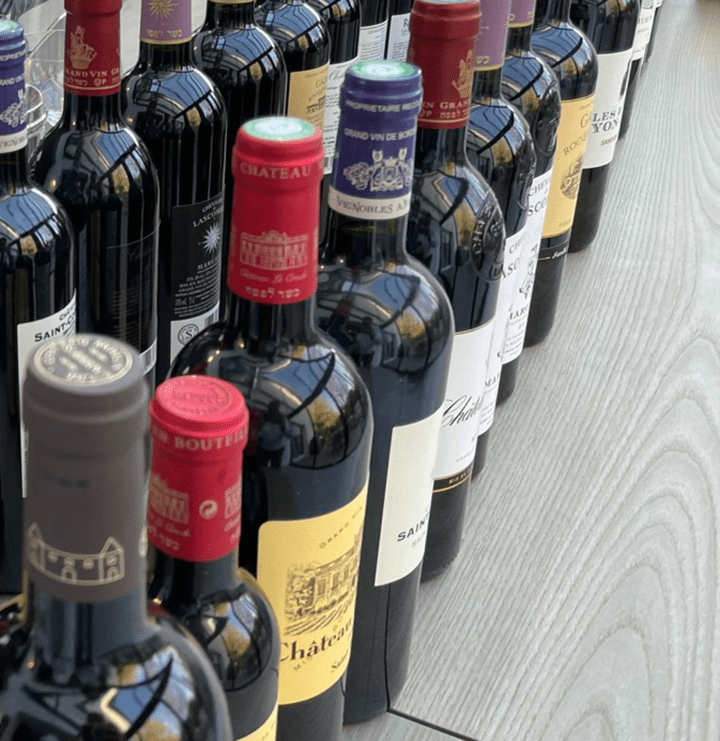
  • Old World Regions: Bordeaux

    Old World Regions: Bordeaux

    Bordeaux is a timeless elixir of history, terroir, and tradition. It’s a name that resonates with wine enthusiasts worldwide and is synonymous with excellence in winemaking. Nestled along the serene banks of the Garonne River in southwestern France, the Bordeaux wine region is a hallowed ground for cork dorks ;), boasting a rich history, distinct terroirs, and a complex classification system that sets it apart as one of the world’s foremost wine-producing regions.

    A Glimpse into Bordeaux’s Enigmatic Past

    Bordeaux’s history as a wine-producing region dates back to Roman times when the first vineyards were planted. However, it was during the 12th century, under the rule of Eleanor of Aquitaine and her marriage to Henry II of England, that Bordeaux wines gained international recognition. The English became avid consumers of Bordeaux wines, creating a demand that laid the foundation for Bordeaux’s global reputation.

    “…you are not to conclude I am a drinker. My measure is a perfectly sober 3 or 4 glasses at dinner, and not a drop at any other time. But as to those 3 or 4 glasses I am very fond.”

    Thomas Jefferson

    During the 17th century, Dutch engineers drained the marshlands and introduced a more systematic approach to winemaking, paving the way for Bordeaux’s vineyards to thrive. In the 18th century, Thomas Jefferson, the third President of the United States, became an ardent admirer of Bordeaux wines, further elevating their prestige. I had the opportunity several years ago to ogle over (look but don’t touch) two bottles from Jefferson’s collection. The bottles were locked inside a wire cage, covered in dust, each donning a small white price tag–$20,000. 

    Left Bank vs. Right Bank: A Tale of Two Terroirs

    One of the key distinctions in Bordeaux lies in its geographical diversity, which results in two distinct terroirs: the Left Bank and the Right Bank. Here is the breakdown…

    Left Bank

    – Located to the west of the Gironde Estuary and the Garonne River.

    – Predominantly features Cabernet Sauvignon as the dominant grape variety.

    – Famous appellations include the Médoc, Pauillac, Margaux, and Saint-Julien.

    – Produces wines known for their structured, tannic character and aging potential.

    Right Bank

    – Situated to the east of the Gironde Estuary and the Dordogne River.

    – Merlot is the primary grape variety, complemented by Cabernet Franc and sometimes Malbec.

    – Renowned appellations include Saint-Émilion and Pomerol.

    – Produces wines characterized by their elegance, supple texture, and approachability in their youth.

    Bordeaux Region in Southwest France

    Bordeaux’s Classifications: A Pyramid of Prestige

    Bordeaux boasts a complex classification system, which adds an extra layer of intrigue to its wines. The most famous classifications include:

    1. Bordeaux AOC:

       – The base level of classification, offering wines that showcase Bordeaux’s classic characteristics.

       – These wines can come from anywhere within the Bordeaux region and are typically approachable and affordable.

    2. Bordeaux Supérieur AOC:

       – A step above the Bordeaux AOC, with stricter quality control standards.

       – Often produced from older vines, resulting in more concentrated flavors.

    3. Médoc and Graves Classifications:

       – Within the Médoc and Graves regions, several châteaux are classified as Cru Bourgeois or Cru Artisan, signifying wines of consistently high quality.

    4. Saint-Émilion Classification:

       – Saint-Émilion has a unique classification system that is revised periodically.

       – It includes three main categories: Grand Cru Classé, Premier Grand Cru Classé “B,” and Premier Grand Cru Classé “A.”

       – These classifications indicate the quality and prestige of the wineries.

    5. 1855 Classification of the Médoc:

       – Arguably the most famous classification in Bordeaux, it was established for the Exposition Universelle de Paris.

       – Divided into five growths or “crus,” with the Premier Cru being the highest tier.

       – Châteaux such as Château Margaux and Château Latour hold this esteemed title.

    The complete list of all five first growths include:

    1. Château Latour
    2. Château Lafite Rothschild
    3. Château Margaux
    4. Château Haut Brion
    5. Château Mouton Rothschild

    Bordeaux’s intricate classification system reflects the region’s unwavering commitment to maintaining the quality and reputation of its wines.

    Bordeaux’s allure lies in its rich history, diverse terroirs, and complex classification system. Whether you’re sipping a bold Cabernet Sauvignon from the Left Bank or enjoying the velvety embrace of a Merlot-based wine from the Right Bank, Bordeaux offers a wine experience like no other. Its journey from ancient Roman vineyards to its present-day global prestige is a testament to the enduring artistry and craftsmanship of Bordeaux winemakers. With each bottle, Bordeaux encapsulates centuries of tradition, making it an enduring and timeless elixir for wine lovers around the world.

    Cheers 😉

  • Wine Experiences: Chateau Margaux

    Wine Experiences: Chateau Margaux

    In the illustrious world of fine wines, few names evoke as much reverence and admiration as Chateau Margaux (my favorite first growth). Nestled in the heart of Bordeaux’s famed Margaux appellation, this historic estate has consistently produced wines of unparalleled grace and distinction. Among the numerous exceptional vintages that have emerged from its cellars, the 1977 Chateau Margaux stands as a shining example of Bordeaux’s timeless elegance and the estate’s unwavering commitment to excellence.

    During a routine gathering of five wine-loving couples–appropriately named Club 10–one particular label stood out. While it isn’t unusual for wine-enthusiasts Brian and Erin Toung to share rare and unusual wines from their extensive collection, we knew right away that this night was going to be special. All of the wines were spectacular, and the 1977 Chateau Margaux provided by the Brian and Erin Toung lived up its reputation.

    Club 10 – August 18, 2023 at the home of Mike and Patti Weber

    History of Chateau Margaux

    Chateau Margaux’s legacy dates back to the 12th century when the property was first cultivated as a vineyard. However, it wasn’t until the 17th century that it began to gain prominence under the ownership of the Marquise de la Colonilla. Under her careful stewardship, Chateau Margaux rose to prominence, earning the moniker “The Pearl of Bordeaux.”

    Throughout its storied history, the estate has changed hands several times but always maintained its reputation for producing some of the world’s finest wines. The modern era ushered in a new era of precision winemaking under the guidance of André Mentzelopoulos, and later, his daughter Corinne Mentzelopoulos, who continues to oversee the estate today.

    The 1977 Vintage: A Snapshot in Time

    The 1977 Chateau Margaux vintage occupies a unique place in the estate’s annals. While not as legendary as some of the earlier vintages, such as the 1961 or the 1982, it remains a fascinating chapter in Chateau Margaux’s history. This vintage was marked by a temperate growing season with a mild summer, resulting in wines that exhibit a graceful finesse rather than raw power.

    Tasting Notes from a Sommelier’s Perspective

    The cork quickly disintegrated during several attempts to release it from its stable home of 46 years. After a slow ritual-like decanting, it was time to indulge 😉

    Aroma: Upon pouring a glass of the 1977 Chateau Margaux, I was immediately greeted by a symphony of aromas. Delicate notes of dried flowers, violet, and rose petals danced alongside more profound scents of blackcurrant, plum, and cherry. The bouquet was enchanting and seductive, showcasing the wine’s maturity with grace.

    Palate: On the palate, the wine continued to captivate with its finesse. The tannins had softened over the years, providing a silky texture that caressed the tongue. While the fruit had mellowed, it remained vibrant, revealing flavors of blackberry, cedar, tobacco, and subtle hints of leather. There was a lovely balance between the fruit and tertiary notes, making it a delight to savor.

    Structure: The 1977 Chateau Margaux maintained an impeccable structure. It had a medium body with a long, elegant finish that leaves a trail of subtle spices and a touch of minerality. The wine’s acidity was still remarkably fresh, providing a sense of vitality that belies its age.

    Pairing: This vintage calls for equally refined and nuanced cuisine. It paired perfectly with the French-inspired dishes meticulously prepared by our Club 10 hosts, Mike and Patti Weber. The wine’s elegance and complexity complemented these dishes beautifully.

    An Experience Like No Other

    The 1977 Chateau Margaux is a testament to the timeless allure of Bordeaux’s Margaux appellation and the unwavering commitment to quality at Chateau Margaux. While it may not be the most famous vintage from this legendary estate, it offed a unique opportunity to experience the grace and finesse that have made Chateau Margaux a household name among wine connoisseurs. With its mature aromas, silky palate, and impeccable structure, the 1977 Chateau Margaux continues to captivate the senses and remind us of the enduring excellence that defines this historic winery. Thanks Brian and Erin!

  • Varietal Spotlight: Chardonnay

    Varietal Spotlight: Chardonnay

    The Canvas of the Winemaker.

    Few grape varieties offer as much versatility and expressive potential as Chardonnay. Within the Vitis vinifera family, it stands as one of the most adaptable varietals—capable of producing everything from zesty, mineral-driven wines to rich, barrel-aged expressions. Winemakers often call it the “blank canvas” grape, not because it lacks character, but because it reflects the sum of choices made in the cellar: oak or stainless steel, malolactic conversion or crisp acidity, extended lees aging or youthful freshness. Chardonnay mirrors technique—and that is precisely why professionals revere it.

    Photo by Nadin Sh on Pexels.com

    A Brief History of a Global Classic

    The name Chardonnay originates from a small village in the Mâconnais subregion of Burgundy, France. While legends once traced its ancestry to medieval crusades or poetic tales from Cyprus, modern science has provided a far clearer understanding.

    Thanks to genetic research—most notably by Dr. Carole Meredith of the University of California—we now know that Chardonnay is a natural cross between Pinot Noir and Gouais Blanc. That lineage is meaningful: Pinot Noir has long been considered the noble grape of Burgundy, while Gouais Blanc was historically grown for everyday table wine. Their close proximity in vineyards centuries ago allowed for cross-pollination that ultimately produced the varietal we recognize today.

    Interestingly, Gouais Blanc has been known by more than 140 different names—proof of its widespread cultivation—and yet it has all but disappeared today. Chardonnay, on the other hand, has become one of the most celebrated and widely planted grapes in the world.

    Chardonnay and Terroir: A Natural Translator

    Chardonnay is uniquely sensitive to terroir—the combination of soil, climate, altitude, water access, and topography that shape a wine’s character. For this reason, many Old World labels emphasize geographic origin more than grape variety.

    Photo by Kate Filatova on Pexels.com

    Take Chablis, for example. It is not a synonym for Chardonnay, yet every wine labeled Chablis must be made from Chardonnay. The region’s cool climate and Kimmeridgian limestone soils produce wines that are lean, flinty, and mineral-driven—quite different from the fuller styles of, say, Sonoma or Margaret River. Thus:

    All Chablis are Chardonnay, but not all Chardonnays are Chablis.

    Gregory Dean, SOMM&SOMM

    In Burgundy’s Côte de Beaune, names like Montrachet (pronounced “Mon-ra-shay”) represent some of the most prestigious—and expensive—Chardonnays on earth. Further south, Pouilly-Fuissé in the Mâconnais region is known for producing ripe, elegant Chardonnays that balance fruit with structure. Nearly every Old World country—France, Italy, Spain, Germany, Austria, Portugal, Greece, Hungary, Croatia, and others—produces unique expressions shaped by specific terroir.

    Old World generally refers to European, Middle Eastern, and North African wine-producing countries.

    New World Chardonnay: Sunshine in the Glass

    In contrast, New World regions such as California, Australia, South Africa, Chile, and Argentina typically experience warmer growing conditions. More sunlight means longer hang time, which increases sugar levels in the grapes. Higher sugar translates into higher alcohol during fermentation—one reason New World Chardonnays tend to be richer, fuller-bodied, and more fruit-forward.

    Photo by Manuel Muu00f1oz on Pexels.com

    Serving temperature matters:

    • Unoaked, youthful styles: 48–50°F (9–10°C)
    • Oaked or older vintages: 52–54°F (11–12°C)

    These subtle temperature differences allow either the fruit or the influence of oak and lees to take the spotlight.

    What About ‘Buttery’ Chardonnay?

    The often-discussed buttery texture comes from malolactic conversion—a natural process where sharper malic acid (like that in green apples) is transformed into softer lactic acid (found in milk and cream). This adds texture and roundness while reducing acidity. Not all winemakers choose this technique; some prefer the crisp purity of a non-malo Chardonnay. Again—the grape simply mirrors the choice.

    Photo by Heather Smith on Pexels.com

    Chardonnay in Champagne

    Chardonnay is also one of only three permitted grapes in Champagne—the sole white varietal allowed. In fact, when you see Blanc de Blancs on a Champagne label, it indicates the wine is made from 100% Chardonnay. Its elegance and aging potential make it highly prized in sparkling wine production around the world.

    Stylistic Tools of the Winemaker

    Chardonnay can express a wide range of styles depending on the methods used:

    • Stainless steel fermentation – preserves freshness and acidity
    • Oak aging – adds spice, texture, and complexity
    • Concrete eggs – enhance mouthfeel without imparting flavor
    • Malolactic conversion – softens acidity and adds creaminess
    • Lees stirring (bâtonnage) – contributes body and aromatic depth

    Chardonnay, perhaps more than any other grape, tells the story of the cellar.

    SOMM&SOMM Recommendations

    A few standout examples worth exploring:

    Too many to list—but each one showcases a different voice of the same grape.

    A Final Thought

    The best way to understand Chardonnay is to taste it across regions, styles, and techniques. In a gallery, we use our eyes to interpret a painting. With wine, we have the luxury of using three senses instead of one—sight, smell, and taste. Each glass reveals the winemaker’s intention and the land’s identity.

    Next time you pour a Chardonnay, ask yourself:
    What story is the winemaker telling… and what is the vineyard whispering in the background? Cheers ❤️

    Edited: Original post was written and published 2/18/2023. Refreshed and updated 11/29/2025

  • Wine Education: WSET Level 2

    Wine Education: WSET Level 2

    While many (or most) individuals choose a wine education and certification path specific to their goals–such as hospitality/service, consultant, distributor, etc.–I thirst for a broad yet detailed knowledge of all things wine. So, it just makes sense to add the award-winning WSET courses and curriculum to my perpetual wine-knowledge-seeking journey 😉

    The Wine & Spirit Education Trust (WSET) offers four wine-focused courses and qualifications–including WSET Level 1 Award in Wines, WSET Level 2 Award in Wines, WSET Level 3 Award in Wines, and the prestigious WSET Level 4 Diploma in Wines. As expected, each subsequent course is more demanding than its predecessor. From the very first level, individuals are introduced to a systematic approach to tasting and evaluating wine. Throughout all the courses, this approach evolves into a very important methodology required for successful blind-tasting during the exams and beyond.

    Having first-hand knowledge of the tasting science taught by The Society of Wine Educators and the deductive tasting methodology of The Court of Master Sommeliers, I can appreciate the sometimes-not-so-subtle differences between these two and WSET’s Systematic Approach to Tasting (SAT). WSET’s approach to tasting is easier to grasp than the others, but they all use the same three core steps–individually describe and evaluate the wine by sight, smell and taste.

    I chose the Napa Valley Wine Academy for my WSET courses. While there are several options, I liked the reputation of this organization. The WSET Level 2 Award in Wines course was online (also available in person), and fit my busy schedule. The online course consists of a five-week structured program including four live video conferences with an instructor. Traditionally, at the conclusion of the five-week program, you sit for a proctored timed exam. The student has one hour to answer 50 questions. The exam questions reinforce the information learned during the previous five weeks. For me, however, the timing between course completion and exam was greatly compressed.

    While selecting all of the options during enrollment, and thinking the course was “self-paced,” I scheduled the exam with ProctorU roughly two-and-a-half weeks from my start date. So… as soon as the course materials arrived I began. Just after the second week, I sat for the exam 🙂

    Now… onto Level 3 (10-week course). Only this time it is a requirement to take the exam in-person. Cheers!