Category: Spotlight

  • Exploring the History and Tradition of Vin Santo Wine

    Exploring the History and Tradition of Vin Santo Wine

    In the rolling hills of Tuscany, amidst the golden vineyards and centuries-old traditions, lies a treasure deeply rooted in history and culture—the enchanting Vin Santo wine. With its rich amber hues and complex flavors, Vin Santo embodies the essence of Italy’s winemaking heritage, weaving together centuries of tradition into each precious drop.
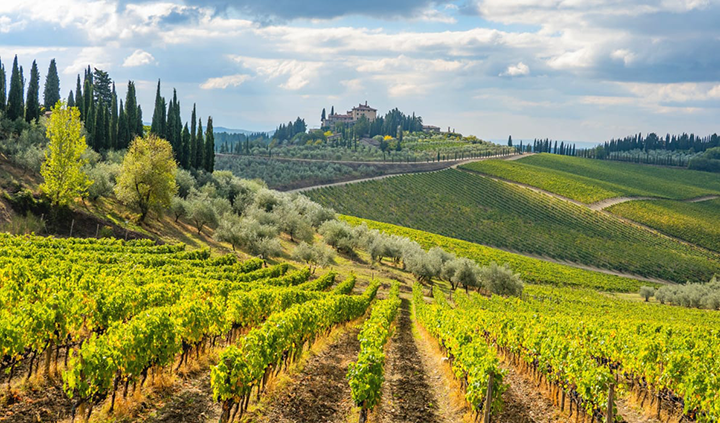
    Beautiful rolling hills of Tuscany

    A Journey Through Time: Origins of Vin Santo

    The origins of Vin Santo can be traced back to medieval times, where its story intertwines with the religious and cultural tapestry of Italy. Legend has it that Vin Santo, meaning “holy wine” in Italian, was first crafted by monks in the Tuscan hillsides. These devout custodians of viticulture discovered that by allowing grapes to dry on straw mats in warm attics, the sugars concentrated, resulting in a sweet, luscious wine.

    The process of making Vin Santo is deeply intertwined with the concept of ‘appassimento,’ a traditional method of drying grapes to concentrate their sugars and flavors. This technique, which originated in ancient Rome, was revived and perfected by Tuscan winemakers, leading to the creation of Vin Santo’s signature style.

    The Art of Vinification: Crafting Vin Santo

    Vin Santo is primarily crafted from white grape varieties such as Trebbiano and Malvasia, although red grape varieties like Sangiovese are also used in some regions. The grapes are harvested at optimal ripeness before being carefully laid out on straw mats or hung in well-ventilated lofts to dry. This drying process, known as ‘appassimento,’ can last for several months, allowing the grapes to gradually shrivel and concentrate their sugars.

    Once sufficiently dried, the grapes are gently pressed, yielding a highly concentrated juice with elevated sugar levels. This luscious must is then transferred to small oak barrels, known as caratelli or ‘little barrels,’ where it undergoes a slow and patient fermentation. Unlike most wines, Vin Santo is left to ferment naturally, relying on ambient yeasts to work their magic over the course of several years.

    The aging process is a hallmark of Vin Santo production, with the wine maturing in small barrels for a minimum of three to five years, though some examples age for much longer. During this time, the wine develops its distinctive aromas and flavors, evolving from vibrant fruitiness to complex notes of dried fruits, nuts, honey, and spices.

    The Variations of Vin Santo: Tradition and Terroir

    While Vin Santo is most commonly associated with Tuscany, its production extends to other regions of Italy, each with its own unique interpretation of this revered wine. In addition to the classic Vin Santo di Chianti, which hails from the heart of Tuscany, other notable variations include Vin Santo del Chianti Classico, Vin Santo di Montepulciano, and Vin Santo di Carmignano.

    These variations reflect not only regional differences in grape varieties and winemaking techniques but also the influence of terroir—the unique combination of soil, climate, and geography that shapes each wine’s character. For example, Vin Santo del Chianti Classico is celebrated for its elegance and balance, while Vin Santo di Montepulciano boasts a more robust and structured profile.

    The Ritual of Enjoyment: Serving Vin Santo

    Vin Santo is more than just a wine; it’s a symbol of conviviality and tradition, often shared during special occasions and festive gatherings. The ritual of serving Vin Santo is as important as the wine itself, with time-honored customs dictating its presentation and enjoyment.

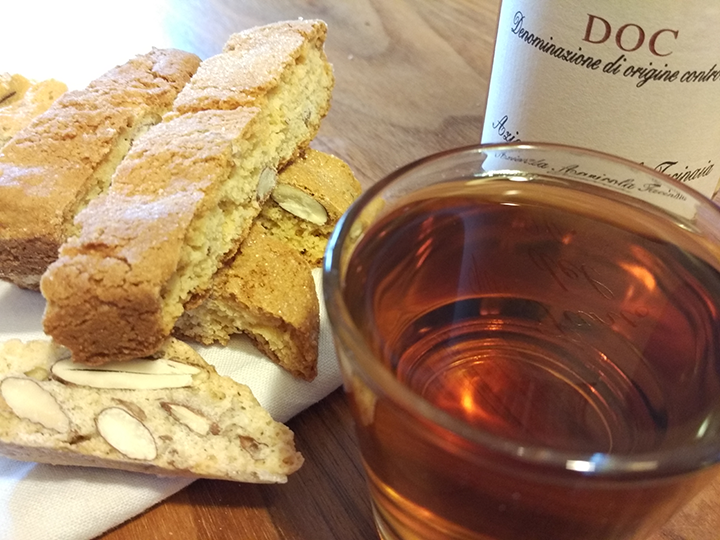
    Vin Santo and Biscotti

    Traditionally served in small, tulip-shaped glasses, Vin Santo is accompanied by biscotti or ‘cantucci,’ almond biscuits specifically designed to complement its sweetness. The ritual of dipping the biscotti into the wine, allowing them to soak up its ambrosial nectar, is a sensory experience that enhances the wine’s flavors and textures.

    Vin Santo is also a versatile wine that pairs beautifully with a variety of foods, from aged cheeses and foie gras to desserts such as panna cotta and almond cakes. Its natural sweetness and complex aromas make it a delightful accompaniment to both savory and sweet dishes, earning it a place of honor on tables around the world. Vin Santo is the wine traditionally used in tiramisu 🙂
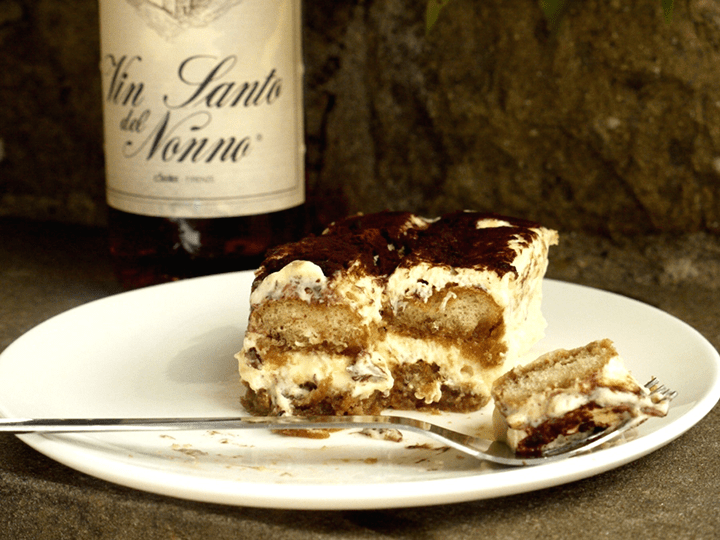
    Tiramisu with Vin Santo

    Preserving Tradition: The Future of Vin Santo

    In an era of rapidly changing tastes and trends, the tradition of Vin Santo remains a steadfast beacon of Italy’s winemaking heritage. While modern advancements have brought innovations to the production process, the essence of Vin Santo—its connection to the land, its reverence for tradition, and its timeless allure—remains unchanged.

    As we raise our glasses to toast the legacy of Vin Santo, we honor not only the craftsmanship of generations past but also the promise of generations to come. In each sip of this sacred elixir, we taste the history, the tradition, and the timeless beauty of Italian winemaking—a legacy that continues to inspire and enchant wine lovers around the world.

    Cheers🍷
  • Teinturier Grapes: A Deep Dive into Rarity and Richness

    Teinturier Grapes: A Deep Dive into Rarity and Richness

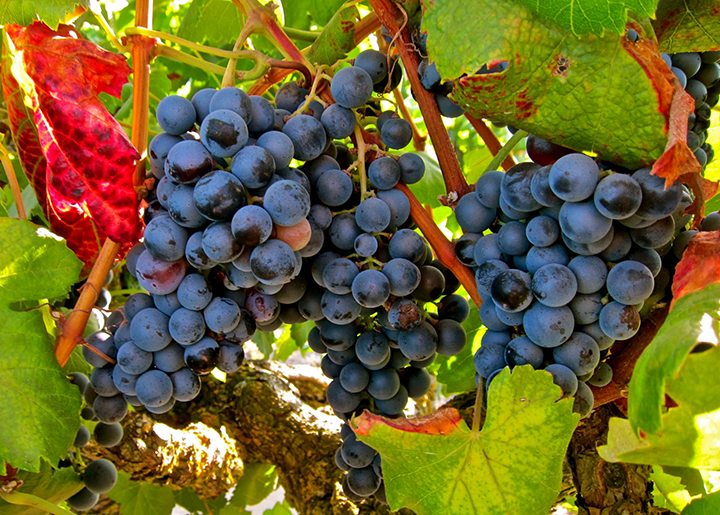
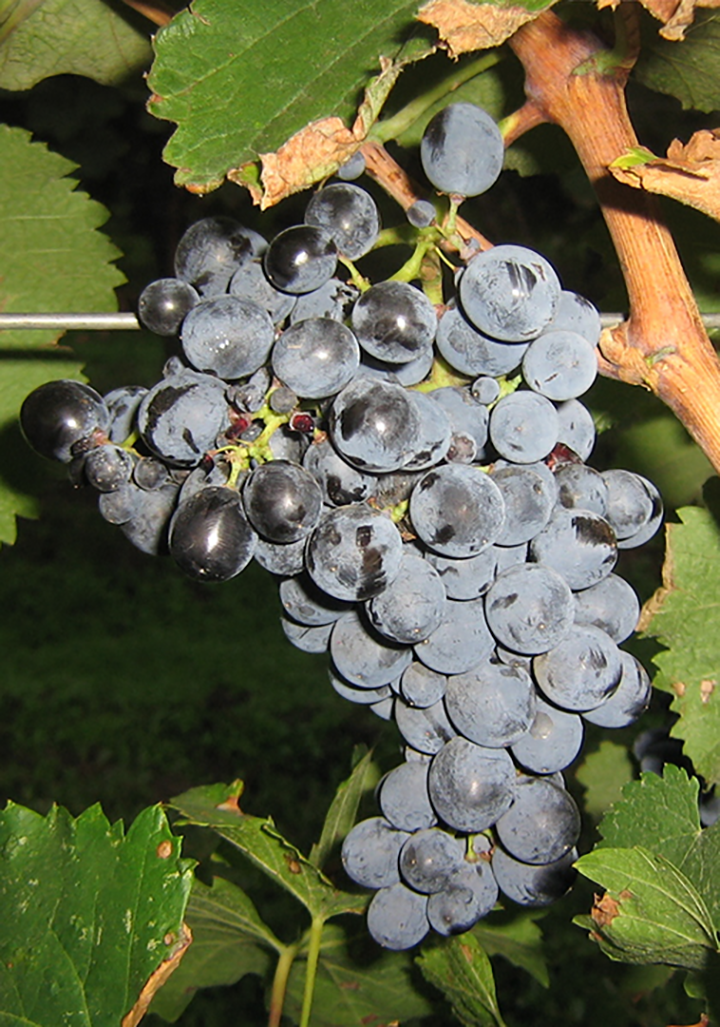
    In the vast and intricate world of wine, there exists a category of grapes that is shrouded in mystery and rarity: the teinturier (pronounced teen-TOUR-ee-er) grapes. These unique varieties stand out among their counterparts due to their distinct characteristic of having red-colored flesh, which sets them apart from the majority of grape varieties whose flesh is typically clear or lightly pigmented. In this exploration, we embark on a journey to uncover the enigmatic nature of teinturier grapes, delving into their origins, unique characteristics, varieties, tasting notes, and the stories that surround them.

    Cover photo credits: Lebowskyclone, CC BY-SA 3.0 https://creativecommons.org/licenses/by-sa/3.0, via Wikimedia Commons

    Origins and Characteristics

    The term “teinturier” is derived from the French word for “dyer,” which aptly describes the intense coloration these grapes impart to wine. Unlike most red grape varieties, where the color comes primarily from the skins during fermentation, teinturier grapes possess deeply pigmented flesh, resulting in wines with exceptionally rich coloration and depth.

    One of the most notable characteristics of teinturier grapes is their rarity. While there are thousands of grape varieties cultivated worldwide, only a small fraction belong to the teinturier category. This rarity adds to their allure and intrigue among wine enthusiasts and connoisseurs.

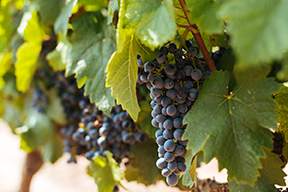
    Alicante Bouschet (photo: Good Food Revolution)

    Varieties of Teinturier Grapes

    Several grape varieties fall into the category of teinturier grapes, each offering its own unique characteristics and flavor profiles. Some of the most prominent varieties include:

    1. Alicante Bouschet: Among the most well-known teinturier grapes, Alicante Bouschet boasts deep red flesh and intense coloration. Originating in France in the late 19th century, this grape is prized for its robust flavors of dark fruits, such as blackberry and plum, coupled with firm tannins and a full-bodied structure.

    2. Saperavi: Hailing from the country of Georgia, Saperavi is a teinturier grape renowned for its inky color and bold, complex flavors. This variety often exhibits notes of black cherry, black pepper, and hints of smoke, with a velvety texture and a long, lingering finish.

    3. Rubired: Developed in California, Rubired is a teinturier grape widely used in winemaking for its deep color extraction and rich flavor profile. Wines made from Rubired grapes are characterized by their plush texture, ripe berry flavors, and a touch of spice, making them ideal for blending or as standalone varietal wines.

    4. Graciano: While not exclusively a teinturier grape, Graciano is known for its deeply pigmented juice, which contributes to the intense coloration of wines when blended with other grape varieties. Originating in Spain, Graciano imparts wines with vibrant acidity, notes of dark fruits, and a savory, herbal undertone.

    Tasting Notes and Pairings

    Teinturier wines are prized for their deep color, bold flavors, and distinctive characteristics. When tasting wines made from teinturier grapes, one can expect to encounter a spectrum of flavors and aromas, ranging from dark fruits and spices to savory notes and earthy undertones.

    Alicante Bouschet wines often exhibit flavors of ripe blackberry, plum, and dark chocolate, with firm tannins and a robust structure. Pairing these wines with grilled meats, hearty stews, or aged cheeses complements their bold flavors and enhances the overall dining experience.

    Saperavi wines boast a complex profile of black cherry, black pepper, and smoky notes, with a velvety texture and well-integrated tannins. These wines pair beautifully with dishes such as lamb tagine, roasted duck, or mushroom risotto, where their depth of flavor can shine.

    Rubired wines are characterized by their plush texture, ripe berry flavors, and hints of spice, making them versatile for pairing with a variety of cuisines. Whether enjoyed alongside barbecue ribs, spicy chili, or creamy pasta dishes, Rubired wines add a layer of richness and depth to the dining experience.

    Graciano Varietal from Rioja

    Graciano wines offer vibrant acidity, dark fruit flavors, and a savory, herbal character, making them ideal companions for dishes such as grilled steak, paella, or roasted vegetable medleys. The wine’s acidity cuts through rich flavors, while its earthy undertones complement a wide range of ingredients.

    Beyond their exceptional qualities in winemaking, teinturier grapes are also steeped in stories, myths, and quips that add an element of fascination to their narrative. Legend has it that Alicante Bouschet was created by a French viticulturist who sought to develop a grape variety with intense coloration during a time when blending wines was a common practice. Similarly, the origins of Saperavi trace back to ancient Georgia, where it is believed to have been cultivated for over 8,000 years, earning its status as one of the oldest grape varieties in existence.

    As we delve deeper into the world of teinturier grapes, we uncover not only their rare and unique characteristics but also the rich tapestry of history, culture, and tradition that surrounds them. From the sun-drenched vineyards of Spain to the lush landscapes of California, these grapes continue to captivate and inspire winemakers and enthusiasts alike, offering a glimpse into the extraordinary diversity and complexity of the wine world.

    Teinturier grapes stand as a testament to the endless possibilities and wonders of winemaking, showcasing the artistry and ingenuity of those who cultivate and craft them into the exquisite wines that grace our tables and tantalize our palates. As we raise our glasses to toast to these remarkable grapes, let us savor the richness of their flavors, the depth of their colors, and the stories that surround them, celebrating the beauty and complexity of the world of wine. Salute! 🍷

  • Exploring Tuscan Elegance: A Journey through Cantine Guidi’s Wine Portfolio

    Exploring Tuscan Elegance: A Journey through Cantine Guidi’s Wine Portfolio

    In the heart of Tuscany, amidst the rolling hills and historic vineyards, lies a hidden gem known as Cantine Guidi. Under the guidance of their father, Avio Guidi, and led by fourth-generation winemakers Giacomo and Nicola Guidi, this esteemed winery has been crafting exceptional wines that encapsulate the essence of the region for decades. Recently, I had the privilege of attending a special wine tasting event hosted by WineNot? orchestrated by the gracious owners and sommeliers, Mike and Lorale Mullins. This intimate gathering, limited to just 20 individuals, offered an unparalleled opportunity to delve into the world of Cantine Guidi and immerse ourselves in the artistry of winemaking.

    We want to make our wines drink all over the world and that every person drinking them can discover the soul of our family and of Tuscany

    Nicola Guida
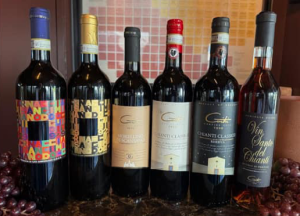
    Cantine Guidi Tasting Lineup

    Nicola Guidi began our tasting journey with the Cantine Guidi Vernaccia di San Gimignano D.O.C.G., a crisp and refreshing white wine that immediately captivated the senses. With its delicate floral aromas and vibrant citrus notes, this wine embodies the essence of Tuscan terroir. The limestone-rich soils of San Gimignano impart a distinctive minerality, while the cool climate ensures optimal acidity. Paired with fresh seafood or light pasta dishes, this Vernaccia di San Gimignano is a true delight.

    Next on the lineup was the Cantine Guidi Vernaccia di San Gimignano Riserva D.O.C.G., a step above its predecessor in terms of complexity and depth. Aged to perfection, this wine boasts layers of ripe stone fruit, honeyed undertones, and a subtle hint of almonds. The extended oak aging adds a touch of richness and texture, making it an ideal companion to creamy risottos or poultry dishes.

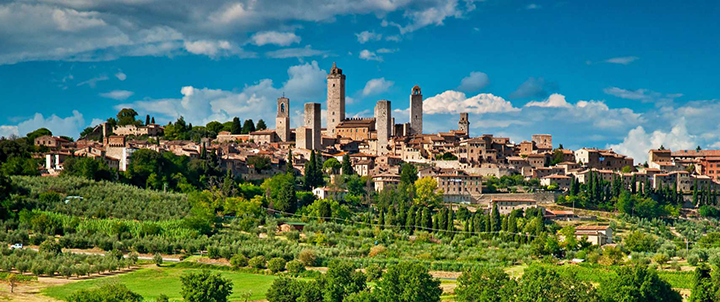
    San Gimignano is often referred to as Tuscany’s “Medieval Manhattan”

    Transitioning to reds, we savored the Morellino di Scansano D.O.C.G., a wine that showcases the versatility of Sangiovese grapes in the Maremma region. With its medium body and velvety tannins, this Morellino di Scansano offers an array of red berry flavors, accented by hints of herbs and spices. Its vibrant acidity makes it a versatile pairing for a variety of dishes, from grilled meats to hearty stews.

    Moving on to the Cantine Guidi Chianti Classico D.O.C.G., we were treated to a quintessential expression of Tuscan red wine. Crafted from Sangiovese grapes grown in the historic Chianti Classico region, this wine exudes elegance and finesse. Bursting with ripe cherry and plum flavors, complemented by notes of violet and earth, it is a true testament to the terroir of Tuscany. Pair it with classic Italian dishes such as pasta with tomato-based sauces (Greg’s Marinara Sauce) or aged cheeses for an unforgettable dining experience.

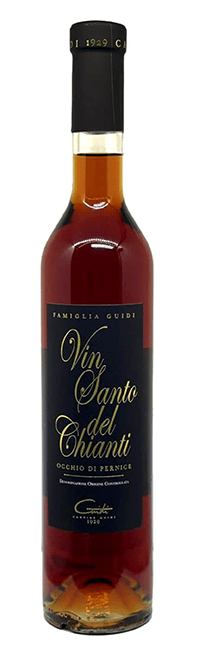
    Vin Santo

    The tasting culminated with the Cantine Guidi Chianti Riserva D.O.C.G., a wine of exceptional depth and complexity. Made from carefully selected grapes and aged in oak barrels, this Chianti Riserva offers an enticing bouquet of dark fruit, tobacco, and leather. Its velvety texture and lingering finish make it a perfect match for hearty meat dishes or aged cheeses.

    Last but certainly not least, we indulged in the Vin Santo del Chianti D.O.C., a true Tuscan treasure. This sweet dessert wine, made from sun-dried grapes, captivated our palates with its luscious notes of caramelized nuts, dried fruits, and honey. Sipped slowly, it served as a fitting finale to our tasting journey, leaving a lasting impression of Tuscan hospitality and craftsmanship.

    We strongly believe that we start from the origins and along the way we grow and change based on the needs of our land; in fact, it is sustainability and ethics that motivate the choices we make every day.

    Cantine Guidi 1929

    Throughout the tasting, Nicola Guidi’s passion for winemaking shone through, as he shared insights into his family’s legacy and the unique terroir of each wine. From the sun-drenched vineyards of San Gimignano to the rugged hills of Chianti, every bottle tells a story of tradition, innovation, and dedication to quality.

    WineNot? West – 1108 W Granada Blvd, Ormond Beach, FL 32174

    As we bid farewell to WineNot? and its gracious hosts, Mike and Lorale Mullins, I couldn’t help but reflect on the unforgettable experience we had shared. Through the artistry of Cantine Guidi’s wines, we had embarked on a sensory journey through the timeless landscapes of Tuscany, savoring each moment and leaving with a newfound appreciation for the beauty of Italian winemaking. Saluti 🍷

  • Unlocking the Magic of Beaujolais Nouveau

    Unlocking the Magic of Beaujolais Nouveau

    As autumn settles in and leaves begin to paint the landscape with warm hues, wine enthusiasts around the world eagerly await the arrival of a special seasonal favorite—Beaujolais Nouveau. This vibrant and fruity red wine, released just weeks after the grape harvest, has become a symbol of celebration and conviviality. As a wine educator, I am excited to delve into the nuances of Beaujolais Nouveau, exploring its origins, characteristics, and the cultural significance that surrounds its annual release.

    René Hourdry, CC BY-SA 4.0, via Wikimedia Commons

    A Brief History

    Beaujolais Nouveau finds its roots in the Beaujolais region of France, nestled between Burgundy and the Rhône Valley. The story begins with a tradition known as “Beaujolais Day,” a celebration that dates back to the early 20th century. The local winemakers, eager to share their newly harvested wines, would race to bring the first bottles of Beaujolais to the market. Over time, this lively tradition evolved into a global phenomenon.

    The practice of producing Beaujolais Nouveau officially started in the 1950s, thanks to the marketing genius of Georges Duboeuf, a visionary winemaker. Recognizing the potential of the young, fruity wine, Duboeuf seized the opportunity to promote it as a festive and convivial beverage. The release date was set to the third Thursday of November, creating an annual wine event that captures the imagination of wine enthusiasts worldwide.

    The Beauty of Carbonic Maceration

    What sets Beaujolais Nouveau apart from other red wines is its unique winemaking process, known as carbonic maceration. This technique involves fermenting whole grapes in a carbon dioxide-rich environment before crushing them. This process emphasizes the fruity and aromatic qualities of the Gamay grape, the star of Beaujolais wines.

    The result is a wine that is light, fresh, and brimming with red fruit flavors such as cherry, raspberry, and strawberry. The absence of harsh tannins makes Beaujolais Nouveau exceptionally approachable, even for those who may not typically gravitate towards red wines.

    A Symphony of Fruitiness

    When exploring Beaujolais Nouveau, one is immediately struck by its vivacious and youthful character. The wine typically exhibits a brilliant, ruby-red hue that hints at the explosion of fruit flavors within. On the nose, one can detect a medley of red berries, accompanied by floral notes that add a layer of complexity.

    On the palate, Beaujolais Nouveau dances with bright acidity, making it a refreshing and versatile wine. The fruity profile is complemented by a subtle spiciness, creating a harmonious balance that lingers in the finish. It’s a wine meant to be enjoyed in its exuberant youthfulness, best consumed within the first few months of release.

    Pairing Beaujolais Nouveau

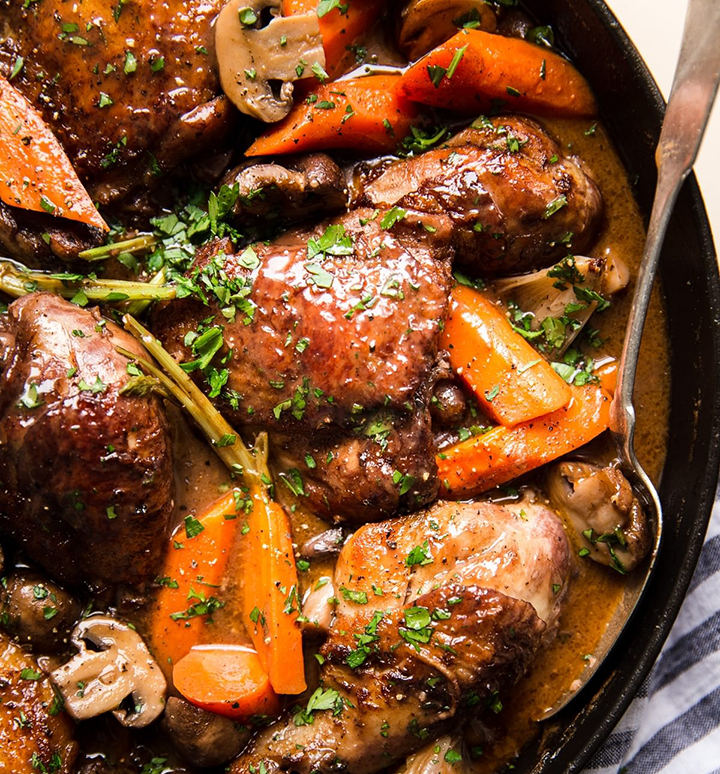
    One of the joys of Beaujolais Nouveau is its versatility when it comes to food pairings. Its light body and vibrant acidity make it an excellent companion for a variety of dishes. Consider pairing it with classic French fare such as coq au vin or a plate of charcuterie. The wine’s fruity profile also makes it an ideal match for Thanksgiving dinner, complementing the array of flavors on the holiday table.

    For those with a sweet tooth, Beaujolais Nouveau can be a surprising ally. Its fruit-forward nature makes it a delightful pairing with fruity desserts, such as a berry tart or poached pears.

    Coq au Vin – themodernproper.com/coq-au-vin

    Cultural Significance

    The release of Beaujolais Nouveau has transcended its French origins and become a global celebration of wine and camaraderie. Wine lovers around the world eagerly anticipate the third Thursday of November, marking the official release date. Festivals, parties, and special events unfold as enthusiasts raise their glasses to toast the arrival of this unique and ephemeral wine.

    Beaujolais Nouveau has become more than just a beverage; it’s a symbol of conviviality, tradition, and the joy of sharing. Winemakers, distributors, and consumers alike partake in the annual ritual, creating a sense of connection that transcends borders and cultures.

    Embracing the Beaujolais Nouveau Tradition

    I encourage enthusiasts to embrace the magic of Beaujolais Nouveau. Its lively and approachable nature, coupled with the rich history and cultural significance, makes it a wine worth savoring. Whether enjoyed at a festive gathering, a cozy dinner, or simply as a delightful accompaniment to the changing seasons, Beaujolais Nouveau captures the essence of celebration in a bottle. So, as the third Thursday of November passes by, let us raise our glasses to this special season favorite and the traditions that make the world of wine so enchanting.

    Santé 🍷

  • Wine Experiences: Chateau Margaux

    Wine Experiences: Chateau Margaux

    In the illustrious world of fine wines, few names evoke as much reverence and admiration as Chateau Margaux (my favorite first growth). Nestled in the heart of Bordeaux’s famed Margaux appellation, this historic estate has consistently produced wines of unparalleled grace and distinction. Among the numerous exceptional vintages that have emerged from its cellars, the 1977 Chateau Margaux stands as a shining example of Bordeaux’s timeless elegance and the estate’s unwavering commitment to excellence.

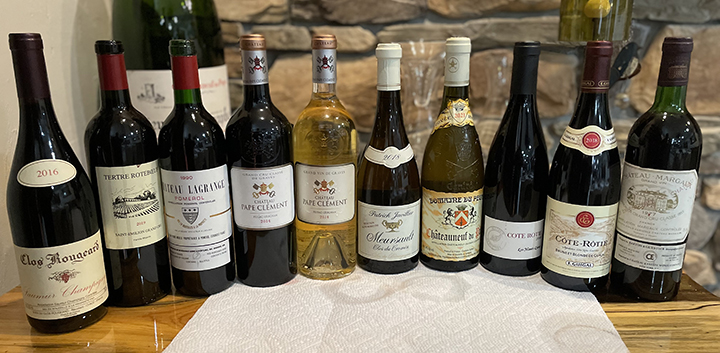
    During a routine gathering of five wine-loving couples–appropriately named Club 10–one particular label stood out. While it isn’t unusual for wine-enthusiasts Brian and Erin Toung to share rare and unusual wines from their extensive collection, we knew right away that this night was going to be special. All of the wines were spectacular, and the 1977 Chateau Margaux provided by the Brian and Erin Toung lived up its reputation.

    Club 10 – August 18, 2023 at the home of Mike and Patti Weber

    History of Chateau Margaux

    Chateau Margaux’s legacy dates back to the 12th century when the property was first cultivated as a vineyard. However, it wasn’t until the 17th century that it began to gain prominence under the ownership of the Marquise de la Colonilla. Under her careful stewardship, Chateau Margaux rose to prominence, earning the moniker “The Pearl of Bordeaux.”

    Throughout its storied history, the estate has changed hands several times but always maintained its reputation for producing some of the world’s finest wines. The modern era ushered in a new era of precision winemaking under the guidance of André Mentzelopoulos, and later, his daughter Corinne Mentzelopoulos, who continues to oversee the estate today.

    The 1977 Vintage: A Snapshot in Time

    The 1977 Chateau Margaux vintage occupies a unique place in the estate’s annals. While not as legendary as some of the earlier vintages, such as the 1961 or the 1982, it remains a fascinating chapter in Chateau Margaux’s history. This vintage was marked by a temperate growing season with a mild summer, resulting in wines that exhibit a graceful finesse rather than raw power.

    Tasting Notes from a Sommelier’s Perspective

    The cork quickly disintegrated during several attempts to release it from its stable home of 46 years. After a slow ritual-like decanting, it was time to indulge 😉

    Aroma: Upon pouring a glass of the 1977 Chateau Margaux, I was immediately greeted by a symphony of aromas. Delicate notes of dried flowers, violet, and rose petals danced alongside more profound scents of blackcurrant, plum, and cherry. The bouquet was enchanting and seductive, showcasing the wine’s maturity with grace.

    Palate: On the palate, the wine continued to captivate with its finesse. The tannins had softened over the years, providing a silky texture that caressed the tongue. While the fruit had mellowed, it remained vibrant, revealing flavors of blackberry, cedar, tobacco, and subtle hints of leather. There was a lovely balance between the fruit and tertiary notes, making it a delight to savor.

    Structure: The 1977 Chateau Margaux maintained an impeccable structure. It had a medium body with a long, elegant finish that leaves a trail of subtle spices and a touch of minerality. The wine’s acidity was still remarkably fresh, providing a sense of vitality that belies its age.

    Pairing: This vintage calls for equally refined and nuanced cuisine. It paired perfectly with the French-inspired dishes meticulously prepared by our Club 10 hosts, Mike and Patti Weber. The wine’s elegance and complexity complemented these dishes beautifully.

    An Experience Like No Other

    The 1977 Chateau Margaux is a testament to the timeless allure of Bordeaux’s Margaux appellation and the unwavering commitment to quality at Chateau Margaux. While it may not be the most famous vintage from this legendary estate, it offed a unique opportunity to experience the grace and finesse that have made Chateau Margaux a household name among wine connoisseurs. With its mature aromas, silky palate, and impeccable structure, the 1977 Chateau Margaux continues to captivate the senses and remind us of the enduring excellence that defines this historic winery. Thanks Brian and Erin!

  • Varietal Spotlight: Chardonnay

    Varietal Spotlight: Chardonnay

    The Canvas of the Winemaker.

    Few grape varieties offer as much versatility and expressive potential as Chardonnay. Within the Vitis vinifera family, it stands as one of the most adaptable varietals—capable of producing everything from zesty, mineral-driven wines to rich, barrel-aged expressions. Winemakers often call it the “blank canvas” grape, not because it lacks character, but because it reflects the sum of choices made in the cellar: oak or stainless steel, malolactic conversion or crisp acidity, extended lees aging or youthful freshness. Chardonnay mirrors technique—and that is precisely why professionals revere it.

    Photo by Nadin Sh on Pexels.com

    A Brief History of a Global Classic

    The name Chardonnay originates from a small village in the Mâconnais subregion of Burgundy, France. While legends once traced its ancestry to medieval crusades or poetic tales from Cyprus, modern science has provided a far clearer understanding.

    Thanks to genetic research—most notably by Dr. Carole Meredith of the University of California—we now know that Chardonnay is a natural cross between Pinot Noir and Gouais Blanc. That lineage is meaningful: Pinot Noir has long been considered the noble grape of Burgundy, while Gouais Blanc was historically grown for everyday table wine. Their close proximity in vineyards centuries ago allowed for cross-pollination that ultimately produced the varietal we recognize today.

    Interestingly, Gouais Blanc has been known by more than 140 different names—proof of its widespread cultivation—and yet it has all but disappeared today. Chardonnay, on the other hand, has become one of the most celebrated and widely planted grapes in the world.

    Chardonnay and Terroir: A Natural Translator

    Chardonnay is uniquely sensitive to terroir—the combination of soil, climate, altitude, water access, and topography that shape a wine’s character. For this reason, many Old World labels emphasize geographic origin more than grape variety.

    Photo by Kate Filatova on Pexels.com

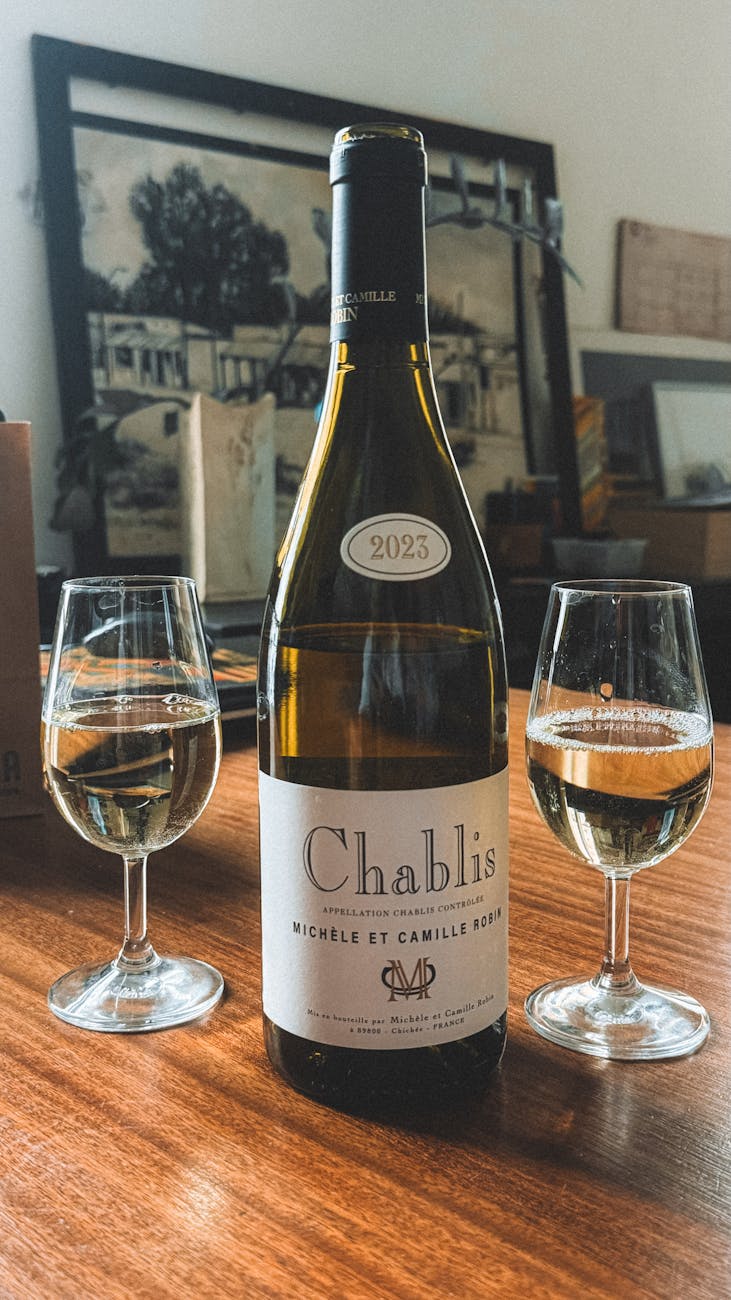
    Take Chablis, for example. It is not a synonym for Chardonnay, yet every wine labeled Chablis must be made from Chardonnay. The region’s cool climate and Kimmeridgian limestone soils produce wines that are lean, flinty, and mineral-driven—quite different from the fuller styles of, say, Sonoma or Margaret River. Thus:

    All Chablis are Chardonnay, but not all Chardonnays are Chablis.

    Gregory Dean, SOMM&SOMM

    In Burgundy’s Côte de Beaune, names like Montrachet (pronounced “Mon-ra-shay”) represent some of the most prestigious—and expensive—Chardonnays on earth. Further south, Pouilly-Fuissé in the Mâconnais region is known for producing ripe, elegant Chardonnays that balance fruit with structure. Nearly every Old World country—France, Italy, Spain, Germany, Austria, Portugal, Greece, Hungary, Croatia, and others—produces unique expressions shaped by specific terroir.

    Old World generally refers to European, Middle Eastern, and North African wine-producing countries.

    New World Chardonnay: Sunshine in the Glass

    In contrast, New World regions such as California, Australia, South Africa, Chile, and Argentina typically experience warmer growing conditions. More sunlight means longer hang time, which increases sugar levels in the grapes. Higher sugar translates into higher alcohol during fermentation—one reason New World Chardonnays tend to be richer, fuller-bodied, and more fruit-forward.

    Photo by Manuel Muu00f1oz on Pexels.com

    Serving temperature matters:

    • Unoaked, youthful styles: 48–50°F (9–10°C)
    • Oaked or older vintages: 52–54°F (11–12°C)

    These subtle temperature differences allow either the fruit or the influence of oak and lees to take the spotlight.

    What About ‘Buttery’ Chardonnay?

    The often-discussed buttery texture comes from malolactic conversion—a natural process where sharper malic acid (like that in green apples) is transformed into softer lactic acid (found in milk and cream). This adds texture and roundness while reducing acidity. Not all winemakers choose this technique; some prefer the crisp purity of a non-malo Chardonnay. Again—the grape simply mirrors the choice.

    Photo by Heather Smith on Pexels.com

    Chardonnay in Champagne

    Chardonnay is also one of only three permitted grapes in Champagne—the sole white varietal allowed. In fact, when you see Blanc de Blancs on a Champagne label, it indicates the wine is made from 100% Chardonnay. Its elegance and aging potential make it highly prized in sparkling wine production around the world.

    Stylistic Tools of the Winemaker

    Chardonnay can express a wide range of styles depending on the methods used:

    • Stainless steel fermentation – preserves freshness and acidity
    • Oak aging – adds spice, texture, and complexity
    • Concrete eggs – enhance mouthfeel without imparting flavor
    • Malolactic conversion – softens acidity and adds creaminess
    • Lees stirring (bâtonnage) – contributes body and aromatic depth

    Chardonnay, perhaps more than any other grape, tells the story of the cellar.

    SOMM&SOMM Recommendations

    A few standout examples worth exploring:

    Too many to list—but each one showcases a different voice of the same grape.

    A Final Thought

    The best way to understand Chardonnay is to taste it across regions, styles, and techniques. In a gallery, we use our eyes to interpret a painting. With wine, we have the luxury of using three senses instead of one—sight, smell, and taste. Each glass reveals the winemaker’s intention and the land’s identity.

    Next time you pour a Chardonnay, ask yourself:
    What story is the winemaker telling… and what is the vineyard whispering in the background? Cheers ❤️

    Edited: Original post was written and published 2/18/2023. Refreshed and updated 11/29/2025

  • Spotlight: Nine Fine Irishmen

    Spotlight: Nine Fine Irishmen

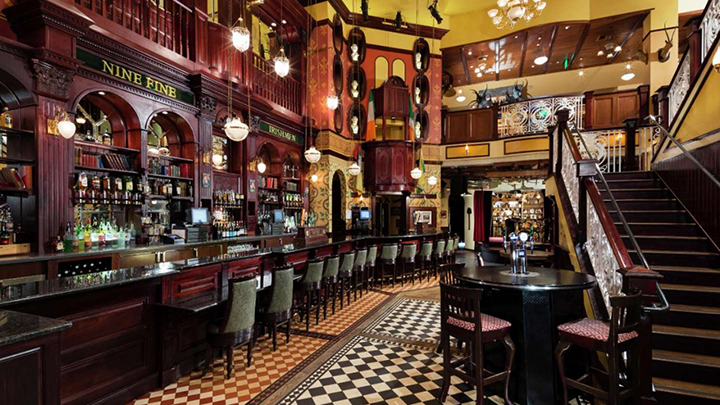
    Sometimes you’re fortunate enough to experience the perfect balance of fantastic food, awesome drinks, impeccable service and amazing atmosphere–all in the same meal. That was certainly the case at our 40th Anniversary celebration week kickoff lunch in Las Vegas. It has become an annual tradition to begin the week’s festivities at Nine Fine Irishmen in the New York New York Las Vegas Resort and Casino. After several flights and a long layover, we were ready for some cold beer and pub food… Irish-style!

    We prefer OpenTable for making reservations. I specifically like adding information describing the purpose of our visit (i.e. birthday, anniversary, …) and preferred seating (i.e. the DraftMaster table). Most restaurants skim this information and perhaps make mention of a special event, but Nine Fine Irishmen used the information to create an experience.

    DraftMaster Table at Nine Fine Irishmen (Disclaimer: This table was not available during our visit)

    Mike, Patti, Tammy and I started our lunch with the traditional Beer and Cheese Dip and Fried Sausages. Of course no pub appetizer is complete without a cold draft beer, and there was no shortage of options. From the classics like Guinness, Harp, Bass and Smithwick’s to all the usual domestics… we were in for a treat. The service was over the top. Our glasses were never empty, and the server was fun and engaging.

    Part way through the main course(s) we were approached by the manager. And while this isn’t (and shouldn’t be) unusual, what happened next was memorable. Anthony Longenbach, Restaurant General Manager at MGM Resorts International – Nine Fine Irishmen, stopped by to wish us a very happy 40th Anniversary. Prior to our arrival, he made it a point to read the notes and comments I posted on the OpenTable reservation. He knew this was the traditional first stop of the week.

    A few minutes later, Mr. Longenbach returned to the table with a special surprise–bourbon. He said he wanted to share their signature MGM bourbon with the “Bourbon Girl.” He poured four glasses… neat… and we toasted our 40th Anniversary, Nine Fine Irishmen, and the week to come. It was a great experience. Their attention to detail and customer-centric approach is why Nine Fine Irishmen has earned a loyal following. This venue gets top marks for quality, service, ambience and consistency.

    Thanks again Anthony… we’ll see you and the Nine Fine Irishmen team next year!