Category: Spotlight

  • Tokaji: Hungary’s Golden Secret

    Tokaji: Hungary’s Golden Secret

    …and why you should stop being afraid of it 😉

    Tokaji is one of the world’s most misunderstood wines—and frankly, one of its most rewarding. Tiny bottles, unfamiliar words, strange numbers, and labels that look like they were designed by a medieval scribe… no wonder most people reach for Sauternes instead. Safer. Familiar. French.

    But Tokaji is older, deeper, more versatile, and—dare I say—more soulful.

    If you’re a wine lover with even a passing interest in history, sweetness balanced by acid, or hidden gems that reward curiosity, Tokaji isn’t intimidating at all. It’s an invitation.

    Related SOMM&SOMM article: Wine Styles: Late Harvest Wines

    A Little History & Lore (Because Tokaji Has Plenty)

    Tokaji comes from northeastern Hungary, in the Tokaj-Hegyalja region, near the borders of Slovakia and Ukraine. This is not a “new discovery” wine. Tokaji Aszú was being made centuries before Sauternes—with documented production as early as the mid-1600s.

    In fact:

    • Tokaj was the first classified wine region in the world (1737)—nearly 120 years before Bordeaux.
    • Louis XIV famously called Tokaji “Vinum Regum, Rex Vinorum”The Wine of Kings, the King of Wines.
    • It was a favorite at royal courts across Europe, from the Habsburgs to the Russian Tsars.

    And yes, there’s lore: monks, misty autumn mornings, noble rot creeping slowly across vineyards as the Bodrog and Tisza rivers create the perfect fog-and-sun rhythm. Tokaji didn’t stumble into greatness—it was engineered by nature and refined by time.

    The Grapes Behind the Magic

    Tokaji is not a single-varietal wine in spirit, even if one grape dominates.

    Furmint (the star)

    • High acid (crucial for balance)
    • Neutral to apple-pear-citrus when dry
    • Transforms beautifully with botrytis
    • Think: green apple, quince, citrus peel, honeycomb, wet stone

    Hárslevelű

    • Softer acidity
    • Floral, herbal, linden blossom notes
    • Adds perfume and roundness

    Supporting Cast (used in smaller amounts)

    • Sárgamuskotály (Yellow Muscat) – aromatics and spice
    • Zéta – botrytis-prone, boosts sweetness
    • Kövérszőlő – richness and texture

    Furmint provides the spine. Everything else adds flesh, fragrance, and intrigue.
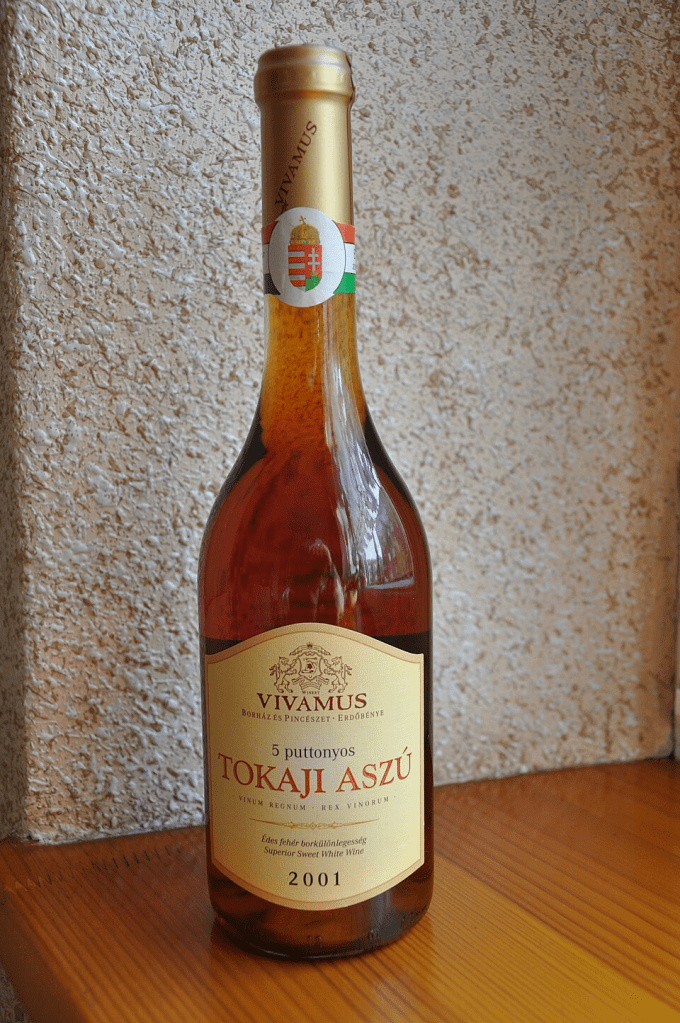
    Tokaji Aszú – Beemwej, CC BY-SA 3.0, via Wikimedia Commons

    Tokaji Styles: More Than Just Sweet Wine

    Here’s where Tokaji really starts to surprise people.

    1. Tokaji Aszú (The Icon)

    Made from individually harvested botrytized berries (aszú berries), traditionally added to a base wine.

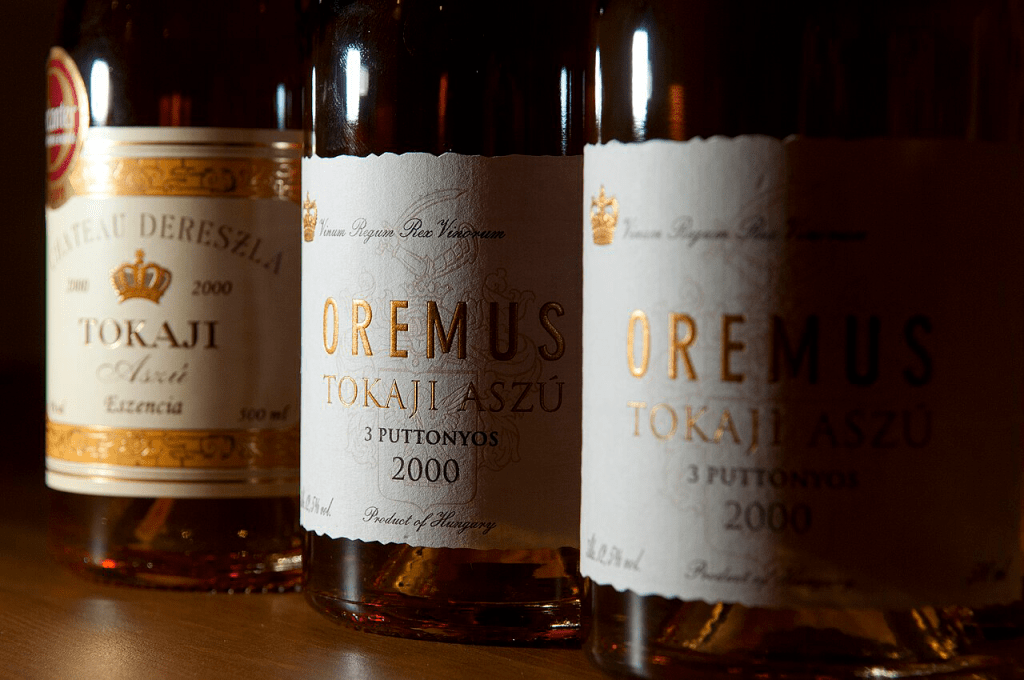
    Sweetness used to be measured in Puttonyos (the number of baskets of aszú berries added):

    • 3–6 Puttonyos (historically)
    • Today, most producers focus on 5 or 6 Puttonyos-level richness or simply label sweetness in grams

    Flavor profile:

    • Apricot jam
    • Orange marmalade
    • Honey
    • Ginger
    • Saffron
    • Toasted nuts
    • Laser-bright acidity holding it all together

    This is where Tokaji earns its crown.
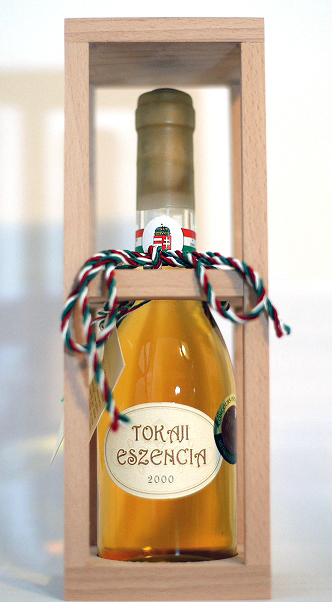
    Tokaji Eszencia: Emdee, CC BY-SA 3.0, via Wikimedia Commons

    2. Tokaji Eszencia (Liquid Myth)

    Not really wine in the traditional sense.

    • Free-run juice from aszú berries
    • Ferments extremely slowly
    • Often 1–3% alcohol
    • Astronomical sugar
    • Tiny production

    Think:

    • Nectar
    • Honeyed citrus oil
    • Dried tropical fruit
    • Eternal finish

    This is something you sip by the teaspoon and contemplate your life choices.

    3. Szamorodni (The Insider’s Favorite)

    Made from whole bunches—some botrytized, some not.

    Two styles:

    • Édes (Sweet) – oxidative, nutty, honeyed
    • Száraz (Dry) – sherry-like, savory, saline, almond-driven

    If you love Jura, aged Fino Sherry, or oxidative whites… dry Szamorodni will blow your mind.

    4. Late Harvest Tokaji

    • Made from overripe grapes
    • Often labeled Késői Szüret
    • Lusher and more approachable
    • Excellent gateway Tokaji

    5. Dry Tokaji (Dry Furmint)

    Yes—Tokaji can be bone dry.

    • Crisp
    • Mineral
    • Apple, pear, citrus, volcanic stone
    • Think Chablis meets Grüner meets something unmistakably Hungarian

    These wines are phenomenal with food and criminally underrated.

    Decoding the Label (Without Panicking)

    Here’s your Tokaji cheat sheet:

    • Aszú – made from botrytized berries
    • Puttonyos – traditional sweetness level (less common today)
    • Édes – sweet
    • Száraz – dry
    • Szamorodni – whole-cluster style
    • Eszencia – ultra-concentrated nectar
    • Furmint / Hárslevelű – grape varieties
    • Dűlő – vineyard (single-site quality cue)

    If you can read a German Riesling label, you can conquer Tokaji.

    Pairings (This Is Where Tokaji Shines)

    Tokaji is not just a dessert wine. That’s the biggest misconception of all.

    Classic Pairings

    • Foie gras (legendary for a reason)
    • Blue cheese (Roquefort, Stilton, Gorgonzola)
    • Apricot tart
    • Almond pastries

    Unexpected & Brilliant

    • Spicy Thai or Szechuan dishes
    • Indian curries with ginger and turmeric
    • Moroccan tagines
    • Roast pork with stone fruit
    • Duck with orange or cherry glaze

    Dry Tokaji Pairings

    • Roast chicken
    • Pork schnitzel
    • Mushroom dishes
    • Alpine cheeses
    • Seafood with beurre blanc

    Szamorodni Pairings

    • Aged cheeses
    • Salted nuts
    • Mushroom risotto
    • Anything umami-forward

    Eszencia Pairing

    • Silence
    • A quiet room
    • One small spoon
    • Awe
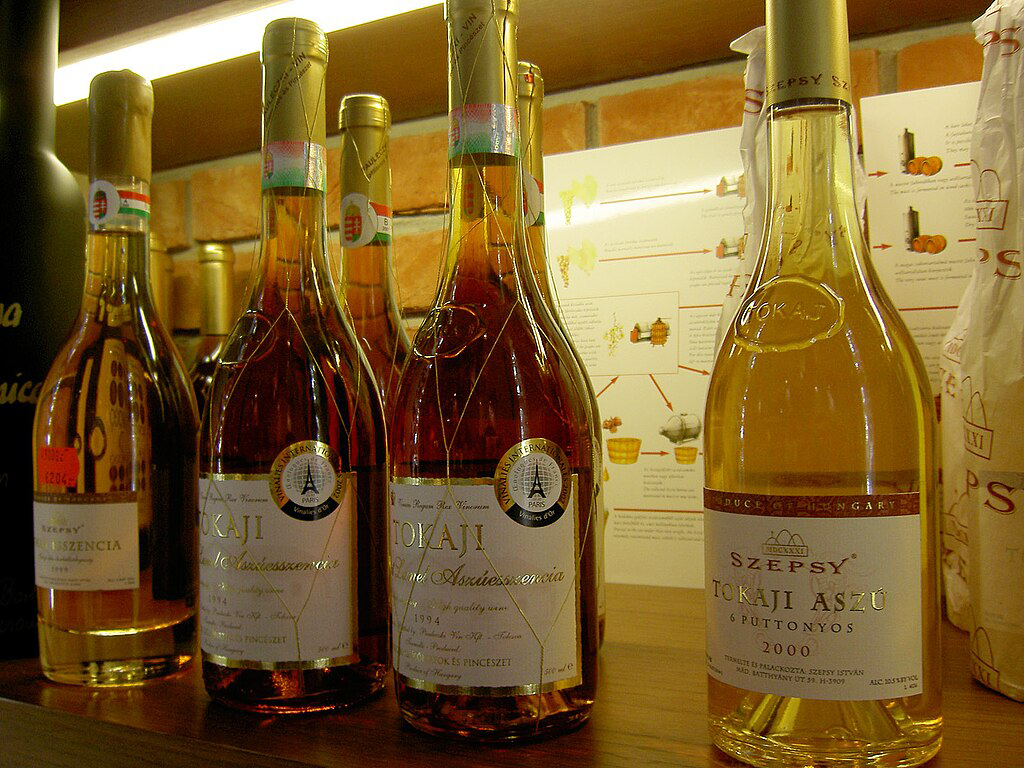
    Bottles of Tokaji – takato marui, CC BY-SA 2.0, via Wikimedia Commons

    Why Tokaji Matters

    Tokaji isn’t just a wine—it’s a bridge between:

    • Sweet and savory
    • History and modernity
    • Intellectual curiosity and pure pleasure

    It rewards patience, but it doesn’t demand pretension. And for sommeliers and wine lovers with a passion for the obscure, Tokaji is the kind of bottle that reminds us why we fell in love with wine in the first place.

    So next time you’re tempted to grab the Sauternes because it feels easier…

    Don’t.

    Reach for Tokaji.
    Your palate will thank you—and your wine stories will be better for it. 🍷

    Cover Photo: Michal Osmenda, CC BY-SA 2.0, via Wikimedia Commons
  • The Noble Grapes of Alsace

    The Noble Grapes of Alsace

    A Sommelier’s Love Letter to Strasbourg.

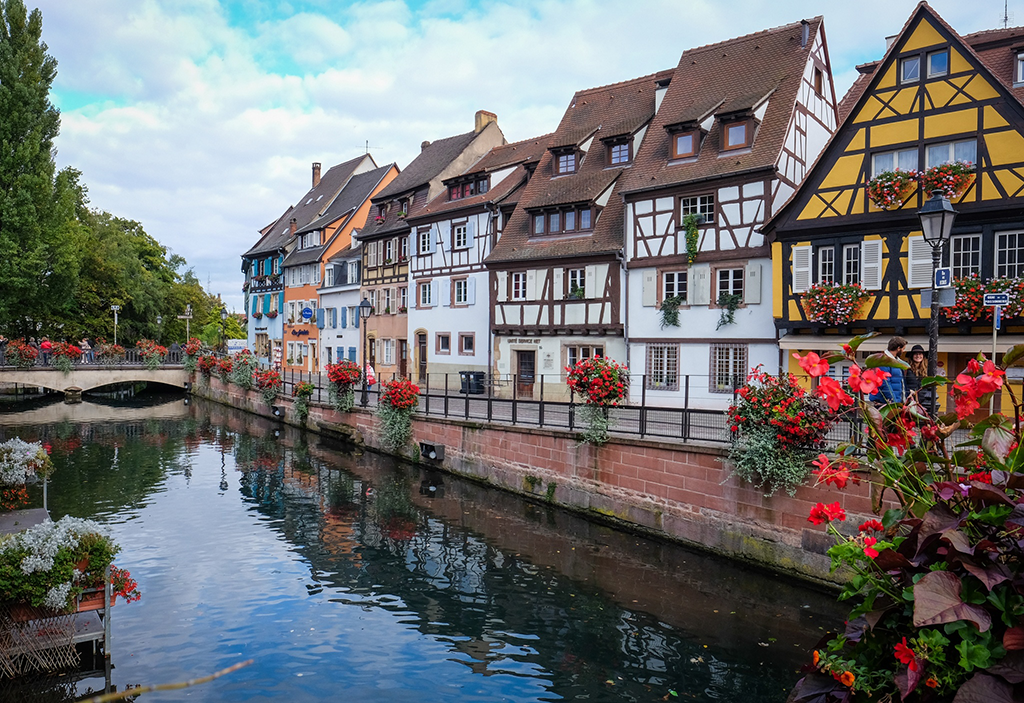
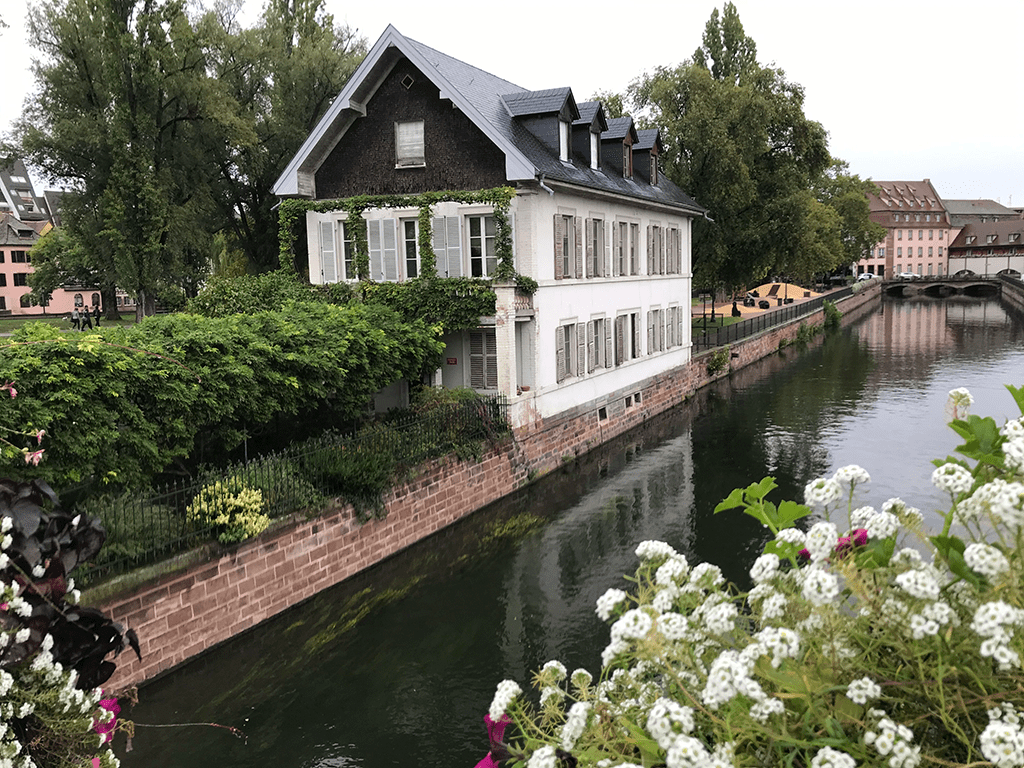
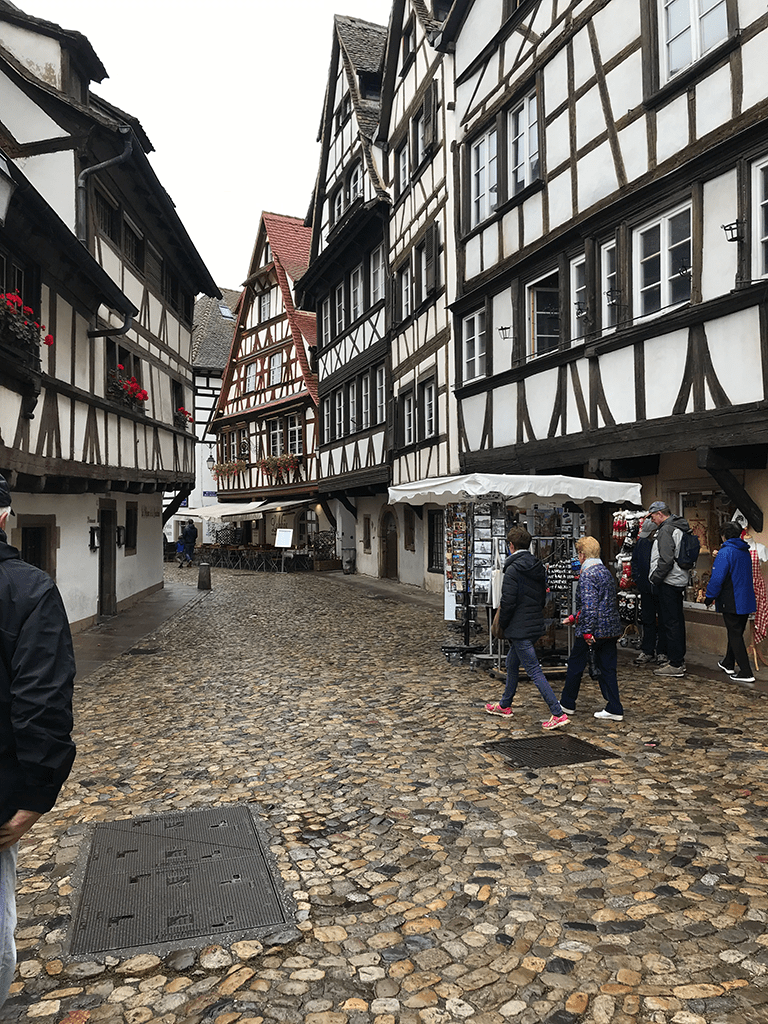
    There are places you visit, and then there are places that live inside you forever. For Tammy and me, Alsace falls firmly into the latter category. Years ago, we wandered the cobblestone streets of Strasbourg, where half-timbered houses leaned like old friends, flower boxes spilled with color, and cathedral bells echoed against the Vosges mountains. We thought we were traveling for pleasure… and wine—and oh, the wine delivered—but what we found was culture, tradition, and flavors so intertwined they seemed inseparable.

    Strasbourg, France (October 2019)

    Alsace is a region where wine is not just agriculture—it’s identity. And at the center of this identity are the four noble grapesRiesling, Gewürztraminer, Pinot Gris, and Muscat. These are not just grape varieties; they are storytellers of the land, each whispering its tale in a glass.

    Photo by Nikola Tomau0161iu0107 on Pexels.com

    Riesling – The King of Alsace

    If Alsace has a crown jewel, it’s Riesling. Unlike its German cousins, Alsatian Riesling is bone-dry, linear, and precise. Think citrus zest, green apple, crushed stone, and a thrilling minerality that seems carved straight from the Vosges slopes.

    Pairing tip: Riesling is your ultimate table diplomat. It shines alongside choucroute garnie (that glorious plate of sauerkraut, sausage, and pork), cutting through richness with refreshing acidity. It also plays beautifully with oysters, grilled fish, or even Thai cuisine if you’re in the mood to experiment.

    Gewürztraminer – The Drama Queen

    If Riesling is the king, Gewürztraminer is the diva of the court. Intensely aromatic and flamboyant, it bursts with rose petals, lychee, ginger, and exotic spice. Tammy once described it as “the perfume counter of the vineyard,” and I can’t think of a better metaphor.

    Pairing tip: Bold wines need bold partners. Try it with Munster cheese, the pungent, washed-rind treasure of Alsace. The match is unforgettable—wine and cheese meeting on equal footing, neither backing down. It’s also superb with spicy Indian curries, Moroccan tagines, or richly spiced duck.

    Try our Perfect Pairing: Gewürztraminer w/Sweet and Sour Chicken

    Pinot Gris – The Quiet Poet

    Many only know Pinot Grigio in its lighter Italian form, but Alsatian Pinot Gris is an entirely different soul—textured, smoky, and lush, with flavors of ripe pear, honey, almond, and sometimes even a whisper of truffle. It has a weight and gravitas that sneaks up on you, like a quiet poet at the edge of the party who suddenly steals the show.

    Pairing tip: This is the wine you want with foie gras, roast duck, or mushroom risotto. Its richness and depth embrace earthy, savory flavors like a long, warm evening by the fire.

    Muscat – The Trickster

    Dry Muscat from Alsace is a delightful surprise. Bursting with fresh grape, floral, and herbal notes, it tastes almost as if you’re biting into a cluster straight off the vine. Unlike Muscats from elsewhere, it’s playful but not sweet—a charming apéritif and a sommelier’s secret weapon.

    Pairing tip: Asparagus, the bane of wine pairings, finds its match in Alsace Muscat. The grape’s freshness and delicate aromatics tame the vegetal bite, making it one of the few wines I confidently pour with spring asparagus dishes.

    Related SOMM&SOMM Article: Demystifying Wine + Food for Real-Life Moments

    Why the Laws Matter in Alsace

    One of the reasons Alsace stands out in France is its unique wine laws. Unlike Burgundy or Bordeaux, where wines are labeled by village or château, Alsace bottles proudly state the grape variety—a refreshing rarity in France. If the label reads Alsace Riesling, you know it’s 100% Riesling.

    The hierarchy builds from there:

    • Alsace AOC: The broad regional designation, covering the majority of wines.
    • Alsace Grand Cru AOC: Reserved for 51 specific vineyards with stricter rules on yields, ripeness, and only noble grapes (with Zotzenberg’s historic exception allowing Sylvaner). The vineyard name is prominently displayed.
    • Vendange Tardive (VT): Late-harvest wines, rich and concentrated, often with honeyed sweetness.
    • Sélection de Grains Nobles (SGN): Botrytized dessert wines of incredible intensity, produced only in the best vintages.

    These classifications don’t just regulate—they protect the integrity of the region’s wines, ensuring that when you pour a glass of Alsace, you’re tasting a true expression of place.

    Related SOMM&SOMM Article: Understanding French Wine Laws

    Still enjoying Alsatian wines while reflecting on our time there

    Producers to Seek Out

    If you want to experience the noble grapes at their best, here are some producers that never fail to impress:

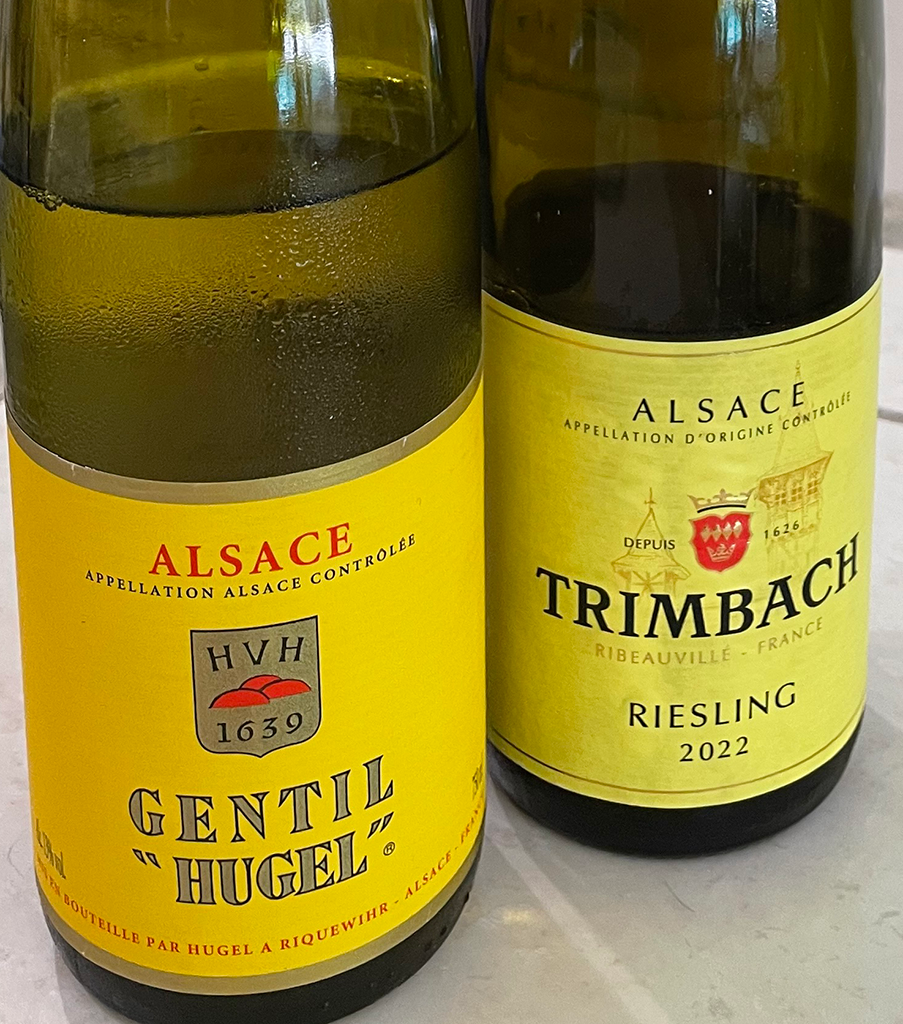
    • Trimbach – Benchmark dry Rieslings (look for Clos Ste. Hune if you want to experience one of the greatest Rieslings in the world). Their Pinot Gris and Gewürztraminer are equally classic.
    • Zind-Humbrecht – Known for intensely aromatic, powerful wines, often with a touch more ripeness and residual sugar. Their Grand Cru bottlings are legendary.
    • Domaine Weinbach – Elegant, precise wines with a poetic touch, particularly Riesling Schlossberg Grand Cru and Gewürztraminer Furstentum.
    • Hugel & Fils – Historic family estate, producing approachable yet serious wines. Their “Grossi Laüe” line highlights Alsace’s grandeur.
    • Albert Mann – A modern, biodynamic producer that balances tradition with innovation. Try their Grand Cru Rieslings and Pinot Gris.
    • Marcel Deiss – Famous for field blends (complantation) that showcase terroir rather than varietal—unique, complex wines outside the norm of Alsace labeling.

    Why Alsace Stays With Us

    When Tammy and I reminisce about Alsace, it’s not just the glasses we lifted but the way each grape embodied a piece of the region itself. Riesling was the sharpness of Strasbourg’s cathedral spire. Gewürztraminer the riot of color in every flower box. Pinot Gris the soft, golden glow of dusk on the Rhine. Muscat the laughter spilling from a tavern where beer and wine happily share the same table.

    Every time we open a bottle of Alsace, it feels like a postcard arriving from Strasbourg. And trust me, these postcards never fade. So here’s to Alsace—where Riesling sharpened our senses, Gewürztraminer stole the spotlight, Pinot Gris wrapped us in quiet warmth, and Muscat made us laugh out loud. To Strasbourg, to cobblestones and cathedral bells, and to every glass that brings us back there again—santé 🥂

    SOMM&SOMM Takeaway: The noble grapes of Alsace aren’t just wines—they’re laws, landscapes, and culture in liquid form. To drink Alsace is to taste a region where identity and glass are inseparable.

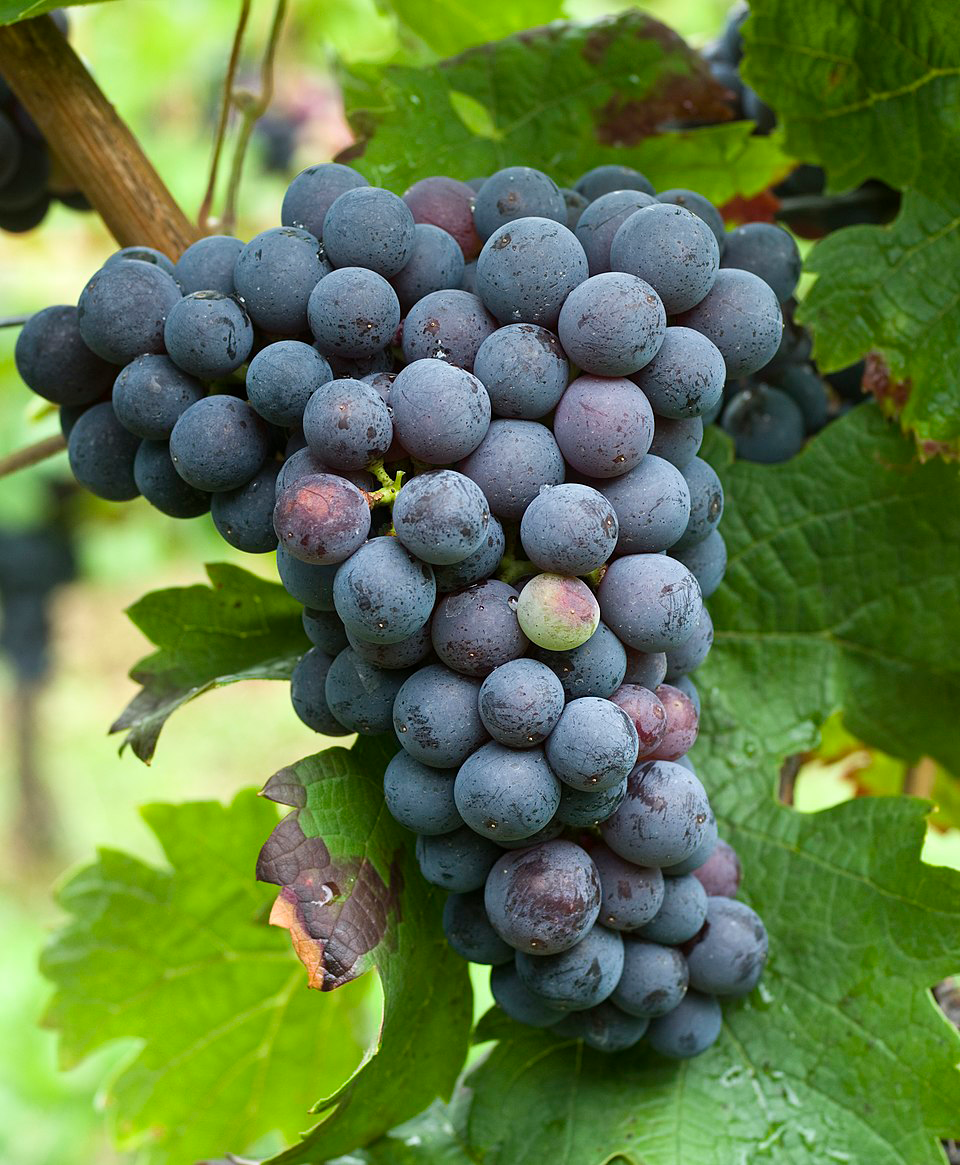
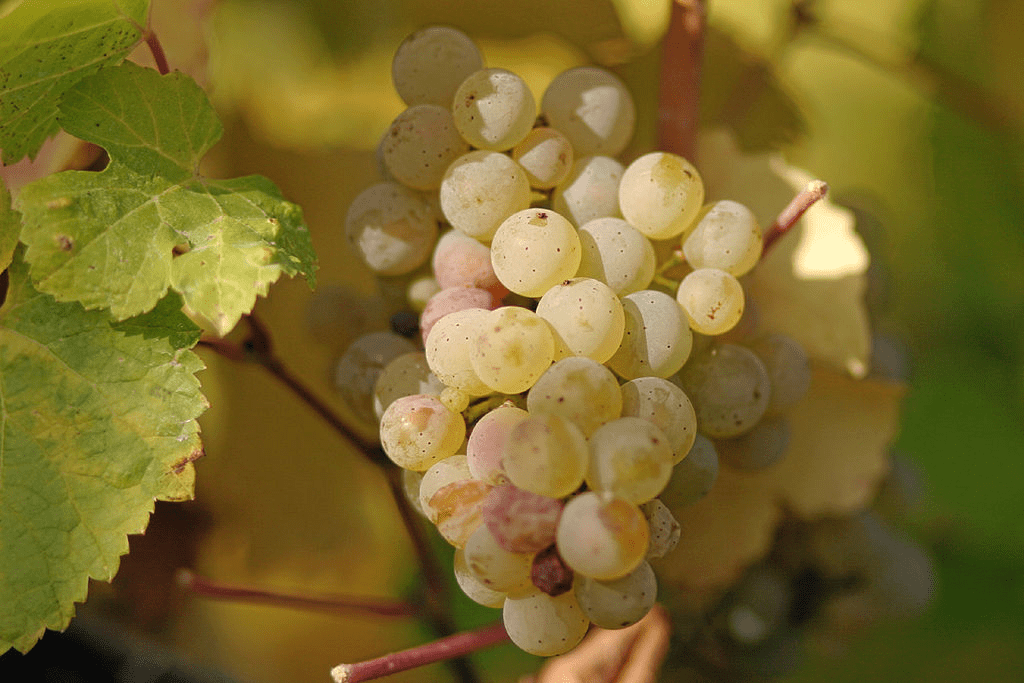
    Information on cover photo: Riesling Grapes and Leaves – No machine-readable author provided. T.o.m.~commonswiki assumed (based on copyright claims)., CC BY-SA 3.0, via Wikimedia Commons

  • Varietal Spotlight: Cabernet Franc

    Varietal Spotlight: Cabernet Franc

    The Unsung Hero of the Vineyard.

    When Cabernet Sauvignon and Merlot take the spotlight, it’s easy to forget the quiet genius standing in the wings: Cabernet Franc. Without this noble grape, the wine world would look very different. It’s the parent of both Cabernet Sauvignon and Merlot, yet it remains one of the most underrated varietals on the shelf.

    Cabernet Franc is the sommelier’s secret weapon—perfumed, versatile, food-friendly, and surprisingly age-worthy. Let’s explore its origins, where it shines, and why it belongs in your glass.

    Photo by Andrew Patrick Photo on Pexels.com

    Origins & History

    Cabernet Franc first appeared in 17th-century France. Cardinal Richelieu is said to have brought cuttings to the Loire Valley, where monks tended it carefully in Bourgueil and Chinon. The grape was affectionately called “Breton”, named after Abbot Breton, one of its earliest champions.

    Modern DNA profiling unlocked its true importance: Cabernet Franc is the parent of Cabernet Sauvignon (crossed with Sauvignon Blanc) and Merlot (crossed with Magdeleine Noire des Charentes). Without it, Bordeaux as we know it would not exist.

    Where Cabernet Franc Shines

    Loire Valley, France – The Spiritual Home

    Agne27, CC BY-SA 3.0, via Wikimedia Commons

    Pairing Tip: Loire Cab Franc is perfection with roast chicken, duck breast, or chèvre (goat cheese).

    Bordeaux, France – The Architect of Blends

    In the Right Bank (Pomerol & St-Émilion), Cabernet Franc adds aromatics and finesse to Merlot-driven blends.

    • Iconic Example: Château Cheval Blanc (St-Émilion), often 60% Cabernet Franc.
    • Flavor Profile: Black cherry, cedar, crushed gravel.
    • Best With: Lamb, venison, or a rich beef bourguignon.

    Italy – Rustic Charm Meets Power

    • Friuli-Venezia Giulia: Savory, herbal, and earthy.
    • Tuscany (Bolgheri): Super Tuscan producers use Cab Franc for power and polish.

    Must-Try Bottles:

    Food Match: Wild boar ragù, porcini risotto, or bistecca alla Fiorentina.

    New World – A Rising Star

    • United States: Napa, Sonoma, Washington, and New York’s Finger Lakes deliver everything from ripe berry-driven Cab Franc to Loire-inspired elegance.
    • Argentina (Uco Valley): Bold and mineral, with vibrant fruit. Try El Enemigo Cabernet Franc.
    • South Africa (Stellenbosch): Spice-driven, earthy examples from producers like Warwick Estate.
    Photo by ROMAN ODINTSOV on Pexels.com

    In the Glass: Tasting Profile

    • Aromas: Violet, graphite, raspberry, redcurrant, pencil shavings, pepper, and sometimes a signature green bell pepper note.
    • Palate: Medium body, moderate tannins, fresh acidity, with a spectrum from juicy red fruit to earthy spice.
    • Aging Potential: Excellent. With time, Cab Franc evolves into flavors of truffle, leather, and tobacco.

    Food Pairing Ideas

    Cabernet Franc’s elegance and acidity make it one of the most food-friendly red wines.

    •  Duck breast with cherry gastrique → Loire Cab Franc
    •  Goat cheese & charcuterie → Chinon
    •  Mushroom & lentil ragù → Saumur-Champigny
    •  Herb-marinated lamb chops → St-Émilion
    •  Stuffed peppers or mushroom stroganoff → Friuli Cab Franc

    Recipes to Try with Cabernet Franc

    Duck Breast with Cherry-Red Wine Sauce

    Pair With: Chinon or St-Émilion

    Ingredients (serves 2):

    • 2 duck breasts, skin scored
    • 1 cup pitted cherries
    • ½ cup Cabernet Franc
    • 1 tbsp balsamic vinegar
    • 1 tbsp butter
    • Salt & pepper
    1. Season duck, sear skin-side down until crisp (8 min). Flip, cook 3–4 more minutes. Rest.
    2. Deglaze pan with Cab Franc, add cherries & balsamic, reduce to syrup.
    3. Whisk in butter, slice duck, serve with sauce.

    Mushroom & Lentil Ragù (Vegetarian Comfort)

    Pair With: Saumur-Champigny or Friuli Cabernet Franc

    Ingredients (serves 4):

    • 1 cup green lentils, cooked
    • 2 tbsp olive oil
    • 1 onion, diced
    • 3 cloves garlic, minced
    • 1 lb mushrooms (mixed), chopped
    • 1 tsp thyme
    • 1 cup vegetable stock
    • ½ cup Cabernet Franc
    • Salt, pepper, parsley

    Method:

    1. Sauté onion & garlic in olive oil until golden. Add mushrooms & thyme, cook until browned.
    2. Deglaze with Cab Franc, reduce. Add lentils & stock, simmer until thick.
    3. Serve over creamy polenta or pasta.

    Fun Facts & Lore

    • Cabernet Franc is sometimes called “the poet’s grape” in the Loire.
    • Without Cab Franc, we wouldn’t have Cabernet Sauvignon, Merlot, or Carmenère.
    • Sommeliers often call it their desert island red—it pairs with nearly everything.
    • Cabernet Franc tends to ripen earlier than Cabernet Sauvignon, making it valuable in cooler climates.

    Final Pour

    Cabernet Franc may never command the fame of Cabernet Sauvignon, but it brings an elegance, fragrance, and food-friendliness all its own. Whether you’re sipping a Loire Valley Chinon (my favorite), a Tuscan Paleo Rosso, or an Argentine El Enemigo, you’re drinking history—and the soul of Bordeaux itself.

    Next time you’re browsing bottles, reach for the unsung hero. Your palate (and dinner table) will thank you. Cheers 🍷

    Cover photo by Ursula Brühl, Julius Kühn-Institut (JKI), Federal Research Centre for Cultivated Plants, Institute for Grapevine Breeding Geilweilerhof – 76833 Siebeldingen, GERMANY, CC BY-SA 4.0, via Wikimedia Commons

  • Varietal Spotlight: Assyrtiko

    Varietal Spotlight: Assyrtiko

    Greece’s White-Hot Secret That’s Been Hiding in Plain Sight.

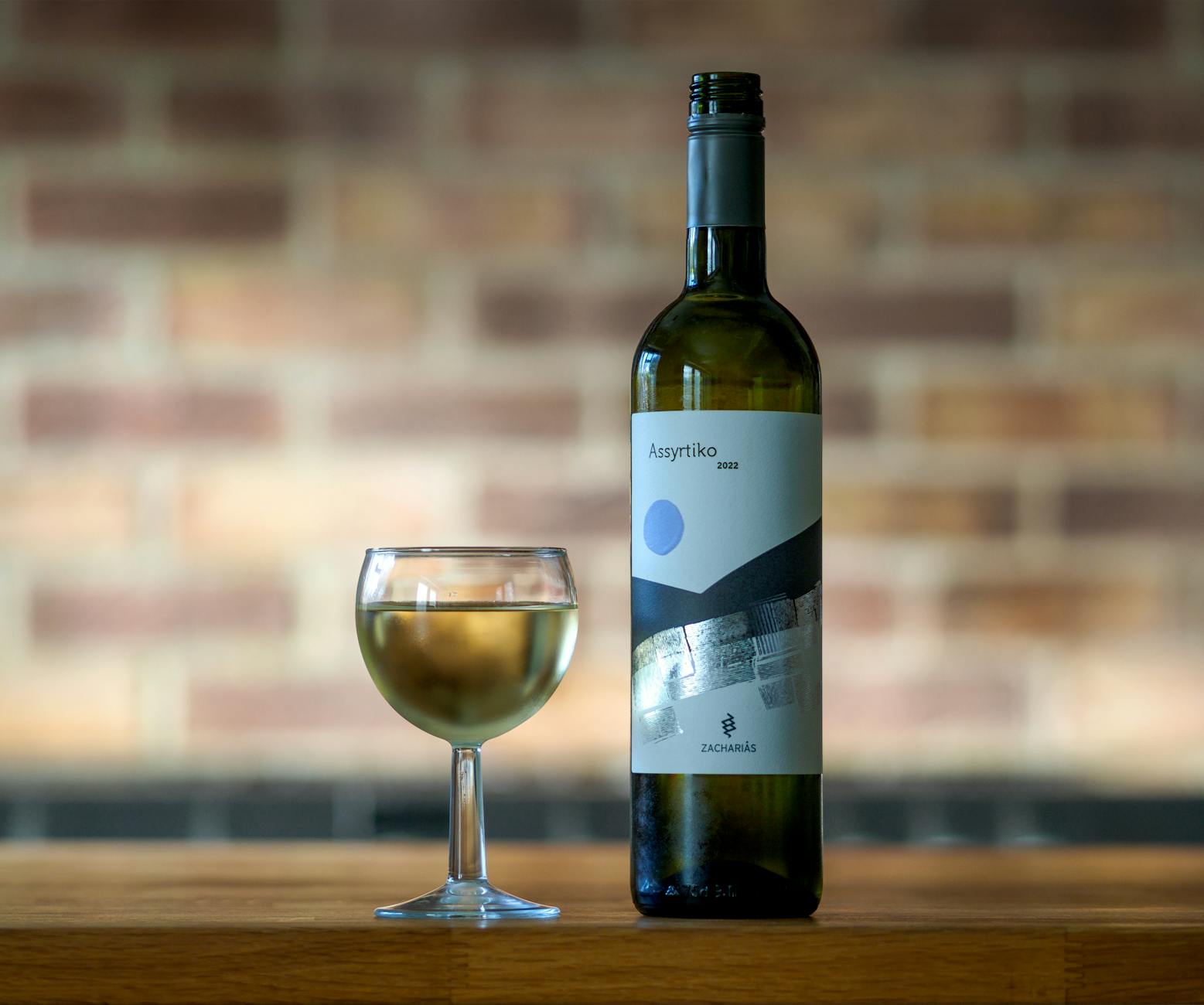
    Ever get the feeling your palate is ready for a vacation? Somewhere bright, breezy, and kissed by sea spray? Let me introduce you to Assyrtiko (ah-SEER-tee-koh)—Greece’s fiercely fresh, gloriously gastronomic white grape that’s like a splash of Aegean sunlight in your glass. It’s been quietly thriving for centuries, but now it’s time to give this under-the-radar varietal the spotlight it deserves.

    Photo by Brett Jordan on Pexels.com

    If you think of Greek wine and your mind races to retsina or sweet dessert wines, get ready to reboot. Assyrtiko is the backbone of some of the most thrilling, mineral-driven white wines in the world—and it’s finally starting to get the global recognition it deserves.

    Born of Ash and Wind

    Assyrtiko is one of the few white grape varieties in the world that thrives in volcanic soil, and its true home—its soul, if you will—is the island of Santorini. A place where vines grow in ashen soil under the wrath of wind, sun, and salt, and yet yield wines of jaw-dropping acidity and structure.

    This grape has been cultivated in Santorini for more than 3,500 years, making it a direct descendant of ancient Greek viticulture. And here’s a mind-blower: thanks to the volcanic, phylloxera-resistant soil, many of the vines are centuries old and own-rooted, producing grapes with intense concentration and character.

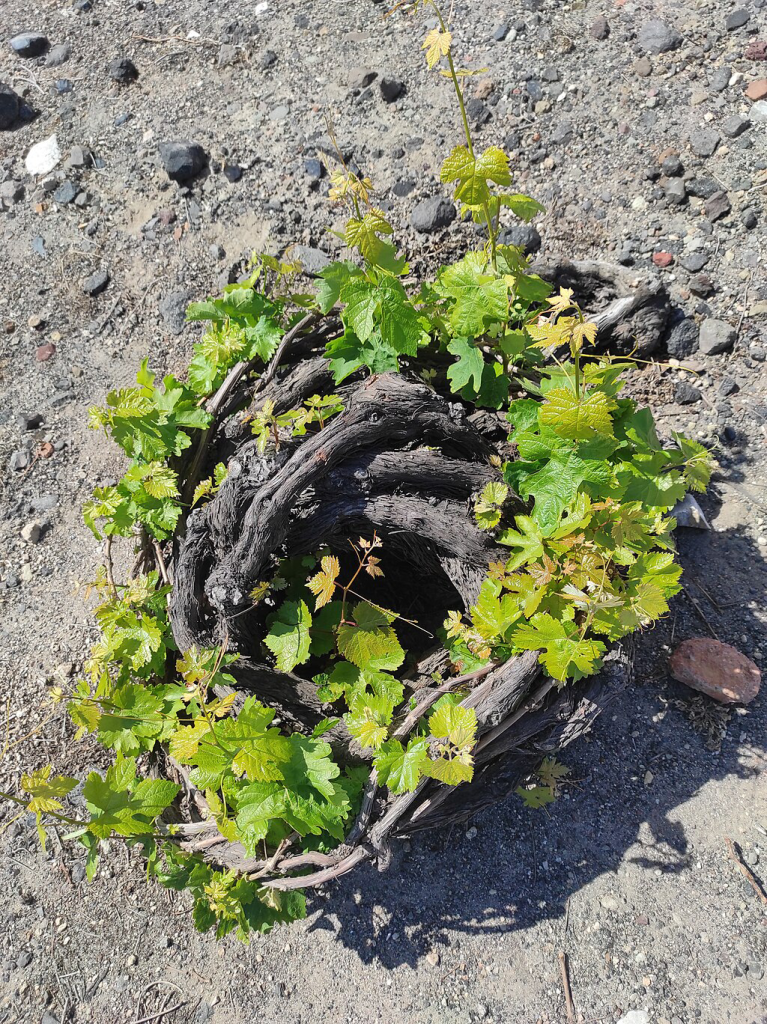
    Kouloura Assyrtiko – AkatsukiKuro, CC0, via Wikimedia Commons
    In Santorini, vintners have developed a unique vine-training method called kouloura—basket-shaped wreaths of vines trained low to the ground, like leafy nests that cradle the grapes and protect them from fierce island winds. It’s not just functional; it’s poetic.

    The best wines don’t always come from the most obvious places.

    Gregory Dean, SOMM&SOMM

    Assyrtiko Beyond Santorini

    While Santorini remains the crown jewel of Assyrtiko production, the grape has spread to other parts of Greece—often with great success. Let’s explore a few standout regions:

    • Drama & Kavala (Northern Greece): Here, Assyrtiko displays more citrusy, orchard-fruit notes with balanced minerality and rounder texture.
    • Peloponnese: Often blended with other whites like Moschofilero or Roditis for fresh, floral-driven wines.
    • Attica & Epanomi: Produce fruitier and fuller-bodied Assyrtiko expressions that appeal to lovers of New World Chardonnay or Chenin Blanc.
    • Crete: Offers a juicy, softer version with stone fruit and herbal notes, perfect for everyday drinking.

    The grape has even migrated internationally—plantings exist in Australia (Clare Valley), South Africa, and even the U.S. (California’s Lodi AVA). But nowhere does it scream “home” quite like Santorini.

    Photo by Engin Akyurt on Pexels.com

    Flavor Profile & Styles

    What makes Assyrtiko so distinct is its ability to retain laser-sharp acidity even in searingly hot climates. This makes for whites that are electric yet complex—think of Chablis on a Mediterranean vacation.

    Typical Tasting Notes:

    • Lemon zest, lime, green apple, and underripe peach
    • Crushed seashells, wet stone, volcanic ash
    • Subtle herbal and saline notes (think thyme, sea breeze, and oyster shell)

    Styles of Assyrtiko:

    1. Unoaked, Dry: The purest expression—citrusy, mineral, and crisp. Perfect seafood companion.
    2. Oaked: Aged in acacia or French oak for added texture, body, and spice. Think grilled octopus and aged cheeses.
    3. Nykteri: Traditional Santorini style made from late-harvested grapes, often aged in oak. More alcohol, fuller body—perfect with roasted lamb or mushroom dishes.
    4. Sweet/Vinsanto-style: Made from sun-dried Assyrtiko grapes, aged for years. Honey, figs, dates—a dessert wine that rivals the best of Vin Santo or Sauternes.

    When the Wine Becomes a Greek Chorus

    If wine could speak, Assyrtiko would shout: “Give me salt! Give me lemon! Give me grilled things from the sea!”
    It’s an insanely food-friendly varietal—bright enough to cut through rich dishes, yet structured enough to handle bold flavors.

    Top Pairing Ideas:

    • Grilled octopus with olive oil, lemon & oregano
    • Whole roasted fish with capers and herbs
    • Dolmades (stuffed grape leaves) with avgolemono sauce
    • Lamb souvlaki with tzatziki and grilled pita
    • Feta & watermelon salad (Assyrtiko LOVES briny cheese and citrus fruits)

    Simple Greek Recipes to Pair with Assyrtiko

    Grilled Branzino with Lemon & Herbs

    • 2 whole branzino (cleaned and scaled)
    • 2 lemons (sliced into rounds)
    • 4 sprigs fresh oregano or thyme
    • 2 tbsp olive oil
    • Salt & pepper to taste
    1. Stuff fish cavity with lemon slices and herbs. Drizzle with olive oil and season generously.
    2. Grill over medium-high heat for 5–6 minutes per side until skin is crispy and flesh is opaque.
    3. Serve with lemon wedges and a chilled glass of unoaked Assyrtiko.

    Greek Zucchini Fritters (Kolokithokeftedes)

    • 2 medium zucchinis, grated
    • 1/2 cup crumbled feta
    • 2 tbsp chopped mint
    • 2 green onions, finely sliced
    • 1 egg
    • 1/4 cup flour
    • Salt & pepper
    • Olive oil for frying
    1. Salt grated zucchini and let sit for 10 mins. Squeeze out excess moisture.
    2. Mix with feta, mint, onion, egg, flour, and seasoning.
    3. Form small patties and pan-fry in olive oil until golden on both sides.
    4. Serve with tzatziki and a crisp glass of Santorini Assyrtiko.

    A Wine with a Past and a Future

    Assyrtiko is the wine equivalent of Greek myth—ancient, elemental, and just a little bit heroic. In a world full of over-hyped Sauvignon Blancs and cookie-cutter Chardonnays, this grape offers adventure in a glass. It’s proof that the best wines don’t always come from the most obvious places.

    So next time you want to impress your dinner guests, drop the word “Assyrtiko” into conversation, pour them a glass, and watch their eyebrows lift in pleasant surprise.

    Because once you’ve tasted this sun-soaked stunner, you’ll realize the secret’s too good to keep. Cheers 🍷

    Next in the Varietal Spotlight Series: “Txakoli: Spain’s Slightly Fizzy, Totally Zesty Coastal Secret”
    Stay tuned, and keep sipping off the beaten path.

  • Demystifying Wine: Sherry

    Demystifying Wine: Sherry

    The Forgotten Gem: Understanding the Seven Types of Sherry Wine.

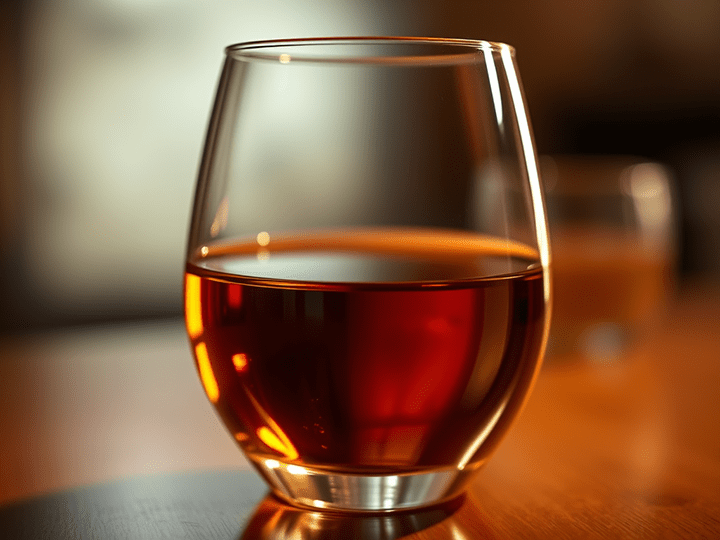
    Sherry wine, one of the world’s oldest and most storied styles, hails from the Jerez region in southern Spain. Known for its diversity and complex flavor profiles, Sherry has a bit of a reputation problem—often relegated to dusty shelves or seen as “grandma’s wine.” But for those in the know, Sherry offers a wide spectrum of styles, from bone-dry and briny to lusciously sweet, making it a remarkably versatile option for food pairings.

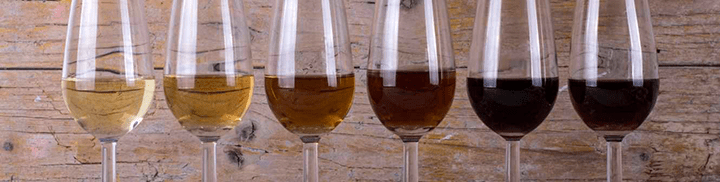
    Six types of Sherry (missing Cream Sherry): Fino, Manzanilla, Amontillado, Palo Cortado, Oloroso, Pedro Ximénez (PX)

    The Seven Styles of Sherry

    The beauty of Sherry lies in its remarkable range, produced under strict legal classifications that determine how the wine is aged, blended, and finished. Each type showcases distinct characteristics that can surprise even seasoned wine enthusiasts.

    Fino

    • Key Notes: Pale straw color, bone dry, light, and fresh.
    • Aging: Biological aging under flor.
    • Varietals: Palomino.
    • Characteristics: Fino is the lightest of the Sherries, with an alcohol content around 15-16%. It develops a unique layer of yeast called flor, which shields the wine from oxygen and gives it a tangy, almond-like flavor with a saline finish.
    • Food Pairing: Tapas, olives, almonds, and seafood like shrimp or oysters.

    Manzanilla

    • Key Notes: Similar to Fino but with a coastal brininess.
    • Aging: Biological aging under flor in the coastal town of Sanlúcar de Barrameda.
    • Varietals: Palomino.
    • Characteristics: While technically a subset of Fino, Manzanilla has a distinct salty tang from the maritime influence, making it a touch lighter and zestier.
    • Food Pairing: Anchovies, salted fish, fried seafood, or sushi.

    Amontillado

    • Key Notes: Nutty, oxidative, and complex.
    • Aging: Starts under flor, then moves to oxidative aging.
    • Varietals: Palomino.
    • Characteristics: Amontillado begins its life as a Fino, aged under flor for a few years, but the yeast eventually dies off, allowing oxygen to interact with the wine. This adds layers of nuttiness, caramel, and dried fruit flavors.
    • Food Pairing: Grilled meats, mushrooms, or hard cheeses like aged Manchego.

    Palo Cortado

    • Key Notes: Mysterious blend of Fino and Amontillado characteristics.
    • Aging: Starts under flor, but undergoes early oxidative aging.
    • Varietals: Palomino.
    • Characteristics: Palo Cortado is the enigma of Sherry, often starting as a Fino or Amontillado but then evolving into something unique. It combines the finesse of Fino with the depth of Amontillado, offering flavors of hazelnuts, orange peel, and toffee.
    • Food Pairing: Duck, game birds, or rich stews.

    Oloroso

    • Key Notes: Bold, rich, and intensely oxidative.
    • Aging: Oxidative from the start.
    • Varietals: Palomino.
    • Characteristics: Oloroso Sherry is aged entirely without flor, allowing for complete exposure to oxygen. It is deeper in color with flavors of roasted nuts, toffee, leather, and dried fruits. With a higher alcohol content (17-20%), it’s one of the bolder Sherry styles.
    • Food Pairing: Lamb, aged cheeses, or roasted vegetables.

    Pedro Ximénez (PX)

    • Key Notes: Lusciously sweet, syrupy, with intense dried fruit flavors.
    • Aging: Oxidative aging.
    • Varietals: Pedro Ximénez.
    • Characteristics: PX Sherry is made from sun-dried Pedro Ximénez grapes, which concentrate the sugars and produce a deeply sweet, raisin-like wine. The wine is rich, with notes of figs, dates, molasses, and chocolate.
    • Food Pairing: Blue cheese, rich desserts, or even poured over vanilla ice cream.

    Cream Sherry

    • Key Notes: Sweet, smooth, often a blend of Oloroso with sweetened PX.
    • Aging: Oxidative aging, with blending.
    • Varietals: Palomino and Pedro Ximénez.
    • Characteristics: Cream Sherry is an approachable, sweetened version of Oloroso, designed to balance sweetness and nuttiness. It’s rich and smooth, often seen as a dessert wine.
    • Food Pairing: Chocolate cake, custards, or with fruit tarts.

    SOMM&SOMM Recommends: Sherry Tasting Trio with Tasting Video

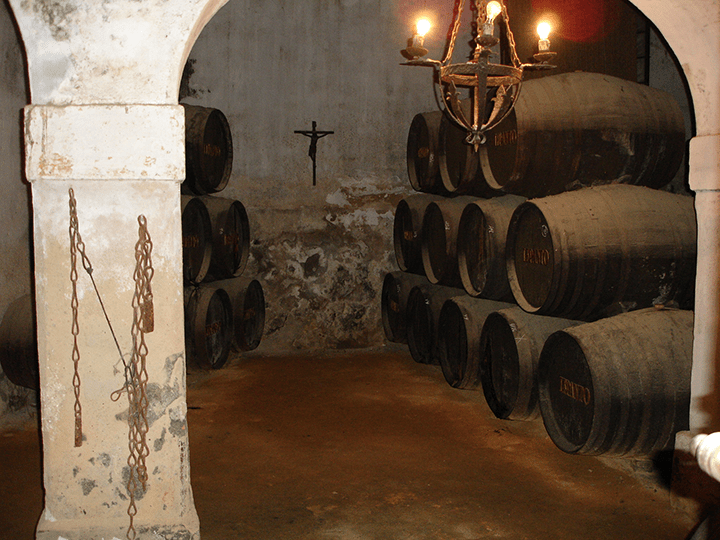
    Solera at Bodegas Tío Pepe – El Pantera, CC BY-SA 3.0, via Wikimedia Commons
    The Solera System: The Art of Aging

    What sets Sherry apart from other wines is the Solera system, a fractional blending method that ensures consistency and complexity across vintages. In the Solera system, older wines are systematically blended with younger wines, creating a continuous aging process. Each year, a portion of the oldest wine is drawn off for bottling, while younger wines replenish the barrels, allowing the character of the wine to evolve gradually.

    This process creates a remarkable depth in Sherry, where wines are often aged for decades, taking on complex, layered flavors that reflect both the region’s history and the patience of its winemakers.

    Flor Aging – El Pantera, CC BY-SA 3.0, via Wikimedia Commons

    Flor: A Yeast Like No Other

    The role of flor in Sherry production is critical, especially in lighter styles like Fino and Manzanilla. This yeast floats on the surface of the wine, protecting it from oxidation while contributing to the wine’s distinctive flavor profile. The salty, yeasty notes often associated with these styles are direct results of this biological aging. This technique is somewhat similar to the sur lie aging in Champagne, where wine is aged on the dead yeast cells, although sur lie focuses more on enhancing texture and brioche-like flavors.

    Sherry’s Image Problem

    So why is Sherry often overlooked? Part of the issue lies in its old-fashioned reputation. For years, Sherry has been pigeonholed as an “old person’s drink,” especially with the perception of sweet, cloying Cream Sherries that once dominated the market. But the dry styles, especially Fino, Manzanilla, and Amontillado, have so much more to offer. The complexity, versatility, and food-friendliness of these wines are woefully underappreciated.

    There’s also the fact that Sherry doesn’t fit neatly into most wine drinkers’ expectations. It’s not a light, easy-drinking white, nor is it a robust red. It occupies a unique space, which requires a more adventurous palate to fully appreciate.

    Sherry in Pairings: Rediscovering a Lost Art

    If you want to experiment with Sherry in your next wine pairing, consider going beyond the obvious. Here are some fresh ideas:

    • Fino or Manzanilla: These bone-dry, saline wines are fantastic with charcuterie, shellfish, and even sushi. The briny character complements the umami richness of seafood.
    • Amontillado: Try it with earthy mushroom dishes or rich pork belly. The nuttiness and depth of flavor create a fascinating interplay with these savory ingredients.
    • PX: Dessert wines often steal the show, but PX takes it to another level. Serve it with blue cheese or use it to top off a vanilla ice cream sundae for a memorable finish.

    The next time you’re hosting a pairing dinner, don’t shy away from including a Sherry. It’s a conversation starter, and with its range of flavors and styles, you can find a bottle that complements just about any dish. Maybe, just maybe, Sherry will finally earn the spotlight it deserves. Cheers 🍷

  • The Stories Behind Iconic Wines

    The Stories Behind Iconic Wines

    The Legends of Champagne, Bordeaux, and Barolo.

    Wine is not just a drink; it’s a tapestry of history, geography, and culture, woven through the lives of the people who have cultivated the vines, crafted the blends, and shaped the traditions that define them. Among the countless wines across the globe, some stand out not only for their quality but for the stories they carry within each bottle. Let’s journey through the histories and legends of three of the world’s most iconic wines: Champagne, Bordeaux, and Barolo.

    The Wine of Celebration

    Few wines are as synonymous with celebration and luxury as Champagne. Nestled in the cool, chalky soils of the Champagne region in northern France, this sparkling wine has a history filled with intrigue, innovation, and a touch of myth.

    Statue of Dom Pérignon at Moët & Chandon – Palauenc05, CC BY-SA 4.0 via Wikimedia Commons
    Born of Monks and Mistakes

    The story of Champagne begins with the ancient Romans, who first planted vineyards in this region. But it wasn’t until the Middle Ages that Champagne began to develop its unique identity. In the 17th century, Dom Pérignon, a Benedictine monk, is often (and somewhat inaccurately) credited with inventing sparkling wine. While he didn’t create it, his efforts to refine the production methods were instrumental in developing the modern Champagne we know today.

    The cold climate of the Champagne region caused fermentation to pause during winter, only to restart in the spring as temperatures rose. This unintended second fermentation produced bubbles in the bottles, which were often considered a fault. Dom Pérignon worked tirelessly to eliminate the bubbles, believing still wine was superior. However, with the advent of stronger glass and corks from England, the sparkle could finally be controlled, and by the 18th century, bubbly Champagne became a sensation across European courts.

    The Myth and the Magic: Dom Pérignon’s Revelation

    One of the most enduring legends of Champagne involves Dom Pérignon’s supposed exclamation upon tasting the newly sparkling wine: “Come quickly, I am tasting the stars!” While there is no historical evidence to support this claim, the romantic story has captured imaginations for centuries. In reality, it was the marketing genius of the Champagne houses in the 19th century—such as Veuve Clicquot, Moët & Chandon, and Pommery—that established Champagne’s reputation as the drink of royalty, celebration, and sophistication.

    Evolution: From Aristocratic Courts to Everyday Celebrations
    Photo by cottonbro studio on Pexels.com

    By the 19th century, Champagne had established itself in the aristocratic courts of Europe, and its association with luxury began to grow. Madame Clicquot, known as the “Grande Dame of Champagne,” invented the riddling rack, a method that allowed for clearer, more consistent Champagne by efficiently removing the yeast sediment that forms during secondary fermentation. This innovation, along with others, enabled Champagne to be produced on a larger scale while maintaining its quality.

    Champagne’s evolution continued into the 20th century, solidifying its place as a global symbol of celebration and refinement. From the roaring parties of the 1920s to the Formula 1 podium, Champagne has become an icon of joy, luxury, and accomplishment.

    The Blend That Built Empires

    Bordeaux is not just a wine; it is a legacy. Situated along the banks of the Garonne, Dordogne, and Gironde rivers in southwestern France, Bordeaux has been a thriving hub of viticulture for over two millennia. Its story is one of conquests, political alliances, and the rise of a global wine empire.

    1986 Château Haut-Brion – schuey, CC BY 2.0 via Wikimedia Commons
    Origins: The Rise of the Claret

    The Bordeaux wine region began to gain prominence in the Middle Ages. In 1152, the marriage of Eleanor of Aquitaine to Henry Plantagenet, the future King Henry II of England, brought Bordeaux under English rule. This political alliance provided Bordeaux with access to the English market, where the wines became immensely popular under the name “claret”—a term still used in England to describe red Bordeaux wines.

    Bordeaux’s success owes much to its unique terroir, which varies greatly across the region’s appellations. From the gravelly soils of the Médoc, perfect for Cabernet Sauvignon, to the clay and limestone terroirs of the Right Bank, ideal for Merlot, Bordeaux produces a diverse range of wines that are complex, age-worthy, and immensely varied.

    The 1855 Classification: Codifying Greatness

    One of the most pivotal moments in Bordeaux’s history came in 1855 when Napoleon III requested a classification of Bordeaux wines for the Paris Exposition Universelle. The result was the famous 1855 Classification, which ranked the top producers (known as “Châteaux”) in the Médoc into five crus, or growths. This classification, which remains largely unchanged today, established Bordeaux’s hierarchy and affirmed its place in the pantheon of great wines.

    The 1855 Classification became a defining moment, setting Bordeaux apart from other wine regions with its institutionalized system of prestige and quality. While only the Left Bank châteaux were classified, Bordeaux as a whole reaped the benefits of the newfound status and global acclaim.

    1977 Château Margaux
    Myths and Legends: Château Margaux’s Revolutionary Roots

    Bordeaux is not without its share of myths and legends. One of the most intriguing stories involves Château Margaux, which was saved from destruction during the French Revolution by its steward, Laure de Fumel, who placed a large “National Property” sign at the château’s entrance to protect it from revolutionary mobs. Today, Château Margaux (my personal favorite) remains one of the most revered estates in Bordeaux, known for its opulent, velvety wines.

    The King of Wines and the Wine of Kings

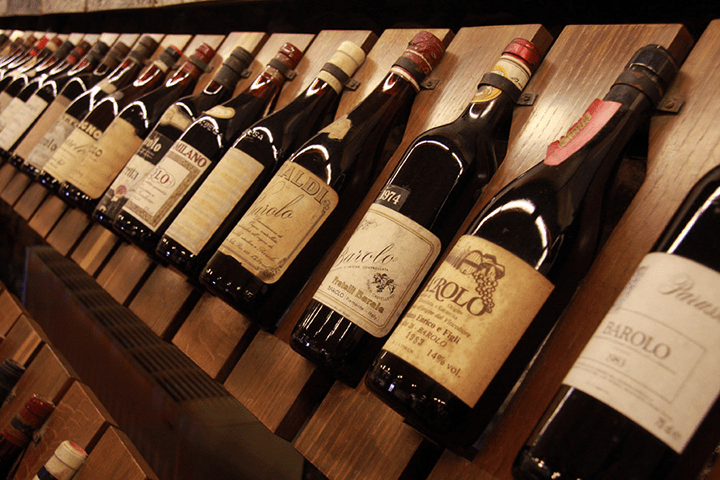
    Barolo, the iconic red wine from Italy’s Piedmont region, has earned its reputation as “The King of Wines and the Wine of Kings.” Made exclusively from the Nebbiolo grape, Barolo is a wine that speaks of patience, perseverance, and place. Its story is deeply intertwined with the history and culture of Piedmont, a region nestled at the foot of the Alps.

    Wines of Barolo – Alessandro Vecchi, CC BY-SA 3.0 via Wikimedia Commons
    Origins: From Sweetness to Strength

    In the early 19th century, Barolo was quite different from the wine we know today. It was a sweet, lightly sparkling wine. The transformation of Barolo into a dry, powerful red wine is often attributed to the Marquise Juliette Colbert de Maulévrier, a French noblewoman who married into the Falletti family, one of the great landowning families of Piedmont. With the help of a French enologist, she redefined Barolo, turning it into the robust, dry wine that became the favorite of the House of Savoy, the ruling family of the Kingdom of Piedmont-Sardinia.

    Evolution: The Rise of the Modernist and Traditionalist Movements

    Barolo’s evolution took another turn in the late 20th century when a group of innovative producers, led by Elio Altare, Paolo Scavino, and others, sought to modernize Barolo’s production methods. They introduced shorter maceration times and the use of new French oak barrels, resulting in wines that were softer, more accessible, and could be enjoyed younger.

    Glass of Barolo – Marieke Kuijjer, CC BY-SA 2.0 via Wikimedia Commons

    This sparked a division between the “Modernists” and “Traditionalists.” The traditionalists, like Bartolo Mascarello and Giuseppe Rinaldi, believed in long maceration periods and aging in large Slovenian oak casks (botti) to produce tannic, structured wines that required years to mature. This “Barolo Wars” debate continues to shape Barolo today, creating a diverse spectrum of styles within the region.

    Myths and Legends: The Mysterious Fog of Nebbiolo

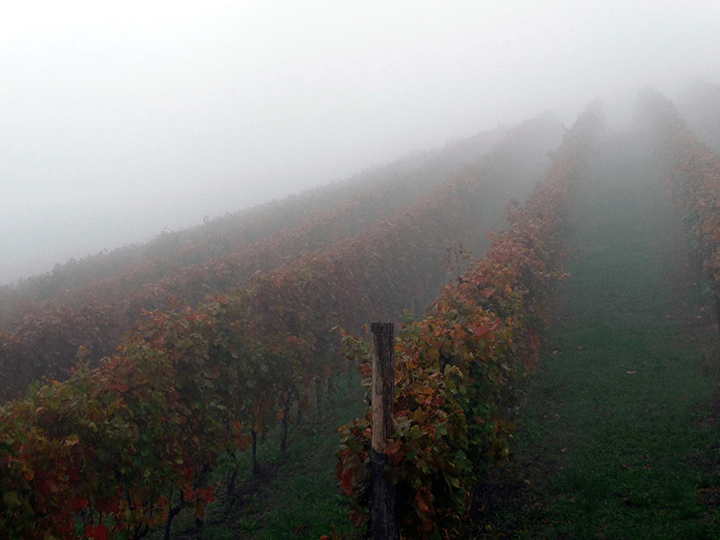
    The name “Nebbiolo” itself is derived from the Italian word “nebbia,” meaning fog. Legend has it that this fog, which blankets the vineyards during the harvest season, gives Nebbiolo its haunting complexity and ethereal character. Some believe this mist contributes to the grape’s slow ripening and distinctive aromas, which range from rose petals to tar.

    Early morning fog in Nebbiolo vineyard – Blue moon in her eyes, CC BY 2.0 via Wikimedia Commons

    Barolo’s reputation as the “King of Wines” is tied to its ability to age. With its formidable tannic structure and high acidity, a well-made Barolo can age gracefully for decades, developing complex tertiary flavors of dried fruits, leather, tobacco, and truffles—an aromatic journey that only a few wines in the world can match.

    A Sip of History in Every Glass

    Champagne, Bordeaux, and Barolo are more than just wines; they are liquid histories, each with its own unique narrative of passion, innovation, and resilience. They tell stories of monks and mistresses, kings and rebels, and the generations of winemakers who have shaped their evolution. The next time you raise a glass of one of these iconic wines, remember you’re not just tasting fermented grapes—you’re tasting the essence of a region, the legacy of centuries, and the spirit of its people.

    Whether you’re drawn to the effervescence of Champagne, the aristocratic pedigree of Bordeaux, or the regal intensity of Barolo, each offers a portal to a different time, place, and story. Cheers to that 🍷

    Cover photo credit: © European Union, 2024, CC BY 4.0 via Wikimedia Commons

  • Exploring Latitude Parallels

    Exploring Latitude Parallels

    A Journey Through Parallel Wine Regions.

    The magical journey of wine begins in the vineyard, where the marriage of grape varietals and terroir sets the stage for a unique expression of flavor, aroma, and texture. As a professional sommelier and wine educator, I find endless fascination in comparing and contrasting grape varietals from regions around the world that share the same latitude. The 30 to 50 degrees latitude range, often referred to as the “wine belt,” is where the vast majority of the world’s wine-producing grapes are grown. Within this band, diverse climates and terroirs give rise to an extraordinary array of wine styles, even when the same varietal is planted. Let’s explore several mainstream grape varietals, their parallel regions across the globe, and the nuanced differences in the wines they produce.
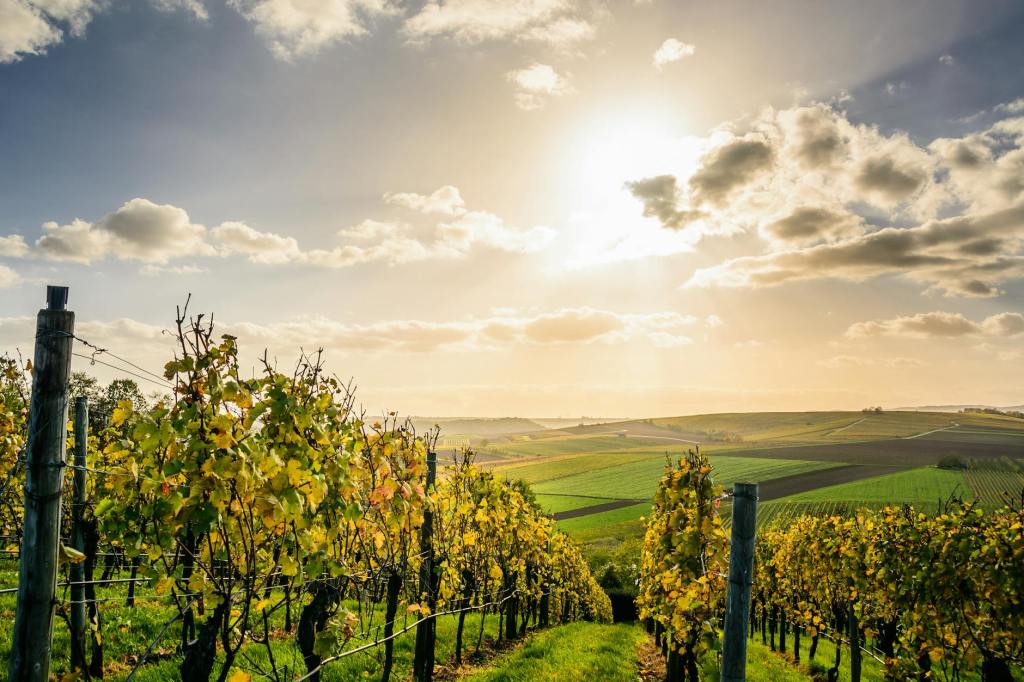
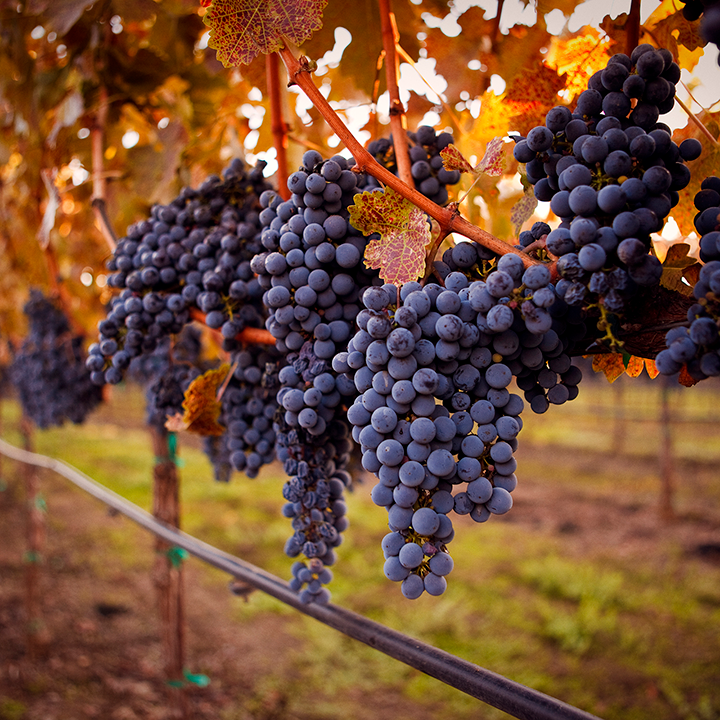
    The Wine Belt – SOMM&SOMM Illustration

    Pinot Noir: Burgundy vs. Oregon vs. New Zealand

    Latitude Parallel: ~45°N (Burgundy, France; Willamette Valley, Oregon, USA) | ~45°S (Central Otago, New Zealand)

    Burgundy, France:
    The legendary home of Pinot Noir, Burgundy is often considered the benchmark against which all other Pinot Noirs are measured. The cool continental climate, coupled with the region’s limestone-rich soils, gives rise to wines of unparalleled elegance and complexity. Burgundian Pinot Noirs are known for their subtlety—think delicate red fruit aromas of cherry and raspberry, intertwined with earthy undertones of forest floor, mushroom, and a hint of minerality. The palate often reveals a silken texture with fine-grained tannins and a lingering, refined finish. The expression here is one of finesse, with a balance that allows the terroir to shine through.

    SOMM&SOMM Recommends: Domaine Antonin Guyon Aloxe-Corton Les Fournieres Premier Cru 2020

    Willamette Valley, Oregon:
    At a similar latitude but across the Atlantic and a continent, Oregon’s Willamette Valley produces Pinot Noir that is both distinctive and reminiscent of its Burgundian counterparts. The maritime climate, with its cool, wet winters and dry, warm summers, creates ideal conditions for this temperamental grape. Oregon Pinot Noirs tend to showcase more vibrant fruit character—ripe red berries, plum, and even hints of blueberry. There’s often a spicy, herbal quality to the wines, with notes of clove, cinnamon, and sometimes a touch of cola. The texture is plush, with a slightly fuller body than Burgundy, yet still retaining that signature Pinot Noir elegance.

    SOMM&SOMM Spotlight Winery: Adelsheim Vineyard

    Central Otago, New Zealand:
    On the other side of the globe, Central Otago offers a completely different expression of Pinot Noir, despite sharing a similar latitude. The region’s unique combination of intense sunlight, high altitude, and cool climate results in wines that are bolder and more fruit-forward. Central Otago Pinot Noirs burst with dark cherry, blackberry, and plum flavors, often accompanied by a distinctive minerality and a touch of wild herbaceousness. The wines tend to have a more robust structure, with firmer tannins and higher alcohol levels, giving them a richer, more powerful presence on the palate.

    SOMM&SOMM Recommends: Felton Road Cornish Point Pinot Noir 2021

    Chardonnay: Chablis vs. Margaret River vs. Mendoza

    Latitude Parallel: ~47°N (Chablis, France) | ~34°S (Margaret River, Australia) | ~32°S (Mendoza, Argentina)

    Chablis, France:
    In the northernmost part of Burgundy, Chablis is renowned for its steely, mineral-driven Chardonnay. The cool climate and Kimmeridgian limestone soils imbue these wines with a racy acidity and a distinct flinty character. Chablis is the epitome of an unoaked Chardonnay, where the fruit takes a backseat to the sharp, precise expression of terroir. Expect flavors of green apple, lemon zest, and a subtle saline quality that speaks to the marine origins of the soil. The finish is clean, crisp, and refreshingly austere—a true reflection of the Chablisien terroir.

    SOMM&SOMM Recommends: Simonnet-Febvre Chablis Fourchaume Premier Cru 2022

    Margaret River, Australia:
    Traveling southward, the Margaret River region of Western Australia offers a warmer, maritime-influenced take on Chardonnay. Here, the wines are richer and more opulent, often with a judicious use of oak to add complexity. Margaret River Chardonnays are known for their creamy texture, with ripe stone fruit flavors of peach, nectarine, and apricot, layered with notes of cashew, buttered toast, and a hint of vanilla. Despite the warmer climate, the wines maintain a lively acidity that balances the lush fruit, making them both generous and refreshing.

    SOMM&SOMM Recommends: Vasse Felix Chardonnay 2022

    Mendoza, Argentina:
    Further up in the Andes, Mendoza’s high-altitude vineyards produce Chardonnays that are both powerful and nuanced. The intense sunlight at these elevations allows for full ripeness, while the cool nights preserve acidity, creating a dynamic interplay in the wines. Mendoza Chardonnays often exhibit ripe tropical fruit flavors—pineapple, mango, and banana—alongside more traditional citrus and green apple notes. Oak is used to varying degrees, adding layers of spice, smoke, and a creamy texture. The wines have a broad, mouth-filling quality, with a finish that often reveals a touch of minerality from the mountain soils.

    SOMM&SOMM Recommends: El Enemigo Chardonnay 2021

    Syrah/Shiraz: Rhône Valley vs. Barossa Valley vs. Washington State

    Latitude Parallel: ~45°N (Rhône Valley, France) | ~34°S (Barossa Valley, Australia) | ~46°N (Walla Walla, Washington, USA)

    Rhône Valley, France:
    Syrah finds its most classical expression in the northern Rhône, particularly in appellations like Hermitage and Côte-Rôtie. The continental climate, with its hot summers and cold winters, combined with steep, granite-laden slopes, produces wines of immense complexity and longevity. Rhône Syrahs are marked by dark fruit—blackberry, blackcurrant, and plum—complemented by savory notes of black olive, smoked meat, and pepper. The tannins are firm yet well-integrated, providing a sturdy backbone for the wine’s concentrated flavors. As they age, these wines develop additional layers of earth, leather, and truffle, becoming even more profound and intricate.

    SOMM&SOMM Recommends: Guigal Cote Rotie Brune et Blonde 2020

    Barossa Valley, Australia:
    In contrast, Australia’s Barossa Valley offers a warmer, sun-drenched take on Syrah, known locally as Shiraz. The Barossa’s hot climate and ancient, iron-rich soils result in wines that are rich, ripe, and full-bodied. Barossa Shiraz is often characterized by its bold fruit flavors—ripe blackberry, blueberry, and dark cherry—coupled with sweet spice notes of cinnamon, clove, and chocolate. The tannins are plush and velvety, creating a wine that is immediately approachable, yet capable of aging. There’s an inherent warmth and generosity to Barossa Shiraz, making it a favorite for those who enjoy robust, fruit-driven wines.

    SOMM&SOMM Recommends: Yalumba Steeple Vineyard Shiraz 2018

    Walla Walla, Washington, USA:
    Moving back to the northern hemisphere, Washington State’s Walla Walla Valley offers yet another expression of Syrah. The region’s diverse soils and unique climate—marked by hot, dry summers and cool nights—produce wines that are somewhere between the Rhône and Barossa in style. Walla Walla Syrahs often exhibit a mix of dark fruit and savory characteristics, with blackberry, plum, and blueberry flavors sitting alongside notes of black pepper, olive tapenade, and tobacco. The wines tend to have a firm structure, with a balance of acidity and tannin that lends itself to aging. There’s often a touch of minerality and earthiness that adds complexity, reflecting the varied terroir of the region.

    SOMM&SOMM Recommends: K Vintners Powerline Syrah 2019

    Exploring wines from regions that share the same latitude is a journey through the intricacies of terroir, climate, and winemaking philosophy. While latitude plays a significant role in shaping the character of a wine, it is the combination of factors—soil composition, altitude, sunlight, and the winemaker’s touch—that ultimately defines the final product. Each of these regions, despite their shared latitude, offers a unique expression of the same grape varietal, showcasing the endless diversity and richness of the world of wine. Whether it’s the elegance of a Burgundian Pinot Noir, the richness of a Barossa Shiraz, or the crispness of a Chablis, there is always something new to discover in the glass.

  • The Genealogy of Grape Varietals

    The Genealogy of Grape Varietals

    Unveiling the Mysteries of Wine’s Most Celebrated Grapes

    In the world of wine, the grape is the star of the show, the foundation upon which all great wines are built. But have you ever wondered about the lineage of these illustrious berries? Let’s embark on a journey through the genealogy of the top 10 grape varietals, exploring their origins, the fascinating science behind them, and a sprinkle of myth and lore that makes each one even more intriguing.

    Photo by David on Pexels.com

    Understanding Hybrid, Cross, and Clone Varietals

    Before diving into the individual stories, it’s essential to understand some key terms:

    Hybrid: A hybrid grape is a cross between two different species (e.g. Vitis vinifera – Vitis lambrusca). These often arise to combine the best traits of each parent species, like disease resistance or cold hardiness.

    Cross: A cross, or crossbreed, is a grape created from two different varieties within the same species (Vitis vinifera – Vitis vinifera). This is common in Vitis vinifera, the primary species used in wine production.

    Clone: A clone is a genetically identical copy of a single grapevine. Clones arise through vegetative propagation, where cuttings from a vine are rooted to create new vines with the exact genetic makeup of the original.

    The Top 10 Grape Varietals and Their Genealogy

    Cabernet Sauvignon

    1. Cabernet Sauvignon

       – Species: Vitis vinifera

       – Genealogy: This noble grape is a natural cross between Cabernet Franc and Sauvignon Blanc, discovered in the 17th century in Bordeaux, France.

       – Myth and Lore: Legend has it that the grape first grew wild on the graves of fallen warriors, gaining strength from their spirits.

    Chardonnay

    2. Chardonnay

       – Species: Vitis vinifera

       – Genealogy: Originating from a cross between Pinot Noir and Gouais Blanc, Chardonnay has roots dating back to the Middle Ages in Burgundy, France.

       – Myth and Lore: Monks in Burgundy believed Chardonnay vines were a gift from the heavens, planted by angels to produce divine wines.

    Photo by Abynaya on Pexels.com

    3. Pinot Noir

       – Species: Vitis vinifera

       – Genealogy: Pinot Noir is an ancient variety, with genetic studies suggesting it dates back over 2,000 years, originating in the Burgundy region of France.

       – Myth and Lore: Some say that Pinot Noir vines were nurtured by druids, who believed the grape possessed mystical properties.

    Merlot

    4. Merlot

       – Species: Vitis vinifera

       – Genealogy: A descendant of Cabernet Franc and Magdeleine Noire des Charentes, Merlot emerged in the Bordeaux region in the 18th century.

       – Myth and Lore: Merlot was once thought to be the favorite grape of mermaids, who would sip its juice and sing songs of love and loss.

    Syrah/Shiraz

    5. Syrah/Shiraz

       – Species: Vitis vinifera

       – Genealogy: Syrah’s origins trace back to a cross between Dureza and Mondeuse Blanche, discovered in the Rhône Valley, France.

       – Myth and Lore: Ancient Persian legends tell of Syrah as a grape born from the tears of the god Syra, weeping for his lost love.

    Sauvignon Blanc

    6. Sauvignon Blanc

       – Species: Vitis vinifera

       – Genealogy: This grape is one of the parents of Cabernet Sauvignon, with its origins in the Loire Valley of France.

       – Myth and Lore: It is said that Sauvignon Blanc vines were found growing near the lair of a wise old fox who guarded them fiercely, believing the grapes held the secret to eternal youth.

    Zinfandel

    7. Zinfandel

       – Species: Vitis vinifera

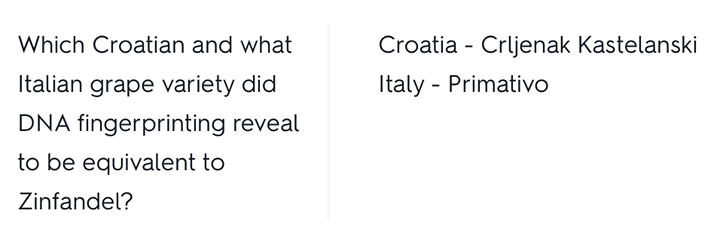
       – Genealogy: Genetically identical to the Croatian grape Crljenak Kaštelanski and the Italian Primitivo, Zinfandel made its way to California in the mid-19th century.

       – Myth and Lore: Early settlers in California believed Zinfandel vines were protected by earth spirits who ensured bountiful harvests.

    Riesling

    8. Riesling

       – Species: Vitis vinifera

       – Genealogy: Riesling’s origins can be traced to the Rhine region of Germany, first documented in the 15th century.

       – Myth and Lore: German folklore suggests that Riesling vines were tended by elves, who imbued the grapes with a delicate sweetness.

    Tempranillo

    9. Tempranillo

       – Species: Vitis vinifera

       – Genealogy: Native to Spain, Tempranillo’s exact origins are unclear, but it has been cultivated on the Iberian Peninsula for over 2,000 years.

       – Myth and Lore: Spanish knights believed that drinking Tempranillo before battle would grant them courage and strength.

    Malbec

    10. Malbec

        – Species: Vitis vinifera

        – Genealogy: Originating in France, Malbec is a natural cross between Magdeleine Noire des Charentes and Prunelard. It gained fame in Argentina, where it thrived in the high altitudes.

        – Myth and Lore: In Argentine folklore, Malbec was blessed by the spirits of the Andes mountains, who ensured its rich, robust flavor.

    The Science and Magic of Varietal Creation

    Hybrid Varietals – Hybrids often arise from the need to improve specific traits. For example, Vidal Blanc is a hybrid of Ugni Blanc (Vitis vinifera) and a hybrid grape variety, created to withstand harsh Canadian winters.

    Cross Varietals – Crossbreeding within the same species can lead to remarkable discoveries, as seen with Pinotage, a cross between Pinot Noir and Cinsault, developed in South Africa in 1925 to create a robust grape suited to the local climate.

    Clones – Clones like the Dijon clones of Pinot Noir, selected for their specific traits such as small berries or disease resistance, demonstrate how subtle genetic variations can lead to significant differences in the wine’s profile.

    The genealogy of grape varietals is a blend of science and storytelling, where each grape’s journey from ancient roots to modern vineyards is as captivating as the wines they produce. Whether shaped by nature or nurtured by mythical beings, these varietals continue to enchant wine lovers around the globe, one sip at a time. So, the next time you raise a glass, remember the rich history and fascinating lineage that brought that wine to your table. Cheers 🍷

  • Varietal Spotlight: Zinfandel

    Varietal Spotlight: Zinfandel

    Unveiling the Rich Tapestry of Zinfandel

    Amidst the vast and diverse landscape of wine varietals, few evoke as much intrigue and delight as Zinfandel. With its roots deeply intertwined with American viticultural history, Zinfandel has captivated palates around the globe with its versatility, bold flavors, and intriguing heritage. Join me on a journey as we delve into the intricacies of this enigmatic grape, exploring its origins, diverse expressions, and ideal pairings, just in time to elevate your summer barbecues.

    The origins of Zinfandel have long been a subject of debate among wine enthusiasts and historians. While it is widely acknowledged as a quintessentially American grape variety, its exact ancestry remained shrouded in mystery until recent advancements in genetic research.

    Photo by Luciann Photography on Pexels.com

    Recent DNA analysis has revealed that Zinfandel is genetically identical to the Croatian grape variety known as Crljenak Kaštelanski (pronunciation: Tserl-yee-ehnak Kash-tell-ann-skee), as well as the Italian Primitivo (pronunciation: pri-meh-TEE-Voh). This revelation has shed light on the grape’s journey across continents, tracing its lineage from the Dalmatian Coast of Croatia to the sun-drenched vineyards of California.

    Required Knowledge for WSET Level 3

    Additional Info: Carole Meredith Solves the Mystery of Zinfandel (The V&E Trellis Wire, Spring 2002)

    Zinfandel first gained prominence in California during the Gold Rush era of the 19th century when it became the most widely planted grape variety in the state. Its robust vines thrived in the Mediterranean-like climate of California, giving rise to some of the most iconic wines in American history.

    Varieties and Characteristics

    Zinfandel is celebrated for its remarkable diversity, with a spectrum of expressions ranging from light and fruity to bold and full-bodied. This versatility stems from various factors including terroir, winemaking techniques, and aging practices.

    Red Zinfandel: The most iconic expression of Zinfandel, red Zinfandel wines are characterized by their deep ruby hues, vibrant fruit flavors, and spicy undertones. Notes of blackberry, raspberry, and plum are often interwoven with hints of black pepper, cinnamon, and licorice, creating a complex and multifaceted palate. Red Zinfandels can vary in intensity, with some displaying bold tannins and high alcohol content, while others exude elegance and finesse.

    White Zinfandel: White Zinfandel emerged as a serendipitous offshoot of its red counterpart. In the 1970s, winemakers accidentally left Zinfandel juice in contact with the grape skins for an extended period, resulting in a blush-colored wine with residual sweetness. This happy accident gave birth to White Zinfandel, a refreshing and approachable wine known for its light body, crisp acidity, and fruity aromatics. Unlike its robust red counterpart, White Zinfandel is best enjoyed in its youth, showcasing flavors of strawberry, watermelon, and citrus.

    In every sip of Zinfandel lies the essence of paradox; bold yet delicate, rustic yet refined, echoing the journey of life itself in its nuanced flavors.

    Gregory Dean, SOMM&SOMM

    While Zinfandel is cultivated in various wine regions across the globe, certain appellations have emerged as bastions of excellence for this noble grape.

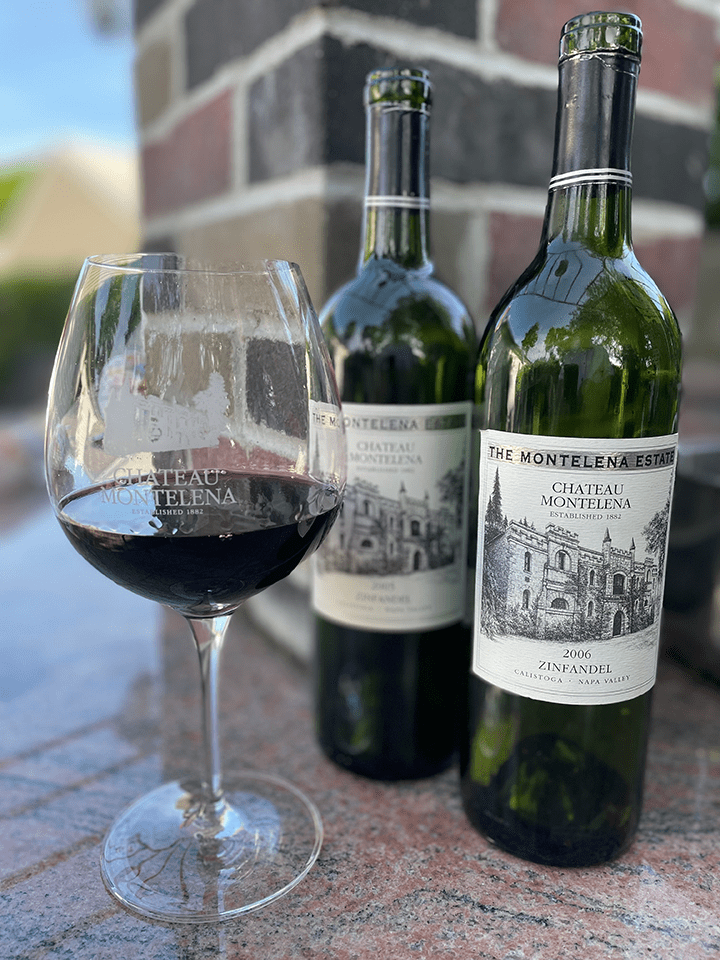
    A vertical of Chateau Montelena Zinfandel was on the menu a summer barbecue hosted by sommelier, Scott White

    California (Napa Valley and Sonoma County): California remains the epicenter of Zinfandel production, with Napa Valley and Sonoma County standing out as premier regions for cultivating this varietal. The warm days and cool nights of these coastal regions provide an ideal microclimate for Zinfandel, allowing the grapes to achieve optimal ripeness while retaining acidity and balance. Wines from Napa Valley tend to be rich and opulent, with concentrated fruit flavors and velvety textures, while those from Sonoma County showcase vibrant acidity and distinctive terroir-driven nuances.

    SOMM&SOMM Recommends: 2021 Chateau Montelena Zinfandel

    SOMM&SOMM Recommends: 2015 Seghesio Zinfandel Home Ranch

    SOMM&SOMM Recommends: 2021 St. Francis Old Vines Zinfandel ‘Tres Viejos’

    Old Vine Zinfandel

    Mendocino County (The Home of Old Vines): Within California, Mendocino County holds a special place in the hearts of Zinfandel aficionados, thanks to its abundance of ancient vines. These gnarled and weather-beaten vines, some over a century old, yield grapes of unparalleled depth and complexity, resulting in wines of extraordinary character and age-worthiness. Mendocino County Zinfandels are revered for their intensity, structure, and ability to express the unique terroir of their vineyard sites.

    Elevating Summer Barbecues

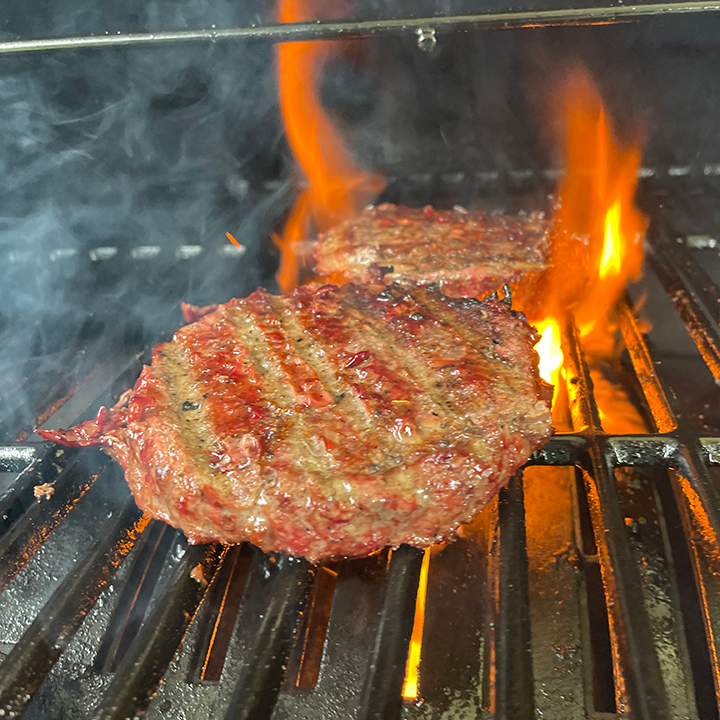
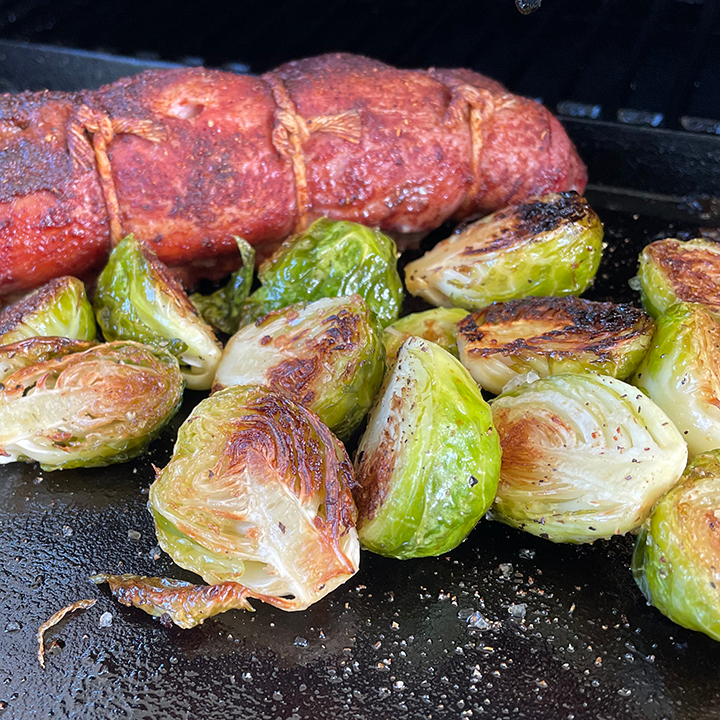
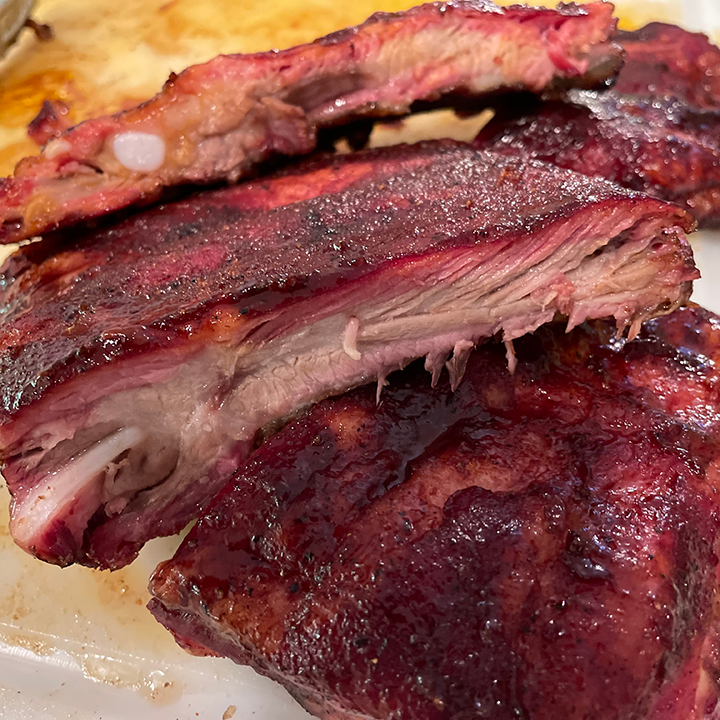
    Zinfandel’s bold flavors and vibrant acidity make it an ideal companion for a wide array of summer barbeque fare. Whether you’re grilling juicy steaks, smoky ribs, or tangy barbecue chicken, Zinfandel’s robust character and spicy nuances are sure to complement and enhance the flavors of your meal. Here’s a few images from past Summer barbecues.

    For a classic pairing, try serving a bold, full-bodied Zinfandel alongside a sizzling rack of barbeque ribs. The wine’s ripe fruit flavors and zesty acidity will cut through the richness of the meat, while its peppery notes will harmonize with the smoky barbecue sauce.

    For a lighter option, consider pairing White Zinfandel with grilled shrimp skewers or a crisp summer salad. The wine’s refreshing acidity and fruit-forward profile will provide a delightful contrast to the charred flavors of the seafood, while its subtle sweetness will complement the fresh, vibrant ingredients of the salad.

    No exploration of Zinfandel would be complete without a nod to its colorful history and enduring legacy. From the heady days of the Gold Rush to the modern renaissance of American winemaking, Zinfandel has remained a steadfast symbol of resilience and innovation.

    Legend has it that during Prohibition, enterprising bootleggers would smuggle Zinfandel grapes across state lines disguised as “table grapes,” allowing intrepid winemakers to continue producing their beloved elixir in secret. This defiance of authority only served to fuel Zinfandel’s mystique, cementing its status as the quintessential American wine.

    Zinfandel is the quintessential American wine

    Zinfandel stands as a testament to the enduring allure of wine, bridging continents and centuries with its rich tapestry of flavors and stories. Whether enjoyed as a bold red or a refreshing blush, Zinfandel invites us to savor the moment and celebrate the joy of discovery with every sip. So, raise a glass to Zinfandel, and let its timeless charm transport you on a journey of endless possibilities. Cheers 🍷

  • The Lore of Aging Wine in Barrels

    The Lore of Aging Wine in Barrels

    Wine, that timeless elixir, has been intertwined with human history for millennia. From ancient amphorae to modern stainless steel tanks, winemaking techniques have evolved, but one tradition remains as steadfast as the vines themselves: aging wine in barrels. This practice is not merely functional but holds a mystical allure, enhancing the flavors, aromas, and textures of wine in ways that transcend mere storage vessels. Let’s dive into the history, craftsmanship, and magic of aging wine in barrels.

    Photo by Yesim G. Ozdemir on Pexels.com

    Historical Roots

    The art of barrel aging dates back to ancient civilizations, where wooden vessels were used to transport and store liquids. The Romans, in particular, recognized the transformative power of wood on wine, using barrels made from oak to age and transport their precious vintages across their vast empire. Over time, this practice spread throughout Europe, becoming synonymous with the finest wines produced in regions such as Bordeaux, Burgundy, and Rioja.

    Barrel aging, the silent maestro of wine evolution, weaves a tapestry of complexity, infusing wines with nuances of oak, whispers of spice, and the symphony of time, crafting bottles of elegance and depth.

    Gregory Dean, SOMM&SOMM

    Types of Wood

    While oak remains the predominant choice for wine barrels, different species and sources of wood impart distinct characteristics to the wine. French oak, known for its subtle flavors of vanilla, spice, and toast, is favored by many winemakers for its elegance and finesse. American oak, on the other hand, tends to impart more pronounced flavors of coconut, dill, and sweet spices, making it a popular choice for bold, fruit-forward wines.

    Other types of wood, such as Hungarian oak, Slovenian oak, and chestnut, offer their own unique profiles, adding layers of complexity to the wines they age. Each wood has its own distinct grain, density, and porosity, influencing how it interacts with the wine and shapes its final character.

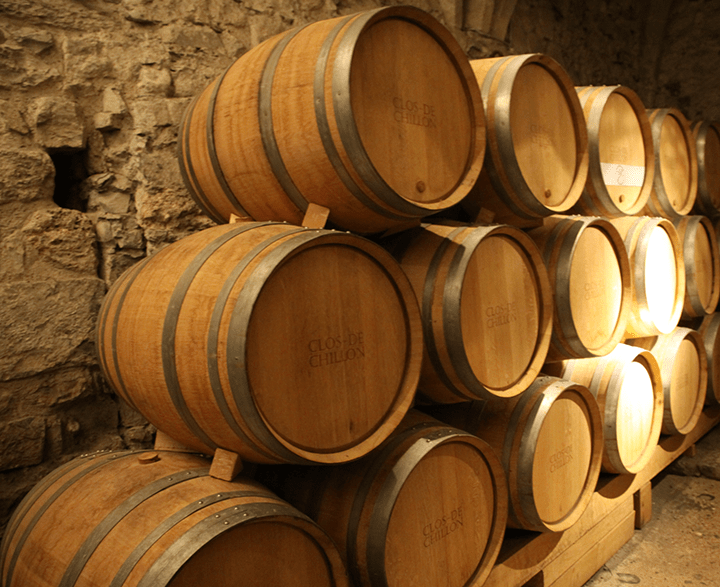
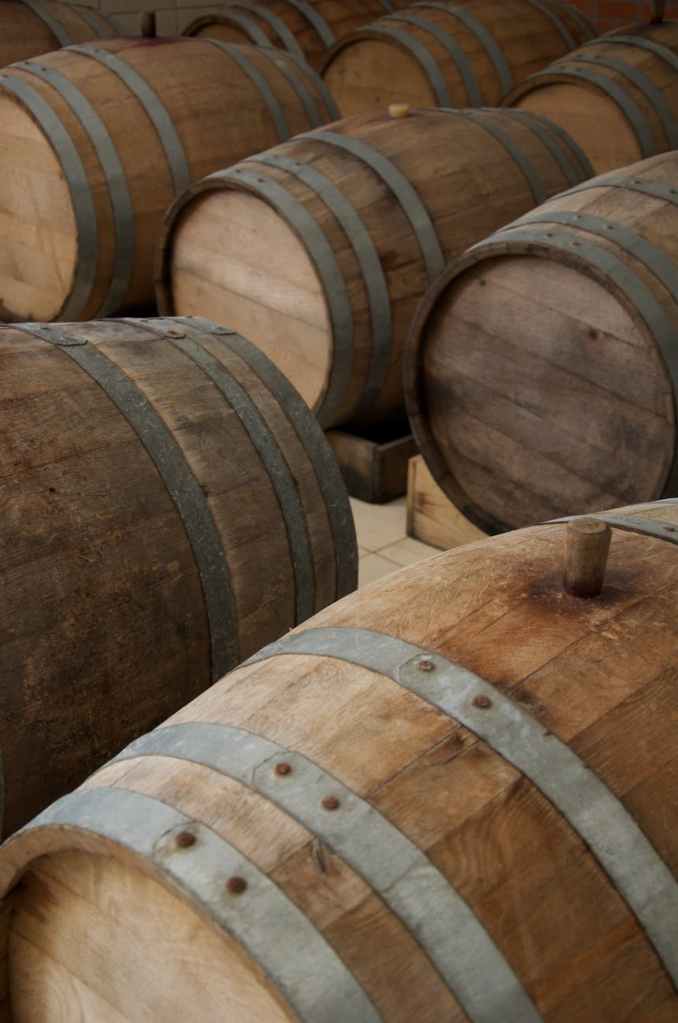
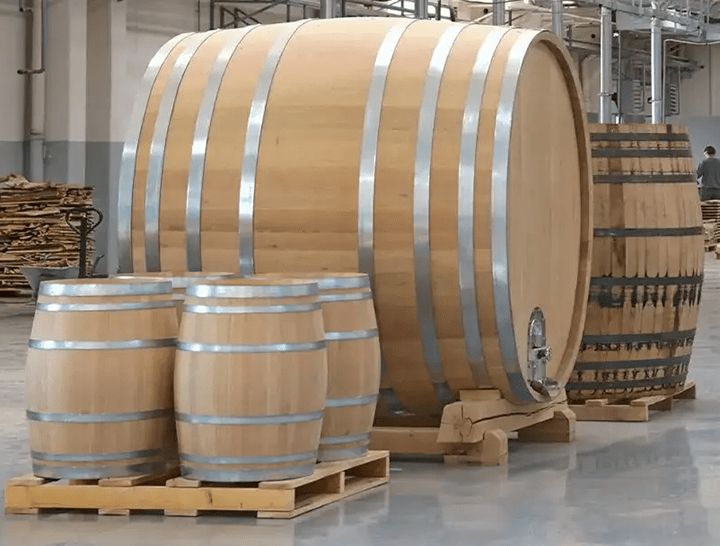
    Various barrel sizes and shapes waiting to be delivered

    Barrel Sizes and Shapes

    Barrels come in a variety of sizes, from the diminutive barrique to the towering foudre. The standard barrique holds approximately 225 liters (59 gallons) of wine and is commonly used in regions like Bordeaux and Burgundy. Larger formats, such as the puncheon and the foudre, are favored for their reduced surface-to-volume ratio, allowing for slower aging and gentler extraction of flavors.

    The shape of the barrel also plays a crucial role in aging wine. Taller, narrower barrels promote more gradual oxidation and evaporation, while shorter, wider barrels encourage faster integration of flavors and textures. Additionally, the toasting level of the barrel—ranging from light to heavy—can be customized to suit the winemaker’s desired style and intensity of oak influence.

    Craftsmanship and Cooperage

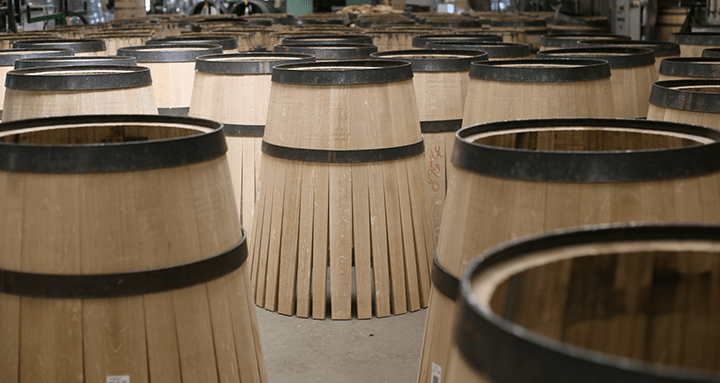
    The art of barrel making, or cooperage, is a centuries-old tradition that requires skill, precision, and patience. Cooperages source the finest oak staves, carefully shaping and toasting them to exact specifications. Master coopers employ time-honored techniques, passed down through generations, to construct barrels that are both functional and beautiful.

    Cooperages offer winemakers a range of options, from the type of wood and toast level to the size and shape of the barrel. Customization allows winemakers to tailor their barrels to the specific needs of each wine, ensuring optimal aging and expression of terroir.

    Impact on Wine and Cost

    The impact of barrel aging on wine is profound, influencing its color, aroma, flavor, and texture in myriad ways. Oak imparts flavors of vanilla, spice, toast, and caramel, while also softening tannins and enhancing mouthfeel. Oxygen slowly permeates the barrel, allowing the wine to evolve and develop complexity over time.

    The cost of barrel aging varies depending on factors such as the type of wood, size of the barrel, and quality of craftsmanship. French oak barrels, prized for their elegance and finesse, are among the most expensive, while American oak and other alternatives offer more affordable options. The cost of barrel aging can account for a significant portion of a wine’s production expenses, particularly for premium and ultra-premium wines that require extended aging in oak.

    Famous Burgundian Grand Cru (Pinot Noir)

    Regional and Varietal Characteristics

    Certain countries, regions, and varietals are renowned for the unique characteristics imparted by barrel aging. In Bordeaux, Cabernet Sauvignon and Merlot blends mature in oak barrels, gaining complexity and structure over time. Burgundian Pinot Noir and Chardonnay benefit from aging in French oak, acquiring nuances of spice, toast, and vanilla.

    Spanish Tempranillo finds its soulmate in American oak, with Rioja and Ribera del Duero wines showcasing flavors of coconut, dill, and sweet spices. Italian Sangiovese, aged in large Slavonian oak casks, develops savory notes of leather, tobacco, and earth.

    While barrel aging remains the gold standard for many winemakers, alternative methods offer creative ways to achieve similar results. Stainless steel tanks provide a neutral environment for aging wine, preserving fruit purity and freshness. Concrete eggs and amphorae impart subtle texture and minerality, enhancing the wine’s sense of place.

    Some winemakers utilize oak alternatives, such as chips, staves, or spirals, to infuse wine with oak flavors without the expense or commitment of traditional barrel aging. While these methods can produce compelling results, they often lack the complexity and integration achieved through prolonged aging in oak.

    Barrels, like fine wine, have a finite lifespan, with each one imparting its unique imprint on the wines it ages. The number of times a barrel can be used depends on factors such as the type of wood, thickness of the staves, and care taken during maintenance. French oak barrels, with their tighter grain and slower oxidation rate, can be reused for several vintages before losing their efficacy.

    After a barrel has reached the end of its useful life for aging wine, it may find new purpose as furniture, planters, or even firewood. Some adventurous souls repurpose old barrels as aging vessels for beer, spirits, or vinegar, continuing the cycle of transformation and innovation.

    Here’s to the artistry of barrel aging, where time becomes the master craftsman, transforming grapes into liquid poetry. Cheers to the magic of oak, the alchemy of time, and the enduring allure of beautifully aged wines. Salud!

    Gregory Dean, SOMM&SOMM

    Aging wine in barrels is a time-honored tradition that marries craftsmanship with alchemy, transforming humble grapes into liquid poetry. From the forests of France to the vineyards of Napa Valley, the story of barrel aging is one of passion, innovation, and reverence for the past. As we raise our glasses to toast the fruits of the vine, let us also raise a toast to the humble barrel, the silent guardian of wine’s journey through time and wood. Cheers 🍷