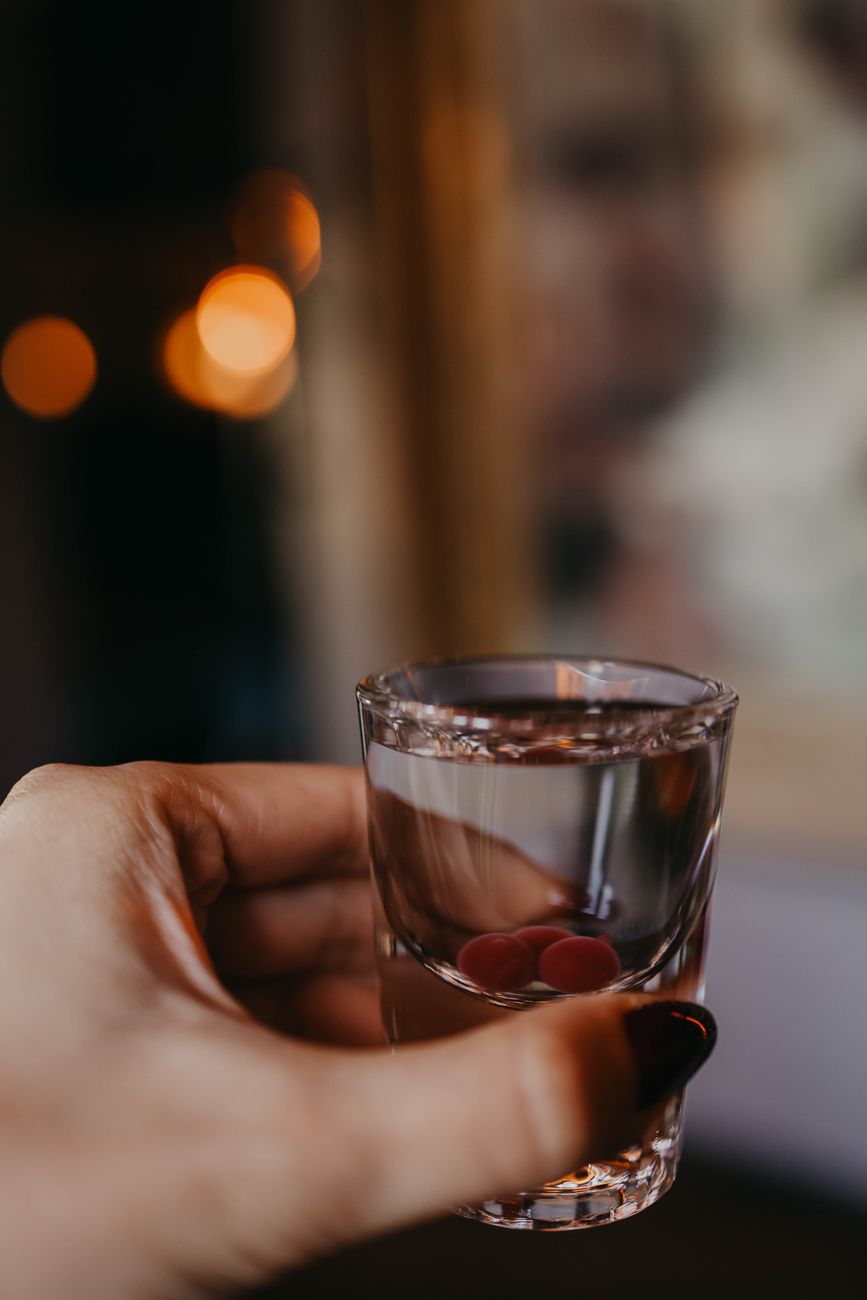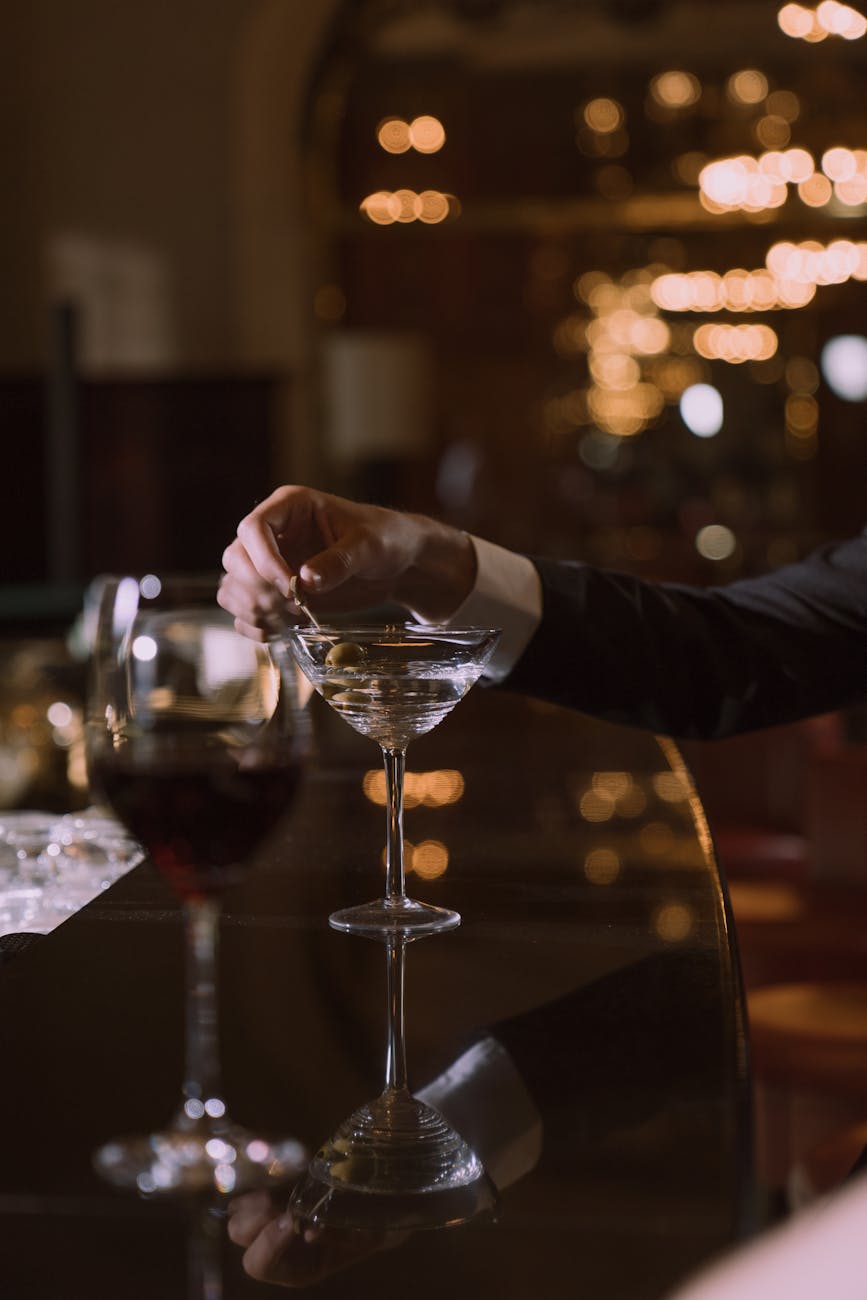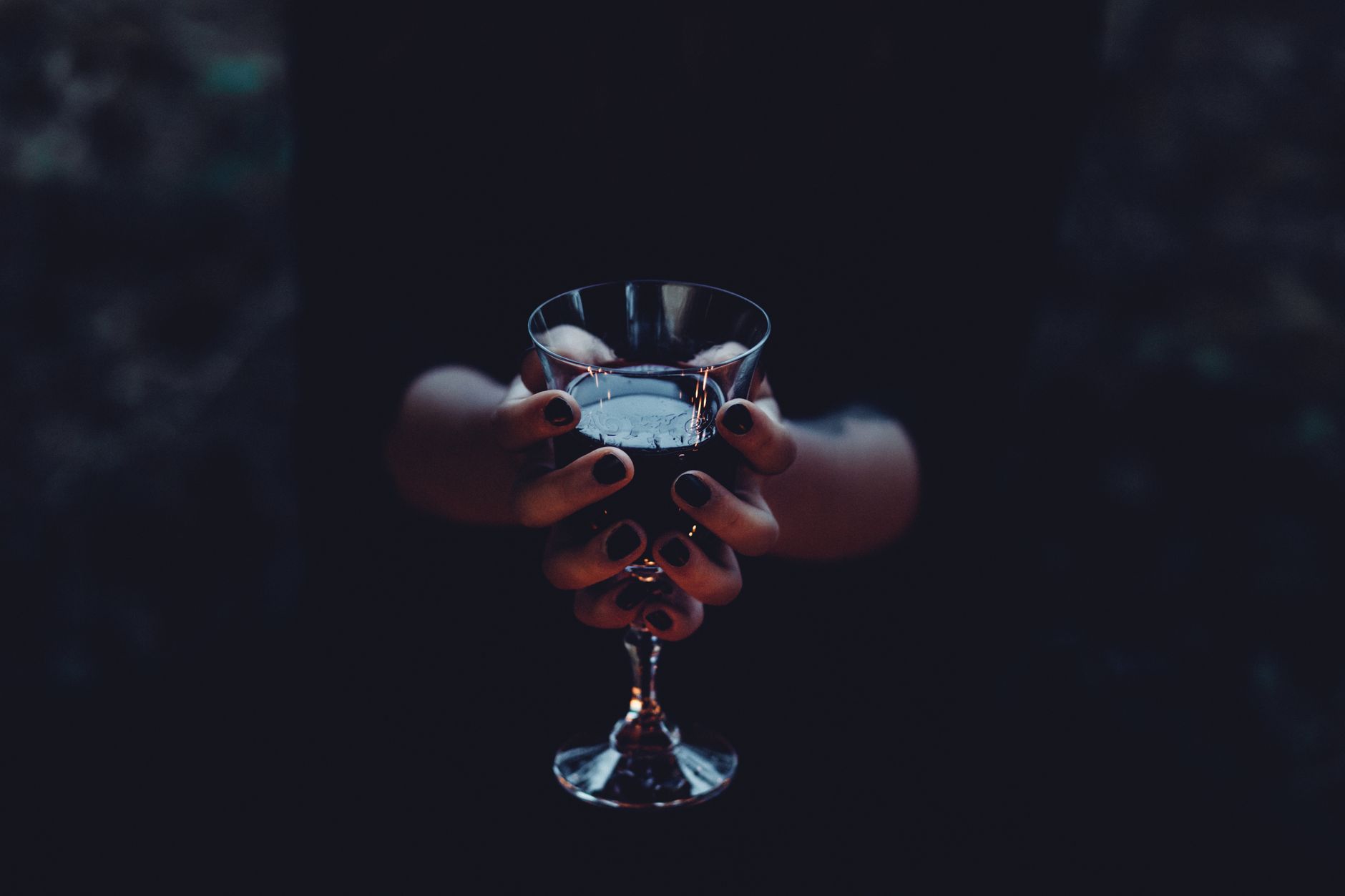
Category: Spirits

  • Spirits of the Season

    Spirits of the Season

    From the walking dead to wickedly delicious originals, these cocktails bring a little magic to your Halloween celebration.

    Halloween has always held a special place in our hearts. We remember neighborhoods transformed by extravagant decorations, eerie graveyards, and neighbors who turned their homes into elaborate haunted houses. The anticipation, creativity, and occasional friendly fright made the holiday unforgettable.

    halloween skeleton decorations on porch
    Photo by Tetiana Panchenko on Pexels.com

    Those memories inspire us to bring a little magic to the cocktail glass.

    From the legendary Zombie to the elegant Corpse Reviver No. 2, Halloween has no shortage of cocktails with wonderfully macabre names. Add a few original creations, delicious food pairings, and some professional mixology tricks, and you’ve got everything needed for a frightfully good gathering.

    So, summon your inner mixologist. It’s time to get spirited!

    All alcoholic recipes are intended for adults of legal drinking age. Keep alcoholic drinks separate from children’s treats and offer appealing alcohol-free alternatives.

    refreshing red cocktail with mint garnish
    Photo by Sóc Năng Động on Pexels.com

    1. The Zombie

    The undead classic that helped define tiki culture.

    Created by legendary tiki bartender Donn Beach in the 1930s, the Zombie combines multiple rums, citrus, and spice. Its original recipe was famously guarded, and modern versions vary.

    Ingredients

    • 1 oz aged Jamaican rum
    • 1 oz gold or aged rum
    • 1 oz overproof rum
    • ¾ oz fresh lime juice
    • ½ oz grapefruit juice
    • ½ oz cinnamon syrup
    • ½ oz falernum
    • 1 dash aromatic bitters

    Method: Shake with ice, then pour into a tall glass filled with crushed ice. Garnish with mint and a lime wheel.

    Pair it with: Jerk chicken skewers, spicy pork sliders, or grilled pineapple.

    SOMM&SOMM tip: Each rum has a role. Jamaican rum contributes fruity complexity, aged rum adds vanilla and caramel, and overproof rum brings intensity. Measure carefully—this cocktail can be deceptively strong.

    a person holding a cocktail drink
    Photo by Antoni Shkraba on Pexels.com

    2. Corpse Reviver No. 2

    An elegant resurrection with a botanical kick.

    Popularized by Harry Craddock’s 1930 The Savoy Cocktail Book, this classic blends gin, orange liqueur, aromatized wine, lemon, and absinthe.

    Ingredients

    • ¾ oz gin
    • ¾ oz Cointreau
    • ¾ oz Lillet Blanc
    • ¾ oz fresh lemon juice
    • Absinthe, for rinsing the glass

    Method: Rinse a chilled coupe with absinthe and discard the excess. Shake the remaining ingredients with ice and double-strain into the glass. Garnish with a lemon twist.

    Pair it with: Oysters, smoked salmon canapés, or goat cheese crostini.

    SOMM&SOMM tip: Absinthe is the supporting actor, not the star. A light rinse adds aromatic anise without overpowering the drink. Fresh lemon juice is essential.

    refreshing orange cocktail with cinnamon garnish
    Photo by jose luis Umana on Pexels.com

    3. The Painkiller

    Tropical comfort for a dark and stormy night.

    Originating at the Soggy Dollar Bar in the British Virgin Islands, the Painkiller pairs rum with pineapple, orange, and coconut.

    Ingredients

    • 2 oz dark or aged rum
    • 4 oz pineapple juice
    • 1 oz orange juice
    • 1 oz cream of coconut
    • Freshly grated nutmeg

    Method: Shake all ingredients except the nutmeg with ice. Pour into a tall glass filled with fresh ice and finish with grated nutmeg.

    Pair it with: Coconut shrimp, chicken satay, or mildly spicy fish tacos.

    SOMM&SOMM tip: Cream of coconut is sweetened and formulated for cocktails; it isn’t the same as unsweetened coconut cream. Shake thoroughly for a smooth, creamy texture.

    a drink with a tiki mask on it and a lime
    Photo by Shameel mukkath on Pexels.com

    4. The Scorpion

    A tiki classic with a tropical sting.

    Associated with Trader Vic’s, the Scorpion combines rum, brandy, citrus, and almond-rich orgeat. It’s a natural choice for theatrical Halloween entertaining.

    Ingredients

    • 1½ oz light rum
    • 1 oz brandy
    • 1 oz orange juice
    • 1 oz fresh lemon juice
    • ½ oz orgeat syrup

    Method: Shake with ice and pour into a large rocks glass filled with crushed ice. Garnish with orange and mint.

    Pair it with: Grilled prawns, coconut-crusted chicken, or sesame-ginger skewers.

    SOMM&SOMM tip: Orgeat contributes almond aroma and texture, not just sweetness. If the drink tastes flat, check the freshness of your citrus before adding more syrup.

    red drink in a shot glass
    Photo by Dextar Studio ™ on Pexels.com

    5. The Black Widow Margarita

    A dark-fruit twist on a beloved classic.

    Tequila, orange liqueur, and lime provide the familiar Margarita foundation. Blackberry adds a dramatic color and a seasonal flourish.

    Ingredients

    • 2 oz blanco tequila
    • ¾ oz orange liqueur
    • 1 oz fresh lime juice
    • ¼–½ oz blackberry syrup

    Method: Shake with ice and strain over fresh ice into a rocks glass. Garnish with blackberries and lime. For extra drama, rim the glass with salt mixed with finely crushed freeze-dried blackberries.

    Pair it with: Carne asada tacos, grilled shrimp, or aged cheeses.

    SOMM&SOMM tip: Start with less blackberry syrup and adjust to taste. Dark and mysterious doesn’t have to mean overly sweet.

    close up shot of a cocktail drink
    Photo by Chalo Garcia on Pexels.com

    6. The Witching Hour

    A SOMM&SOMM original with botanical elegance.

    Gin, elderflower, lemon, and blackberry create a sophisticated cocktail worthy of a candlelit Halloween gathering.

    Ingredients

    • 1½ oz London Dry gin
    • ½ oz elderflower liqueur
    • ¾ oz fresh lemon juice
    • ½ oz blackberry syrup
    • 1 dash aromatic bitters
    • Optional: a splash of sparkling wine

    Method: Shake everything except the sparkling wine with ice. Double-strain into a chilled coupe. Add sparkling wine if desired and garnish with a lemon twist or blackberry.

    Pair it with: Brie and blackberry crostini, duck bites, or dark chocolate truffles.

    SOMM&SOMM tip: Every ingredient has a job: gin provides structure, elderflower adds floral sweetness, lemon supplies acidity, and blackberry brings dark fruit. Add sparkling wine only after shaking.

    alcohol beverage in glass
    Photo by Dextar Studio ™ on Pexels.com

    7. The Headless Horseman

    A bourbon Old Fashioned with an autumnal twist.

    For whiskey lovers, this variation brings maple and orange to the familiar combination of bourbon, bitters, and sweetness.

    Ingredients

    • 2 oz bourbon
    • ¼ oz pure maple syrup
    • 2 dashes aromatic bitters
    • 1 dash orange bitters
    • Orange peel

    Method: Stir the bourbon, maple syrup, and bitters with ice for 20–30 seconds. Strain over a large ice cube and express an orange peel over the glass.

    Pair it with: Smoked cheddar, roasted pecans, barbecue brisket bites, or dark chocolate.

    SOMM&SOMM tip: Restraint is the secret to an excellent Old Fashioned. The sweetener should complement the whiskey, never conceal it. Expressing the orange peel releases aromatic oils that elevate every sip.

    The SOMM&SOMM Mixology Grimoire

    Five professional tricks can transform your home bartending.

    • Measure every pour. A jigger delivers consistency and keeps strong cocktails in check.
    • Use fresh citrus. Lemon and lime provide brightness that bottled juice often lacks.
    • Shake or stir appropriately. Shake drinks containing citrus and juices; stir spirit-forward cocktails for a silky texture.
    • Respect your ice. Crushed ice chills quickly; large cubes melt more slowly. Both have their place.
    • Garnish with purpose. Citrus oils, fresh herbs, and complementary fruit contribute aroma and flavor—not just decoration.

    One more secret: Taste before serving. Balance sweetness, acidity, bitterness, and dilution instead of automatically adding more syrup or spirits.

    The Halloween Host’s Secret Weapon

    Here’s the real trick: prepare two separate service stations.

    The adult cocktail station: Set up spirits, mixers, jiggers, glassware, ice, and garnishes away from the front door. Choose one signature cocktail and one or two simple alternatives. Prepare and refrigerate noncarbonated batches ahead of time, label them clearly, and keep bottles secured and out of children’s reach.

    The little-monster station: Keep candy, stickers, and treats ready near the entrance. If possible, enlist another adult to handle trick-or-treaters during the busiest hours.

    And don’t forget the young guests—or adults who prefer not to drink alcohol.

    The Little Goblin Fizz

    Ingredients

    • 3 oz sparkling apple cider
    • 1 oz cranberry juice
    • ½ oz orange juice
    • A squeeze of lime

    Method: Combine the juices, add ice if desired, and top with sparkling apple cider. Garnish with an orange slice.

    Keep this drink and its serving equipment separate from the alcoholic station.

    The result? Guests enjoy their cocktails, children get their treats, and you get to enjoy the party rather than spend the entire evening behind the bar.

    A Few Delicious Pairing Principles

    Great pairings don’t require elaborate menus. Remember three simple guidelines:

    • Match intensity: Bold tiki cocktails work well with smoky, spicy foods.
    • Use acidity: Citrus-driven drinks refresh the palate after rich or fatty dishes.
    • Echo flavors: Coconut shrimp with a Painkiller or blackberry crostini with The Witching Hour creates a natural connection.

    The goal is simple: make both the food and the cocktail taste even better together.

    A Final Toast to the Spirits of Halloween

    Halloween has always been about imagination, storytelling, and creating experiences that stay with us. Those childhood haunted houses and spectacular neighborhood decorations remind us that the real magic comes from the people who put their hearts into making something special.

    Bring that same spirit to your cocktail table. Experiment with flavors, share a new favorite, and give your guests a reason to remember the evening.

    Because the best spirits aren’t always found in the bottle. Sometimes, they’re found in the people gathered around the table.

    Happy Halloween from SOMM&SOMM!

    May your cocktails be balanced, your garnishes be frightful, and your memories be deliciously unforgettable 🥃

    Enjoy responsibly. Serve alcohol only to adults of legal drinking age, provide appealing alcohol-free options, and arrange a sober ride when needed.

    Cover Photo by freestocks.org on Pexels.com
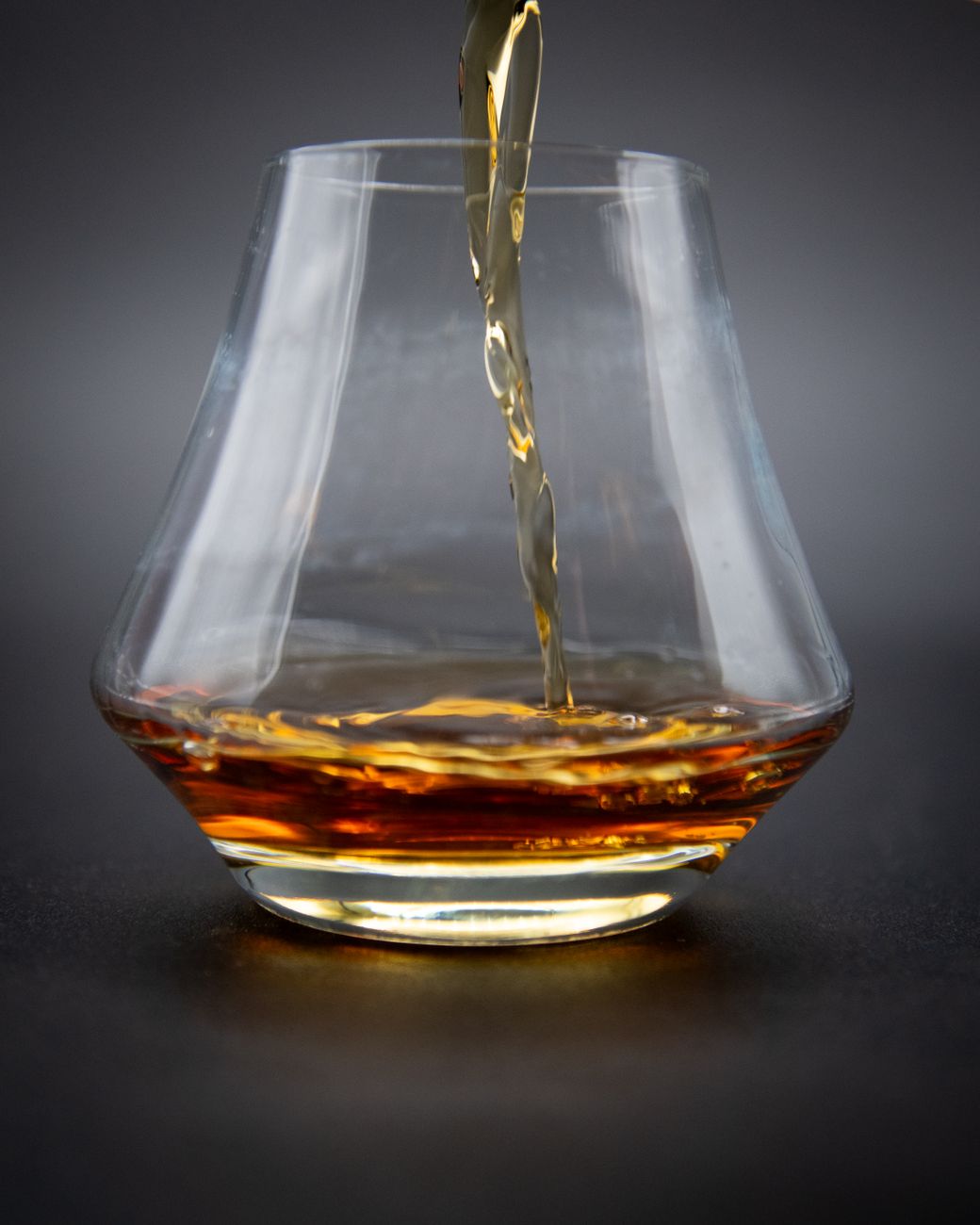
  • The Spirit That Started With Wine

    The Spirit That Started With Wine

    There is a good chance you already know more about brandy than you realize.

    If you know wine, you understand its starting point. Brandy begins with fermented grapes, just as wine does. The difference is what happens next: instead of remaining wine, it is distilled, concentrated, and often aged in oak until something entirely new emerges.

    For a sommelier, that makes brandy particularly fascinating. It is one of the few spirits that allows you to follow a familiar ingredient from the vineyard into an entirely different world of flavor.

    And while Cognac may be the most famous expression, it is only the beginning.

    hennessy bottle on wooden table
    Photo by ConfinedRiley on Pexels.com

    So, What Exactly Is Brandy?

    At its simplest, brandy is a spirit produced by distilling fermented fruit. When the fruit is grapes, it is grape brandy.

    The process begins much like winemaking. Grapes are harvested, pressed, and fermented into wine. That wine is then distilled, separating and concentrating alcohol and aromatic compounds. What comes out of the still is a clear, intensely concentrated spirit called eau-de-vie (oh-duh-VEE).

    That spirit may be bottled young and clear, or it can spend years—even decades—in oak.

    This is where brandy develops its extraordinary range of character. Fresh fruit and floral notes can evolve into dried fruit, vanilla, spice, nuts, leather, tobacco, and the complex, savory character sometimes described as rancio.

    The barrel doesn’t simply give brandy its color. It becomes part of the spirit’s identity.

    And time does the rest.

    close up of a bottle of alcohol
    Photo by Duchess Iphie on Pexels.com

    Brandy With a Place Behind It

    Cognac is not simply a premium brandy. It is a protected geographical designation, much like Champagne or Burgundy.

    To be called Cognac, a spirit must come from the defined Cognac region of France and follow detailed rules governing grapes, vineyards, fermentation, distillation, aging, and labeling.

    Cognac is traditionally made primarily from Ugni Blanc grapes and distilled twice in copper pot stills. The resulting eau-de-vie is then aged in oak before it can become Cognac.

    The region is divided into six crus, including Grande Champagne, Petite Champagne, Borderies, Fins Bois, Bons Bois, and Bois Ordinaires. Those geographical distinctions can influence the character and aging potential of the spirit.

    For wine drinkers, this should sound familiar.

    Place matters.

    So does time.

    Understanding the Cognac Label

    The letters on a Cognac bottle are not simply marketing terms. They indicate the minimum age of the youngest eau-de-vie in the blend.

    • VS — Very Special: minimum two years old
    • VSOP — Very Superior Old Pale: minimum four years
    • Napoleon: minimum six years
    • XO — Extra Old: minimum ten years
    • XXO — Extra Extra Old: minimum fourteen years

    An important distinction: a 20-year-old eau-de-vie can be blended into an XO, but the designation is determined by the youngest component.

    That is one reason an XO Cognac can contain considerably older spirits.

    The Napoleon Brandy Myth: Legend vs. Truth

    The Myth: Napoleon Bonaparte was famously fond of Cognac and supposedly carried it with him during his military campaigns. According to the romantic version of the story, producers eventually honored him by naming an especially fine, aged brandy “Napoleon.”

    The Lore: The association isn’t entirely invented. Napoleon’s name became closely connected with Cognac in the 19th century, and stories of his appreciation for the spirit helped turn his name into a powerful marketing symbol for premium brandy.

    The Truth: The Napoleon designation is not a tribute that Napoleon himself created or an indication that Napoleon drank that particular Cognac. It is a legally defined Cognac age designation. Today, a Cognac labeled Napoleon must contain eau-de-vie aged for at least six years, based on the age of the youngest spirit in the blend.

    So when you see Napoleon on a Cognac label, think age category—not imperial endorsement.

    The emperor may have inspired the legend. The regulations determine what’s in the bottle.

    pile of brown wooden barrels
    Photo by Arthur Brognoli on Pexels.com

    Cognac’s Less Famous, More Rustic Sibling

    If Cognac is the polished ambassador of French brandy, Armagnac is the fascinating character you discover once you venture off the beaten path.

    Produced in Gascony, Armagnac is France’s oldest brandy-producing region. Its traditional distillation method is notably different from Cognac. Most Armagnac is distilled continuously through a distinctive column still rather than being double distilled in a pot still.

    The result can be remarkably expressive: ripe fruit, flowers, spice, earth, and a richer, more rustic character than many Cognacs.

    Armagnac also gives wine lovers another reason to pay attention. Vintage bottlings are relatively common, allowing you to explore the character of a particular harvest year rather than simply a house blend.

    There is even Blanche Armagnac, a clear, unaged expression that allows the fruit and distillation character to take center stage.

    If Cognac is the obvious place to begin, Armagnac is where curiosity starts to pay dividends.

    Brandy Isn’t Whiskey With a French Accent

    The familiar comparison between brandy and other aged spirits can be useful, but only if we start with what actually makes them different.

    SpiritPrimary raw materialWhat is distilled?
    Grape BrandyGrapesFermented grape wine
    WhiskeyGrainFermented grain mash
    RumSugarcaneFermented cane juice or molasses
    TequilaAgaveFermented cooked agave
    Brandy de JerezGrapesGrape wine

    The distinction is the raw material and the production tradition.

    A whiskey expresses grain.

    Rum expresses sugarcane.

    Tequila expresses agave.

    Grape brandy begins with wine.

    That is also why grappa and pisco should not simply be lumped into the same category. They are members of the broader family of grape-derived spirits, but their production methods and legal definitions are different.

    Grappa is distilled from grape pomace—the skins, seeds, and other solid material left after winemaking—rather than from wine itself.

    Pisco, produced under distinct regulations in Peru and Chile, is made from grapes but follows its own regional traditions and rules.

    They may share a family resemblance, but they tell very different stories.

    Why Isn’t Brandy Wine?

    This seems obvious until you think about it.

    Wine is produced through fermentation.

    Brandy is produced through distillation.

    The moment that fermented wine goes into the still, its character is concentrated and transformed. Alcohol and volatile compounds are separated from water and other components, creating a spirit with a completely different structure.

    That is why brandy isn’t simply “strong wine.”

    It is wine’s raw material transformed into something else.

    And that transformation is precisely what makes it fascinating.

    close up shot of alcoholic drink in a snifter glass
    Photo by Eva Bronzini on Pexels.com

    What Do You Look for in the Glass?

    One of the best ways to experience brandy is to approach it as you would a great wine.

    Pour a modest amount into a tulip-shaped glass rather than a large balloon. Look at the color, but don’t use it as a shortcut for age. Smell it before tasting, initially from a little distance so the alcohol doesn’t overwhelm the aromas.

    Then look for layers.

    Young brandy may show fresh grape, pear, peach, apricot, flowers, and citrus.

    Older examples can reveal dried fruit, vanilla, baking spice, roasted nuts, cocoa, tobacco, leather, and rancio.

    Take a small sip and allow it to move across the palate. Notice the texture, balance, warmth, length, and how the flavors change after swallowing.

    Then wait.

    A great brandy can evolve considerably in the glass.

    You can even add a few drops of water. Taste it first, then experiment. A small amount of dilution can sometimes reveal aromas hidden behind the spirit’s alcohol.

    There are no prizes for drinking it quickly.

    clear drinking glass on a coaster
    Photo by Vivita Malite on Pexels.com
    Neat Isn’t the Only Way to Enjoy It

    This is another misconception worth abandoning.

    A mature XO Cognac may deserve your full attention in a glass, but a younger VS or VSOP can be superb in a cocktail. A Sidecar or Vieux Carré is not a misuse of Cognac; those cocktails are part of its history and demonstrate how beautifully the spirit can work with other ingredients.

    Armagnac can be wonderful alongside food, particularly richer dishes, duck, game, mushrooms, and aged cheeses.

    And a clear Blanche Armagnac or young Pisco offers an entirely different experience for someone expecting every grape spirit to arrive amber and oak-aged.

    The right question isn’t whether there is one correct way to drink brandy.

    It is what does this particular brandy want to become?

    close up of liquor on glasses
    Photo by MARIANNE RIXHON on Pexels.com

    Start Exploring

    If you have never really experienced brandy, don’t begin by chasing the oldest or most expensive bottle on the shelf.

    Taste your way through the category.

    Start with a VS or VSOP Cognac to experience the fruit and the influence of oak. Move to an XO and see what additional years contribute. Then pour an Armagnac and notice how different the same basic idea can become.

    From there, explore grappa, Pisco, and other regional grape spirits.

    The differences are part of the fun.

    Because brandy isn’t simply an after-dinner drink, a brown spirit, or an alternative to whiskey.

    It is a second life for wine—one created through distillation, shaped by oak, and transformed by time.

    And once you taste a truly beautiful aged brandy, that dusty bottle sitting on the back of the liquor shelf may never look quite so ordinary again 🍇

    Cover Photo by Andrew Patrick Photo on Pexels.com

  • More Than Umbrellas and Rum

    More Than Umbrellas and Rum

    Discovering the Art, History, and Magic of Tropical Cocktails.

    Summer has a rhythm all its own.

    The days grow longer, backyard pools become gathering places, and weekends seem to stretch effortlessly into evenings filled with laughter, good food, and something refreshing in the glass. For many people, summer cocktails begin and end with margaritas, frozen daiquiris, or whatever happens to be cold and convenient.

    Yet there is an entire world of tropical cocktails waiting beyond the blender.

    A world built upon craftsmanship, creativity, hospitality, and perhaps a touch of escapism.

    That world is tiki.

    Related SOMM&SOMM article: The Art of Island Cocktails

    Mention tiki cocktails and most people immediately picture paper umbrellas, carved mugs, and brightly colored drinks overflowing with fruit. While those elements certainly have their place, they tell only a small part of the story. Beneath the playful presentation lies one of the most sophisticated traditions in cocktail culture—a tradition built upon carefully blended rums, fresh citrus, exotic spices, and recipes that often rival culinary creations in complexity.

    Like great wine, great tiki cocktails are about balance. The garnish may capture your attention, but it is the harmony of flavors that earns your respect.

    brown wooden house on beach
    Photo by Darren Lawrence on Pexels.com

    The Birth of an American Fantasy

    The story of tiki begins not in the South Pacific, but in America.

    Following the repeal of Prohibition in 1933, an adventurous entrepreneur named Ernest Raymond Beaumont Gantt opened a small Hollywood bar inspired by his travels throughout the Caribbean and Pacific regions. Reinventing himself as Donn Beach, he created an environment unlike anything Americans had experienced before.

    Guests stepped through the doors and entered another world.

    Bamboo walls replaced city streets. Exotic artifacts decorated the room. Rum flowed freely. The outside world faded into the background.

    interior of a cafe with a tropical interior design
    Photo by Edouard G on Pexels.com

    The timing could not have been better. America was emerging from the Great Depression, and people were eager for experiences that offered a temporary escape from everyday life. Donn Beach understood something that remains true today: hospitality is not simply about serving food and beverages. It is about creating moments.

    Soon another visionary entered the scene. Victor Bergeron, better known as Trader Vic, expanded the concept and helped introduce tropical cocktails to a broader audience. Friendly rivalry between the two pioneers led to innovation, experimentation, and the creation of many cocktails still enjoyed today.

    The result was not a faithful recreation of Polynesian culture, but rather an American interpretation of tropical paradise—a fantasy destination where worries disappeared and every drink felt like a vacation.

    Vincent Navarro, CC BY-SA 4.0, via Wikimedia Commons

    What Makes a Cocktail “Tiki”?

    Many drinkers assume tiki cocktails are simply rum mixed with fruit juice.

    In reality, authentic tiki drinks are among the most carefully constructed cocktails ever developed.

    A classic tiki recipe may include multiple styles of rum, fresh citrus juices, syrups, bitters, spices, and specialty liqueurs. Each ingredient serves a purpose. Remove one element and the entire balance shifts.

    Consider the role of rum.

    Just as a winemaker might blend Cabernet Sauvignon, Merlot, and Petit Verdot to create a more complete wine, tiki bartenders often blend multiple rums within a single cocktail. A Jamaican rum may contribute ripe tropical fruit notes, while a Barbados rum provides structure and elegance. A Demerara rum adds richness and depth.

    The goal is not to showcase a single ingredient.

    The goal is harmony.

    This philosophy separates authentic tiki from the overly sweet tropical drinks that became popular during the latter half of the twentieth century. True tiki cocktails are not intended to taste like fruit punch. They are designed to deliver layers of flavor that evolve from first sip to last.

    photo of a brown cocktail drink
    Photo by Dasha Klimova on Pexels.com

    The Classics Every Cocktail Enthusiast Should Know

    The Mai Tai

    No tiki cocktail has suffered more misunderstanding than the Mai Tai.

    Order one at many beachside bars and you may receive a neon-colored concoction filled with pineapple juice, orange juice, grenadine, and enough sugar to power a small city.

    The original recipe is remarkably elegant.

    A traditional Mai Tai combines aged rum, orange curaçao, fresh lime juice, orgeat, and a touch of sweetness. The result is bright, nutty, aromatic, and beautifully balanced.

    Classic Mai Tai

    • 2 oz aged Jamaican rum
    • ½ oz orange curaçao
    • ¾ oz fresh lime juice
    • ½ oz orgeat syrup
    • ¼ oz simple syrup

    Shake with ice and serve over crushed ice. Garnish with fresh mint and a spent lime shell.

    More than eighty years after its creation, it remains one of the finest rum cocktails ever conceived.

    The Zombie

    If the Mai Tai represents elegance, the Zombie represents excess.

    Created by Donn Beach in the 1930s, the Zombie became famous for its potency. Early versions combined multiple rums, citrus juices, cinnamon syrup, falernum, and bitters into a deceptively smooth cocktail capable of surprising even experienced drinkers.

    Legend suggests that some tiki bars limited guests to one or two Zombies per evening. Whether entirely true or slightly embellished over time, the reputation remains well deserved.

    The Navy Grog

    Inspired by the rum rations once enjoyed by sailors, the Navy Grog demonstrates tiki’s ability to transform humble ingredients into something extraordinary.

    Combining multiple rums with grapefruit, lime, and honey syrup, the cocktail delivers remarkable complexity while maintaining refreshing simplicity.

    The Painkiller

    Perhaps no tiki-inspired cocktail is better suited to a summer afternoon.

    Painkiller

    • 2 oz dark rum
    • 4 oz pineapple juice
    • 1 oz orange juice
    • 1 oz cream of coconut

    Shake thoroughly and serve over ice. Finish with freshly grated nutmeg.

    The nutmeg is not optional. It provides an aromatic layer that transforms the entire drinking experience.

    tropical fruit cocktail with pineapple garnish
    Photo by Nano Erdozain on Pexels.com

    Why Garnishes Matter More Than You Think

    One of the most overlooked aspects of tiki culture is the role of garnish.

    Too often, garnishes are dismissed as decoration. In reality, they are an essential component of the cocktail.

    Fresh mint contributes aroma before the glass reaches your lips. Citrus peels release fragrant oils. Grated spices introduce warmth and complexity. Pineapple fronds, edible flowers, and creative presentations enhance anticipation and elevate the guest experience.

    Wine professionals understand that aroma significantly influences flavor perception. The same principle applies to cocktails.

    A well-executed tiki garnish is not an accessory.

    It is part of the recipe.

    The Danger of Judging a Cocktail by Its Reputation

    Few cocktail categories suffer from more misconceptions than tiki.

    Mention tropical cocktails and many drinkers immediately think of overly sweet drinks served in giant glasses, loaded with artificial flavors, fluorescent colors, and enough sugar to guarantee a headache before sunset. For some, those impressions come from experiences decades ago when powdered drink mixes, bottled sour mix, and canned juices became common shortcuts behind the bar. Others have simply accepted someone else’s opinion that tiki drinks are unserious, unsophisticated, or designed primarily to mask alcohol.

    Unfortunately, those assumptions cause many cocktail enthusiasts to overlook one of the most fascinating categories in mixology.

    beverages in a clear glass with straw
    Photo by FOX ^.ᆽ.^= ∫ on Pexels.com

    The reality is that authentic tiki cocktails have far more in common with fine culinary traditions than they do with frozen drink machines. The classic recipes developed by Donn Beach, Trader Vic, and other pioneers relied upon fresh citrus, carefully balanced syrups, multiple rum blends, spices, bitters, and techniques that remain influential among today’s top bartenders.

    In many ways, tiki suffers from the same challenge as sweet wines, boxed wines, rosé, or even certain spirit categories. Public perception is often shaped by the least impressive examples rather than the best ones.

    A poorly made tiki cocktail can certainly be cloying and forgettable. Then again, a poorly made Manhattan, Margarita, or Old Fashioned can be equally disappointing. The category is rarely the problem. Execution usually is.

    One of the great joys of exploring food and beverage culture is discovering how often conventional wisdom gets it wrong. The drink style you dismiss today may ultimately become one of your favorites tomorrow.

    The next time someone tells you they don’t enjoy tiki cocktails, it may be worth asking a simple question:

    “Have you ever had a real one?”

    The answer is often more revealing than expected.

    The Modern Tiki Renaissance

    Today’s bartenders are rediscovering tiki and elevating it in exciting ways.

    Rum programs have become increasingly sophisticated, showcasing expressions from Jamaica, Barbados, Martinique, Guyana, and beyond. Ingredients once considered obscure have entered the mainstream, including pandan, tamarind, black sesame, ube, and house-made spice syrups.

    Many cocktail bars are also exploring lower-alcohol tropical drinks featuring sherry, vermouth, amaro, and sparkling wine. These cocktails maintain tiki’s signature complexity while remaining ideal for long afternoons by the pool.

    Perhaps most encouraging is the growing emphasis on authenticity. Bartenders are studying historical recipes, researching rum production methods, and reviving techniques that helped define tiki’s golden age.

    The result is a category experiencing renewed respect from both professionals and enthusiasts.

    From the SOMM&SOMM Art of Island Cocktails Class (April 2024)

    Elevating Tiki at Home

    Creating exceptional tiki cocktails at home requires less equipment than many people assume.

    The biggest improvements often come from three simple changes.

    First, use fresh citrus juice. Bottled lime juice has no place in serious tiki cocktails.

    Second, invest in quality ice. Crushed ice influences texture, temperature, and dilution in ways that dramatically affect the finished drink.

    Third, experiment with rum blending. Combining different styles of rum introduces complexity that no single bottle can achieve on its own.

    Small adjustments often produce remarkable results.

    A Signature Summer Cocktail

    For readers looking to explore beyond the classics, consider this original creation.

    Sunset Cannonball

    • 1 oz aged Jamaican rum
    • 1 oz Barbados rum
    • 1 oz passion fruit puree
    • ¾ oz fresh lime juice
    • ½ oz cinnamon syrup
    • ¼ oz allspice dram

    Shake vigorously and pour over crushed ice.

    Garnish with a bouquet of mint, a pineapple frond, and freshly grated nutmeg.

    The combination of tropical fruit, warm spice, and layered rum character creates a cocktail perfectly suited to long summer evenings.

    The Stories Behind the Sips

    The greatest tiki cocktails have never been solely about ingredients.

    People rarely remember the exact recipe years later. They remember who shared the drink. They remember the laughter that echoed across the pool deck. They remember the sunset, the stories, and the feeling that for a few brief hours life slowed down.

    Perhaps that is the enduring appeal of tiki.

    At its heart, tiki culture celebrates hospitality. It encourages creativity, conversation, and community. It invites us to transform ordinary afternoons into memorable experiences.

    In a world that often feels rushed, there is something wonderfully refreshing about that philosophy.

    So this summer, dust off the shaker. Stock up on fresh limes. Experiment with rum. Build an extravagant garnish. Invite a few friends over.

    Because somewhere between the first cocktail and the last glimpse of sunlight reflecting across the water, you may discover what Donn Beach understood nearly a century ago:

    The finest tropical cocktails do more than quench thirst.

    They create memories.

    And those are always worth raising a glass to.

    Until next time, keep exploring, keep pairing, and keep sharing stories—one sip at a time 🍹

    Gregory Dean, SOMM&SOMM

    Cover Photo by © Stefan Giesbert (www.cocktailpodcast.de)

  • Vodka: Crystal Clear, Deeply Complex

    Vodka: Crystal Clear, Deeply Complex

    From Frozen Traditions and Rustic Rye Fields to Iconic Cocktails, Cultural Rituals, and the Spirit That Quietly Conquered the World.

    Vodka has an image problem.

    For some drinkers, vodka is little more than “neutral alcohol” — a spirit chosen specifically because it doesn’t taste like much. It is the default mixer at crowded parties, the backbone of countless cocktails, and the spirit people order when they “don’t really like liquor.”

    Yet that reputation ignores thousands of years of history, culture, craftsmanship, and tradition.

    Because vodka, at its best, is not bland at all.

    It is one of the oldest and most culturally important spirits in the world. It has fueled royal courts, inspired political revolutions, anchored family traditions, comforted fishermen through brutal winters, and helped define the social fabric of entire nations. In many cultures, vodka is not simply alcohol. It is hospitality. Ceremony. Celebration. Storytelling.

    And like wine, whiskey, or tequila, vodka can absolutely express place, ingredient, texture, and craftsmanship — if you know what to look for.

    The irony is that vodka became so globally successful that many people stopped paying attention to it.

    That is a shame.

    Because beneath the icy clarity lies one of the most fascinating spirits on Earth.

    vodka glasses in hands
    Photo by wan fat on Pexels.com

    A Spirit Born Everywhere

    Vodka’s origins are famously disputed, particularly between Poland and Russia, both of which passionately claim to be vodka’s birthplace. Historical references to distilled grain spirits appear throughout Eastern Europe as early as the Middle Ages, though those early versions would be almost unrecognizable compared to many modern vodkas.

    They were not ultra-filtered, endlessly distilled luxury spirits in glowing bottles.

    They were rustic.

    Peppery. Earthy. Grain-driven. Sometimes oily. Often fiery.

    The word “vodka” itself derives from the Slavic word voda, meaning “water,” or more affectionately, “little water.” It sounds harmless enough until one realizes entire governments once depended heavily on vodka taxation to survive.

    And honestly, humans discovering distillation was almost inevitable. Nearly every culture with access to starch or sugar eventually created some form of clear distilled spirit. Rye, wheat, potatoes, corn, grapes, rice, honey, sugar beets — if it could ferment, somebody somewhere eventually decided to distill it.

    That flexibility remains one of vodka’s defining traits.

    Unlike tequila, which must come from blue agave, or bourbon, which must contain mostly corn, vodka can emerge from almost anything. This adaptability helped vodka spread globally, but it also created one of the spirit’s greatest myths:

    “All vodka tastes the same.”

    Spend five minutes with a serious vodka producer and you will quickly discover how wrong that statement really is.

    alcohol in a glass
    Photo by Valeria Klys on Pexels.com

    The Different Styles of Vodka

    Vodka may not shout like peaty Scotch or funky rum, but it absolutely has personality. The differences are often more about texture, weight, spice, minerality, and finish than explosive flavor.

    Traditional rye vodka, particularly from Poland, tends to be dry, peppery, and subtly bready. It often carries a spicy warmth that pairs beautifully with smoked fish, cured meats, and mustard-heavy dishes. Many vodka purists consider rye the classic expression of the spirit.

    Potato vodka is entirely different. Richer and creamier, it often has a luxurious texture that surprises whiskey drinkers encountering it for the first time. There is weight to it — a subtle earthy density that makes it wonderfully satisfying in colder weather.

    Wheat vodka became enormously popular because of its softer profile. Smooth, slightly sweet, and approachable, wheat vodkas helped shape the modern cocktail boom, especially in the United States and France.

    Corn vodka, particularly common in North America, often leans clean and gentle, while grape-based vodkas can carry delicate floral and silky characteristics that feel almost elegant enough to confuse blind tasters.

    Vodka speaks quietly compared to whiskey.

    But it still speaks.

    The Great Vodka Marketing Machine

    Modern vodka branding spent decades convincing consumers that the “best” vodka was the one with the least flavor.

    Five times distilled.
    Ten times filtered.
    Diamond filtered.
    Glacier water.
    Oxygen infused.

    At some point, vodka labels began sounding less like spirits and more like luxury appliance advertisements.

    Of course, filtration and precision matter. Poorly made vodka can be harsh, bitter, and unpleasant. But many traditional distillers believe modern vodka became too neutral. Excessive filtration strips away not only impurities, but also texture and character.

    Historically, vodka was never meant to taste like absolutely nothing.

    A good rye vodka should still whisper rye.
    A potato vodka should still feel substantial.
    Otherwise, what exactly is left besides alcohol?

    This divide between “neutral purity” and “expressive craftsmanship” remains one of the most fascinating conversations in modern spirits.

    person pouring water on clear drinking glass
    Photo by cottonbro studio on Pexels.com

    When Vodka Isn’t Really Vodka

    Vodka’s cousins around the world reveal just how broad the category can become.

    In Japan, shochu is often distilled from rice, barley, or sweet potatoes, but unlike vodka, it is typically distilled to lower proof specifically to preserve flavor and aroma.

    In South Korea, soju occupies a fascinating middle ground — softer, slightly sweeter, and lower in alcohol, making it dangerously easy to drink.

    Scandinavian aquavit begins with a vodka-like base before embracing herbs and spices like dill and caraway, while Balkan rakia proudly leans into fruit character and rustic tradition.

    All of these spirits share vodka’s basic DNA.

    But they also reveal something important:

    Neutrality was never historically the goal.

    Character was.

    traditional russian cuisine on restaurant table
    Photo by Van Mailian on Pexels.com

    The Proper Way to Drink Vodka

    Forget neon shots and whipped cream-flavored gimmicks for a moment.

    Traditional vodka service is one of the great culinary experiences in the spirits world.

    In Eastern Europe, vodka is rarely consumed alone. It arrives ice cold — often straight from the freezer — alongside smoked fish, pickled vegetables, dark rye bread, sausages, mushrooms, caviar, or salty cheeses. The food, known broadly in some regions as zakuski, is essential to the experience.

    A sip of icy rye vodka followed by smoked salmon and mustard is revelatory. The vodka cuts through richness while amplifying texture and spice. Pickles brighten the palate. Dark bread grounds everything with earthy depth.

    The rhythm becomes almost ceremonial:

    Toast. Sip. Eat. Laugh. Repeat 😉

    That communal element is central to vodka culture. In many traditions, refusing a toast can even be considered rude. Vodka is meant to gather people together around the table.

    And yes — vodka absolutely belongs in the freezer.

    The cold thickens the texture, softens alcohol harshness, and creates a velvety mouthfeel that makes quality vodka feel almost luxurious. Good vodka from the freezer becomes silky and elegant.

    Cheap vodka simply becomes cold.

    classic martini with olives in elegant bar setting
    Photo by Eddie O. on Pexels.com

    Vodka’s Greatest Cocktails

    Vodka conquered the cocktail world because it is endlessly adaptable. It can support, soften, brighten, or disappear entirely depending on the drink.

    And sometimes that versatility creates magic.

    The Vodka Martini

    The Vodka Martini helped define postwar cocktail culture. Cleaner and softer than gin, it appealed to drinkers seeking sophistication without aggressive botanicals.

    Classic Vodka Martini Recipe

    • 2½ oz vodka
    • ½ oz dry vermouth
    • Lemon twist or olives

    Stir with ice until brutally cold, then strain into a chilled martini glass.

    Simple drinks leave nowhere to hide. Use quality vodka.

    The Moscow Mule

    Ironically, one of vodka’s most famous cocktails became popular largely because of brilliant marketing involving copper mugs in the 1940s.

    Thankfully, the drink is genuinely excellent.

    Moscow Mule Recipe

    • 2 oz vodka
    • ½ oz fresh lime juice
    • Ginger beer

    Build over ice in a copper mug or Collins glass.

    Bright, spicy, refreshing, and endlessly drinkable.

    a dark cocktail in a glass
    Photo by Mark von Arb on Pexels.com

    The Espresso Martini

    Created by legendary bartender Dick Bradsell in the 1980s, the Espresso Martini remains one of the defining modern cocktails.

    Espresso Martini Recipe

    • 2 oz vodka
    • 1 oz fresh espresso
    • ¾ oz coffee liqueur
    • ¼ oz simple syrup

    Shake aggressively with ice and strain into a coupe glass.

    The foam on top should look almost like crema on a fine espresso.

    The Forgotten Vodka Classic: The Gypsy Queen

    Before vodka became associated primarily with ultra-clean martinis and sugary nightclub drinks, bartenders often used it in cocktails that allowed subtle herbal and spice notes to shine.

    One of the best forgotten examples is the Gypsy Queen.

    Elegant, aromatic, and surprisingly sophisticated, the cocktail combines vodka with the French herbal liqueur Bénédictine. The result is silky, lightly spiced, and layered with honeyed herbal complexity.

    It feels almost like the bridge between a Martini and an old-world digestif.

    Gypsy Queen Recipe

    • 2 oz vodka
    • 1 oz Bénédictine
    • Dash of bitters

    Stir with ice until thoroughly chilled and strain into a coupe glass.

    Simple on paper, but deeply nuanced in the glass.

    This is the kind of cocktail that reminds people vodka does not always need to disappear into a drink. Sometimes its restraint is precisely what allows other ingredients to shine gracefully without overwhelming the palate.

    The Pairing Nobody Talks About

    Vodka may actually be one of the world’s great food spirits.

    Because it lacks heavy oak, sugar, or aggressive botanicals, vodka interacts beautifully with salty, smoky, acidic, and briny foods. It cleanses the palate without overpowering dishes.

    Some classic pairings include:

    • Smoked salmon with dill
    • Caviar and crème fraîche
    • Pickled mushrooms
    • Potato pancakes
    • Kielbasa and mustard
    • Oysters
    • Herring
    • Sharp cheeses
    • Dark rye bread

    A freezer-cold rye vodka beside smoked fish may convert even dedicated whiskey drinkers.

    Vodka Vault at the Red Square in MGM Grand Las Vegas – May 10, 2015

    Vodka Deserves Better

    Vodka’s greatest strength may also be its greatest curse.

    It is so familiar that many drinkers stopped paying attention to it.

    But vodka is not merely “neutral spirit.” It is agriculture, chemistry, tradition, ritual, and hospitality distilled into crystal clarity. It reflects the cultures that produce it — from the rye fields of Poland to the frozen traditions of Russia, from Scandinavian precision to modern American experimentation.

    At its best, vodka is subtle rather than loud.

    And subtlety is often misunderstood.

    The next time someone insists vodka has no flavor, pour them a proper rye vodka straight from the freezer beside smoked fish, dark bread, sharp mustard, and pickles.

    Then watch their expression after the first sip.

    Preferably after the second toast.

    Cover Photo by Valeria Boltneva on Pexels.com

  • The Martini is Having Another Moment (Again… But Differently)

    The Martini is Having Another Moment (Again… But Differently)

    The Martini never really disappears. It fades. It softens at the edges. It gets misunderstood, overbuilt, sweetened, dirtied, stripped down, and occasionally disrespected. But it never leaves. And then—quietly at first—it returns.

    A colder glass. A cleaner line. A more intentional pour.

    Another moment.

    But this time feels different.

    Because this Martini revival isn’t about rebellion or reinvention alone. It’s about reconciliation—between generations, between philosophies, and between what the Martini was… and what we now want it to be.

    Photo by Taryn Elliott on Pexels.com

    The Illusion of Simplicity

    The Martini is often described as simple: gin (or vodka), vermouth, and maybe a garnish.

    But simplicity, in this case, is a trap.

    Because every decision—spirit, ratio, temperature, dilution, garnish—is a statement. And right now, drinkers aren’t just ordering Martinis.

    They’re curating them.

    A 3:1 gin Martini with a lemon twist is not the same drink as a 50/50 with bianco vermouth and an olive.

    Not philosophically. Not culturally.

    And certainly not generationally.

    The Ghost of Martinis Past

    To understand why the Martini is having another moment, you have to understand the echoes behind it.

    The mid-century Martini—carried into cultural mythology by figures like James Bond—became a symbol of precision and control. Cold, dry, and decisive. Often vodka. Frequently shaken. Always intentional.

    Then came the unraveling.

    By the time Generation X took hold of cocktail culture, the Martini had loosened its definition entirely. It became a glass, not a recipe. Anything served “up” could wear the name: appletinis, chocolatetinis, espresso Martinis that leaned more dessert than discipline.

    And somewhere along the way, vermouth—the quiet architect of balance—was nearly erased.

    This is the version many Millennials inherited: a cocktail with a famous name and an identity crisis.

    Photo by Mary White-Cornell on Pexels.com

    The Return of the Ratio

    Here’s where things get interesting.

    The current Martini revival isn’t about going back to one “correct” version. It’s about rediscovering the importance of ratio.

    And that’s where generational influence quietly reshapes the glass.

    The Baby Boomers Influence: Less Is More (Until It Isn’t)

    Boomers still cast a long shadow over Martini culture. Their preference for ultra-dry builds—barely a trace of vermouth—created a lasting association between “serious” Martinis and restraint.

    You still see it today:

    • “Just rinse the glass with vermouth.”
    • “In and out.”
    • “Make it dry.”

    That instinct hasn’t disappeared. It’s just being questioned.

    Because modern drinkers are starting to ask: What happens when we stop subtracting?

    The Generation X Influence: It’s Your Martini, Make It That Way

    Gen X didn’t just bend the rules—they normalized the idea that there are no rules.

    That ethos lives on in today’s Martini variations:

    • Dirty Martinis with precisely measured olive brine
    • Vodka Martinis built for texture rather than neutrality
    • Savory riffs with saline, pickled elements, or even umami-driven garnishes

    The difference now? The chaos has been refined.

    What was once excess is now intentional customization.

    The Millennials Influence: Balance, But Make It Thoughtful

    Millennials are the ones driving the current Martini moment—and they’re doing it by asking better questions.

    Not:
    How strong can this be?
    But:
    How balanced can this become?

    This is the era of:

    • The 2:1 Martini
    • The 50/50 Martini
    • The reverse Martini

    Vermouth is no longer an afterthought—it’s a co-star. Styles matter. Oxidation matters. Storage matters.

    There’s also a renewed focus on gin—its botanicals, its origin, its structure—and how it interacts with different vermouths.

    The Martini has become… studied again.

    Photo by Szymon Shields on Pexels.com

    The Rise of the “Modern Classic”

    So what does a “modern” Martini actually look like?

    It depends who’s holding the glass.

    But a few trends are impossible to ignore:

    1. Lower Proof, Higher Longevity

    The rise of the 50/50 Martini isn’t just stylistic—it’s cultural. People want to drink longer, not harder.

    A Martini that evolves over a conversation, not one that ends it.

    2. Savory Is the New Sexy

    The Dirty Martini has matured.

    No longer a brine bomb, it’s now calibrated:

    • Measured saline solutions
    • High-quality olives
    • Even subtle infusions (think herbs, coastal notes, mineral edges)

    This is where culinary thinking meets cocktail structure.

    3. Vermouth Is Back (And It Brought Friends)

    Dry vermouth is no longer the only option.

    Bianco vermouth. Blanc vermouth. Even light amari are finding their way into the glass.

    The Martini is expanding again—but this time with purpose.

    4. Temperature and Texture Matter More Than Ever

    Freezer Martinis. Pre-batched precision. Glassware that actually enhances the experience.

    This isn’t about flair—it’s about control.

    So… Why Now?

    Why is the Martini having another moment right now?

    Because we’ve reached a point where all the previous versions coexist.

    • The Boomer Martini still exists—cold, dry, unwavering.
    • The Gen X Martini still exists—flexible, expressive, personal.
    • The Millennial Martini is rising—balanced, intentional, studied.

    And instead of competing, they’re blending.

    What we’re seeing isn’t a takeover.

    It’s a synthesis.

    Photo by cottonbro studio on Pexels.com

    The Martini as a Mirror

    The Martini has always reflected the person ordering it.

    But today, it does something more.

    It reflects how we think about drinking itself.

    Not as excess. Not as performance.

    But as experience.

    So the next time someone orders a Martini, listen closely.

    Are they chasing strength?
    Are they chasing flavor?
    Are they chasing balance?

    Or are they, like the Martini itself, trying to find a version that finally feels complete?

    Because this moment—this version of the Martini—isn’t about getting it right.

    It’s about finally understanding the question.

    Let’s head to the bar…

    Two Martinis, One Philosophy: Classic vs. Modern

    If the Martini is a conversation across generations, then the best way to understand it is to taste both sides of the dialogue.

    One honors where we’ve been.
    The other explores where we’re going.

    Both, of course, begin with gin.

    The Classic Gin Martini (The Standard Bearer)

    This is the Martini that built the reputation—clean, structured, and unapologetically direct. No tricks. No distractions. Just precision.

    Ingredients:

    • 2.5 oz London Dry Gin
    • 0.5 oz Dry Vermouth
    • Lemon twist (or olive, but let’s not start a debate… yet)

    Method:

    1. Chill a coupe or Nick & Nora glass thoroughly.
    2. In a mixing glass, add gin and dry vermouth over plenty of cold ice.
    3. Stir deliberately for 20–30 seconds until properly chilled and diluted.
    4. Strain into the chilled glass.
    5. Express a lemon twist over the surface and discard or garnish.

    Why It Works:
    The 5:1 ratio leans into the Baby Boomers philosophy of spirit-forward structure, but keeps just enough vermouth to maintain balance. The lemon twist sharpens the edges, adding aromatic lift without softening the core.

    This is clarity in a glass.

    The Modern SOMM&SOMM Martini (The Thoughtful Riff)

    This is not a rejection of the classic—it’s a reinterpretation. A Martini that embraces balance, texture, and just a hint of savory intrigue without losing its identity.

    Ingredients:

    • 2 oz Contemporary or Botanical-Forward Gin
    • 1 oz Blanc (or Bianco) Vermouth
    • 1 barspoon olive brine (measured, not poured)
    • 1 dash orange bitters
    • Expressed lemon twist + high-quality olive garnish

    Method:

    1. Pre-chill your glass (or keep it in the freezer for extra precision).
    2. Add all ingredients to a mixing glass with ice.
    3. Stir gently but thoroughly—this drink benefits from slightly more dilution to integrate the savory and citrus elements.
    4. Strain into the chilled glass.
    5. Express a lemon twist over the top, then garnish with a single olive.

    Why It Works:
    This Martini sits firmly in the world shaped by Millennials—balanced, intentional, and just a little curious.

    • The 2:1 ratio restores vermouth to its rightful place.
    • Blanc vermouth adds subtle sweetness and texture.
    • A measured touch of brine introduces savory depth without overwhelming.
    • Orange bitters bridge citrus and botanical notes, quietly tying everything together.

    It’s layered, but still unmistakably a Martini.

    Photo by Ata Ebem on Pexels.com

    Final Thought

    The beauty here isn’t choosing one over the other.

    It’s recognizing that both are correct—just answers to different questions.

    The classic asks: How pure can this be?
    The modern asks: How complete can this become?

    And somewhere between those two… is your Martini 🍸

    Cover Photo by cottonbro studio on Pexels.com

  • Find Your Spirit Animal (It Might Be in Your Glass)

    Find Your Spirit Animal (It Might Be in Your Glass)

    We’ve all heard it before—someone confidently declaring their spirit animal is a wolf, an eagle, or, for reasons never fully explained, an octopus. But let’s be honest: animals are only half the story. If you really want to understand a person—their instincts, contradictions, late-night impulses, and questionable decisions—you don’t look to the forest.

    You look to the bar.

    Because everyone has a spirit animal… and more often than not, it comes bottled, distilled, aged, and occasionally overpoured.

    This is your guide to finding yours.

    Photo by Kathrine Birch on Pexels.com

    The Bourbon: The Quiet Architect of Warmth

    You are dependable, but never dull. There’s structure to you—layers built over time. You don’t rush conversations; you let them unfold like a slow Kentucky sunset. People trust you, perhaps more than they realize, because you offer comfort without demanding attention.

    Bourbon doesn’t scream for validation. It doesn’t need to. It’s rooted—corn-fed, oak-aged, and unapologetically American.

    Your flaw? You romanticize the past just a bit too much. Nostalgia is your favorite seasoning.

    Spirit Animal Verdict: You are the person everyone gravitates toward when the night turns reflective.

    Photo by Ieva Astrauskaitu0117 on Pexels.com

    The Gin: The Botanical Enigma

    You are complexity disguised as clarity. On the surface, you seem crisp, direct—even refreshing. But beneath that lies a garden of contradictions: herbal, floral, citrusy, sometimes downright strange.

    You thrive in social settings, but only if they’re interesting. Small talk is your natural enemy. You’d rather debate philosophy or discuss why vermouth is wildly underappreciated.

    Your flaw? You can be polarizing. Not everyone “gets” you—and frankly, you’re fine with that.

    Spirit Animal Verdict: You are the conversation people remember, even if they can’t quite explain why.

    Photo by Guillermo Meza on Pexels.com

    The Tequila: The Storyteller with a Wild Edge

    You are energy. You are presence. You are the person who turns a quiet evening into something memorable—sometimes legendary, sometimes regrettable.

    But here’s the thing most people miss: real tequila has depth. Earth, spice, history, craftsmanship. And so do you. Beneath the laughter and spontaneity lies someone deeply connected to tradition and experience.

    Your flaw? You occasionally confuse intensity with authenticity.

    Spirit Animal Verdict: You are both the life of the party and the reason the party gets talked about for years.

    Photo by Andrew Patrick Photo on Pexels.com

    The Scotch: The Philosopher of Time

    You are introspective, deliberate, and perhaps a little intimidating at first glance. You don’t rush decisions, and you certainly don’t rush relationships.

    Like Scotch, you carry a sense of place—whether it’s the smoky austerity of Islay or the soft elegance of Speyside. You believe environment shapes identity, and you wear your influences with pride.

    Your flaw? You can come across as inaccessible. Not everyone knows how to approach you, and you rarely make it easy.

    Spirit Animal Verdict: You are best appreciated slowly, by those willing to pay attention.

    Photo by Yan Krukau on Pexels.com

    The Vodka: The Adaptable Chameleon

    You are versatility incarnate. You fit in anywhere—dive bar, rooftop lounge, family gathering—and somehow manage to belong in all of them.

    People underestimate you. They assume neutrality means lack of character. But neutrality is a skill. You amplify others. You make things work.

    Your flaw? You sometimes lose yourself in the process of fitting in.

    Spirit Animal Verdict: You are the glue holding the entire evening together, even if no one notices.

    Photo by Nano Erdozain on Pexels.com

    The Rum: The Escapist Romantic

    You dream in warm tones—sunsets, sea air, and stories that may or may not be true. You’re drawn to freedom, adventure, and the idea that life should feel like a journey, not a checklist.

    Rum is history in a glass—colonial trade, rebellion, sugarcane, and survival. You carry that same duality: lighthearted on the surface, but with depth if anyone cares to look.

    Your flaw? You sometimes chase the idea of escape more than the reality of it.

    Spirit Animal Verdict: You are the one who convinces everyone else to take the trip… and somehow makes it unforgettable.

    Photo by Los Muertos Crew on Pexels.com

    The Mezcal: The Beautiful Contrarian

    You don’t just walk your own path—you question why paths exist at all. You are drawn to authenticity, even when it’s inconvenient or misunderstood.

    Mezcal is smoke, earth, and tradition. It’s not designed for mass appeal, and neither are you. You prefer depth over popularity, intention over trend.

    Your flaw? You can be a little too committed to being different.

    Spirit Animal Verdict: You are the person who introduces others to something they didn’t know they needed.

    Photo by gu00fcrkan midyat on Pexels.com

    The Aquavit: The Cultured Minimalist

    You are subtle, thoughtful, and quietly fascinating. You appreciate nuance—the way dill and caraway whisper rather than shout, the way tradition shapes flavor without overwhelming it.

    Aquavit drinkers don’t follow trends; they rediscover them centuries later.

    Your flaw? You may be underappreciated simply because you don’t demand attention.

    Spirit Animal Verdict: You are the hidden gem in any room—the one people wish they had noticed sooner.

    Photo by Mihaela Claudia Puscas on Pexels.com

    The Amaro: The Bittersweet Realist

    You understand that life isn’t just sweet—it’s layered with bitterness, complexity, and contradiction. And you wouldn’t have it any other way.

    Amaro is medicinal, herbal, and deeply personal. No two are quite the same. Like you, it defies easy categorization.

    Your flaw? You sometimes lean too heavily into the melancholic.

    Spirit Animal Verdict: You are the person who finds beauty in imperfection—and teaches others to do the same.

    Photo by Eva Bronzini on Pexels.com

    The Brandy: The Refined Story Keeper

    You value history, craftsmanship, and the art of slowing down. You are elegant without being pretentious, thoughtful without being distant.

    Brandy carries time within it—fruit transformed, aged, softened. You believe in evolution, in becoming rather than simply being.

    Your flaw? You can get stuck preserving moments instead of living new ones.

    Spirit Animal Verdict: You are the memory everyone holds onto long after the night ends.

    Photo by cottonbro studio on Pexels.com

    So… What’s Your Spirit Animal?

    Here’s the truth: most of us aren’t just one.

    We’re bourbon on a quiet night, tequila at a celebration, amaro when life gets complicated, and maybe—just maybe—aquavit when we finally learn to appreciate the subtle things.

    The real beauty of spirits isn’t just what they are. It’s what they reveal.

    So the next time you pour a glass, don’t just ask what you’re drinking.

    Ask what it says about you.

    And if you’re lucky… you might just discover your spirit animal was there all along. Cheers 🥃

    Cover Photo by Mehul on Pexels.com