Category: Wine News

  • Understanding Additives in Wine: A Comprehensive Guide

    Understanding Additives in Wine: A Comprehensive Guide

    The world of wine is as much about chemistry as it is about artistry. While the romanticized vision of winemaking involves hand-picked grapes, oak barrels, and patient aging, modern wine production often incorporates additives to enhance flavor, stabilize the wine, or address potential flaws. Here, we’ll explore common additives, their regulation, benefits, potential drawbacks, and how consumers can make informed choices about what’s in their glass.

    Common Additives in Wine

    SO2 Testing – Agne27, CC BY-SA 3.0, via Wikimedia Commons

    Sulfites (SO₂)

    • Purpose: Preserve freshness, prevent oxidation, and inhibit microbial growth.
    • Regulation: Sulfites are strictly regulated, with limits varying by country (e.g., 350 ppm in the U.S. for dry wines).
      • United States – Sulfites in wine are regulated by the Alcohol and Tobacco Tax and Trade Bureau (TTB) under the Federal Alcohol Administration Act. Wines containing more than 10 parts per million (ppm) of sulfites must include a “Contains Sulfites” warning on the label. Maximum allowable sulfite levels in wine: 350 ppm.
      • Reference: TTB Code of Federal Regulations (CFR) 27, Part 4.32(e).
      • European Union (EU) – Sulfite limits vary by wine type:
        • Red wines: 150 mg/L
        • White/rosé wines: 200 mg/L
        • Sweet wines: Up to 400 mg/L depending on sugar levels.
      • Reference: EU Regulation (EU) No 1169/2011 on food labeling.
    • Concerns: May trigger allergic-like reactions in sensitive individuals, particularly those with asthma.
    • Clarification: The vast majority of people can safely consume sulfites; reactions are rare and often confused with other sensitivities.

    Tartaric Acid

    • Purpose: Adjust acidity to balance the wine’s taste.
    • Regulation: Considered safe and widely used in small quantities.
      • United States – Recognized as a Generally Recognized As Safe (GRAS) substance under the Food, Drug, and Cosmetic Act. Regulated by the Food and Drug Administration (FDA) and the TTB.
      • Reference: 21 CFR § 182.3311.
      • European Union – Allowed as an acidity regulator under Regulation (EC) No 1333/2008 on food additives.
    • Concerns: Overuse can result in sharp, unbalanced wines.

    Sugar (Chaptalization)

      • Purpose: Boost alcohol content during fermentation in cool-climate wines where natural sugars may be insufficient.
      • Regulation: Prohibited in some regions like California but allowed in others, such as Burgundy.
        • United States – Chaptalization is prohibited in California, Oregon, and Washington but allowed in other states under the TTB’s jurisdiction.
        • Reference: 27 CFR § 24.176.
        • European Union – Strictly regulated by the EU Common Agricultural Policy (CAP) and varies by region and wine classification. Chaptalization is generally prohibited in southern wine regions but allowed in northern areas with restrictions.
        • Reference: EU Regulation (EU) No 1308/2013.
      • Concerns: Overuse can make wines taste unnaturally sweet.

      Mega Purple and Coloring Agents

        • Purpose: Enhance wine color for market appeal.
        • Regulation: Permitted in moderation; not required to be disclosed on labels.
          • United States – Coloring agents like Mega Purple are considered GRAS substances by the FDA but are not specifically regulated under wine labeling laws unless they affect flavor or safety. Reference: Federal Food, Drug, and Cosmetic Act (FFDCA), 21 U.S.C. § 301 et seq.
          • European Union – Use of grape-derived concentrates like Mega Purple is permitted but must comply with general EU wine production laws.
          • Reference: Regulation (EU) No 1308/2013.
        • Concerns: Overuse can mask flaws and homogenize flavor profiles.

        Fining Agents (e.g., Egg Whites, Casein, Gelatin)

          • Purpose: Clarify and stabilize wine by removing unwanted particles.
          • Regulation: Widely accepted but must be disclosed if used in allergen-prone populations.
            • United States – Regulated by the FDA and TTB. Fining agents do not require disclosure unless they are allergenic residues (e.g., egg or milk proteins).
            • Reference: TTB Ruling 2012-1 and FDA allergen labeling rules.
            • European Union – Allergen labeling is mandatory under Regulation (EU) No 1169/2011, requiring disclosure if egg or milk residues exceed 0.25 mg/L.
          • Concerns: Potential allergen risks for those sensitive to specific fining agents.
          Mark Smith, CC BY 2.0, via Wikimedia Commons

          Yeast and Nutrients

            • Purpose: Kickstart fermentation and enhance specific flavor profiles.
            • Regulation: Approved strains are generally recognized as safe.
              • United States – The FDA regulates yeast and fermentation nutrients as GRAS substances, while the TTB oversees their application in wine production.
              • Reference: 21 CFR § 184.1983.
              • European Union – Permitted under Commission Regulation (EU) No 606/2009, specifying allowed additives in winemaking.
            • Concerns: Can lead to homogenized flavor profiles in overly manipulated wines.

            What Are Glyphosates?

            • Definition: Glyphosate is a widely used herbicide, most commonly associated with Roundup.
            • Impact on Wine: Traces of glyphosate may be found in wines due to vineyard herbicide use, sparking concerns about long-term health impacts.
            • Regulation: Tightly monitored, though trace amounts have been detected in wines worldwide.
              • United States – Regulated by the Environmental Protection Agency (EPA). Maximum Residue Levels (MRLs) are set for glyphosate in wine grapes.
              • Reference: EPA Glyphosate Registration Review.
              • European Union – Glyphosate use is regulated under Regulation (EC) No 396/2005, establishing MRLs for pesticides in food products.
            • Consumer Concerns: While levels are generally below health risk thresholds, the presence of glyphosates underscores the value of organic and biodynamic viticulture.

            Additional Transparency Laws

            • United States – Wine additives are not required to be disclosed on the label unless they are allergens or sulfites.
            • European Union – Stricter labeling requirements under Regulation (EU) No 1169/2011 ensure allergen disclosure.

            The Clean Label Project

            • Purpose: A nonprofit organization focused on transparency in product labeling, including food and beverage industries.
            • Relevance to Wine: The project tests for contaminants like glyphosates, pesticides, and heavy metals, providing consumers with insights into wine purity.
            • Impact: Encourages winemakers to adopt cleaner practices and highlights products meeting rigorous standards.

            Ensuring Allergy-Safe Wines

            Key Steps for Consumers

            1. Read Labels: Look for organic, biodynamic, or natural wine certifications, which often indicate minimal additive use.
            2. Ask Questions: Engage with retailers or sommeliers to understand production methods and ingredient transparency.
            3. Use Apps: Platforms like Vivino or Delectable often provide user reviews and ingredient insights.
            4. Check Certifications: Seek wines certified by third-party organizations such as Demeter (biodynamic) or USDA Organic.

            Recommendations for Researching and Buying Wines

            1. Organic and Biodynamic Wines: These wines minimize or eliminate synthetic additives and chemicals. Examples include Frog’s Leap (California) and Domaine Zind-Humbrecht (Alsace).
            2. Low-Intervention Wines: Look for labels indicating “natural,” “minimal sulfites,” or “no added sulfites” to find wines with fewer additives.
            3. Explore Local Wineries: Smaller producers often have more transparency in their winemaking processes and may use fewer additives.
            4. Consult Resources: Organizations like the Clean Label Project or certifying bodies like ICEA (organic) offer helpful databases.

            Final Thoughts

            Wine additives are not inherently harmful, but understanding their role can help consumers make choices aligned with their health and values. By researching and supporting producers who prioritize transparency and sustainability, you can enjoy wines that not only taste great but also align with your expectations for purity and quality. Let your curiosity guide you, and remember—every bottle has a story to tell! Cheers 🍷

            Image Credit: Cover Photo by Ivan Samkov on Pexels.com

          1. The Festive Twilight – A Week in Limbo Between Christmas and New Year

            The Festive Twilight – A Week in Limbo Between Christmas and New Year

            The stretch between December 26 and January 1 is an emotional kaleidoscope. Let’s call it Fizzmas Week – The Festive Twilight—that curious week when time feels both endless and fleeting, when holiday leftovers meet New Year’s resolutions, and when joy, reflection, and a hint of chaos swirl together. Here’s a day-by-day guide to navigating Fizzmas Week, complete with themed activities and perfectly paired cocktails to lift your spirits or soothe your soul.

            Woolworth’s Christmas 1966

            December 26: The Busiest Un-Shopping Day of the Year

            Mood: Relief and mild regret. It’s time to return, exchange, or “repurpose” those gifts that missed the mark.
            Activity: Arm yourself for the sales and the customer service lines, or cozy up and begin the “Great Decoration Decluttering.”

            Cocktail: The Boxing Day Spritz
            Light and invigorating, this spritz helps you face the crowds or spark joy during tidying.

            Recipe:

            • 1 oz Aperol
            • 2 oz leftover sparkling wine (Domaine Carneros Brut, anyone?)
            • 2 oz cranberry juice
            • Top with soda water
            • Garnish with a twist of orange and a sugared cranberry.

            December 27: Pajamas and Pie Recovery Day

            Mood: Blissful inertia. Let’s lean into lounging and finally finish that pie no one has room for on Christmas Day.
            Activity: Movie marathons, book reading, or a full-on nap festival.

            Cocktail: The Pie à la Mode Martini
            A decadent dessert drink to pair with leftover pie.

            Recipe:

            • 1 oz vanilla vodka
            • 1 oz Irish cream liqueur
            • 1 oz apple cider
            • Dash of cinnamon
            • Shake with ice, strain into a martini glass, and top with whipped cream and a sprinkle of nutmeg.

            December 28: Goal-Setting or Procrastination Day

            Mood: Reflective. It’s time to journal, make vision boards, or optimistically browse gym memberships you won’t use 🥸
            Activity: Dream big… or delay and doom-scroll instead.

            Cocktail: The “Visionary” Gimlet
            A classic with a zesty twist to fuel your imagination.

            Recipe:

            • 2 oz gin
            • 1 oz lime juice
            • ½ oz simple syrup infused with rosemary (simmer equal parts water and sugar with rosemary sprigs, then cool and strain)
            • Shake with ice, strain into a coupe glass, and garnish with a rosemary sprig.

            December 29: Clean Slate Sunday

            Mood: Determined. Clear the fridge, organize closets, and rid your space of clutter to make room for the new year.
            Activity: Purge the leftovers, donate unworn clothes, or finally organize that junk drawer.

            Cocktail: The “Fridge Forager” Sangria
            A resourceful way to use up remaining wine and fruit.

            Recipe:

            • 2 cups red or white wine (whatever’s open)
            • 1 oz brandy or orange liqueur
            • ½ cup orange juice
            • Any leftover fruit (orange slices, berries, apples, or pomegranate arils)
            • Top with soda water for fizz. Serve over ice.

            December 30: Penultimate Party Prep Day

            Mood: Anticipatory. The countdown has begun, and it’s time to polish the champagne flutes and plan your NYE look.
            Activity: Draft New Year’s Eve playlists or perfect your “midnight toast” speech.

            Cocktail: The Glitter & Gold Mule
            Glamorous with a bit of sparkle to set the tone for the coming celebration.

            Recipe:

            • 2 oz vodka
            • ½ oz elderflower liqueur
            • 3 oz ginger beer
            • ½ oz lime juice
            • Edible gold glitter to garnish (or a gold sugar rim). Serve in a copper mug.

            December 31: The Last Hurrah

            Mood: Jubilant! This is the crescendo of The Festive Twilight. Celebrate with gusto and anticipation.
            Activity: Dress up, toast to the year gone by, and embrace the midnight magic.

            Cocktail: The Midnight Kiss
            A luxurious bubbly cocktail worthy of the occasion.

            Recipe:

            • 1 sugar cube soaked in bitters
            • ½ oz Grand Marnier
            • Top with chilled champagne or sparkling wine
            • Garnish with a twist of lemon and a sprig of thyme.

            January 1: Lazy Resolution Day

            Mood: Hopeful and slightly hungover. Start the new year gently, with quiet gratitude.
            Activity: Take a walk, binge-watch something uplifting, or tackle your first “new year” to-do.

            Cocktail: The Hair of the Dog Bloody Mary
            Reviving and savory, this classic helps you ease into 2025.

            Recipe:

            • 2 oz vodka
            • 4 oz tomato juice
            • ½ oz lemon juice
            • Dash of Worcestershire sauce and hot sauce
            • Pinch of celery salt, black pepper, and smoked paprika
            • Garnish with a celery stalk, pickles, or a shrimp skewer if you’re fancy.

            The Festive Twilight reminds us to savor life’s limbo moments, to find joy between the chaos of Christmas and the glittering promises of New Year’s. Cheers to turning the page with laughter, love, and a drink in hand!

            Gregory Dean, SOMM&SOMM

            Closing the Curtain on Fizzmas Week

            As Fizzmas Week – The Festive Twilight bubbles to a close, we stand at the threshold of a new year, brimming with possibility. This peculiar in-between time—caught between the sparkle of Christmas and the fireworks of New Year’s Eve—reminds us that life is as much about the in-between moments as it is about the grand celebrations. It’s a time to reflect on the past year, with all its highs and lows, and to embrace the hope of what lies ahead.

            Whether you spent the week decluttering your space, sipping cocktails with loved ones, or simply lounging in your coziest pajamas, know that each moment is a small gift. Just like the perfect fizz in a sparkling wine, it’s the little bubbles of joy, connection, and even introspection that make the journey worthwhile.

            As the clock ticks toward midnight on December 31, let’s toast to the promise of a fresh start. Let’s enter the new year with hearts full of gratitude, glasses brimming with hope, and the confidence that we can handle whatever comes our way—one sip, one step, one moment at a time.

            So here’s to you and yours: may your New Year be bright, your challenges met with grace, and your Fizzmas Week memories last all year long. Cheers! 🥂

          2. The Wine Lover’s Foggy Memory

            The Wine Lover’s Foggy Memory

            St-Émilion and the Grande Classe ‘A’ Quandary.

            Ah, the joys of being a sommelier. You walk into a tasting event, confident in your knowledge, fully armed with years of wine education. You’ve mastered the intricacies of the Médoc’s growths, can identify a Bordeaux blend just by its nose, and could recite, in order, the prestigious First Growths of the Left Bank even after a few glasses. But then, the moment strikes—a fellow wine lover looks you square in the eye and asks: “What are the remaining Grande Classe ‘A’ wineries of Saint-Émilion?”

            Cue blank stare. The mental Rolodex is spinning, searching for answers, but all that comes up is a faint memory of Château Pavie and Château Angélus. Then… nothing. Not a flicker. Suddenly, the mind is playing tricks, and you’re left wondering if your years of dedication to wine knowledge have been vanquished by a mere swirl and sniff.

            It happens to the best of us—especially when wine is involved 😉

            Even if your memory temporarily betrays you, there’s always the glass in hand to bring you back to the essence of it all—experiencing the beauty of wine.

            Gregory Dean, SOMM&SOMM

            When the Mind Goes Blank

            Being a sommelier means juggling a lot of information—appellations, classifications, grape varieties, winemaking methods, soil types, vintages, and wine laws from every nook and cranny of the world’s great wine regions. We pride ourselves on our expertise, yet sometimes, in the haze of swirling glasses and gentle tannins, the simplest facts can elude us.

            Now, this wouldn’t be so embarrassing if it was something arcane, like obscure subregions in Uruguay, but Saint-Émilion? Grande Classe ‘A’? One of the most celebrated and debated regions of Bordeaux? This is common knowledge!

            The truth is, even the most seasoned professionals can falter. Whether it’s the excitement of the moment, the friendly banter, or perhaps a few sips too many, our brains are prone to the occasional misfire. In this particular case, Saint-Émilion’s classification system does have a habit of making things slightly more complicated than other Bordeaux regions.

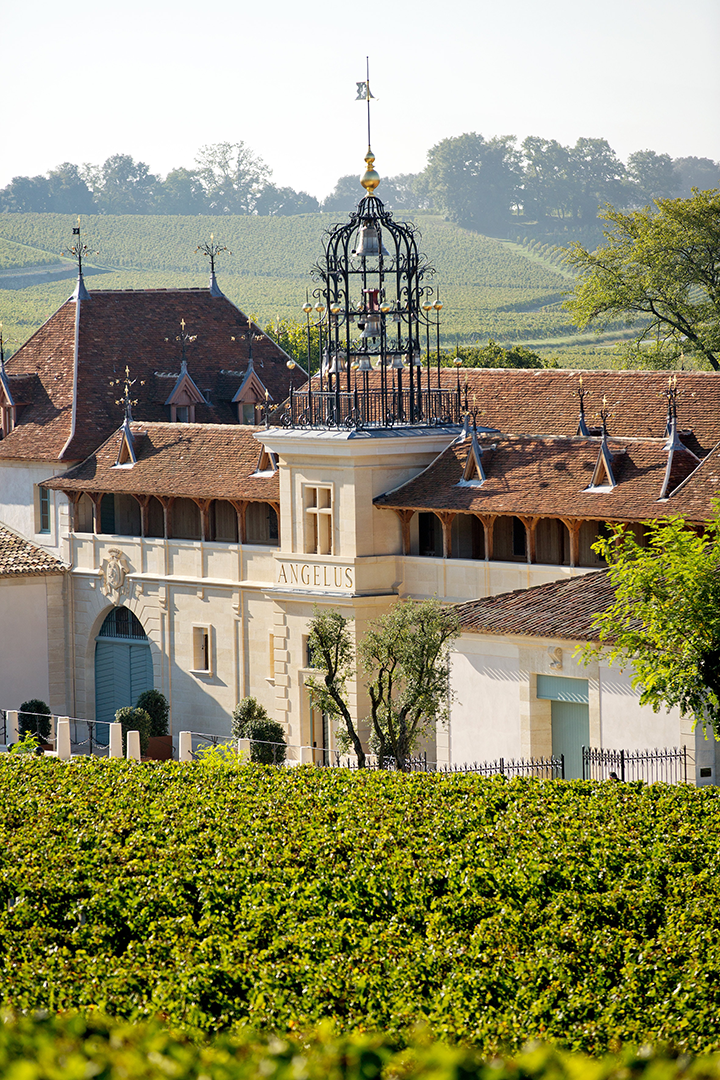
            Saint-Émilion winery – davitydave, CC BY 2.0 via Wikimedia Commons

            Saint-Émilion’s Ever-Changing Landscape

            Unlike the Left Bank’s rigid 1855 classification, Saint-Émilion’s system is… a bit of a moving target. Every 10 years or so, the classification is revised. This sounds great on paper—wineries are rewarded for their efforts to improve their wines. However, in practice, this has led to quite a bit of controversy.

            Wineries move up, others move down, and lawsuits abound. To top it off, some châteaux have even started rejecting their rankings altogether! For example, in the most recent shuffle, both Château Angélus and Château Ausone bowed out of the classification system after years of disputes, leaving only Château Pavie and Château Figeac as the remaining Grande Classe ‘A’ wineries.

            It’s no wonder I had a momentary lapse! Keeping track of the shifting players in this drama can be like trying to navigate a maze.

            The Current State of Saint-Émilion’s Classifications

            Let’s take a moment to redeem ourselves. Saint-Émilion’s classification was first introduced in 1955, with the goal of providing more dynamism and rewarding quality improvements over time. It’s revised approximately every decade, a factor that keeps things both interesting and, well, confusing.

            The classification has three main tiers:

            • Premier Grand Cru Classé A (the top tier)
            • Premier Grand Cru Classé B
            • Grand Cru Classé

            The 2022 classification, which stirred up a bit of controversy, left us with only two Premier Grand Cru Classé A wines: Château Pavie and Château Figeac—a reduction from four, following the voluntary withdrawal of Château Angélus and Château Ausone from the ranking system.

            At the next level, Premier Grand Cru Classé B, you’ll find well-respected names such as:

            • Château Troplong Mondot
            • Château Canon
            • Château La Gaffelière
            • Château Beau-Séjour Bécot

            These producers consistently create wines of incredible depth, structure, and aging potential.

            Then, there’s the broader Grand Cru Classé category, with over 60 producers representing a wide spectrum of styles. These wines are celebrated for their quality, but they don’t quite reach the lofty heights of the Premier Grand Cru Classé estates.

            When In Doubt, Enjoy the Moment

            Saint-Émilion is not just about the status or classifications, it’s about a love of the vine and the passion that goes into each bottle. The wines from this region, especially the Merlot-dominant blends, express a deep sense of place.

            So next time someone asks about Saint-Émilion’s Grande Classe ‘A’ estates and your mind draws a blank, take comfort in knowing that even a sommelier’s brain can be clouded by the grape. Just don’t forget to refill your glass and enjoy the journey back through the vineyards of Bordeaux. Cheers🍷

          3. The Science of Wine Aging

            The Science of Wine Aging

            Wine aging is a complex and fascinating process that transforms the flavors, aromas, and textures of a wine over time. This transformation is influenced by a myriad of factors, including grape variety, tannins, acidity, and storage conditions. Let’s delve into the science behind wine aging, explore the factors that affect this process, and provide some tips on how to properly age wine at home. We’ll also discuss ideal pairings for aged wines and the best way to enjoy wines with pronounced tertiary characteristics.

            Photo by Julia Volk on Pexels.com

            Aging wine is both an art and a science, requiring an understanding of the factors that influence a wine’s evolution over time.

            Gregory Dean, SOMM&SOMM

            Factors Affecting Wine Aging

            1. Grape Variety
              The grape variety is fundamental in determining a wine’s aging potential. Varieties like Cabernet Sauvignon, Nebbiolo, and Syrah, which are high in tannins and acidity, are known for their ability to age gracefully. On the other hand, lighter varieties such as Pinot Noir or Gamay typically have a shorter aging window due to their lower tannin and acidity levels.
            2. Tannins
              Tannins are naturally occurring polyphenols found in grape skins, seeds, and stems. They provide structure to a wine and act as a preservative, protecting it from oxidation. Over time, tannins polymerize, becoming longer and softer, which results in a smoother mouthfeel. Wines with high tannin content, such as Bordeaux blends or Barolo, tend to age longer and more gracefully than those with low tannins.
            3. Acidity
              Acidity acts as a backbone in wine, providing freshness and vibrancy. It helps balance out other elements like sugar and tannins. Higher acidity levels can extend a wine’s lifespan by slowing down oxidation. White wines like Riesling or Chenin Blanc, known for their high acidity, can age remarkably well, developing complex tertiary characteristics over decades.
            4. Alcohol Content
              The level of alcohol in wine plays a subtle but important role in aging. Generally, wines with moderate alcohol levels (12-14%) age better than those with very high or very low levels. Alcohol acts as a preservative, but too much can overpower the wine’s other flavors and aromas, while too little might not protect the wine adequately over time.
            5. Residual Sugar
              Sweet wines, such as Sauternes, Port, or Tokaji Aszú, can age for decades due to their high sugar content. Sugar acts as a natural preservative, allowing these wines to develop extraordinary complexity over time.
            6. Storage Conditions
              Proper storage is crucial for aging wine effectively. Temperature, humidity, light, and bottle position all play a role:
            • Temperature: Wine should be stored at a consistent temperature, ideally between 50-59°F (10-15°C). Fluctuations can cause the wine to expand and contract, potentially damaging the cork and allowing oxygen to enter.
            • Humidity: Humidity levels around 70% are ideal for keeping the cork moist and preventing it from drying out and shrinking, which would also allow oxygen ingress.
            • Light: Ultraviolet light can degrade and prematurely age wine, so wines should be stored in a dark environment.
            • Bottle Position: Storing bottles on their sides keeps the wine in contact with the cork, preventing it from drying out and shrinking.

            Tips for Aging Wine at Home

            1. Choose the Right Wines
              Not all wines are meant to age. Opt for wines known for their aging potential, such as Bordeaux, Barolo, Burgundy, Rioja, and certain Chardonnays. Look for high-quality wines with good balance, concentration, and structure.
            2. Invest in Proper Storage
              A wine fridge or cellar is essential if you’re serious about aging wine. These provide a controlled environment where temperature and humidity levels remain constant. Avoid storing wine in kitchen cabinets or near windows, where temperature fluctuations and light exposure can be damaging.
            3. Monitor Closures
              Corks are the traditional choice for aging wines, but they can deteriorate over time. Ensure corks are intact and avoid bottles with synthetic corks or screw caps for long-term aging, as these closures do not allow the same micro-oxygenation process that natural corks do.
            4. Check Regularly
              It’s a good idea to inspect your wine periodically to ensure that the corks are not compromised, the storage conditions are consistent, and the wines are developing as expected.
            5. Know When to Open
              Aging wine is a balance between patience and timing. Some wines peak at 5-10 years, while others may need decades. Research the wine’s aging potential and keep notes on your tasting experiences to decide the best time to open.

            Related Article: Exploring Wine Enclosures: Cork, Screw Cap, and Beyond

            Perfect Pairings for Aged Wines

            Pairing aged wines requires careful consideration to complement their evolved flavor profiles:

            1. Red Bordeaux (Left Bank)
            • Aging Potential: 10-30+ years
            • Tertiary Characteristics: Cedar, leather, tobacco, dried fruit
            • Pairings: Aged cheeses like Comté or Gruyère, roasted lamb with rosemary, wild mushroom risotto, or beef Wellington.
            1. Barolo
            • Aging Potential: 15-40+ years
            • Tertiary Characteristics: Truffle, rose petals, tar, dried cherry
            • Pairings: Braised meats (e.g., osso buco), truffle pasta, game dishes, or aged Parmesan.
            1. Vintage Port
            • Aging Potential: 20-50+ years
            • Tertiary Characteristics: Figs, nuts, chocolate, caramel
            • Pairings: Stilton cheese, dark chocolate desserts, or roasted nuts.

            Related Article: The History, Tradition, and Elegance of Port Wine

            1. White Burgundy (Chardonnay)
            • Aging Potential: 10-20+ years
            • Tertiary Characteristics: Hazelnut, honey, brioche, dried apricot
            • Pairings: Lobster with beurre blanc, roast chicken with herbs, or mushroom dishes.
            1. German Riesling (Trocken or Kabinett)
            • Aging Potential: 15-30+ years
            • Tertiary Characteristics: Petrol, honey, dried citrus peel, lanolin
            • Pairings: Spicy Asian cuisine (like Thai or Szechuan), duck with orange sauce, or rich, creamy cheeses.

            Enjoying Wines with High Tertiary Characteristics

            Wines that have been aged to develop tertiary characteristics—those aromas and flavors that emerge over time, such as earth, mushroom, nuts, and dried fruits—should be approached with care to maximize enjoyment:

            1. Decanting:
              Older wines can have sediment, so decanting is recommended to separate the clear wine from the sediment. However, don’t over-decant; 30 minutes to an hour is often sufficient to let the wine breathe without losing its delicate aromas.
            2. Serve at the Right Temperature:
            • Reds: Serve slightly below room temperature, around 60-65°F (15-18°C).
            • Whites: Serve around 50-55°F (10-13°C).
            • Over-chilling will mute the complex flavors, while too warm can make the wine seem flabby or overly alcoholic.

            Related Article: Wine Service: Proper Serving Temperatures

            1. Use Proper Glassware:
              Use a glass with a wide bowl to allow the wine to open up and direct the wine to the appropriate parts of the palate. Bordeaux glasses are great for reds with high tannins, while Burgundy glasses are better for delicate, aromatic reds.
            2. Savor Slowly:
              Aged wines often have complex layers that unfold over time. Take small sips and allow the wine to linger on your palate, noticing how the flavors evolve from the initial taste to the finish.
            3. Consider the Atmosphere:
              Aged wines are best enjoyed in a calm, contemplative setting where you can fully appreciate their nuances. Avoid overpowering food aromas, loud environments, or distractions that can detract from the tasting experience.

            Related Article: Crafting the Perfect Wine Tasting Experience

            Photo by Maria Orlova on Pexels.com

            Aging wine is both an art and a science, requiring an understanding of the factors that influence a wine’s evolution over time. By carefully selecting wines with aging potential, storing them under optimal conditions, and knowing when and how to enjoy them, you can experience the rich tapestry of flavors and aromas that only time can bring. Remember, the joy of aged wine lies not just in its taste but in the journey it has taken to reach your glass. Cheers to the adventure 🍷

          4. The Unifying Power of Wine

            The Unifying Power of Wine

            Finding Common Ground in a Divided World.

            As a wine educator and sommelier, one of my greatest joys is witnessing the magic that unfolds when people come together to share a bottle of wine. There is something inherently beautiful about the way wine has the power to bring us together, allowing us to appreciate the nuances of flavor, aroma, and history in each glass. But, as with any gathering, there are times when the conversation veers into contentious territory—often politics. 

            In these moments, I am reminded of the importance of finding common ground. During this political season, the divide between parties can feel insurmountable, and the disagreements can overshadow the shared experience of enjoying wine. Yet, it is precisely in these moments of division that we need to remember the value of open-mindedness and the joy of coming together over a shared passion.

            The Art of Listening and Appreciating

            Much like wine tasting, where we take the time to savor and appreciate the complex layers of a fine vintage, conversations require a similar approach. Listening, truly listening, to another person’s perspective is an art. It involves setting aside preconceived notions and being open to understanding why someone believes what they do, even if it differs from our own views.

            In wine, we celebrate diversity—whether it’s the terroir of a French vineyard or the innovative techniques of a new-world winemaker. This appreciation for diversity should extend to our interactions with others. Just as we wouldn’t dismiss a wine without tasting it, we shouldn’t dismiss someone’s political views without understanding their experiences and reasons behind them.

            Avoiding the Debate Trap

            One of the most important lessons I’ve learned over the years is the futility of trying to change someone’s mind in a heated debate. Much like trying to convince a steadfast Merlot drinker to appreciate the complexities of Chardonnay, political beliefs are deeply personal and often resistant to change through argument alone.

            Instead of focusing on what divides us, we can choose to steer the conversation back to what unites us. Wine offers a perfect metaphor here. Think about how wine enhances a meal, elevating the experience with each sip and bite. Similarly, finding common ground in our conversations can enrich our interactions, leaving us with a sense of connection rather than division.

            Wine has a unique way of bringing people together, transcending boundaries and fostering a sense of community. It is in this spirit of unity that we should approach our gatherings, especially during politically charged times. By focusing on our shared love of wine, we can create an environment where differences are respected and appreciated, rather than sources of conflict.

            Consider the vineyard, where each grape variety contributes to the complexity of the final blend. Every voice and perspective adds depth to our collective experience. Just as no single grape makes a wine, no single viewpoint defines our humanity. By embracing this diversity, we can foster conversations that are rich, meaningful, and ultimately unifying.

            Let us choose unity over division, respect over conflict, and understanding over debate.

            Gregory Dean, SOMM&SOMM

            Cultivating Respect and Understanding

            At the heart of every great wine and every great conversation is respect. Respect for the craft, for the land, and for each other. During this political season, let us remember to cultivate this respect in our interactions. Approach each conversation with an open mind, not expecting to sway someone’s position, but to understand and appreciate their perspective.

            Wine teaches us patience and appreciation. It reminds us that the best experiences are those we share with others, in moments of connection and joy. As we navigate this season of division, let us hold onto the lessons wine offers: to savor the present moment, to listen with an open heart, and to find common ground in the shared beauty of life.

            In the end, wine brings us together, while politics often divides us. Let us choose unity over division, respect over conflict, and understanding over debate. In doing so, we honor not only the wine in our glasses but the richness of our shared humanity. Cheers to finding common ground, one glass at a time. Cheers 🍷

          5. Winemaking in Summer: How to Manage the Vines and the Grapes

            Winemaking in Summer: How to Manage the Vines and the Grapes

            Second article in the series–The Seasons of Winemaking.

            Summer is a crucial season for winemaking, as it is the time when the vines grow rapidly and the grapes start to ripen. In this article, we will explore what happens in the vineyard in summer, and how viticulturists and winemakers can ensure the best quality of the grapes and the wine.

            Flowering Stage – Jordan Vineyard and Winery

            The Vine Growth Cycle in Summer

            The vine growth cycle in summer can be divided into three main stages: flowering, fruit set, and veraison.

            – Flowering: This is when the tiny buds on the vine burst into clusters of flowers, usually in late spring or early summer. The flowers are self-pollinating, meaning they do not need insects or wind to fertilize them. However, the weather can have a significant impact on the flowering process. If it is too cold, rainy, or windy, the flowers may not pollinate properly, resulting in fewer or smaller berries. This is called coulure or shatter. On the other hand, if it is too hot or dry, the flowers may dry out and fall off, resulting in no berries at all. This is called millerandage or shot berries. Ideally, the weather should be warm, sunny, and calm during the flowering period, which lasts for about 10 days.

            – Fruit set: This is when the fertilized flowers develop into tiny green berries, usually in early or mid-summer. The berries are hard, sour, and high in acidity and tannins. They are also vulnerable to diseases and pests, such as powdery mildew, botrytis, birds, and insects. Viticulturists need to monitor the health of the vines and the grapes, and apply treatments or protections as needed. They may also thin out some of the clusters or leaves to improve the air circulation and sunlight exposure of the grapes, and to balance the yield and the quality of the wine. This is called green harvesting or crop thinning.

            Veraison Stage – Silver Oak Winery

            – Veraison: This is when the grapes change color and start to ripen, usually in late summer or early fall. The color change depends on the grape variety, from green to yellow for white grapes, and from green to red or purple for black grapes. The ripening process involves a series of chemical changes in the grapes, such as the accumulation of sugars, the reduction of acidity, the development of aromas and flavors, and the softening of the skins and seeds. The ripening rate and duration vary depending on the grape variety, the climate, and the terroir. Viticulturists need to measure the sugar level, the acidity level, and the phenolic maturity of the grapes, and decide when to harvest them. This is called picking decision or harvest date.

            Previous article: Winemaking in Spring: From Bud Break to Flowering

            The Winemaking Practices in Summer

            The winemaking practices in summer are mainly focused on managing the vineyard and preparing for the harvest. Here are some of the common practices that viticulturists and winemakers may perform in summer:

            – Canopy management: This is the manipulation of the vine leaves, shoots, and branches to optimize the microclimate of the grapes. Canopy management can affect the photosynthesis, the respiration, the transpiration, and the shading of the grapes, which in turn can affect their ripening, their quality, and their susceptibility to diseases and pests. Some of the canopy management techniques include pruning, trellising, hedging, leaf removal, shoot positioning, and cluster thinning.

            – Irrigation: This is the application of water to the vines to supplement the natural rainfall and soil moisture. Irrigation can influence the vine growth, the grape yield, and the grape quality. Irrigation can be done by different methods, such as drip irrigation, sprinkler irrigation, or flood irrigation. Irrigation can be scheduled by different criteria, such as soil moisture, vine water status, or climate data. Irrigation can be beneficial or detrimental to the vines and the grapes, depending on the timing, the frequency, and the amount of water applied.

            – Fertilization: This is the addition of nutrients to the soil or the vines to enhance their growth and productivity. Fertilization can affect the vine vigor, the grape yield, and the grape quality. Fertilization can be done by different sources, such as organic fertilizers, synthetic fertilizers, or compost. Fertilization can be applied by different methods, such as soil application, foliar application, or fertigation. Fertilization can be beneficial or detrimental to the vines and the grapes, depending on the type, the rate, and the timing of the nutrients applied.

            – Pest and disease control: This is the prevention and treatment of the biotic and abiotic factors that can harm the vines and the grapes. Pest and disease control can affect the vine health, the grape yield, and the grape quality. Pest and disease control can be done by different strategies, such as cultural practices, biological control, chemical control, or integrated pest management. Pest and disease control can be beneficial or detrimental to the vines and the grapes, depending on the target, the efficacy, and the side effects of the control measures.

            – Harvest preparation: This is the planning and organization of the activities and resources needed for the harvest. Harvest preparation can affect the efficiency, the cost, and the quality of the harvest. Harvest preparation can involve different aspects, such as picking decision, harvesting method, harvesting equipment, harvesting team, harvesting logistics, and harvesting hygiene.

            Summer is a busy and important season for winemaking, as it is the time when the vines and the grapes undergo significant changes and challenges. Viticulturists and winemakers need to monitor and manage the vineyard carefully and skillfully, and to prepare for the harvest efficiently and effectively, to ensure the best results for the wine. In the next article, we will explore what happens in the winery in fall, and how viticulturists and winemakers can transform the grapes into wine. Cheers 🍷

          6. Varietal Spotlight: Zinfandel

            Varietal Spotlight: Zinfandel

            Unveiling the Rich Tapestry of Zinfandel

            Amidst the vast and diverse landscape of wine varietals, few evoke as much intrigue and delight as Zinfandel. With its roots deeply intertwined with American viticultural history, Zinfandel has captivated palates around the globe with its versatility, bold flavors, and intriguing heritage. Join me on a journey as we delve into the intricacies of this enigmatic grape, exploring its origins, diverse expressions, and ideal pairings, just in time to elevate your summer barbecues.

            The origins of Zinfandel have long been a subject of debate among wine enthusiasts and historians. While it is widely acknowledged as a quintessentially American grape variety, its exact ancestry remained shrouded in mystery until recent advancements in genetic research.

            Photo by Luciann Photography on Pexels.com

            Recent DNA analysis has revealed that Zinfandel is genetically identical to the Croatian grape variety known as Crljenak Kaštelanski (pronunciation: Tserl-yee-ehnak Kash-tell-ann-skee), as well as the Italian Primitivo (pronunciation: pri-meh-TEE-Voh). This revelation has shed light on the grape’s journey across continents, tracing its lineage from the Dalmatian Coast of Croatia to the sun-drenched vineyards of California.

            Required Knowledge for WSET Level 3

            Additional Info: Carole Meredith Solves the Mystery of Zinfandel (The V&E Trellis Wire, Spring 2002)

            Zinfandel first gained prominence in California during the Gold Rush era of the 19th century when it became the most widely planted grape variety in the state. Its robust vines thrived in the Mediterranean-like climate of California, giving rise to some of the most iconic wines in American history.

            Varieties and Characteristics

            Zinfandel is celebrated for its remarkable diversity, with a spectrum of expressions ranging from light and fruity to bold and full-bodied. This versatility stems from various factors including terroir, winemaking techniques, and aging practices.

            Red Zinfandel: The most iconic expression of Zinfandel, red Zinfandel wines are characterized by their deep ruby hues, vibrant fruit flavors, and spicy undertones. Notes of blackberry, raspberry, and plum are often interwoven with hints of black pepper, cinnamon, and licorice, creating a complex and multifaceted palate. Red Zinfandels can vary in intensity, with some displaying bold tannins and high alcohol content, while others exude elegance and finesse.

            White Zinfandel: White Zinfandel emerged as a serendipitous offshoot of its red counterpart. In the 1970s, winemakers accidentally left Zinfandel juice in contact with the grape skins for an extended period, resulting in a blush-colored wine with residual sweetness. This happy accident gave birth to White Zinfandel, a refreshing and approachable wine known for its light body, crisp acidity, and fruity aromatics. Unlike its robust red counterpart, White Zinfandel is best enjoyed in its youth, showcasing flavors of strawberry, watermelon, and citrus.

            In every sip of Zinfandel lies the essence of paradox; bold yet delicate, rustic yet refined, echoing the journey of life itself in its nuanced flavors.

            Gregory Dean, SOMM&SOMM

            While Zinfandel is cultivated in various wine regions across the globe, certain appellations have emerged as bastions of excellence for this noble grape.

            A vertical of Chateau Montelena Zinfandel was on the menu a summer barbecue hosted by sommelier, Scott White

            California (Napa Valley and Sonoma County): California remains the epicenter of Zinfandel production, with Napa Valley and Sonoma County standing out as premier regions for cultivating this varietal. The warm days and cool nights of these coastal regions provide an ideal microclimate for Zinfandel, allowing the grapes to achieve optimal ripeness while retaining acidity and balance. Wines from Napa Valley tend to be rich and opulent, with concentrated fruit flavors and velvety textures, while those from Sonoma County showcase vibrant acidity and distinctive terroir-driven nuances.

            SOMM&SOMM Recommends: 2021 Chateau Montelena Zinfandel

            SOMM&SOMM Recommends: 2015 Seghesio Zinfandel Home Ranch

            SOMM&SOMM Recommends: 2021 St. Francis Old Vines Zinfandel ‘Tres Viejos’

            Old Vine Zinfandel

            Mendocino County (The Home of Old Vines): Within California, Mendocino County holds a special place in the hearts of Zinfandel aficionados, thanks to its abundance of ancient vines. These gnarled and weather-beaten vines, some over a century old, yield grapes of unparalleled depth and complexity, resulting in wines of extraordinary character and age-worthiness. Mendocino County Zinfandels are revered for their intensity, structure, and ability to express the unique terroir of their vineyard sites.

            Elevating Summer Barbecues

            Zinfandel’s bold flavors and vibrant acidity make it an ideal companion for a wide array of summer barbeque fare. Whether you’re grilling juicy steaks, smoky ribs, or tangy barbecue chicken, Zinfandel’s robust character and spicy nuances are sure to complement and enhance the flavors of your meal. Here’s a few images from past Summer barbecues.

            For a classic pairing, try serving a bold, full-bodied Zinfandel alongside a sizzling rack of barbeque ribs. The wine’s ripe fruit flavors and zesty acidity will cut through the richness of the meat, while its peppery notes will harmonize with the smoky barbecue sauce.

            For a lighter option, consider pairing White Zinfandel with grilled shrimp skewers or a crisp summer salad. The wine’s refreshing acidity and fruit-forward profile will provide a delightful contrast to the charred flavors of the seafood, while its subtle sweetness will complement the fresh, vibrant ingredients of the salad.

            No exploration of Zinfandel would be complete without a nod to its colorful history and enduring legacy. From the heady days of the Gold Rush to the modern renaissance of American winemaking, Zinfandel has remained a steadfast symbol of resilience and innovation.

            Legend has it that during Prohibition, enterprising bootleggers would smuggle Zinfandel grapes across state lines disguised as “table grapes,” allowing intrepid winemakers to continue producing their beloved elixir in secret. This defiance of authority only served to fuel Zinfandel’s mystique, cementing its status as the quintessential American wine.

            Zinfandel is the quintessential American wine

            Zinfandel stands as a testament to the enduring allure of wine, bridging continents and centuries with its rich tapestry of flavors and stories. Whether enjoyed as a bold red or a refreshing blush, Zinfandel invites us to savor the moment and celebrate the joy of discovery with every sip. So, raise a glass to Zinfandel, and let its timeless charm transport you on a journey of endless possibilities. Cheers 🍷

          7. The Artistry of Wine

            The Artistry of Wine

            A Comparative Exploration of Rare Wines and Famous Paintings

            In the illustrious realm where the finest wines and most celebrated paintings converge, history intertwines with opulence, creating an exquisite tapestry of sensory delight. Let us delve deeper into this captivating parallel, exploring the stories behind both the rarest wines and the most iconic artworks, while shedding light on the misconceptions that often surround them.

            At the pinnacle of vinicultural artistry stands Château Lafite Rothschild, a Bordeaux First Growth whose legacy dates back to the 17th century. The visionary behind this enological masterpiece was none other than Baron James de Rothschild, whose passion for wine (specifically this wine) transformed the estate into a beacon of excellence. Similarly, the enigmatic smile of the “Mona Lisa” finds its roots in the Renaissance genius of Leonardo da Vinci, whose meticulous brushstrokes immortalized this iconic portrait in the annals of art history.

            Wine fact: While Baron James de Rothschild is credited for the well-deserved notoriety of Château Lafite [Rothschild], he didn’t purchase the estate until 13 years after the 1855 Bordeaux Classification.

            Disclosure: This post includes some affiliate links. Should you click an affiliate link and make a purchase, we may receive a small commission at no extra cost to you.

            1971 Château Lafite Rothschild from the cellar of Club 10 member, Brian Toung. Opened in January 2019

            Reflecting on my own experiences… tasting a sip of a 1971 Château Lafite Rothschild is akin to standing before the ‘Mona Lisa’ in person – a moment of profound humility and privilege. It’s as if time stands still, and you find yourself enveloped in the sheer greatness of centuries-old craftsmanship, where each drop of wine or stroke of the brush whispers secrets of the past.

            In those fleeting moments, one feels not only the weight of history but also the immense privilege of bearing witness to such timeless magnificence.

            Gregory Dean, SOMM&SOMM
            Westgarth Wines

            Spotlight: Westgarth Wines is a great source for hard-to-find varietals and vintages. Whether building your wine portfolio or planning a special evening, check out Westgarth Wines Extensive Fine Wine Collection.

            On the other hand, the ethereal elixir of Domaine de la Romanée-Conti traces its origins to the esteemed vineyards of Burgundy, where generations of vignerons have toiled to produce the quintessential Pinot Noir. The guardians of this hallowed terroir, the Leroy and de Villaine families, have upheld a tradition of excellence that rivals the timeless beauty of Vincent van Gogh‘s “Starry Night.” Just as van Gogh’s swirling cosmos mesmerize viewers with their transcendent beauty, so too does the intricate tapestry of flavors in Domaine de la Romanée-Conti transport the imbiber to celestial realms of sensory delight.

            Yet, amidst the rarified air of exclusivity, lies a misconception that often plagues the world of wine: the notion of the wine snob. This caricature, with its airs of superiority and exclusivity, fails to capture the true essence of wine appreciation. In reality, a genuine wine aficionado possesses a deep appreciation for the craftsmanship and artistry that goes into every bottle, much like an art connoisseur admires the brushstrokes of a master painter. Both seek to unravel the mysteries and complexities that lie within their chosen medium, finding joy in the journey of discovery.

            In contrast, the world of more accessible wines parallels the realm of mainstream art, where familiar classics reign supreme. Wines such as Napa Valley Cabernet Sauvignon or Italian Chianti embody widespread appeal and approachability, much like the iconic works of Pablo Picasso or Claude Monet. Just as art aficionados find solace in the timeless beauty of a Van Gogh or a Monet, wine enthusiasts take pleasure in the familiar embrace of a well-crafted Merlot or Sauvignon Blanc.

            SOMM&SOMM Recommends: Napa Valley Silver Oak

            SOMM&SOMM Recommends: Chateau Montelena Cabernet Sauvignon

            In conclusion, whether indulging in the rarefied elixirs of Château Lafite Rothschild or savoring the everyday pleasures of a Napa Valley Cabernet, both wine and art serve as conduits to a world of sensory delight. Through their boundless beauty and infinite complexity, they enrich our lives, inviting us to explore the depths of human creativity and expression. Cheers 🍷

          8. From Piccolos to Melchizedeks: A Journey Through Wine Bottle Sizes

            From Piccolos to Melchizedeks: A Journey Through Wine Bottle Sizes

            Wine, that elixir of joy and conviviality, comes in an array of bottle sizes, each with its own charm, lore, and, of course, capacity for merry-making. From the dainty Piccolo to the colossal Melchizedek, these vessels not only hold liquid pleasure but also carry with them stories of tradition, history, and the whimsy of human creativity.

            Photo by Grape Things on Pexels.com

            Piccolo (187.5 ml): Tiny But Mighty – Ah, the Piccolo, a darling among the bottles, containing just enough to tantalize the taste buds with a whisper of wine. Perfect for solo soirées or a spontaneous toast to oneself.

            Demi (375 ml): Half the Fun – The Demi is like a halfway house for wine enthusiasts, offering a modest pour that’s just enough for a cozy tête-à-tête or an intimate dinner for two. It’s the Goldilocks of bottles—not too much, not too little, just right.

            Jennie (500 ml): A Unique Gem – Named after the esteemed Jennie Churchill, mother of Winston, this bottle size is a rarity, often seen in German wine regions. It’s a splendid choice for those who desire a touch more than a Demi but not quite as much as a Standard.

            Standard (750 ml): The Classic Choice – The Standard, a familiar sight on wine shelves worldwide, is the quintessential bottle size for sharing and savoring with friends. It’s the standard-bearer of wine bottle dimensions, offering just enough liquid happiness to go around.

            Liter (1 liter): One for the Road – When a Standard bottle simply won’t suffice, enter the Liter. Popular in certain regions for everyday wines, it’s a practical choice for those who enjoy their wine by the liter rather than by the glass.

            Magnum (1.5 liters): Double the Pleasure – Behold, the Magnum! This bottle exudes an air of celebration, containing the equivalent of two Standards. It’s said that wine in Magnum format ages more gracefully, perhaps due to its larger volume minimizing the ratio of oxygen to wine.

            Jeroboam (3 liters): Royally Grand – Named after the biblical figure, King Jeroboam, this bottle commands attention with its regal presence. While its size can vary between regions, it generally holds the equivalent of four Standards, making it ideal for larger gatherings or extended revelry.

            Rehoboam (4.5 liters): A Bordeaux Beauty – In Bordeaux, where wine flows like the Garonne River, the Rehoboam reigns supreme. Named after Jeroboam’s son, it holds the equivalent of six Standards and is often seen gracing grand feasts and celebrations in the region.

            Sommelier and host, Scott White, serving sparkling wine from a Methuselah (6-liter bottle)

            Methuselah (6 liters): Age Before Beauty – As the name suggests, the Methuselah is ancient in size, holding the equivalent of eight Standards. Its larger volume allows for slower aging and development, making it a prized possession for collectors and connoisseurs alike.

            Salmanazar (9 liters): Fit for a Sultan – Named after the Assyrian king, Salmanazar, this colossal vessel contains the equivalent of twelve Standards. It’s a sight to behold and a challenge to pour, reserved for the most extravagant of celebrations or the grandest of cellars.

            Balthazar (12 liters): A Feast for the Senses – In biblical lore, Balthazar was one of the Three Wise Men, and this bottle size certainly lives up to its name. With the capacity of sixteen Standards, it’s a testament to abundance and generosity, fit for kings and queens of oenology.

            Nebuchadnezzar (15 liters): A Monumental Marvel – The Nebuchadnezzar, named after the legendary Babylonian king, is a behemoth among bottles. Holding the equivalent of twenty Standards, it’s a symbol of opulence and extravagance, reserved for the most lavish of affairs.

            Melchior (18 liters): Majestic Magnificence – In Bordeaux, where grandeur is a way of life, the Melchior reigns supreme. Named after one of the Three Wise Men, it holds the equivalent of twenty-four Standards, embodying the epitome of luxury and excess.

            Solomon (20 liters): Wisdom in Wine – With the wisdom of King Solomon himself, this grand bottle contains the equivalent of twenty-six Standards. It’s a testament to the ancient adage that good things come in large packages, perfect for bestowing blessings upon a bountiful banquet.

            Sovereign (25 liters): Rule with Revelry – Fit for a sovereign indeed, this colossal vessel holds the equivalent of thirty-three Standards. It’s a statement piece, a showstopper, and a symbol of power and prestige, reserved for the most illustrious of occasions.

            Primat (27 liters): Primed for Celebration – Named for its primacy in size, the Primat holds the equivalent of thirty-six Standards. It’s a titan among bottles, commanding attention and admiration wherever it appears, a true champion of indulgence and festivity.

            Melchizedek (30 liters): The Ultimate Libation – And finally, we arrive at the pièce de résistance, the Melchizedek. Named after the biblical figure who was both a king and a priest, this colossal container holds the equivalent of forty Standards. It’s a wine lover’s wildest dream, a spectacle of grandeur and excess, and a testament to the boundless possibilities of human ingenuity.

            So there you have it, a whimsical journey through the world of wine bottle sizes, where every cork has a story and every pour is an adventure. Cheers to the wonderful, wacky world of wine! 🍷

          9. Unveiling the Controversial World of MegaPurple and Grape Concentrates in Wine

            Unveiling the Controversial World of MegaPurple and Grape Concentrates in Wine

            Lately, I have found myself in conversations about a controversial yet widely used tool known as MegaPurple, along with similar grape concentrates. These additives have sparked debates within the industry, raising questions about their impact on wine quality, authenticity, and consumer trust. As a sommelier dedicated to unraveling the intricacies of wine, it is imperative to delve into this contentious topic, shedding light on its origins, purpose, and implications.

            What is MegaPurple and Grape Concentrate?

            MegaPurple is a proprietary blend of concentrated grape juice derived from red grape varieties, primarily used in winemaking to enhance color, body, and sweetness. Currently produced by Vie-Del Company, this product gained popularity in the early 2000s (originally owned by Constellation Brands) as a cost-effective solution for wineries facing challenges in achieving desired characteristics in their wines.

            Similar grape concentrates, although not as widely recognized as MegaPurple, are utilized by winemakers globally. These concentrates are typically obtained through the process of reducing grape juice, thereby intensifying flavors, sugars, and color compounds.

            Purpose and Usage

            The primary purpose of MegaPurple and grape concentrates lies in their ability to rectify deficiencies in wine, particularly those arising from unfavorable growing conditions, suboptimal grape ripening, or stylistic preferences of winemakers. These additives serve multiple functions:

            Color Enhancement

            MegaPurple and grape concentrates are revered for their capability to intensify the hue of red wines, imparting a deep, rich color that appeals to consumers’ visual senses. This is particularly valuable in regions where grape ripening conditions may not yield optimal pigment development.

            Body and Mouthfeel

            By boosting sugar levels, these additives contribute to a fuller body and enhanced mouthfeel in wines, thereby masking potential thinness or lack of structure.

            Sweetness Adjustment

            Winemakers utilize MegaPurple and grape concentrates to achieve desired levels of sweetness in their wines, catering to varying consumer preferences, from bone dry to lusciously sweet.

            Cost Efficiency

            From an economic standpoint, these additives offer a cost-effective solution for wineries, allowing them to rectify wine deficiencies without resorting to expensive vineyard management practices or additional barrel aging.

            Controversy and Criticism

            Despite their widespread usage, MegaPurple and grape concentrates have garnered significant criticism from various quarters within the wine community:

            Like an overbearing conductor drowning out the subtleties of a symphony, artificial flavors and concentrates in wine obscure the terroir-driven nuances, leaving behind a hollow echo of authenticity

            Gregory Dean – SOMM&SOMM

            Authenticity Concerns – Opponents argue that the use of these additives compromises the authenticity and integrity of wines, blurring the distinction between naturally crafted wines and those manipulated through artificial means.

            Impact on Terroir – Advocates for terroir-driven winemaking express apprehensions about the influence of MegaPurple and grape concentrates on the expression of terroir, fearing that these additives may overshadow the unique characteristics imparted by vineyard site and microclimate.

            Health and Transparency – Consumer advocacy groups have raised concerns regarding the transparency of labeling practices, advocating for clear disclosure of the use of additives such as MegaPurple and grape concentrates to enable informed consumer choices. Moreover, questions about potential health implications associated with these additives have also been raised, prompting further scrutiny.

            Market Perception – The use of MegaPurple and grape concentrates has contributed to debates surrounding market perception and consumer education, highlighting the need for transparency and dialogue within the wine industry.

            Lesser-Known Ingredients and Processes

            In addition to MegaPurple and grape concentrates, several lesser-known ingredients and processes are employed in winemaking, each with its own implications:

            Photo by cottonbro studio on Pexels.com

            Mega-Reduction – This technique involves the reduction of grape juice through heating, concentrating sugars, flavors, and color compounds. While similar to the production of MegaPurple, mega-reduction offers winemakers a customized approach to adjusting wine characteristics.

            Maceration Techniques – Winemakers employ various maceration techniques, such as extended skin contact or cold soaking, to extract color, tannins, and flavor compounds from grape skins. These methods play a crucial role in shaping the sensory profile of wines, contributing to complexity and structure.

            Microbial Additions – Yeast and bacterial cultures are utilized in winemaking to initiate fermentation, impart specific flavor profiles, or promote microbial stability. While commonly accepted, the selection of microbial additives can influence the sensory attributes and aging potential of wines.

            Oak Alternatives – In lieu of traditional oak barrels, winemakers may employ oak alternatives such as chips, staves, or powders to impart oak-derived flavors and aromas to wines. This practice offers flexibility in flavor profile manipulation while mitigating costs and production time.

            The use of MegaPurple and grape concentrates in winemaking remains a contentious subject, reflecting broader debates surrounding authenticity, transparency, and market perception within the wine industry. As a sommelier committed to advancing wine education and fostering appreciation for the artistry of winemaking, it is imperative to navigate these complexities with discernment and critical inquiry. By fostering dialogue, transparency, and a deeper understanding of winemaking practices, we can empower consumers to make informed choices while preserving the rich diversity and heritage of wines worldwide.

            Cheers🍷