Tag: cooking

  • The Rum Renaissance

    The Rum Renaissance

    Terroir, Tradition, and Tiki.

    Welcome to the Rum Renaissance. For years, rum stood in the shadow of whiskey and tequila—either trapped in syrupy cola combos or buried in blender drinks at beach resorts. But no more. Rum is having a moment. A big one. We are in the midst of a Rum Renaissance, where the world is finally recognizing what islanders, pirates, distillers, and cocktail aficionados have known all along: rum is wildly complex, deeply traditional, and incredibly expressive of terroir.

    From the agricole fields of Martinique to the molasses stills of Barbados, from navy-style overproofs to funky pot-stilled hogo bombs from Jamaica, rum is rewriting its story. And we’re drinking it all in—neat, stirred, shaken, and smoked.

    Photo by Alex P on Pexels.com

    Terroir in a Glass

    Unlike other spirits, rum can be made anywhere sugarcane grows—and even where it doesn’t. This gives rum its greatest gift: variety. Each region has its own techniques, laws, traditions, and signature profiles. Let’s explore:

    1. Agricole Rhum (France’s Caribbean Legacy)

    • Where: Martinique, Guadeloupe
    • What: Made from fresh-pressed sugarcane juice, not molasses
    • Taste: Grassy, vegetal, earthy, often dry and structured

    Featured RumRhum J.M Blanc (Martinique)
    A pristine example of agricole: fresh cut grass, lime zest, sea spray.

    Pairing Idea:
    Ceviche with Coconut Cream and Cilantro
    The rhum’s herbal notes elevate the citrus and herbs; the coconut softens the sharper edges.

    2. English-Style Rums (Colonial Depth)

    • Where: Jamaica, Barbados, Guyana
    • What: Usually pot-stilled, molasses-based, deeply flavored
    • Taste: Bold, funky (think overripe banana, petrol, leather), spicy

    Featured RumSmith & Cross Traditional Jamaica Rum
    This overproof beast is unapologetically funky, rich with esters.

    Funky Kingston Daiquiri

    • 2 oz Smith & Cross
    • 0.75 oz fresh lime juice
    • 0.5 oz Demerara syrup (2:1)
      Shake hard, strain into coupe. Garnish with lime zest.

    Food Pairing:
    Jerk Chicken Tacos with Mango Salsa
    The spice loves the funk. The mango calms the heat.

    3. Spanish-Style Rums (Clean & Smooth)

    • Where: Cuba, Panama, Nicaragua, Dominican Republic
    • What: Column-distilled, molasses-based, often aged in solera systems
    • Taste: Round, vanilla-laced, approachable, sometimes sweetened

    Featured RumRon Diplomático Reserva Exclusiva (Venezuela)
    Creamy, dessert-like with notes of toffee, fig, and orange peel.

    Pairing Idea:
    Dark Chocolate Tart with Sea Salt & Orange Zest
    The rum mimics the dessert’s flavors and adds a silky finish.

    4. Navy & Overproof Rums (Bold & Historical)

    • Where: Blends from multiple islands
    • What: Strong, often high-proof, originally designed for sailors
    • Taste: Dark, molasses-heavy, burnt sugar, barrel spice

    Featured RumPusser’s British Navy Rum
    Historically the rum ration of the Royal Navy. Still punches at 54.5% ABV.

    Smoke & Oak

    A brooding, stirred rum cocktail that honors the dark, barrel-aged legacy of navy rums—perfect for sipping slowly alongside robust food.

    • 2 oz Pusser’s British Navy Rum
    • 0.5 oz Amaro Averna (or another herbal amaro)
    • 0.25 oz PX Sherry or sweet vermouth
    • 2 dashes Angostura bitters
    • Orange peel, for garnish
    • Optional: small puff of hickory smoke (if available, for presentation)

    Add all ingredients to a mixing glass with ice.

    Stir until well chilled and diluted (about 20–25 seconds).

    Strain into a rocks glass over a large cube.

    Express orange peel over the top, then garnish.

    Optional: briefly smoke the glass with hickory wood using a smoker lid or handheld gun before pouring.

    Why It Works:
    This stirred sipper keeps the boldness of Pusser’s but adds complexity and elegance through the herbal and dried fruit elements of the amaro and sherry. Think of it as a rum-based sibling of a Boulevardier or Old Fashioned—with nautical swagger.

    Pairing:
    Spiced Lamb Chops with Pomegranate Molasses
    The cocktail’s smoky, bitter-sweet balance cuts through the rich lamb and enhances the molasses glaze with dark fruit undertones.

    Photo by Augustinus Martinus Noppu00e9 on Pexels.com

    Tiki: The Theatrical Resurgence

    Tiki is more than flaming pineapples and plastic leis. It’s a deep, post-Prohibition movement rooted in escapism and complex cocktail craft. Rum is its lifeblood.

    Classic Tiki:

    The Mai Tai (Trader Vic Style)

    • 1 oz aged Jamaican rum
    • 1 oz Martinique rhum agricole
    • 0.75 oz lime juice
    • 0.5 oz dry curaçao
    • 0.25 oz orgeat
      Shake and serve over crushed ice in a rocks glass with a spent lime shell and mint.

    Pairing:
    Pork Belly Bao Buns with Pickled Pineapple Slaw
    The rich meat loves the bright citrus and almond note of the Mai Tai.

    Modern Tiki Twist:

    Banana Republic

    • 1.5 oz aged Guatemalan rum (like Ron Zacapa 23)
    • 0.5 oz Giffard Banane du Brésil
    • 0.5 oz lime juice
    • 0.25 oz cinnamon syrup
    • Dash chocolate bitters
      Shake, strain over large ice sphere. Garnish with brûléed banana slice.

    Pairing:
    Banana Leaf Steamed Snapper with Coconut Rice
    Rum’s sweet notes mirror the tropical dish while the acidity lifts the fatty fish.

    SOMM&SOMM Related Article: The Art of Island Cocktails

    Rum & Food Pairing Matrix

    Rum StyleFlavor NotesFood Pairing Idea
    AgricoleGrassy, herbal, earthyThai papaya salad, ceviche, goat cheese
    Jamaican Pot StillFunky, estery, boldJerk chicken, plantain chips, grilled pineapple
    Spanish SoleraCaramel, vanilla, light spiceChocolate desserts, roasted pork, flan
    Overproof NavyDark, molasses, high alcoholBarbecue brisket, sticky ribs, mole poblano
    Aged Caribbean BlendDried fruit, baking spiceDuck breast, spiced nuts, roasted squash

    🏴‍☠️ One Fact, One Fiction — You Decide Which is Which

    Rum is soaked in stories—some true, some twisted through time and tide. Here are two tales from the deep barrels of history and lore. One is factual. One is pure (delicious) fiction. Can you tell them apart?

    🗡️ Tale #1: The Cursed Cask of Port Royal
    In 1692, after a devastating earthquake sank much of Port Royal, Jamaica into the sea, divers later recovered an intact rum cask from the sunken taverns. Locals claimed anyone who drank from it was cursed with endless drunken visions of ghost pirates demanding “just one more pour.”

    🎖️ Tale #2: The Rum Ration that Sparked a Mutiny
    For over 300 years, British sailors received a daily ration of rum—until July 31, 1970, when the Royal Navy ended the tradition in what became known as Black Tot Day. Some sailors protested so fiercely that one destroyer’s crew reportedly staged a 24-hour “rum strike,” refusing orders until their drams were reinstated. They weren’t.

    Guess which one’s real? Which one’s rum-soaked legend? We’ll reveal the truth at the bottom of this article.

    End on a Sweet Note

    Cane & Cream

    • 1.5 oz El Dorado 12 Year
    • 0.5 oz Amaro Averna
    • 0.5 oz vanilla syrup
    • 1 oz heavy cream
      Shake hard with ice, strain into coupe. Top with shaved dark chocolate.

    Pairing:
    Rum-Soaked Tres Leches Cake
    The cocktail mirrors and magnifies the dessert while staying balanced.

    Drink Globally, Pair Locally

    To wines aged with wisdom, to rums kissed by the sea—
    May yer palate find treasure, and yer glass never be empty!
    Drink deep, me hearties, for the tannins be fair,
    And the finish be long as a siren’s stare!

    Captain Sommelier (Greg), Keeper of the Sacred Corkscrew 🏴‍☠️🍷

    The rum category is a playground of discovery. Whether you prefer the finesse of French agricole, the bombast of Jamaican funk, or the dessert-like smoothness of Spanish styles, there’s a rum—and a pairing—for you. Let this be your invitation to go beyond the Daiquiri (though that’s a perfect drink) and explore terroir, tradition, and tiki with every pour.

    Raise your glass to rum’s rebirth. And when you do—pair it with something unexpected. Something delicious. Something unforgettable. Cheers 🍹

    ✅ Truth Revealed: Tale #2 is Fact!

    The Rum Ration that Sparked a Mutiny
    Yes, it’s true! For over three centuries, the British Royal Navy issued daily rum rations to sailors—a practice known as the “tot.” On July 31, 1970, the tradition ended, a day still remembered as Black Tot Day. Sailors wore black armbands, held mock funerals, and in some cases, even staged minor revolts or refused duties in protest of the decision. Though the rumored “rum strike” on a destroyer remains unconfirmed in official records, the outrage was real. Some sailors believed the end of the tot marked the decline of naval morale.

    ❌ Tale #1? Pure Rum-Soaked Fiction.

    While Port Royal did sink into the sea during a catastrophic earthquake in 1692, and rum was certainly flowing in the taverns before it happened, no cursed cask has ever been recovered—and no spectral pirates have officially been reported demanding more pours (at least none soberly documented). But admit it: you wanted that one to be true, didn’t you? 😎

    #RumRenaissance #SipCuriously #PairThisNotThat #SommLife

    Cover Photo by Wolrider YURTSEVEN on Pexels.com
  • A Feast of Revelry, History, and Unforgettable Pairings

    A Feast of Revelry, History, and Unforgettable Pairings

    Laissez les bons temps rouler! As beads fly through the air and jazz trumpets wail through the streets, it’s easy to get lost in the revelry of Mardi Gras. But how did this dazzling, over-the-top celebration begin? More importantly, how can we pair the best wines and cocktails with the rich, decadent cuisine that defines this feast of indulgence?

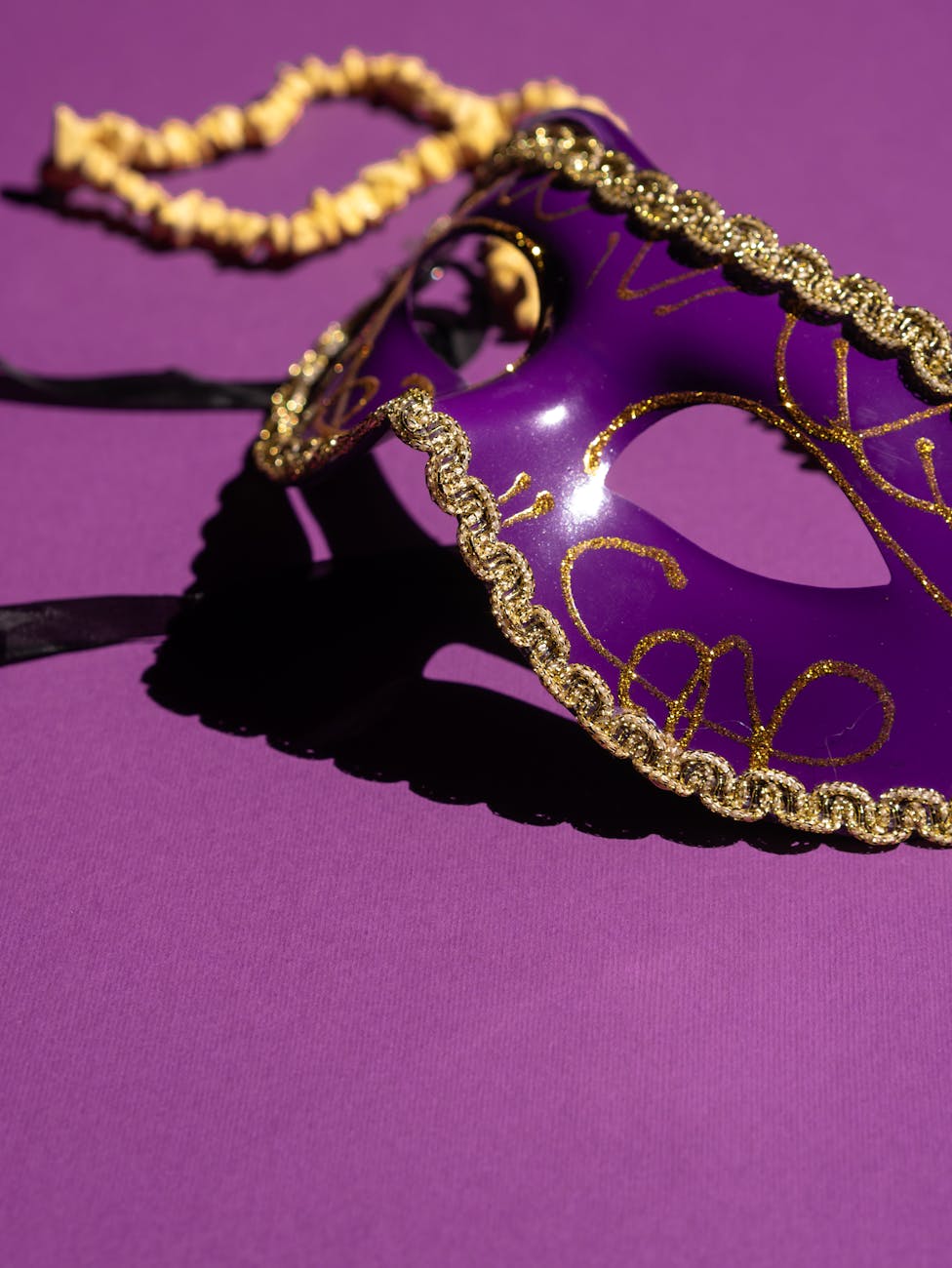
    Photo by Polina u2800 on Pexels.com

    The Origins of Mardi Gras: More Than Just Beads and Beignets

    Mardi Gras, or “Fat Tuesday,” has roots that stretch deep into medieval Europe, evolving from ancient Roman festivals celebrating the arrival of spring. As Christianity spread, these raucous festivals became intertwined with the pre-Lenten feasting season. French settlers brought the tradition to Louisiana in the 17th century, and by the 19th century, Mardi Gras had evolved into the colorful, masked celebration we know today.

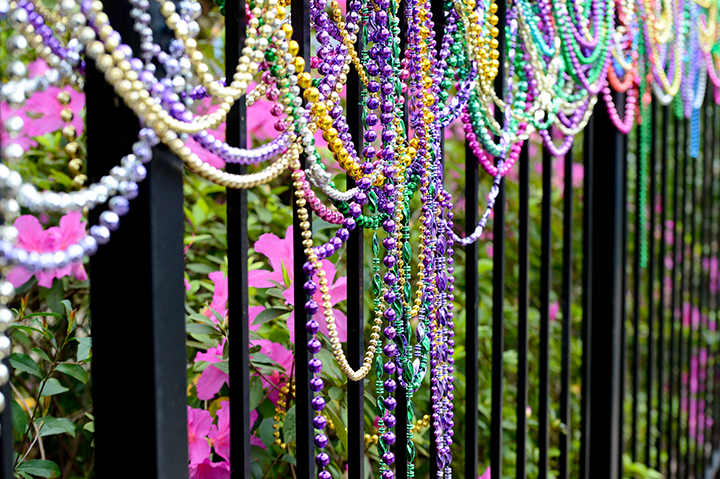
    The official colors—purple for justice, green for faith, and gold for power—were chosen in 1872 by the Rex Organization, one of New Orleans’ most famous Mardi Gras krewes. Today, Mardi Gras isn’t just a party—it’s a cultural phenomenon, a last hurrah before the austerity of Lent, and a culinary extravaganza deserving of spectacular wine pairings.

    Wine Pairings for Classic Mardi Gras Fare

    Mardi Gras cuisine is as bold as the festival itself, featuring an array of Cajun and Creole delights. Here’s how to pair wines with some of the most iconic dishes:

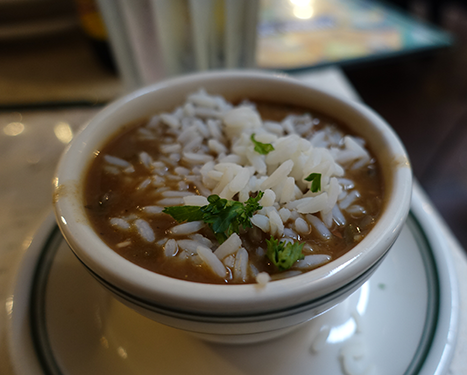
    Jeremy Thompson, CC BY 2.0, via Wikimedia Commons

    Gumbo & White Rhône Blend

    A steaming bowl of gumbo, thick with seafood, sausage, and the holy trinity (onion, bell pepper, celery), needs a wine with enough weight to stand up to its smoky, spicy complexity. A white Rhône blend—like a Marsanne-Roussanne-Viognier mix—offers richness, spice, and just enough acidity to balance the roux’s depth.

    Jambalaya & Cru Beaujolais

    The spice-laden, tomato-based jambalaya, packed with shrimp, chicken, and andouille sausage, demands a wine that won’t clash with its boldness. A fruity yet structured Cru Beaujolais, such as Morgon or Fleurie, brings juicy red fruit notes with just the right touch of earthiness to complement the dish’s smoky kick.

    Crawfish Étouffée & Chenin Blanc

    This buttery, smothered crawfish dish pairs beautifully with a dry or off-dry Chenin Blanc from Vouvray or South Africa. The wine’s bright acidity cuts through the richness, while its notes of pear and honeysuckle enhance the natural sweetness of the crawfish.

    King Cake & Sauternes

    No Mardi Gras is complete without King Cake, that sugary, cinnamon-laced pastry crowned with glittering icing in purple, green, and gold. A luxurious glass of Sauternes (or even a late-harvest Gewürztraminer) complements the cake’s sweetness with its own honeyed richness and vibrant acidity.

    The Voodoo Queen: A Mardi Gras Cocktail to Remember

    To truly embrace the spirit of the season, let’s craft a cocktail as colorful and mystical as Mardi Gras itself: The Voodoo Queen. This spellbinding sipper blends Caribbean spice, Creole flair, and just the right amount of voodoo magic.

    The Voodoo Queen
    Ingredients:

    • 2 oz dark rum
    • ¾ oz passion fruit liqueur
    • ½ oz lime juice
    • ½ oz falernum
    • ¼ oz absinthe rinse
    • ½ oz orgeat syrup
    • 2 dashes Peychaud’s bitters
    • Crushed ice
    • Lime wheel & edible purple orchid for garnish

    Instructions:

    1. Rinse a tiki glass or coupe with absinthe and discard the excess.
    2. In a shaker, combine rum, passion fruit liqueur, lime juice, falernum, orgeat, and bitters.
    3. Shake vigorously with ice, then strain into the prepared glass over crushed ice.
    4. Garnish with a lime wheel and an edible purple orchid.
    5. Raise your glass and prepare to toast!

    Laugh Loud, Feast Well, and Dance On

    Here’s to beads that don’t break, hurricanes that don’t knock us down, and a feast so grand it makes even Bacchus blush! May our glasses stay full, our laughter stay loud, and may we all find the baby in the King Cake—just not in our drink! Santé, y’all!

    Gregory Dean, SOMM&SOMM

    So go forth, celebrate, and pair boldly. Mardi Gras is a time of indulgence, joy, and culinary adventure. Whether you’re sipping a Beaujolais with your jambalaya or letting the Voodoo Queen cast her cocktail magic, let the good times roll!

    Cover photo credit: Tulane Public Relations, CC BY 2.0, via Wikimedia Commons

  • Champagne Unveiled: A Journey through Bubbles, Elegance, and Celebration

    Champagne Unveiled: A Journey through Bubbles, Elegance, and Celebration

    Champagne, often synonymous with celebrations and luxury, stands as the epitome of sparkling wine craftsmanship. Originating from the picturesque Champagne region in France, this effervescent elixir has woven itself into the fabric of joyous occasions worldwide. As a professional sommelier and wine educator, I invite you on a journey to discover the nuances of Champagne, explore its historical roots, distinguish it from other sparkling wines, and indulge in the art of serving and toasting.

    Champagne Vineyards

    Historical Roots of Champagne

    The captivating tale of Champagne’s origin dates back to the 17th century. Legend has it that the Benedictine monk Dom Pérignon discovered the method to capture the bubbles in wine, turning a potential winemaking disaster into a delightful revelation. While this story adds a touch of romance to the narrative, historical records attribute the development of the traditional method of sparkling wine production to multiple contributors in the Champagne region.

    In the early 19th century, Champagne houses such as Veuve Clicquot and Moët et Chandon played pivotal roles in refining the méthode champenoise, which involves a secondary fermentation in the bottle. This technique became the hallmark of Champagne production, distinguishing it from other sparkling wines.

    Distinguishing Champagne from Other Sparkling Wines

    While Champagne is the undisputed star, various other sparkling wines offer distinctive profiles and styles. Prosecco (created using the Charmat Method), hailing from Italy, is known for its fresh and fruity character. One of our favorite sparkling wines from Italy, also made using the traditional method (metodo classico), is the Lombardy region’s own Franciacorta. Spain’s Cava, crafted using the traditional method, exhibits citrusy and toasty notes. The German Sekt often showcases a delicate sweetness, while English sparkling wines gain recognition for their quality, influenced by the cool climate and chalky soils.

    What sets Champagne apart is the rigorous production standards outlined by the AOC (Appellation d’Origine Contrôlée) regulations. Grapes, primarily Chardonnay, Pinot Noir, and Pinot Meunier, must come from the Champagne region, and production follows strict guidelines to ensure consistency and excellence.

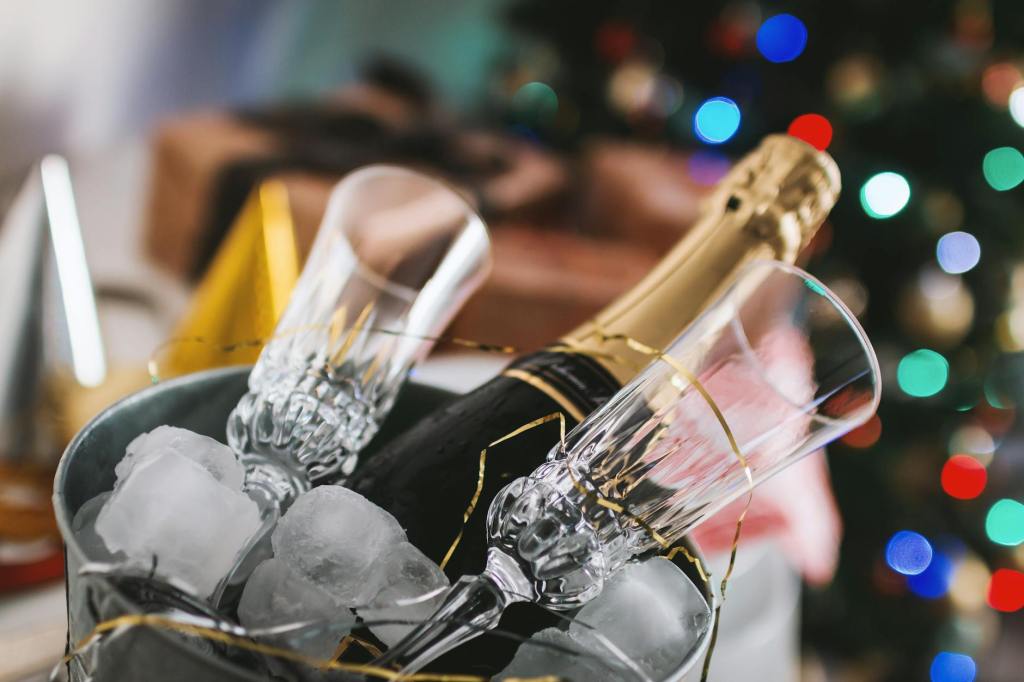
    Photo by JESHOOTS.com on Pexels.com

    Tips on Serving Sparkling Wine for the Holidays

    As the holiday season approaches, serving sparkling wine with finesse can elevate the festivities. Here are some tips to enhance your sparkling wine experience:

    1. Temperature Matters: Serve Champagne chilled, ideally between 45°F to 48°F (7°C to 9°C). An ice bucket filled with water and ice is an excellent way to keep it at the perfect temperature.

    2. Choosing the Right Glassware: Opt for a flute or tulip-shaped glass to preserve the effervescence and concentrate the aromas. The narrow design helps maintain the bubbles and showcases the wine’s complexity.

    3. Gentle Pouring: To preserve the bubbles, pour sparkling wine down the side of the glass. Hold the glass at an angle and let the liquid glide gently into the flute.

    Popular Champagne Cocktails and Recipes

    Champagne isn’t confined to celebratory toasts; it’s a versatile libation that can be crafted into delightful cocktails. Here are a few popular recipes to elevate your Champagne experience:

    1. Classic Champagne Cocktail:

    Ingredients:

    •    1 sugar cube
    •    Angostura bitters
    •    Champagne
    •    Lemon twist (for garnish)

    Instructions: Soak the sugar cube in a few dashes of Angostura bitters. Drop the cube into a Champagne flute. Pour chilled Champagne over the sugar cube. Garnish with a lemon twist.

    2. French 75:

    Ingredients:

    • 1 oz gin
    • 0.5 oz simple syrup
    • 0.5 oz lemon juice
    • Champagne
    • Lemon twist (for garnish)

    Instructions: Shake gin, simple syrup, and lemon juice with ice. Strain into a Champagne flute. Top with Champagne. Garnish with a lemon twist.

    3. Mimosa:

    Ingredients:

    • 2 oz orange juice
    • Champagne

     Instructions: Pour orange juice into a Champagne flute. Top with chilled Champagne.

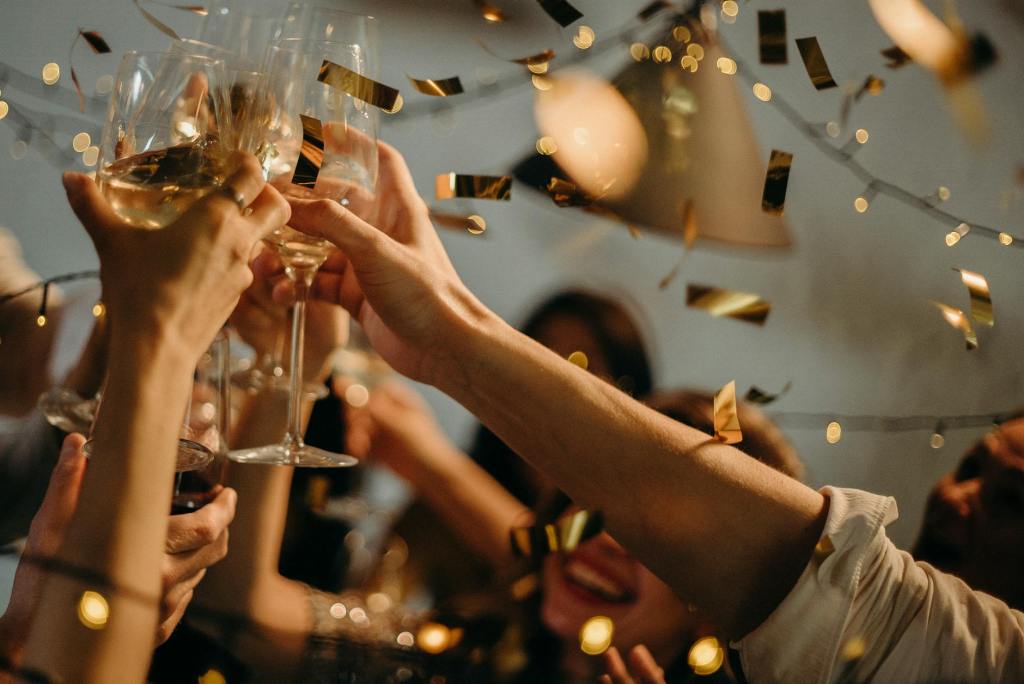
    Photo by cottonbro studio on Pexels.com

    Proper Approach to a Classic Champagne Toast

    A Champagne toast is a timeless tradition that brings people together in celebration. To ensure a memorable and elegant toast, consider the following:

    1. Selecting the Right Champagne: Choose a quality Champagne that suits the occasion. A brut or extra brut is a safe choice for toasting, offering a balance of sweetness and acidity.

    2. Chilled to Perfection: Ensure the Champagne is appropriately chilled. A cold glass of bubbly is not only refreshing but enhances the effervescence.

    3. Hold the Glass Correctly: Grasp the Champagne flute by the stem to prevent the transfer of heat from your hand to the wine. This helps maintain the ideal serving temperature.

    4. Raise, Clink, and Sip: Raise your glass, make eye contact, and gently clink glasses with others. Take a moment to express your sentiments before taking a sip.

    Let us raise our glasses high in celebration of this joyous moment. Here’s to love that knows no bounds, to friendships that stand the test of time, and to the adventures that await us in the coming years. May our hearts be filled with gratitude, our days with laughter, and our glasses with the effervescent elixir of life. Cheers to the past, the present, and the future – may it be as sparkling and delightful as the bubbles dancing in this champagne. Cheers!

    Gregory Dean, SOMM&SOMM

    In conclusion, Champagne is a beverage of celebration, history, and craftsmanship. From its humble beginnings in the Champagne region to its global acclaim, this effervescent wine continues to captivate enthusiasts. Whether sipped on its own, blended into cocktails, or used for toasts, Champagne remains a symbol of elegance and festivity, enriching moments both grand and intimate. 🥂