Tag: Wine.com

  • A Toast to Tradition: New Year’s Celebrations Around the World

    A Toast to Tradition: New Year’s Celebrations Around the World

    As the clock strikes midnight, ushering in a new year, people around the world come together to celebrate in unique and diverse ways. New Year’s Eve is a time for reflection, anticipation, and of course, revelry. Join me on a global journey as we explore the origins of New Year’s celebrations and the rich tapestry of customs that make this occasion so special. And, true to my oenophile roots, we’ll delve into the fascinating world of wine and food, discovering how different cultures incorporate these elements into their festivities.

    Scottish Hogmanay Celebration

    Auld Lang Syne and the Scottish Hogmanay

    Our journey begins in the misty hills of Scotland, where the tradition of Hogmanay takes center stage. Derived from the Norse celebration of the winter solstice, Hogmanay has evolved into a three-day extravaganza. Scots embrace the opportunity to share good cheer, and no celebration is complete without the traditional “first-footing.” The first person to enter a home after midnight is believed to bring luck for the upcoming year.

    As bagpipes fill the air and kilts swirl on the dance floor, Scots indulge in a feast of haggis, neeps, and tatties. Complementing these savory delights are robust Scotch whiskies and hearty red wines like a spicy Shiraz or a bold Cabernet Sauvignon.

    SOMM&SOMM Recommends: 2019 Laurent Fayolle Crozes-Hermitage Clos les Cornirets

    Las Doce Uvas de la Suerte

    Eating 12 Grapes in Spain

    In Spain, the clock striking twelve marks a unique and flavorful tradition. As the last bell tolls, Spaniards pop twelve grapes into their mouths, one for each stroke of midnight, symbolizing good luck for each month of the coming year. This custom, known as “Las Doce Uvas de la Suerte,” is a delightful and slightly challenging way to welcome the new year.

    The Spanish New Year’s table overflows with tapas, from gambas al ajillo (garlic shrimp) to patatas bravas (spicy potatoes). To complement the diverse flavors, a sparkling Cava or a crisp Albariño is the wine of choice, effervescently capturing the festive spirit.

    SOMM&SOMM Recommends: Bagoa Do Mino Albarino Rias Baixas

    Osechi-Ryori

    Japanese Osechi-Ryori and Sake

    Across the globe in Japan, New Year’s is celebrated with the elegant tradition of Osechi-Ryori. This multi-tiered bento box features an array of symbolic dishes, each carrying wishes for health, happiness, and prosperity. Delicacies such as kazunoko (herring roe) and kuromame (sweet black soybeans) are meticulously prepared to bring good fortune.

    In Japan, sake takes center stage, with the first sips of the year known as “Toso.” This special spiced sake is believed to ward off evil spirits and promote good health. The delicate and nuanced flavors of a Junmai Daiginjo or a Ginjo sake complement the subtleties of Osechi-Ryori, creating a harmonious start to the new year.

    SOMM&SOMM Recommends: Kyodai Daiginjo Sake

    Fireworks and Feasts in Sydney, Australia

    As the Southern Hemisphere welcomes the new year amidst the summer sun, Sydney, Australia, stands out for its iconic New Year’s Eve fireworks display. Against the backdrop of the Sydney Harbour Bridge, explosions of color light up the night sky, creating a breathtaking spectacle.

    Aussies celebrate with barbecues and seafood feasts, accompanied by refreshing glasses of Australian sparkling wine or a crisp Sauvignon Blanc. The laid-back atmosphere and stunning views make Sydney a unique destination for those who prefer to ring in the new year with a warm breeze and a glass of cool wine.

    SOMM&SOMM Recommends: 2019 Vintage Longbottom H Sauvignon Blanc

    Ball Drop at Times Square in New York City

    Many American’s look forward each year to watching eagerly as the countdown commences in Times Square, New York City. With a drink in hand, and someone close by, we watch the famous ball drop. The Ball is a geodesic sphere covered with 2688 Waterford Crystal triangles, and provides the perfect backdrop to a Champagne toast.

    New Year’s celebrations span the globe, each culture contributing its unique blend of tradition, festivity, and culinary delights. As we raise our glasses to welcome the dawn of a new year, let’s savor the richness of these global customs and the diverse flavors that accompany them. May your New Year be filled with joy, prosperity, and, of course, the perfect pairing of wine and food! 

    Cheers to a flavorful and fulfilling year ahead!
  • Wine Styles: Late Harvest Wines

    Wine Styles: Late Harvest Wines

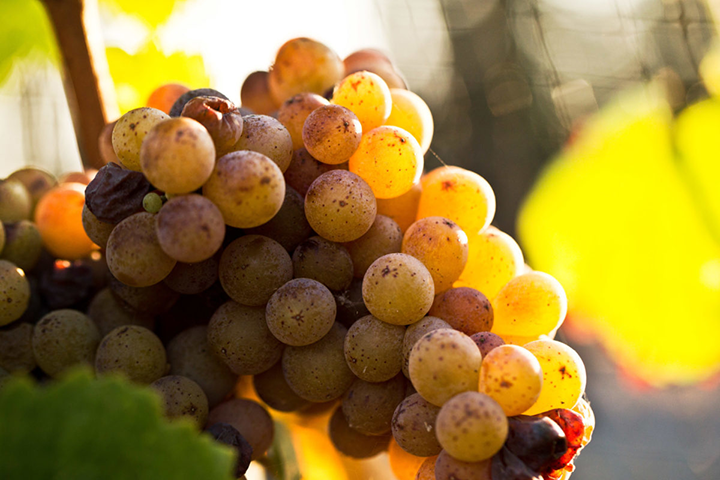
    Late harvest wines represent a pinnacle of winemaking craftsmanship, showcasing the artful balance between sweetness and acidity. These wines are crafted from grapes left on the vine longer than usual, allowing them to ripen further and intensify their flavors. Late harvest wines come in various styles, each offering a unique tasting experience. Among them, the influence of noble rot (botrytis) on certain grapes adds an extra layer of complexity and richness.

    Styles of Late Harvest Wines

    Lur Saluces Chateau de Fargues – Photo Credit: Fred Swan, JJBuckley.com

    Sauternes (France)

    Sauternes is an iconic late harvest wine from the Bordeaux region of France. It is primarily made from Semillon, Sauvignon Blanc, and Muscadelle grapes. The grapes are affected by botrytis cinerea, a fungus that concentrates the sugars and flavors, resulting in a luscious, honeyed wine with vibrant acidity. Château d’Yquem is the most renowned producer of Sauternes.

    SOMM&SOMM recommends: Chateau Suduiraut Sauternes

    Trockenbeerenauslese (Germany)

    In Germany, Trockenbeerenauslese (TBA) wines are produced from individually selected, overripe grapes affected by noble rot. These wines are intensely sweet, with high levels of sugar and acidity. Riesling is the predominant grape variety, and TBAs are often considered some of the finest expressions of German winemaking.

    SOMM&SOMM recommends: 2019 Alois Kracher Trockenbeerenauslese No. 4 Zweigelt

    Eiswein (Canada and Germany)

    Ice wine (Canada) is made from grapes that have naturally frozen on the vine. The grapes are harvested and pressed while still frozen, extracting only the concentrated sugars. Canadian Ice Wine, particularly from the Niagara Peninsula, is renowned for its balanced sweetness and acidity. Germany also produces Eiswein using a similar method.

    SOMM&SOMM recommends: Dr. Loosen Riesling Eiswein

    Vin Santo (Italy)

    In Italy, Vin Santo is a traditional Tuscan late harvest wine made from white grapes like Trebbiano and Malvasia. The grapes are dried on straw mats before pressing, leading to a rich and nutty wine. Vin Santo is often enjoyed as a dessert wine, accompanied by biscotti. On a related note, Vin Santo is the traditional wine used in a classic Tuscany-style Tiramisù.

    Botrytis Cinerea and Its Impact

    Botrytis cinerea, commonly known as noble rot, plays a crucial role in the production of some of the world’s finest sweet wines. This beneficial fungus pierces the grape skin, allowing water to evaporate and concentrating sugars and flavors. In addition to enhancing sweetness, noble rot imparts distinctive honey, apricot, and botrytized character to the wine.

    Dessert Pairings for Late Harvest Wines

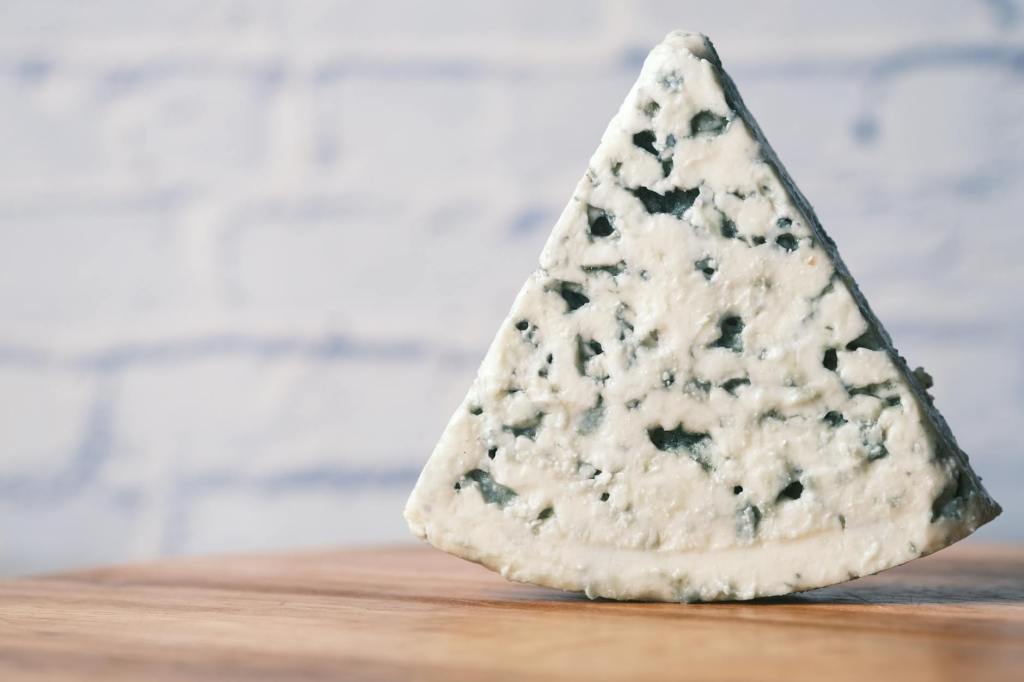
    Roquefort Cheese – Photo by Towfiqu barbhuiya on Pexels.com

    Sauternes: Foie Gras and Roquefort Cheese

    Sauternes pairs wonderfully with rich and savory flavors. Foie gras, with its buttery texture and complex taste, complements the sweetness of Sauternes. Roquefort, a blue cheese with a bold flavor profile, creates a delightful contrast that highlights the wine’s acidity.

       Recipe: Foie Gras with Sauternes Reduction

       – Sear foie gras slices in a hot pan until golden.

       – Deglaze the pan with Sauternes, reducing it to a syrupy consistency.

       – Drizzle the reduction over the foie gras and serve with toasted brioche.

    Trockenbeerenauslese: Peach Melba

    The vibrant acidity of Trockenbeerenauslese cuts through the richness of a classic Peach Melba. The combination of poached peaches, vanilla ice cream, and raspberry sauce creates a harmonious blend of flavors.

       Recipe: Trockenbeerenauslese Poached Peaches

       – Poach peaches in Trockenbeerenauslese, sugar, and vanilla.

       – Serve the peaches over vanilla ice cream and drizzle with a raspberry sauce.

    Ice Wine: Apple Tarte Tatin

    The natural sweetness of Ice Wine complements the caramelized apples in a classic Tarte Tatin. The acidity in the wine balances the dish, creating a delightful contrast.

       Recipe: Ice Wine Caramel Sauce

       – Reduce Ice Wine in a pan until syrupy.

       – Combine with melted butter and brown sugar for a decadent caramel sauce.

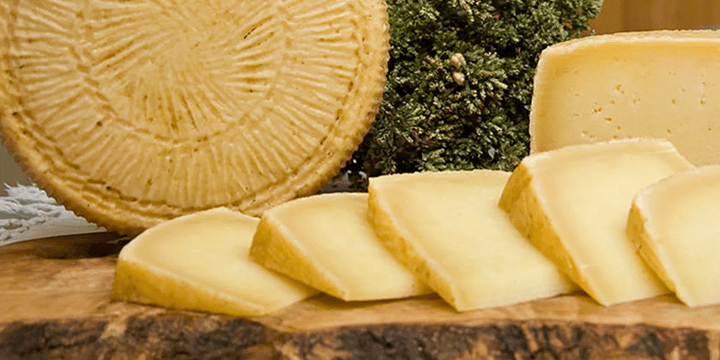
    Pecorino Cheese – Rlucia, CC BY 3.0, via Wikimedia Commons

    Vin Santo: Cantuccini and Pecorino Cheese

    Vin Santo’s nutty and caramelized notes find a perfect match in the crunchy sweetness of Cantuccini (Italian almond biscuits). Pair it with Pecorino cheese for a delightful Tuscan experience.

       Recipe: Homemade Cantuccini

       – Mix almonds, flour, sugar, and eggs to form a dough.

       – Shape into logs, bake, and slice into biscotti. Serve with Vin Santo.

    Late harvest wines, with their diverse styles and intricate flavors, offer a captivating journey for wine enthusiasts. Whether it’s the noble rot-infused complexity of Sauternes or the intense sweetness of Trockenbeerenauslese, these wines are a testament to the artistry of winemakers. Paired with classic desserts, the experience becomes a symphony of taste, revealing the cultural and culinary richness that surrounds these exceptional wines. Cheers to the indulgence of late harvest wines and the delightful moments they create! 🍷

  • Perfect Pairings: Thanksgiving Traditions and Wine

    Perfect Pairings: Thanksgiving Traditions and Wine

    As the holiday season approaches, it’s time to gather around the table for the quintessential Thanksgiving feast. From roast turkey to sweet potato casserole, each dish brings its own unique flavors to the celebration. Elevate your Thanksgiving experience this year by exploring both traditional and unconventional wine pairings that will delight your palate and impress your guests. Read on as we journey through classic Thanksgiving dishes, guided by our passion as sommeliers (SOMM&SOMM), as we explore the perfect symphony of tastes.

    Classic Turkey and Stuffing

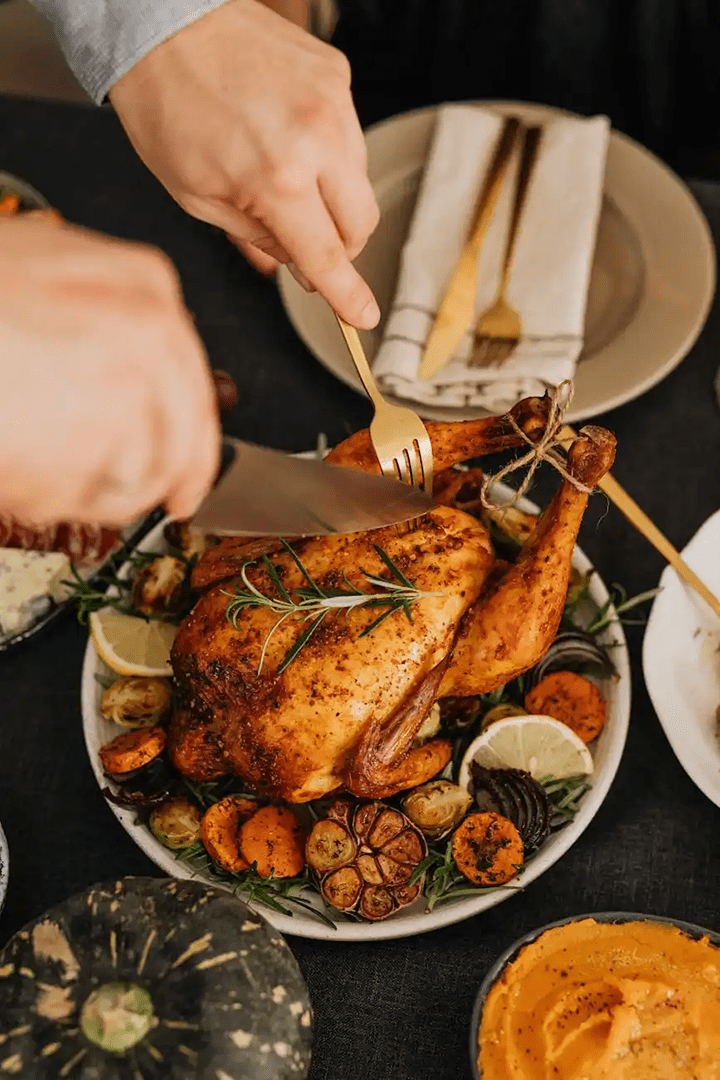
    The star of the Thanksgiving show is undoubtedly the roast turkey. Its savory, succulent meat pairs beautifully with a variety of wines. For a traditional choice, consider a medium to full-bodied white wine like a classic Chardonnay or a Viognier. These wines complement the turkey’s texture and enhance the subtle flavors of the bird.

    For a twist, try a Pinot Noir or a Grenache. These red wines bring out the earthy notes in the stuffing and create a harmonious balance with the turkey’s richness. SOMM&SOMM recommends choosing a Pinot Noir with a hint of spice to add complexity to the pairing.

    Recommended wines:

    Chateau Montelena Napa Valley Chardonnay (Classic)

    Machard Gramont Pommard 1er Cru ‘Clos Blanc’ (SOMM&SOMM)

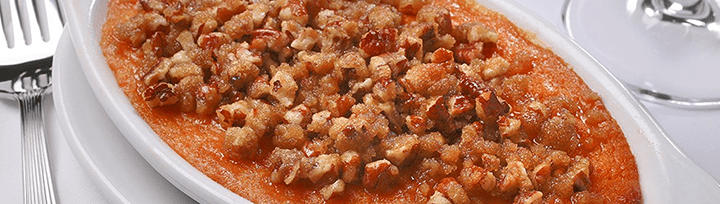
    Ruths Chris Sweet Potato Casserole

    Sweet Potato Casserole

    Sweet potato casserole, adorned with a layer of gooey marshmallows or crunchy pecans (Ruth’s Chris Sweet Potato Casserole Recipe), dances on the palate with a combination of sweet and savory notes. To complement this dish, opt for a white wine with a touch of sweetness, such as a Riesling or a Gewürztraminer. These wines balance the sweetness of the dish without overpowering it.

    For a more unconventional choice, consider a rosé or a light-bodied red wine like Gamay. SOMM&SOMM suggests selecting a wine with bright acidity to cut through the sweetness of the casserole, creating a delightful contrast that will leave your taste buds wanting more.

    Recommended wines:

    Pierre Sparr Mambourg Grand Cru Gewurztraminer (Classic)

    Debeaune Morgon Belles Grives (SOMM&SOMM)

    Mashed Potatoes and Gravy

    Creamy mashed potatoes and rich gravy are the comforting soul of any Thanksgiving meal. A classic Chardonnay with buttery notes is a safe and satisfying choice. Its smooth texture complements the creamy potatoes and enhances the richness of the gravy.

    For a bolder pairing, go for a sparkling wine or a Champagne. The effervescence cuts through the heaviness of the potatoes and cleanses the palate, preparing it for the next delicious bite. SOMM&SOMM recommends selecting a brut or extra brut style for a clean and refreshing experience.

    Recommended wines:

    Rombauer Carneros Chardonnay (Classic)

    De Saint-Gall Blanc De Blancs Grand Cru Vintage Champagne (SOMM&SOMM)

    Pumpkin Pie

    No Thanksgiving feast is complete without a slice of pumpkin pie. The warm spices and creamy pumpkin filling call for a wine that can stand up to its bold flavors. A late-harvest Riesling or a Moscato d’Asti perfectly complements the sweetness of the pie.

    For an unexpected pairing, try a tawny port or a sweet sherry. These fortified wines add depth and complexity, creating a memorable finale to your Thanksgiving meal. SOMM&SOMM suggests opting for a tawny port with notes of caramel and nuts to enhance the nutty crust of the pie.

    Recommended wines:

    Michele Chiarlo Nivole Moscato d’Asti (Classic)

    Graham’s 20 Yr Tawny (SOMM&SOMM)

    This Thanksgiving, let your taste buds embark on a culinary adventure by exploring diverse wine pairings that elevate the classic flavors of the holiday. Whether you stick to tradition or venture into the realm of unconventional pairings, the expert guidance of a sommelier ensures a symphony of tastes that will make your Thanksgiving feast truly extraordinary.

    Photo by fauxels on Pexels.com

    Cheers to a holiday filled with good food, great company, and the perfect glass of wine! 🍷

  • Perfect Pairings: Semillón w/Pan-fried Cod and Lemon Dill Sauce

    Perfect Pairings: Semillón w/Pan-fried Cod and Lemon Dill Sauce

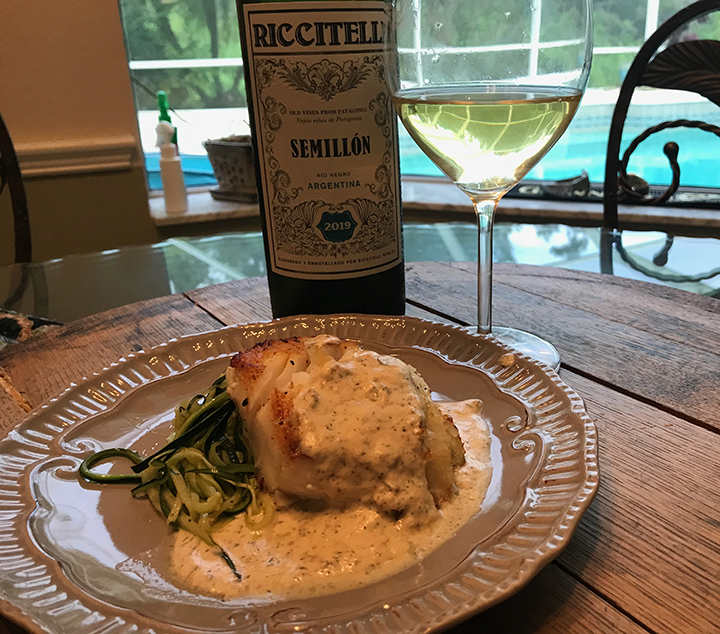
    Fish is versatile, but can quickly become boring and mundane. We eat fish often, and are always looking for ways to create dishes that connect interesting wines with fish-friendly herbs and spices. This particular dish–simple as it seems–was perfectly paired with an amazing old-vine Semillón from Patagonia, Argentina. Together, this fish dish and wine pairing was anything but ordinary.

    A side note…

    About a year ago, Tammy and I reluctantly subscribed to one of the mainstream meals-delivered-to-your-door services. At the time, it was the trend for busy individuals with little to no time for grocery shopping. While the idea of fresh fruit, vegetables and proteins delivered to your door sounded great, we quickly realized that the company we chose took very little care in how they packaged and shipped the products. We cancelled after the first delivery.

    Imagine our trepidation when presented with the opportunity to subscribe to a service that promised fresh caught salmon delivered monthly. Regardless, we decided to give it a try. The Wild Alaskan Company delivered on their promise of freshness, consistency and care. We highly recommend subscribing to this service. The fish in this recipe was from our subscription.

    Description

    There are many ways to prepare cod. The most popular being battered and fried into the pub-centric dish–fish and chips. Nothing like it 😉 When you’re looking to perfect date night dish, however, reach for the herbs, spices and of course… the wine! This dish could pair with other white wines–such as Chablis or Viognier–but the under-appreciated Semillón (Sémillon) grape makes for a perfect pairing.

    Sémillon shines alongside Sauvignon Blanc in the Bordeaux region of France. Lower percentages are used in the typical 80-20 white Bordeaux blends, but Sémillon is the star of the noble-rot nectar of Sauternes. The Sémillon grape in Argentina (referred to as Semillón) has characteristics unique to grapes grown in cooler climates and higher altitudes. With a higher acidity, natural lemon notes and noticeably longer finish, this wine is the perfect compliment to lighter fish dishes. The dill and lemon sauce bring it all together.

    Recipe

    2 Fillets of Cod (5-6 oz. each – Wild Alaskan Company)

    Salt and Pepper

    1 tbsp. Unsalted Butter

    Olive Oil

    Lemon Zest

    Juice from Half a Lemon

    1 tsp. Dried Dill

    1/4 Cup Chicken Broth

    1/2 Clove of Minced Garlic

    1/4 Cup Cream (I used Half and Half)

    Make sure to dry the fish fillets with a paper towel. This will ensure the fillets brown-up nicely in the pan. Sprinkle the fillets with salt and pepper.

    With the stove on medium heat, heat the butter and olive oil. Once the olive oil and butter are hot, place the fillets in the pan and cook for 4 minutes or so. We are trying to get a nice even golden sear. Carefully flip the fillets and cook the other side for an additional 4 minutes. Remove the fillets and set aside.

    Add the minced garlic to the pan and sauté for a minute. Turn the heat down slightly and add the cream, chicken broth and a dash of salt and pepper. Continue to simmer until the sauce thickens (usually 5 minutes). Add the lemon zest, lemon juice and dill.

    Plate it. Pour the wine and enjoy! We recommend a 2018 Matias Riccitelli Wines Old Vines Semillón

  • Enthusiast to Sommelier: For the Sake of Learning

    Enthusiast to Sommelier: For the Sake of Learning

    There are a few (ok… many) wines described in the various books and study materials quickly finding their way to the top of my “must try” list. I blame it, among other things, on the alluring descriptions of “Wines to Know” in The Wine Bible by Karen MacNeil. Her words spark a curiosity quenched only by experiencing the wine(s) for yourself. So, we did. After reading her brilliant insight on Chile, we thought the entire experience would be better if we could review the materials while drinking the ‘Wines to Know’–all for the sake of learning.

    Corkscrew-worthy whites from Chile:

    Lapostolle Cuvee Alexandre – Chardonnay (Casablanca Valley, Chile)

    Cousino-Macul Isidora – Sauvignon Gris (Maipo Valley, Chile)

    Karen MacNeil’s insightful book has really helped make sense of lesser-known wine regions, while adding context and detail to the mainstream regions (i.e. France, Italy, Spain, etc.). The other learning materials were no less responsible for inspiring late-night wine purchases. The Introductory Course & Exam Workbook, for example, provides the just enough of a description to peak one’s curiosity. While it’s always fun… err… educational to compare varietals from different regions, the styles and indigenous grape varieties were the ones to try—for the sake of learning 😉

    Corkscrew-worthy reds from Italy:

    Tormaresca Bocca di Lupo – Aglianico (Puglia, Italy)

    Santadi Terre Brune Carignano del Sulcis Superiore – Carignan (Sardinia, Italy)

    Somehow, consuming wine while studying for a wine exam just feels right. Moreover, drinking a Chilean white while being introduced to Chilean culture through the words of Karen MacNeil seems perfect. Kevin Zraly ends each section of his book, Windows of the World – Complete Wine Course, with wine tasting recommendations to compliment (and add context) to the corresponding chapter. So whether you choose to have the real-time experience of the sip-while-studying method or the reward-yourself-at-the-end-of-each-section approach, don’t think twice. It is after all… for the sake of learning.

    Back to the books!

    Next article in the series: Enthusiast to Sommelier: Take a Pass

    First article in this series: Enthusiast to Sommelier: Getting Started