Category: Wine Style

  • Decoding the Truth Behind 10, 20, 30 & 40 Year Tawny Ports

    Decoding the Truth Behind 10, 20, 30 & 40 Year Tawny Ports

    In the world of fortified wines, few categories are as quietly revered—and as frequently misunderstood—as Tawny Port.

    Among collectors and sommeliers, Tawny occupies a fascinating space. Those who know it tend to adore it. Those who don’t often dismiss it as simply “old sweet Port.” And hovering over the entire category are those deceptively simple age statements: 10, 20, 30, and 40 Years.

    They look straightforward.
    They sound definitive.

    Yet they are neither.

    Which leads to the question I hear more than almost any other when discussing Port in tastings or seminars:

    Is there really that much difference between a 10-, 20-, 30-, and 40-Year Tawny… or is it mostly marketing?

    The short answer is yes, the differences are real.

    The longer—and far more interesting—answer is that the greatest leap in character does not occur early in the aging spectrum. It occurs late. Specifically, between 30 and 40 years, where Tawny Port undergoes something closer to transformation than gradual development.

    To understand why, we need to begin with a small but crucial clarification.
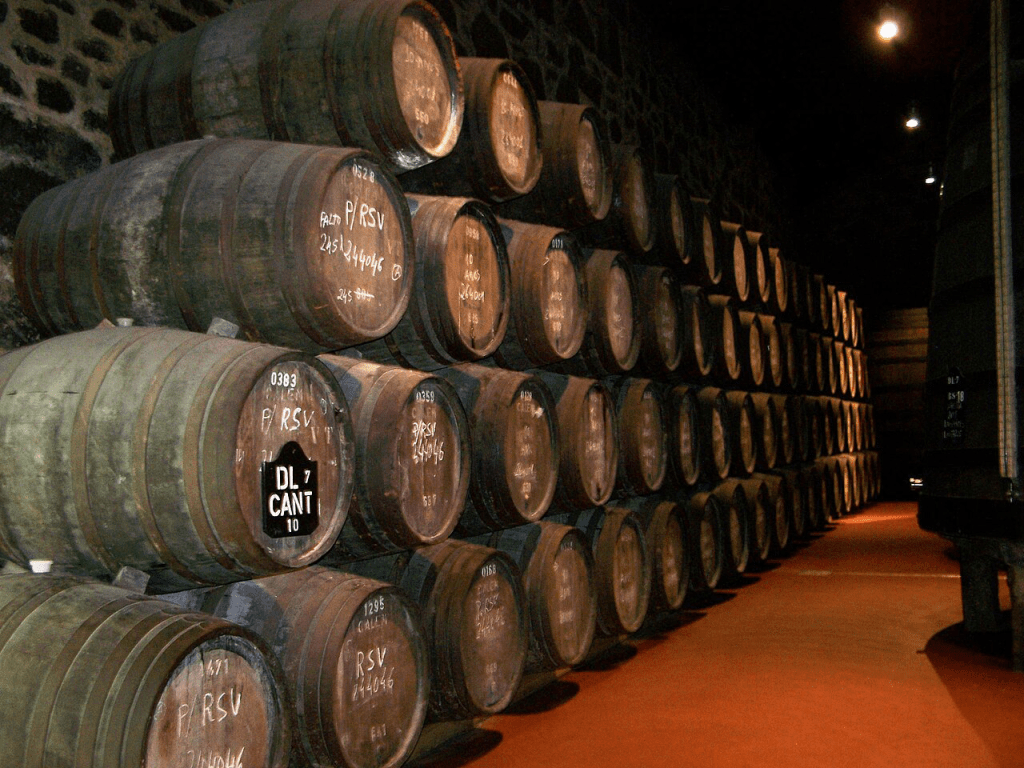
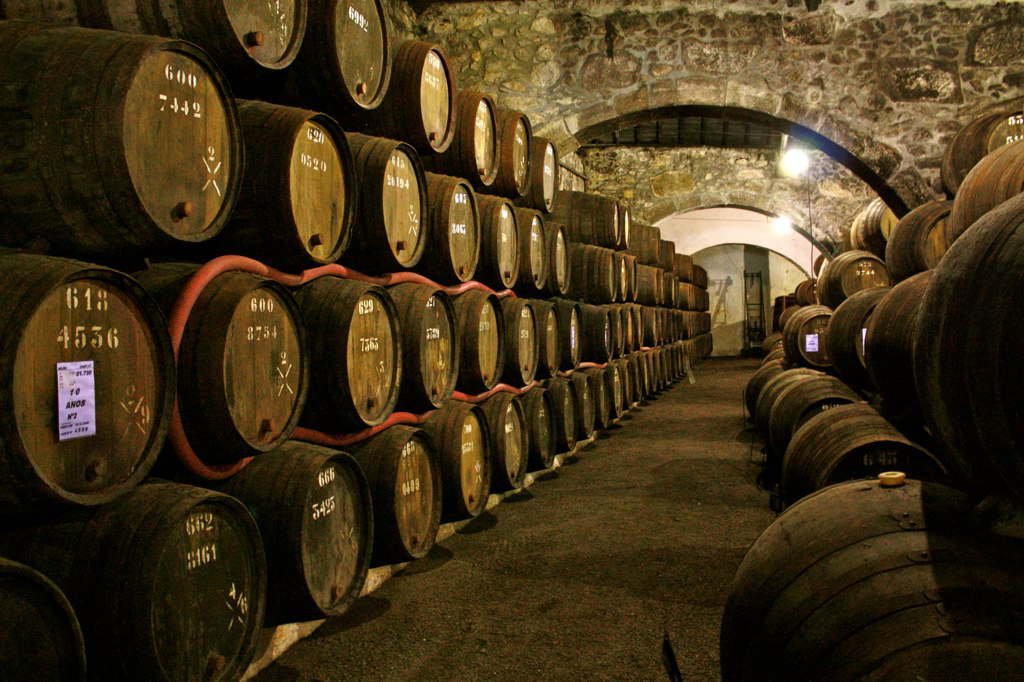
    Calém wine cellars – Cornelius from Berlin, Germany, CC BY-SA 2.0, via Wikimedia Commons

    What the Age Statement Actually Means

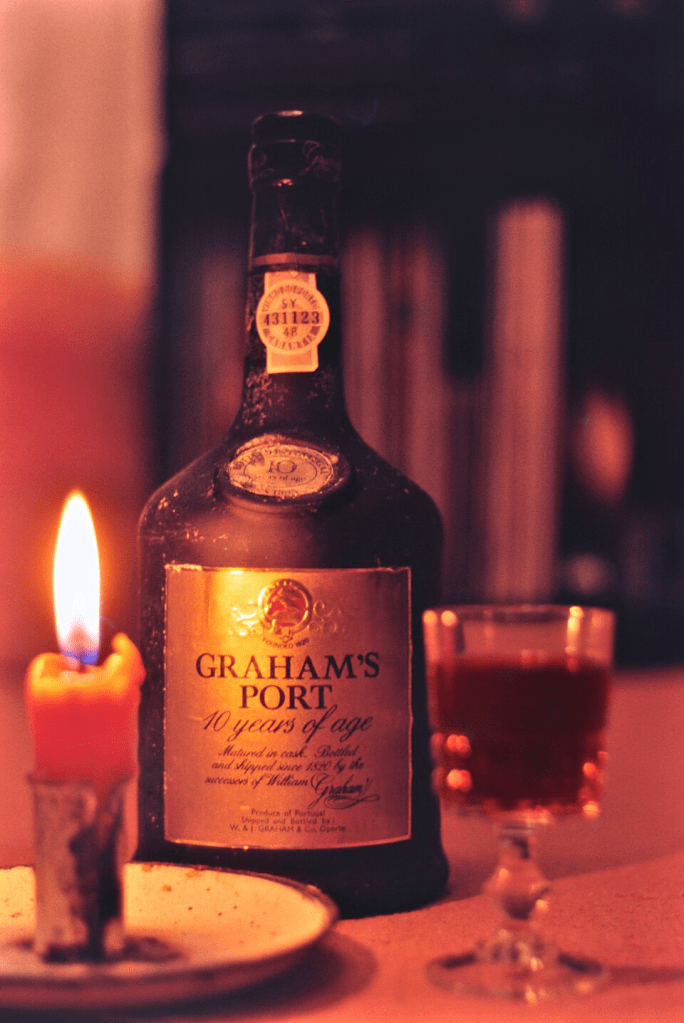
    When a bottle reads “20 Year Tawny”, it does not mean the wine inside is twenty years old.

    Instead, Tawny Port age designations represent a blending style, not a literal age.

    Producers blend multiple barrels of wine of different ages in order to create a final wine whose aromatic profile, structure, and overall impression resemble what a wine of that age should taste like.

    Think of the age statement less like a birth certificate and more like a time capsule.

    The style must meet sensory benchmarks approved by the Instituto dos Vinhos do Douro e do Porto (IVDP), the regulatory authority that oversees Port production.

    The blender’s task is not merely technical—it is interpretive. They must create a wine that feels like a 10-year Tawny, or a 30-year Tawny, even if the actual components span several decades.

    Related SOMM&SOMM article: The Organoleptic Process

    Understanding this distinction is essential, because it shifts our focus away from the number on the bottle and toward the true driver of Tawny Port’s evolution:

    time in wood.
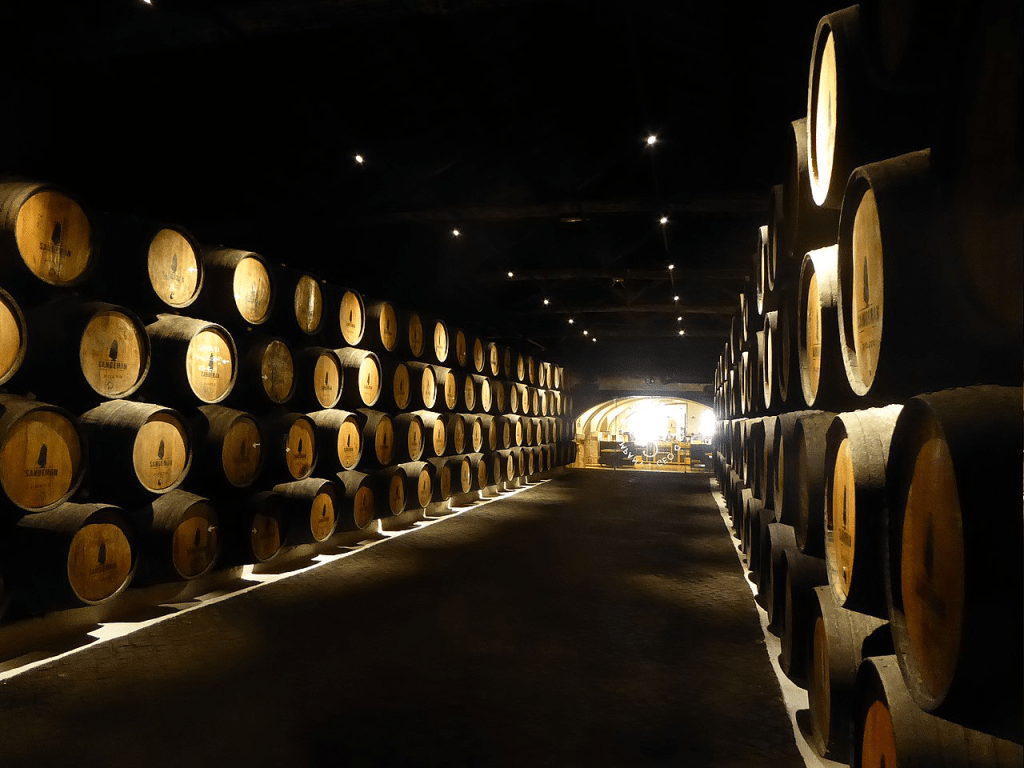
    Sandeman Cellar – Hans Birger Nilsen, CC BY-SA 2.0, via Wikimedia Commons

    Time, Oxygen, and the Alchemy of the Barrel

    Unlike Vintage Port, which spends most of its life aging slowly in bottle, Tawny Port lives almost entirely in barrel.

    And barrel aging introduces three powerful forces that shape the wine over decades.

    Oxidation

    Wood is porous. Over time, small amounts of oxygen enter the barrel, slowly transforming the wine’s fruit character. Fresh berries begin to evolve into dried fruits, nuts, caramel, and spice.

    Evaporation

    Known romantically as the angel’s share, a portion of the wine slowly evaporates through the wood.

    As the years pass, the volume decreases while flavor compounds become more concentrated.

    Integration

    Acids, sugars, tannins, and aromatics gradually knit together. What once felt separate becomes seamless.

    These processes do not progress evenly over time. Early changes are dramatic and fruit-driven. Later changes affect the structure and perception of the wine itself.

    Which is why the differences between age categories are not linear.

    They unfold in stages.

    10-Year Tawny: The Invitation

    For many drinkers, the 10-Year Tawny is their first encounter with oxidative Port.

    At this stage, the wine still carries a strong memory of its youthful fruit.

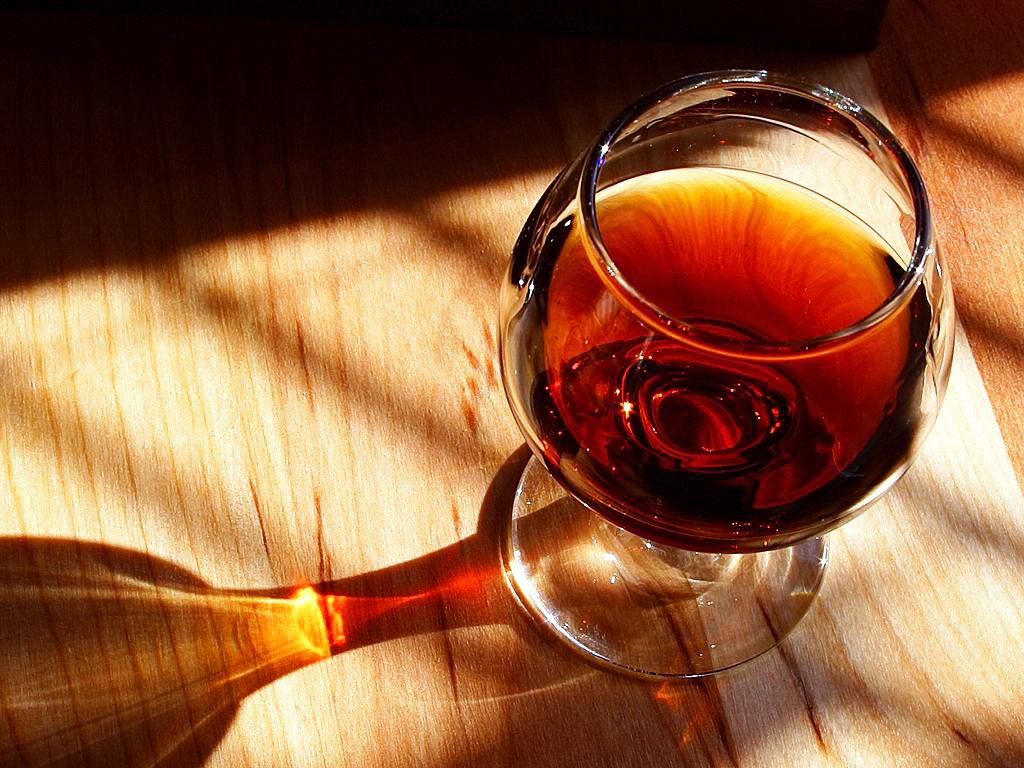
    Expect aromas of dried cherry, fig, toasted almond, and orange peel, with a palate that remains lively and moderately sweet. The texture is smooth, but the wine still feels fruit-driven rather than fully evolved.

    This category serves as a bridge between Ruby-style Ports and the more oxidative Tawny world.

    It tends to resonate particularly well with drinkers who appreciate freshness and approachability—people who enjoy balanced dessert wines but may not yet be ready for deeply oxidative complexity.

    When moving from 10 to 20 years, the shift is noticeable, but still evolutionary rather than revolutionary.

    The wine becomes more polished. More composed.
    But the language of the wine remains familiar.
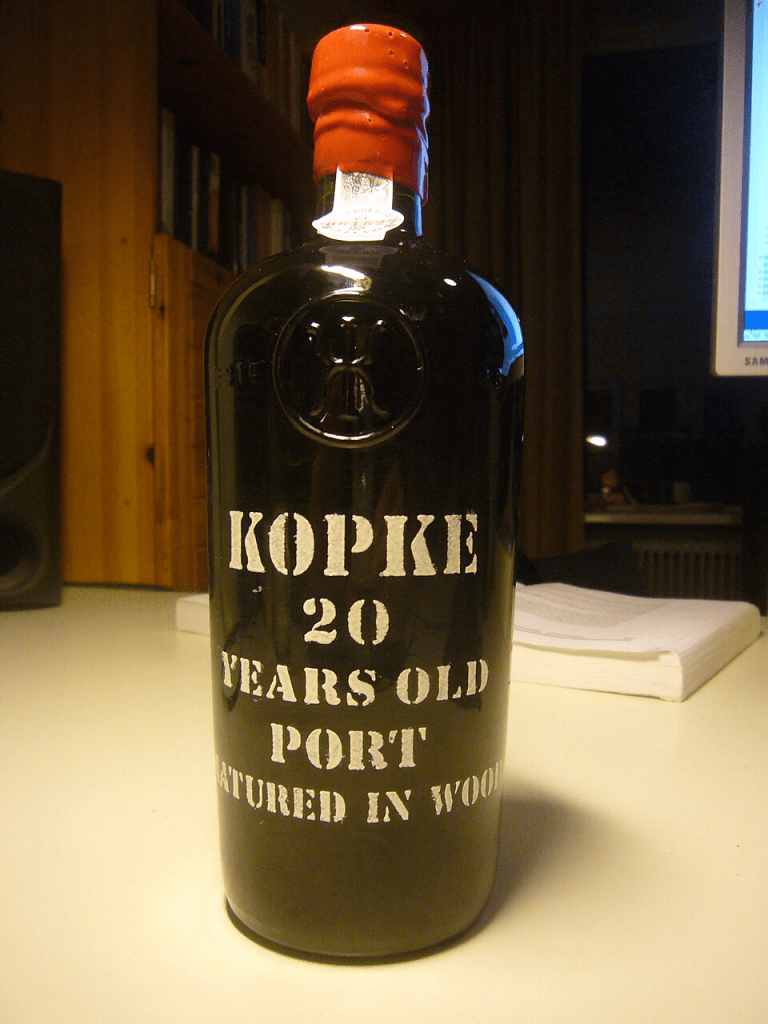
    20-Year Tawny: The Sweet Spot

    Many Port lovers eventually settle on 20-Year Tawny as their personal favorite—and it’s easy to understand why.

    This is where Tawny Port finds equilibrium.

    The fruit steps gracefully into the background, allowing aromas like hazelnut, caramel, dried apricot, and baking spiceto take center stage. The palate becomes more harmonious, sweetness feels less pronounced, and the texture develops a silkier, more confident character.

    At this stage, Tawny begins to attract drinkers outside traditional dessert wine circles.

    Fans of aged spirits such as Cognac or well-matured Scotch whisky often connect with the nutty complexity and long finish of a 20-Year Tawny.

    The jump from 20 to 30 years, however, is quieter than many people expect.

    Instead of a dramatic shift in flavor, the wine simply becomes more refined.

    Freshness gives way to depth.
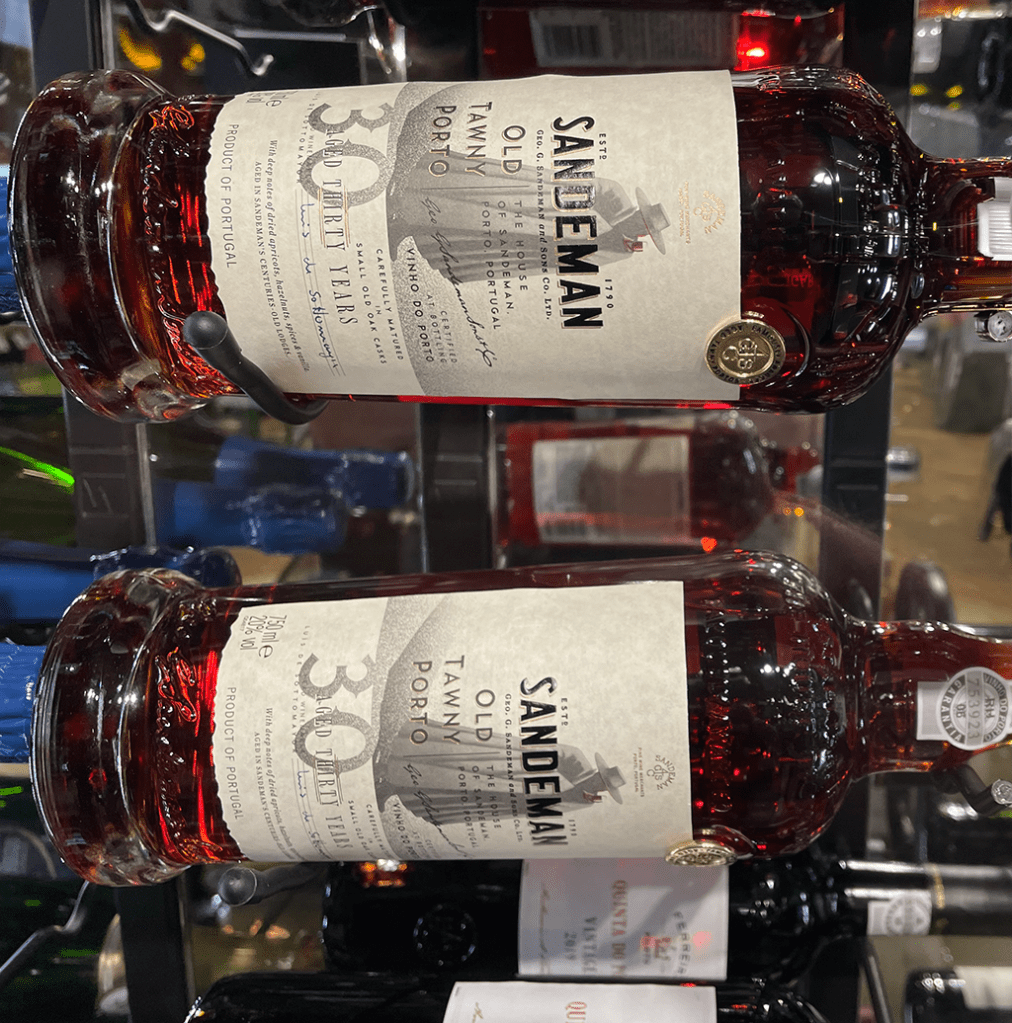
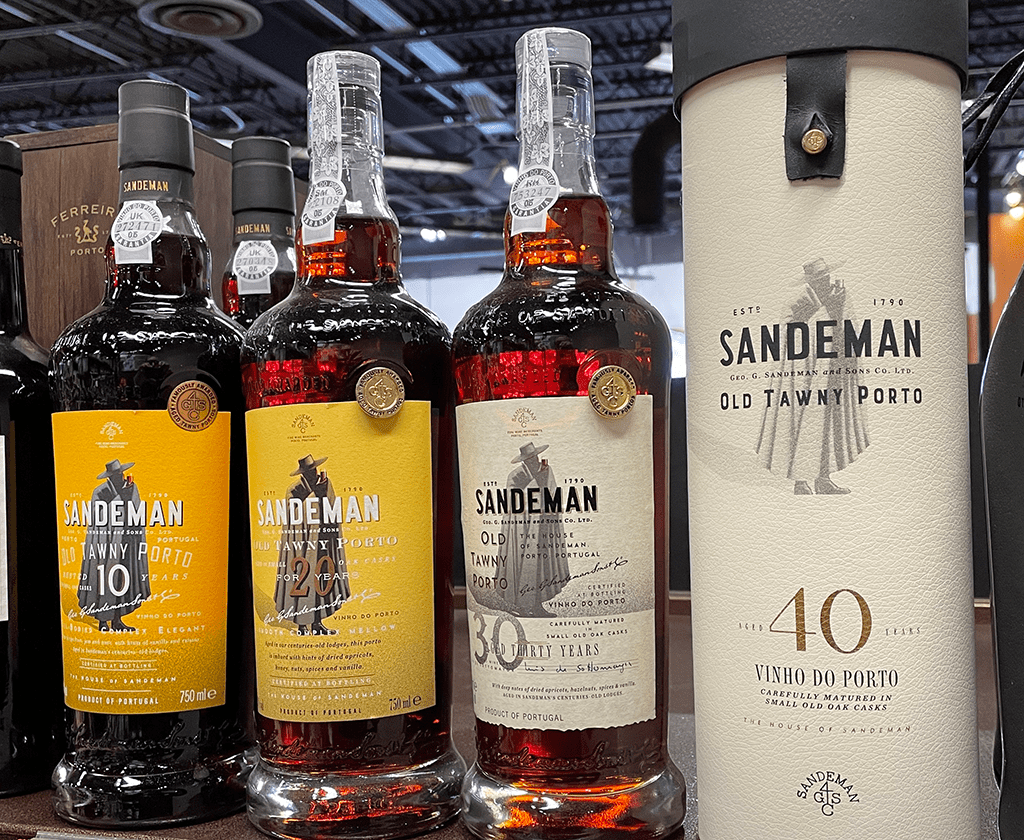
    Sandeman 30yr Tawny Port

    30-Year Tawny: The Contemplative Stage

    A 30-Year Tawny is a wine that invites reflection.

    By this point, fruit has largely receded into memory. What emerges instead is a tapestry of tertiary aromas—walnut oil, dried citrus peel, molasses, antique wood, and sometimes even the evocative scent of old library books.

    The palate often leans drier than younger Tawny expressions, though the sugar remains. What has changed is the balance: acidity now plays a more prominent role.

    Texturally, the wine can feel both viscous and lifted, a paradox that experienced tasters find endlessly compelling.

    This is the stage where Tawny Port begins to transcend its reputation as merely a dessert wine. It becomes something contemplative—something that invites slow appreciation rather than casual sipping.

    Yet despite all this development, the leap from 30 to 40 years is still ahead.

    And that is where Tawny Port reveals its most profound transformation.

    40-Year Tawny: Where Time Becomes the Flavor

    A 40-Year Tawny does not simply taste like an older version of a 30-Year Tawny.

    It tastes like an entirely different category of wine.

    At this age, evaporation has removed a significant portion of the original liquid from the barrel. What remains is extraordinarily concentrated.

    Yet paradoxically, the wine often feels lighter.

    The sweetness fades into the background while acidity becomes the structural backbone. Aromas move beyond recognizable foods toward something more abstract: mahogany, citrus oils, iodine, antique furniture, and burnt sugar.

    The finish stretches seemingly without end.

    In these wines, you are no longer tasting fruit transformed by oxidation.

    You are tasting time distilled.

    The wine sheds weight and gains clarity. Flavor gives way to sensation. The experience becomes less about identifying notes and more about interpreting the wine’s evolving texture and length.

    This is why the gap between 30 and 40 years feels so dramatic.

    Not because the wine becomes louder—but because it becomes more precise.

    Why the Largest Leap Occurs Late

    If we look at the progression of Tawny Port aging, a pattern emerges.

    Between 10 and 20 years, fruit begins evolving toward nuts and caramel, while sweetness integrates more smoothly.

    Between 20 and 30 years, refinement takes over. The wine deepens structurally and texturally.

    But between 30 and 40 years, the transformation becomes structural rather than merely aromatic.

    Sweetness becomes an accent rather than the centerpiece.
    Acidity becomes the dominant structural element.
    And aromas move beyond food references into something more atmospheric.

    At this stage, the wine has crossed a threshold where oxidation, evaporation, and concentration have reshaped its very identity.

    This isn’t marketing hype.

    It’s chemistry—and a little bit of physics.
    Sandeman Port – Alex Ristea from Vancouver, Canada, CC BY-SA 2.0, via Wikimedia Commons

    Is a 40-Year Tawny Worth the Price?

    The honest answer depends less on the wine than on the drinker.

    If you love sweetness and richness, 20-Year Tawny will likely provide the most pleasure.

    If you enjoy layered complexity and evolving textures, 30-Year Tawny may feel like the ideal balance.

    But if you are drawn to nuance, tension, and extraordinary length—if you enjoy wines that whisper rather than shout—then a 40-Year Tawny can be worth every penny.

    These wines are not impressive in a flashy way.

    They are impressive in a quiet, contemplative way.

    And quiet luxury is not for everyone.

    Tawny Port Is Ultimately About Awareness

    One of the most fascinating things about Tawny Port is that it changes not only the wine—but the drinker.

    10-Year Tawny welcomes you into the category.

    20-Year Tawny charms you with balance.

    30-Year Tawny challenges you to pay attention.

    And a 40-Year Tawny has the power to change the way you think about aged wine entirely.

    Not because it is louder.

    But because it is older, wiser, and more patient.

    And that patience—decades of quiet transformation in wood—is the real story behind every glass.

    Cheers. 🍷

  • The Space Between the Seasons

    The Space Between the Seasons

    What to Drink in Late Winter, When Spring is Still a Promise.

    Late February is a quiet moment.

    The holidays are behind us. Valentine’s Day has packed up its chocolate and expectations. Winter is still very much present, but something has shifted. The light lingers. The cold feels less aggressive. You open the window for a minute, not because it’s warm, but because you want to remember what warm feels like.

    This is not the season for showstoppers. It’s a time for balance. For wines and cocktails that know how to sit comfortably between comfort and freshness, warmth and lift. The space between the seasons rewards subtlety.

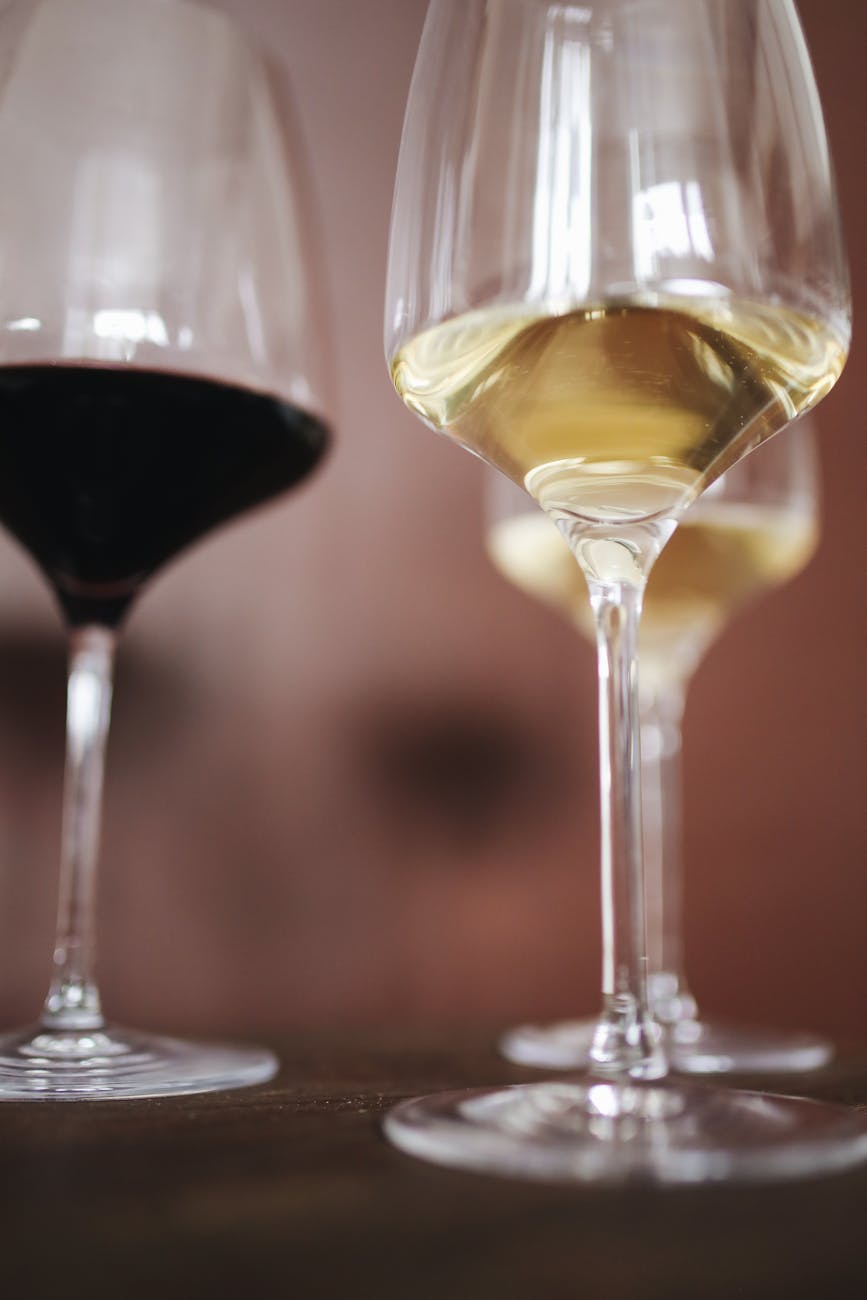
    Photo by Polina Tankilevitch on Pexels.com

    Wines That Feel at Home Right Now

    Some bottles just make sense in late winter. They still work with roasted dishes and cool evenings, but they don’t feel like they’re clinging to the season on the way out.

    A good Chenin Blanc from the Loire is a perfect place to start. Dry styles from Vouvray, Savennieres, or Montlouis carry bright acidity and minerality, but there’s often a quiet honeyed depth underneath. It feels refreshing without being sharp, textured without being heavy. Pour it with roasted chicken finished with lemon and thyme, pork with apples, or a wedge of soft, slightly funky cheese, and it feels exactly right for this moment.

    Northern Rhône Syrah is another late-winter staple. Not the plush, fruit-driven versions you find in warmer climates, but the peppery, savory expressions from places like Crozes-Hermitage or Saint-Joseph. These wines lean into olive, smoke, and black pepper, giving you structure and warmth without weight. They are especially good with roasted mushrooms, duck breast, or pork seasoned with herbs rather than spice.

    Rioja also shines this time of year, particularly Crianza or Reserva. There’s something comforting about a wine that has already done a bit of waiting. The fruit feels settled, the oak is integrated, and everything moves a little slower in the glass. Rioja pairs beautifully with sausages, paprika-spiced dishes, or a tray of roasted root vegetables pulled straight from the oven (Tammy’s favorite).

    And then there’s dry Riesling. Late winter is when Riesling reminds you how versatile it really is. High acid keeps things lively, but there’s enough texture to stand up to richer dishes. German Trocken styles, Alsace bottlings, or dry examples from Washington or the Finger Lakes work effortlessly with pork, roasted carrots with cumin, or dishes that bring ginger and citrus into the mix.

    Related SOMM&SOMM Article: The Noble Grapes of Alsace
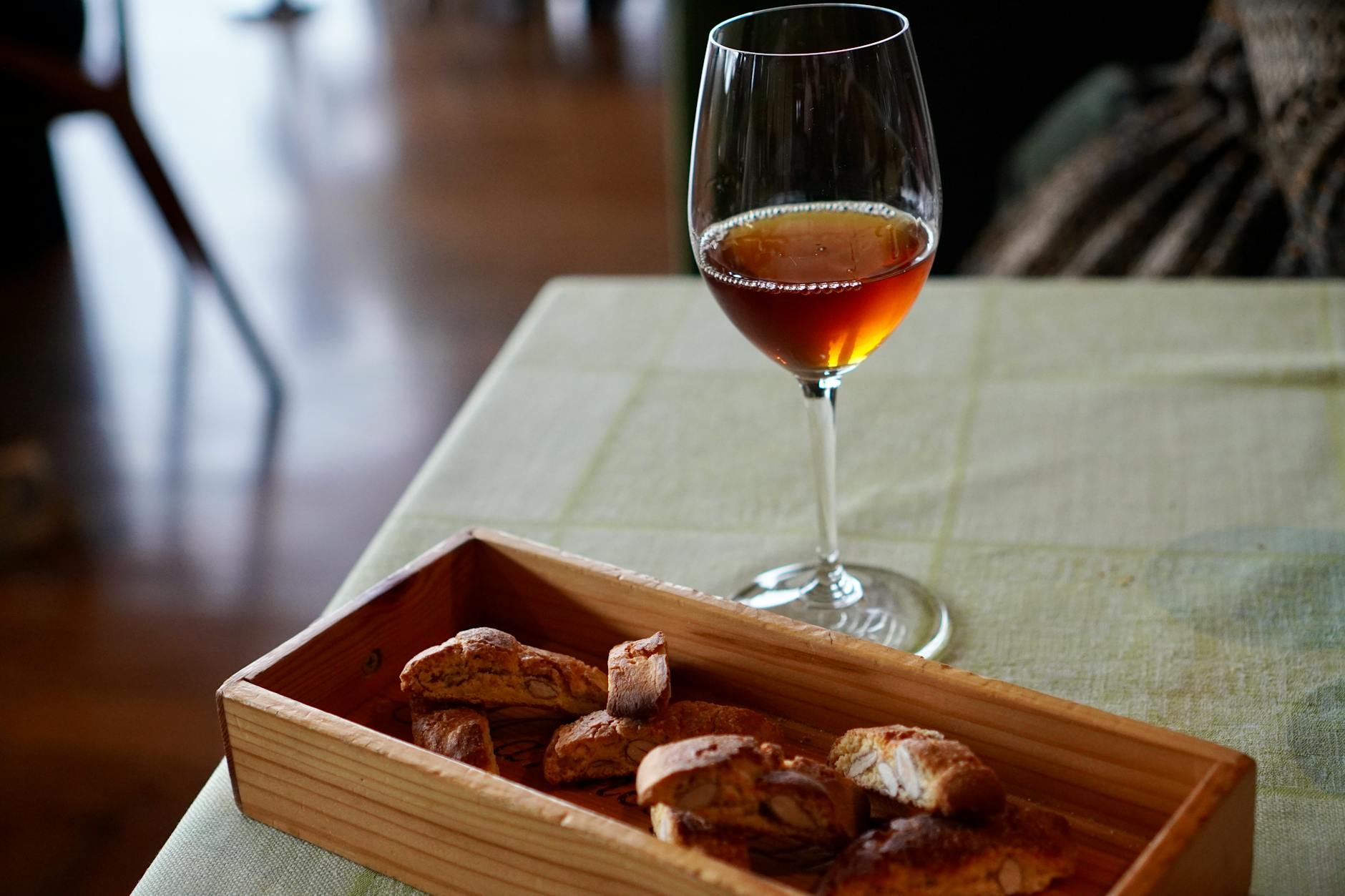
    If winter wines had a sweet spot, this would be it. Nothing too heavy. Nothing too lean. Just bottles that know how to meet you where you are.

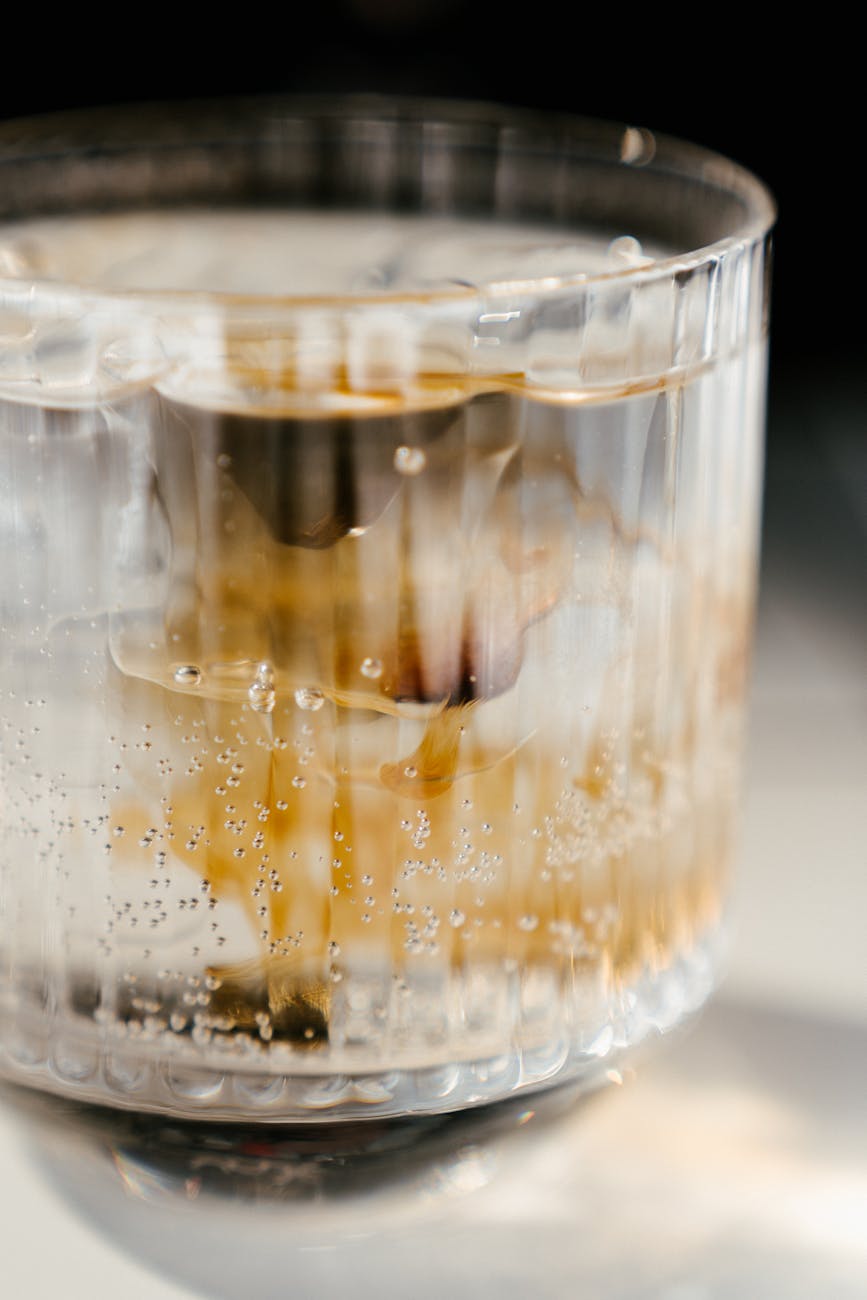
    Photo by cottonbro studio on Pexels.com

    Cocktails for Evenings That Still Get Dark Early

    Cocktails in late February should feel like a gentle exhale. Warming, yes, but not overwhelming. Structured, but open enough to hint at what’s ahead.

    An Armagnac highball is a perfect example. Armagnac tends to be a little more rustic and expressive than Cognac, and when stretched with soda and citrus, it becomes surprisingly elegant. It keeps its warmth, but gains lift and freshness.

    Armagnac Citrus Highball

    • 2 oz Armagnac
    • 4 to 5 oz chilled soda water
    • Lemon or orange peel

    Build over ice in a tall glass, stir gently, and finish with expressed citrus peel.

    A rosemary Old Fashioned still nods to winter, but the herbal note starts pulling the drink forward. It’s familiar, but greener, softer, and less about sweetness.

    Rosemary Old Fashioned

    • 2 oz bourbon or rye
    • 0.25 oz rosemary simple syrup (recipe below)
    • 2 dashes aromatic bitters

    Stir with ice, strain over a large cube, and garnish with a rosemary sprig.

    Rosemary Simple Syrup (Keep This One Around)

    Fresh rosemary brings a soft piney note that feels right at home in late winter. To make the syrup, combine equal parts sugar and water in a small saucepan, add a few sprigs of fresh rosemary, and bring it just to a gentle simmer. Turn off the heat, let it steep until fragrant, then strain and cool.

    It keeps in the refrigerator for about two weeks and works just as well in a whiskey sour, a gin cocktail, or even stirred into hot tea on a cold night.

    For nights when you want something lighter altogether, a sherry and tonic is hard to beat. Dry Fino or Manzanilla sherry brings salinity and brightness, tonic adds lift, and the whole drink feels refreshingly grown-up without demanding commitment.

    Sherry and Tonic

    • 3 oz dry sherry
    • 3 oz tonic water
    • Lemon twist or green olive

    Build over ice and stir gently.

    This is the kind of drink you reach for when winter fatigue sets in, but you are not quite ready to let go of structure.

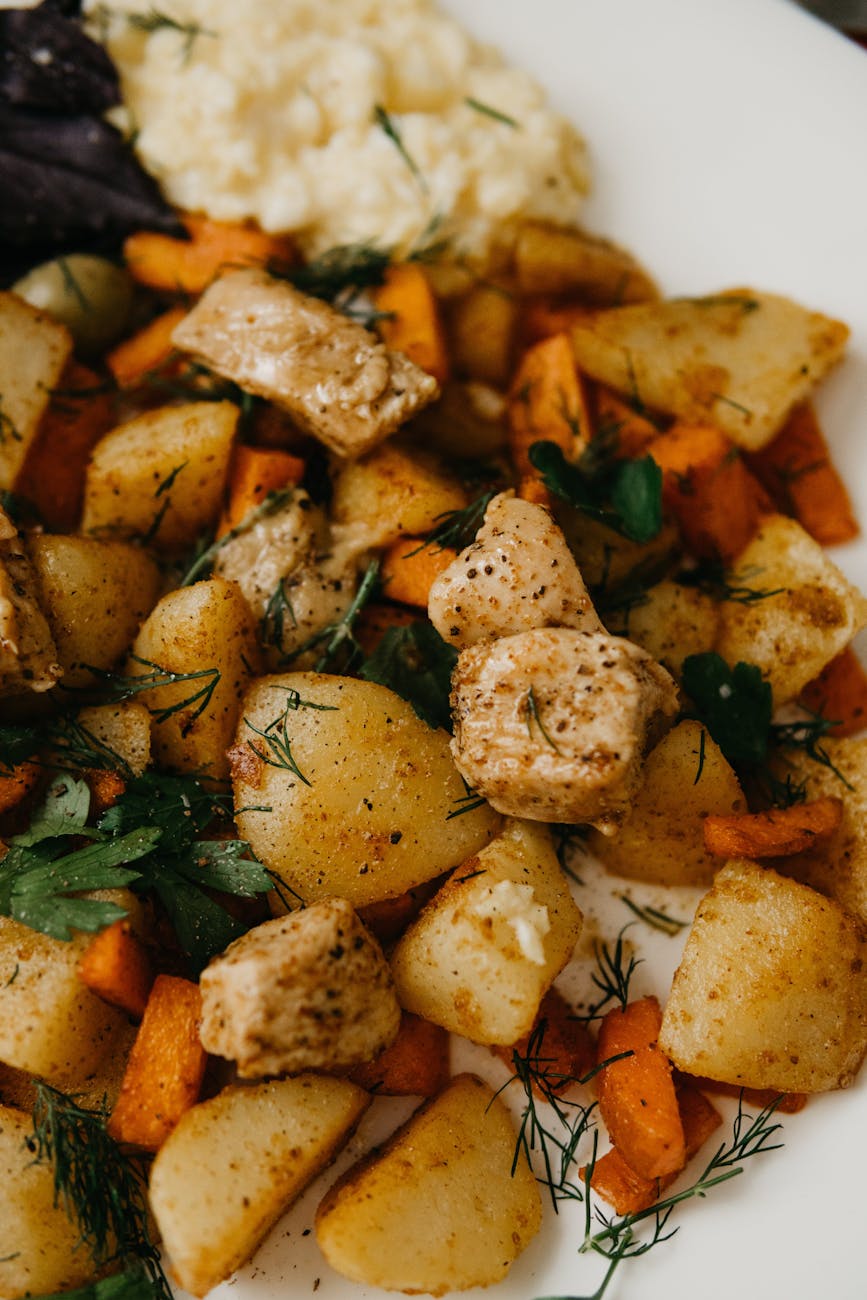
    Photo by AnimGraph Lab on Pexels.com

    Food That Knows the Season Is Changing

    Late winter cooking doesn’t abandon comfort, it just lightens its grip.

    Roasted vegetables finished with citrus. Braised dishes brightened with herbs. Creamy sauces traded for olive oil and stock. These small shifts make meals feel fresher without losing their grounding.

    Think roasted cauliflower with lemon and tahini, herb-marinated chicken thighs, lentils dressed with good olive oil and vinegar, or charred greens with garlic and anchovy. These dishes live happily alongside the wines and cocktails that define this in-between moment.

    Photo by Breakingpic on Pexels.com

    The Final Pour

    Late February doesn’t need a reason to drink well.

    It’s a season without a headline, and that’s exactly the point. Winter is still here. Spring is close enough to feel. The best pours right now don’t rush either one.

    Open something thoughtful. Pour something balanced. Let the season unfold at its own pace 🍷

    Cover Photo by Nothing Ahead on Pexels.com

  • The Art, Science, and Law of Pressing Grapes

    The Art, Science, and Law of Pressing Grapes

    Winter is when vineyards sleep and cellars hum. Fermentations have finished, barrels are topped, and winemakers finally have the quiet space to obsess over the decisions that matter most. And few decisions matter more than what happens between harvest and fermentation—that brief, beautiful, dangerous moment when grapes are pressed.

    Photo by lebu0259u02c8 nu0113z on Pexels.com

    Pressing is where juice becomes wine’s first draft. It is also where texture, structure, aromatics, bitterness, elegance, and even legality begin to take shape.

    If fermentation is the soul of wine, pressing is its bone structure.

    Gregory Dean, SOMM&SOMM
    So pour something contemplative, lean back, and let’s get delightfully nerdy.

    Why Pressing Matters More Than You Think

    At its simplest, pressing extracts juice from grapes. But at its most nuanced, pressing determines:

    • Phenolic load (tannins, bitterness, texture)
    • Aromatic purity vs. rusticity
    • Color extraction
    • Acid balance
    • Ageability
    • Style, classification, and sometimes legal eligibility

    Every press decision answers one quiet question:
    What do we want this wine to feel like?

    The Anatomy of a Grape (Because This Matters)

    Before we talk presses, let’s talk parts:

    • Pulp: Mostly water, sugar, acids. This is the good stuff.
    • Skins: Color, tannins, aroma compounds.
    • Seeds: Bitter tannins, harsh phenolics.
    • Stems: Green, vegetal tannins if included.

    Pressing determines how much of each ends up in the juice. Gentle pressure favors pulp. Aggressive pressure starts dragging skins, seeds, and bitterness into the party.

    Photo by Jean-Paul Wettstein on Pexels.com

    Tools of Texture

    1. Basket Press (The Romantic Traditionalist)

    How it works:
    Grapes are loaded into a cylindrical basket. Pressure is applied from the top via a plate.

    Why winemakers love it:

    • Extremely gentle
    • Low shear forces
    • Minimal seed breakage
    • Exceptional clarity and texture

    Downside:

    • Labor-intensive
    • Lower juice yield
    • Slower

    Best for:

    • High-end Pinot Noir
    • Artisan Chardonnay
    • Skin-contact whites
    • Small-lot, texture-driven wines

    Cork dork note: Basket presses extract juice in layers, allowing winemakers to separate fractions with surgical precision.

    2. Pneumatic (Bladder) Press (The Modern Maestro)

    How it works:
    A rubber bladder inflates inside a closed drum, gently pressing grapes against perforated walls.

    Why it dominates modern winemaking:

    • Precise pressure control
    • Programmable press cycles
    • Inert gas options (oxygen control)
    • Fractionated juice collection

    Downside:

    • Expensive
    • Less romantic

    Best for:

    • Champagne
    • Premium whites
    • Rosé
    • Any wine where elegance matters

    This is the press of choice when purity and finesse outrank brute force.

    Photo by Nico Becker on Pexels.com

    3. Continuous / Screw Press (The Industrial Workhorse)

    How it works:
    A rotating screw pushes grapes through a narrowing chamber.

    Why it exists:

    • High volume
    • Fast
    • Efficient

    Why fine winemakers avoid it:

    • Aggressive extraction
    • Crushed seeds
    • Elevated bitterness
    • Oxidation risk

    Best for:

    • Bulk wine
    • Distillation
    • Juice production

    If basket presses whisper and pneumatic presses speak calmly, screw presses shout.

    A Class of Its Own

    Champagne is not just wine made with bubbles. It is wine made under strict legal and philosophical discipline, and pressing sits at the center.

    Why Champagne Pressing Is Different

    Champagne grapes (primarily Pinot Noir, Meunier, and Chardonnay) are:

    • Picked early
    • High in acid
    • Low in sugar
    • Extremely sensitive to phenolic extraction

    The goal is white juice from black grapes without bitterness or color.

    Photo by Rene Terp on Pexels.com

    The Coquard Press (Champagne’s Crown Jewel)

    Traditional Champagne houses used the Coquard press, a shallow basket press designed to:

    • Minimize skin contact
    • Apply ultra-gentle pressure
    • Extract juice evenly

    Modern Champagne often uses pneumatic presses, but the philosophy remains unchanged.

    The Coquard Press

    If Champagne has a soul, the Coquard press is where it learned restraint.

    Developed specifically for the region, the Coquard is a shallow, wide basket press designed to extract juice slowly, evenly, and with almost monk-like discipline. Its low fill height prevents the crushing weight that darker, more aggressive presses impose on grapes, reducing skin rupture, seed breakage, and unwanted phenolic extraction.

    Why does that matter? Because Champagne grapes are picked early, packed with acid, and incredibly sensitive. The goal is crystal-clear juice from black grapes without dragging color, bitterness, or texture along for the ride. The Coquard excels at producing pristine cuvée juice, the fraction reserved for the finest wines and longest aging.

    Modern pneumatic presses may now dominate the region, but they still follow the Coquard’s philosophy:
    gentle pressure, fractionated juice, and elegance over efficiency.

    In Champagne, pressing isn’t about how much juice you get. It’s about knowing exactly when to stop.

    The Sacred Fractions of Champagne Pressing

    By law, Champagne pressing is fractionated:

    1. Cuvée (The First Press)

    • ~20.5 hL from 4,000 kg of grapes
    • Purest juice
    • Highest acid
    • Lowest phenolics
    • Longest aging potential

    This is the backbone of great Champagne.

    2. Taille (The Second Press)

    • ~5 hL
    • Slightly more color
    • More phenolics
    • Less finesse

    Still usable, but handled carefully.

    Anything Beyond?

    Illegal for Champagne AOC.

    That juice must be sold off, distilled, or declassified.

    Juice Has a Timeline

    Regardless of region, pressing typically unfolds in stages:

    Free Run Juice

    • Flows without pressure
    • Aromatic
    • Low phenolics
    • Often kept separate

    Light Press

    • Gentle pressure
    • Balanced structure
    • Prime real estate for quality wine

    Hard Press

    • Higher pressure
    • Increased bitterness
    • More solids
    • Used sparingly or blended cautiously

    Press Wine

    • Darker
    • Tannic
    • Powerful
    • Sometimes used for structure in reds

    Is one pressing better?
    Not inherently. The magic lies in how and when they are blended.

    Same Press, Different Goals

    White Wine

    • Pressed before fermentation
    • Goal: clarity, acidity, aromatic purity
    • Oxygen exposure is tightly controlled

    Red Wine

    • Pressed after fermentation
    • Alcohol increases extraction
    • Press wine can be bold, structured, and useful

    Many winemakers treat press wine like spice: too much ruins the dish, but a touch adds depth.

    When Nature Holds Back, Craft Steps Forward

    Low-yield vintages have a way of revealing who the true artists are.

    Frost, hail, drought, poor fruit set—when the vines give less, the cellar feels it immediately. Tanks look emptier. Press cycles feel longer. And every decision carries more weight. In these years, the temptation to chase volume is real, but the finest winemakers know that pressing harder is rarely the answer.

    Instead, artistry shows up in how pressure is applied, not how much.

    Rather than increasing press force, experienced hands often extend press cycles, allowing juice to release slowly and naturally. More time between press steps lets gravity do the work, coaxing additional juice without tearing seeds apart or dragging bitterness into the must. It’s a quieter extraction, but a smarter one.

    Low-yield years also bring a finer lens to fractionation. Where generous vintages allow for easy discard of late press juice, lean years invite careful evaluation. Free run, early press, mid press, late press—each fraction is tasted, assessed, and trialed independently. Nothing is assumed. Nothing is wasted. Some lots may find their way into second wines, others into earlier-drinking cuvées, and some never make the final blend at all.

    For red wines, press wine becomes a more prominent conversation. Its structure and density can be invaluable in a year where natural concentration is high but volume is low. Used judiciously, it adds backbone. Used carelessly, it overwhelms. The difference lies not in machinery, but in judgment.

    Nowhere is restraint more codified than in Champagne. Even in punishing vintages, the laws remain unmoved. The cuvée and taille fractions are fixed, and juice beyond the legal yield simply cannot become Champagne. The response is never to force extraction, but to lean harder on reserve wines, blending skill, and patience. In Champagne, scarcity does not justify compromise—it demands mastery.

    Ironically, low yields often require less aggression, not more. Smaller berries mean higher skin-to-juice ratios, faster phenolic pickup, and a narrower margin for error. The press becomes a scalpel, not a hammer.

    This is where true winemakers separate themselves from technicians. Anyone can extract more juice. Only artists know when another drop costs too much.

    Pressing, at its highest level, is not about efficiency. It is about listening—
    to the fruit, to the vintage, and to the long arc of the wine yet to come.

    When Physics Meets Bureaucracy

    Pressing is not just technical—it’s legal.

    Examples:

    • Champagne: Strict yield and fraction limits
    • PDOs in Europe: Juice yield caps per hectare
    • Prosecco DOCG: Pressing methods influence classification
    • Germany: Press fractions affect Prädikat eligibility
    • Rosé regulations: Skin contact time and pressing method define legal style

    Wine laws exist to protect typicity, but they also enforce restraint. You can’t press your way into greatness if the law won’t let you.

    Pressing Is a Philosophy

    Pressing is where restraint reveals itself.

    It’s where great winemakers prove they understand that more extraction is rarely better, that elegance is coaxed, not forced, and that the finest wines are often born from what was not taken.

    So next time you sip a crystalline Blanc de Blancs or a silken Pinot Noir, remember:
    that wine’s finesse was decided long before yeast ever showed up.

    And that, dear friends, is why pressing grapes is one of the quietest flexes in all of winemaking. 🍷

    Cover Photo by Pedro Rebelo Pereira on Pexels.com

  • Love, Legends, and a Proper Glass of Wine

    Love, Legends, and a Proper Glass of Wine

    Valentine’s Day has somehow become a collision of romance, chocolate, prix-fixe menus, and mild panic. But long before heart-shaped boxes and awkward reservations at 7:15 pm, this holiday had a much stranger and more interesting backstory.

    A Brief and Slightly Unhinged History of Valentine’s Day

    The origins of Valentine’s Day are tangled, like a box of old love letters tied with questionable ribbon.

    Some trace it back to Lupercalia, an ancient Roman fertility festival involving feasting, matchmaking lotteries, and rituals best left in history books. Later, the Church attempted to clean things up by honoring St. Valentine, or possibly several Valentines, because history couldn’t settle on just one.

    The most romantic legend? Valentine secretly married couples against the wishes of Emperor Claudius II, who believed single men made better soldiers. When Valentine was imprisoned, he allegedly sent a note signed, “From your Valentine.” That line stuck. The beheadings, thankfully, did not.

    Photo by Lisa from Pexels on Pexels.com

    By the Middle Ages, Valentine’s Day was associated with courtly love, handwritten poetry, and exchanging small tokens of affection. Somewhere along the way, wine became involved, which may be the most important evolution of all.

    Wine Pairings for Love in All Its Forms

    Valentine’s Day wine should be romantic without trying too hard. No one wants a wine that feels like it’s wearing too much cologne.

    Photo by Anna Galimova on Pexels.com

    Oysters and Sparkling Wine

    Classic for a reason. Oysters have long been considered an aphrodisiac, likely because they pair so beautifully with sparkling wine.

    In the glass: Champagne, Crémant, or a Brut sparkling wine
    Why it sings: Bright acidity, saline minerality, and bubbles that keep things lively

    If oysters feel intimidating, shrimp cocktail or scallop crudo works just as well. Romance should never feel like homework.

    Steak, Mushroom Risotto, or Truffle Pasta

    This is where Valentine’s dinners usually land, and honestly, it’s a good place to be.

    What to drink: Pinot Noir, Nebbiolo, or a softer style of Syrah
    Why it’s magic: These wines balance earthiness and elegance without overpowering the dish or the moment

    Cabernet Sauvignon can work, but only if it’s not trying to dominate the conversation.

    Chocolate and Berries

    Chocolate is a trap for wine if you choose poorly. Dry reds rarely survive it.

    Reach for: Ruby Port, Brachetto d’Acqui, Banyuls, or a lightly sweet Lambrusco
    Why it fits: Sweetness meets sweetness, fruit stays vibrant, and no one feels betrayed

    If you insist on dark chocolate, fortified wines are your safest love language.

    The Cozy Night In

    Sometimes Valentine’s Day is pajamas, takeout, and not leaving the couch.

    Pour this: Off-dry Riesling, Beaujolais, or a chillable red
    Why it makes sense: Low pressure, high comfort, and endlessly food-friendly

    This is the wine equivalent of saying, “I like you exactly as you are.”

    A Valentine’s Day Cocktail: Love Letters at Dusk

    This cocktail is floral, lightly bitter, gently sweet, and just complex enough to feel intentional without being overwrought.

    Love Letters at Dusk

    1.5 oz gin
    0.75 oz Aperol
    0.5 oz elderflower liqueur
    0.75 oz fresh lemon juice
    2 dashes rose water
    Sparkling wine to top

    Add gin, Aperol, elderflower liqueur, lemon juice, and rose water to a shaker with ice. Shake briefly. Strain into a chilled coupe or wine glass. Top with sparkling wine.

    Garnish with a lemon twist or an edible flower if you’re feeling poetic.

    Tasting note: The gin brings structure, Aperol adds a gentle bitterness, elderflower softens the edges, and the bubbles keep things playful. It’s romantic without being cloying, much like a good relationship.

    Photo by Anna Tarazevich on Pexels.com

    Final Thoughts on Love, Wine, and Not Overthinking It

    Valentine’s Day doesn’t need to be perfect. It just needs to be thoughtful. A good bottle of wine, a shared meal, and a moment of genuine connection will always outshine fixed menus and forced romance.

    Whether you’re celebrating decades together, a brand-new spark, or simply your love of good food and drink, raise a glass to love in all its forms.

    Because at the end of the day, wine has always been about bringing people closer. And if that isn’t romantic, nothing is. 🍷❤️

    Cover Photo by Katerina Holmes on Pexels.com

  • Tokaji: Hungary’s Golden Secret

    Tokaji: Hungary’s Golden Secret

    …and why you should stop being afraid of it 😉

    Tokaji is one of the world’s most misunderstood wines—and frankly, one of its most rewarding. Tiny bottles, unfamiliar words, strange numbers, and labels that look like they were designed by a medieval scribe… no wonder most people reach for Sauternes instead. Safer. Familiar. French.

    But Tokaji is older, deeper, more versatile, and—dare I say—more soulful.

    If you’re a wine lover with even a passing interest in history, sweetness balanced by acid, or hidden gems that reward curiosity, Tokaji isn’t intimidating at all. It’s an invitation.

    Related SOMM&SOMM article: Wine Styles: Late Harvest Wines
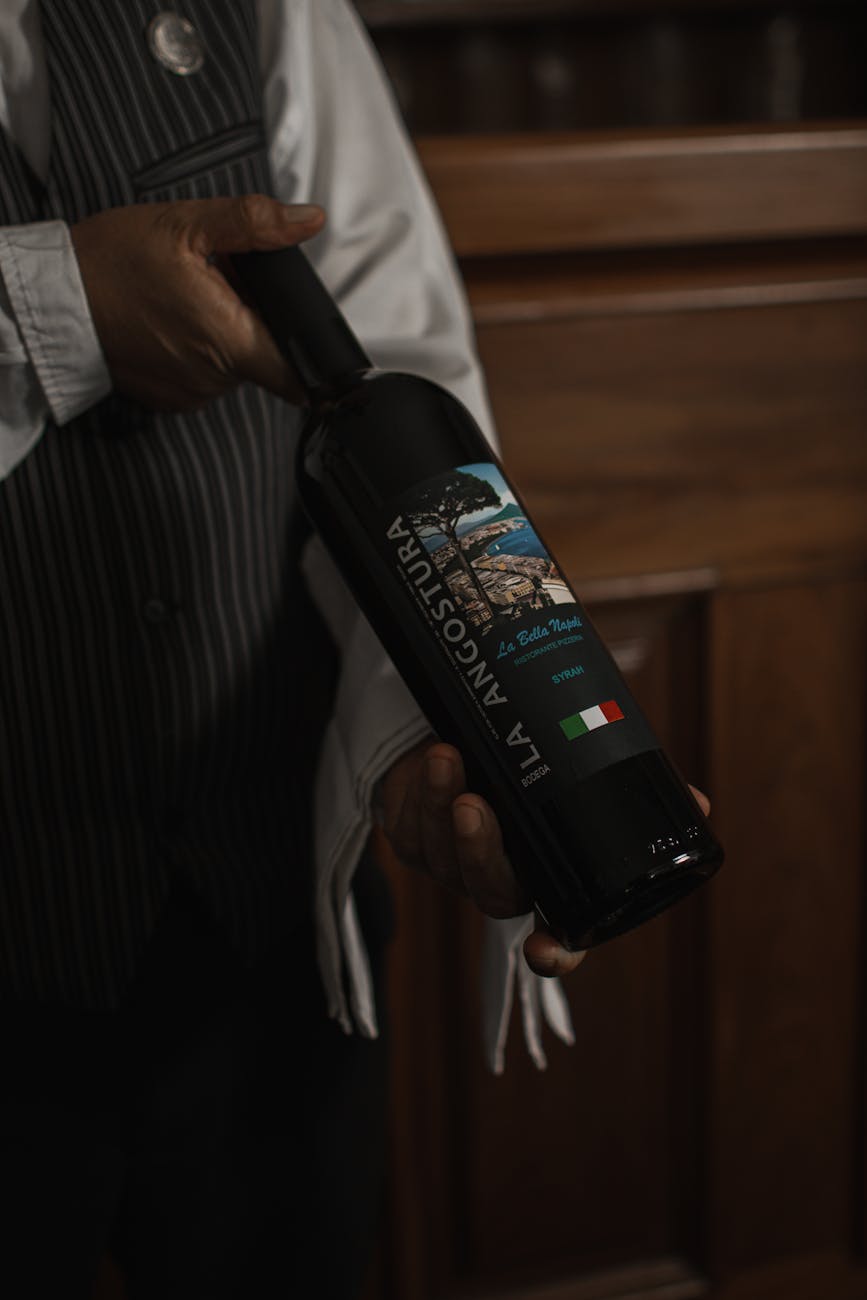
    A Little History & Lore (Because Tokaji Has Plenty)

    Tokaji comes from northeastern Hungary, in the Tokaj-Hegyalja region, near the borders of Slovakia and Ukraine. This is not a “new discovery” wine. Tokaji Aszú was being made centuries before Sauternes—with documented production as early as the mid-1600s.

    In fact:

    • Tokaj was the first classified wine region in the world (1737)—nearly 120 years before Bordeaux.
    • Louis XIV famously called Tokaji “Vinum Regum, Rex Vinorum”The Wine of Kings, the King of Wines.
    • It was a favorite at royal courts across Europe, from the Habsburgs to the Russian Tsars.

    And yes, there’s lore: monks, misty autumn mornings, noble rot creeping slowly across vineyards as the Bodrog and Tisza rivers create the perfect fog-and-sun rhythm. Tokaji didn’t stumble into greatness—it was engineered by nature and refined by time.

    The Grapes Behind the Magic

    Tokaji is not a single-varietal wine in spirit, even if one grape dominates.

    Furmint (the star)

    • High acid (crucial for balance)
    • Neutral to apple-pear-citrus when dry
    • Transforms beautifully with botrytis
    • Think: green apple, quince, citrus peel, honeycomb, wet stone

    Hárslevelű

    • Softer acidity
    • Floral, herbal, linden blossom notes
    • Adds perfume and roundness

    Supporting Cast (used in smaller amounts)

    • Sárgamuskotály (Yellow Muscat) – aromatics and spice
    • Zéta – botrytis-prone, boosts sweetness
    • Kövérszőlő – richness and texture

    Furmint provides the spine. Everything else adds flesh, fragrance, and intrigue.

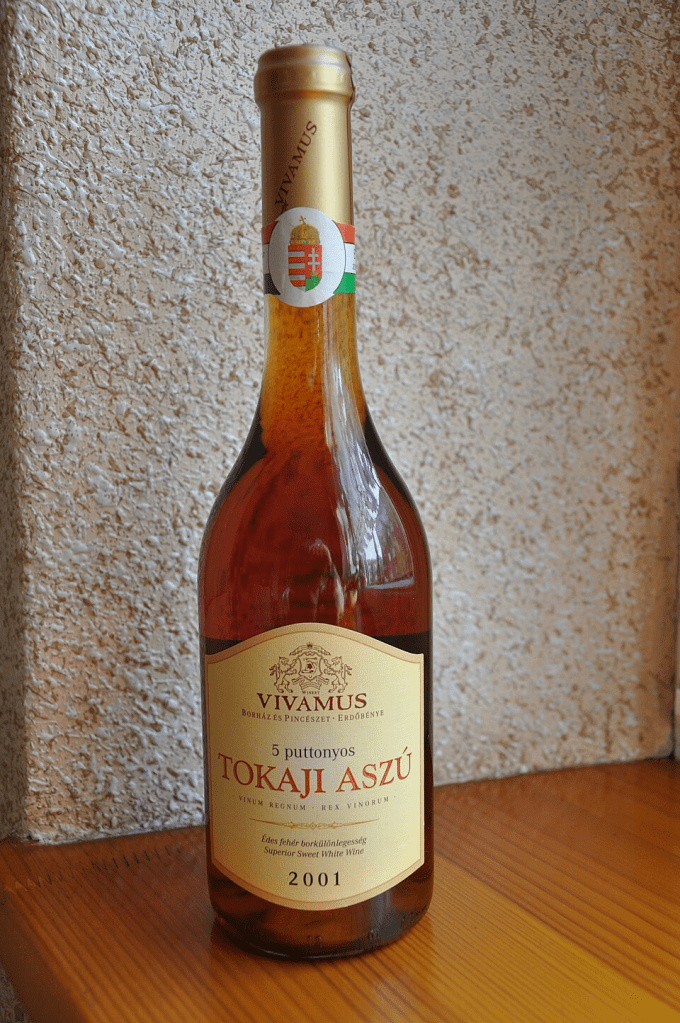
    Tokaji Aszú – Beemwej, CC BY-SA 3.0, via Wikimedia Commons

    Tokaji Styles: More Than Just Sweet Wine

    Here’s where Tokaji really starts to surprise people.

    1. Tokaji Aszú (The Icon)

    Made from individually harvested botrytized berries (aszú berries), traditionally added to a base wine.

    Sweetness used to be measured in Puttonyos (the number of baskets of aszú berries added):

    • 3–6 Puttonyos (historically)
    • Today, most producers focus on 5 or 6 Puttonyos-level richness or simply label sweetness in grams

    Flavor profile:

    • Apricot jam
    • Orange marmalade
    • Honey
    • Ginger
    • Saffron
    • Toasted nuts
    • Laser-bright acidity holding it all together

    This is where Tokaji earns its crown.

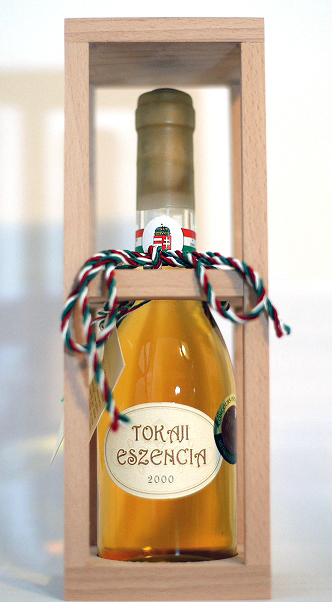
    Tokaji Eszencia: Emdee, CC BY-SA 3.0, via Wikimedia Commons

    2. Tokaji Eszencia (Liquid Myth)

    Not really wine in the traditional sense.

    • Free-run juice from aszú berries
    • Ferments extremely slowly
    • Often 1–3% alcohol
    • Astronomical sugar
    • Tiny production

    Think:

    • Nectar
    • Honeyed citrus oil
    • Dried tropical fruit
    • Eternal finish

    This is something you sip by the teaspoon and contemplate your life choices.

    3. Szamorodni (The Insider’s Favorite)

    Made from whole bunches—some botrytized, some not.

    Two styles:

    • Édes (Sweet) – oxidative, nutty, honeyed
    • Száraz (Dry) – sherry-like, savory, saline, almond-driven

    If you love Jura, aged Fino Sherry, or oxidative whites… dry Szamorodni will blow your mind.

    4. Late Harvest Tokaji

    • Made from overripe grapes
    • Often labeled Késői Szüret
    • Lusher and more approachable
    • Excellent gateway Tokaji

    5. Dry Tokaji (Dry Furmint)

    Yes—Tokaji can be bone dry.

    • Crisp
    • Mineral
    • Apple, pear, citrus, volcanic stone
    • Think Chablis meets Grüner meets something unmistakably Hungarian

    These wines are phenomenal with food and criminally underrated.

    Decoding the Label (Without Panicking)

    Here’s your Tokaji cheat sheet:

    • Aszú – made from botrytized berries
    • Puttonyos – traditional sweetness level (less common today)
    • Édes – sweet
    • Száraz – dry
    • Szamorodni – whole-cluster style
    • Eszencia – ultra-concentrated nectar
    • Furmint / Hárslevelű – grape varieties
    • Dűlő – vineyard (single-site quality cue)

    If you can read a German Riesling label, you can conquer Tokaji.

    Pairings (This Is Where Tokaji Shines)

    Tokaji is not just a dessert wine. That’s the biggest misconception of all.

    Classic Pairings

    • Foie gras (legendary for a reason)
    • Blue cheese (Roquefort, Stilton, Gorgonzola)
    • Apricot tart
    • Almond pastries

    Unexpected & Brilliant

    • Spicy Thai or Szechuan dishes
    • Indian curries with ginger and turmeric
    • Moroccan tagines
    • Roast pork with stone fruit
    • Duck with orange or cherry glaze

    Dry Tokaji Pairings

    • Roast chicken
    • Pork schnitzel
    • Mushroom dishes
    • Alpine cheeses
    • Seafood with beurre blanc

    Szamorodni Pairings

    • Aged cheeses
    • Salted nuts
    • Mushroom risotto
    • Anything umami-forward

    Eszencia Pairing

    • Silence
    • A quiet room
    • One small spoon
    • Awe
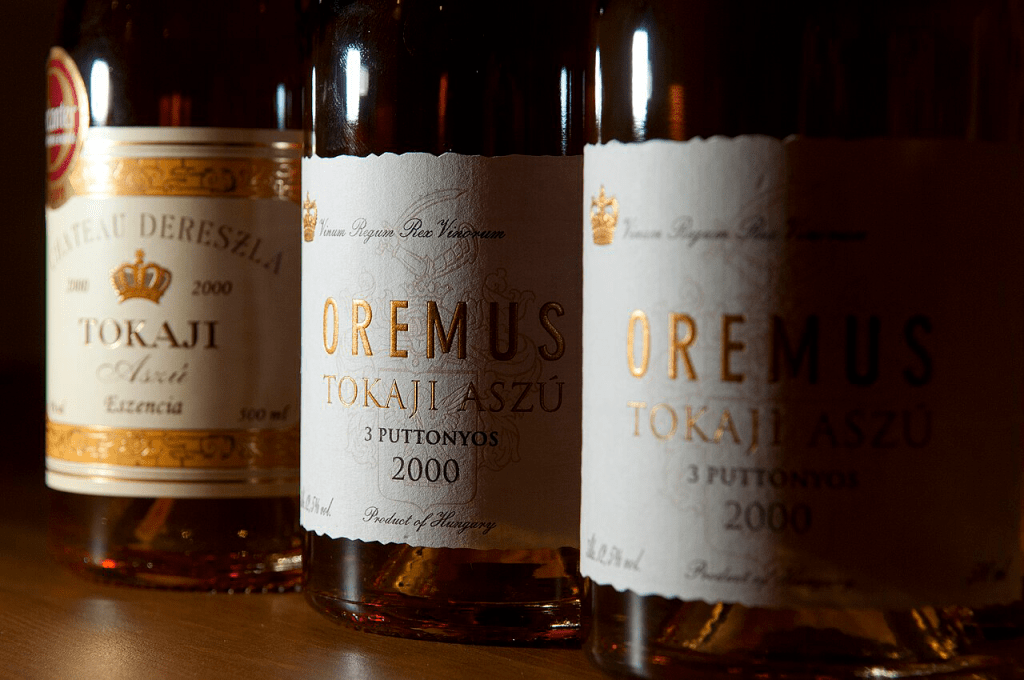
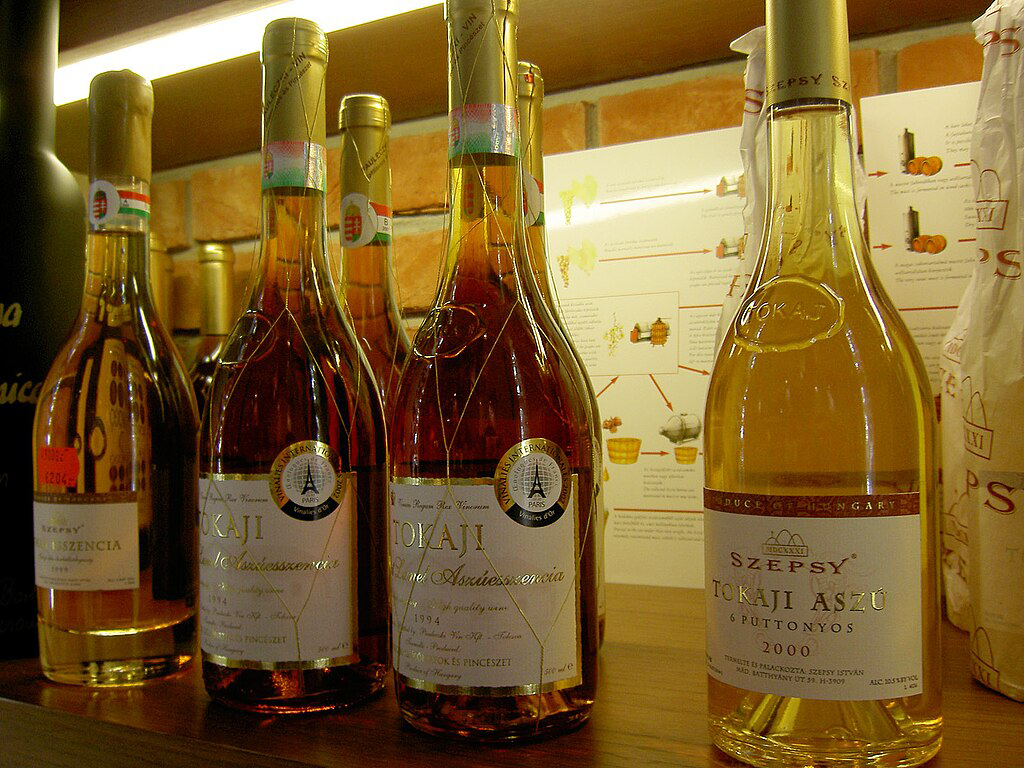
    Bottles of Tokaji – takato marui, CC BY-SA 2.0, via Wikimedia Commons

    Why Tokaji Matters

    Tokaji isn’t just a wine—it’s a bridge between:

    • Sweet and savory
    • History and modernity
    • Intellectual curiosity and pure pleasure

    It rewards patience, but it doesn’t demand pretension. And for sommeliers and wine lovers with a passion for the obscure, Tokaji is the kind of bottle that reminds us why we fell in love with wine in the first place.

    So next time you’re tempted to grab the Sauternes because it feels easier…

    Don’t.

    Reach for Tokaji.
    Your palate will thank you—and your wine stories will be better for it. 🍷

    Cover Photo: Michal Osmenda, CC BY-SA 2.0, via Wikimedia Commons

  • Finding the Sweet Spot

    Finding the Sweet Spot

    When to Hold Wine–and When to Open It.

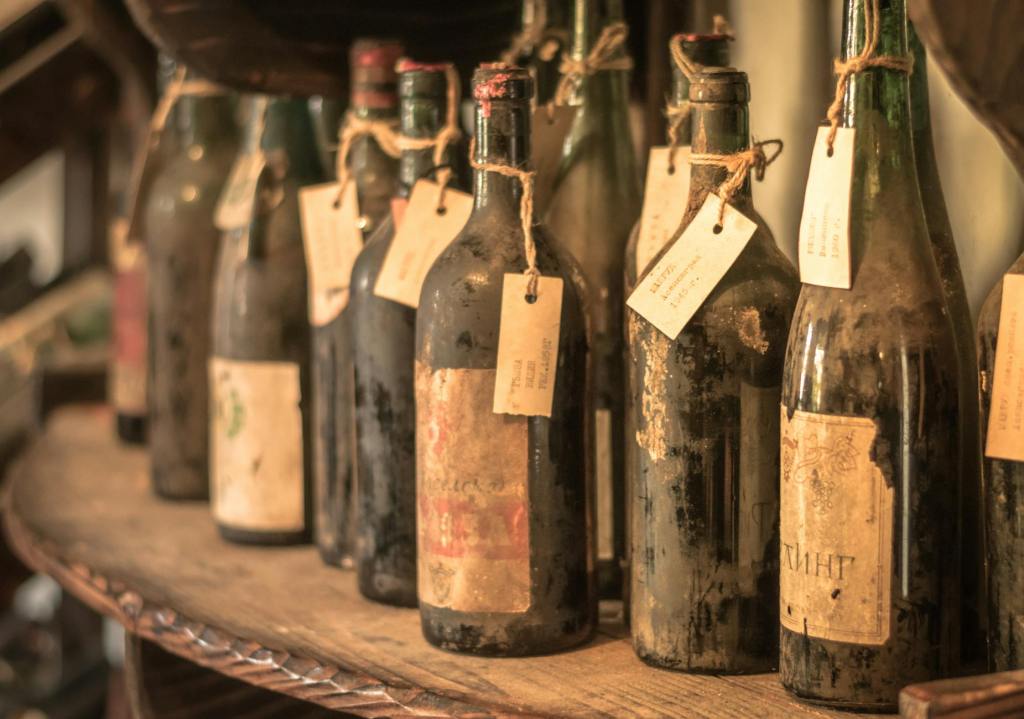
    There’s a romantic notion in the wine world that older is always better. Cellars lined with dusty bottles, handwritten tags dangling from necks, and the quiet confidence that someday—someday—each bottle will reach a transcendent peak.

    Sometimes that’s true.

    Often, it’s not.

    As serious oenophiles, we spend far less time preaching patience and far more time chasing something subtler and more rewarding: a wine’s sweet spot—that fleeting, glorious window when a wine tastes exactly as it should. Balanced. Expressive. Alive.

    Understanding when to hold and when to open is one of the most misunderstood aspects of wine enjoyment. Let’s uncork the myths, mistakes, and realities of aging wine—and have a little fun along the way.

    Photo by Ayberk Mirza on Pexels.com

    What Does “Aging Wine” Really Mean?

    Aging wine isn’t about hoarding bottles for decades just to prove restraint. It’s about chemical evolution.

    Over time, wine changes as:

    • Tannins polymerize, becoming smoother and silkier
    • Primary fruit flavors (fresh fruit) give way to secondary (oak, spice) and tertiary notes (leather, mushroom, earth, dried fruit)
    • Acidity integrates, creating harmony rather than sharpness

    But here’s the critical truth:

    Every wine has a sweet spot—open it before and it’s still forming, open it after and the magic has already passed.

    And that peak is not universal.

    Photo by cottonbro studio on Pexels.com

    The Winemaker’s Intent

    Many people assume that aging a wine is about achieving the winemaker’s intended tasting experience.

    Sometimes that intent includes aging potential.
    Sometimes it does not.

    Most wines on the market today—especially under $30—are crafted to be approachable upon release. The winemaker expects you to drink them within a few years, not babysit them through your next mortgage cycle.

    Winemakers design wines based on:

    • Grape variety
    • Structure (tannin, acid, alcohol)
    • Region and climate
    • Oak usage
    • Market expectations

    A Napa Cabernet and a Beaujolais Nouveau may both be red wines—but they are built for entirely different lifespans.

    Photo by Cup of Couple on Pexels.com

    The Sweet Spot (Our Favorite Moment)

    The sweet spot is when:

    • Fruit is still present, but not dominant
    • Tannins are resolved, not stripped
    • Acidity lifts the wine instead of biting
    • Complexity feels layered, not muddled

    Miss it on either side and you lose something.

    Too young:

    • Harsh tannins
    • Disjointed flavors
    • Oak overpowering fruit

    Too old:

    • Faded fruit
    • Flat acidity
    • Oxidation and bitterness

    The tragedy? Many wines are opened after their sweet spot—not before.

    Photo by Jana Ohajdova on Pexels.com

    The Biggest Myth We Hear Every Day: “All Wine Gets Better with Age”

    Let’s put a cork in this right now:

    The vast majority of wine does NOT improve with age.

    Estimates vary, but roughly 90% of wine produced globally is meant to be consumed within 1–3 years of release.

    That includes:

    • Most Sauvignon Blanc
    • Pinot Grigio
    • Prosecco
    • Rosé
    • Everyday Chardonnay
    • Entry-level reds

    Aging these wines doesn’t make them better.
    It makes them older.

    And old is not a tasting note.

    Photo by Hobi Photography on Pexels.com

    Wines That Do Benefit from Aging (When Stored Properly—and Thoughtfully)

    Certain wines are structurally built to evolve:

    Reds with Aging Potential

    • Cabernet Sauvignon
    • Nebbiolo (Barolo, Barbaresco)
    • Syrah/Shiraz (especially Rhône)
    • Tempranillo (Rioja, Ribera del Duero)
    • Sangiovese (Brunello di Montalcino)

    Whites That Can Age Beautifully

    • Riesling (especially German and Alsatian)
    • Chenin Blanc (Loire)
    • High-quality Chardonnay (Burgundy, select New World)
    • White Rhône blends

    Fortified & Sweet Wines

    • Vintage Port
    • Madeira
    • Sauternes
    • Tokaji

    Even then, aging is not guaranteed. Structure matters more than reputation.

    When Aging Goes Too Far

    Every wine eventually declines.

    Signs you’ve missed the sweet spot:

    • Muted aromas
    • Brownish color in whites
    • Brick-orange edges in reds (not always bad—but telling)
    • Sourness without freshness
    • Bitter or hollow finishes

    This doesn’t mean the wine is “bad.”

    It means it’s past its moment.

    Wine is alive—just like us. And just like us, it doesn’t peak forever.

    Photo by u041du0430u0442u0430u043bu044cu044f u041cu0430u0440u043au0438u043du0430 on Pexels.com

    Storage Mistakes We See All the Time (That Kill Wine Dreams)

    1. Overestimating Home Storage

    A kitchen rack is décor—not a cellar.

    Wine hates:

    • Heat
    • Light
    • Temperature swings

    That “I’ll just keep it in the closet” plan? Risky at best.

    2. Saving Wine for the Wrong Occasion

    “I’ll open this someday.”

    Someday becomes never.

    Wine is meant to be shared—not inherited.

    3. Confusing Price with Aging Ability

    An expensive wine can still be meant for early drinking.

    Structure—not price tag—determines longevity.

    4. Blind Faith in Vintage Charts

    Vintage charts are guidelines, not gospel.

    Bottle variation, storage conditions, and personal taste all matter.

    Is Finding the Sweet Spot an Exact Science? (Of Course Not.)

    Absolutely not.

    It’s a blend of:

    • Knowledge
    • Experience
    • Storage conditions
    • Personal preference
    • A little luck

    Two identical bottles stored differently can taste worlds apart.

    That uncertainty isn’t a flaw—it’s part of wine’s magic.

    Photo by Pavel Danilyuk on Pexels.com

    Drink with Curiosity, Not Fear

    We don’t chase perfection—we chase connection.

    We open wines young to understand their promise.
    We open them aged to appreciate their journey.

    And sometimes we open them simply because the moment feels right.

    The true sweet spot isn’t just in the bottle.

    It’s at the table.

    So if you’re ever wondering whether to hold or open, remember:

    Wine enjoyed slightly early is a lesson.
    Wine opened too late is a regret.

    Choose the lesson.

    Pop the cork.

    Cheers 🍷

    Cover Photo by Hunt on Photos Studio on Pexels.com

  • Tawny vs. Ruby Port

    Tawny vs. Ruby Port

    Winter’s Warmest Debate (and How to Drink Them Both Like a Pro).

    When winter settles in and the thermostat drops a few degrees lower than comfort would prefer, fortified wines step confidently into the spotlight. They don’t whisper; they glow. And among them, Port is having another well-deserved moment. Again.

    But as bottles come off shelves and into glasses, one question reliably resurfaces fireside and at tasting tables alike:
    What’s the real difference between Ruby Port and Tawny Port—and how should I be enjoying each?

    Croft Port Wine Cellar – Ricardo Martins, CC BY 2.0, via Wikimedia Commons

    A Shared Origin, Two Very Different Journeys

    All true Port comes from Portugal’s Douro Valley and begins life much the same way:

    • Indigenous grapes
    • Fermentation halted early by the addition of grape spirit (aguardente)
    • Residual sugar preserved
    • Alcohol boosted to roughly 19–20%

    From there, aging choices—not grapes—define Ruby versus Tawny.

    Ruby Port: Youth, Power, and Primary Fruit

    Think: fireplace crackle, dark berries, and velvet curtains.

    Ruby Port is all about freshness and intensity. After fermentation, it’s aged briefly—usually 2–3 years—in large stainless steel tanks or concrete vats. These vessels limit oxygen exposure, preserving the wine’s deep color and fruit-forward personality.

    What’s in the glass?

    • Color: Deep ruby to purple-black
    • Aromas: Blackberry compote, black cherry, cassis, plum
    • Palate: Lush, sweet, bold, youthful
    • Finish: Rich, direct, fruit-driven

    Ruby Port is unapologetically exuberant. It doesn’t want to evolve quietly—it wants to perform.

    Best ways to enjoy Ruby Port

    • Slightly cool (60–65°F) to balance sweetness
    • In a classic Port glass or small wine glass
    • As a dessert wine or a decadent after-dinner sipper

    Ruby Port pairings (winter-approved)

    • Flourless chocolate cake
    • Dark chocolate truffles
    • Blue cheese (especially Stilton or Gorgonzola)
    • Chocolate-dipped dried figs
    • Black forest–style desserts

    Why it works: Sugar and fruit tame bitterness, while alcohol lifts richness off the palate.

    Tawny Port – pedrik, CC BY 2.0, via Wikimedia Commons

    Tawny Port: Time, Oxidation, and Graceful Complexity

    Think: leather-bound books, toasted nuts, and candlelight.

    Tawny Port takes a slower, more contemplative path. It’s aged in small oak barrels, where gentle oxidation transforms both color and flavor. Over time, ruby hues fade to amber, mahogany, and tawny—hence the name.

    You’ll often see age indications: 10, 20, 30, or 40 Year Tawny. These aren’t exact ages, but stylistic averages representing increasing complexity.

    Related article: The Organoleptic Process

    What’s in the glass?

    • Color: Amber, copper, tawny
    • Aromas: Toasted almond, hazelnut, caramel, dried fig, orange peel
    • Palate: Silky, layered, less sweet-seeming
    • Finish: Long, nutty, contemplative

    Tawny Port doesn’t shout. It invites you closer.

    Best ways to enjoy Tawny Port

    • Lightly chilled (55–60°F)—especially higher-aged Tawny
    • In smaller pours; complexity rewards patience
    • As a standalone meditation wine or paired thoughtfully

    Tawny Port pairings (cold-weather classics)

    • Pecan pie or walnut tart
    • Crème brûlée
    • Aged cheeses (Comté, aged Gouda, Manchego)
    • Roasted nuts with rosemary
    • Apple or pear desserts with caramel

    Why it works: Oxidative notes mirror toasted, nutty flavors while acidity keeps sweetness in check.

    Ruby vs. Tawny: The Quick Take

    Ruby PortTawny Port
    Fruit-forwardNutty & oxidative
    Aged brieflyBarrel-aged for years
    Bold & youthfulElegant & complex
    Chocolate pairingsNut, caramel & cheese pairings
    Great in cocktailsExceptional chilled or neat

    Winter-Worthy Port Cocktails (Yes, Really)

    Port is a fortified wine—but don’t underestimate its versatility behind the bar. These cocktails are cozy, refined, and dangerously easy to love.

    The Winter Port Old Fashioned (Ruby)

    • 2 oz Ruby Port
    • ¼ oz bourbon or aged rum
    • 1 barspoon maple syrup
    • 2 dashes aromatic bitters

    Stir with ice, strain over a large cube.
    Garnish with an orange peel and brandied cherry.

    Ruby Port brings fruit and sweetness; the spirit adds structure without overpowering.

    Tawny Port Manhattan (Low-Proof Elegance)

    • 2 oz Tawny Port
    • 1 oz rye whiskey
    • 2 dashes orange bitters

    Stir with ice, strain into a coupe.
    Garnish with expressed orange peel.

    Tawny’s nutty oxidation mimics aged vermouth, making this cocktail plush yet balanced.

    Photo by TomBen on Pexels.com

    Which Port Should You Choose?

    • Choose Ruby Port when you want bold fruit, indulgent desserts, or a cocktail-friendly fortified wine.
    • Choose Tawny Port when you crave nuance, quiet warmth, and something that feels like winter slowing down.

    Better yet—keep both on hand. Winter is long, evenings are cold, and Port was designed for exactly this moment 😉

    To warming what’s inside while the season cools what’s out. May your glass be small, your Port be generous, and winter feel just a little shorter. 🍷

    Gregory Dean, SOMM&SOMM
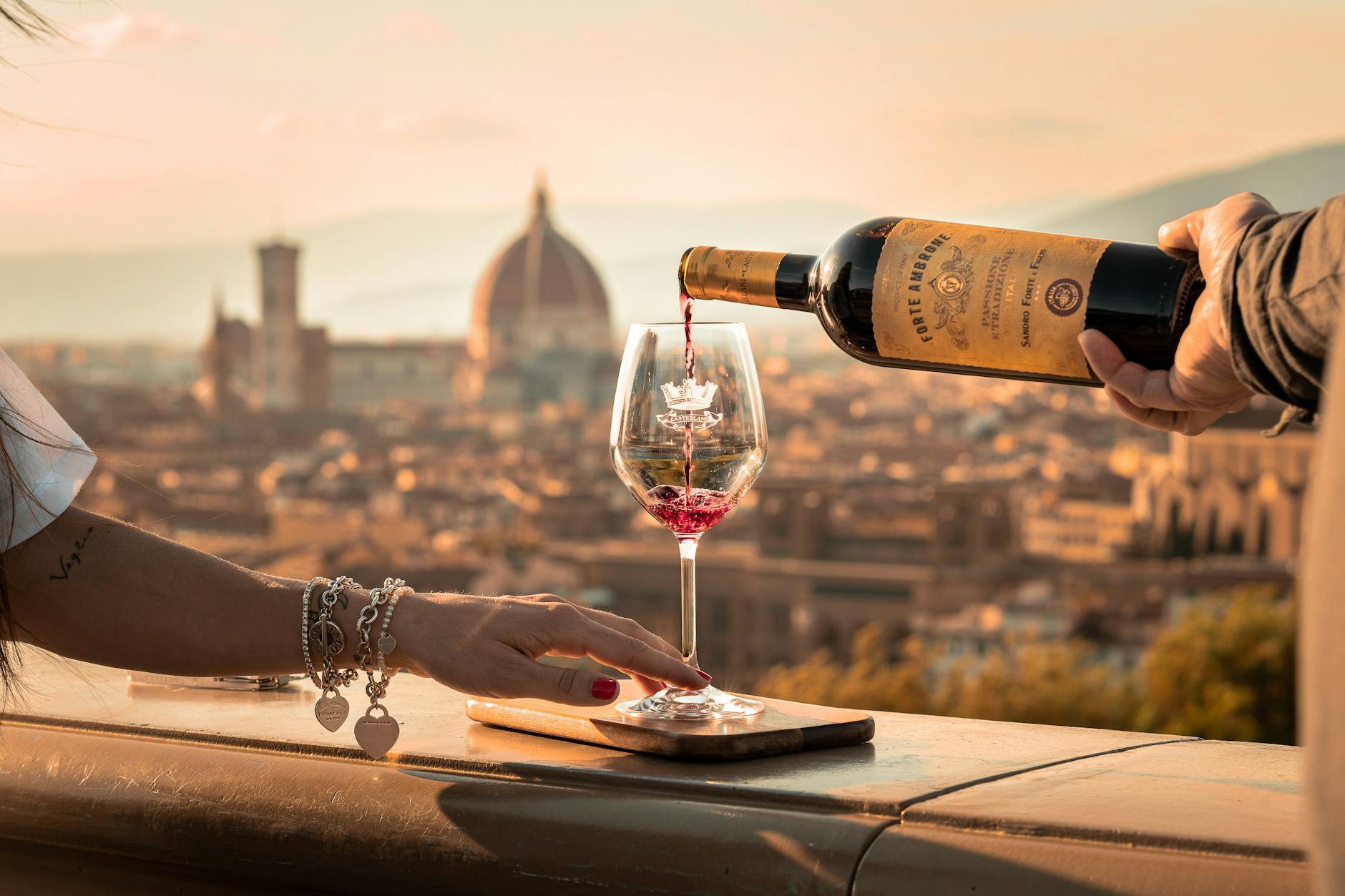
    Cover photo credit: Jon Sullivan, Public domain, via Wikimedia Commons

  • Learning to Speak Italian (Wine)

    Learning to Speak Italian (Wine)

    A guide to Italy’s lesser‑known grapes—pronunciation encouraged, confusion forgiven.

    Italy is not a single wine language. It is a chorus of dialects, whispered in mountain valleys, shouted from sun‑baked coasts, and stubbornly preserved by families who never bothered to translate for outsiders. To learn Italian wine is not to memorize a list—it is to learn how words change when they cross a hill, how the same grape answers to multiple names, and how geography shapes accent, structure, and soul.

    Photo by Fabrizio Velez on Pexels.com

    This is your language lesson. We are not starting with ciao (Sangiovese) or grazie (Nebbiolo). Instead, we’re learning the phrases that make you sound fluent—the lesser‑known varietals that do make it outside of Italy if you know how (and where) to look.

    Think of this as conversational Italian for wine lovers.

    Photo by Andrea Mosti on Pexels.com

    Italian Is a Regional Language

    Before vocabulary, a rule: Italy does not speak one Italian wine dialect. Grapes change names as they cross borders. Sometimes they change personality. Sometimes they pretend to be something else entirely.

    So when you see multiple names in parentheses, don’t panic. That’s not confusion—it’s fluency.

    Photo by Toni Canaj on Pexels.com

    False Friends & Familiar Strangers

    Turbiana (a.k.a. Trebbiano di Lugana)

    Pronunciation: tur‑BEE‑ah‑nah

    Let’s clear the fog immediately.

    Turbiana is not the watery Trebbiano you’re thinking of. Grown around Lake Garda in Lugana DOC, this grape produces wines with texture, salinity, and surprising age‑worthiness.

    How it speaks: lemon oil, almond skin, white flowers, wet stone

    Why it matters: It teaches an essential Italian lesson—same family, different personality.

    Where to find it: Lugana DOC bottlings from Ca’ dei Frati, Zenato, Ottella

    Sangiovese Grosso (Brunello’s Real Name)

    Pronunciation: san‑joe‑VAY‑zeh GROSS‑oh

    Not lesser‑known, but deeply misunderstood.

    Sangiovese Grosso is not a different grape—it’s a biotype, thicker‑skinned and slower‑ripening than Chianti’s Sangiovese. Italians care about this distinction. You should too.

    How it speaks: sour cherry, dried rose, tea leaf, savory earth

    Why it matters: Italian wine often hinges on clones, not varietals.

    Where to find it: Brunello di Montalcino (widely exported)

    Photo by Leon Kohle on Pexels.com

    Northern Accents (Alpine & Adriatic)

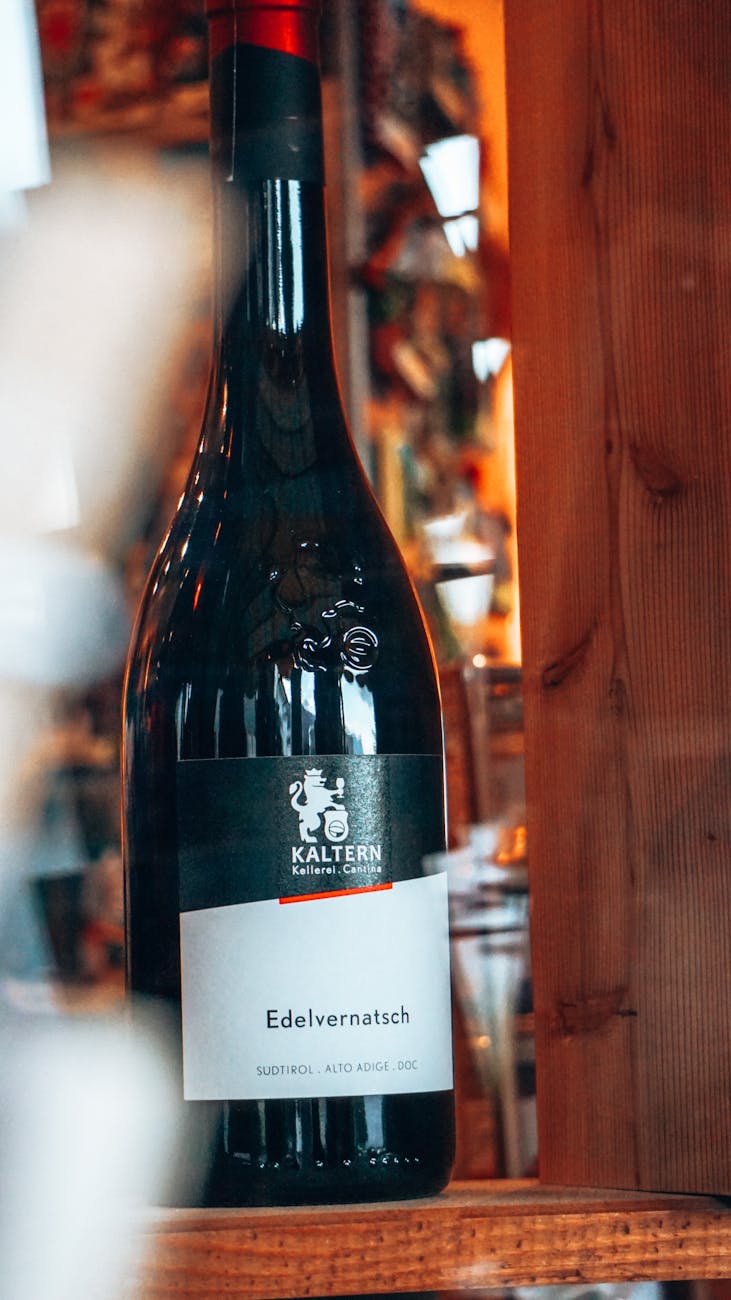
    Schiava (a.k.a. Vernatsch)

    Pronunciation: SKYA‑vah

    This is the grape everyone underestimates.

    From Alto Adige, Schiava produces pale‑colored reds with fragrance over power. Chill it slightly and it becomes irresistible.

    How it speaks: strawberry, alpine herbs, almond, fresh mountain air

    Why it matters: It breaks the myth that Italian reds must be heavy.

    Where to find it: Alto Adige DOC imports (Elena Walch, Cantina Tramin)

    Lagrein

    Pronunciation: lah‑GRAIN

    If Schiava whispers, Lagrein growls.

    Also from Alto Adige, Lagrein is deeply colored, muscular, and structured—yet retains alpine freshness.

    How it speaks: blackberry, cocoa, iron, violets

    Why it matters: Italy does bold without abandoning balance.

    Where to find it: Alto Adige Lagrein Rosso or Riserva

    Refosco dal Peduncolo Rosso

    Pronunciation: reh‑FOSS‑koh dal peh‑DOON‑koh ROSS‑oh

    Yes, the full name matters.

    This Friulian grape is dark, wild, and feral in the best way—high acidity, grippy tannin, and savory depth.

    How it speaks: sour cherry, forest floor, black olive, iron

    Why it matters: Friuli is not just Pinot Grigio country.

    Where to find it: Friuli‑Venezia Giulia specialists

    Central Italy’s Secret Vocabulary

    Ciliegiolo

    Pronunciation: chee‑leh‑JYO‑loh

    Long thought to be a clone of Sangiovese (it isn’t), Ciliegiolo is softer, rounder, and more openly fruited.

    How it speaks: ripe cherry, red plum, spice, soft herbs

    Why it matters: Tuscany has more voices than Chianti.

    Where to find it: Tuscany IGT bottlings

    Pecorino (Yes, Like the Cheese)

    Pronunciation: peh‑koh‑REE‑noh

    No sheep involved—just mountain acidity and structure.

    From Abruzzo and Marche, Pecorino delivers aromatic intensity with surprising weight.

    How it speaks: citrus zest, sage, stone fruit, salinity

    Why it matters: Italian whites can age.

    Where to find it: Abruzzo & Marche imports (Valentini if you’re lucky)

    Photo by Elijah Cobb on Pexels.com

    Southern Dialects (Sun, Salt & Structure)

    Nero d’Avola

    Pronunciation: NEH‑roh DAH‑voh‑lah

    Often simplified as “Sicilian Shiraz,” Nero d’Avola deserves better.

    How it speaks: black cherry, licorice, dried herbs, warm earth

    Why it matters: Sicily balances heat with restraint.

    Where to find it: Widely exported—look for single‑vineyard expressions

    Frappato

    Pronunciation: frah‑PAH‑toh

    If Nero d’Avola is Sicily’s bass line, Frappato is its melody.

    Light‑bodied, floral, and joyful—especially in Cerasuolo di Vittoria blends.

    How it speaks: raspberry, rose petal, pink peppercorn

    Why it matters: Southern Italy isn’t all power.

    Where to find it: Sicily DOC and Cerasuolo di Vittoria (Sicily’s only DOCG)

    Aglianico

    Pronunciation: ah‑LYAH‑nee‑koh

    Often called the “Barolo of the South,” though it doesn’t need the comparison.

    How it speaks: black fruit, smoke, leather, volcanic minerality

    Why it matters: Structure is not exclusive to the north.

    Where to find it: Taurasi DOCG, Aglianico del Vulture

    Photo by Andrea Mosti on Pexels.com

    Fluency Comes From Curiosity

    Learning to speak Italian wine is not about perfection—it’s about participation. Pronounce boldly. Ask questions. Follow the parentheses.

    Italy rewards effort.

    Because once you stop asking “Why is this so confusing?” and start saying “Ah… this is just another dialect,” you’re no longer translating.

    You’re conversing.

    Salute 🍷

    Cover Photo by Andrea Mosti on Pexels.com

  • New Year, New Pours

    New Year, New Pours

    A Sommelier’s Lighthearted Take on New Year’s Resolutions.

    New Year’s resolutions have a funny way of starting strong and fading fast. On January 1st, we’re full of optimism, bubbles in hand, convinced this is the year everything clicks. By mid-month, the gym bag is back in the trunk, the salad greens are suspiciously limp, and “Dry January” has quietly turned into “Well… maybe just this weekend.”

    Photo by Kseniia Lopyreva on Pexels.com

    At SOMM&SOMM, we like resolutions that feel less like chores and more like curiosity. Wine and spirits were never meant to be about guilt or restriction. They’re about discovery, conversation, and the occasional surprise. So instead of promising less, why not promise better?

    Let’s start with a little perspective.

    Photo by freestocks.org on Pexels.com

    The Bizarre Resolution Hall of Fame

    (Yes, people really committed to these.)

    “I will stop talking to my houseplants.”
    Apparently the plants asked for space.

    “I will only eat beige foods.”
    A bold year for potatoes. A rough one for joy.

    “I will learn to speak dolphin.”
    Ambitious, optimistic, and short on study materials.

    “I will stop Googling my own name.”
    Usually broken before the Champagne goes flat.

    “I will become famous without using the internet.”
    A noble idea with a questionable business plan.

    Note: Most resolutions fail because they’re either wildly unrealistic or painfully dull. Wine, thankfully, lives somewhere in between.

    Photo by Dou011fu Tuncer on Pexels.com

    Wine and Spirit Resolutions (That Aren’t Dry January)

    Dry January has its place, but it tends to dominate the conversation like an over-oaked Chardonnay at a dinner party. For those who prefer intention over abstinence, here are a few resolutions that encourage curiosity without sucking the fun out of the glass.

    The SOMM&SOMM Resolution List

    Obscure, fun, and actually doable

    🍷 One Grape You’ve Never Heard Of Each Month

    Skip Cabernet. Give Chardonnay a rest. Each month, seek out a grape you’ve probably never ordered before.

    Think Assyrtiko, Timorasso, Mencía, Grignolino, or Xinomavro. Pronunciation is optional. Enjoyment is not.

    Fun fact:
    Italy alone has more than 500 documented indigenous grape varieties. You could drink a new one every week and still barely scratch the surface.

    Start this resolution with a short toast 🍷
    “To grapes with names we confidently mispronounce.”

    🥃 Drink Older Than Your Drinking Habits

    Once a month, choose something with real history behind it.

    Armagnac instead of Cognac. Madeira instead of dessert wine. Genever instead of gin. Sherry that existed long before cocktail menus got clever.

    Fun fact:
    Madeira survived ocean voyages and tropical heat because it was intentionally heated. It’s one of the few wines that tastes better after being mistreated.

    Toast to drinking nostalgically 🍷
    “To spirits that have seen more history than we have.”

    📝 The One-Sentence Wine Journal

    Forget tasting grids and flavor wheels. Write one honest sentence per bottle.

    “This tastes like fall arguing with summer.”
    “I would absolutely drink this again, preferably outside.”
    “Perfectly fine, but not worth pretending.”

    Fun fact:
    Your brain remembers how a wine made you feel more than what it tasted like. Emotion sticks. Technical notes fade.

    Toast to echoing feelings 🍷
    “To fewer notes and better memories.”

    🍽️ Break One Pairing Rule Per Month

    Once a month, intentionally color outside the lines.

    Red wine with fish. Sherry with spicy takeout. Amaro at brunch. Sparkling wine with whatever you ordered last minute.

    Fun fact:
    Many classic pairings were discovered by accident, usually late at night and with zero planning.

    Toast to discovery 🍷
    “To wrong pairings that feel exactly right.”

    🌍 The Passport Pour

    Drink one wine or spirit from a country you’ve never explored in a glass.

    Georgia. Slovenia. Uruguay. Israel. Mexico beyond tequila.

    Fun fact:
    Georgia is home to the oldest known winemaking tradition on earth, more than 8,000 years old, using clay vessels buried in the ground.

    Toast to world travel… one glass at a time 🍷
    “To stamps in the passport we keep on the shelf.”

    ⏳ The Slow Glass

    Once a week, drink one glass only. Take 30 minutes to finish it. No phone. No TV. Just you and the glass.

    Fun fact:
    Wine changes in the glass. Aromas shift. Flavors open up. You notice things you miss when you rush.

    Toast to quiet, intentional sips 🍷
    “To slowing down enough to notice.”

    🎭 Drink Blind, Decide Honestly

    Once a month, taste something blind and commit to an opinion before you learn what it is. Wrong answers encouraged.

    Fun fact:
    Even Master Sommeliers get blind tastings wrong. Confidence comes before accuracy.

    Toast to deductive tasting conversations:
    “To being confidently wrong on the way to being right.”

    Photo by Kristina Paukshtite on Pexels.com

    A Final Thought on Resolutions

    The best resolutions don’t punish. They invite.
    They don’t restrict. They encourage.
    They don’t dry you out. They open you up.

    Wine and spirits aren’t about excess or abstinence. They’re about culture, connection, and curiosity. If you’re going to promise yourself anything this year, make it something that brings you back to the table.

    May your resolutions age gracefully, your curiosity stay uncorked, and your glass always be half full. Preferably with something obscure.

    Gregory Dean, SOMM&SOMM
    Cheers 🍷

  • The 12 Wines of Christmas

    The 12 Wines of Christmas

    A Guide to Sipping Through the Season.

    The air is crisp, the carols are floating through grocery store speakers with unmistakable cheer, and your inner wine geek is itching for a holiday-themed deep dive. And right in the heart of December, there’s no better time to revisit one of the season’s most enduring traditions: The Twelve Days of Christmas.

    But where did this curious list of gifts—from partridges to leaping lords—actually come from? And how did it inspire our very own 12 Wines of Christmas, a tasting journey designed to guide your holiday sips from the first day straight through Epiphany?

    These traditions get mixed up like holiday ribbons, so let’s untangle them.

    Photo by Douglas Mendes on Pexels.com

    Where Did the 12 Days of Christmas Come From?

    Long before it was a catchy (and increasingly absurd) carol, The Twelve Days of Christmas was a meaningful Christian observance marking the timeframe between the birth of Christ (December 25th) and the arrival of the Magi (January 6th).

    These were days of celebration—feasts, merriment, reflection, and in some regions, gift-giving. The number twelve wasn’t random; it symbolized completeness, renewal, and spiritual wholeness. Each day carried its own significance, depending on cultural and religious tradition, and it all culminated with Epiphany, often considered the true finale of the holiday season.

    The song itself?
    It first appeared in print in England in 1780 as part of a children’s memory-and-forfeit game. No music. Just a chant-like verse meant to test how well you could recall the list in order. Over time, composers set it to the tune we know today—building a festive crescendo of gifts that get stranger and more lavish with each passing day.

    Photo by Pavel Danilyuk on Pexels.com

    12 Days of Christmas vs. the Advent Calendar

    Before we pour ahead, let’s clear up a classic Christmas confusion.

    Advent is the period before Christmas—a countdown of preparation, beginning on the fourth Sunday before December 25th. Advent calendars, whether filled with chocolates, toys, skincare samples, or tiny bottles of spirits (a favorite around here), are meant to help you anticipate the big day.

    The 12 Days of Christmas, on the other hand, begin on Christmas Day. It’s not a countdown. It’s a celebration.

    Think of Advent as the slow build-up…
    …and the Twelve Days as the extended after-party.

    Photo by Vladimir Konoplev on Pexels.com

    Introducing the 12 Wines of Christmas

    A Sommelier’s Day-by-Day Guide to Sipping Through the Season

    🎁 Day 1 (Dec 25) – A Partridge in a Pear Tree

    Wine: Vouvray Demi-Sec (Chenin Blanc)
    Why: Orchard fruit, honey, and that holiday-friendly acidity.
    Optional Cocktail: Pear French 75 – gin, lemon, pear liqueur, topped with sparkling Vouvray.

    🎁 Day 2 – Two Turtle Doves

    Wine: Côtes du Rhône Rouge
    Why: A blend built on harmony—two grapes (Grenache + Syrah) leading the dance.
    Optional Cocktail: Winter Kir Royale with crème de cassis and Rhône rosé bubbles.

    🎁 Day 3 – Three French Hens

    Wine: Beaujolais Cru (Morgon or Moulin-à-Vent)
    Why: French, festive, and an ideal pairing for leftover turkey sandwiches.

    🎁 Day 4 – Four Calling Birds

    Wine: Oaked Chardonnay from Sonoma or Burgundy
    Why: A nod to the “calling”—big flavors, toasty oak, buttered brioche vibes.
    Optional Cocktail: Chardonnay Hot Toddy (trust me, it works—gentle heat + spice).

    Chardonnay Hot Toddy

    • 4 oz lightly oaked Chardonnay (Sonoma Coast, Mâconnais, or similar)
    • ½ oz honey syrup (1:1 honey + water)
    • ½ oz fresh lemon juice
    • 1 cinnamon stick
    • 1 clove
    • Thin lemon wheel

    Instructions

    1. Warm the Chardonnay on low heat with the cinnamon stick and clove—do not boil.
    2. Remove from heat and stir in honey syrup and lemon juice.
    3. Pour into a heatproof mug.
    4. Garnish with a lemon wheel and the cinnamon stick.

    Flavor Profile: Gentle spice, soft oak, plush citrus, and comforting warmth.

    🎁 Day 5 – Five Golden Rings

    Wine: Champagne
    Why: Golden bubbles for the most iconic line in the song.
    Optional Cocktail: Gold Rush Royale – bourbon, lemon, honey, topped with brut Champagne.

    Gold Rush Royale

    • 1 oz bourbon
    • ¾ oz fresh lemon juice
    • ¾ oz honey syrup
    • 3 oz brut Champagne (or dry sparkling wine)
    • Lemon twist for garnish

    Instructions

    1. Shake bourbon, lemon juice, and honey syrup with ice.
    2. Strain into a chilled coupe.
    3. Top with Champagne.
    4. Express a lemon twist over the glass and drop it in.

    Flavor Profile: Bright, honeyed, gently herbal, and celebration-ready.

    🎁 Day 6 – Six Geese a-Laying

    Wine: Gewürztraminer
    Why: A playful nod to the aromas—rose, lychee, spice—perfect with rich holiday brunches.

    🎁 Day 7 – Seven Swans a-Swimming

    Wine: Albariño
    Why: Aquatic theme + saline, refreshing acidity = a perfect mid-festivity reset.

    🎁 Day 8 – Eight Maids a-Milking

    Wine: Cream Sherry (Amontillado or Medium)
    Why: Nutty, silky, slightly creamy—holiday perfection.
    Optional Cocktail: Sherry Flip – elegant, old-school, and oh-so-seasonal.

    🎁 Day 9 – Nine Ladies Dancing

    Wine: Lambrusco (Dry)
    Why: Effervescence + vibrant fruit = a wine that practically twirls in your glass.

    🎁 Day 10 – Ten Lords a-Leaping

    Wine: Brunello di Montalcino
    Why: Structured, noble, full of energy—this wine leaps with aristocratic swagger.

    🎁 Day 11 – Eleven Pipers Piping

    Wine: Islay Scotch-Cask Finished Red Wine (or simply: enjoy the Scotch!)
    Why: Smoky, spicy, bold—perfect for the pipers’ dramatic flair.
    Optional Cocktail: Smoked New York Sour – red wine float + peated whisky.

    Smoked New York Sour

    • 2 oz peated Scotch (lightly peated works best)
    • 1 oz fresh lemon juice
    • ¾ oz simple syrup
    • ½ oz dry red wine (Malbec or Syrah works beautifully)
    • Lemon peel

    Instructions

    1. Shake Scotch, lemon juice, and simple syrup with ice.
    2. Strain into a rocks glass over fresh ice.
    3. Gently float the red wine over the back of a spoon.
    4. Garnish with lemon peel.

    Flavor Profile: Smoky, tart, layered, and visually stunning.

    🎁 Day 12 – Twelve Drummers Drumming

    Wine: Port (Vintage or LBV)
    Why: Big, bold, booming flavor—an appropriate finale to the holiday symphony.
    Optional Cocktail: Ruby Port Espresso Martini – a surprisingly spectacular twist.

    Ruby Port Espresso Martini

    • 1 oz Ruby Port
    • 1 oz vodka
    • 1 oz fresh espresso (or cold brew concentrate)
    • ½ oz coffee liqueur
    • Optional: ¼ oz simple syrup for sweetness
    • Coffee beans for garnish

    Instructions

    1. Shake all liquid ingredients vigorously with ice.
    2. Strain into a chilled martini glass.
    3. Garnish with three coffee beans.

    Flavor Profile: Balanced between fruity and roasty, with a velvety richness

    Photo by Nadin Sh on Pexels.com

    A Festive Finale

    As the last notes of the carol fade and the final drops in each glass give way to a new year, the 12 Wines of Christmas remind us that the joy of the season isn’t found in extravagance—it’s found in the small, thoughtful rituals we savor along the way.

    Whether you follow the list sip by sip, swap in your own favorites, or shake up a festive cocktail instead, each day offers a moment to pause, celebrate, and connect.

    Here’s to raising a glass to tradition, to curiosity, and to the simple magic that happens when wine, story, and season all come together.

    May your holidays be bright, your cellar well-stocked, and your spirit joyfully lifted—one delicious day at a time. Cheers 🍷

    Cover Photo by Arjunn. la on Pexels.com