Tag: Introductory Sommelier Course

  • Multifaceted Journey of Becoming a Wine Professional

    Multifaceted Journey of Becoming a Wine Professional

    In the realm of oenology, the path to becoming a wine professional is as complex and diverse as the flavors and aromas found within a fine Bordeaux. It’s a journey that requires not only a refined palate but also a deep understanding of numerous academic disciplines. From history to geography, geology to viticulture, and beyond, the pursuit of wine expertise is a multifaceted odyssey that demands dedication, curiosity, and a voracious appetite for knowledge.
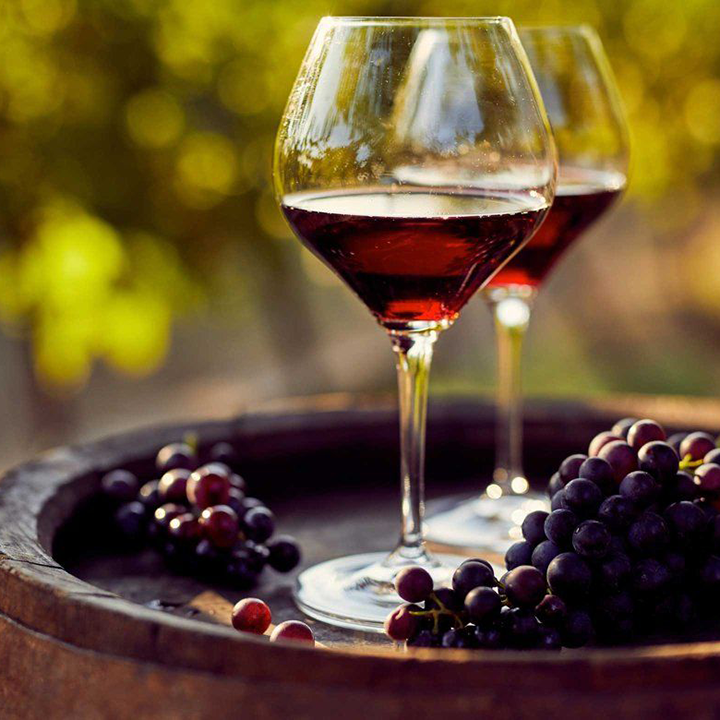
    Embark on your own journey to becoming more knowledgable about wine… You’ll be glad you did!

    At the heart of any wine professional’s education lies an appreciation for history. Understanding the rich tapestry of wine’s past is essential for contextualizing its present and forecasting its future. From the ancient vineyards of Mesopotamia to the illustrious estates of Bordeaux, the story of wine is woven into the fabric of human civilization. By delving into historical texts, archival records, and archaeological findings, aspiring sommeliers gain insights into the evolution of winemaking techniques, the rise and fall of wine empires, and the cultural significance of wine throughout the ages.

    Geography serves as another cornerstone of wine education. A deep understanding of the world’s wine regions, their climates, soils, and topographies, is crucial for comprehending the diverse array of wines produced across the globe. Whether it’s the chalky hillsides of Champagne, the sun-drenched vineyards of Napa Valley, or the rugged terrain of the Douro Valley, each winegrowing region imparts its unique terroir onto the grapes, influencing the character and quality of the wines produced.

    Geology also plays a pivotal role in the study of wine. By examining the geological composition of vineyard soils, wine professionals can discern how different mineral deposits affect grapevine growth and wine flavor profiles. From limestone to granite, schist to volcanic ash, the geological diversity of wine regions contributes to the complexity and nuance of the wines they produce.

    Viticulture and viniculture, the sciences of grape growing and winemaking, respectively, provide the technical foundation upon which wine professionals build their expertise. From vineyard management practices to cellar techniques, mastering these disciplines requires hands-on experience, as well as a thorough understanding of plant biology, microbiology, chemistry, and fermentation processes.

    In addition to these core disciplines, the study of wine often extends to encompass spirits, beer, and sake. Organizations like The Court of Master Sommeliers recognize the interconnectedness of these libations and require candidates to demonstrate proficiency across a spectrum of alcoholic beverages. Whether it’s discerning the nuances of single malt Scotch whisky, exploring the complexities of Belgian Trappist ales, or understanding the craftsmanship behind Japanese sake, a well-rounded wine professional must possess a broad knowledge base that extends beyond the grapevine.

    In the infinite depths of the vineyard, the pursuit of wine knowledge is a journey without end, where every sip uncovers a new chapter in the timeless story of taste and appreciation.

    Gregory Dean, SOMM&SOMM

    During intense wine-study sessions and exams, aspiring sommeliers are challenged to draw upon the breadth and depth of their academic pursuits. They must identify wines blind, articulate tasting notes with precision, and navigate the intricacies of food and wine pairing with finesse. From memorizing wine lists to mastering the art of service, the demands placed upon wine professionals are as rigorous as they are rewarding.

    The Court of Master Sommeliers, Wine & Spirit Trust (WSET), and the Society of Wine Educators all provide training and certifications in wine knowledge, service, and education. While each program offers their own learning paths and methodology towards tasting and evaluation, make no mistake–it takes a commitment to learning to succeed. Each level becomes more difficult, but it is worth the effort 😉

    The journey to becoming a wine professional is a holistic endeavor that encompasses a diverse array of academic disciplines. From history and geography to geology, viticulture, and viniculture, each facet of wine education contributes to a deeper understanding of this timeless elixir. By embracing the complexity of wine and committing to a lifelong pursuit of knowledge, aspiring sommeliers can embark on a transformative journey that will enrich both their palates and their lives. Cheers to the passionate pursuit of wine excellence! 🍷

  • What is a Sommelier Anyway?

    What is a Sommelier Anyway?

    When you hear the term “sommelier,” you might picture a poised individual in a fine dining restaurant, expertly swirling a glass of wine while offering sophisticated descriptions of its aroma and taste. But what exactly is a sommelier, and what role do they play in the world of wine? Let’s embark on a delightful journey through the history, meaning, certifications, skills, and traditions associated with this esteemed profession.

    Origin and History

    The term “sommelier” originates from the Old French word “sommier,” which referred to a pack animal driver. However, in the context of wine, the meaning evolved to denote the person in charge of transporting and managing the precious wine supplies of medieval kings and nobility. Over time, the role expanded to include wine tasting and selection, leading to the modern-day definition of a wine steward or expert. Here are a few famous sommeliers from history and the reasons their legacy lives on:

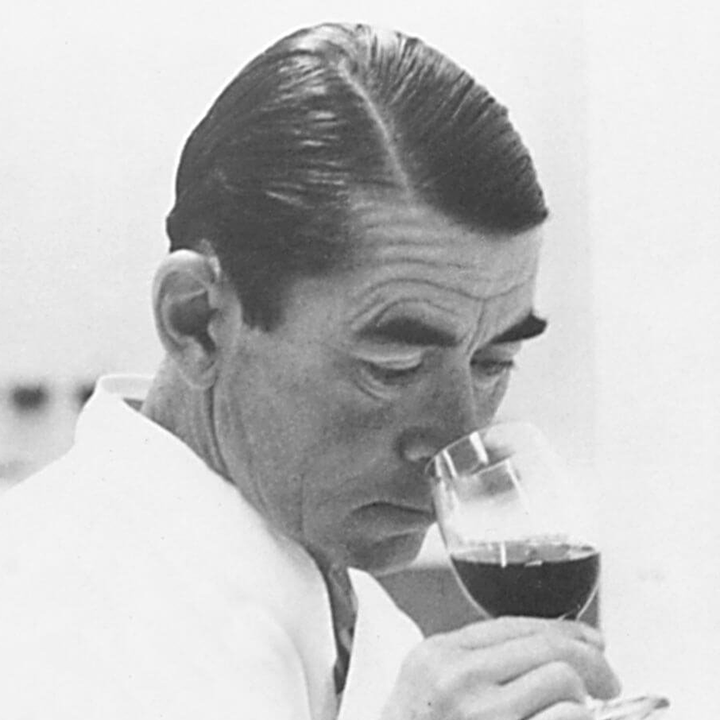
    André Tchelistcheff (December 7, 1901 – April 5, 1994)

    André Tchelistcheff

    Known as the “Dean of American Winemakers,” André Tchelistcheff was a pioneering figure in the American wine industry. Born in Russia in 1901, he moved to the United States and revolutionized winemaking techniques, particularly in California.

    Tchelistcheff’s expertise in viticulture and enology helped establish California wines on the global stage, earning him widespread recognition and admiration.

    Tchelistcheff’s legacy lives on through his groundbreaking work in improving winemaking practices, particularly in the Napa Valley region. His emphasis on quality, innovation, and attention to detail set the standard for generations of winemakers to come, shaping the trajectory of American wine culture.

    Jancis Robinson (April 22, 1950 – )

    Jancis Robinson

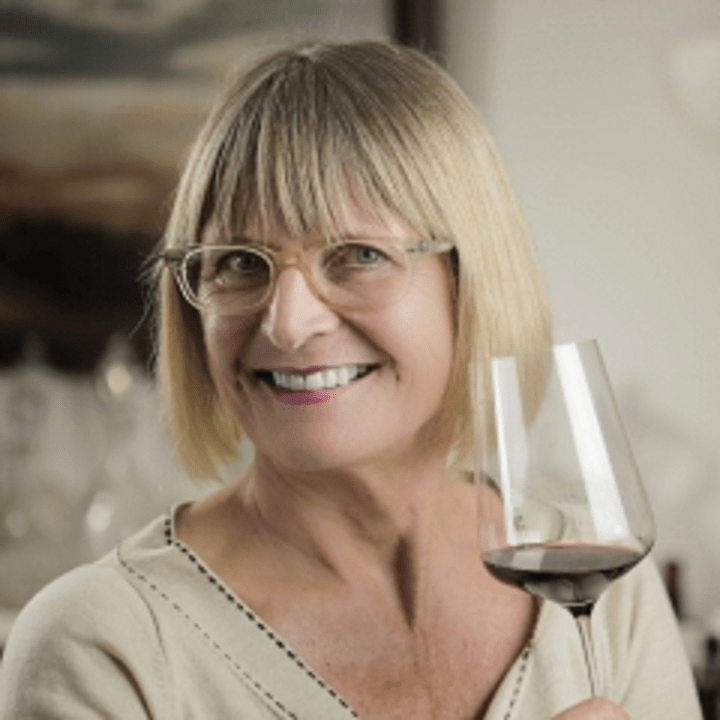
    Jancis Robinson is a renowned British wine critic, journalist, and Master of Wine. Her influential career spans decades and has had a profound impact on the world of wine appreciation and education.

    Robinson is celebrated for her comprehensive wine knowledge, eloquent writing style, and commitment to promoting wine appreciation among enthusiasts of all levels.

    Robinson’s continues to build a legacy through her extensive body of work, including books, articles, and television programs, which have demystified the world of wine and made it more accessible to a wider audience. Her contributions to wine education and criticism continue to inspire aspiring sommeliers and wine enthusiasts worldwide.

    Georges-Auguste Escoffier (October 28, 1846 – February 12, 1935)

    Georges-Auguste Escoffier

    Georges-Auguste Escoffier, often referred to as the “Emperor of Chefs” and the “King of Chefs,” was a legendary French chef and restaurateur. While not solely a sommelier, Escoffier’s influence on modern gastronomy and dining culture is undeniable.

    He revolutionized French cuisine and restaurant service, introducing innovative culinary techniques and standards of excellence that continue to shape the hospitality industry.

    Escoffier’s legacy lives on through his timeless culinary principles, including his emphasis on precision, quality ingredients, and meticulous attention to detail. While he may not have been a sommelier in the traditional sense, his influence on fine dining and the art of hospitality has had a lasting impact on the role of wine service in restaurants around the world.

    These sommeliers and culinary luminaries have left indelible marks on the world of wine and dining, shaping its evolution and inspiring future generations of enthusiasts and professionals alike. Their legacies endure through their contributions to wine education, innovation, and the elevation of the dining experience.

    Certifications and Levels of Knowledge

    Becoming a certified sommelier involves rigorous training and examination. Various organizations, such as the Court of Master Sommeliers, the Wine & Spirit Education Trust (WSET), and the International Sommelier Guild, offer structured programs and exams to assess candidates’ knowledge and tasting abilities.

    The Court of Master Sommeliers, for instance, offers four levels of certification: Introductory, Certified, Advanced, and Master Sommelier. Each level requires a deeper understanding of wine regions, grape varieties, wine production techniques, and impeccable tasting skills.

    Skills Displayed During Wine Service

    A sommelier’s role during wine service extends beyond merely pouring wine into a glass. They are tasked with enhancing the dining experience through their knowledge, recommendations, and impeccable service. Specific skills displayed during wine service include:

    • Wine Pairing: Matching wines with food to complement flavors and enhance the overall dining experience.

    Decanting: Aerating wine to soften tannins and release aromas, particularly for older red wines.

    • Temperature Control: Ensuring wines are served at the appropriate temperature to preserve their flavors.

    • Glassware Selection: Choosing the right type of glassware to showcase the wine’s characteristics.

    • Cork Handling: Opening and presenting wine bottles with finesse, especially for aged or rare wines.

    Hosting a Wine-pairing Dinner at The Blue Flame

    Enhancing the Dining Experience

    A skilled sommelier can elevate a dining experience from enjoyable to extraordinary. By guiding guests through the wine selection process, sharing stories about vineyards and winemakers, and offering personalized recommendations based on individual preferences, sommeliers create memorable moments that linger long after the last sip.

    Tasting and Evaluation Skills

    Becoming a sommelier requires honing exceptional tasting and evaluation skills. Sommeliers must be able to assess wine qualities such as appearance, aroma, taste, body, acidity, and finish accurately. They undergo rigorous training to develop their palates, often participating in blind tastings to sharpen their ability to identify grape varieties, regions, and quality levels.

    Serving Champagne Properly is an Art

    Most Difficult Wine to Serve Properly

    While every wine presents its unique challenges, one of the most difficult wines to serve properly is Champagne or sparkling wine. Its effervescence requires precise handling to prevent excessive foaming and preserve the bubbles. Additionally, serving Champagne at the correct temperature is crucial to maintaining its freshness and liveliness.

    A sommelier is much more than a wine expert in a fancy restaurant. They are guardians of wine culture, storytellers of vineyard landscapes, and orchestrators of unforgettable dining experiences. Through their extensive knowledge, impeccable service, and passion for wine, sommeliers enhance our enjoyment and appreciation of one of life’s greatest pleasures. So, the next time you raise a glass of wine, remember to toast to the dedicated sommeliers who make each sip a moment to savor.

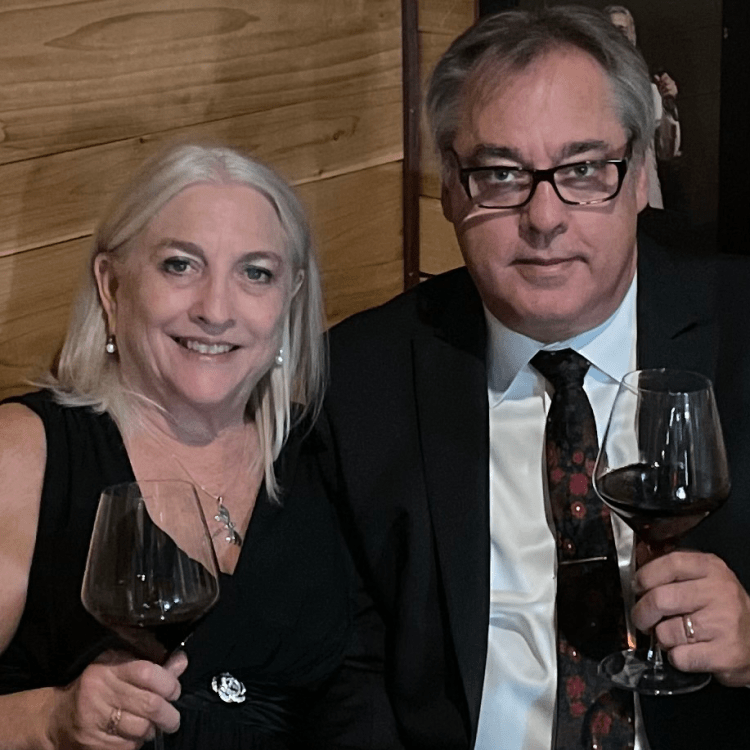
    Greg and Tammy Dean – SOMM&SOMM

    Cheers! 🥂

  • Enthusiast to Sommelier: Just the Beginning

    Enthusiast to Sommelier: Just the Beginning

    The best things happen outside your comfort zone. The first few months of this journey left Tammy and me mentally exhausted, but at the same time energized. Keeping this journey of oenology and viticulture a secret was an enormous challenge. Every interaction with our friends and family was an opportunity to reveal our plans, but somehow we kept it under wraps–at least for a minute or two 😉 One reason to keep it hush hush was to save ourselves from embarrassment in the event something went terribly wrong.

    We have attended (and hosted) many wine-centric events over the past fifteen months–during which time we shared some incredible wines paired with amazing cuisine–all contributing to our journey from enthusiasts to sommeliers. Our friends’ and family’s shared passion for wine was the inspiration needed to forge ahead with the first-step to becoming a certified sommelier. We are, in fact, eternally grateful to everyone who knowingly and unknowingly contributed to our success.

    Special thanks to Scott and Alison White

    Our friends Scott and Alison White have made us feel like there was nothing we couldn’t accomplish with a little hard work, and a lot of liquid courage (wine). Scott blazed the trail by being the first to jump into the deep-end of the wine knowledge pool. We embrace every opportunity to participate in his relentless pursuit of the perfect wine pairing dinner. We are in awe of his extensive collection of wine, and have cherished every moment of traveling, dining, and attending events with Scott and Alison.

    Special thanks to Dima and Oksana Semenski

    Dima and Oksana are responsible for our involvement in several local wine enthusiast clubs. They are good friends, gracious hosts (see Wine Experiences: A Taste of Adelsheim), and natural oenologist with a passion for robust old world reds and obscure whites. From the first time we met–at a local wine bar–to the many wine-related events and special occasions, Dima and Oksana have shared our love of wine and appreciation of wine knowledge.

    Special thanks to Mike and Patti Weber

    Mike and Patti are without a doubt two of the most fun-loving, life-embracing people we’ve ever met. We feel fortunate to be on their exhaustive list of friends. There have been countless events in their home–including Wine Experiences: The Debate–and each one somehow rivals past events. This is also true with casual get-togethers and spontaneous outings, where there are usually a bottle or three of Bordeaux making its way to our glasses 😉

    While it is important to note that I am now on a first name basis with the FedEx guy–because of all the hard-to-find wines we’ve acquired and tasted along the way–the two local venues (95 and Vine and The Chalice Off Canal) played an important part in our journey. These wine bars both provided sanctuary and much needed escape from the textbooks. Not to mention an amazing selection of wines and wine-friendly food. Yes, please.

    As mentioned in the title, this is just the beginning. There is so much to learn (and appreciate) as it relates to oenology and viticulture, it can truly be never-ending (in a good way). The Court of Master Sommeliers online courses were organized very well, and the instructors were engaging and professional. While not the same experience as the in-person Introductory Sommelier Course & Examination, we definitely gained tremendous knowledge. I’ve already started researching enrollment in the next level CMS course, as well as Wine & Spirits Education Trust (WSET) courses.

    The journey continues 😉

  • Enthusiast to Sommelier: Final Countdown

    Enthusiast to Sommelier: Final Countdown

    What started out as a very clear path to sommelier-hood was quickly disrupted by the pandemic. This week, however, begins our final countdown to completing the Introductory Sommelier Course & Examination. If you’ve followed the journey, beginning with Enthusiast to Sommelier: Getting Started, you quickly realize how self-study followed by a two-day course and examination turned into a fifteen-month marathon. Sometimes it seemed more like a fifteen-month rollercoaster 😉 Fortunately, there was wine. Lots of wine!

    The past few months have been non-productive. Summer is the time to enjoy the easy breezy lifestyle of casual get togethers and family gatherings. And while many (ok… all) of these events involved wine, it didn’t involve wine education. With the exception of several wine-themed events–such as tastings and food/wine pairings–very little progress was made towards preparing for the exam. All of that changed this week as we begin the final countdown.

    We began the week with a bing-watching day of online classes hosted by various Master Sommeliers of The Court of Master Sommeliers. Then we each took six practice exams to get an idea of where we need to concentrate our studies. As expected, recalling most of the information about major wine regions was second nature. This was definitely not the case with the more diverse regions (e.g. Loire Valley). For the next four evenings, we will be diving deep into these challenging regions. If all goes well, we will have completed the course and examination by this time next week.

    The clock is ticking 😉

    First article in this series: Enthusiast to Sommelier: Getting Started

  • Enthusiast to Sommelier: World Class Classes

    Enthusiast to Sommelier: World Class Classes

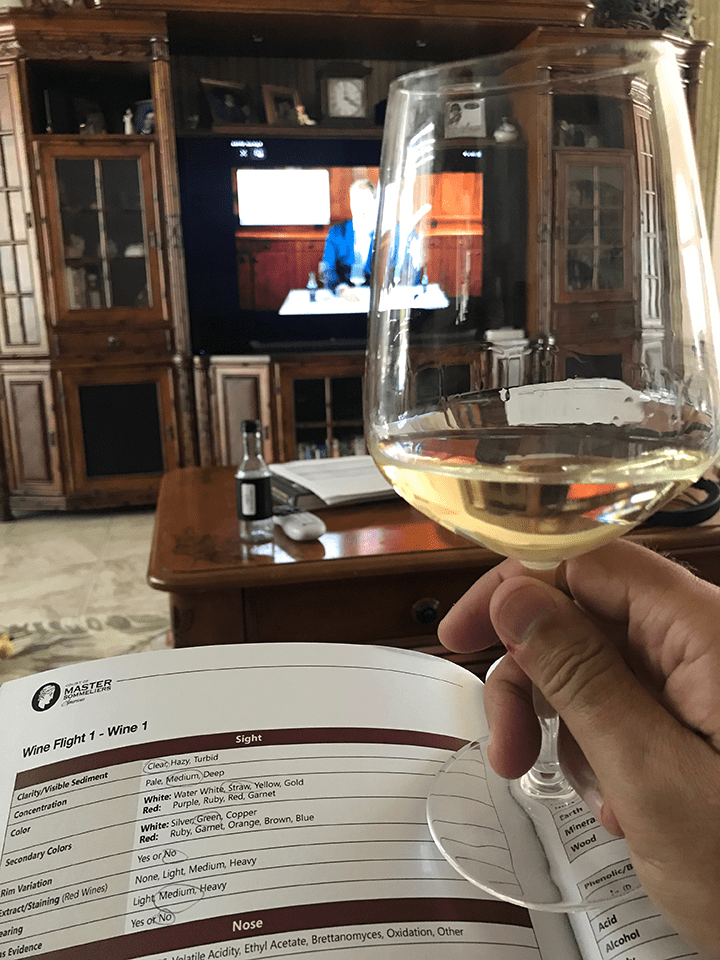
    Absolutely love, love, love the new online classes offered by The Court of Master Sommeliers. The online Introductory Sommelier Course & Examination is broken down by sections, and closely aligns with the Introductory Sommelier Course 2019 Workbook. Every video lecture is presented by a master sommelier. All of the information given during the lectures reenforce the learning materials, but also dives much deeper into the details. Each master sommelier provides brilliant insight into their own experiences while inspiring you to continue the path through Certified Sommelier, Advanced Sommelier and finally—Master Sommelier 😉

    It was hard to imagine how CMS would be able to maintain the same level of high standards and differentiation in the on-line environment as in the in-person classes. They absolutely nailed it! These classes are world class. The tasting portion of the classes fall strategically throughout the course, and features 18 different wines for honing your skills in using the CMS Deductive Tasting Method. Even though the classes are self-paced… it is very difficult to not ‘binge watch’ all 30 sections. We have, after all, grown accustomed to binging.

    I wanted to make sure we were well into the online courses and curriculum before providing feedback. As of this blog post, Tammy and I have read and re-read everything prescribed by The Court of Master Sommeliers in anticipation of the two-day in-person course in October 2020. Due to the challenges associated with the pandemic, our course was moved several times… and eventually postponed indefinitely. It has been nearly one year since we started this journey, and it finally feels like there is an end in sight 😉

    We have until November 2021 (six months) to traverse the lectures, learn the CMS Deductive Tasting Method, and take the exam. Given the fact that we’ve been in pursuit of this milestone for nearly a year, we decided to schedule the exam as early as we’d feel comfortable–August 2021. The lectures are designed to build upon what we’ve learned in the course reading materials. The master sommeliers move at a quick pace, but explain things in a way to help provide clarity to some of the vague and confusing areas in the curriculum. And while we certainly miss the interaction of an in-person classroom setting, the on-demand on-line experience has some good advantages.

    As mentioned earlier, you have six months to complete the on-line course. Unlike the 2-day in-person Introductory Sommelier Course & Examination, you have unlimited access to the videos. If something was confusing, watch it again. Personally, I enjoy having a conversation about wine during a tasting. The online (self-paced) experience doesn’t offer the opportunity to stand up and present your impression and analysis of the wines. This is an important skill, and a big part of the #sommlife

    I would encourage anyone seeking to expand their basic knowledge wine and related topics–such as viticulture and vinification practices, wine laws, major wine regions, grape varietals, and more–to enroll in this course. Knowledge is a good thing.

    First article in this series: Enthusiast to Sommelier: Getting Started

  • Enthusiast to Sommelier: We’re Back! Again.

    Enthusiast to Sommelier: We’re Back! Again.

    After several months of hiatus (not really), we are back on-track to participate in the Introductory Sommelier Course & Examination. It has been nearly one year since this journey began. Over the past six months, we have experienced three reschedules and several shifts in direction by The Court of Master Sommeliers brought on by the challenges of the pandemic. They have done an amazing job in proactively communicating with the CMS community, and adjusting the programs to accommodate safely and social-distancing guidelines.

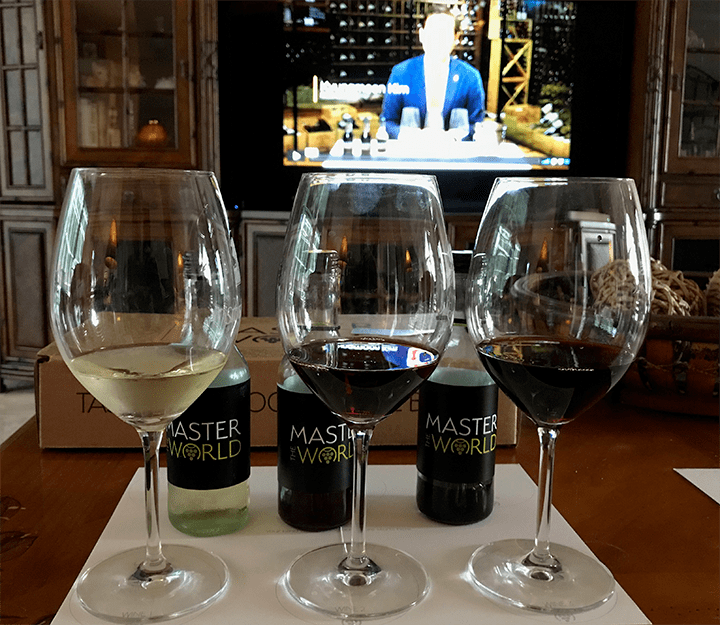
    As promised, The Court of Master Sommeliers developed an on-line solution for the Introductory Sommelier Course & Examination. Individuals who previously enrolled in one of the canceled live courses have the opportunity to transfer their registration to the online learning courses. The CMS team has even worked out details surrounding the Deductive Tasting Methodology exercises in the course. For each registration, Master the World wines will provide a wine kit specific to the program.

    We are looking forward to being part of the initial launch, and continuing our goals through the new online learning environment. We’ll miss the face-to-face experience and live interaction in the classroom, but I believe this approach will still lead us to the desired outcome–completion of the first step of our journey. This means, of course, passing the exam 😉

    The Court of Master Sommeliers has partnered with ProctorU for administering the exams. There is an extensive list of technology, connectivity and workspace environment that must be followed during the proctored exam. And rightly so. Our online courses will begin on May 3, and the exams are scheduled in August. Looks like another few months of heads down in the books, and we will finally celebrate!

    Feeling re-energized!

    Next article in this series: Enthusiast to Sommelier: World Class Classes

    First article in this series: Enthusiast to Sommelier: Getting Started

  • Enthusiast to Sommelier: Holding Pattern

    Enthusiast to Sommelier: Holding Pattern

    Who knew that our sprint to sommelier-hood would eventually become a marathon filled with rescheduled classes, delayed exams and overall uncertainty. We are now just over ten months deep into the curriculum for the Introductory Sommelier Course & Examination without an end in sight. Due to unforeseen challenges caused by the COVID-19 pandemic, our scheduled course and examination has been postponed–indefinitely.

    The Court of Master Sommeliers has been completely transparent in communicating changes to their programs and plans to adopt safety protocols once the in-person courses resume. As of now (mid-March 2021), all brick-and-mortar courses have been postponed through the end of June 2021. This gauntlet of challenges has inspired CMS to develop and launch a suite of online courses. The first is slated for release in April 2021.

    Given the complexity of the Certified Sommelier Examination and Advanced Sommelier Course & Examination, I would imagine that only the Introductory Sommelier Course & Examination will be available online. Some of the self-paced training videos have been posted on the The Court of Master Sommeliers website.

    I am a fan of online learning, and I’m anxious to see how CMS curriculum developers handle teaching the Deductive Tasting Method in an online environment. Regardless, we are ready to resume our quest. Meanwhile… keep studying 😉

    Might need a new corkscrew before it’s over!

    First article in this series: Enthusiast to Sommelier: Getting Started

    Next article in this series: Enthusiast to Sommelier: We’re Back! Again.

  • Enthusiast to Sommelier: Parallel Studies

    Enthusiast to Sommelier: Parallel Studies

    Our quest to join the ranks of sommelier-hood has certainly been riddled with challenges. We became serious with our studies in the early summer of 2020. As you probably know–because you were also affected by the pandemic–most public events were either scaled back, made virtual, or cancelled. The Introductory Sommelier Course & Examination was no exception. At first, it was rescheduled to a later date. Then cancelled. We are in a holding pattern while we wait for the in-person courses to resume (or go virtual).

    Meanwhile… to keep the momentum, we’ve toyed with the idea of parallel studies. And, why not? After multiple passes through the study materials prescribed by The Court of Master Sommeliers, information is beginning to stick. So, why not study curriculum from another reputable wine education and professional advancement organization–such as the Wine & Spirit Education Trust (WSET)? Is too much knowledge really a concern? I don’t think so 😉

    At first glance it looks as if the knowledge and skills required to pass each level of The Court of Master Sommeliers tests and certifications are not aligned with WSET levels. The biggest difference is with the service-centric aspects of the highly regarded Court of Master Sommeliers program. Specifically, it is imperative to understand (and be able to perform) the proper techniques for serving wine. This includes the ritualistic approach to decanting, as well as the formal serving of Champagne (to name a few). The WSET programs do not focus on service, but instead allows students the opportunity to specialize in a specific area.

    It’s about to get intense 😉

    Next article in this series: Enthusiast to Sommelier: Holding Pattern

    First article in this series: Enthusiast to Sommelier: Getting Started

  • Enthusiast to Sommelier: A Glimmer of Hope

    Enthusiast to Sommelier: A Glimmer of Hope

    The pandemic has certainly created additional challenges no one could have predicted. We are wrapping up our eighth month of study and preparation for the Introductory Sommelier Course & Examination., with no scheduled testing date(s). The Education and Examination Committees are working diligently to keep everyone informed of new program changes and schedules. In the most recent communication, there was mention of an online classroom and testing option being developed. This news provides the much needed glimmer of hope to help us stay focused on achieving our goals.

    We first started our journey to #sommlife with much enthusiasm, no idea what to expect, and excited to participate in the program(s) developed by The Court of Master Sommeliers. There are a few articles and blogs from individuals who have participated in the various programs, but most information simply describes the overall experience. The details surrounding each program is a well-kept secret–and rightly so. Not knowing exactly what’s ahead makes it even more important to study all of the materials in depth. At this point, we have made multiple passes through the Introductory Sommelier Course 2019 Workbook by the Court of Master Sommeliers. There is always something that becomes more clear every time it is read and discussed.

    Given the challenges of 2020-2021, we are very happy with the responsiveness transparency of The Court of Master Sommeliers. Can’t wait to put this first challenge behind us and continue our journey.

    Back to the books 😉

    Next article in this series: Enthusiast to Sommelier: Parallel Studies

    First article in this series: Enthusiast to Sommelier: Getting Started

  • Enthusiast to Sommelier: Aroma Training

    Enthusiast to Sommelier: Aroma Training

    Our sense of smell is probably one of the most important tools for studying, analyzing, and ultimately enjoying wine. The Court of Master Sommeliers teaches the importance of smell as part of their Deductive Tasting methodology. Throughout the Introductory Sommelier Course & Examination journey, we have been inundated with wine-centric terminology. This includes a plethora of words used to describe the color, smell, taste, and other characteristics of wine. Terminology used to describe the color and density of wine seems less obscure and subjective than describing aroma. Why is that?

    We each have a lifetime of references to color. Aromas are different. Aromas can be difficult. One issue that I have noticed is the varying differences of an aromatic characteristic across wines with different alcohol levels. In other words, the black cherry aroma in a Primitivo will not smell the same as in an Amarone. Your brain along with your entire olfactory system needs to be calibrated to isolate these pure scents from the alcohol–and of course, the other scents. How do you do that?

    With an unlimited supply of wine, you could taste and hopefully remember every varietal and vintage. For the rest of us, I recommend investing in a wine aroma kit. Thanks to a very thoughtful Santa, I am in possession of the Wine Aroma Kit from the Aroma Academy. I can’t speak to the quality and accuracy of other aroma kits, but this one has far exceeded my expectations. The idea is to coat the special paper strips with the various scents and start a regiment of smell-and-remember. This is something that takes time. Your goal is to become familiar with the individual aromas that are present in wine. [warning: music reference ahead] Your nose is an important instrument, and this is the process of keeping your instrument calibrated and in tune 😉

    Sniff, sniff hooray!

    Next article in the series: Enthusiast to Sommelier: A Glimmer of Hope

    First article in this series: Enthusiast to Sommelier: Getting Started